- Date
- 1744
- Eras
- French era
- Concepts
- anishinaabe-odawatoponymyagriculturehistoriography
- Within
- Beaver Island archipelago
Summary
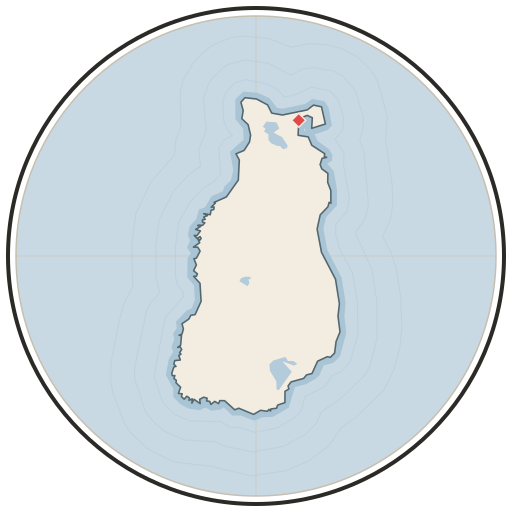
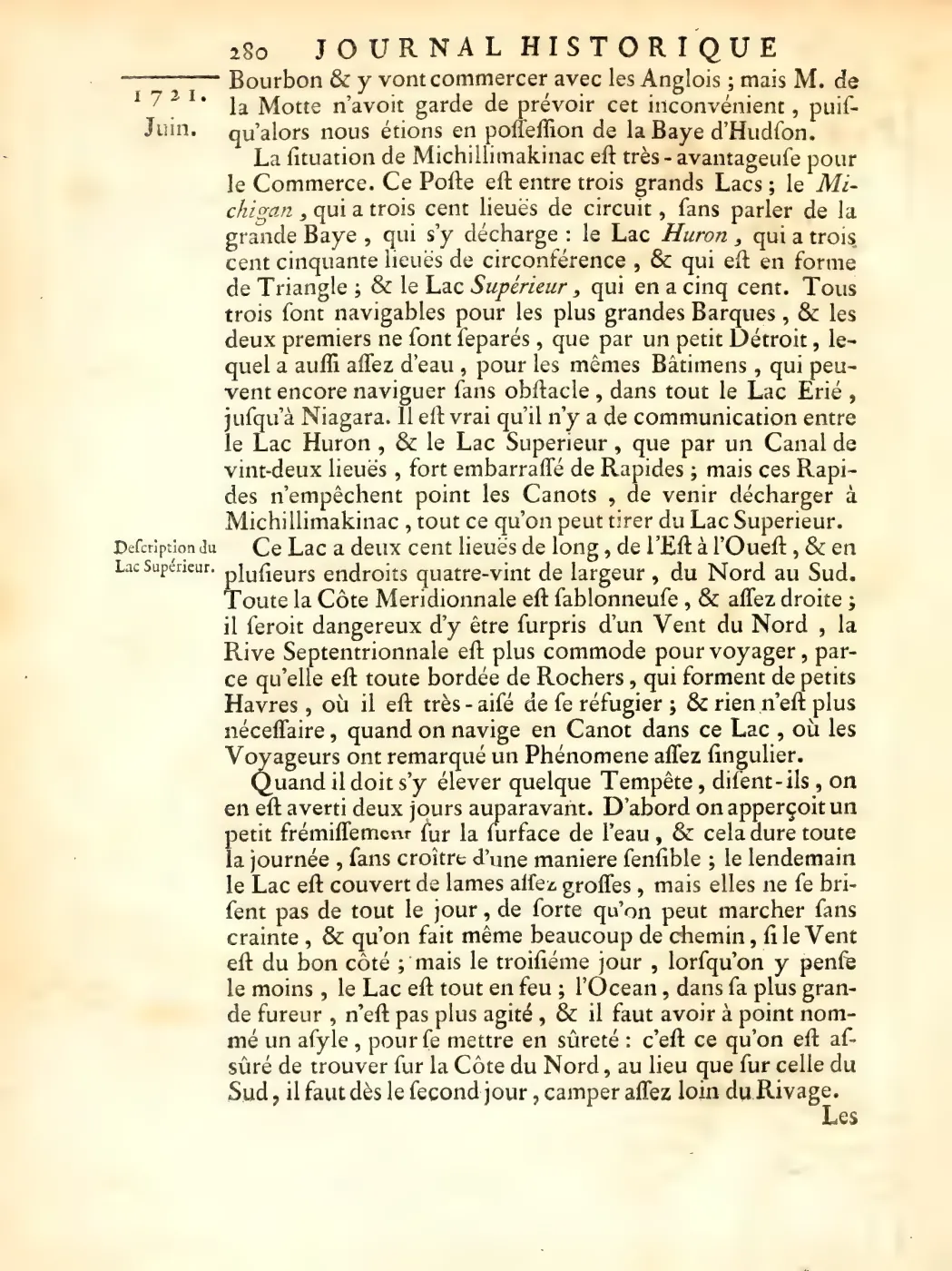
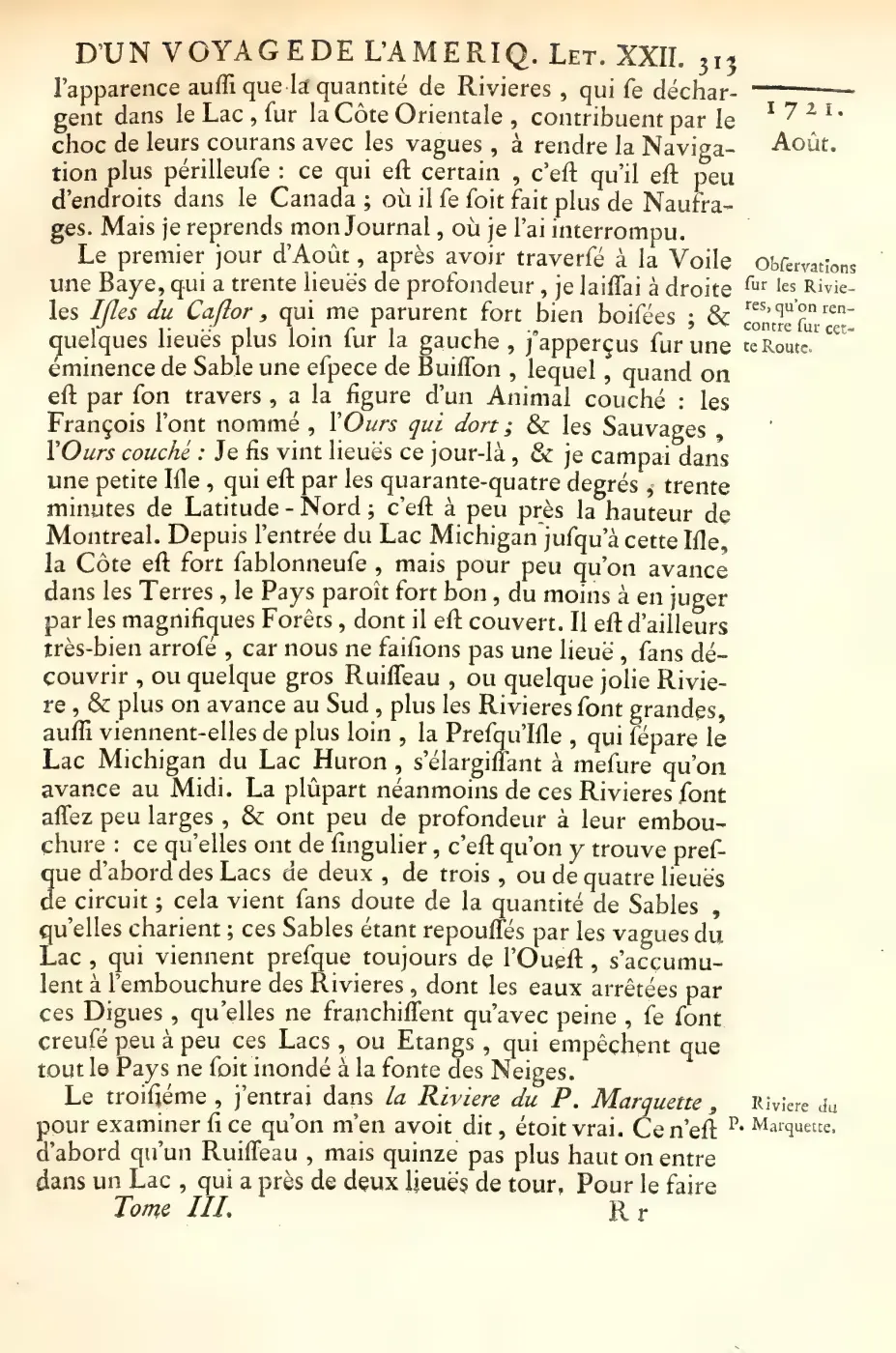
Charlevoix’s 1744 French Journal historique records les Isles du Castor in a 1721 Lake Michigan travel narrative. The author says that Outaouais who had retreated there planted maize, and that the Amikoués had formerly lived on the islands. The same account says that, on 1 August 1721, he passed the islands and found them “fort bien boisées” (very well wooded).
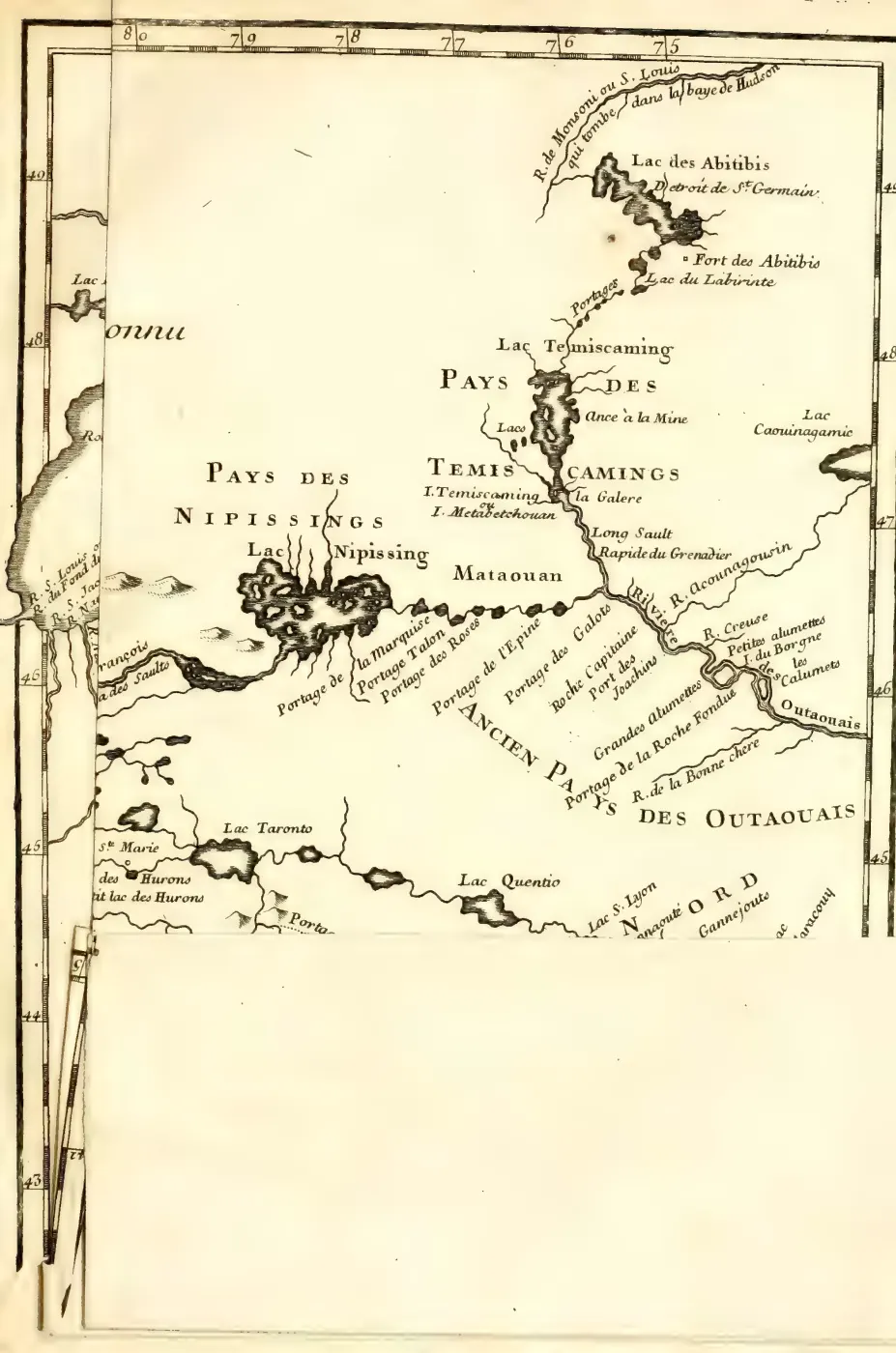
These are source-bound colonial-era observations and attributions. They make the plural French form a significant early written attestation for the group and connect the text to later French cartography, including the held Bellin map. They do not settle the islands’ exact boundaries, identify every community mentioned by the author, or establish a continuous settlement narrative.
Evidence and limits
The French authorial terms, including “Outaouais” and “Amikoués,” are retained as historical source language, not adopted as modern self-identification or a definitive account of Anishinaabe/Odawa peoples. The English translation’s “Cutaways” is likewise a translator’s historical wording and is not used here as an identity bridge.
The maize and wooded-island statements document what the account says about 1721. They are not agricultural production totals, ecological inventories, archaeological findings, land-tenure evidence, or proof that any named group occupied every island in the archipelago. The brief travel account must be read alongside Indigenous-authored, treaty, archaeological, and site-specific sources.
See also
Read the document
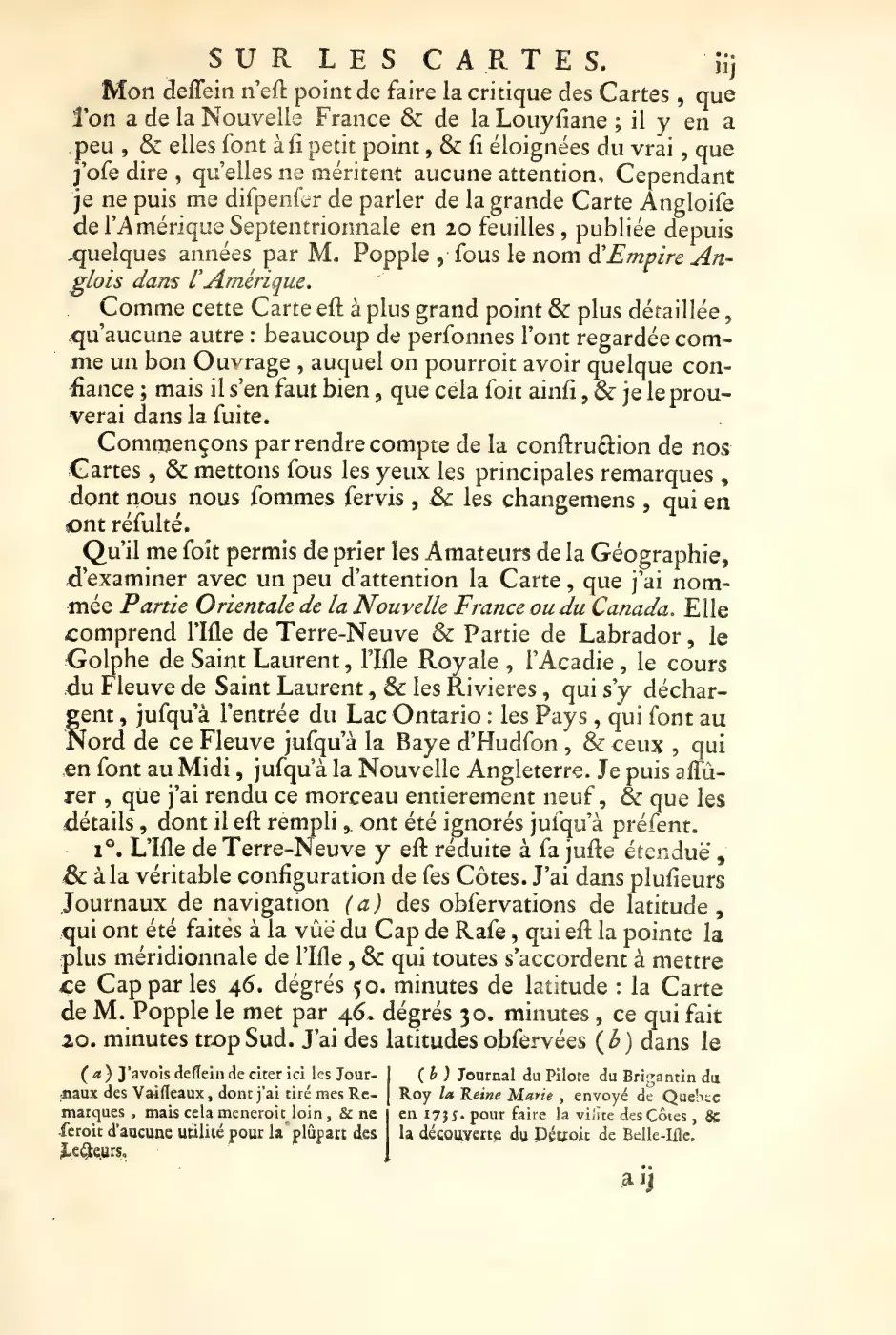
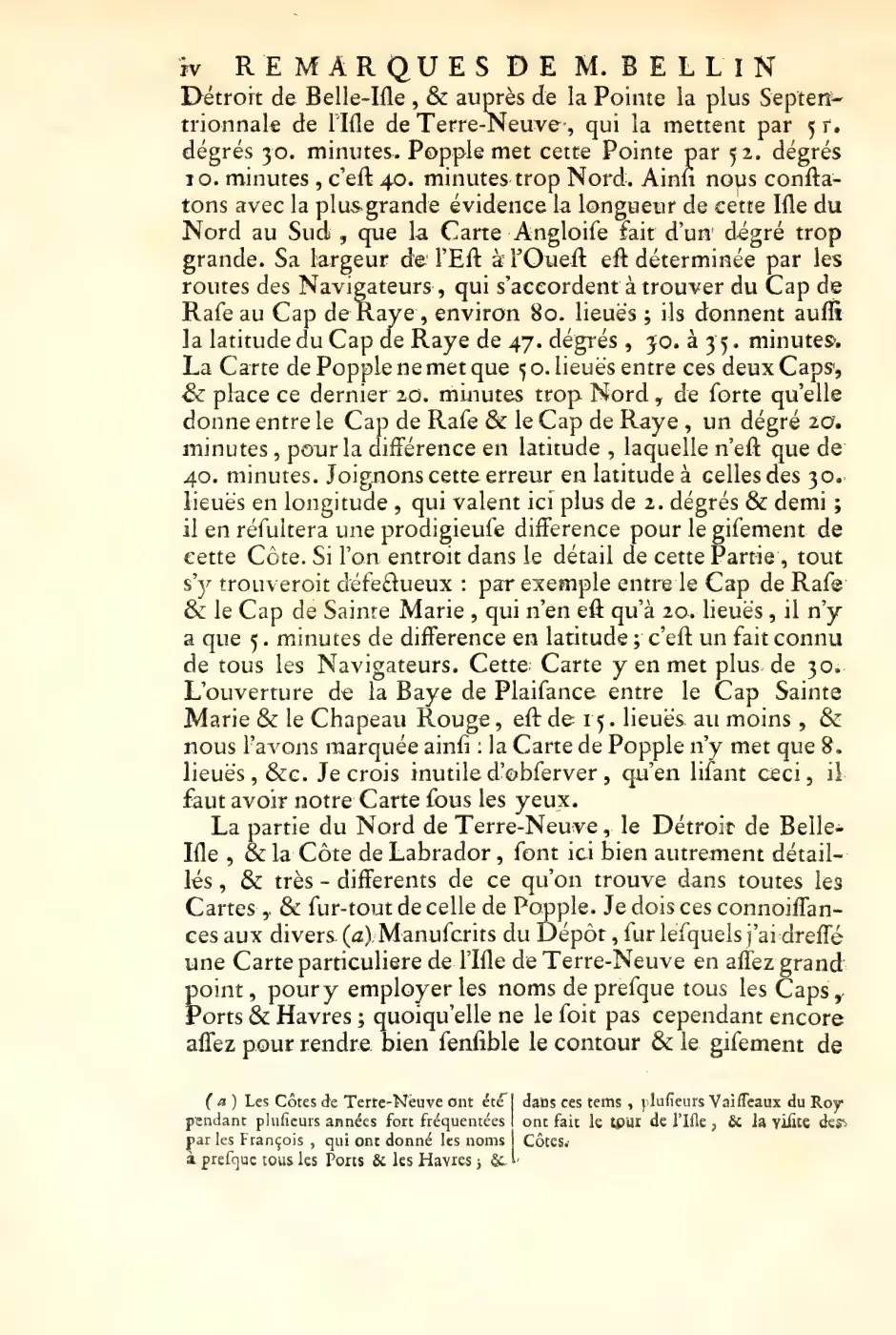
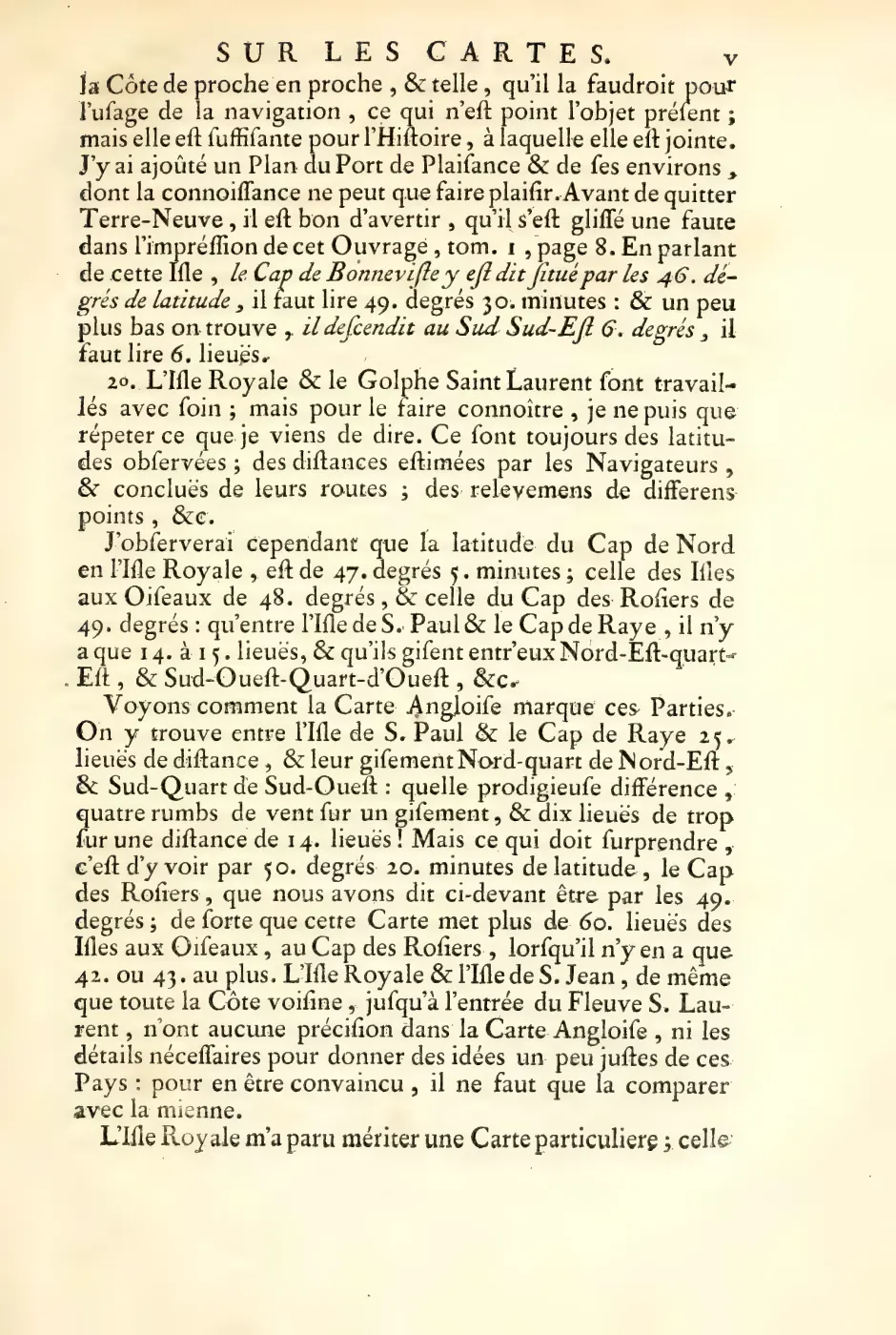
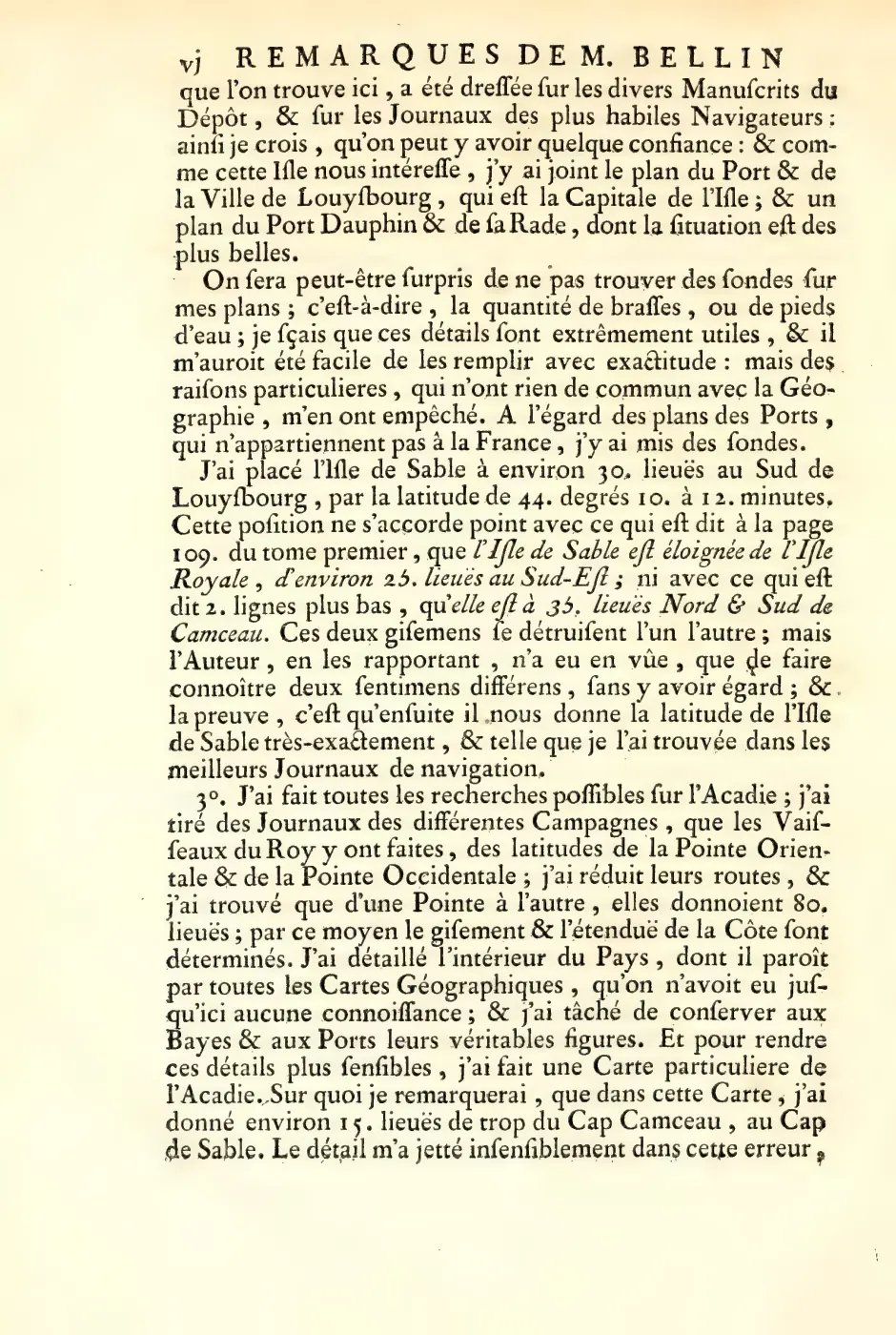
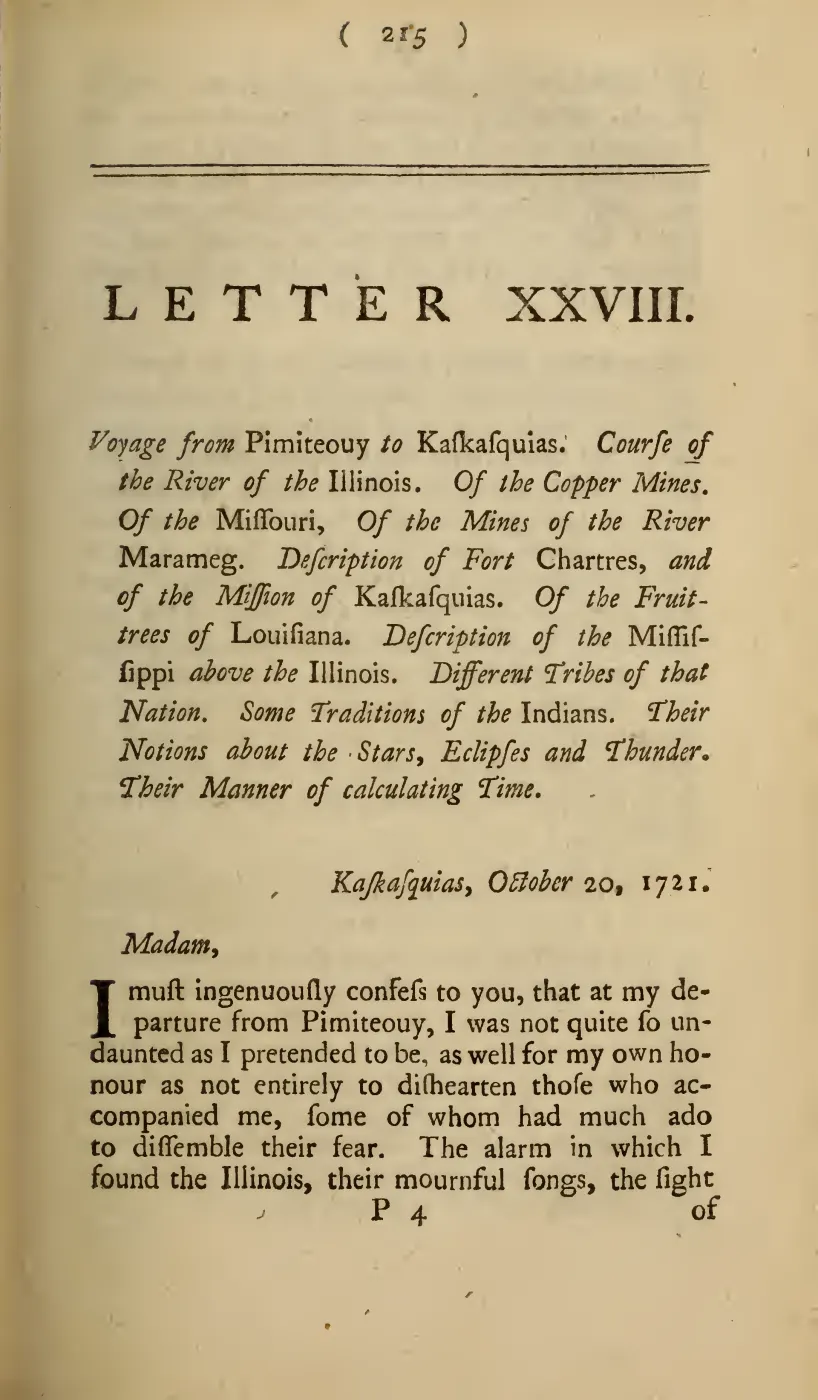
632 pages, rendered from the held scan.
Jump to a page — 632 in all
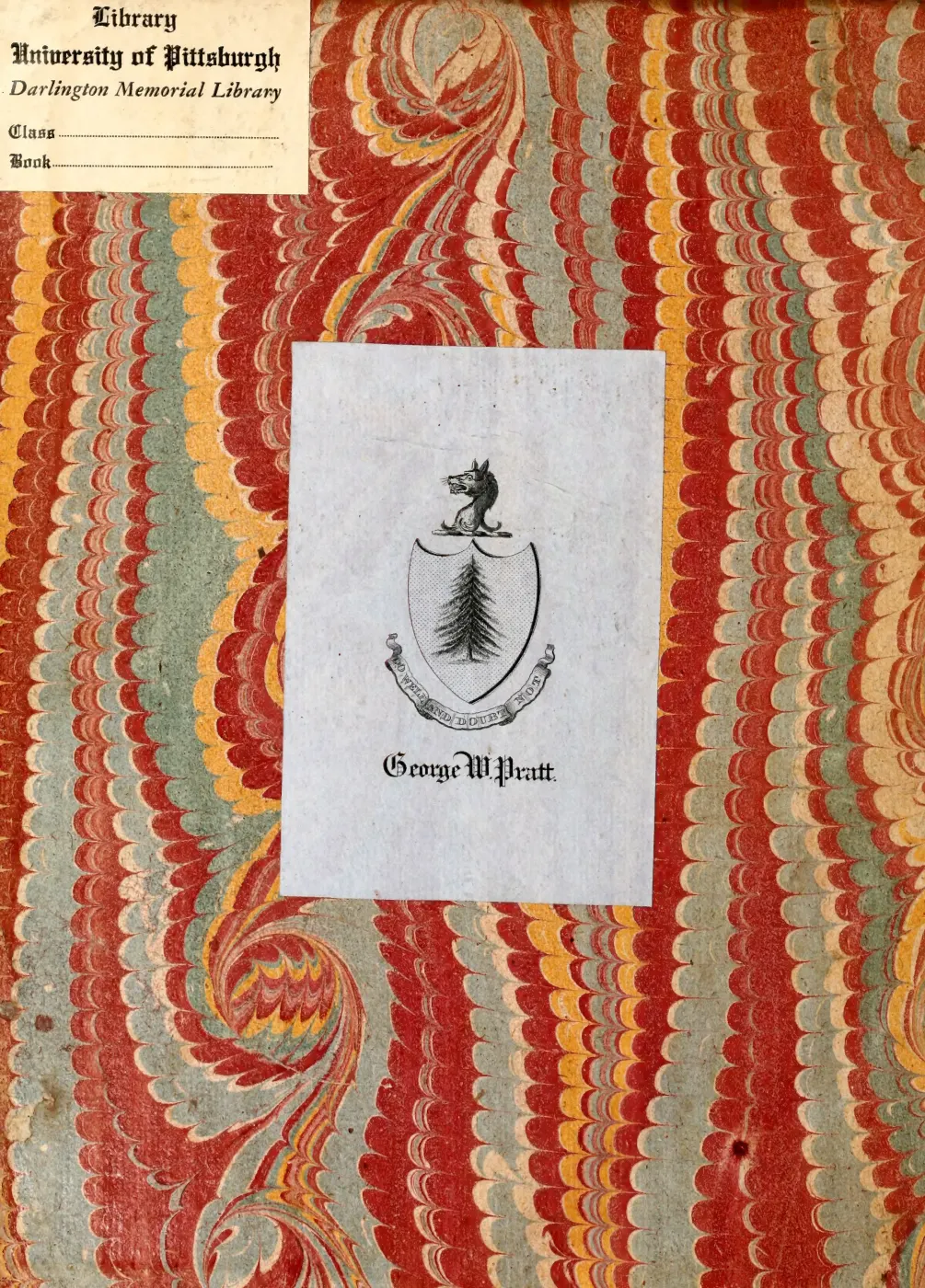


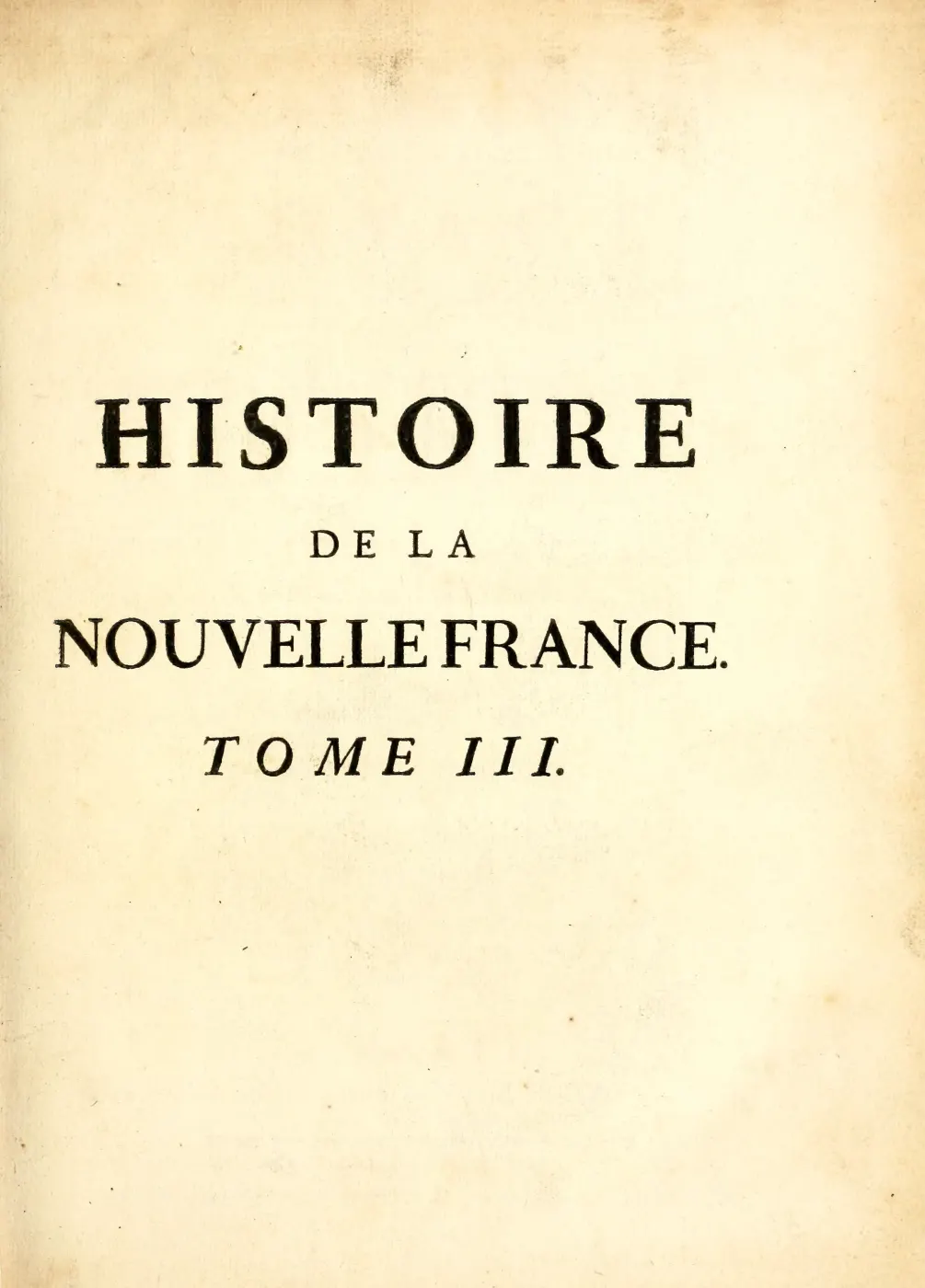
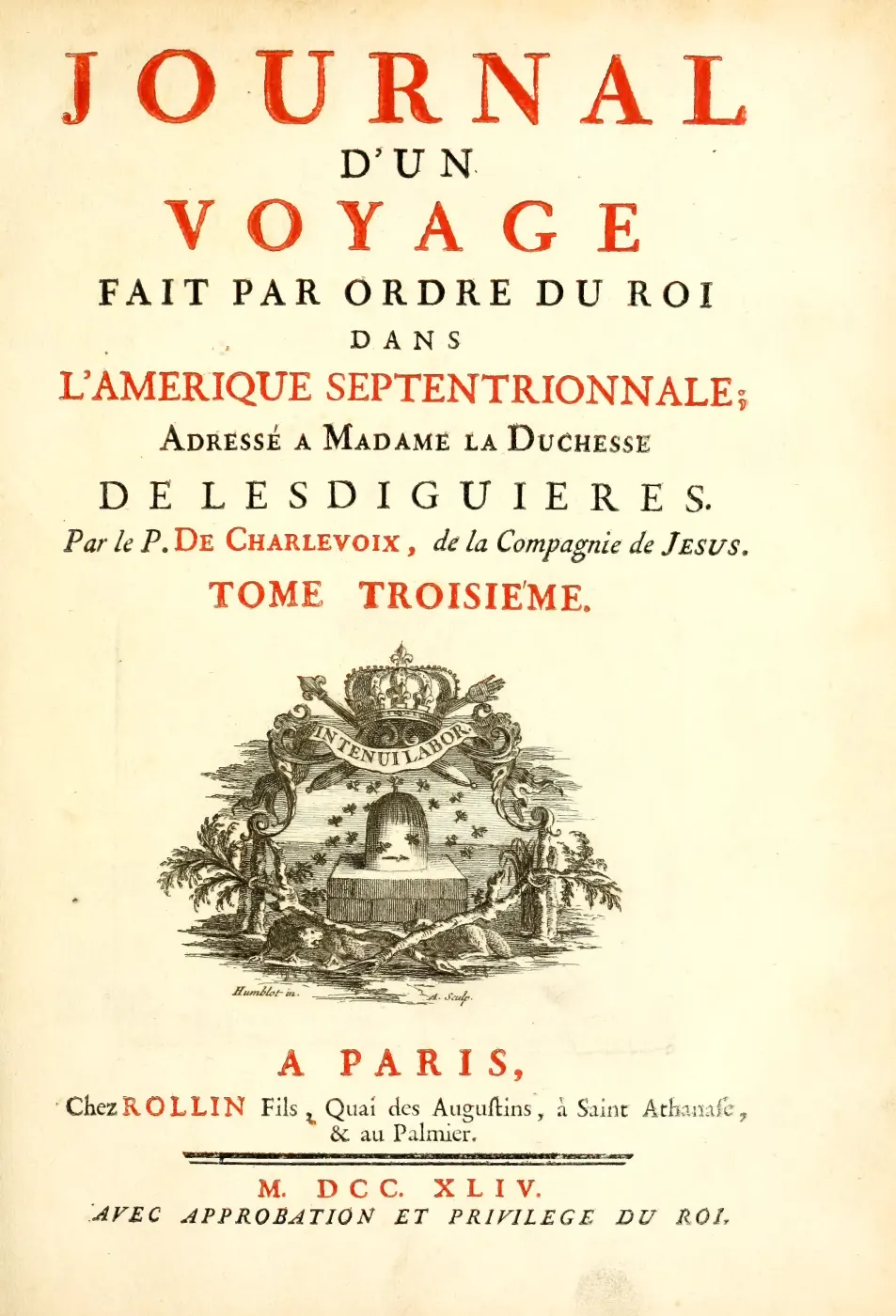
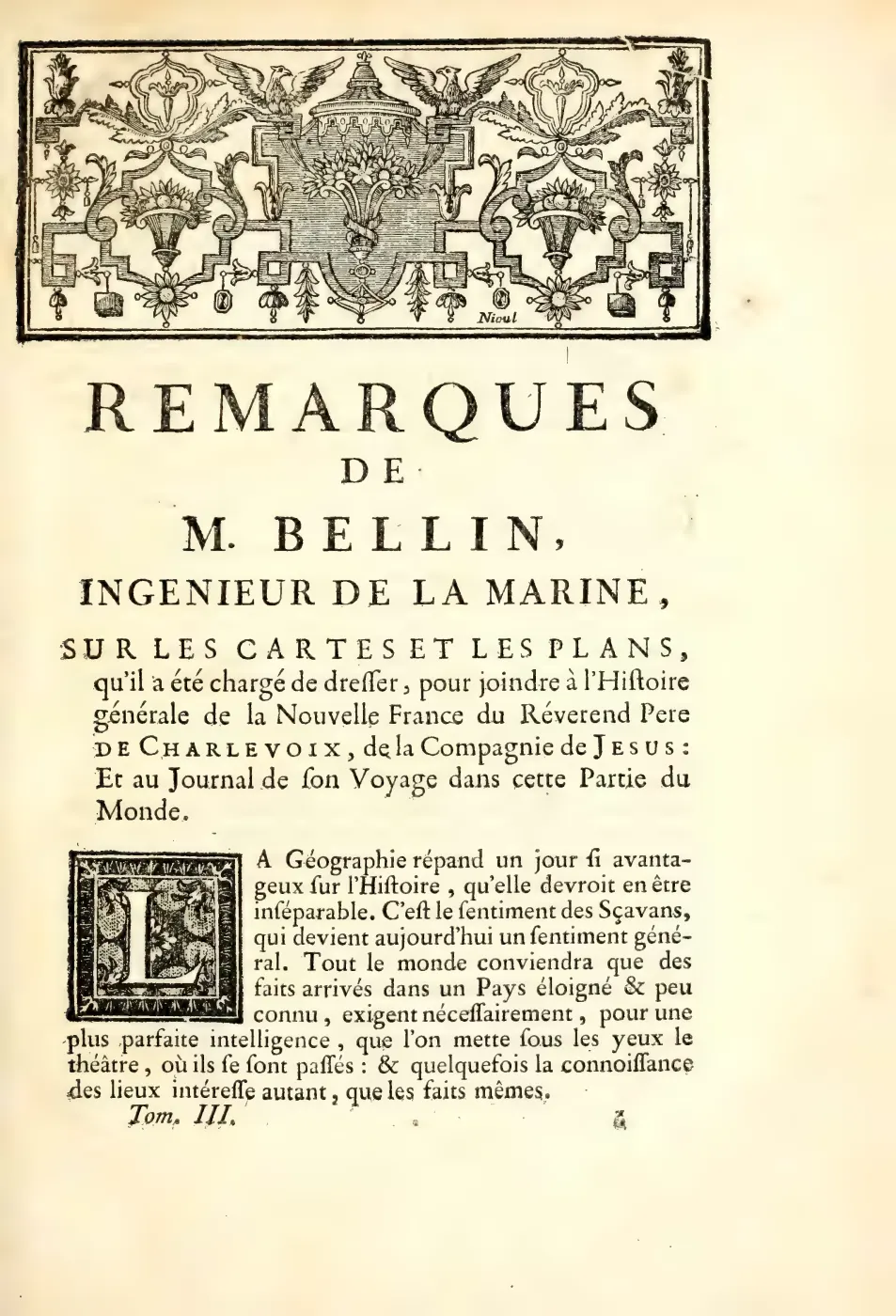
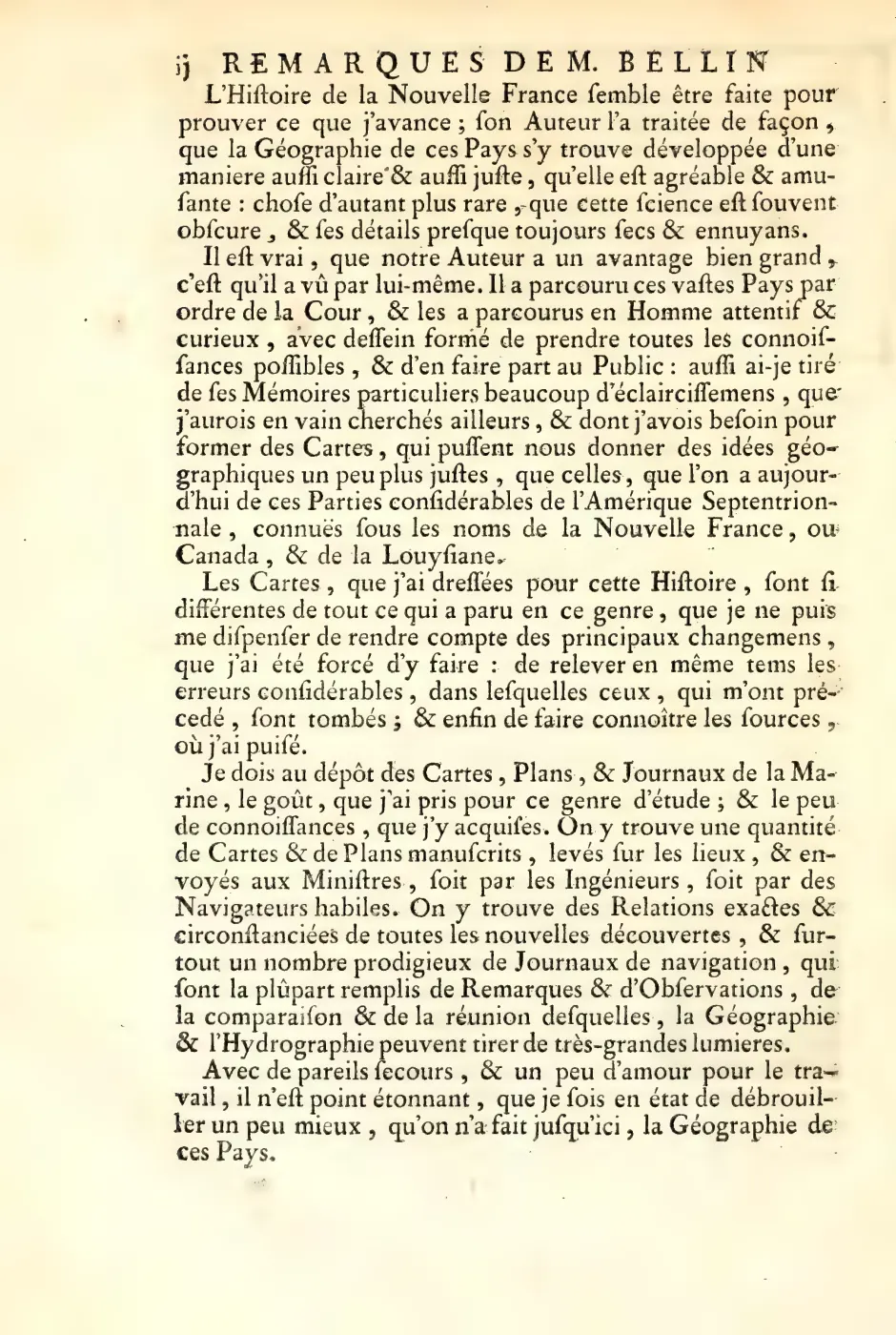
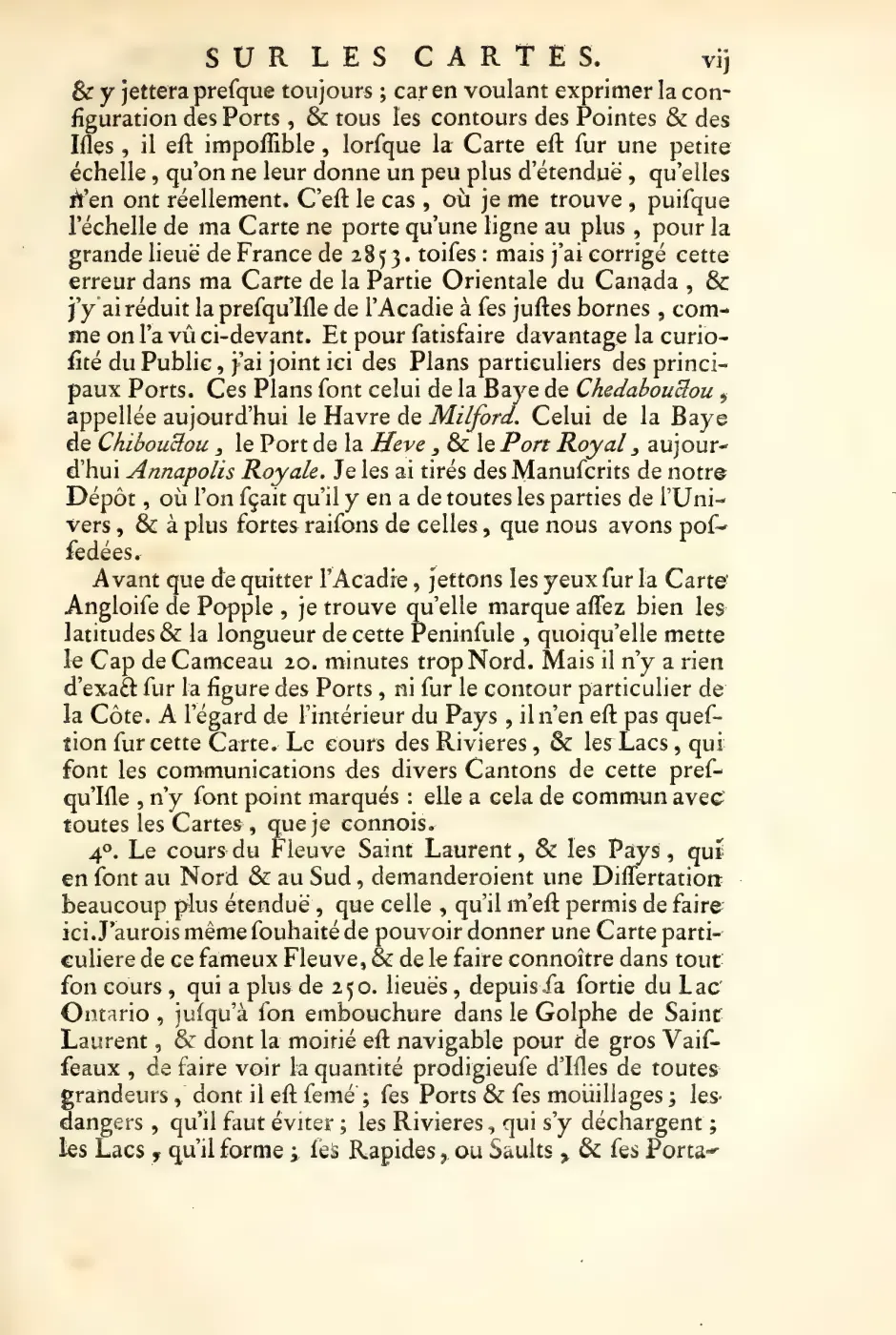
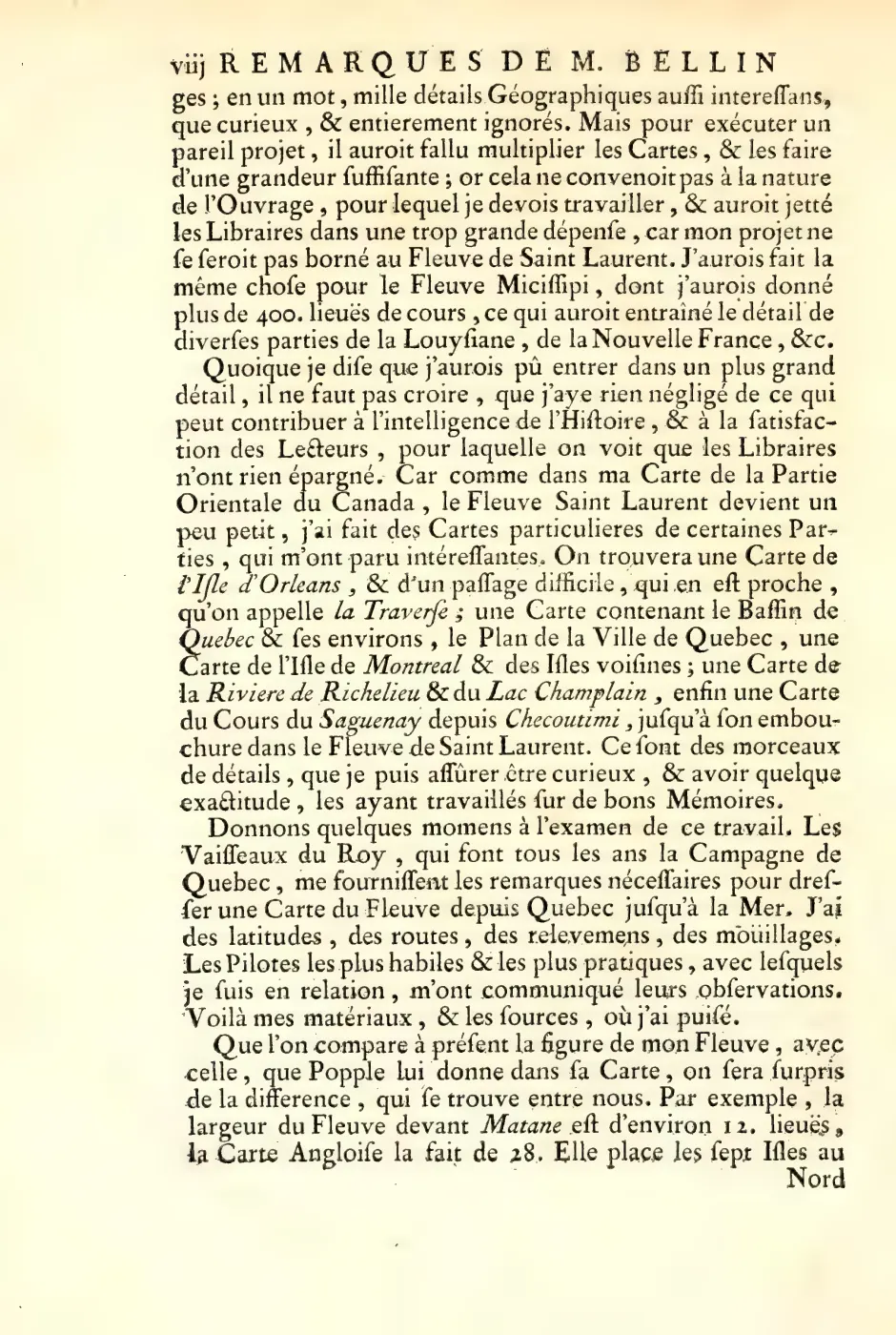
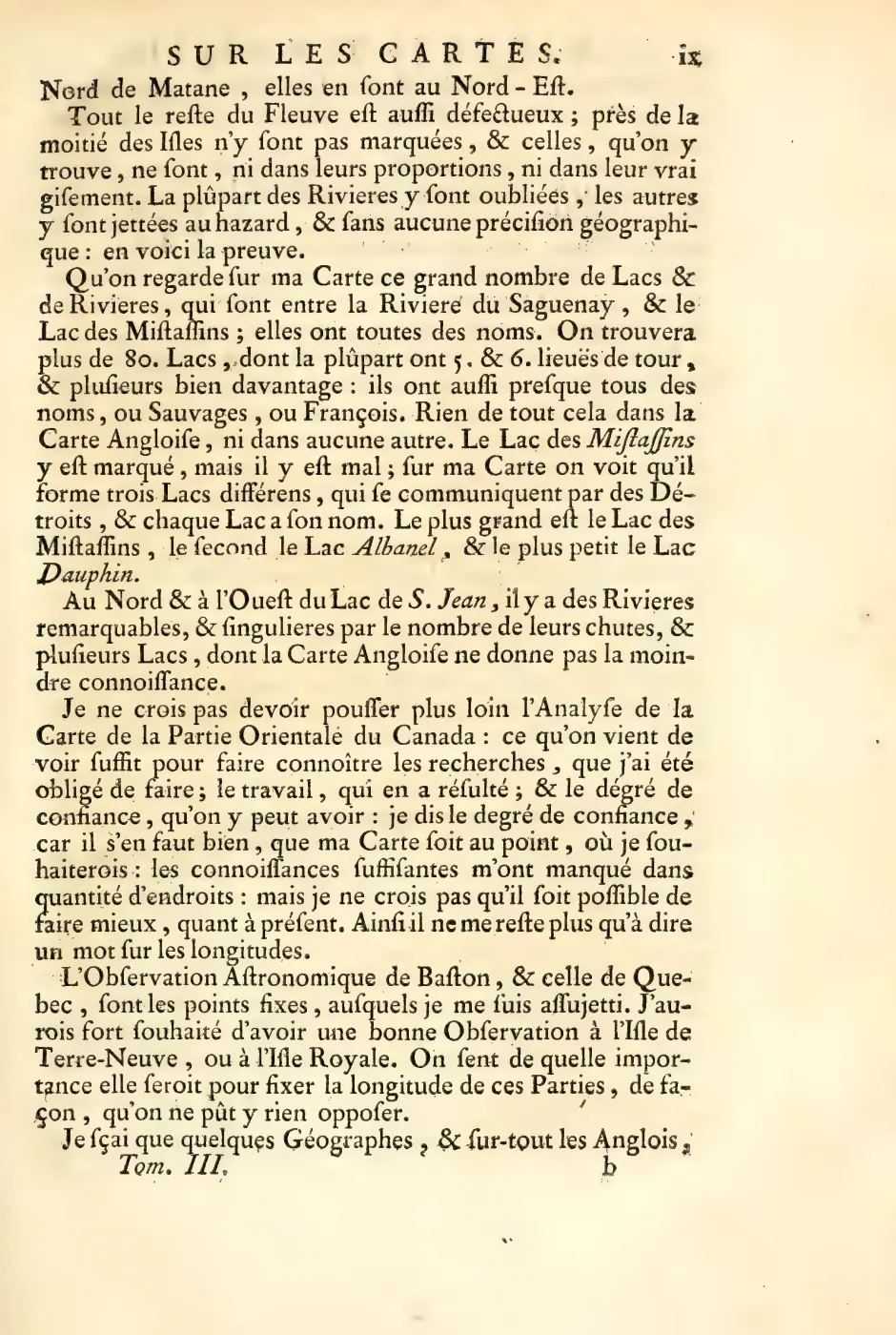
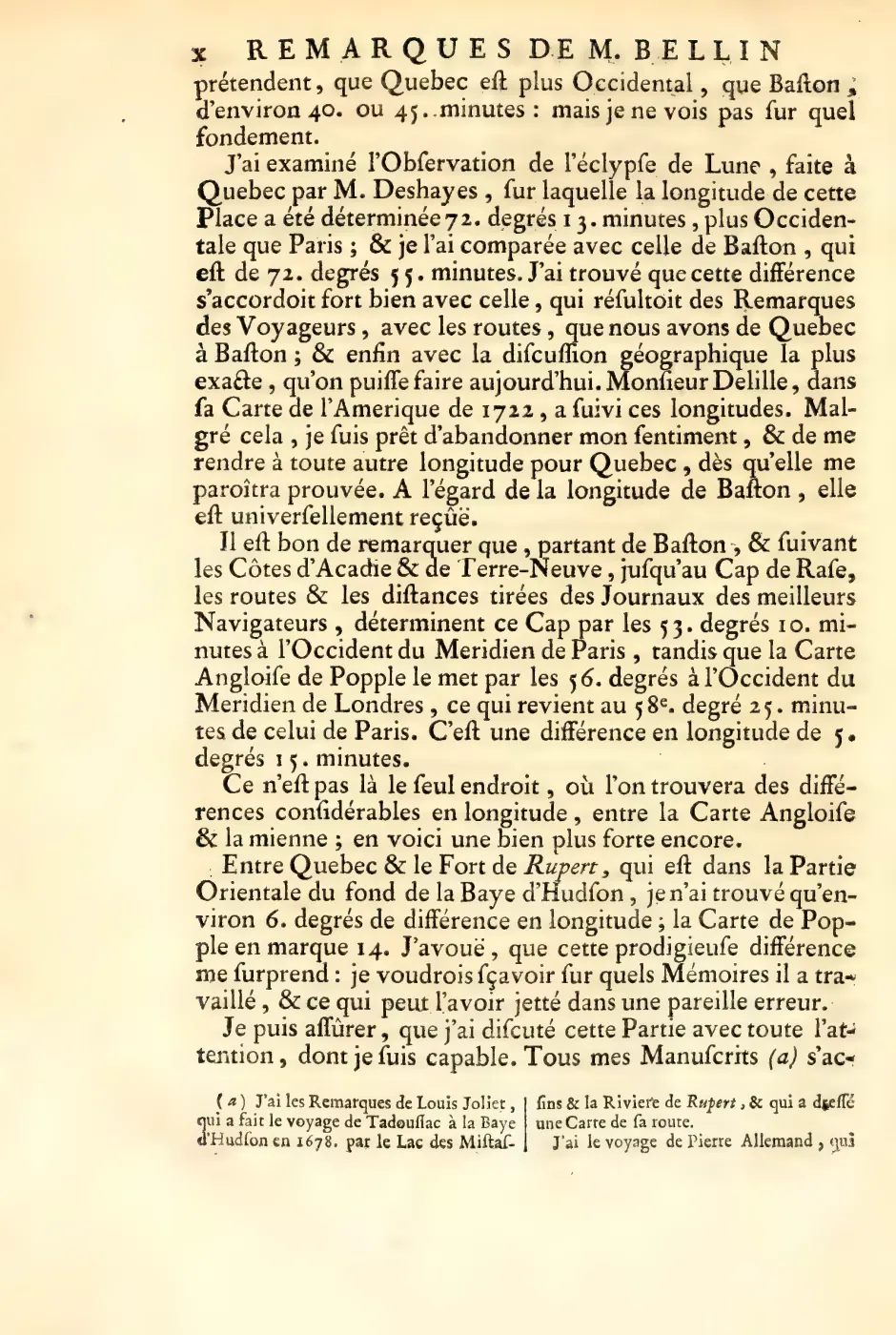
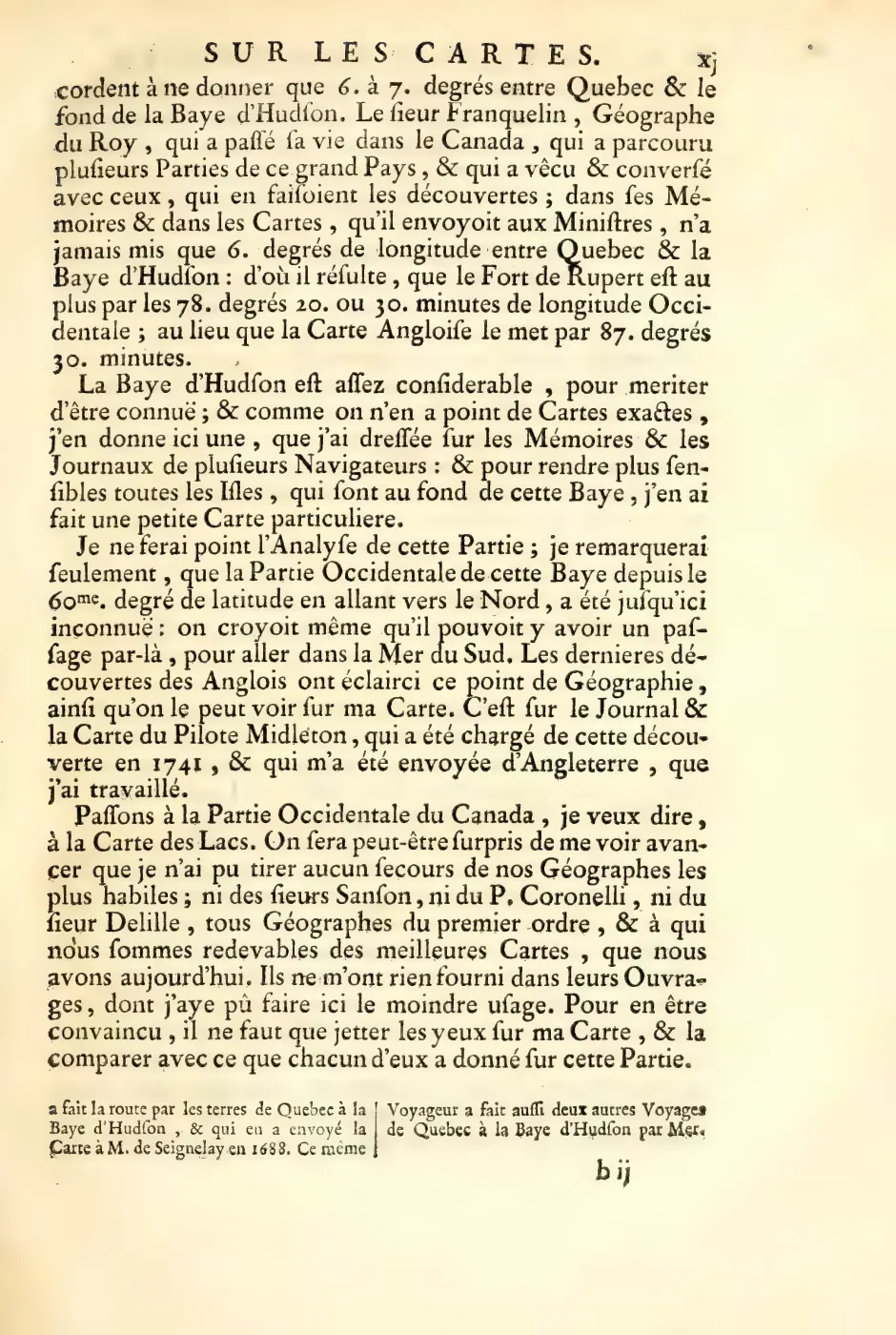
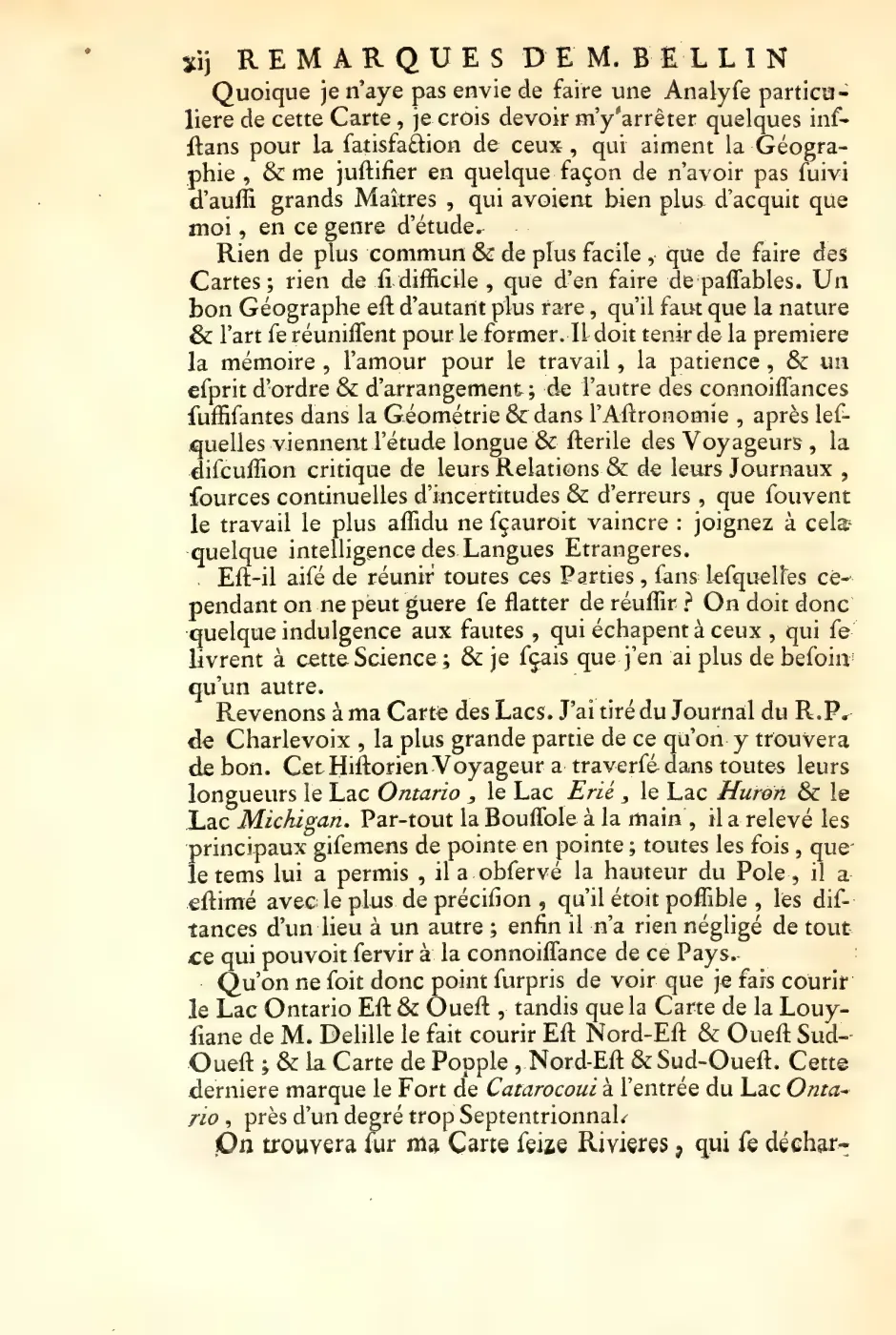
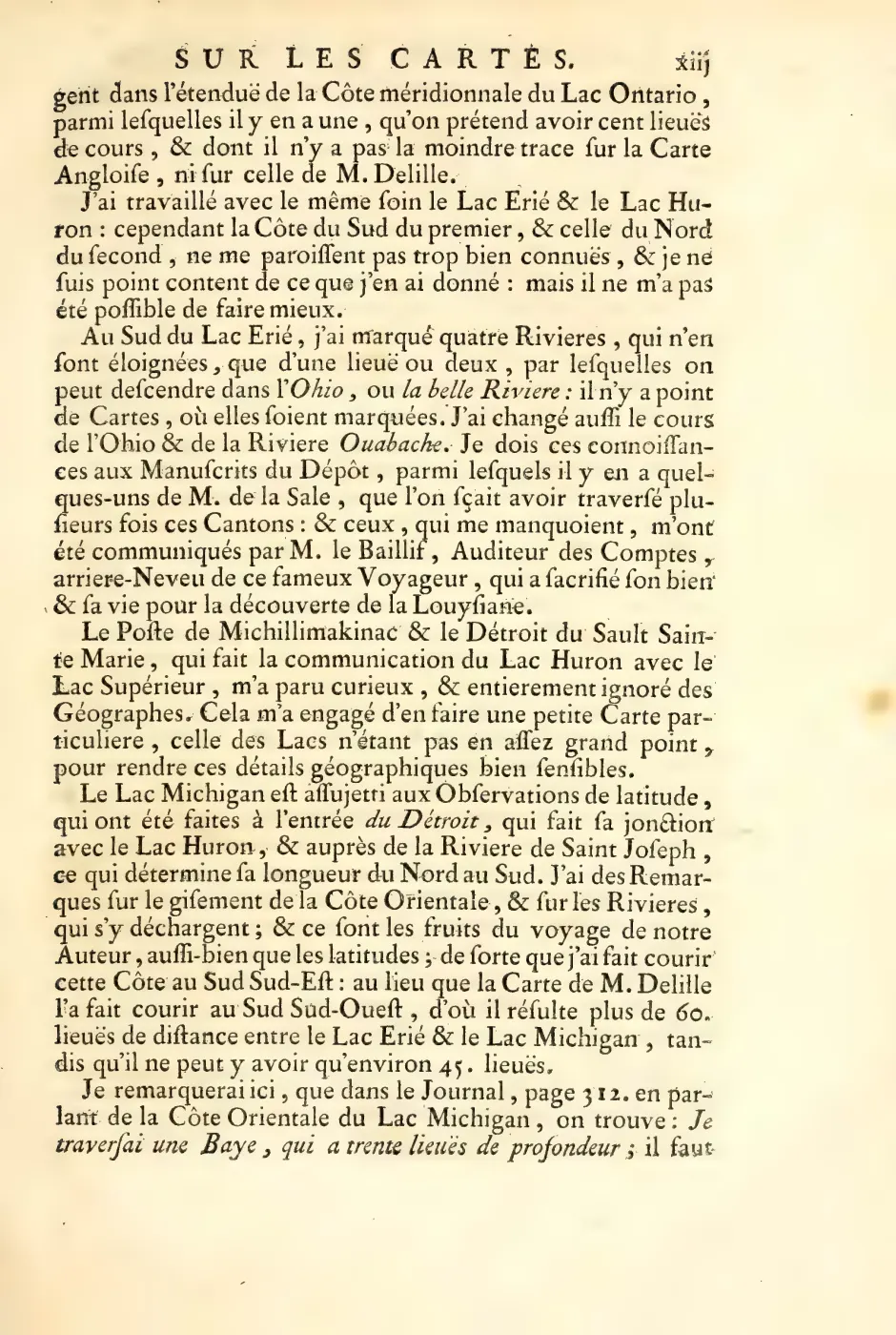
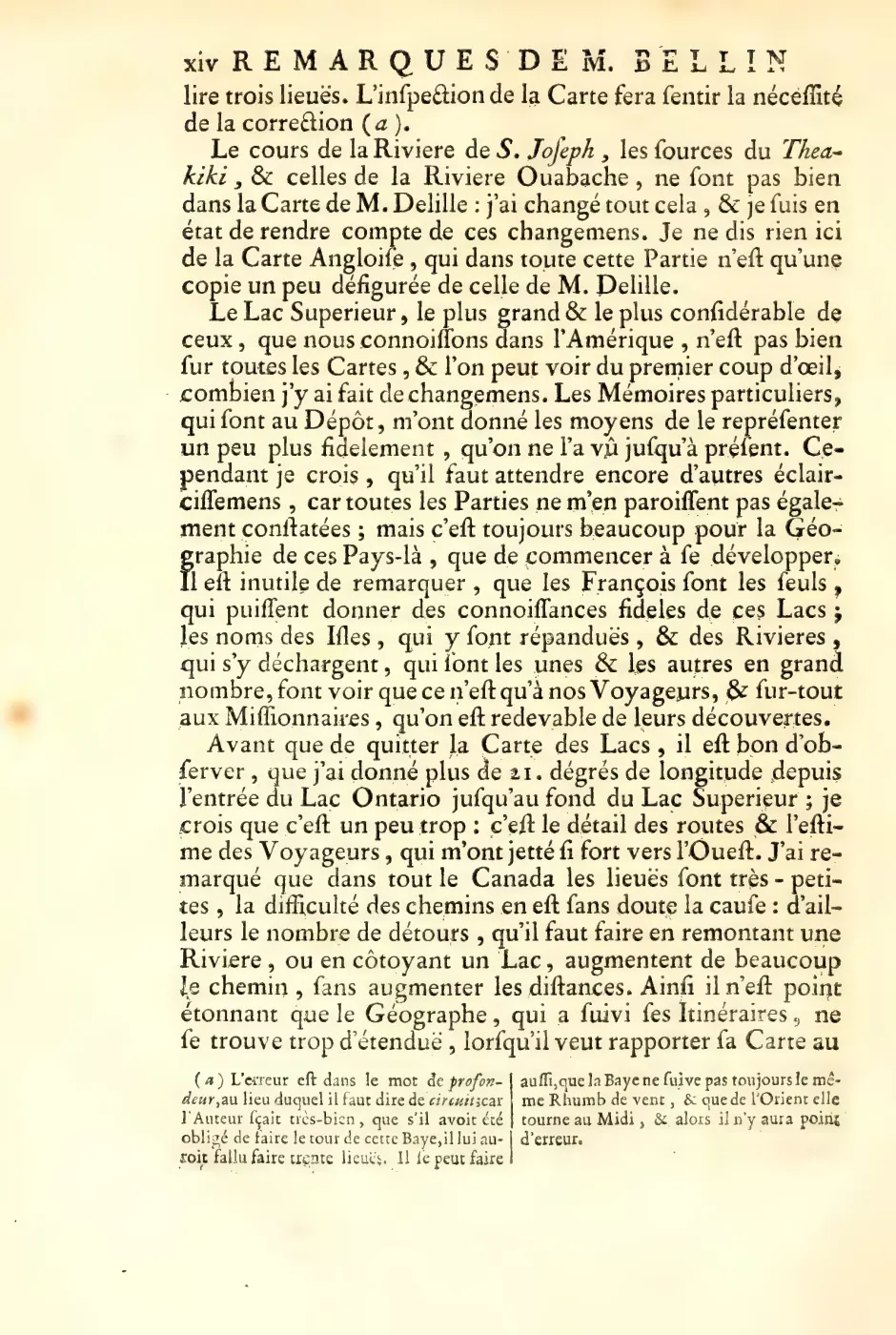
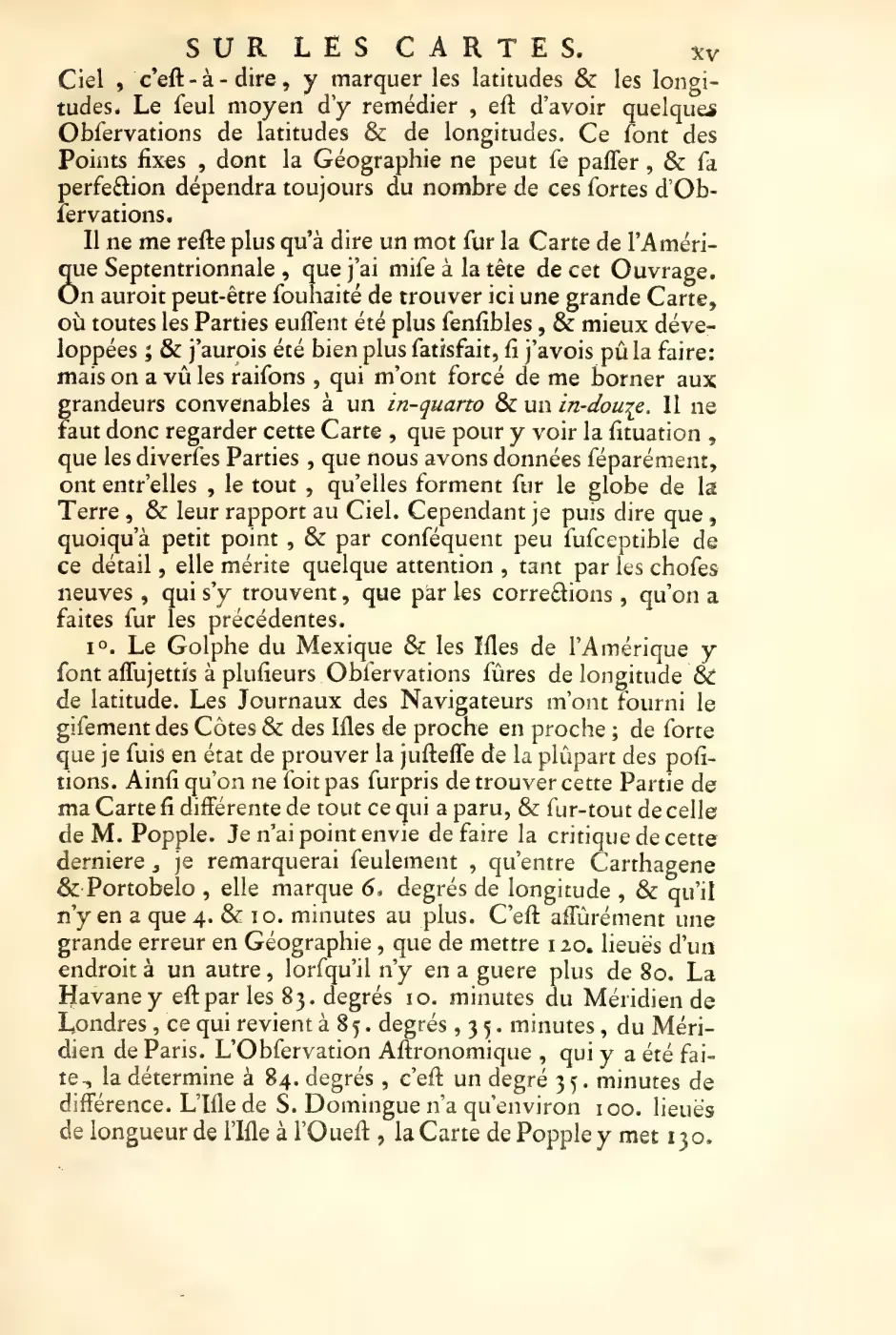
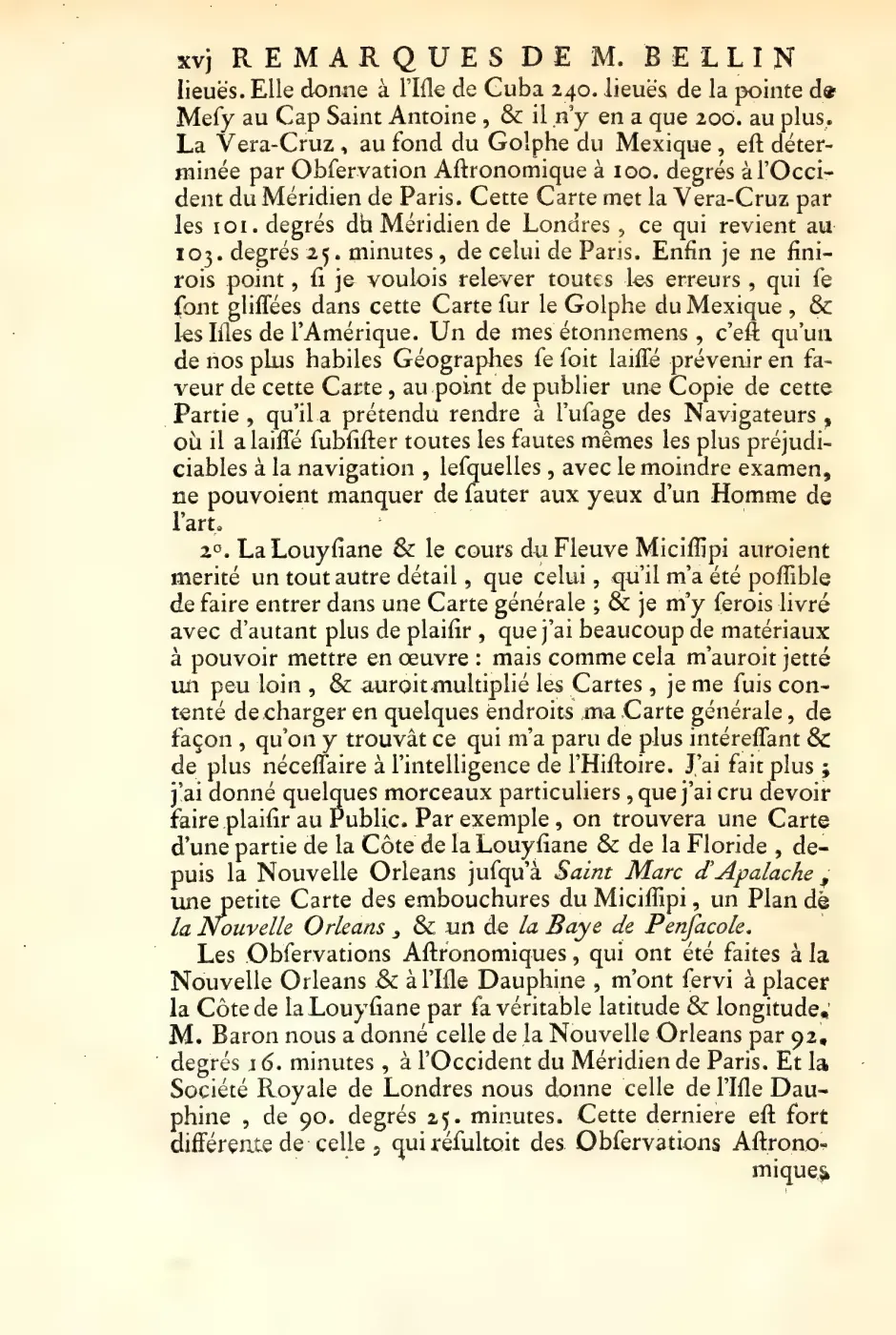
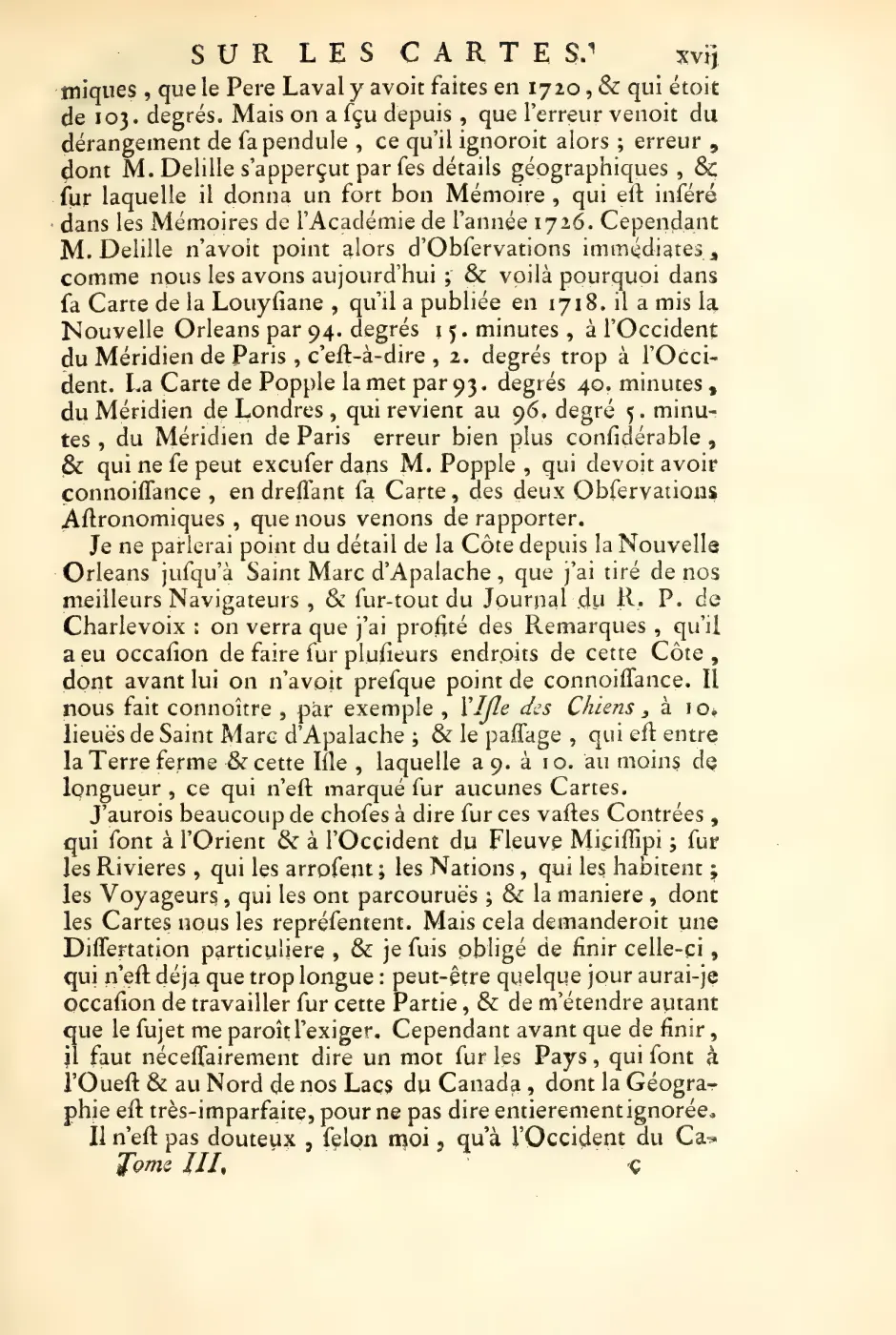
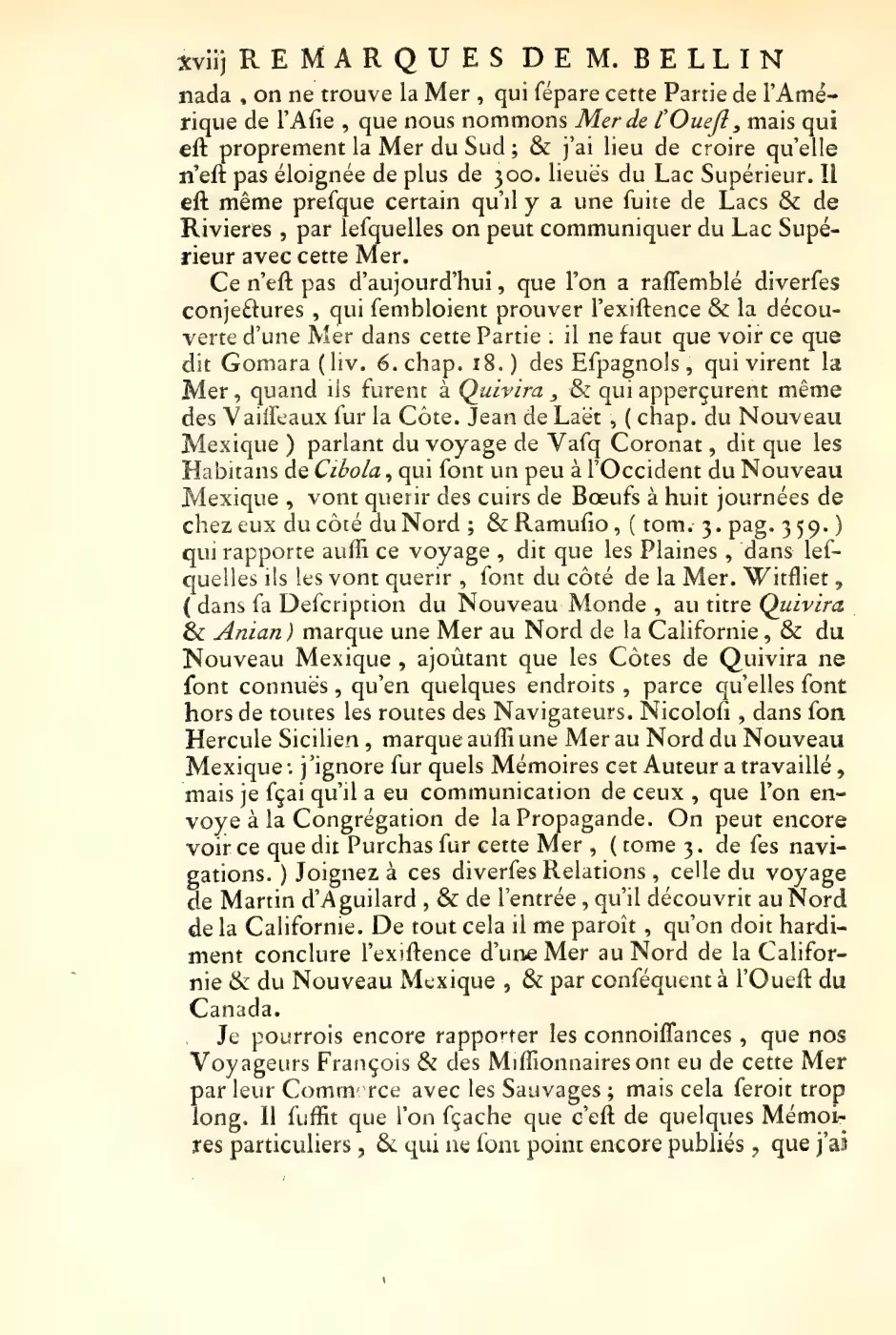
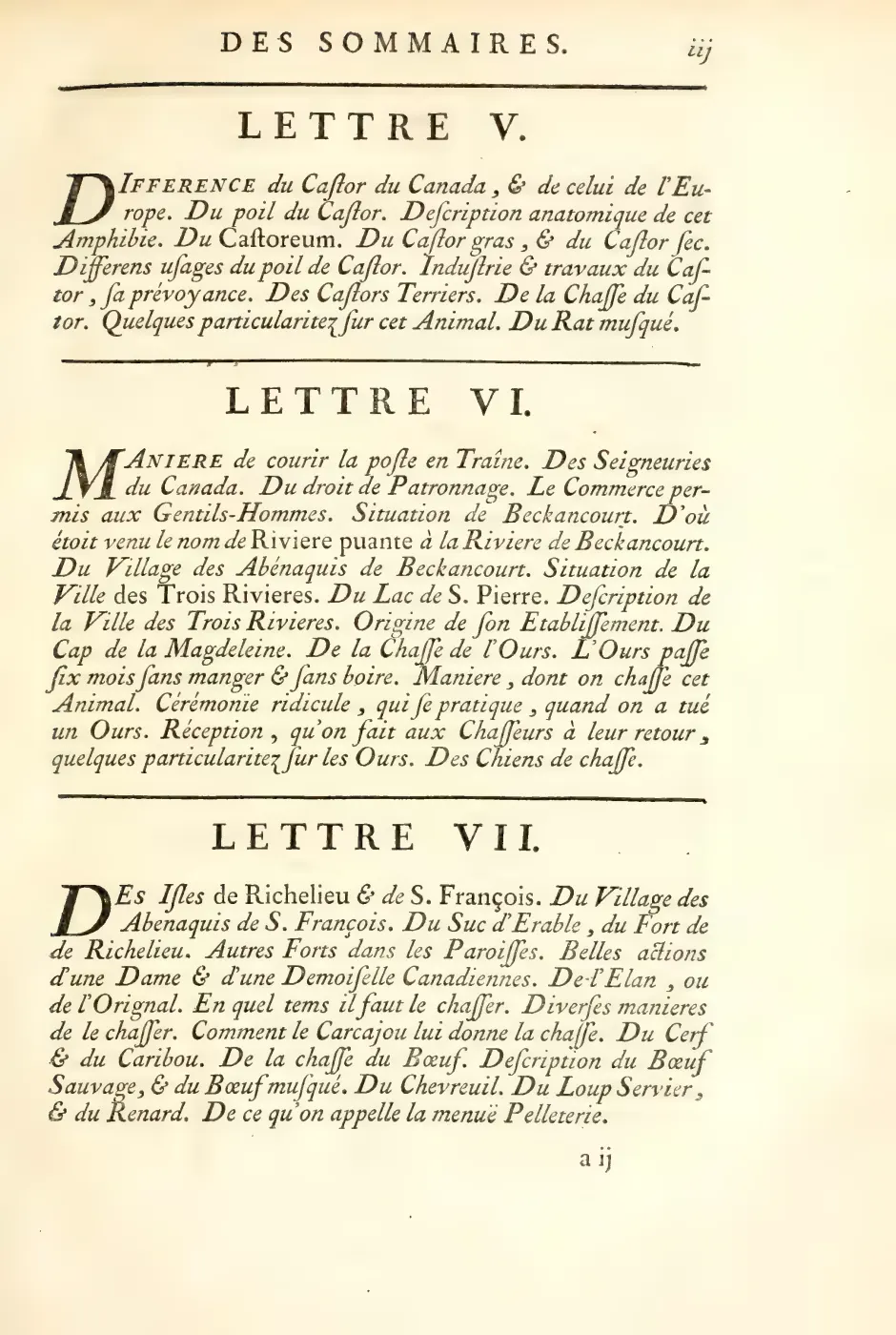
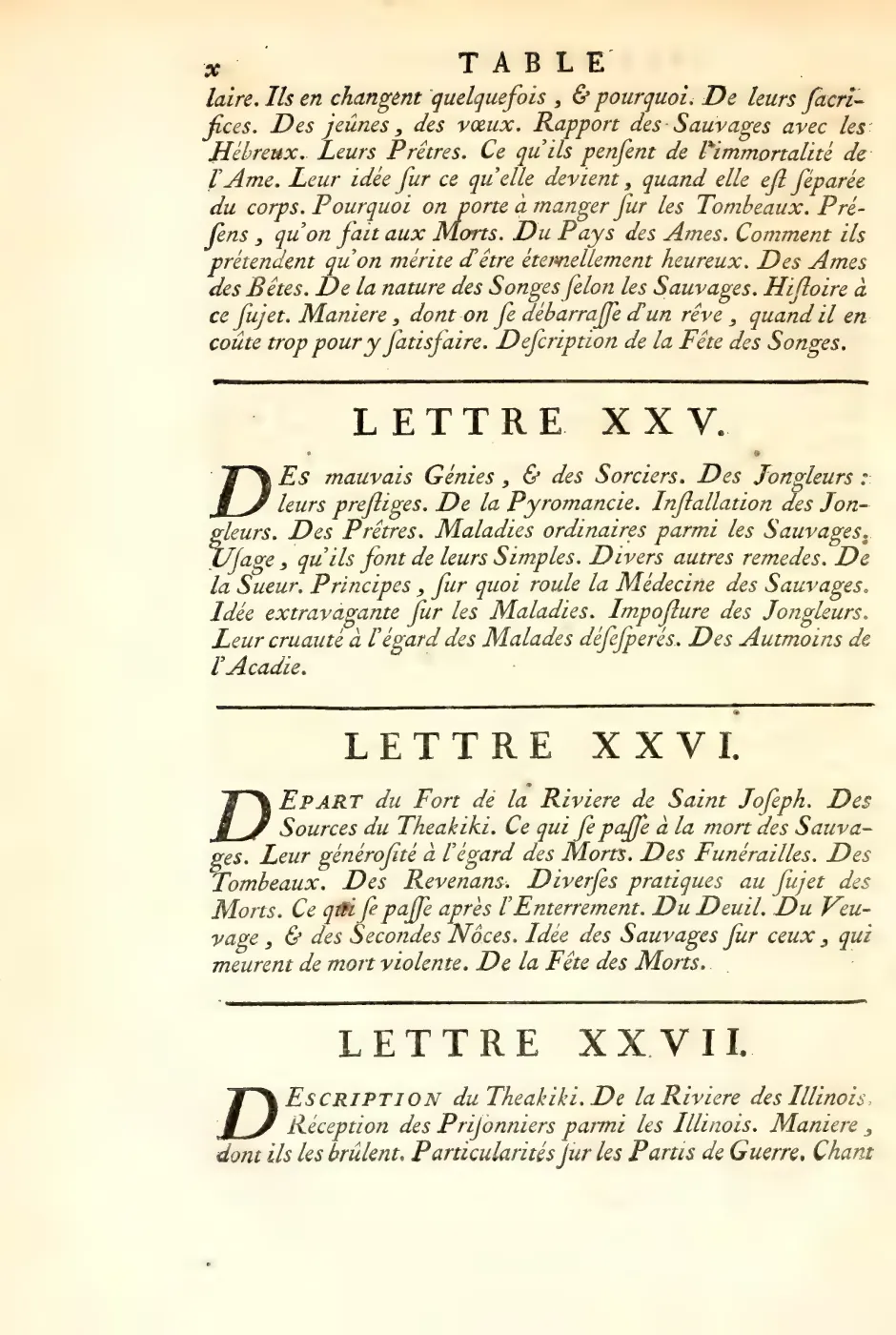
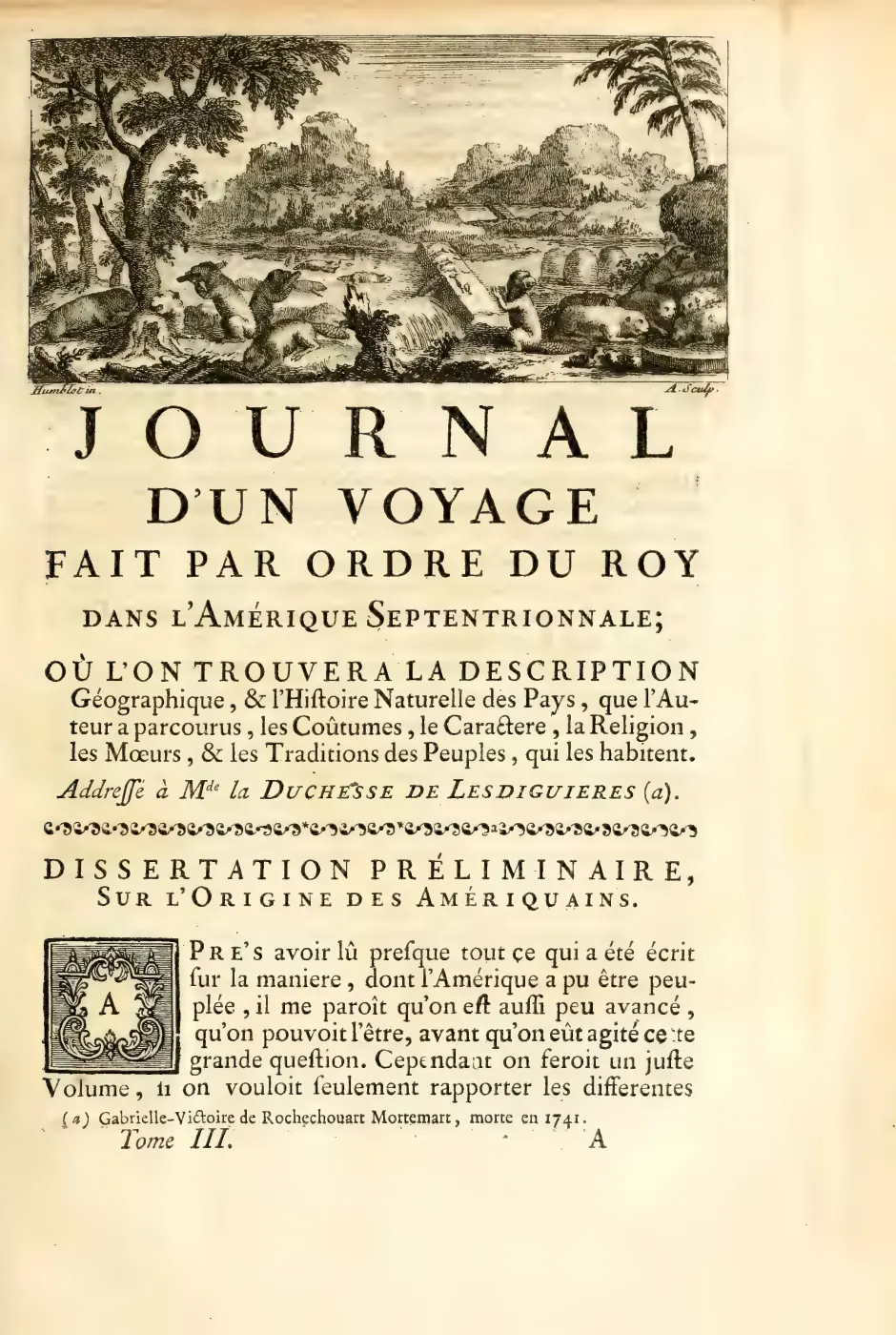
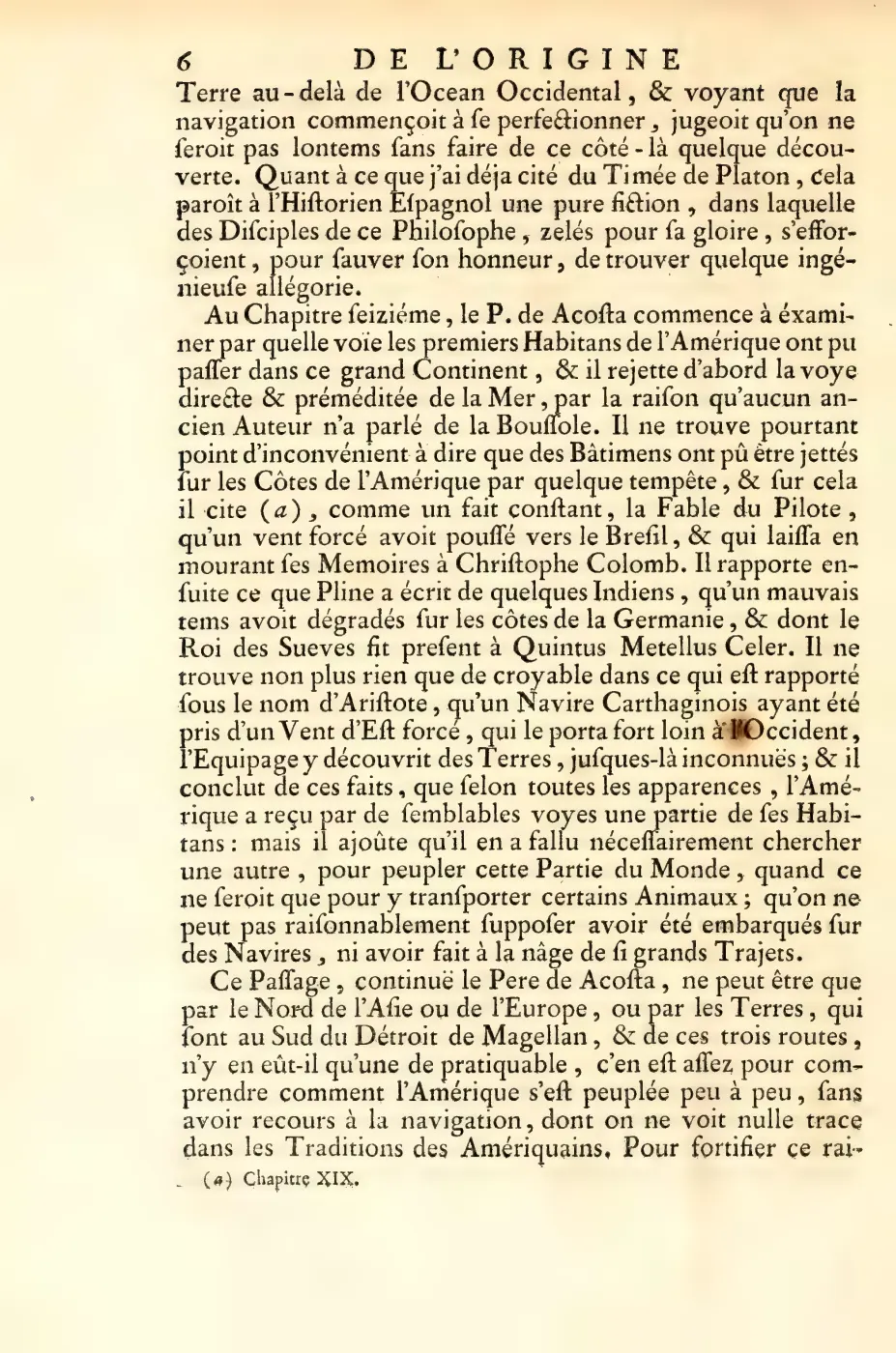
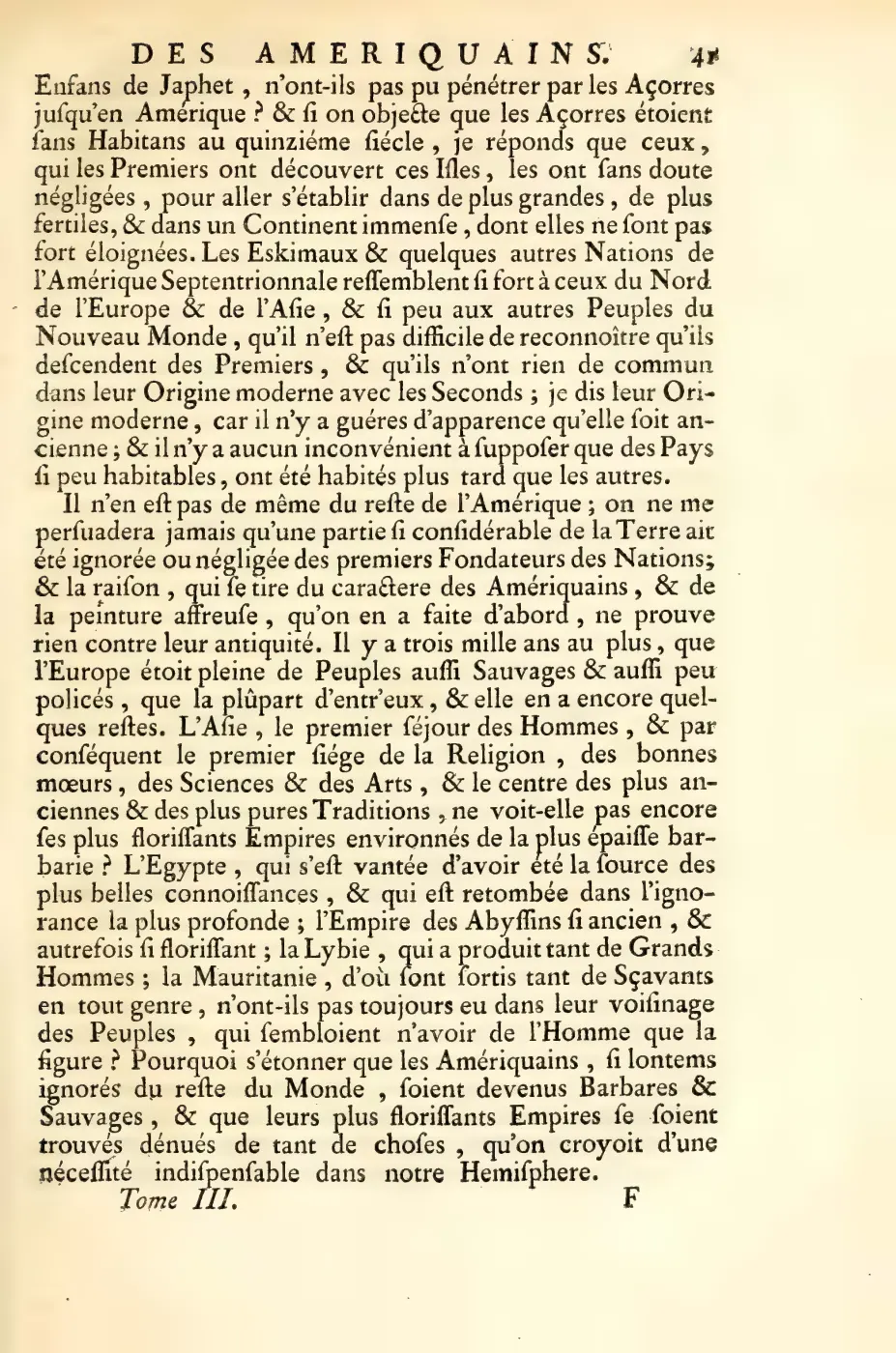
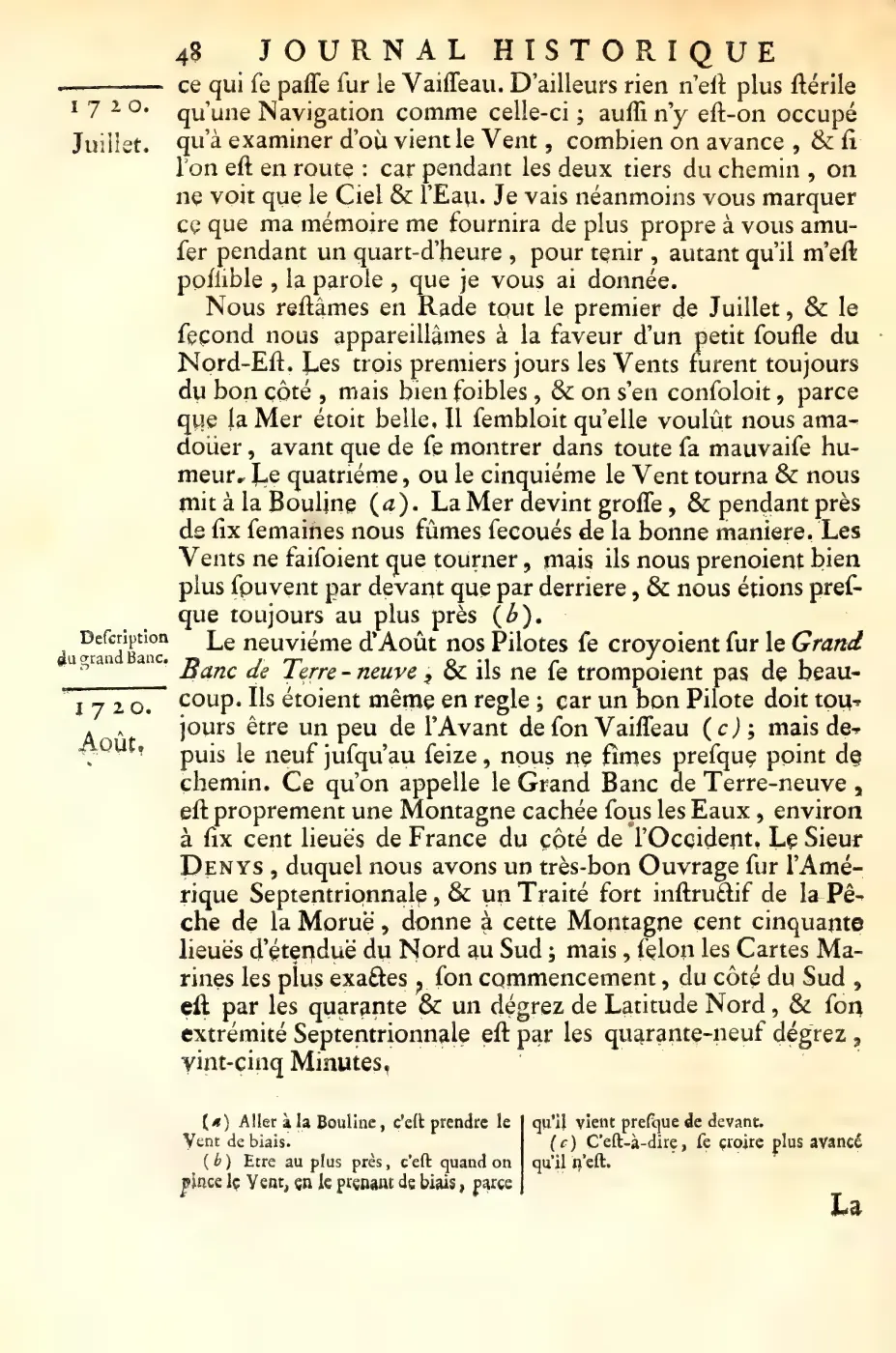
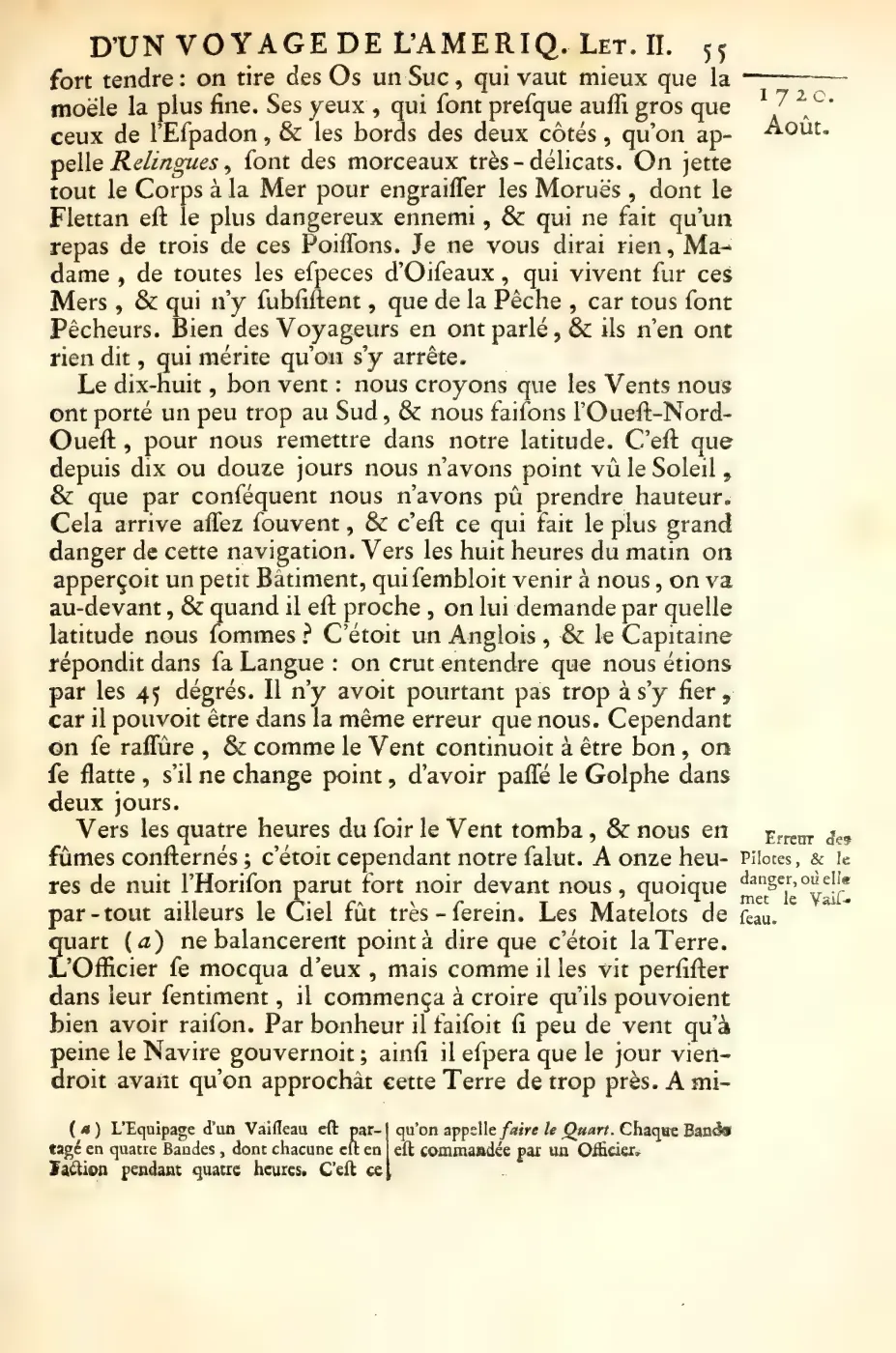
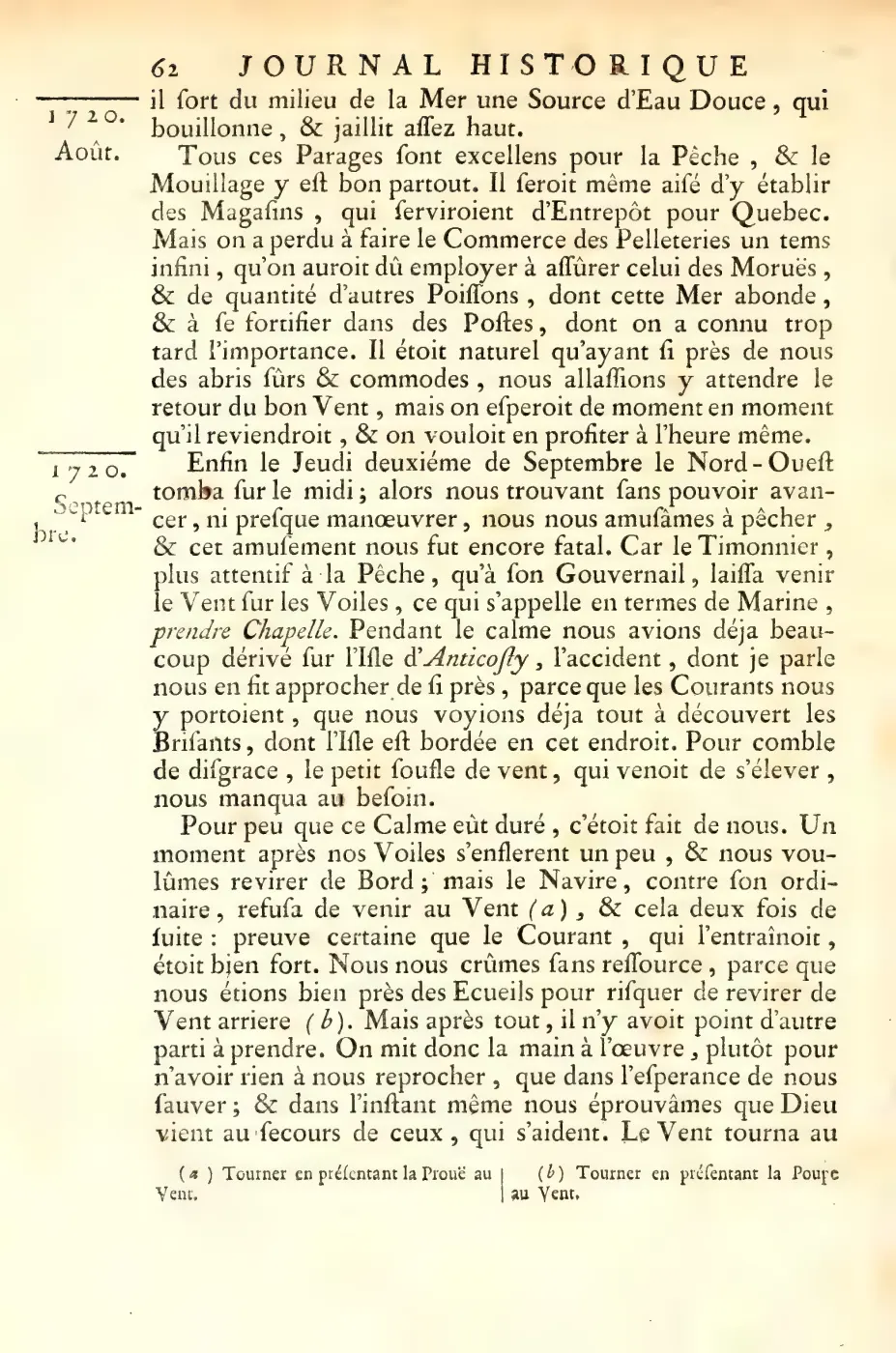
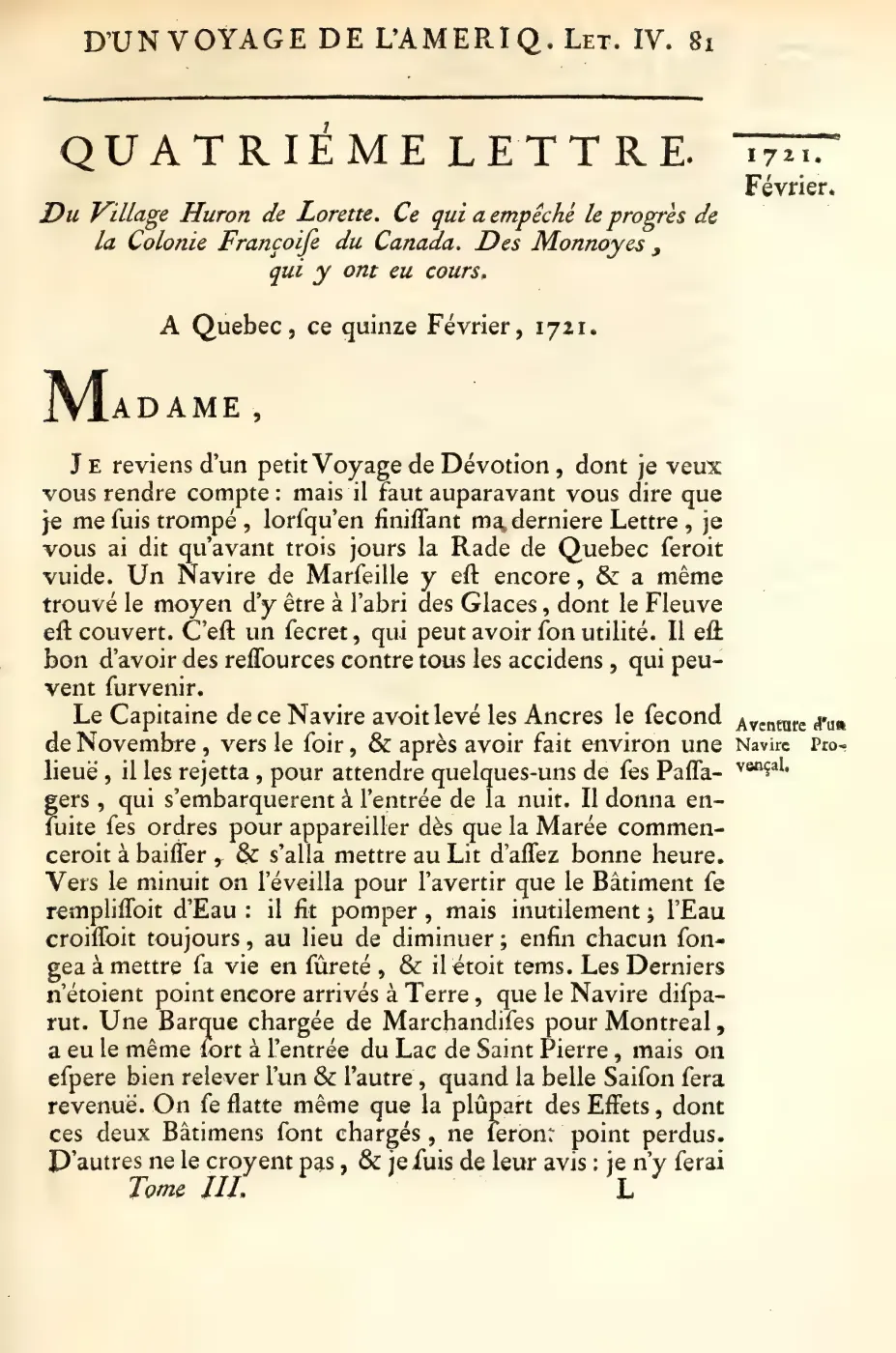
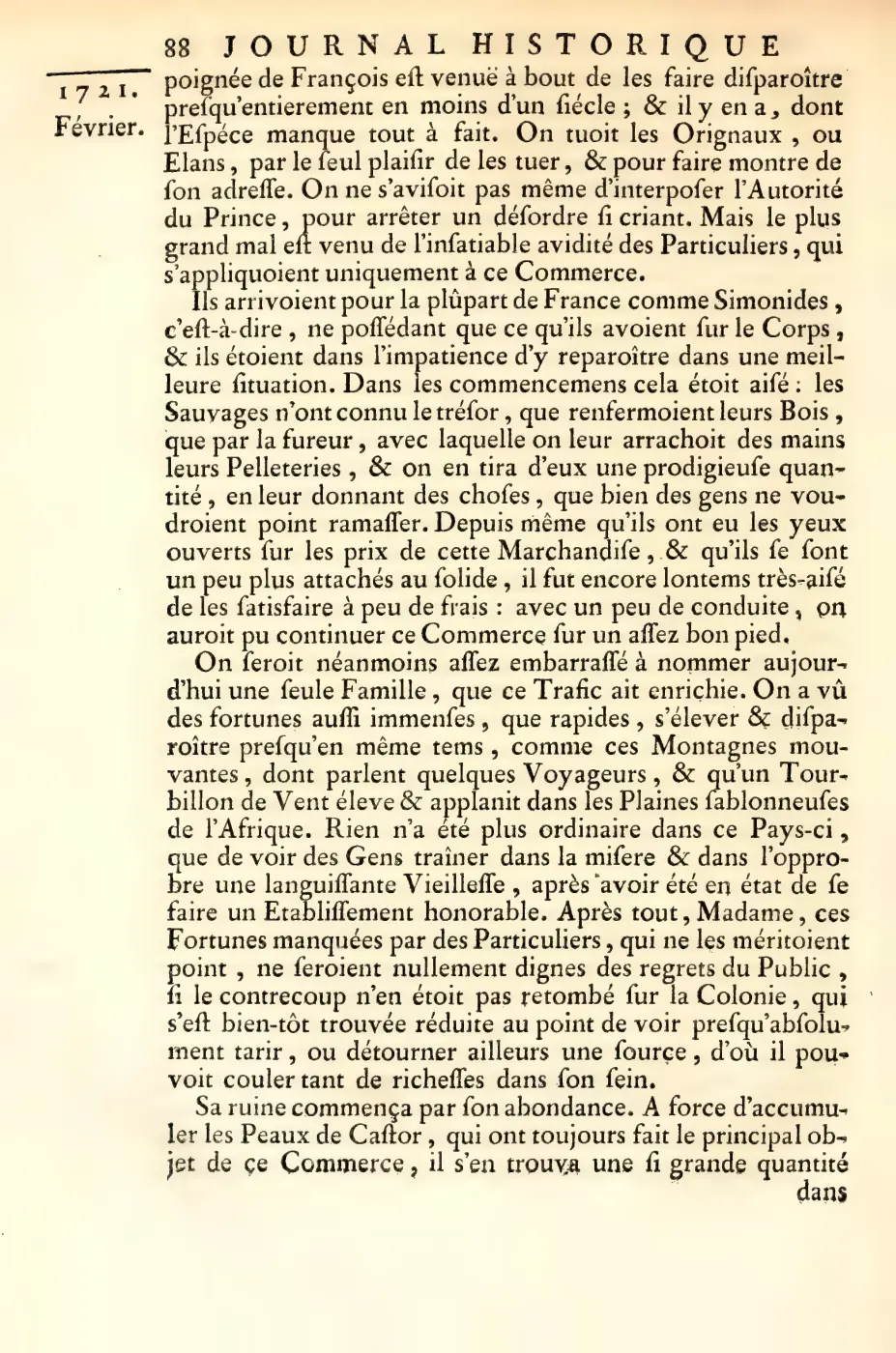
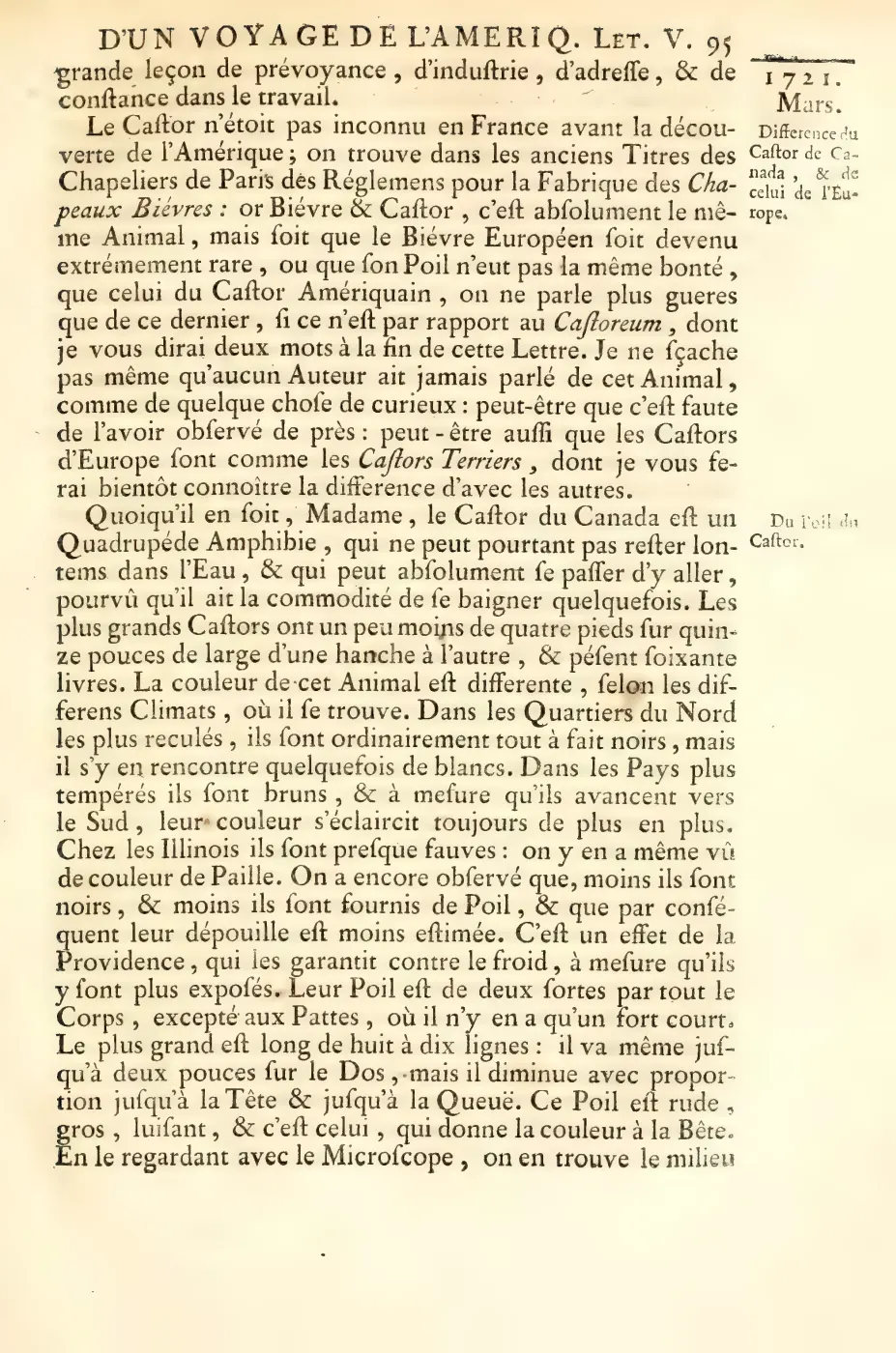
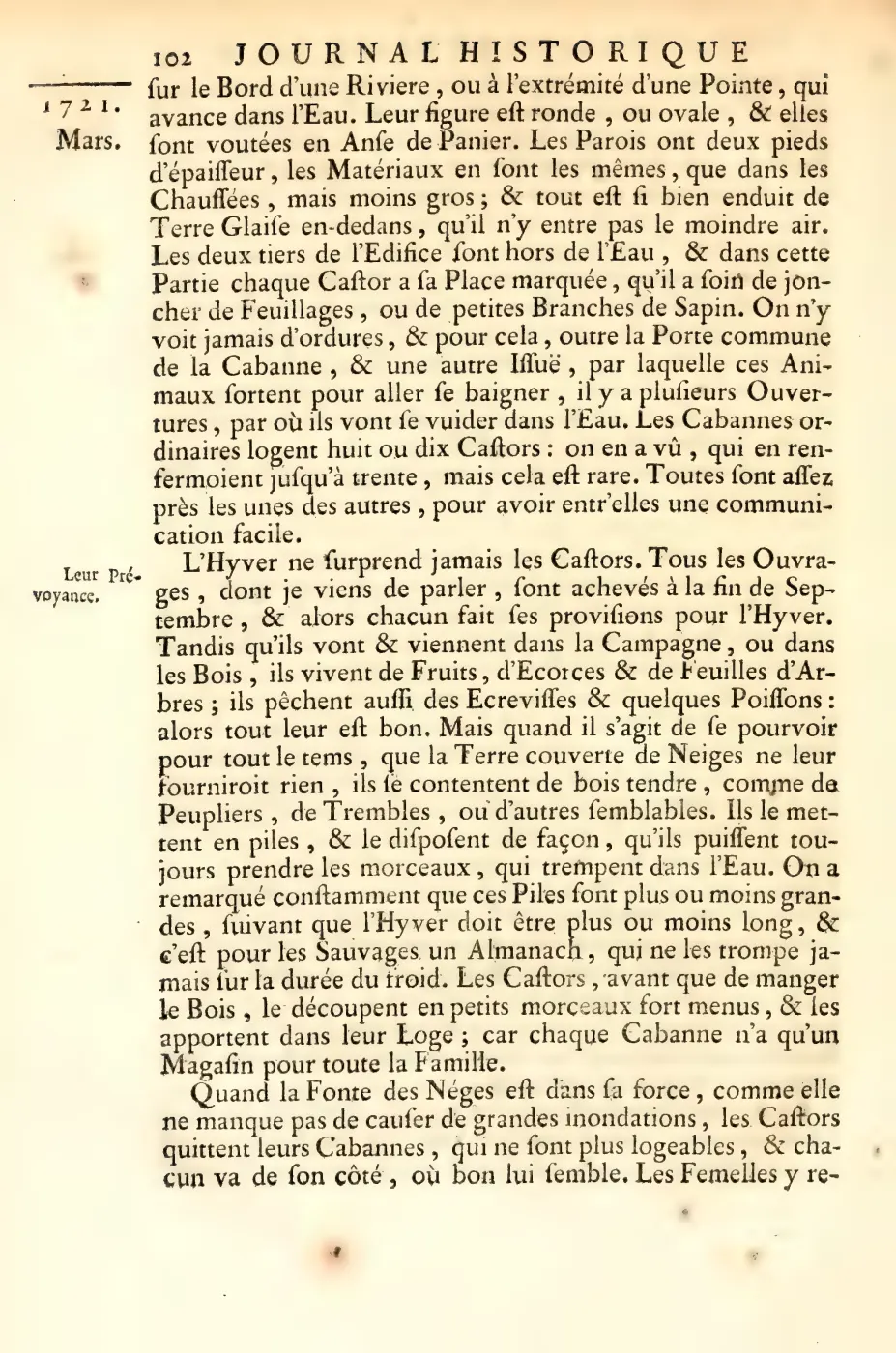
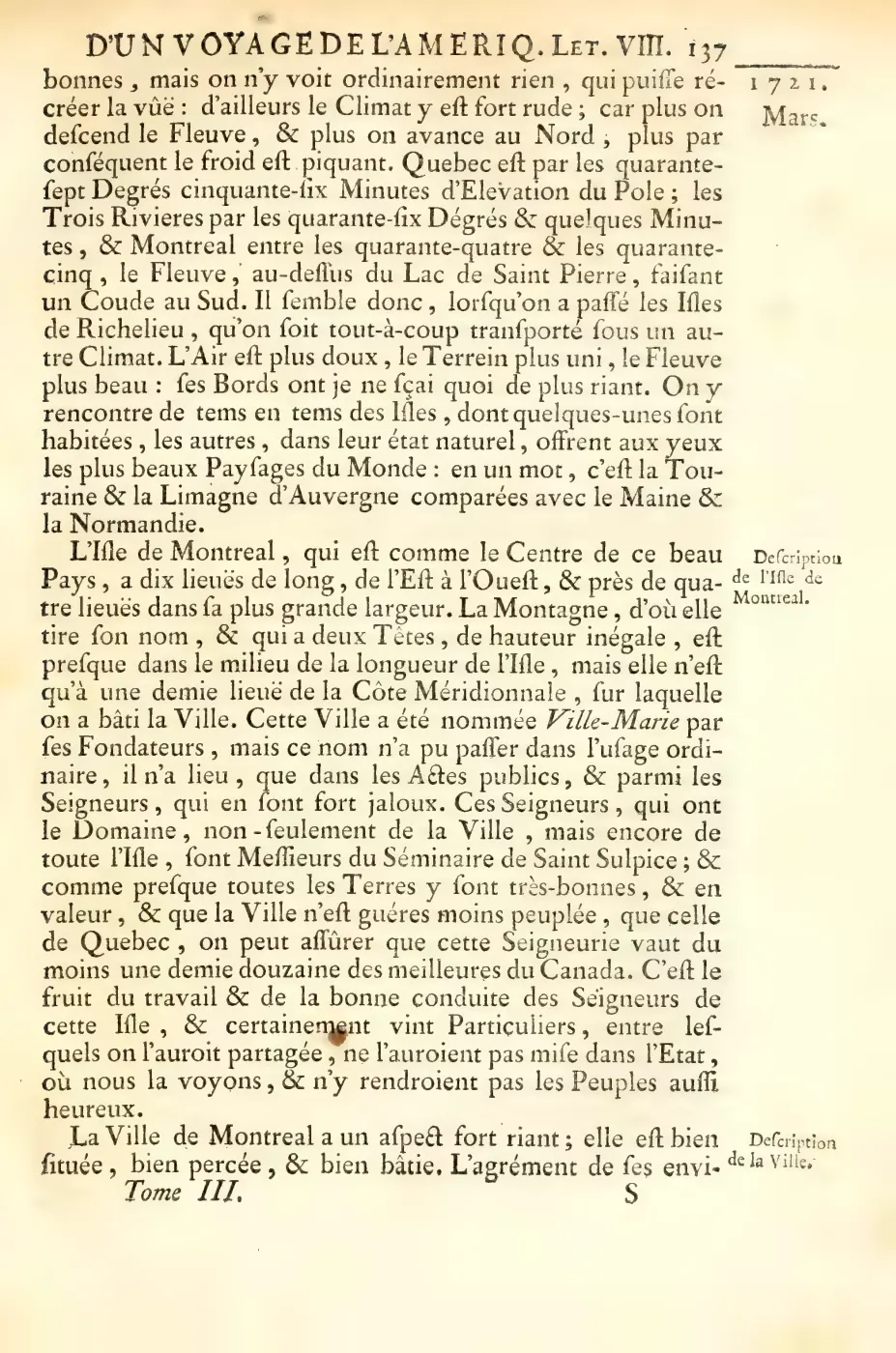
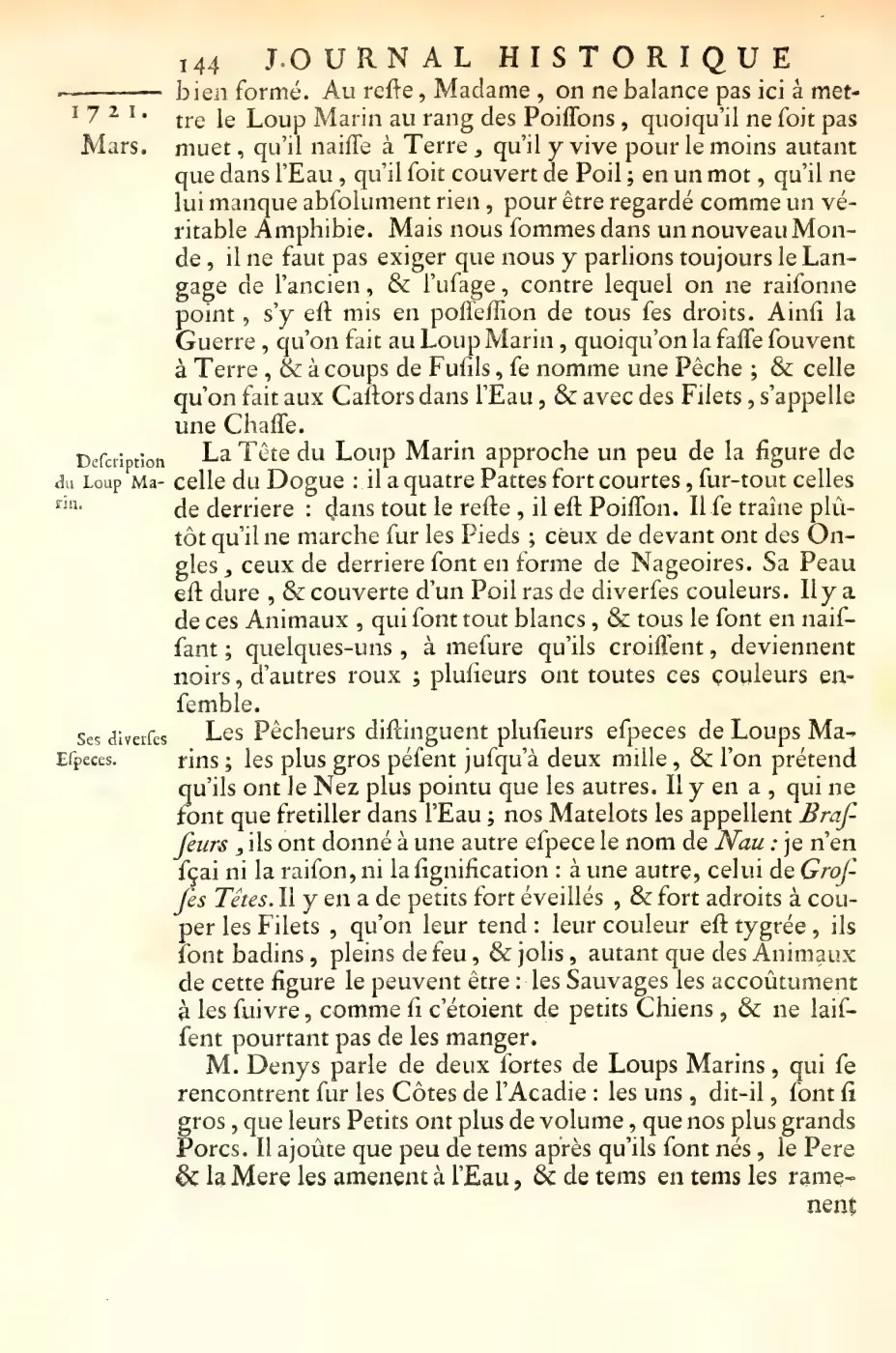
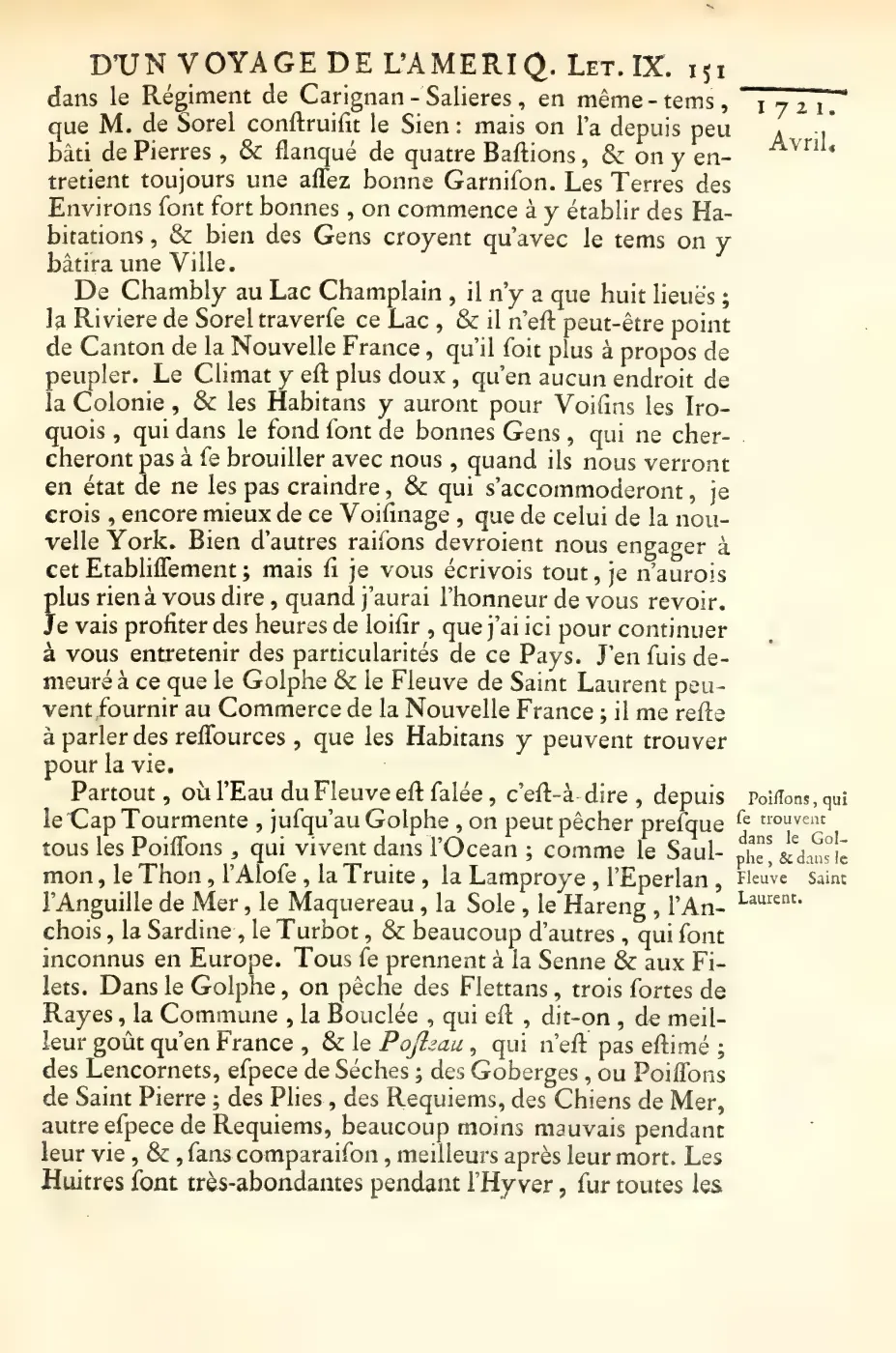
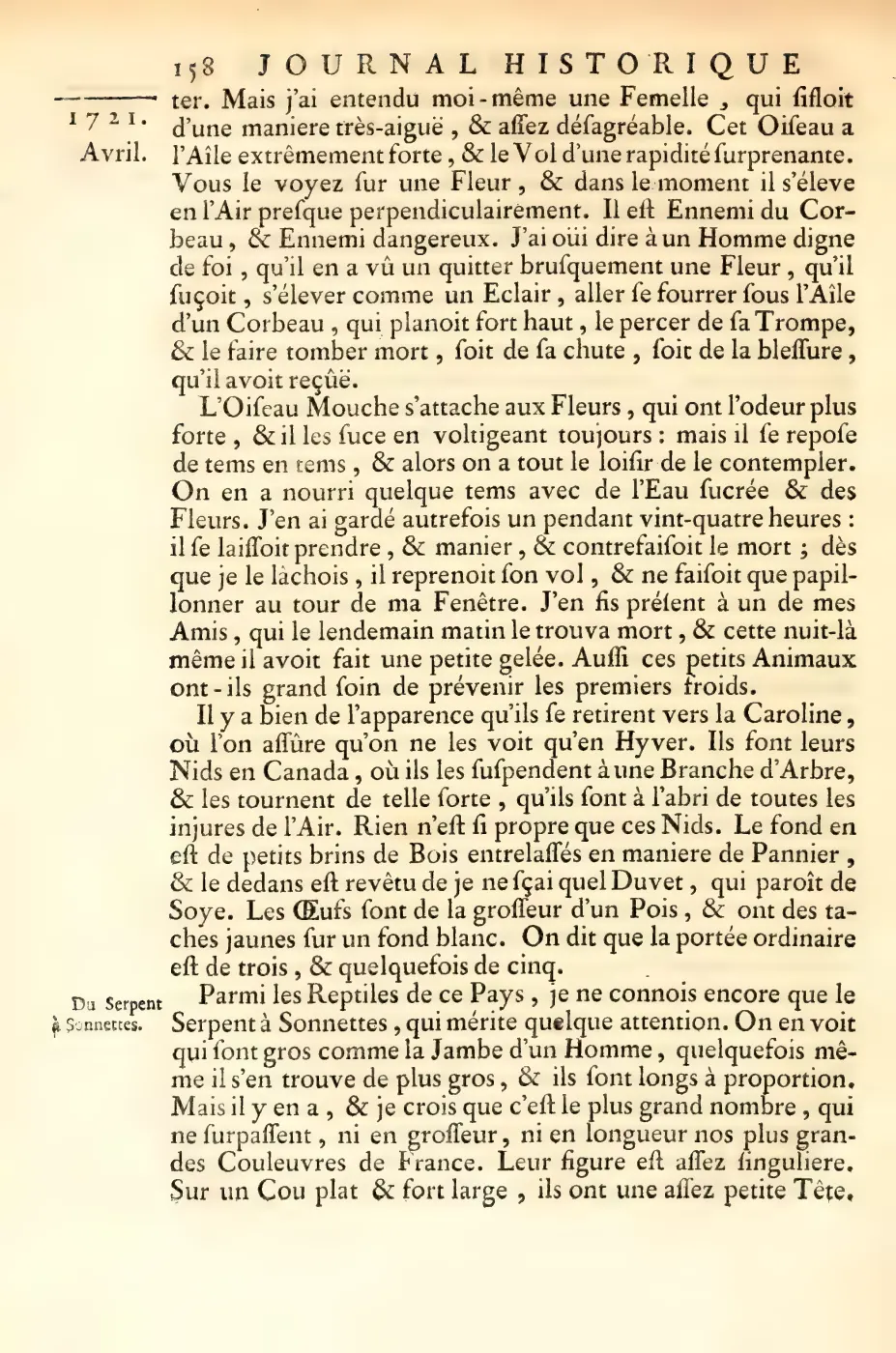
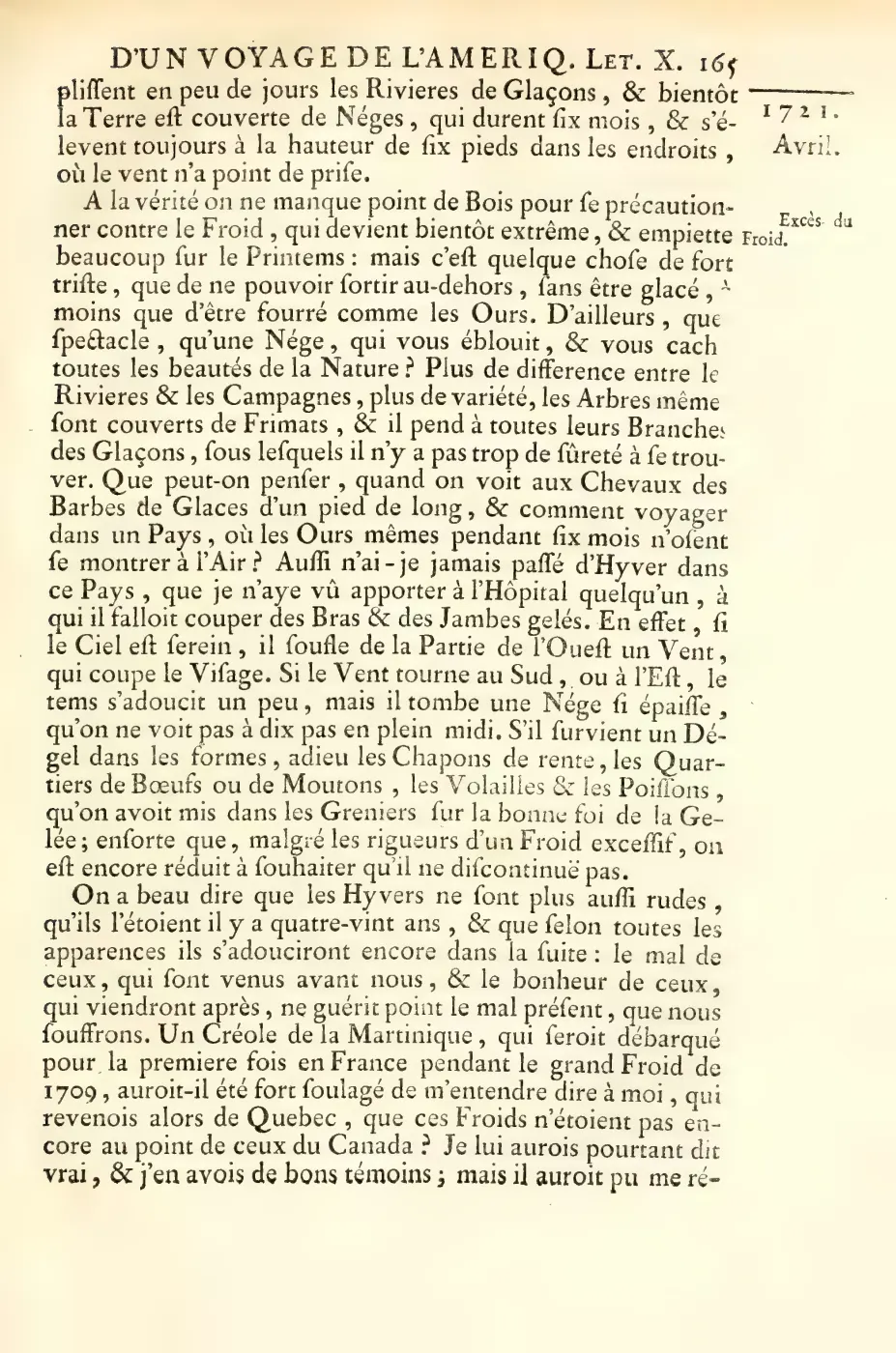
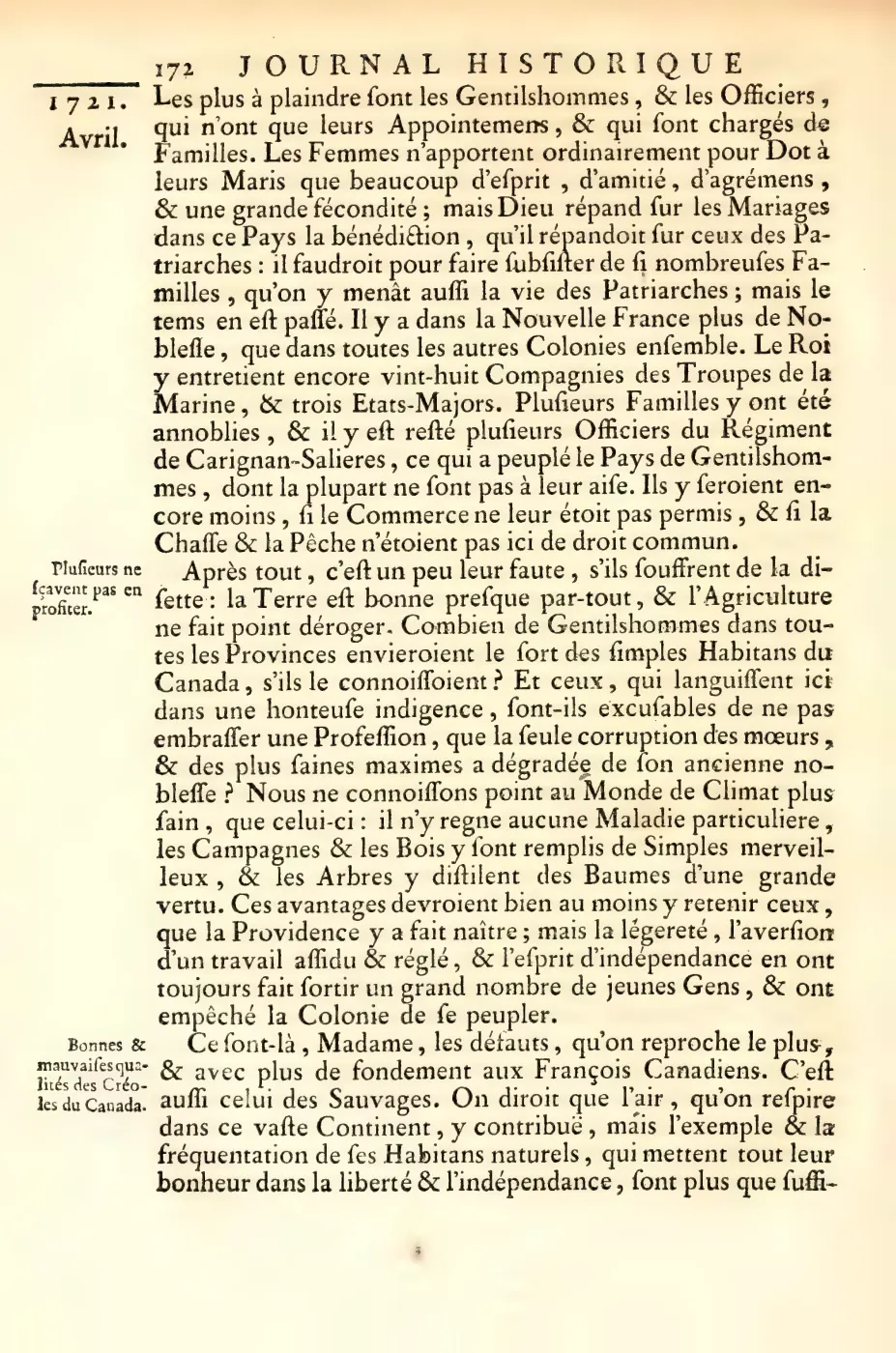
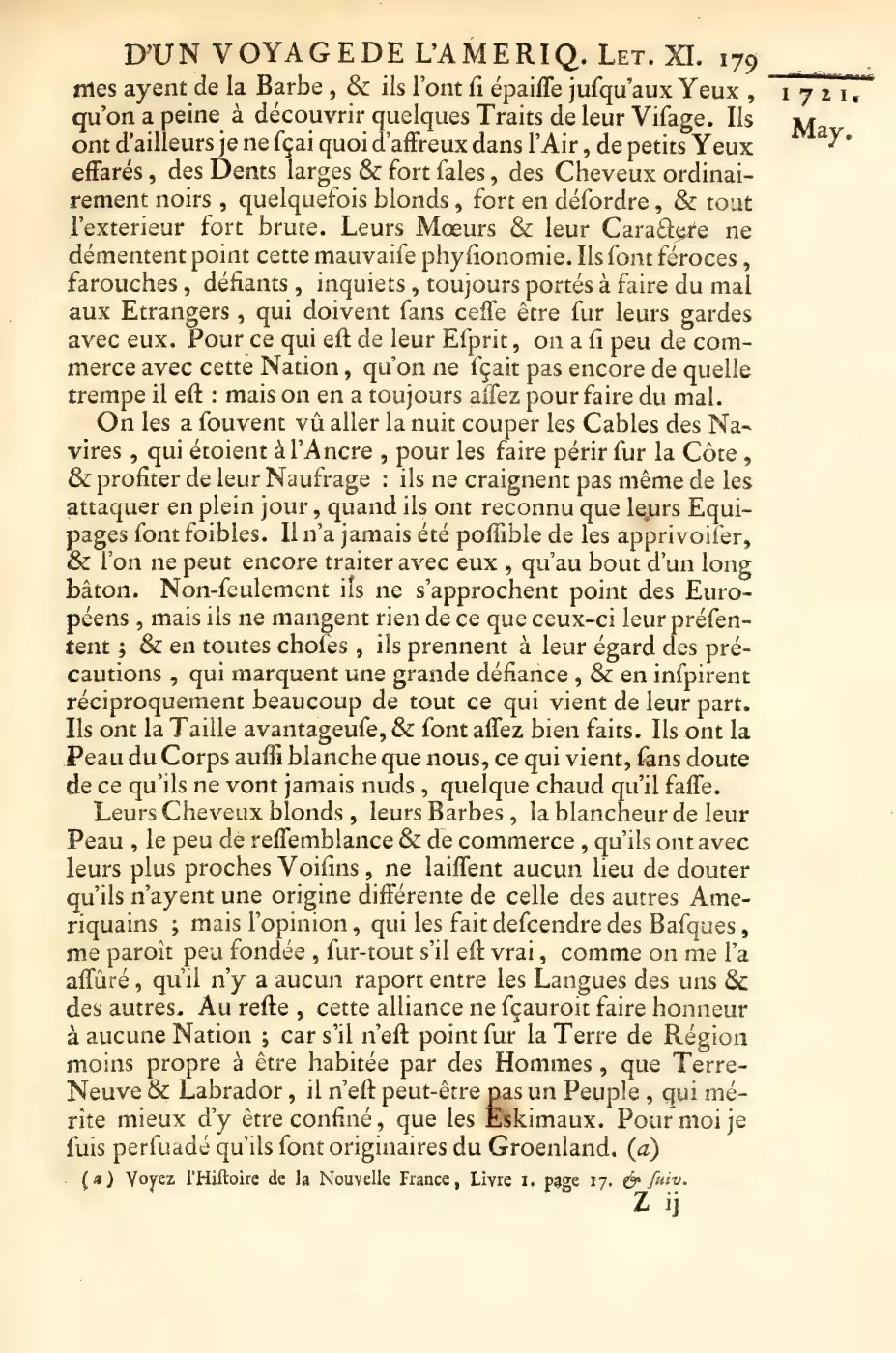
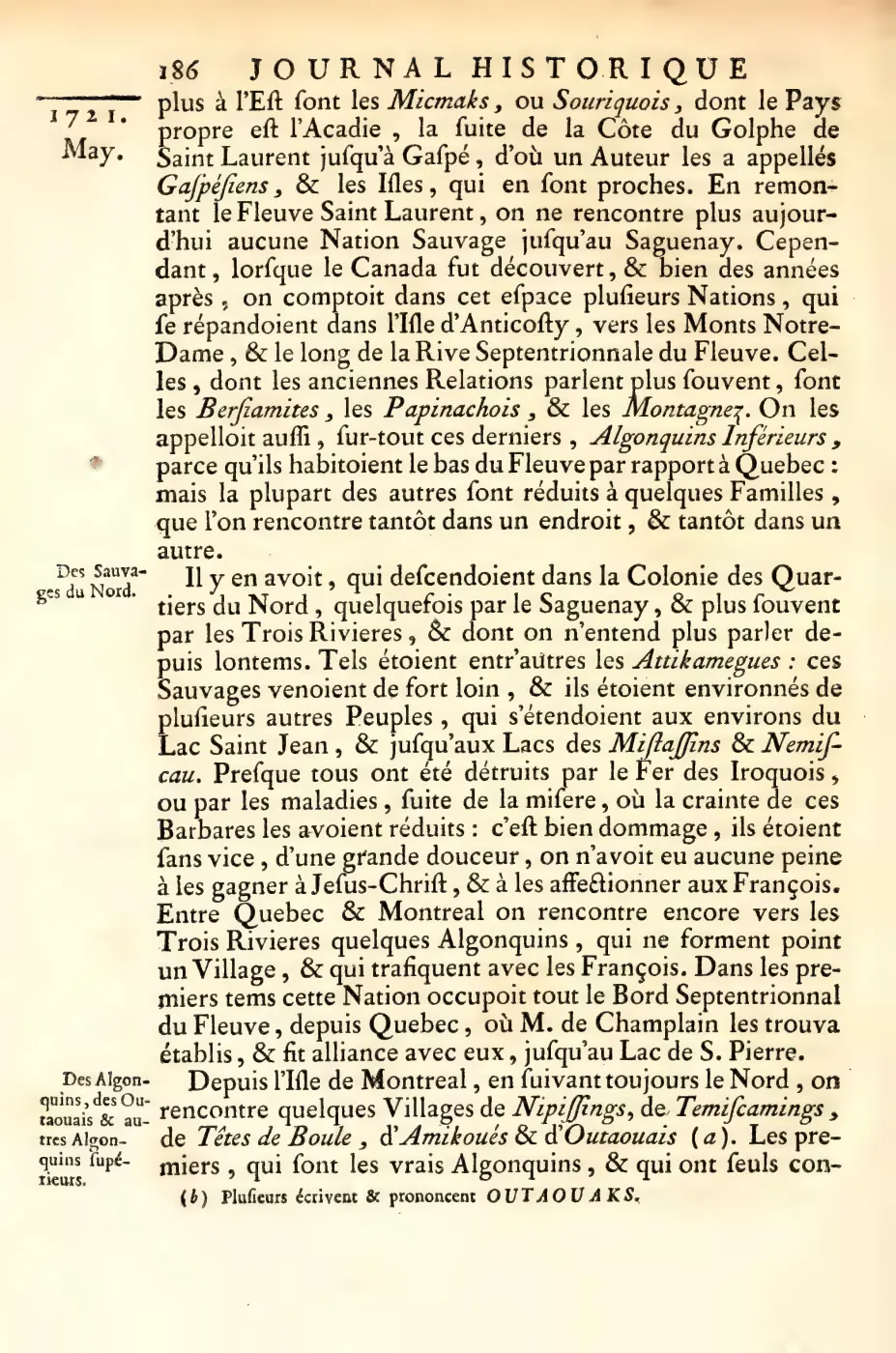
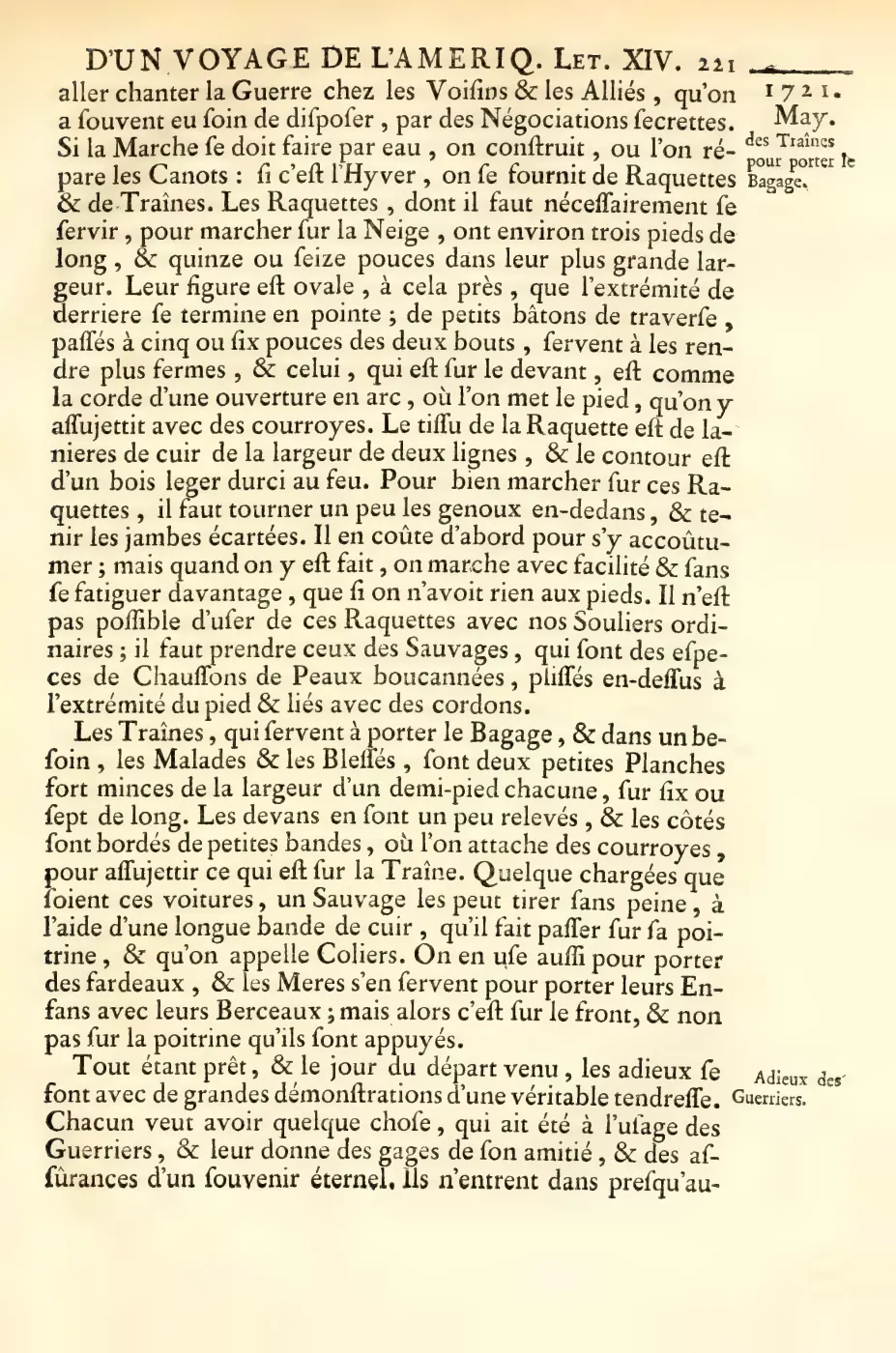
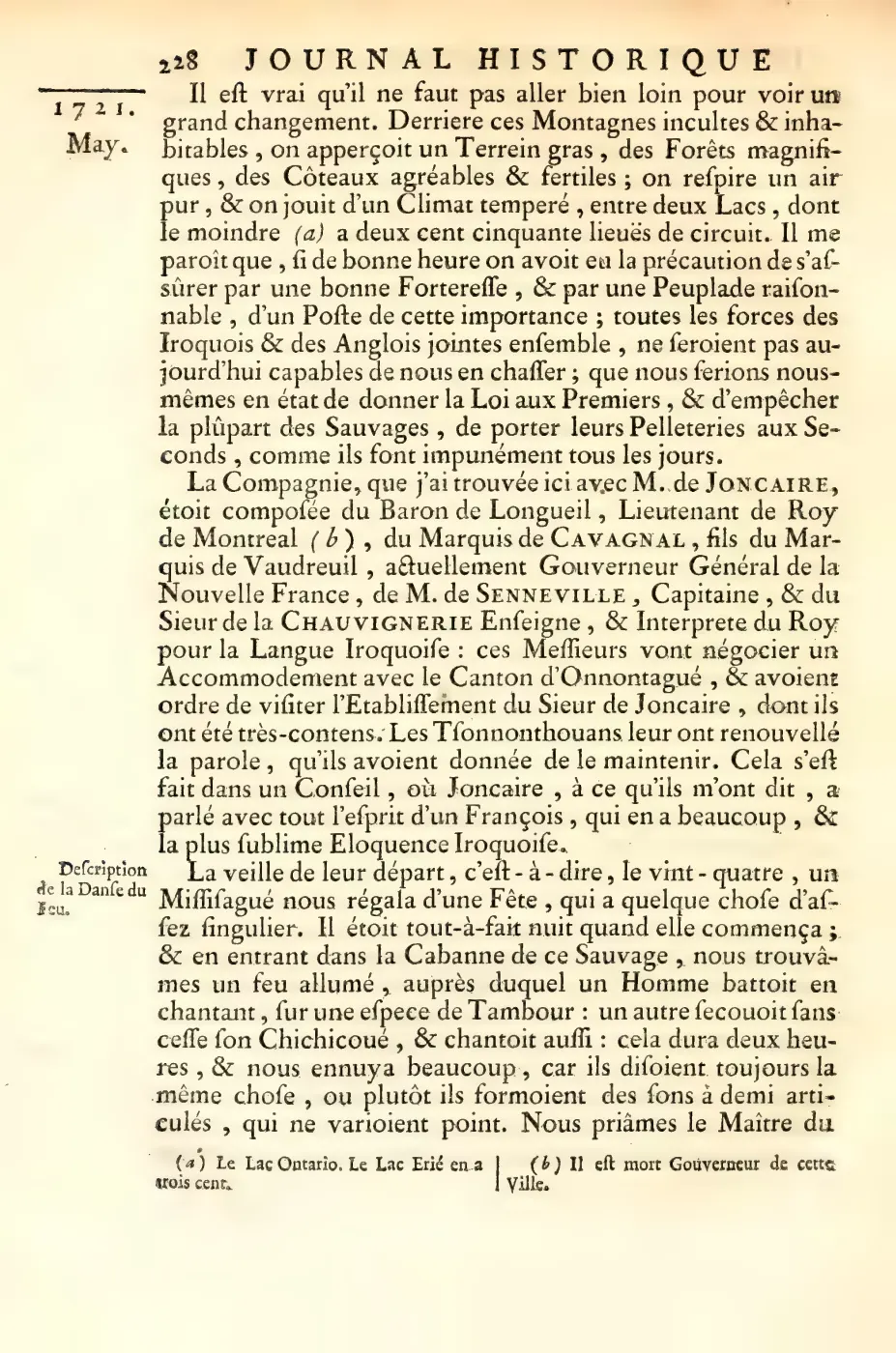
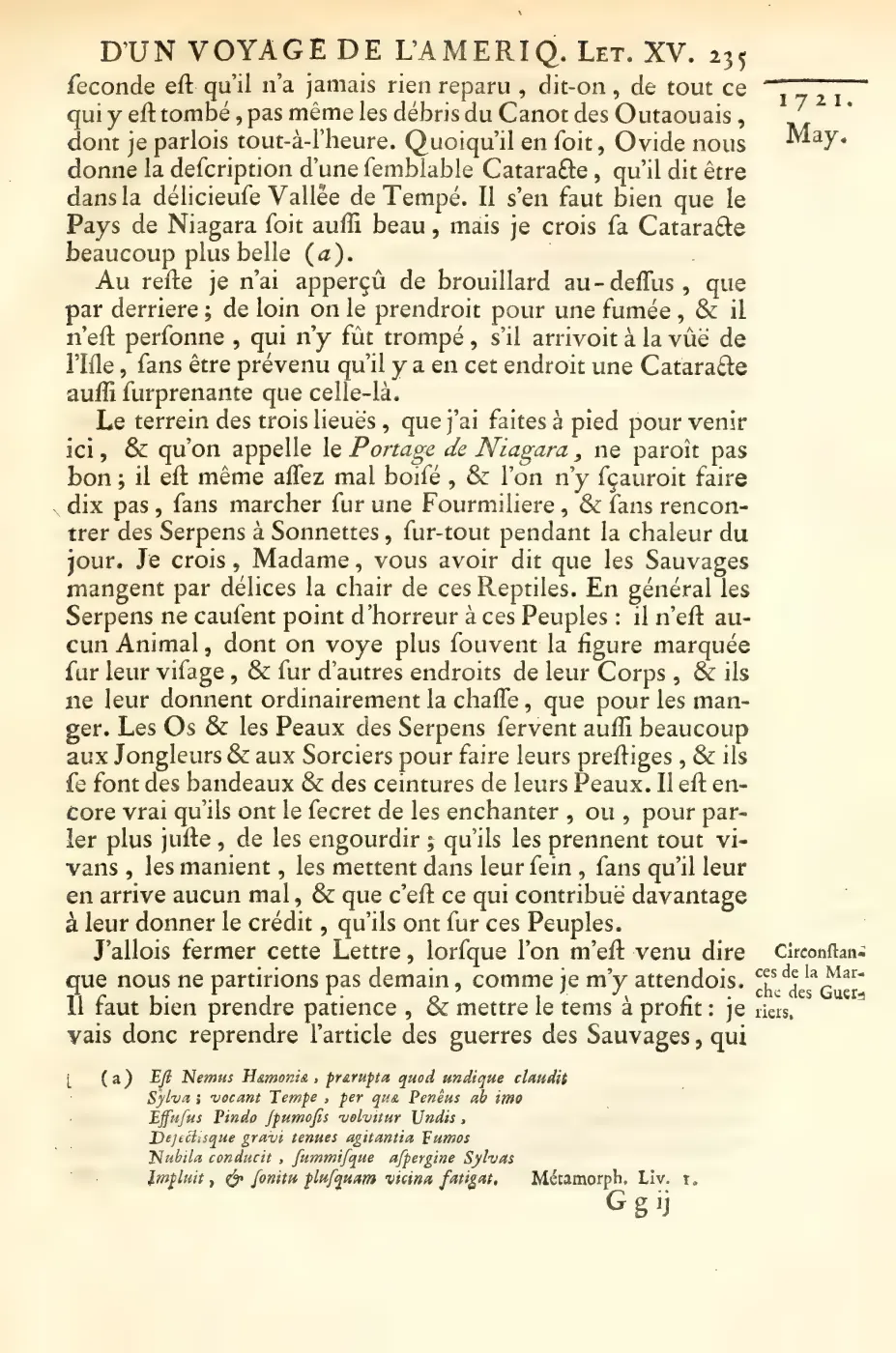
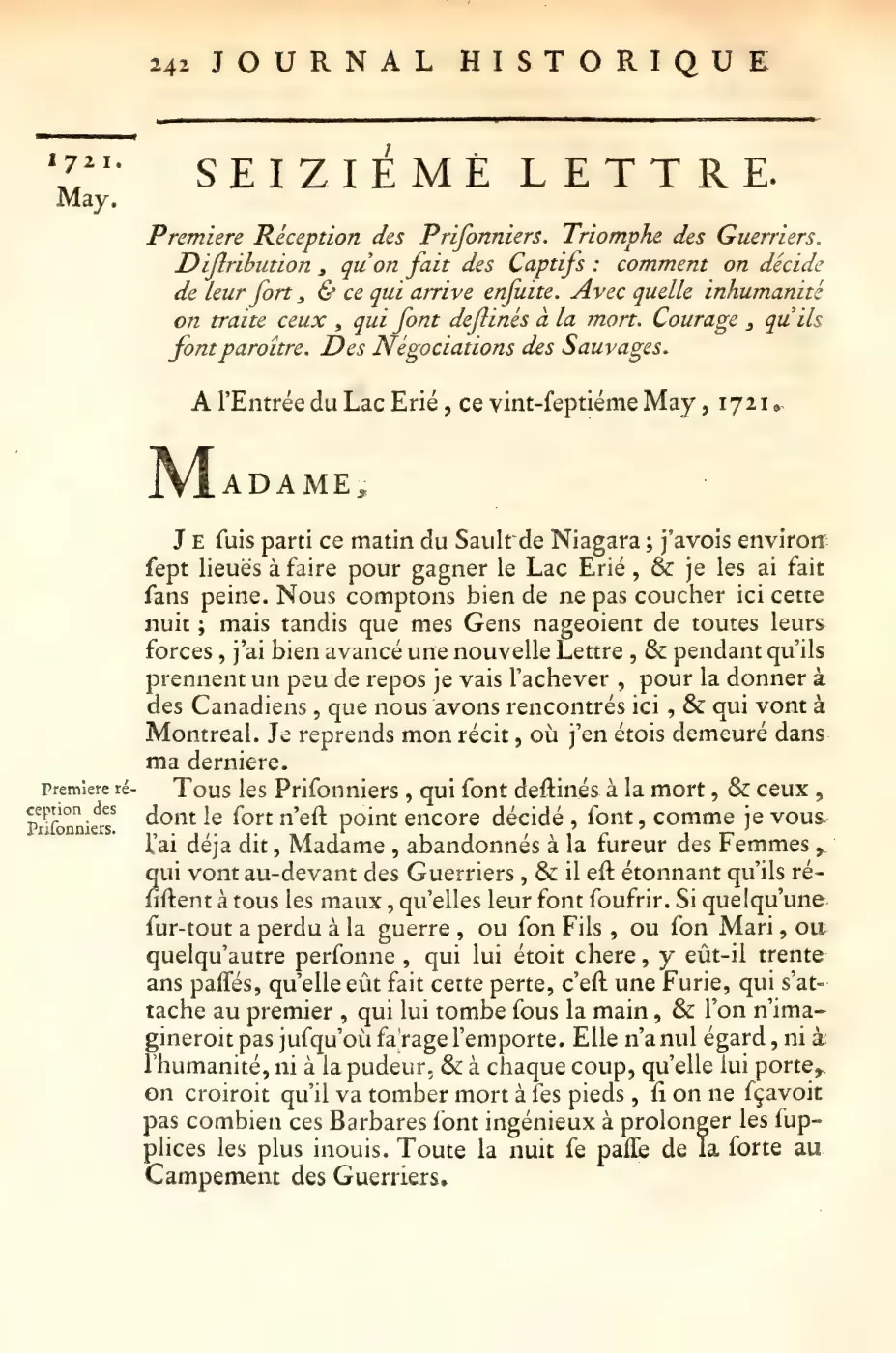
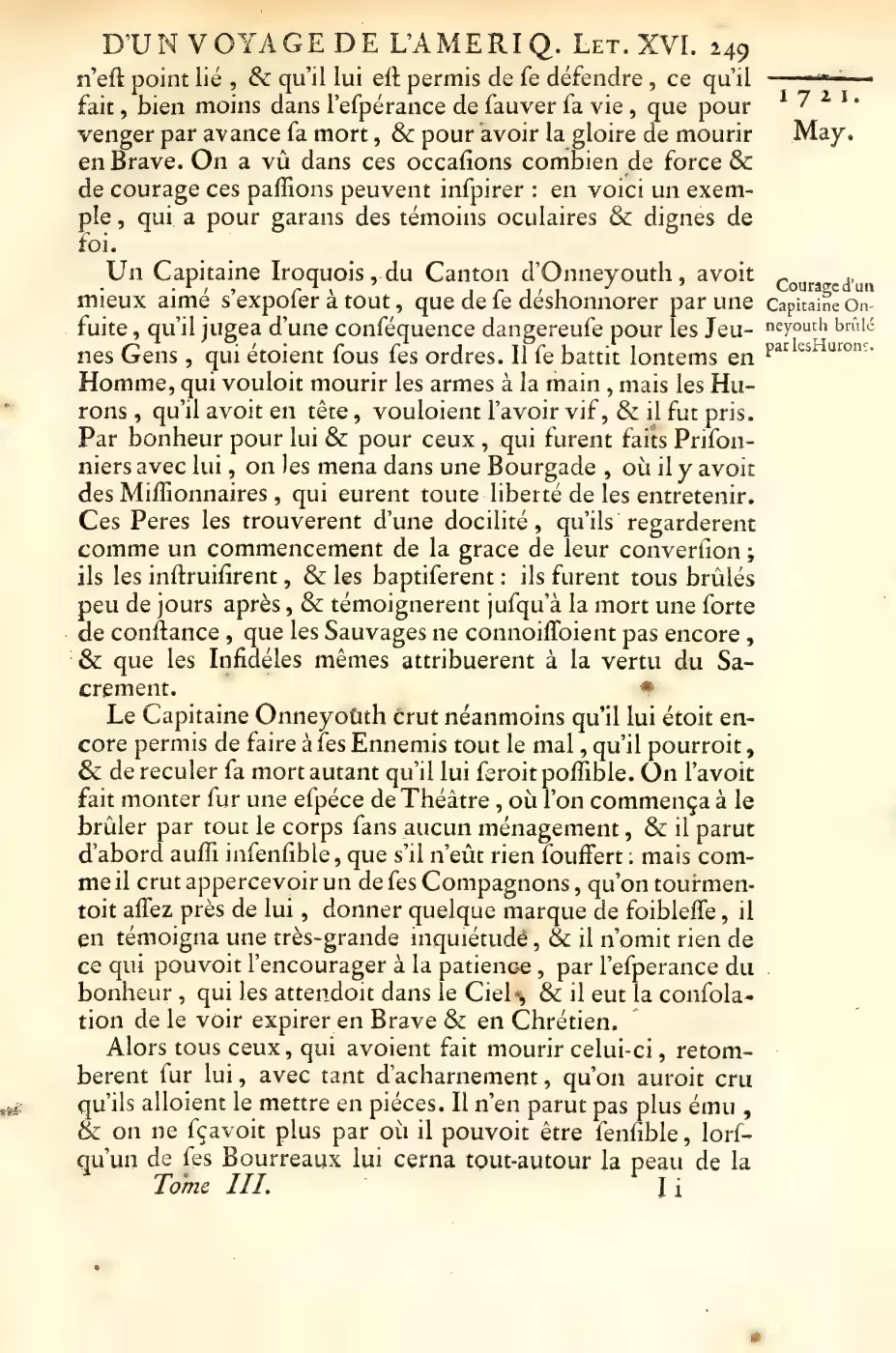
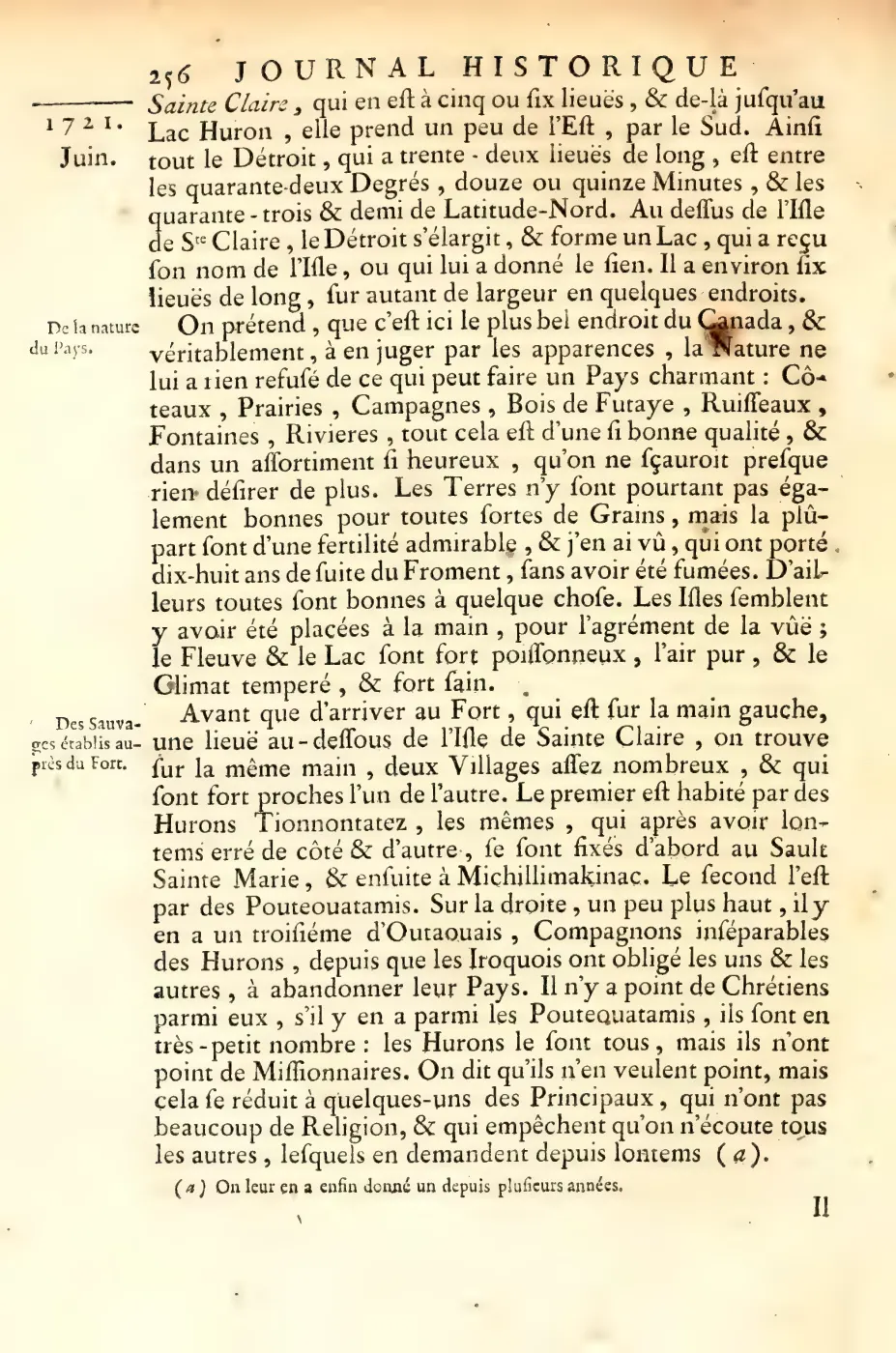
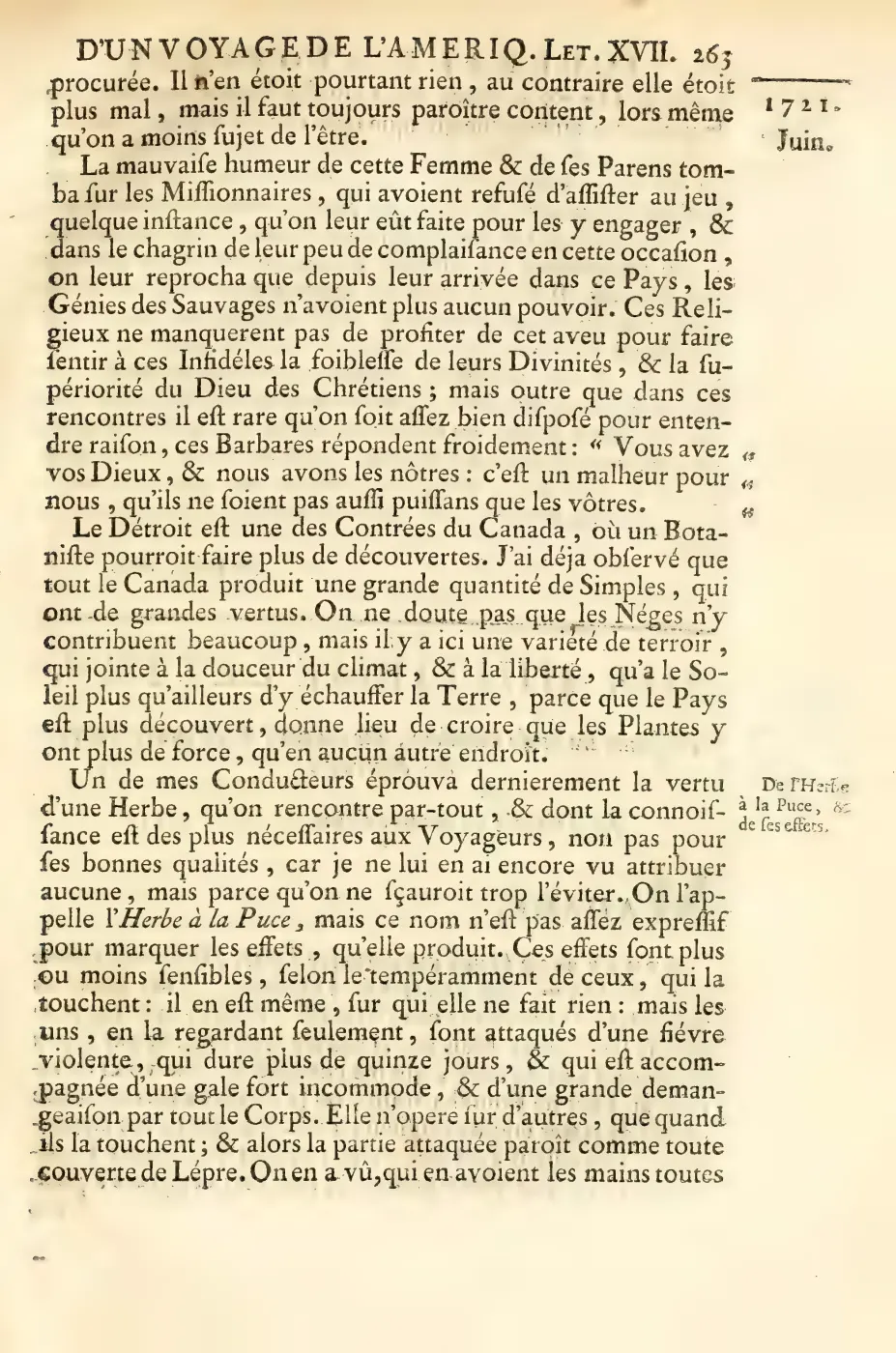
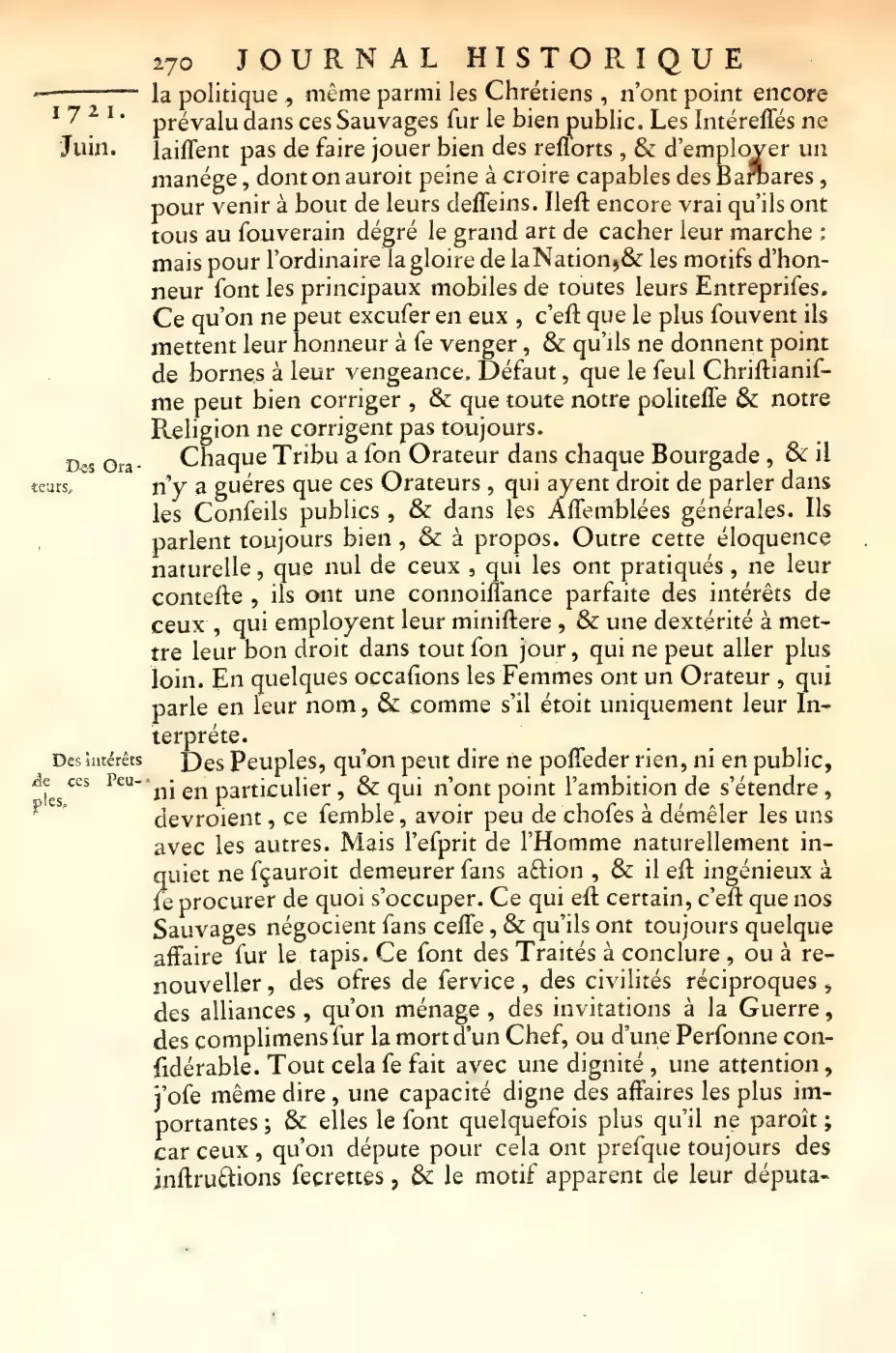
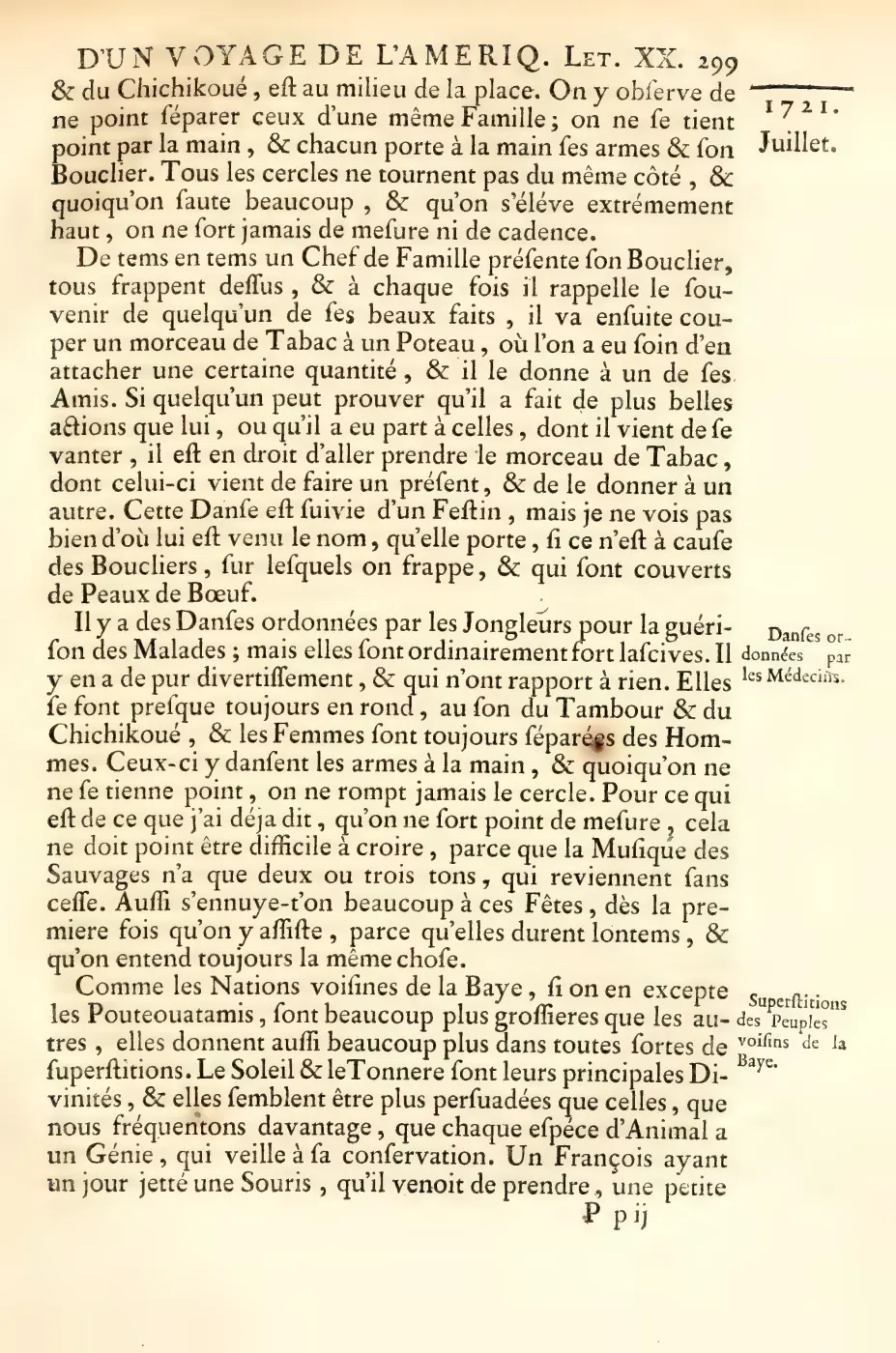
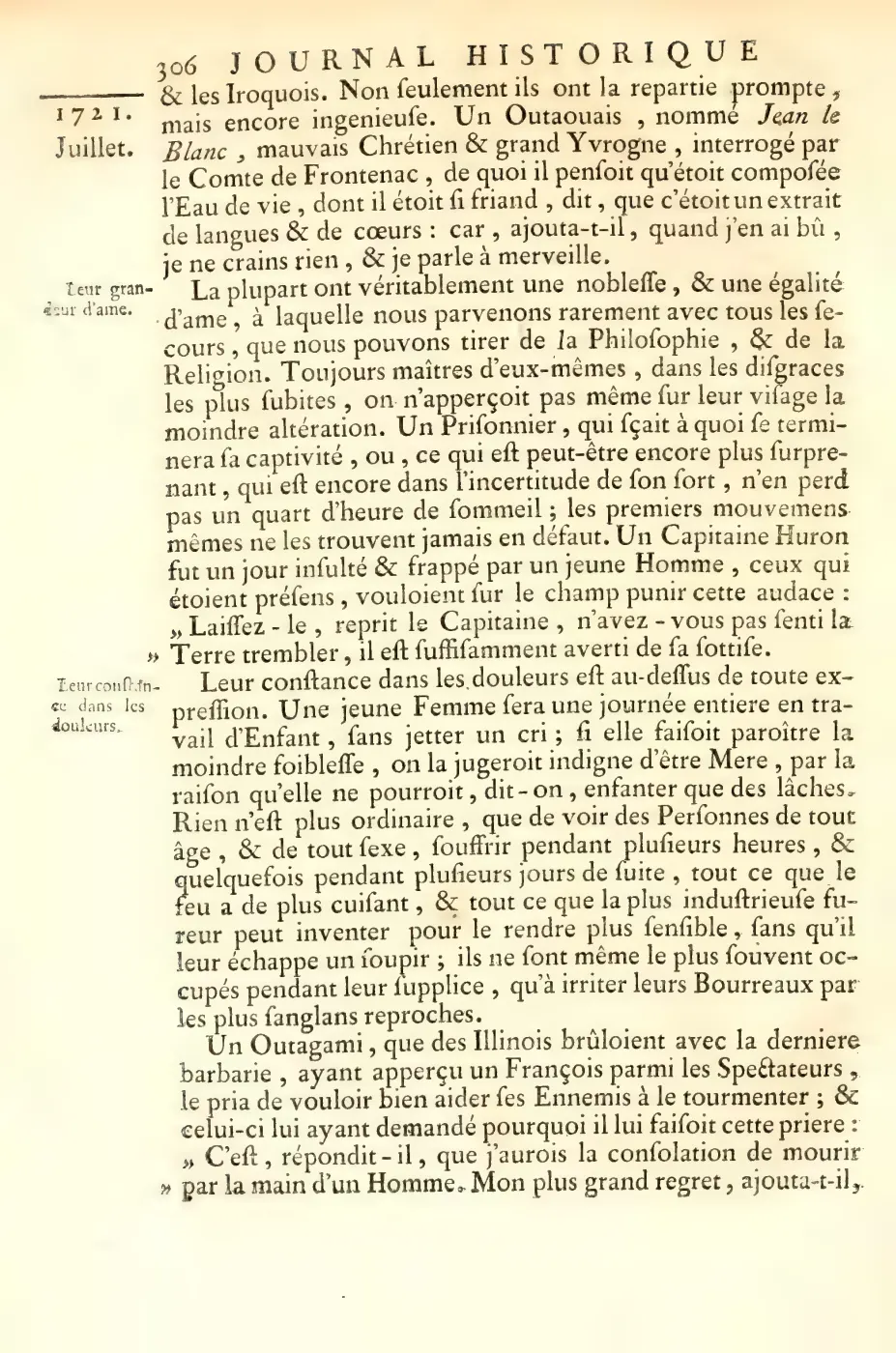
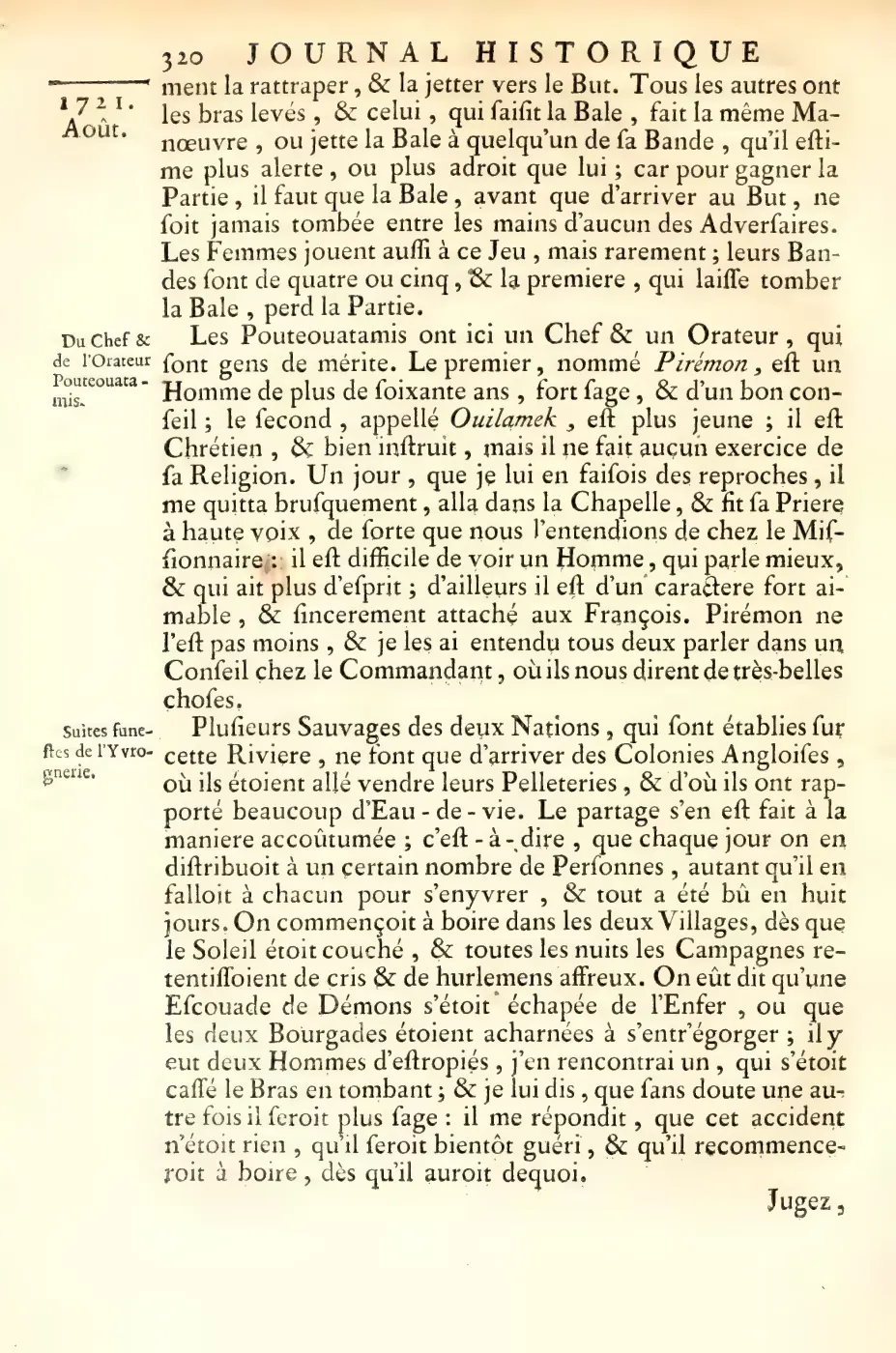
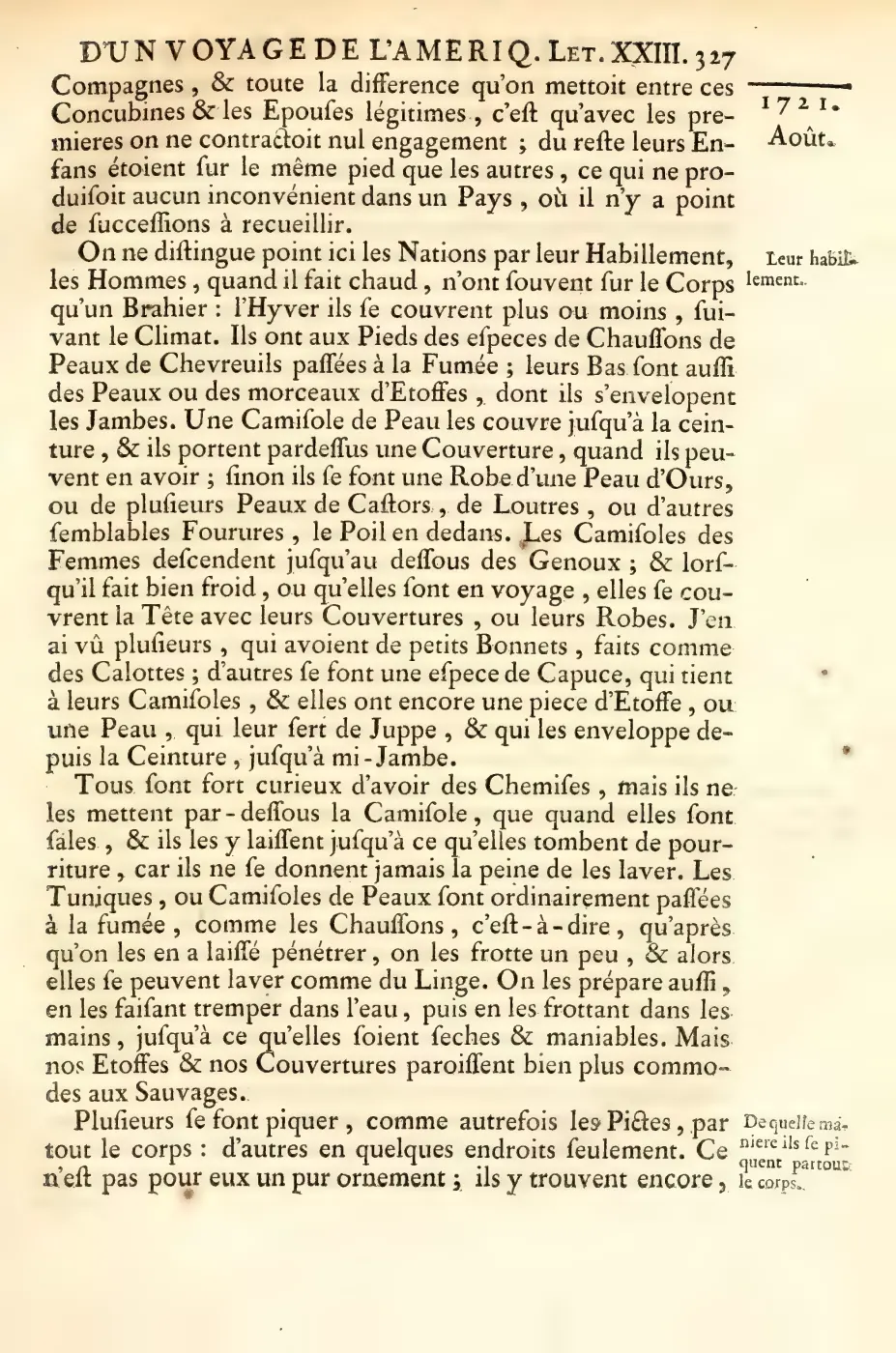
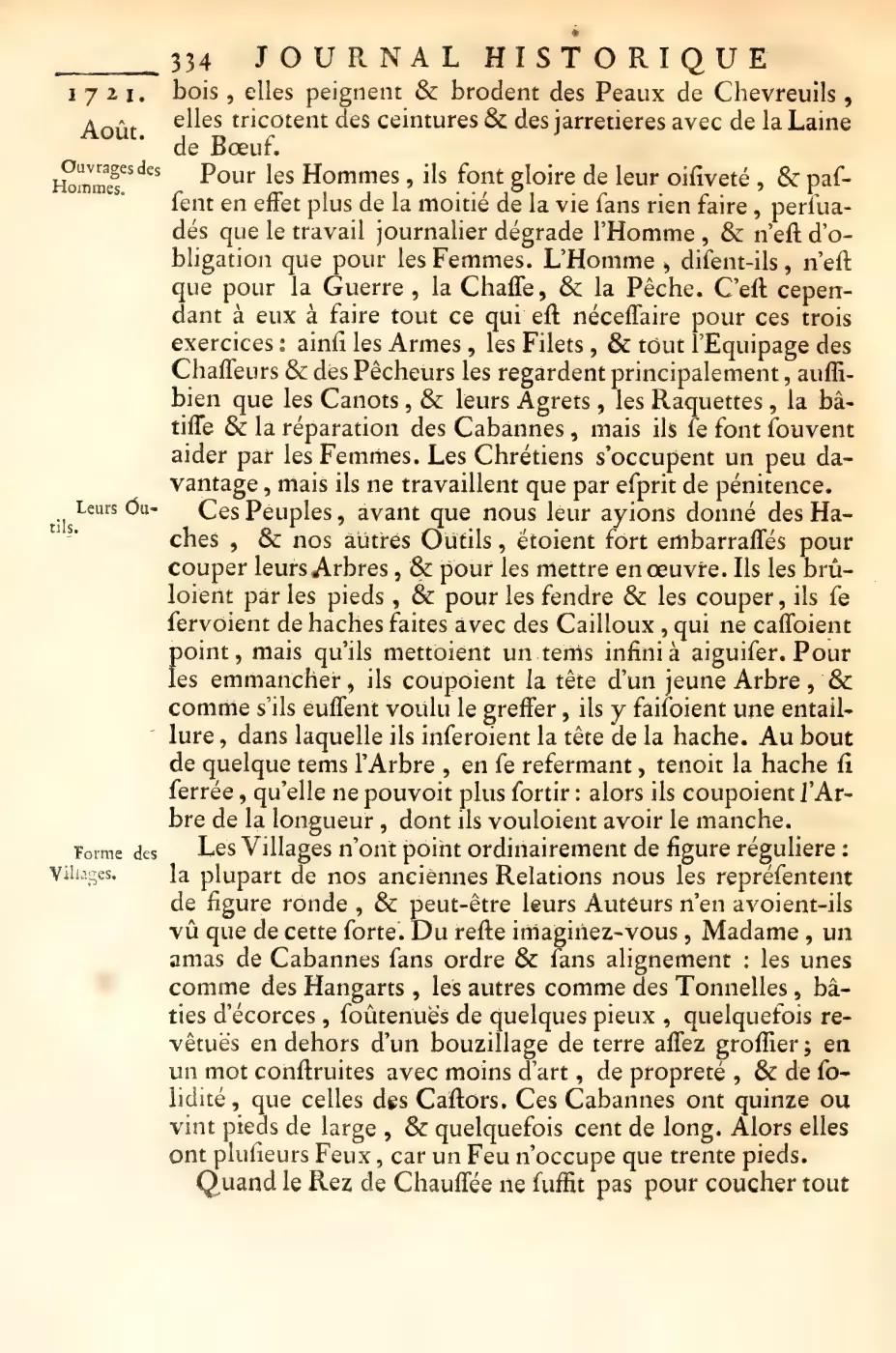
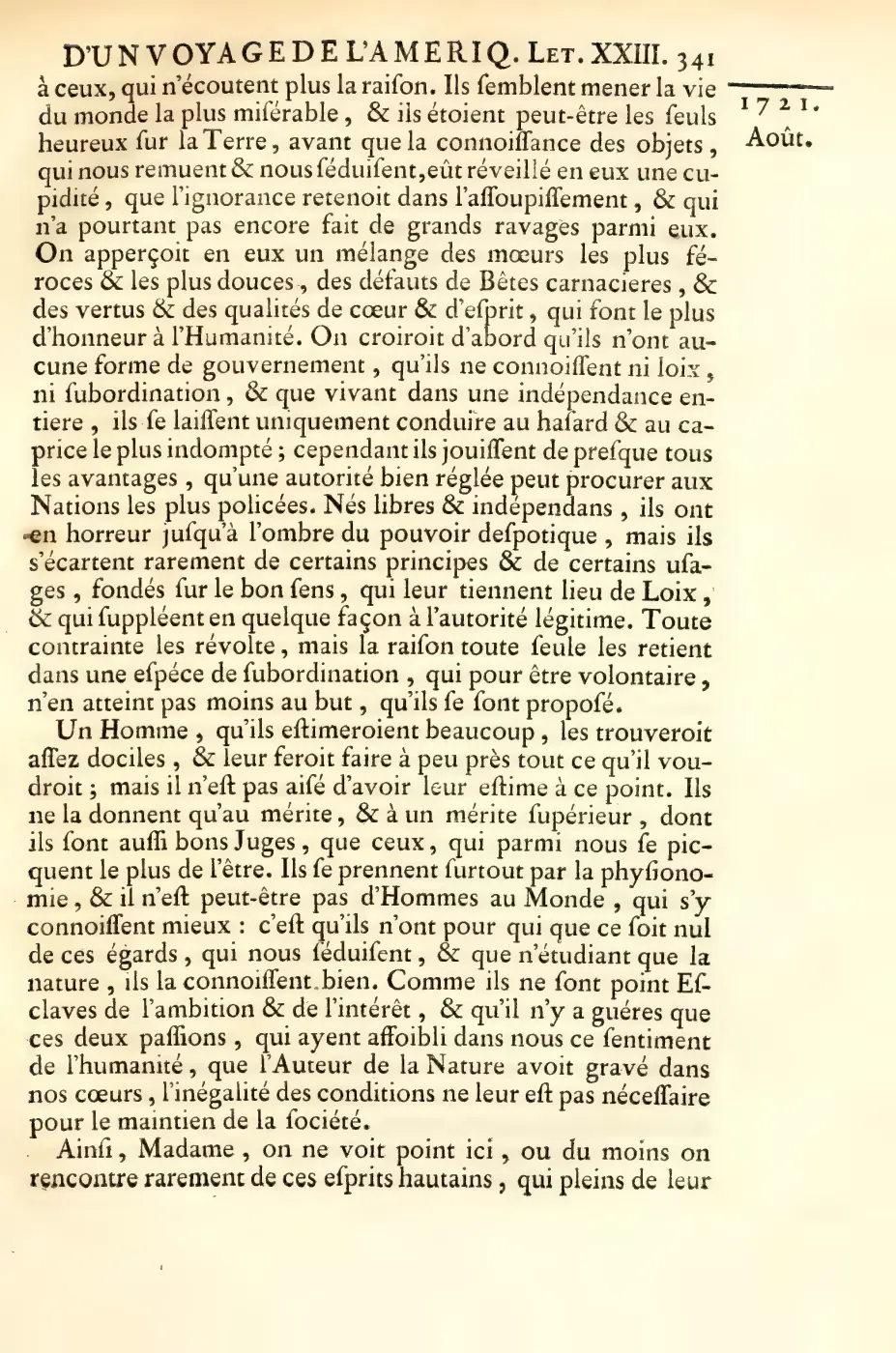
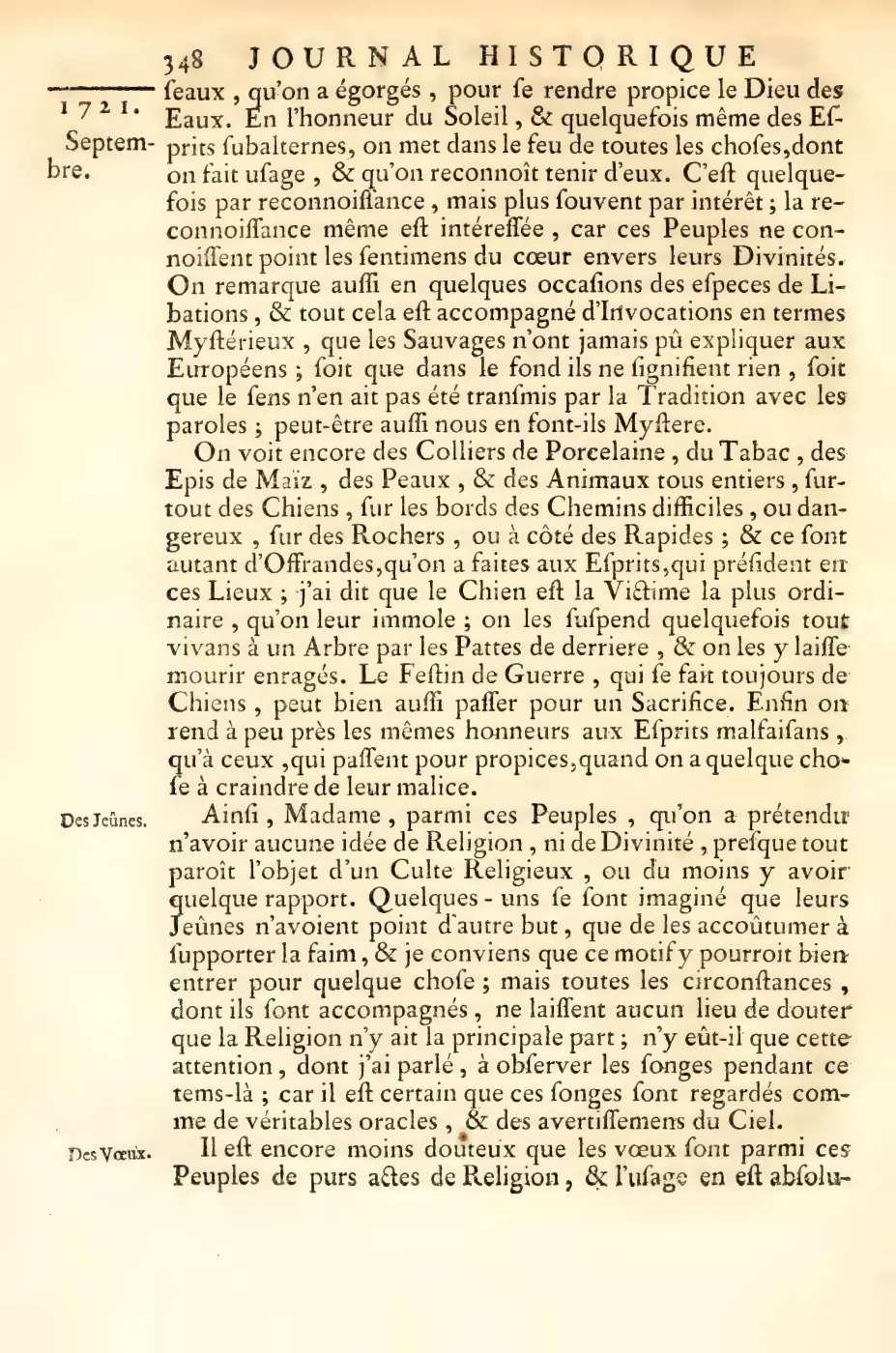
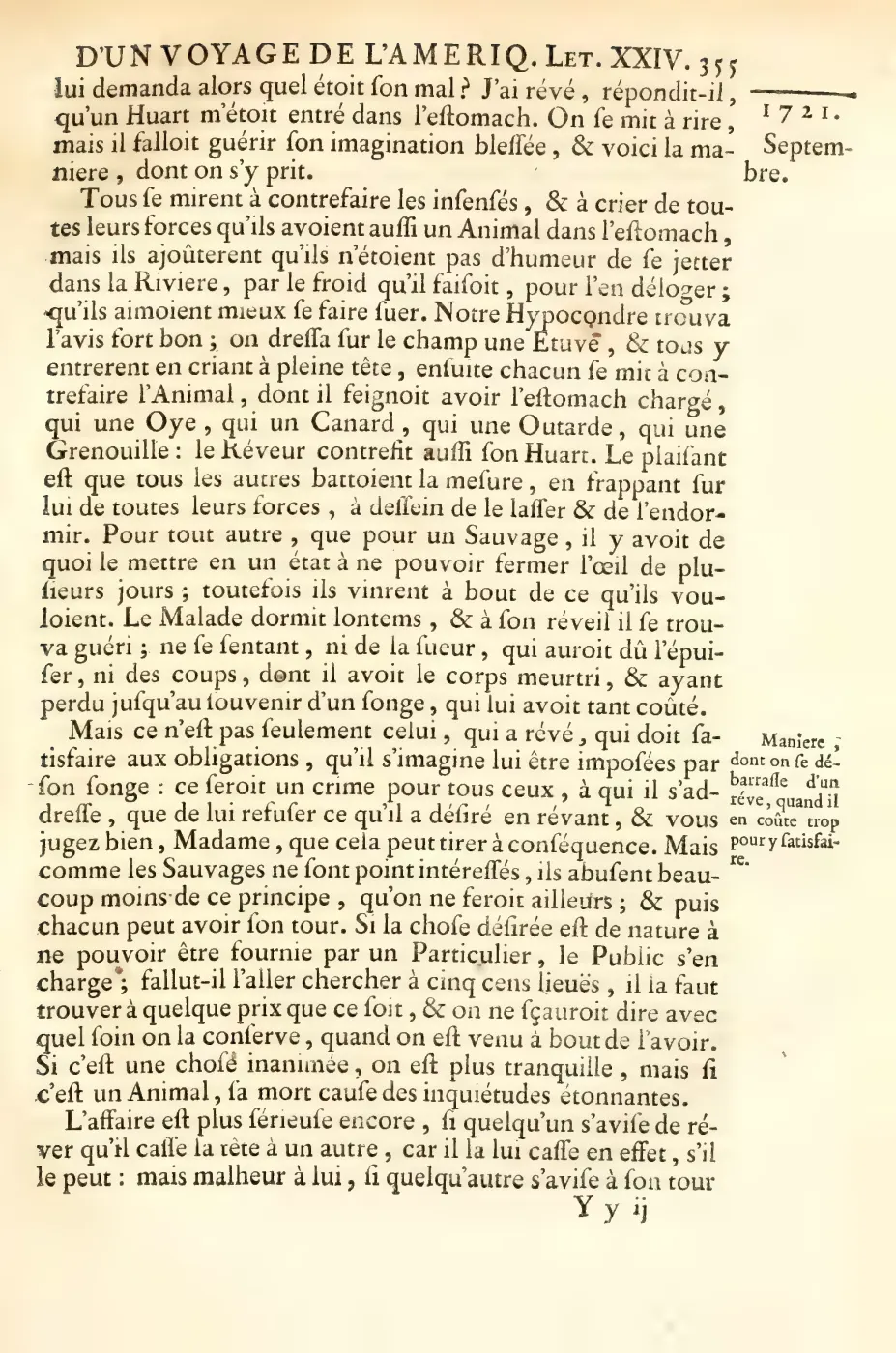
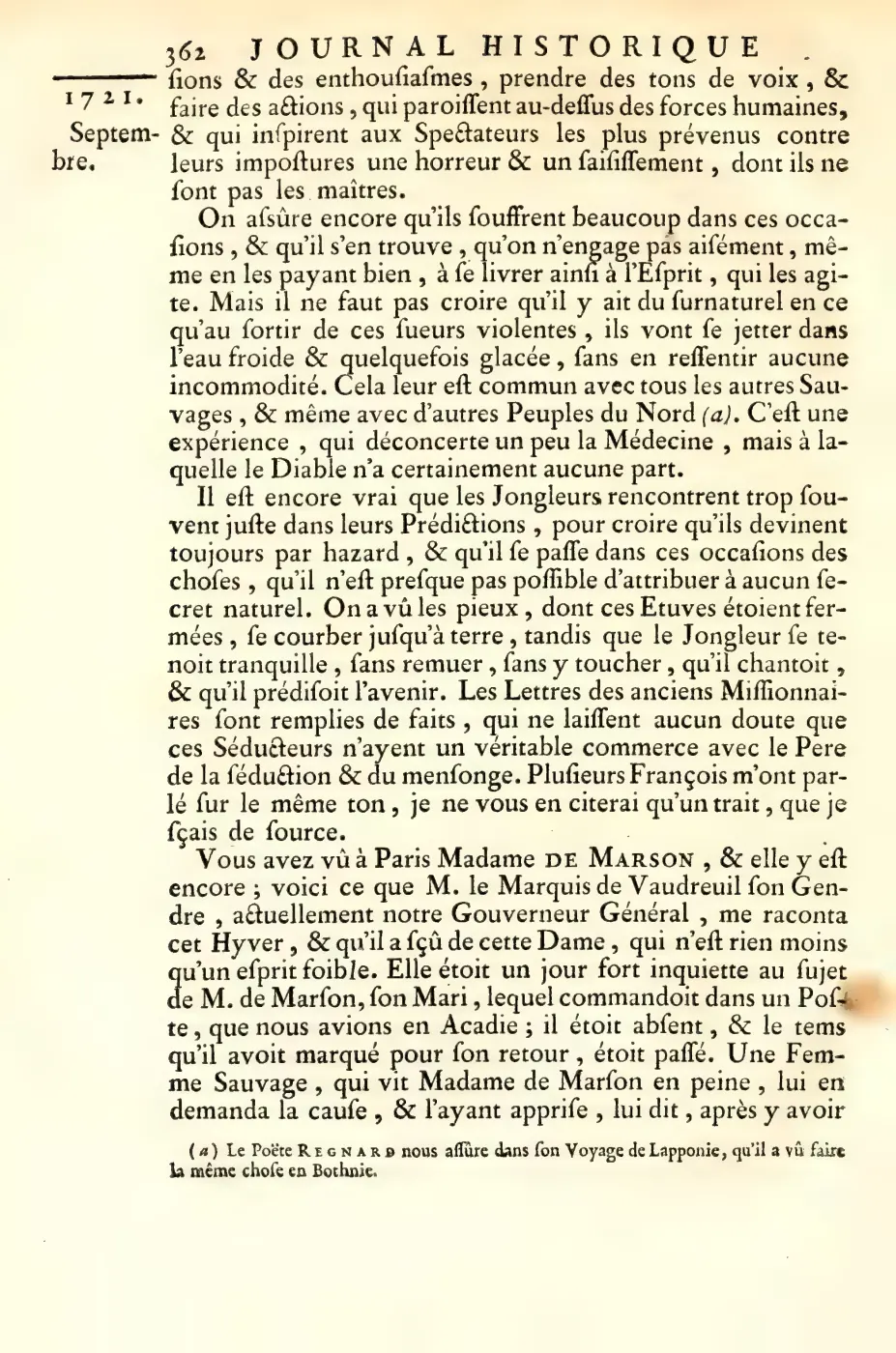
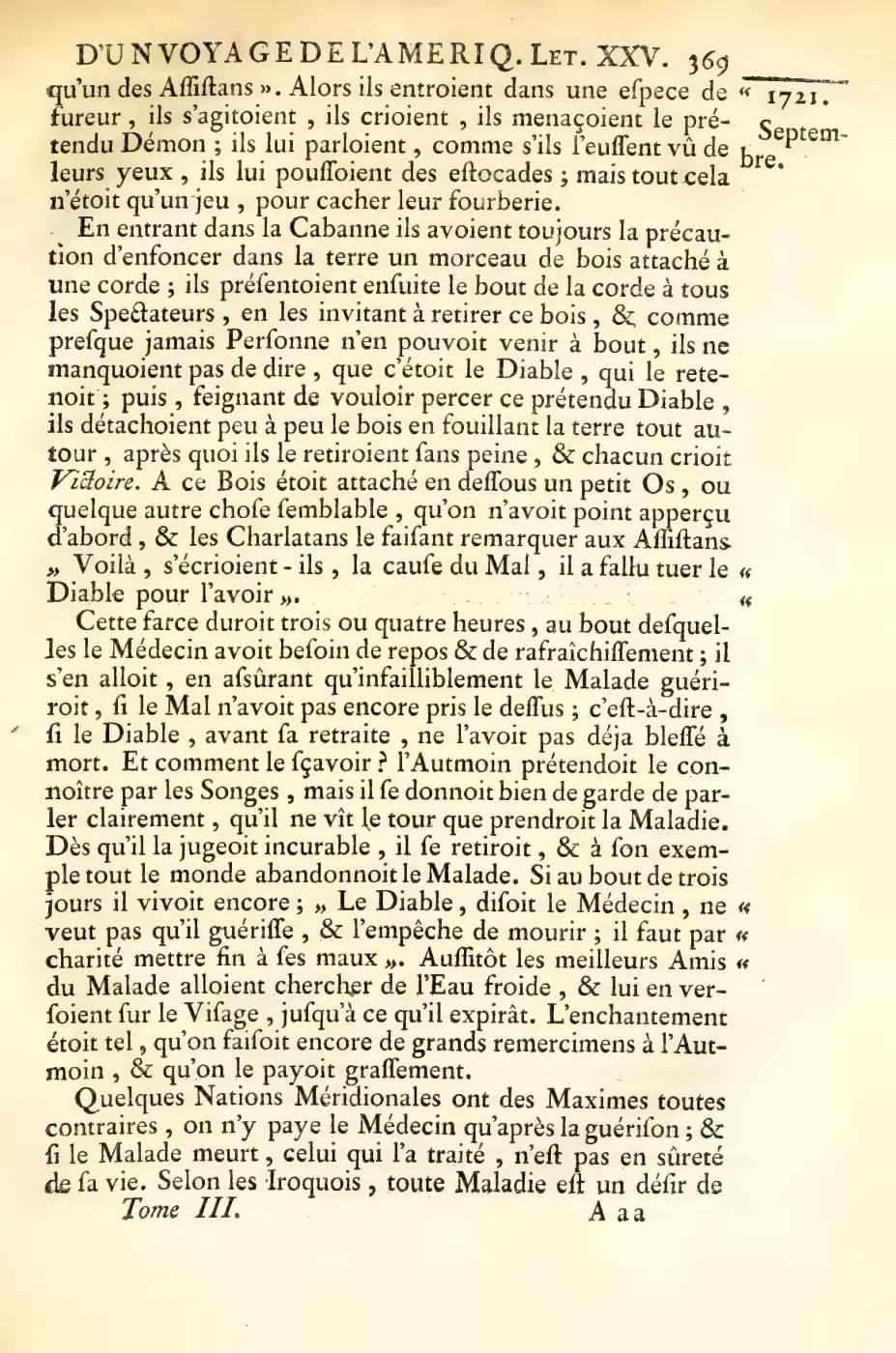
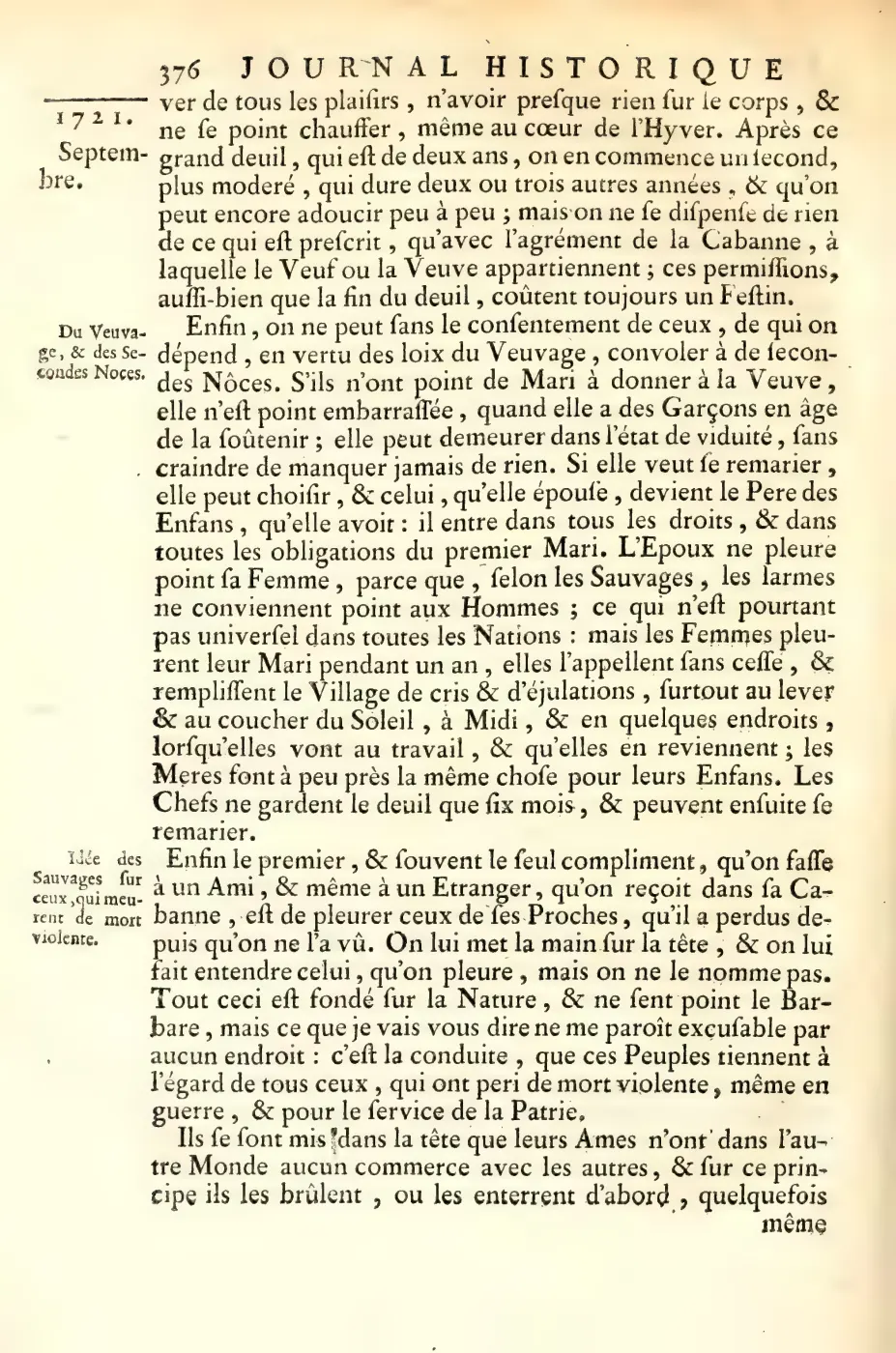
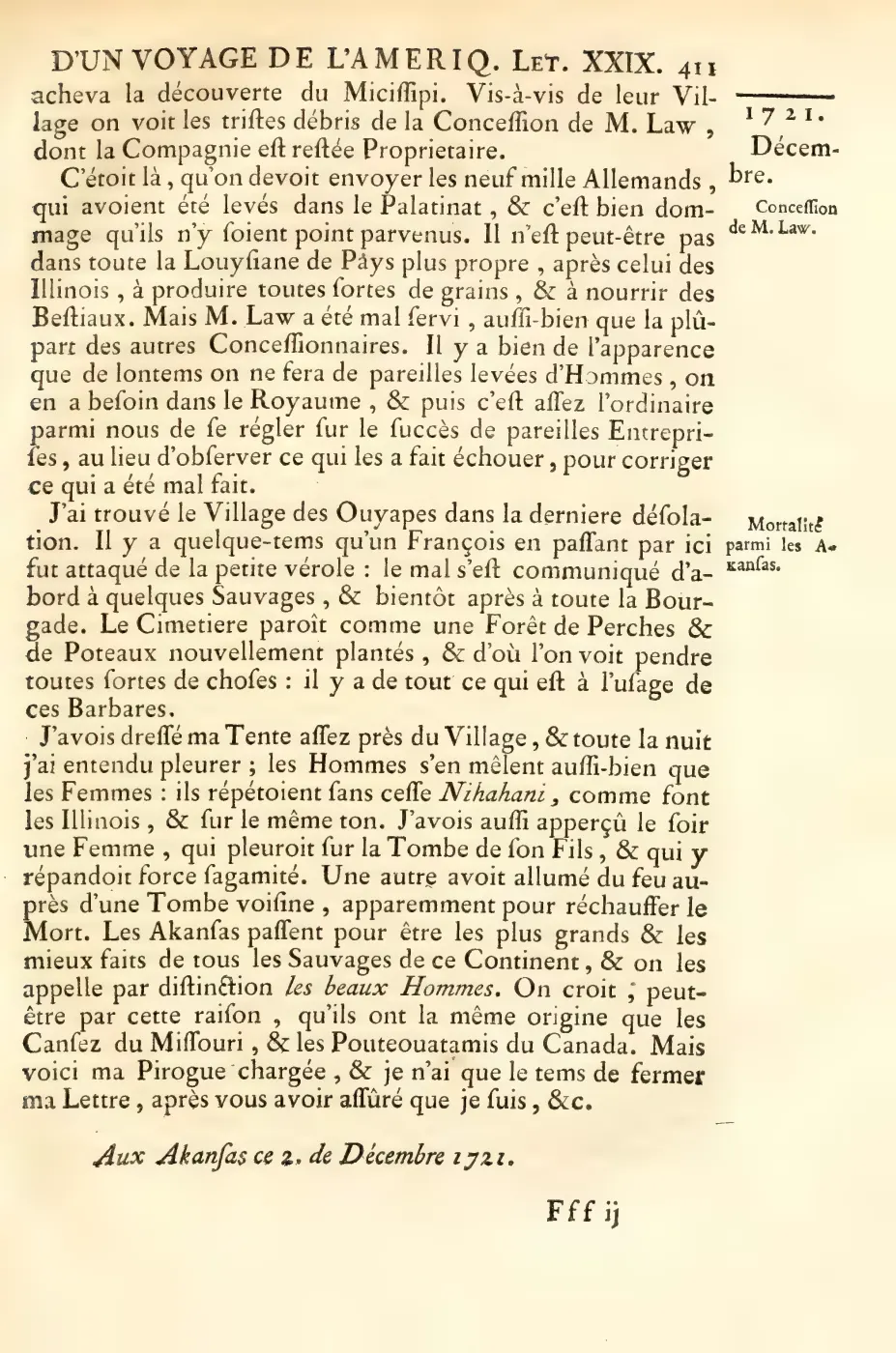
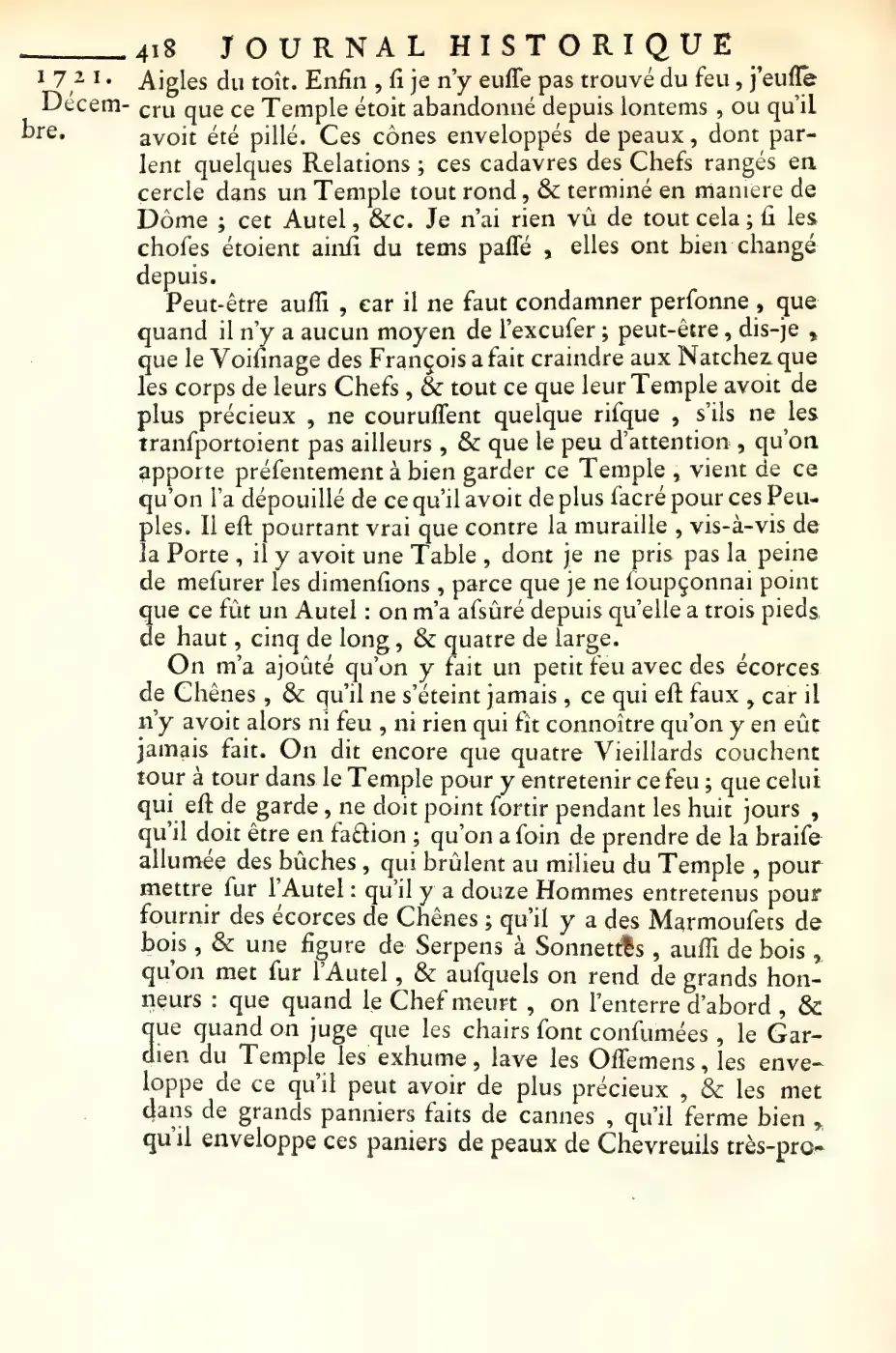
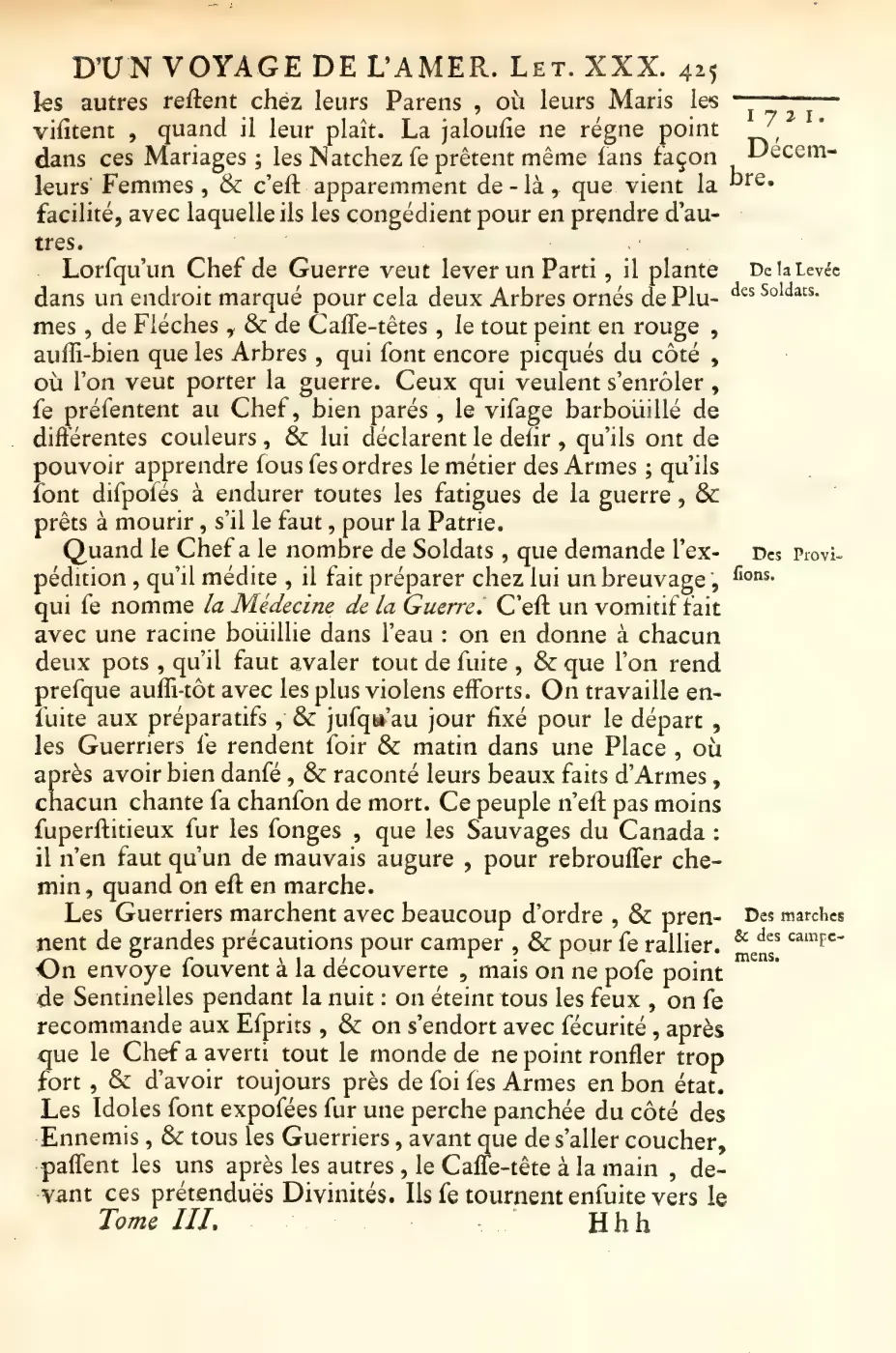
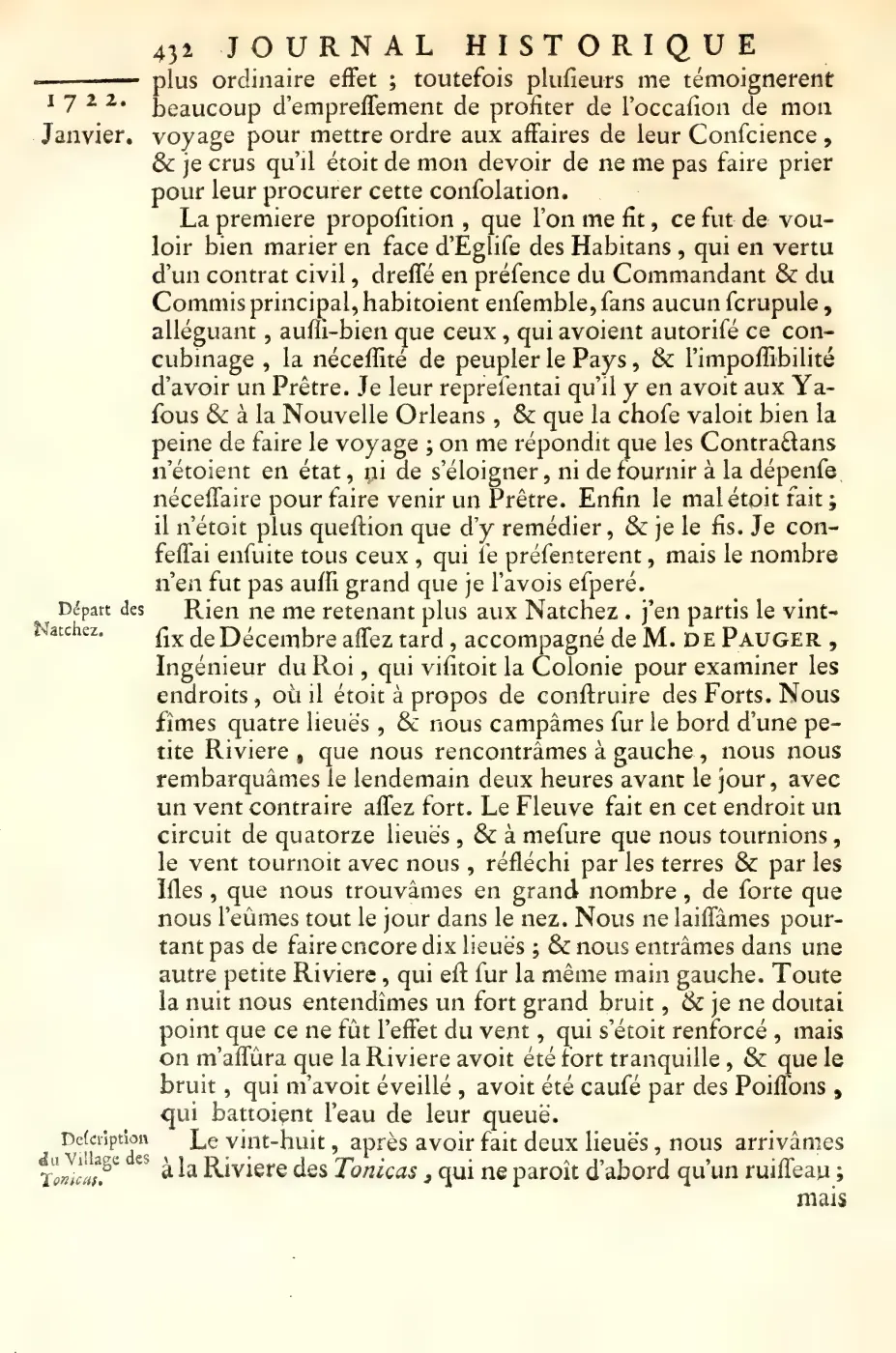
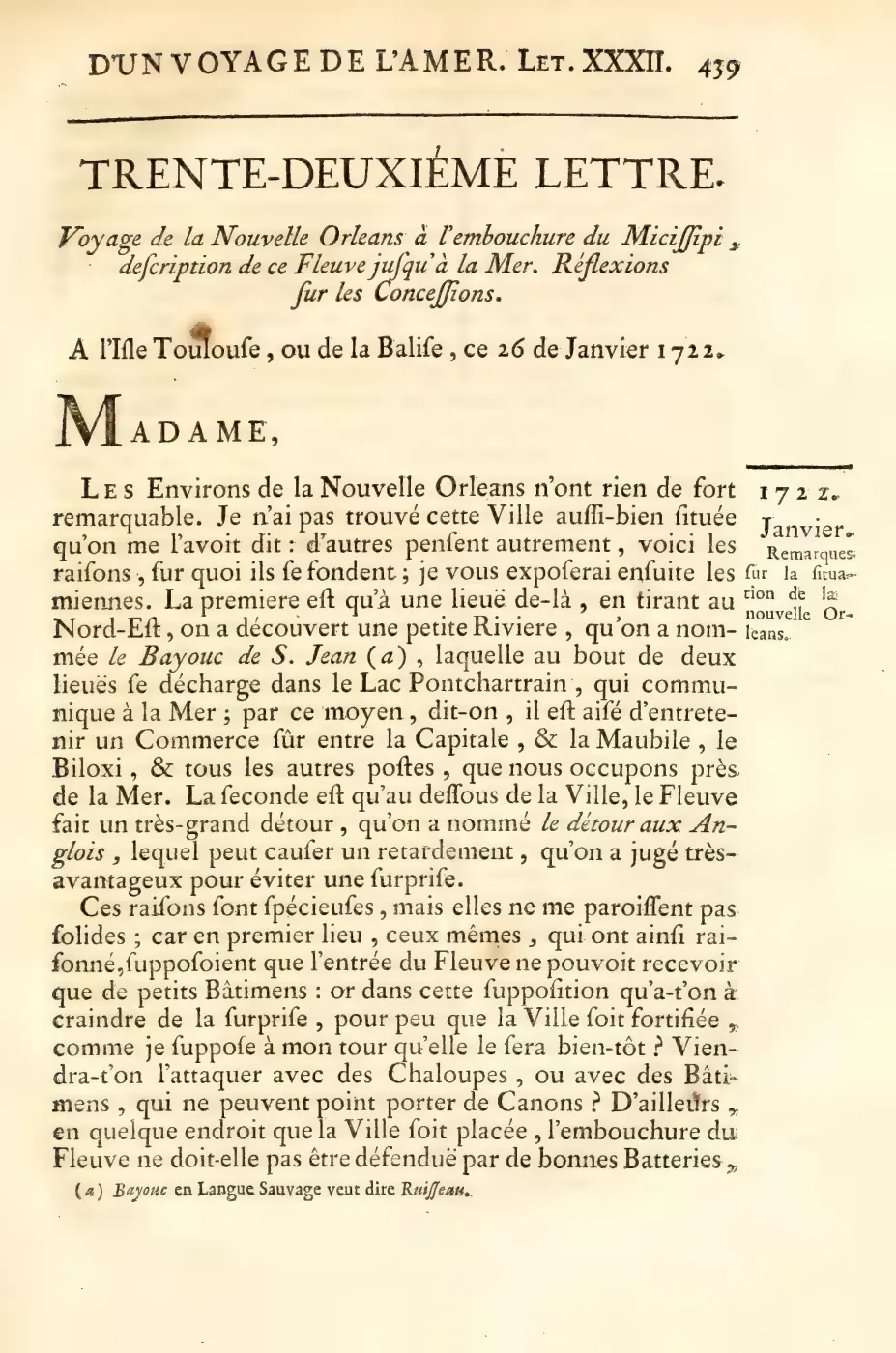
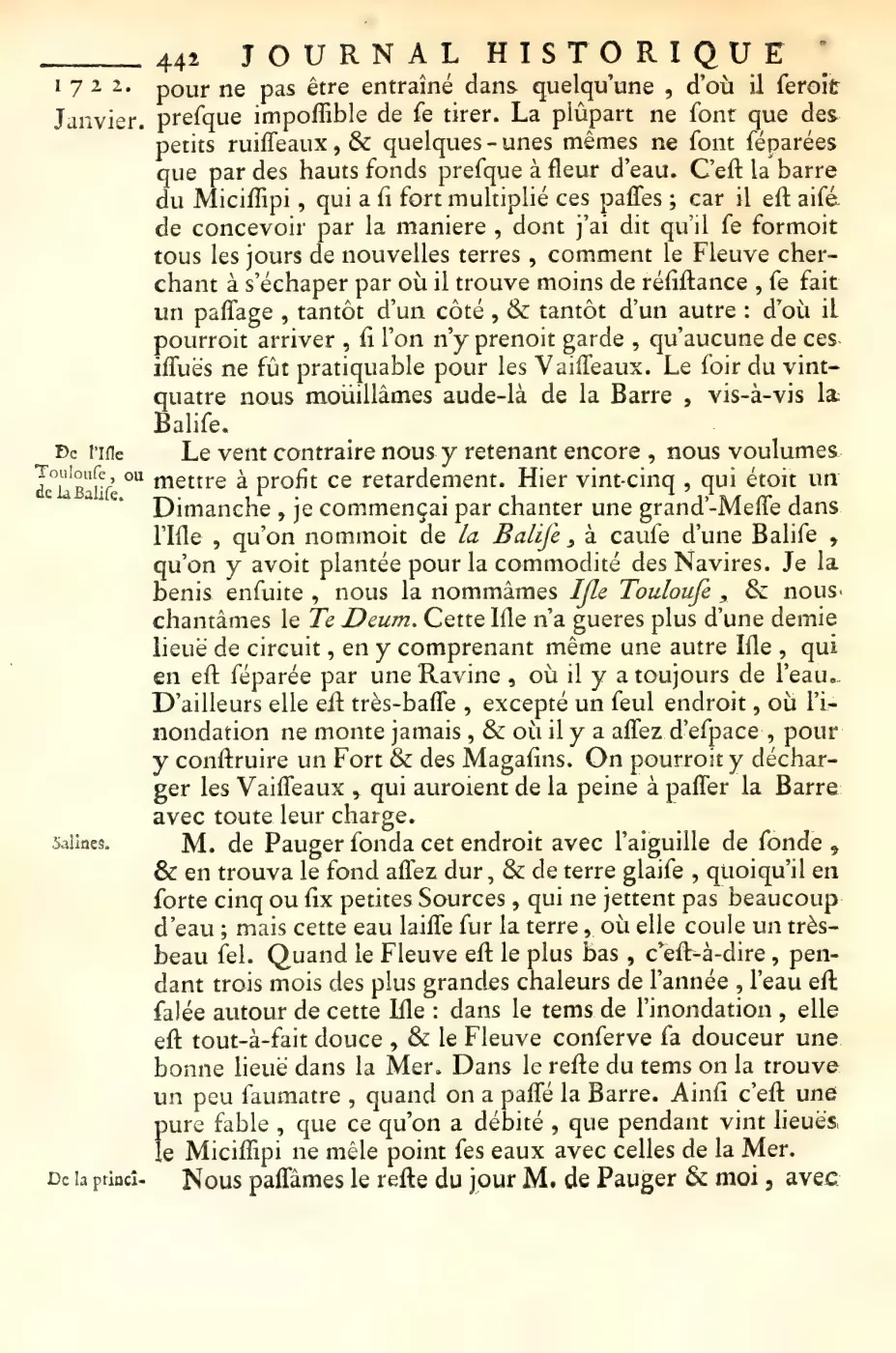
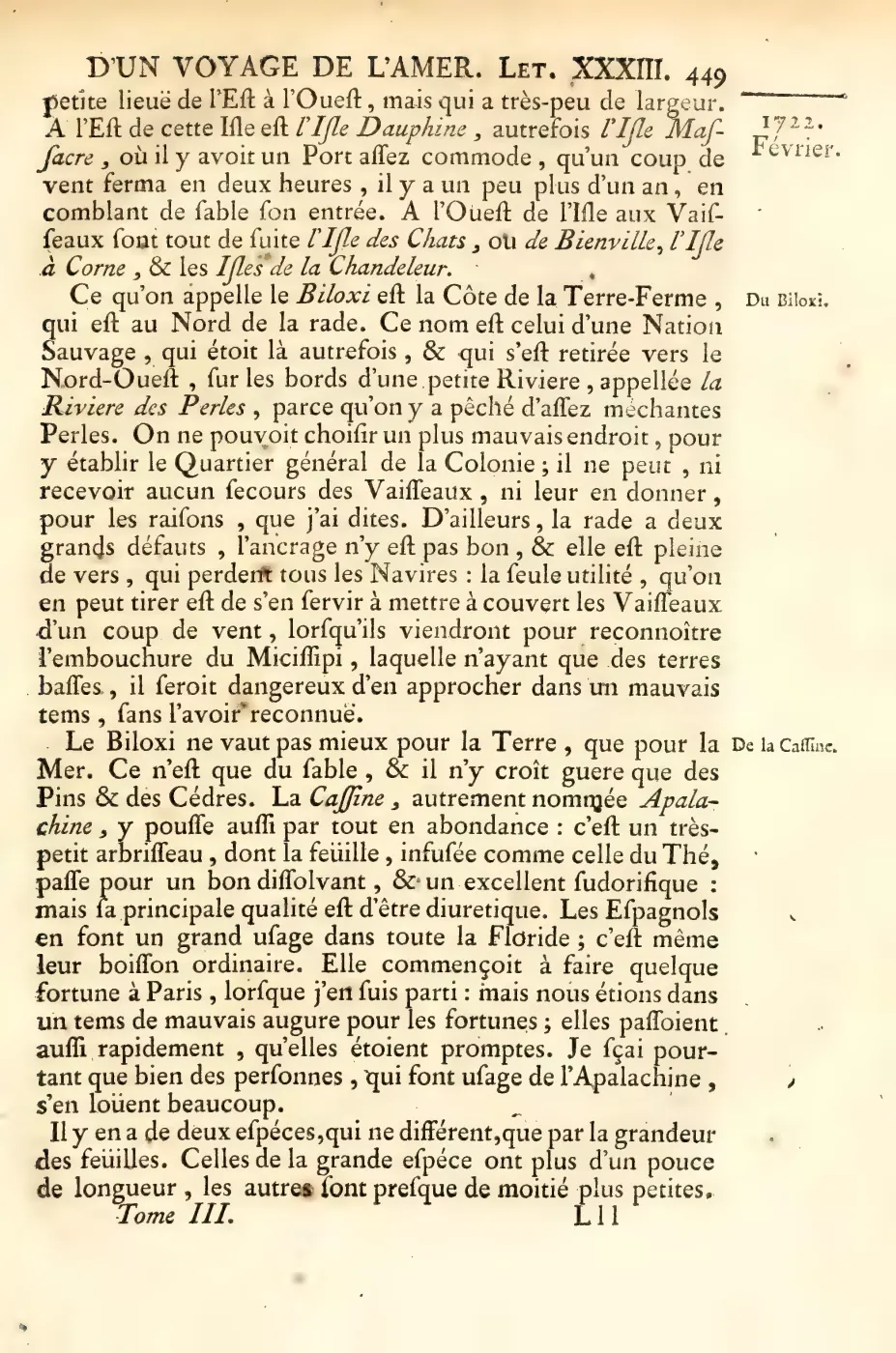
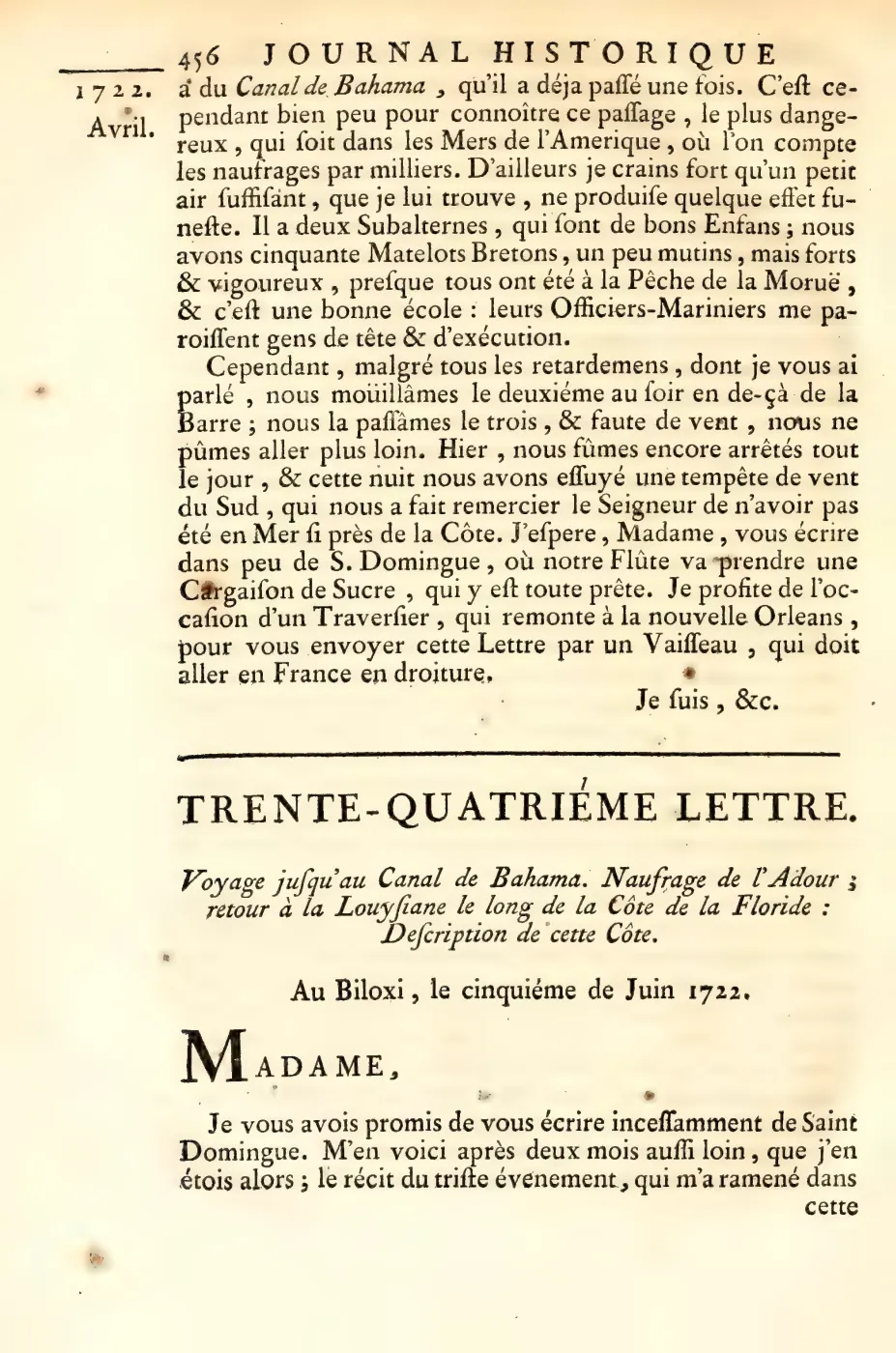
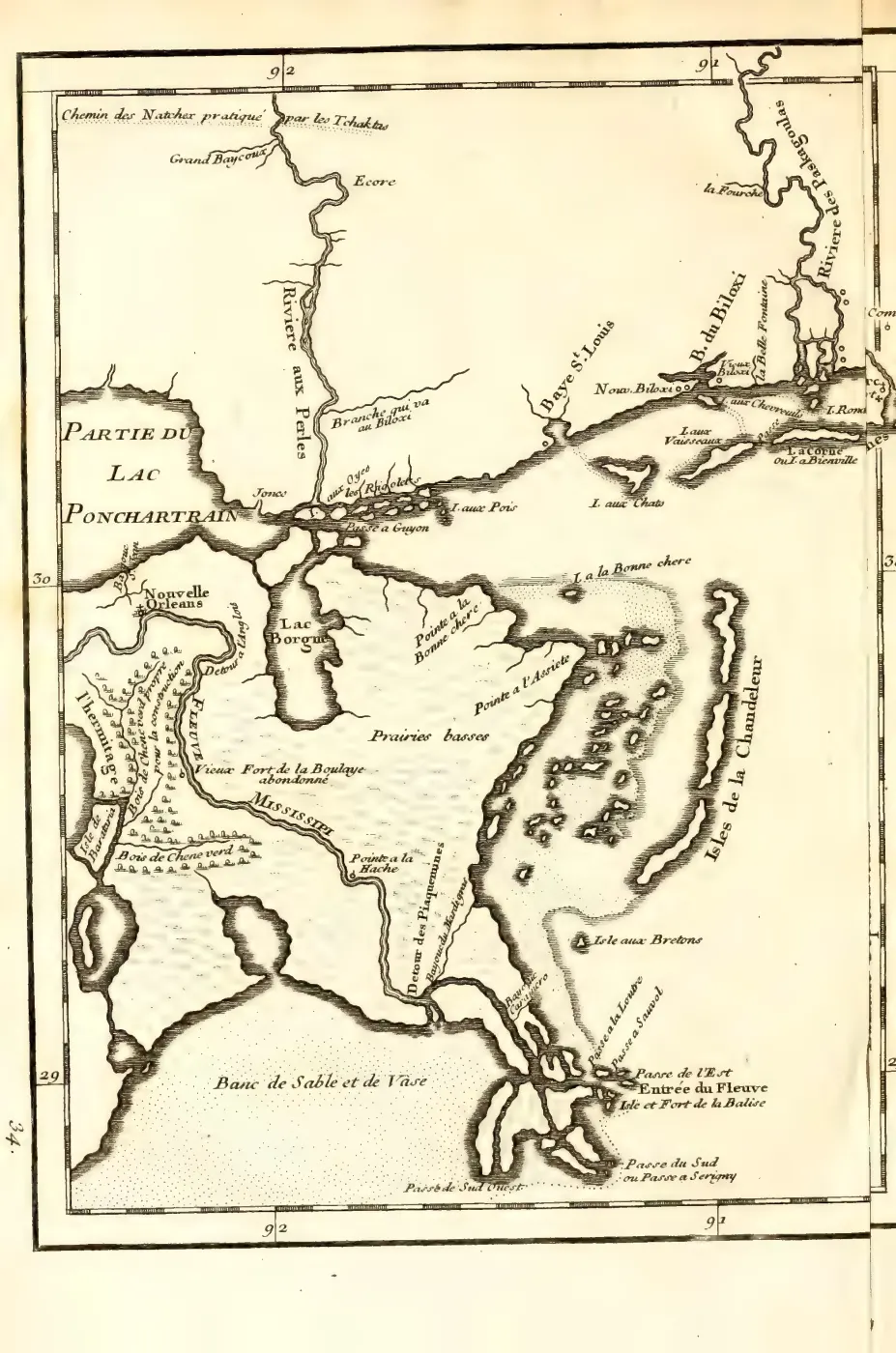
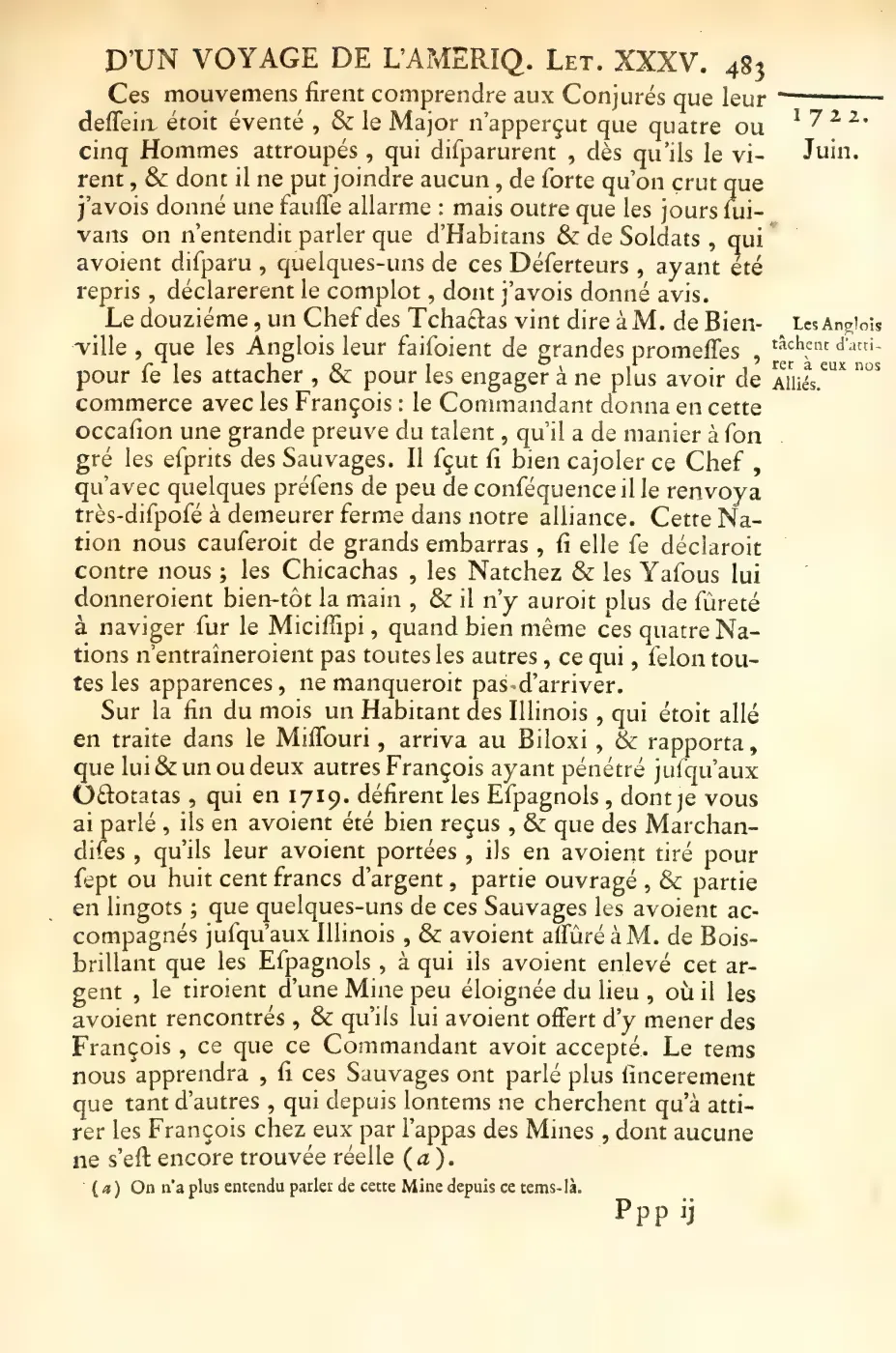
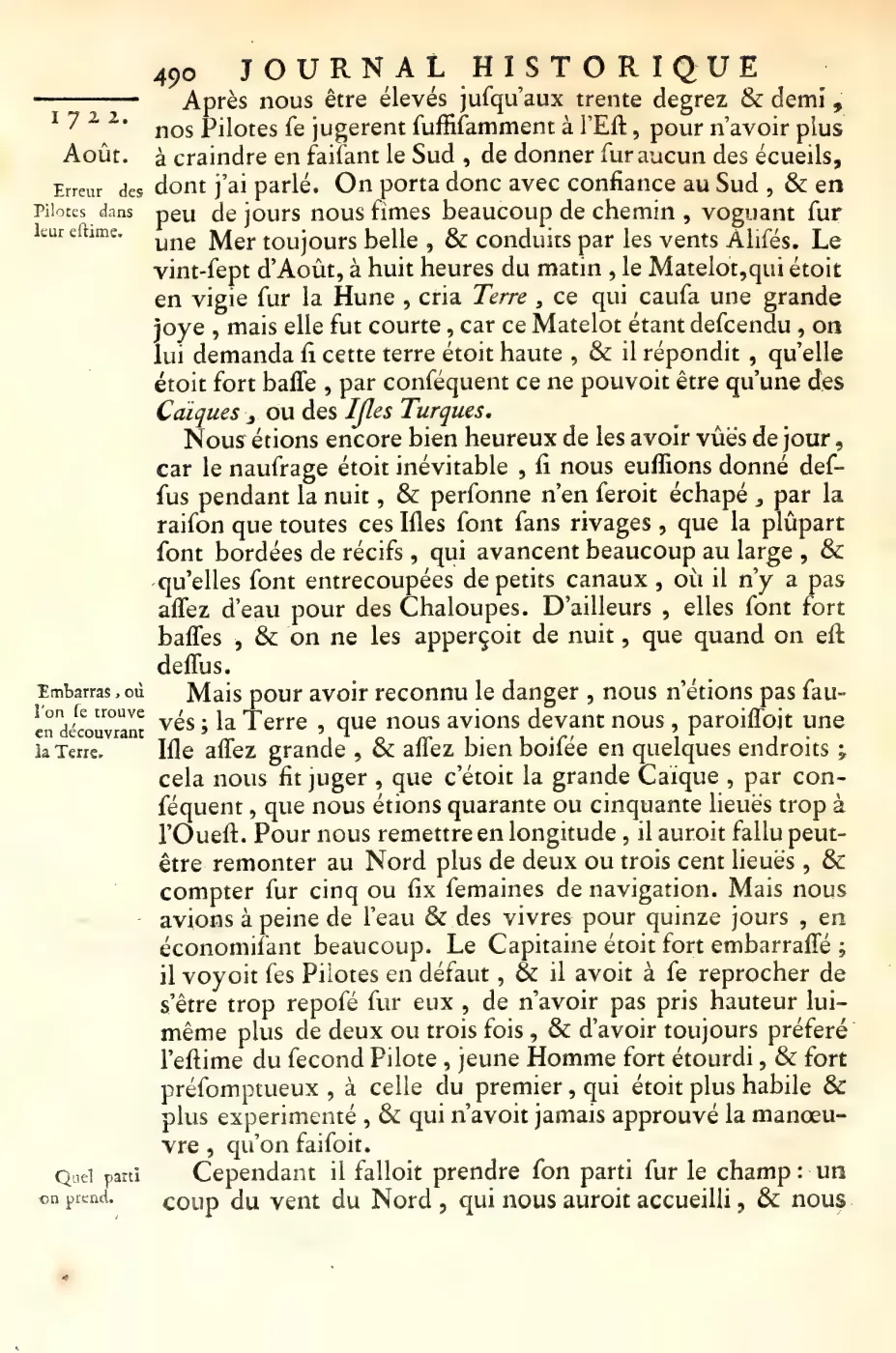
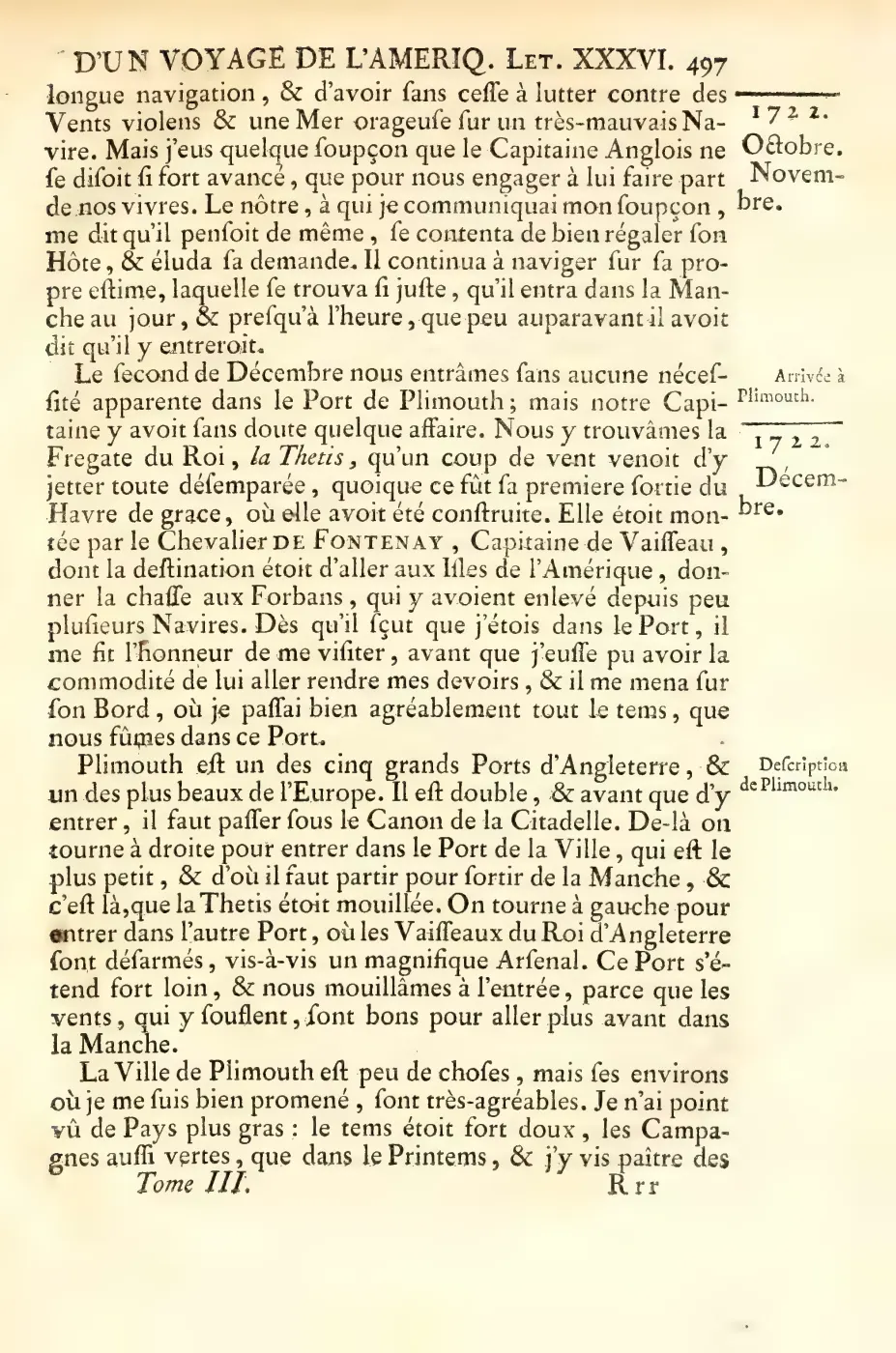
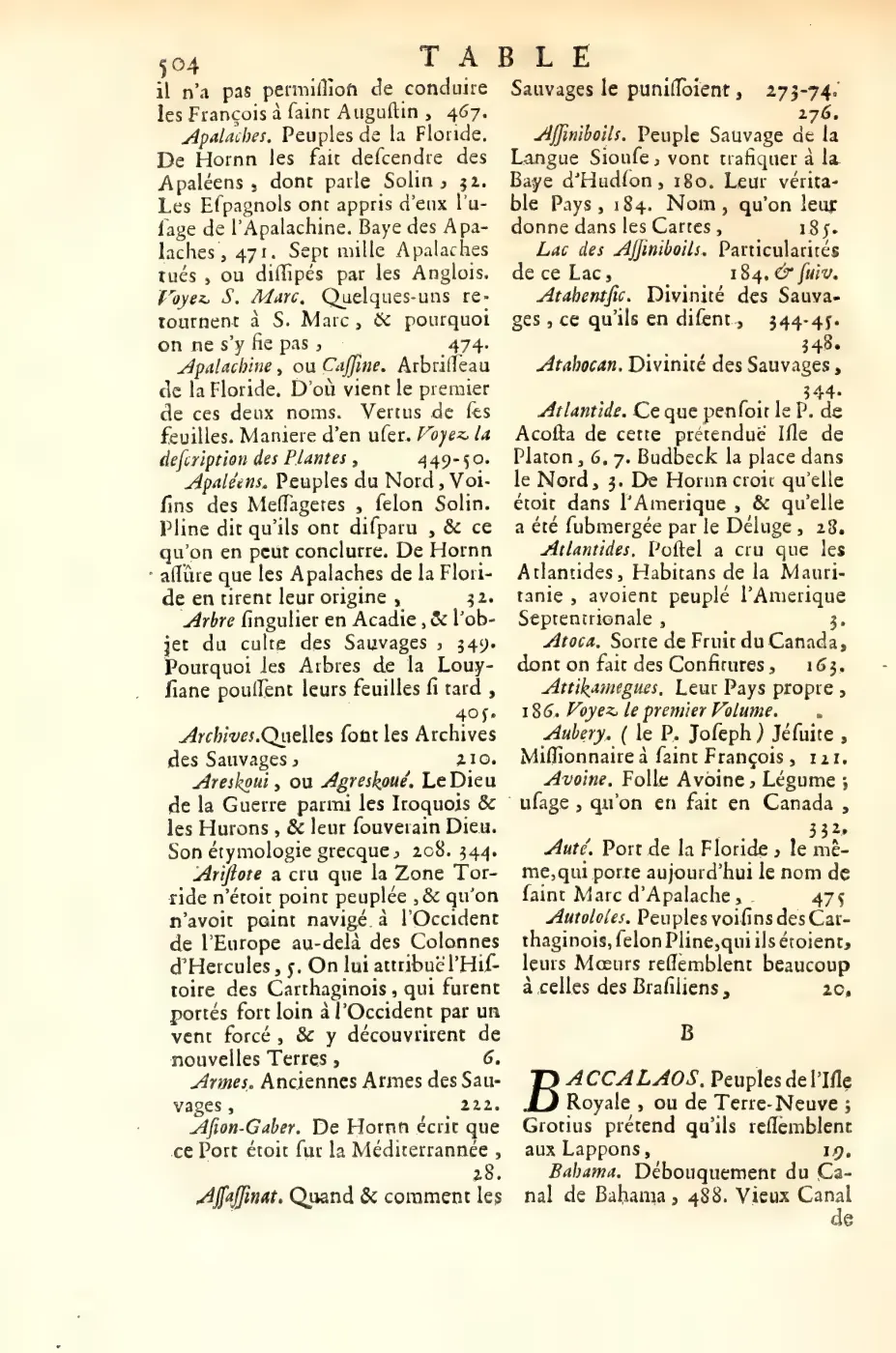
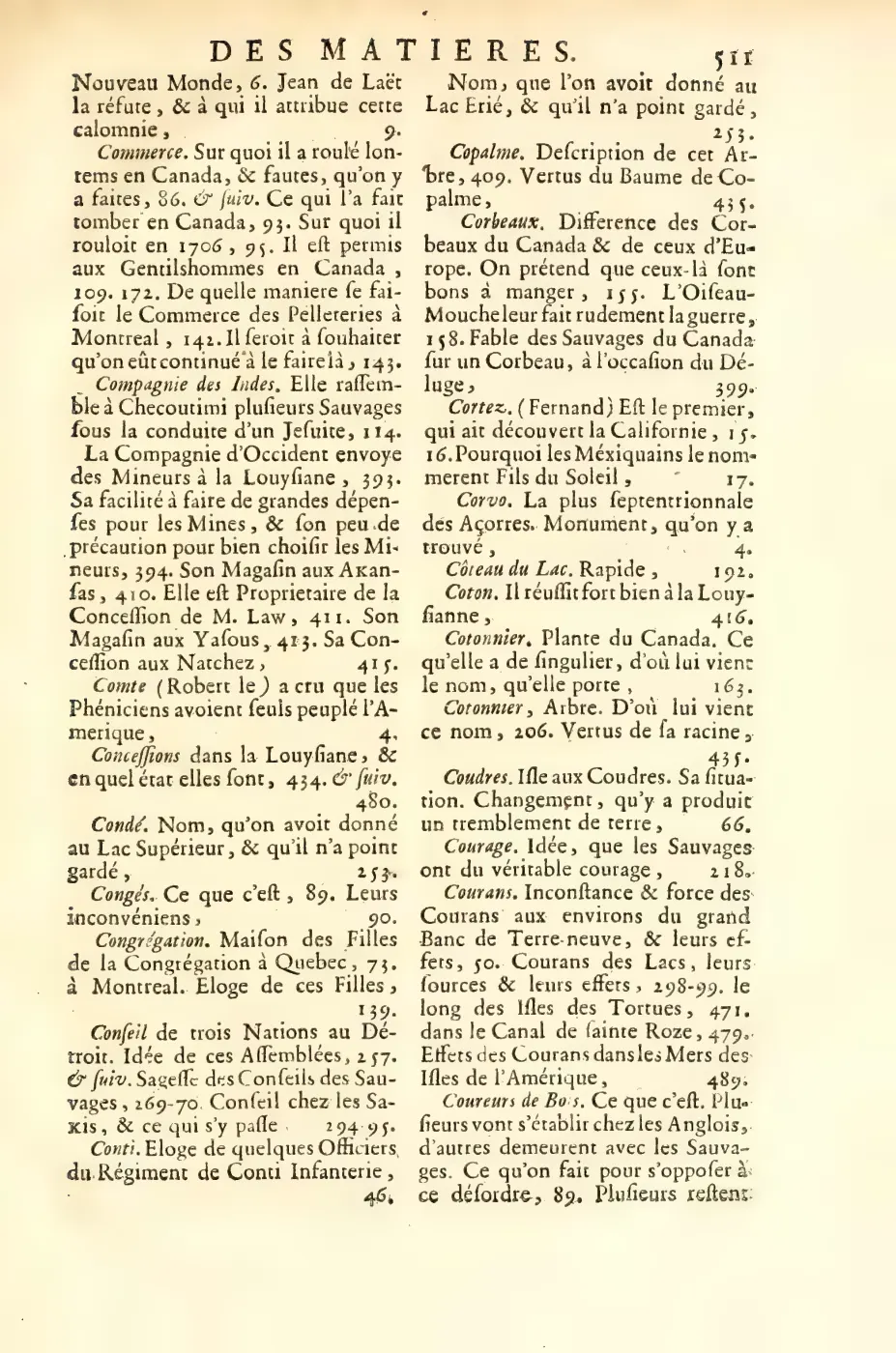
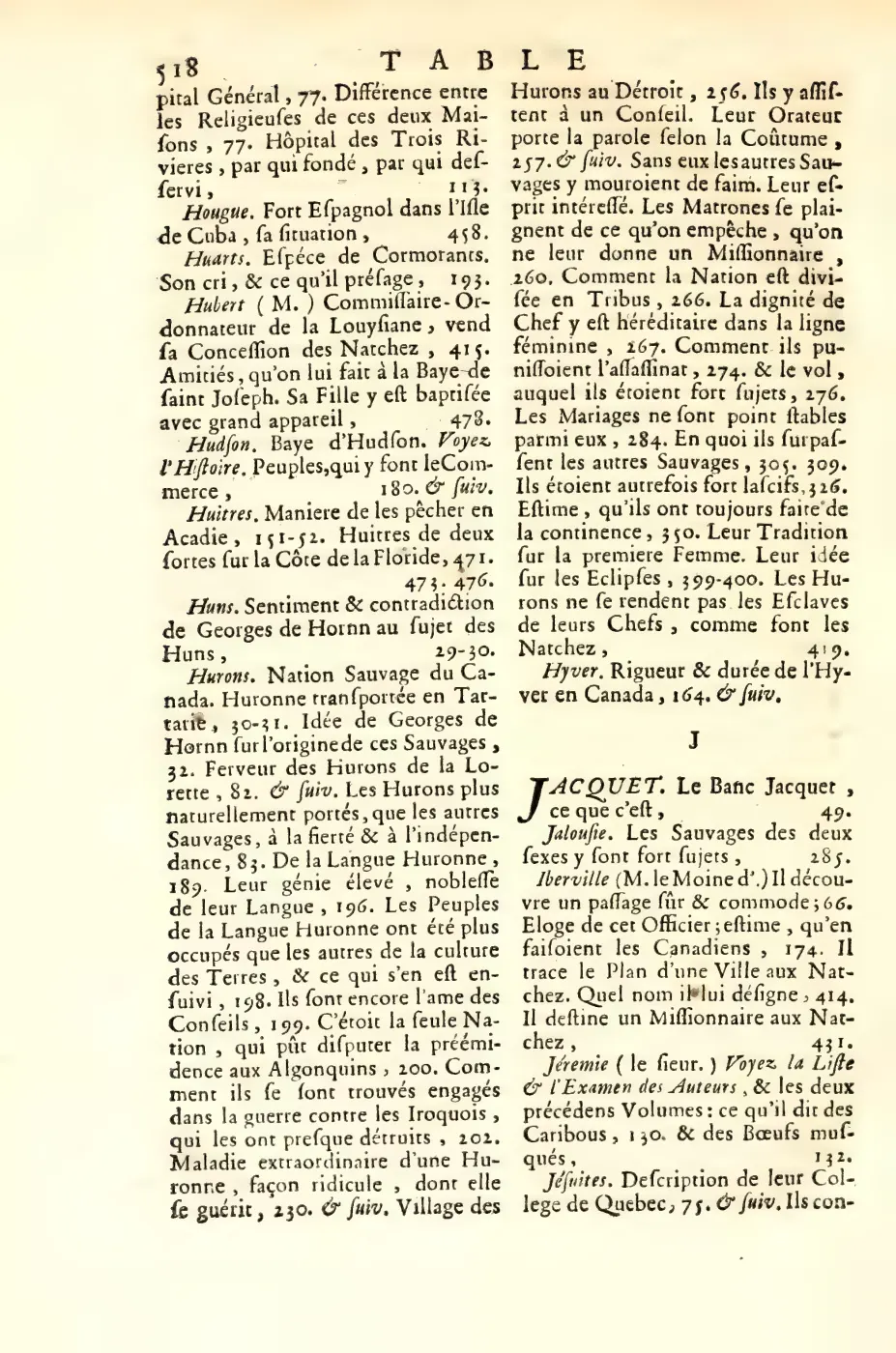
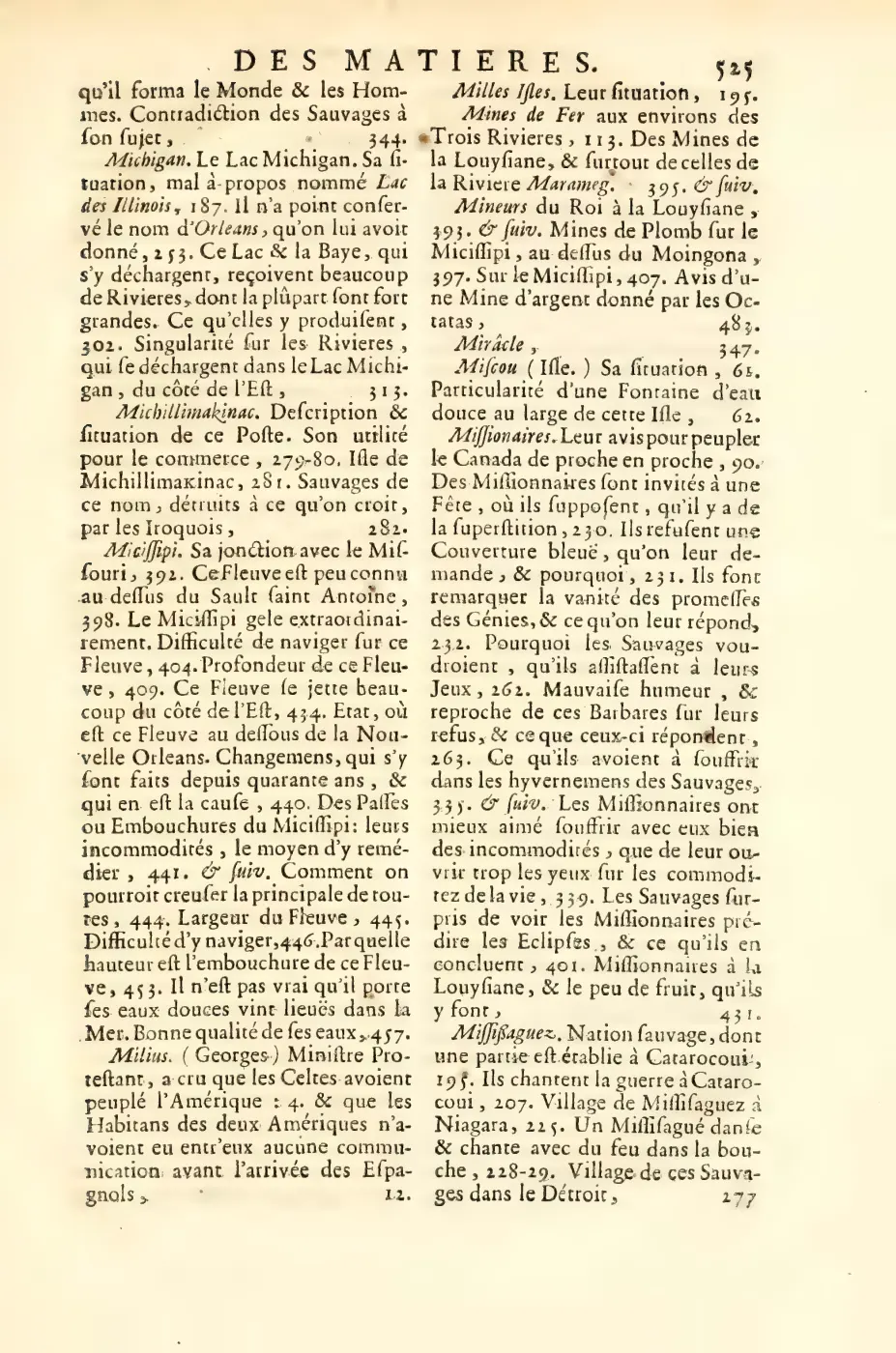
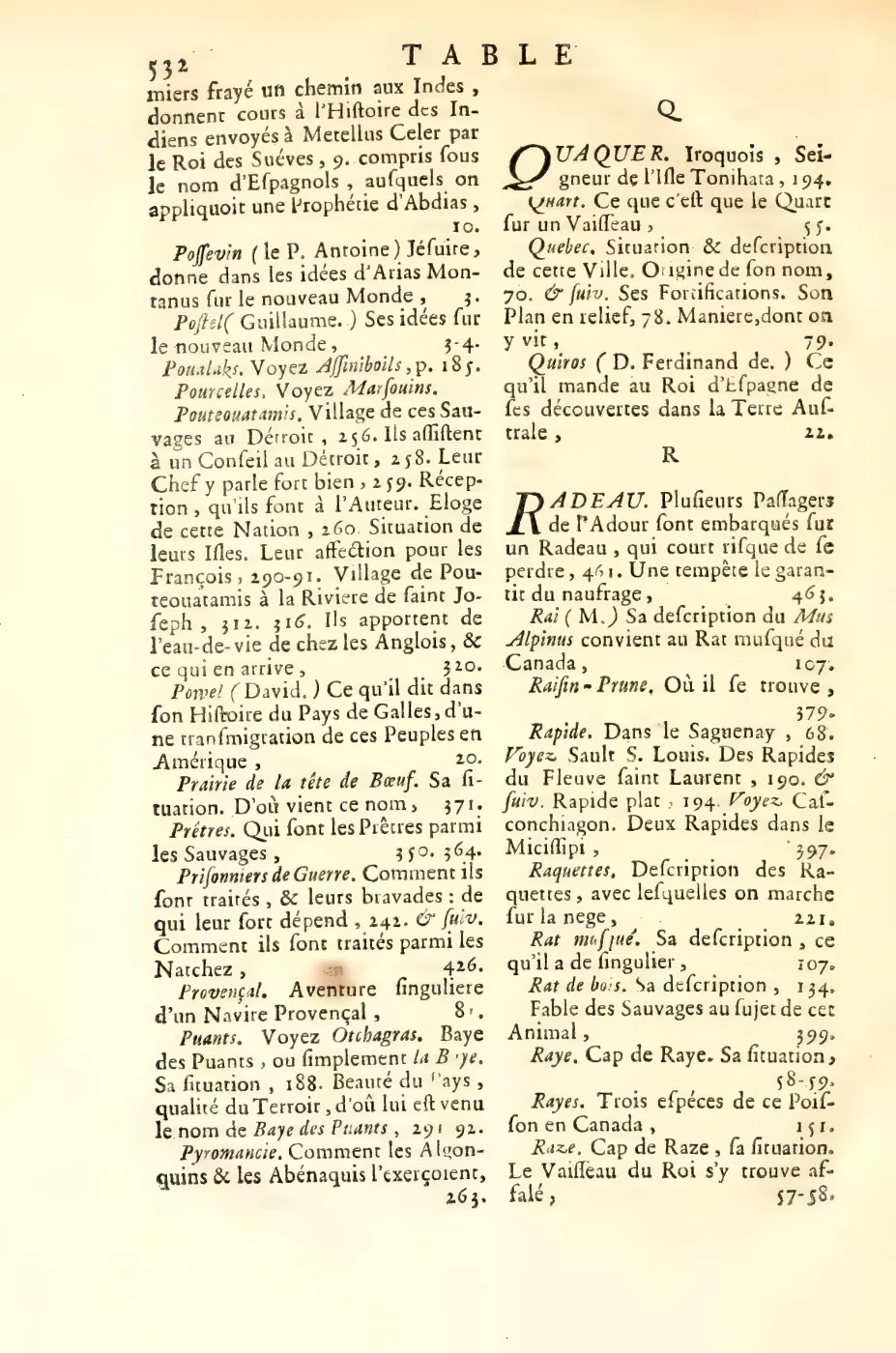
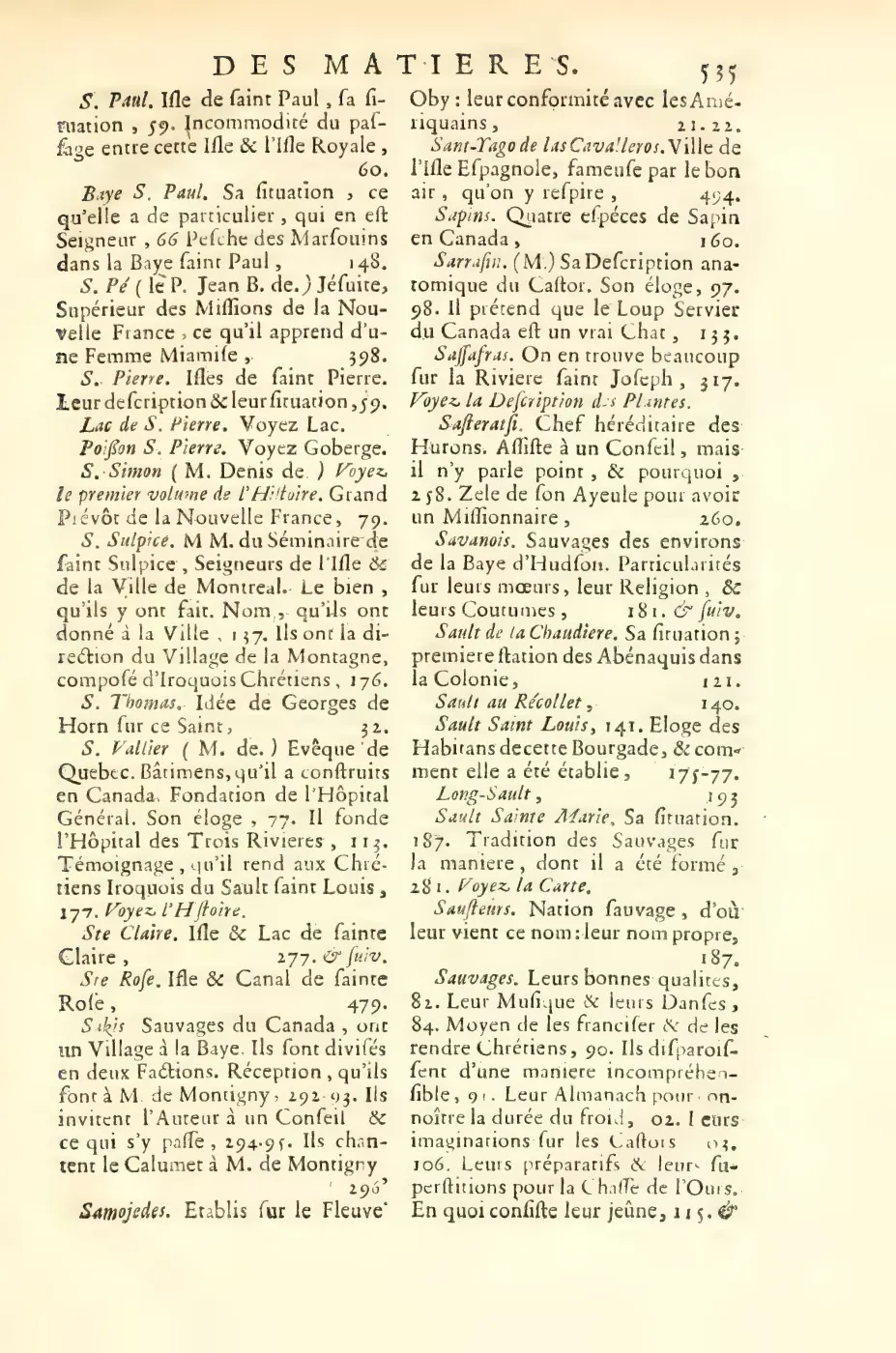
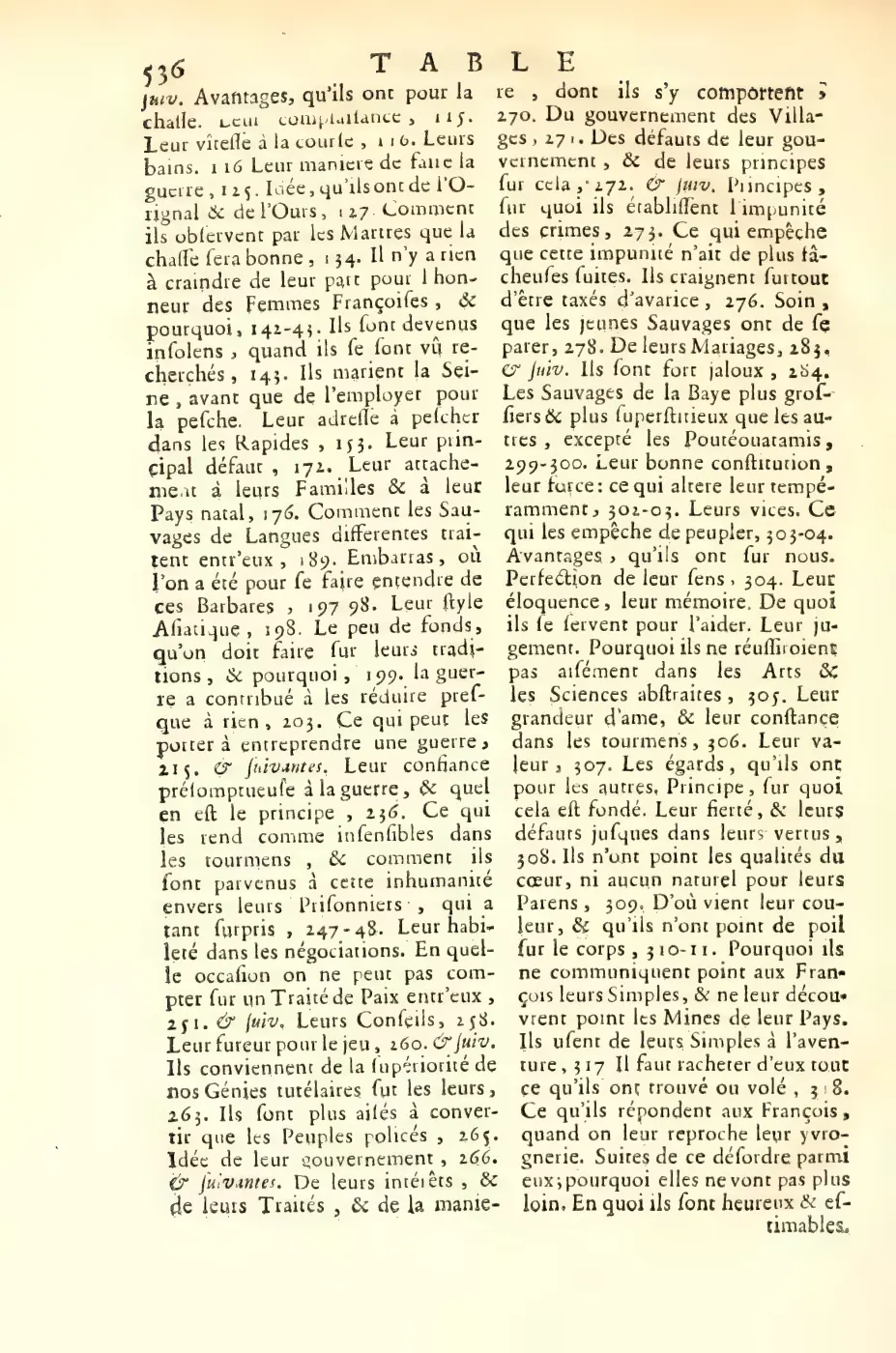
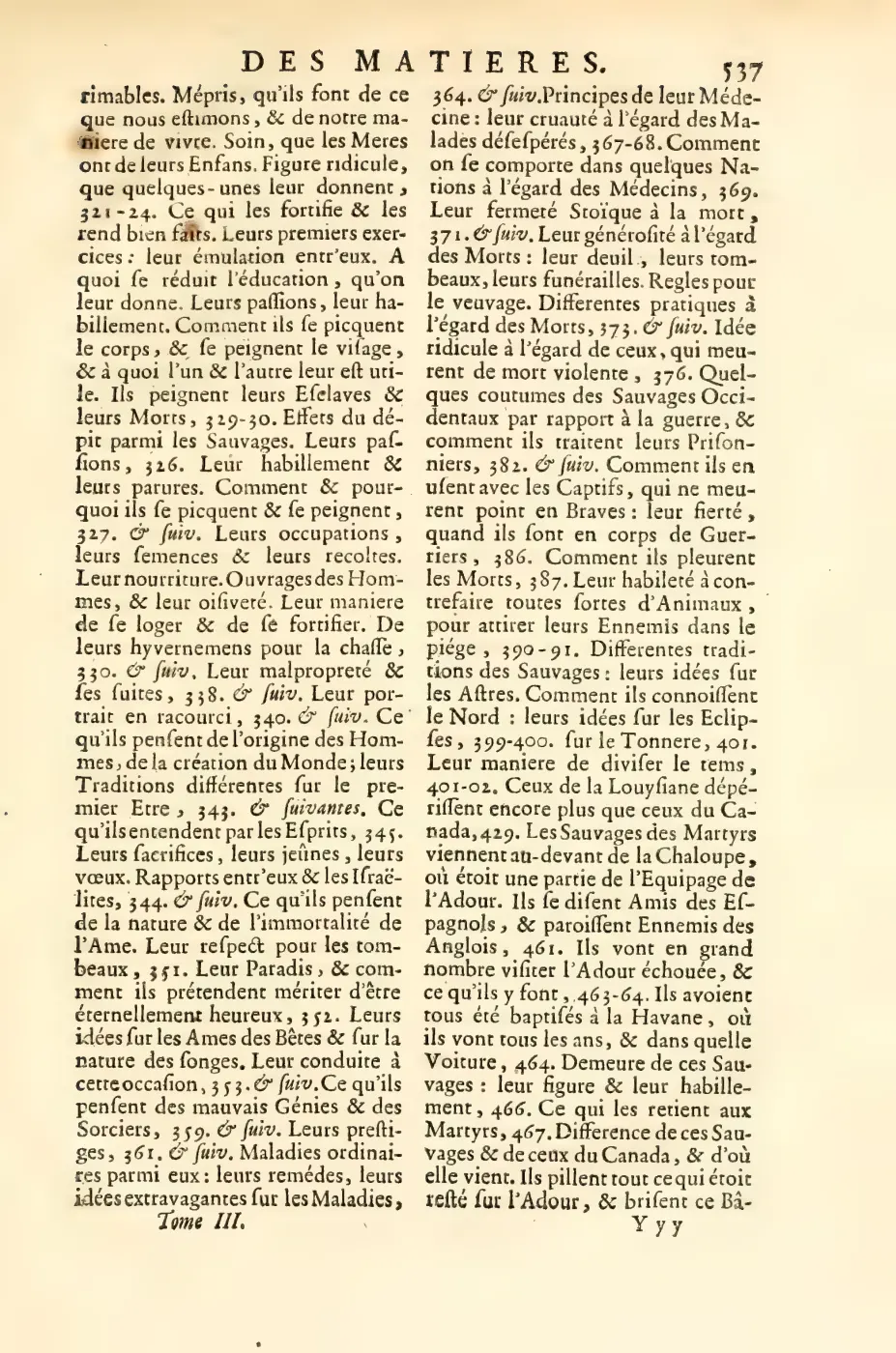
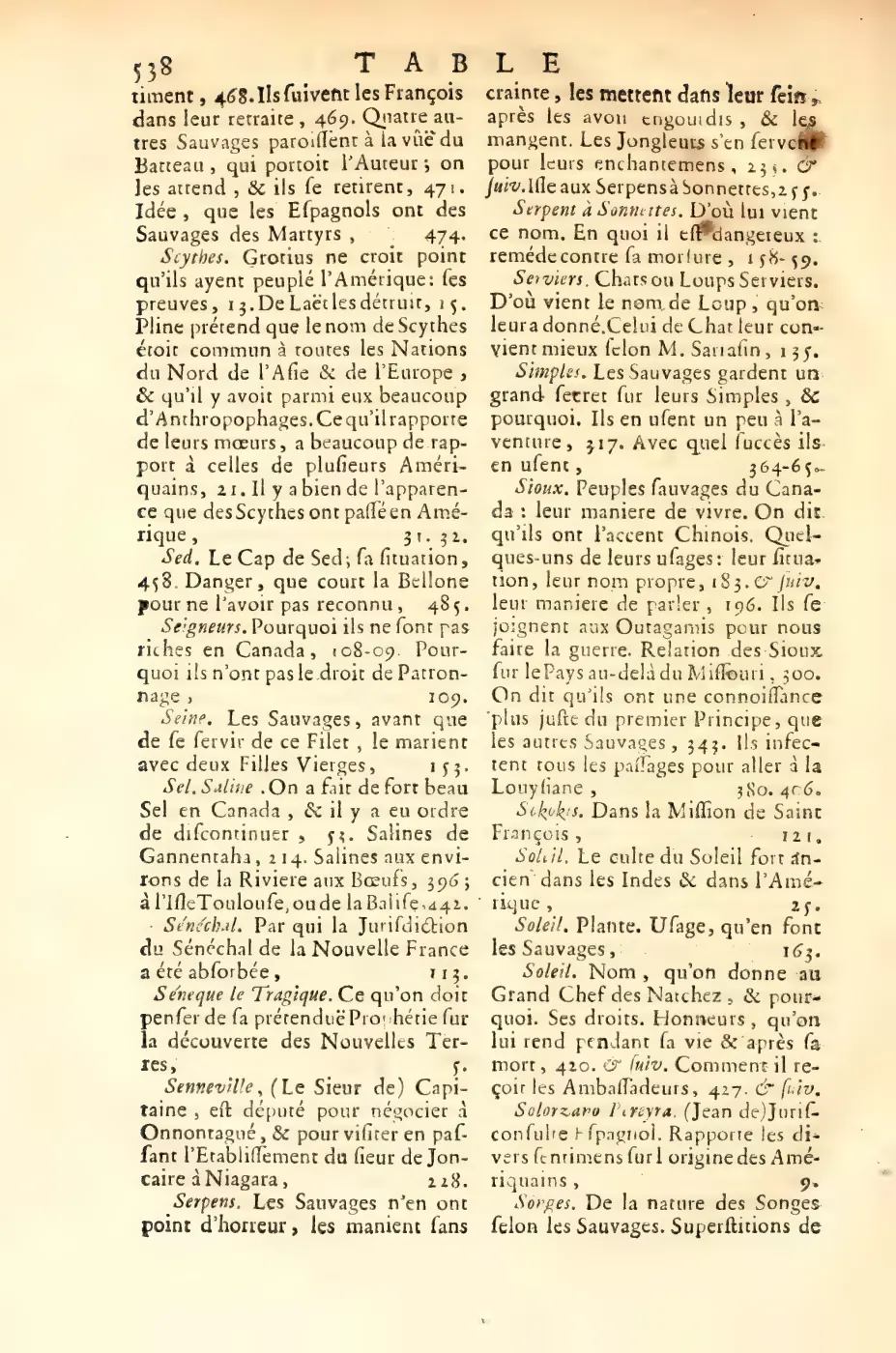
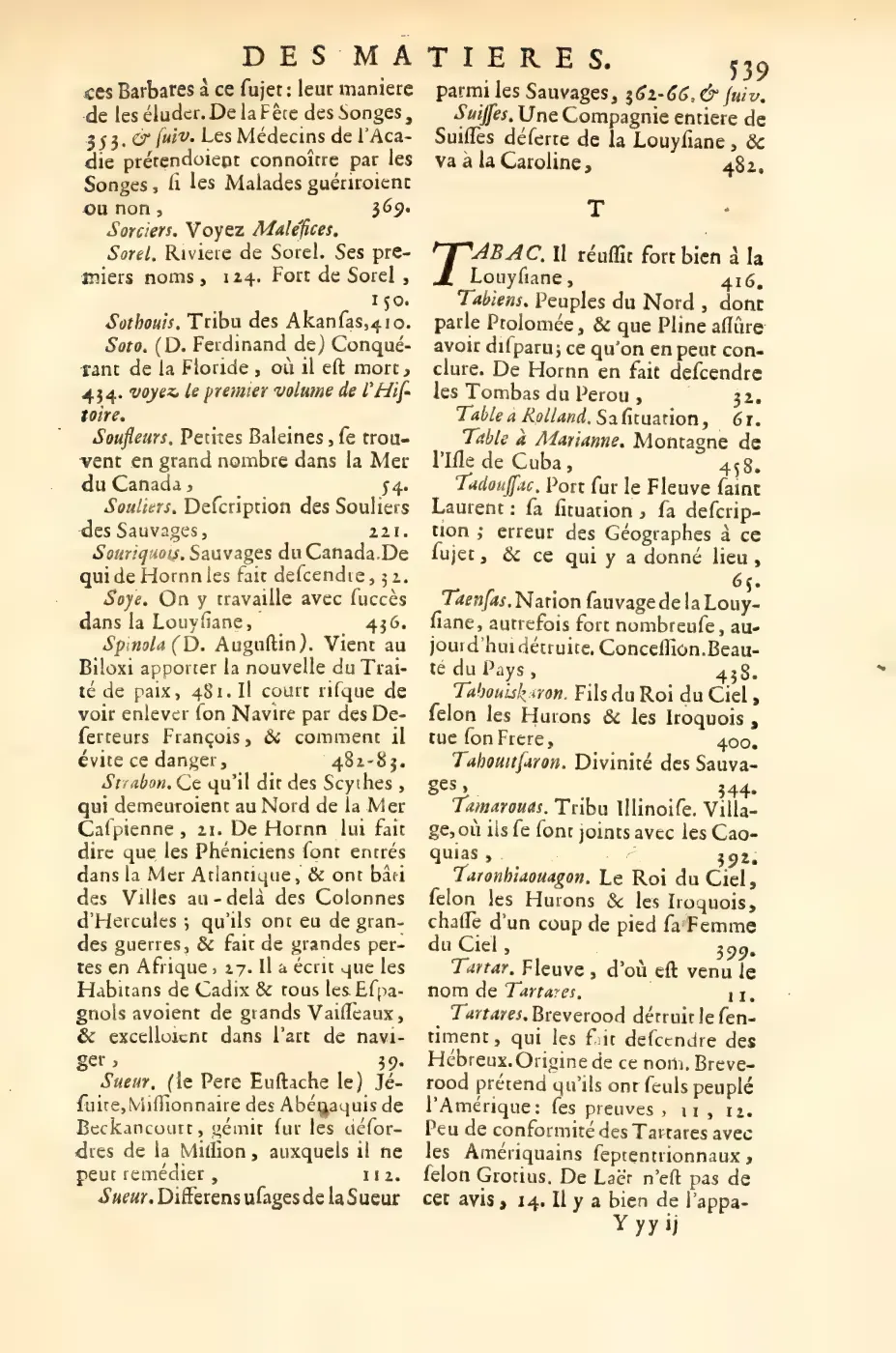
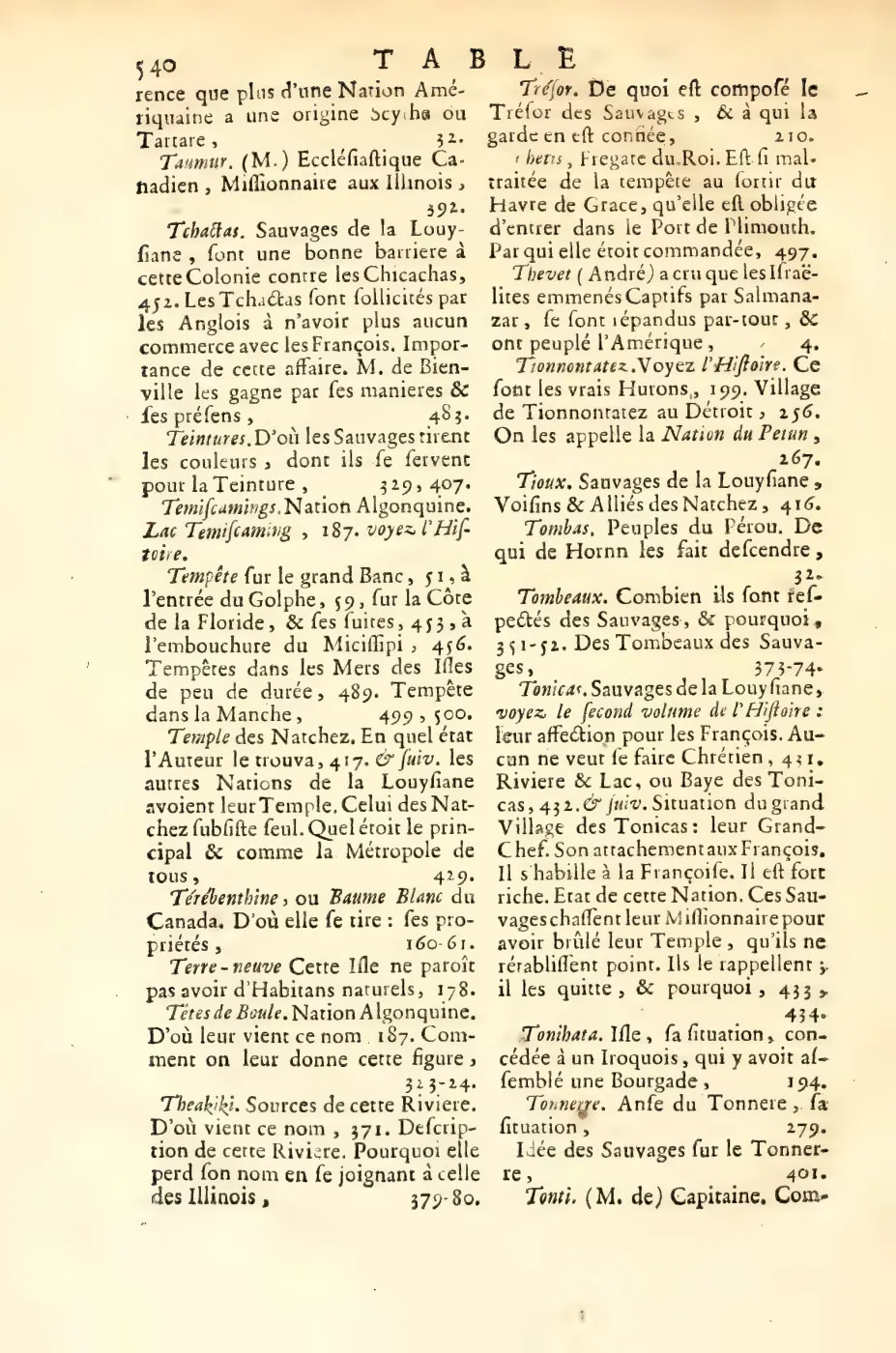
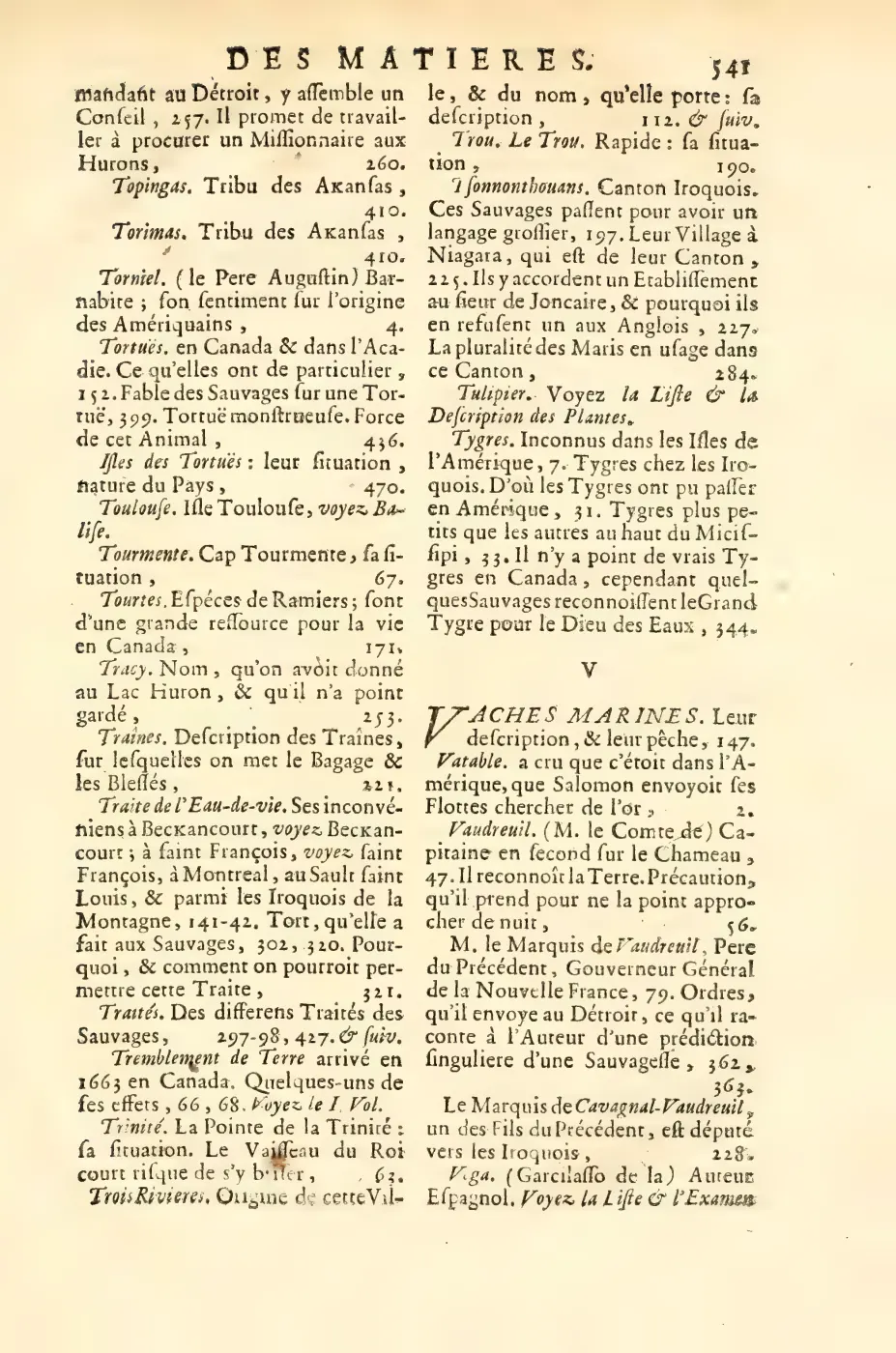
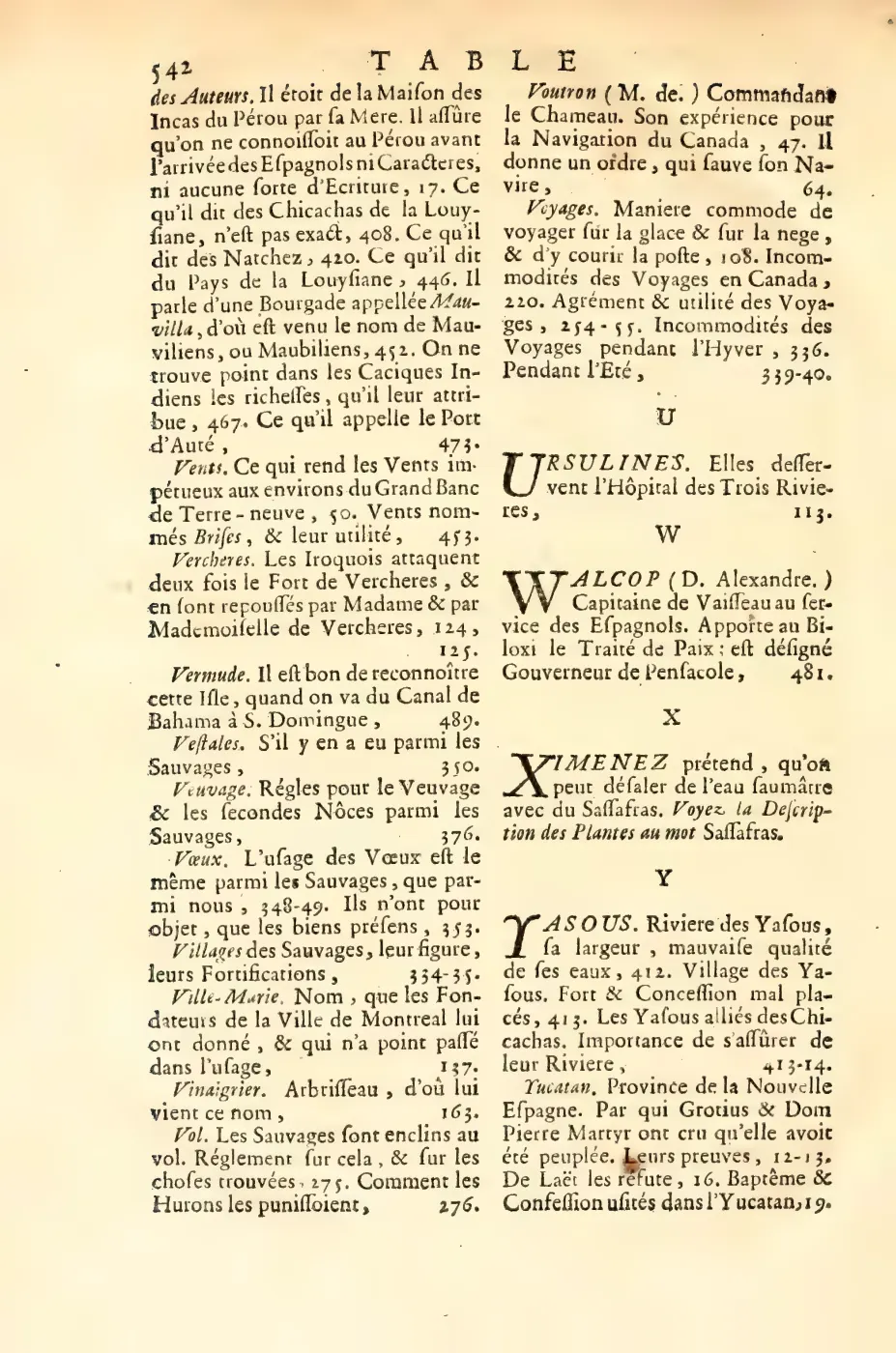
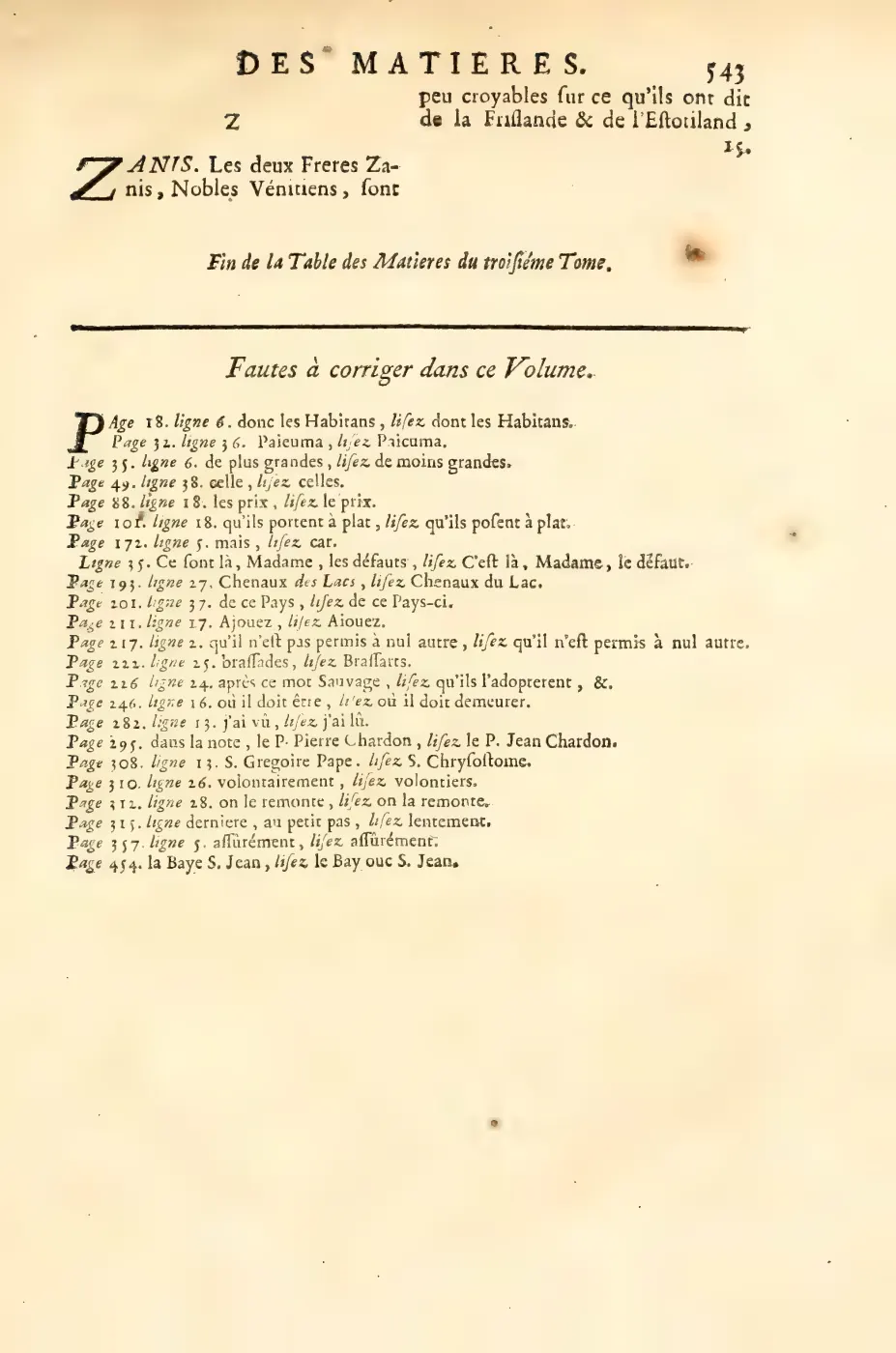


132 of 632 pages linked here — every page to 32, then every 7th, then the last 16. With JavaScript, every page.
Read the document
428 pages, rendered from the held scan.
Jump to a page — 428 in all



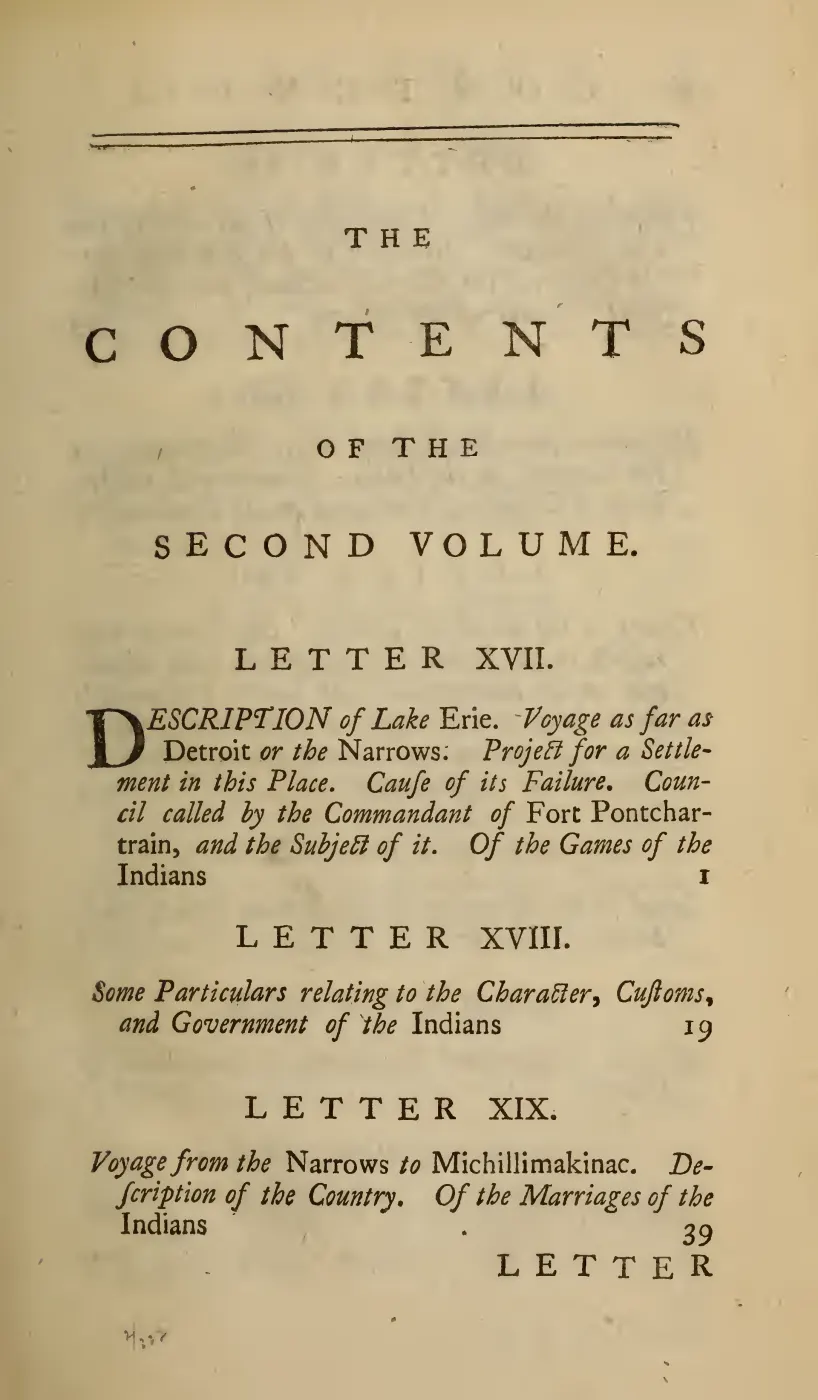
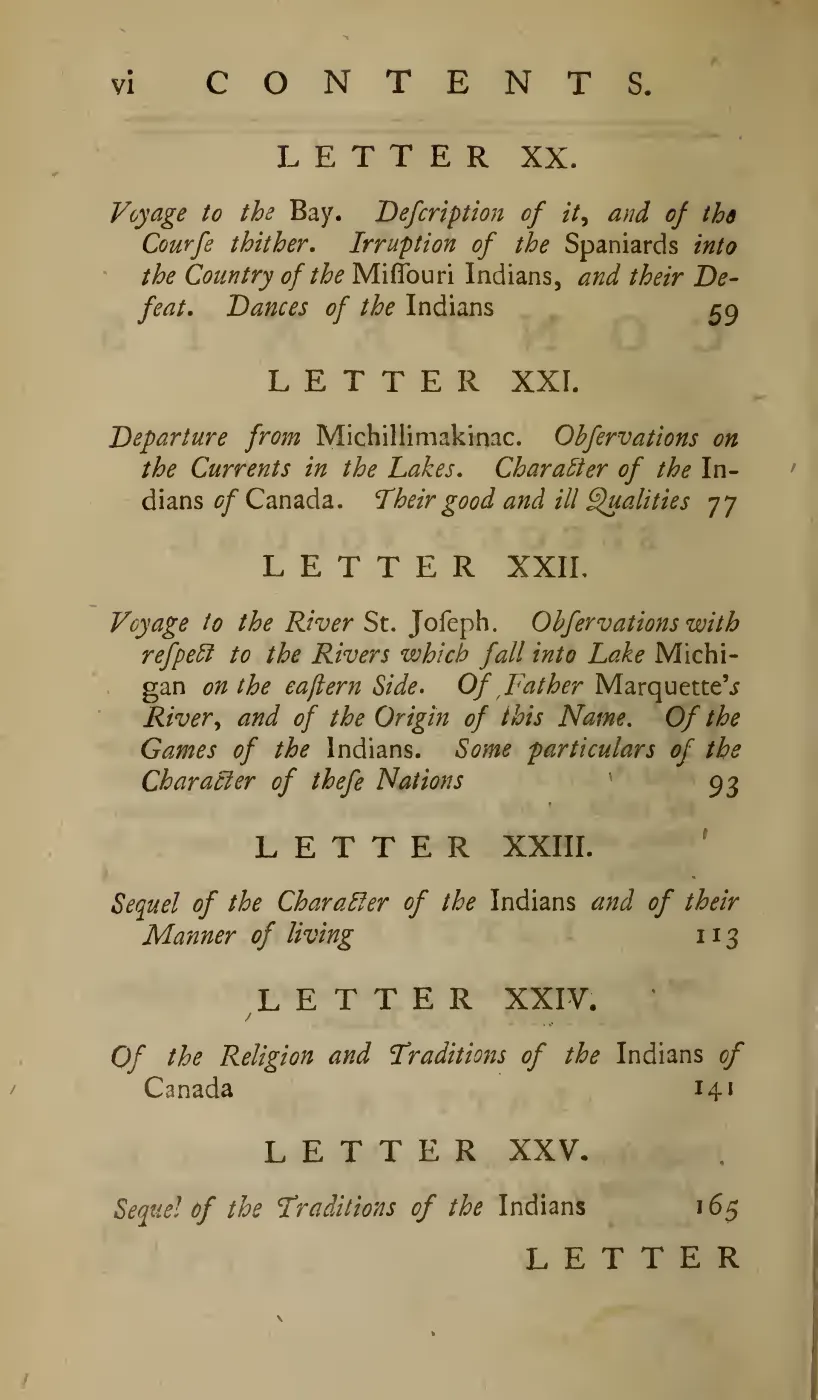
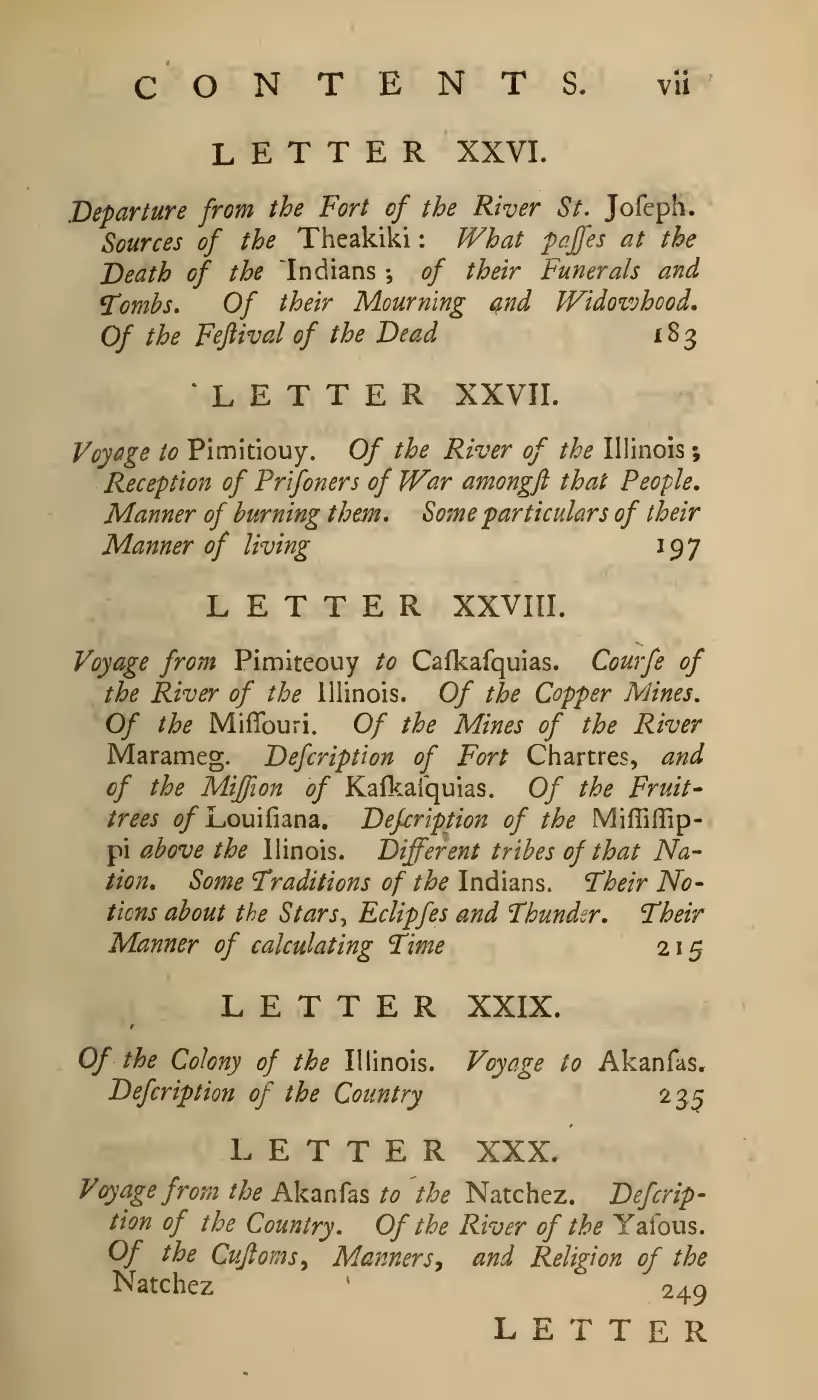
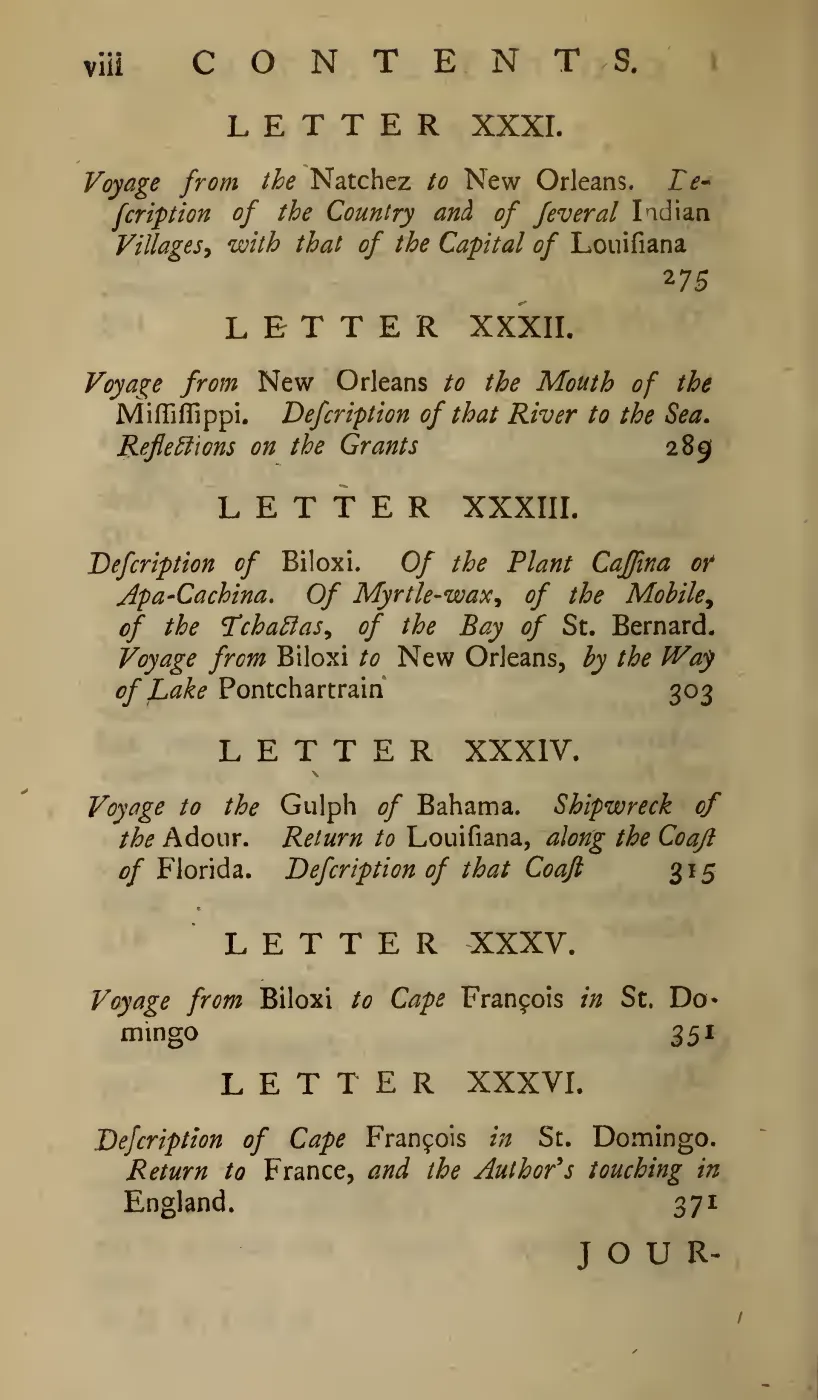
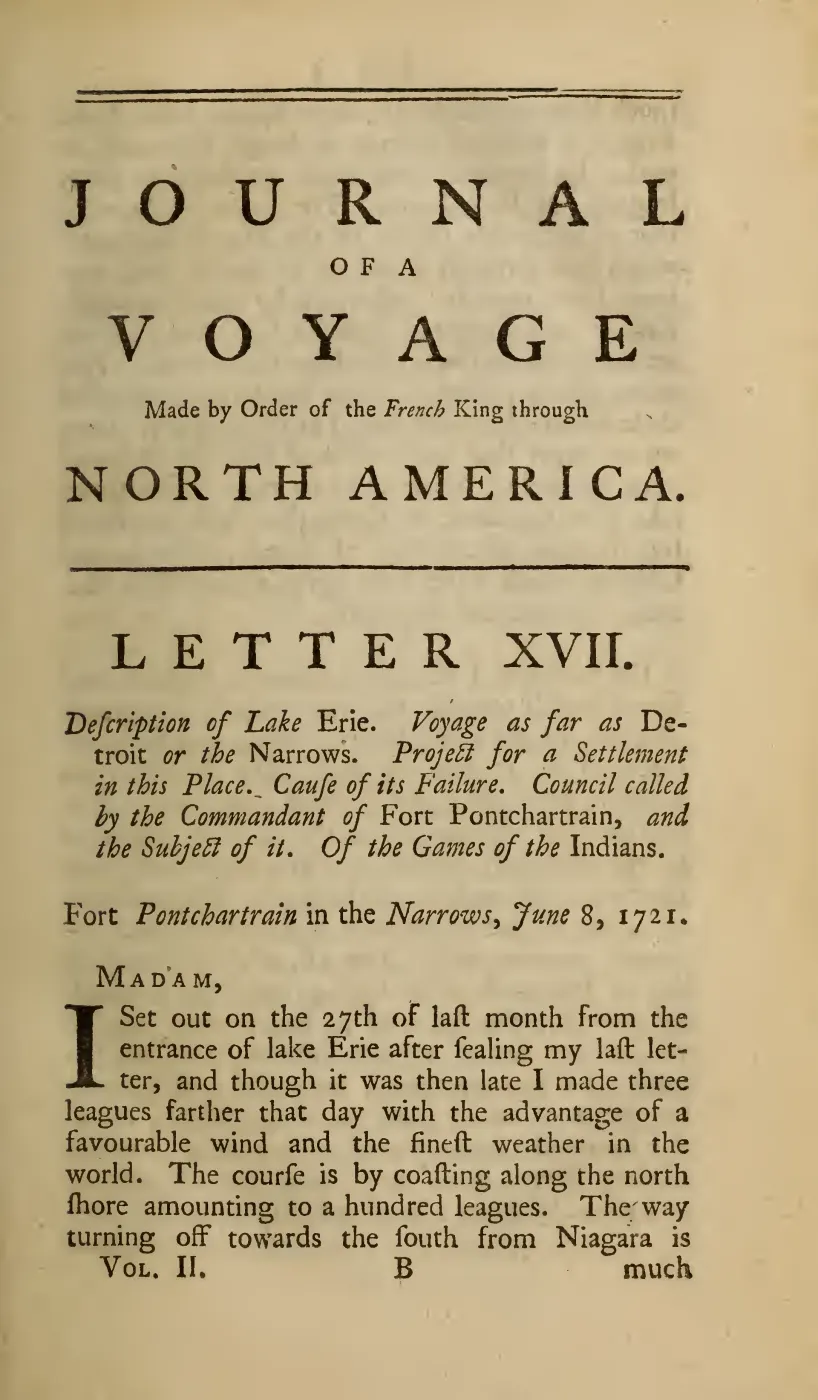
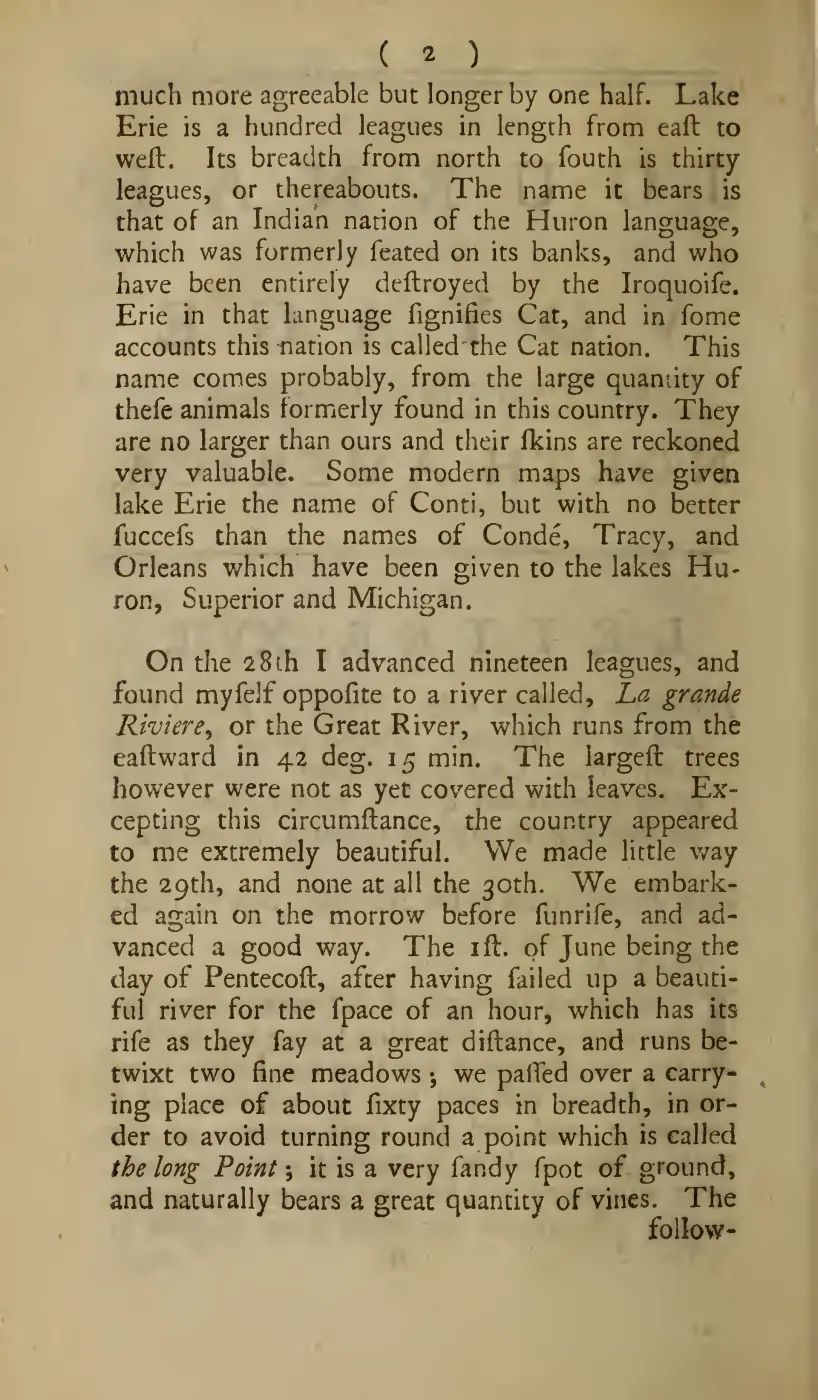
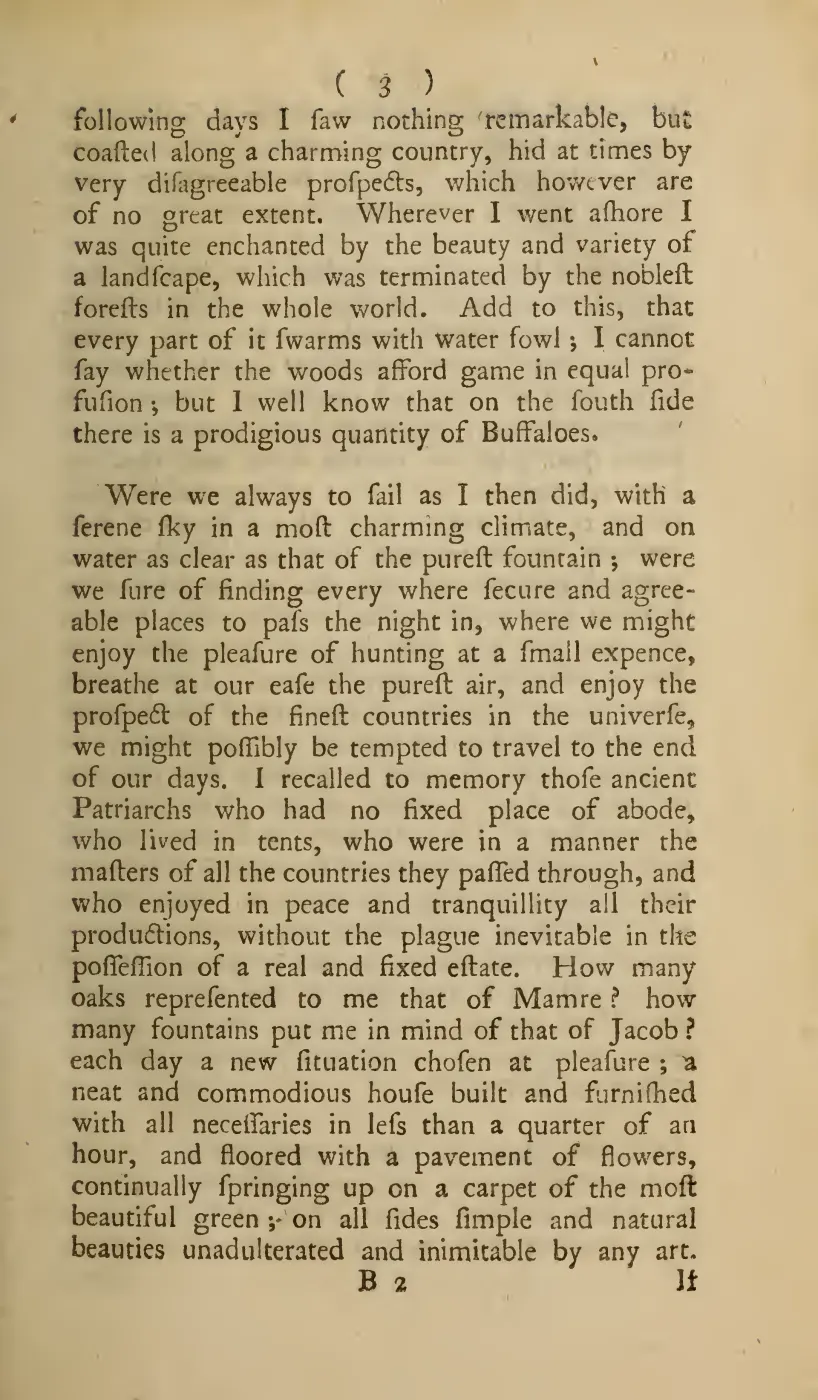
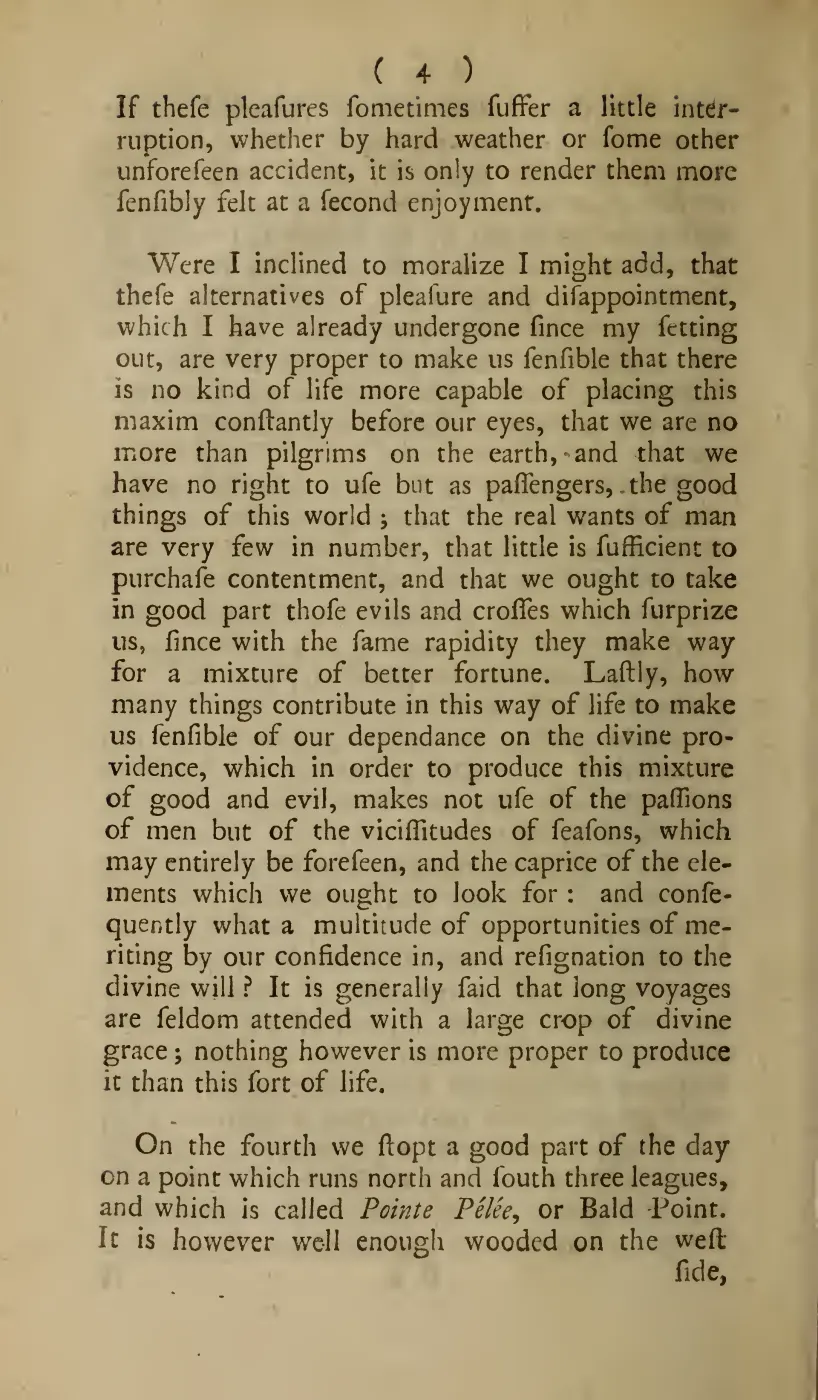
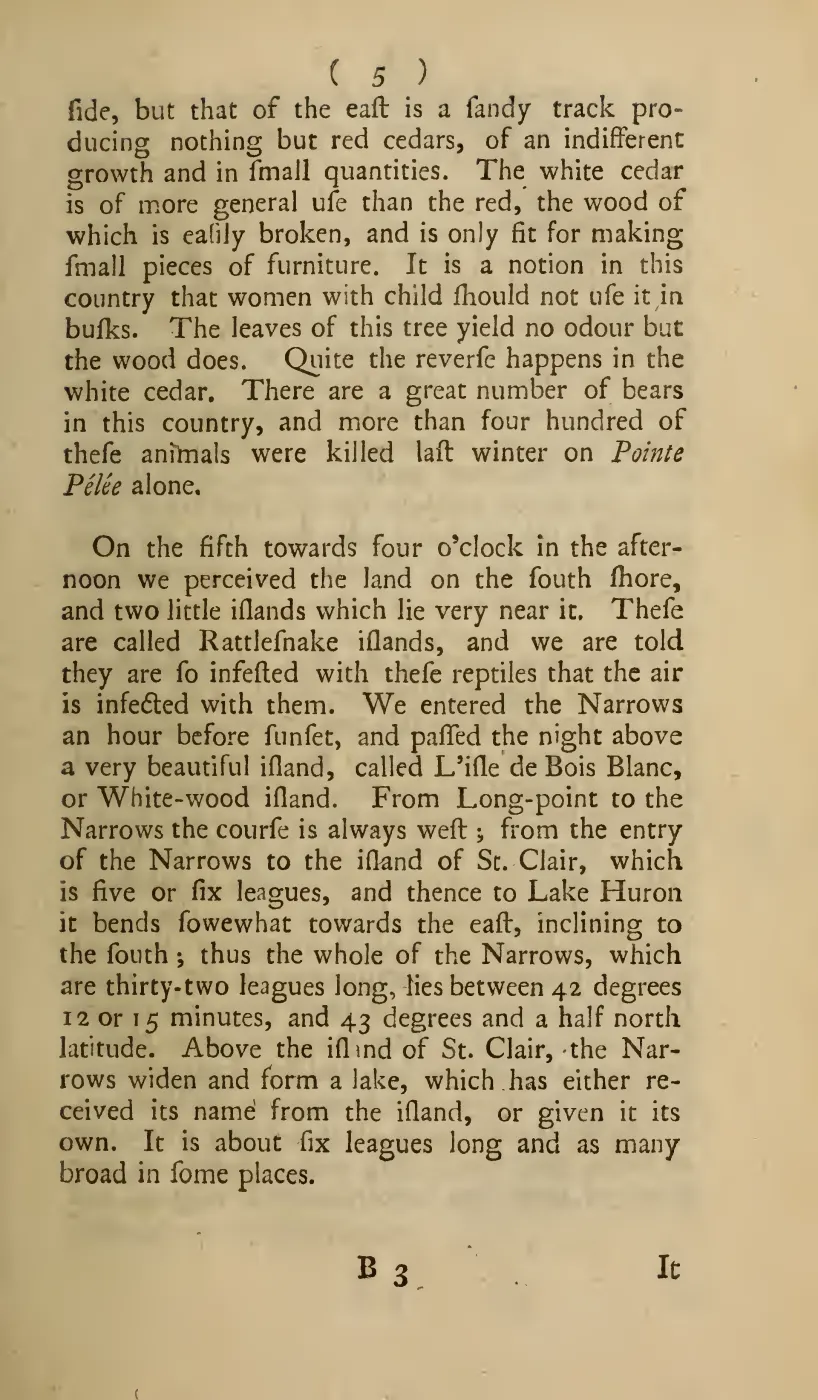
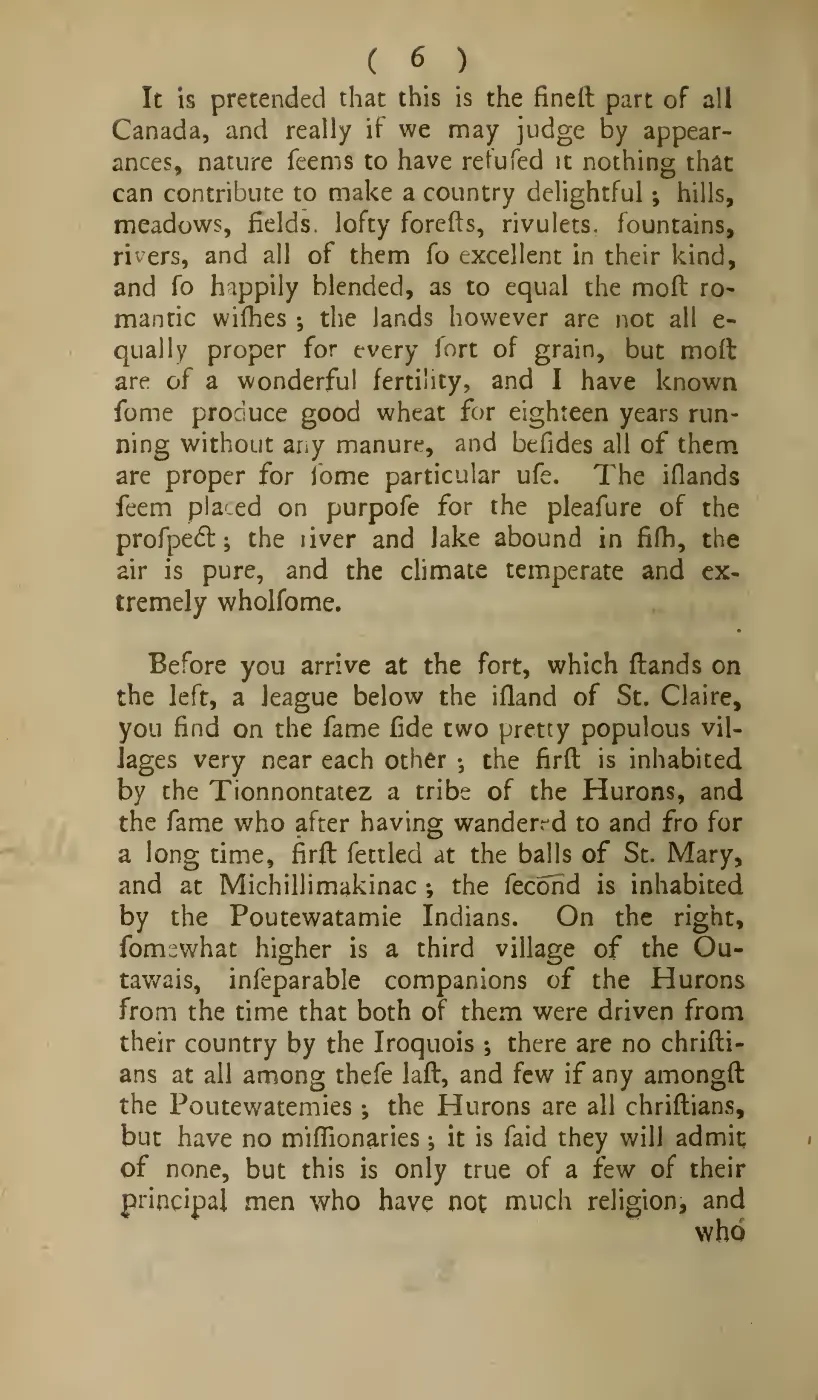
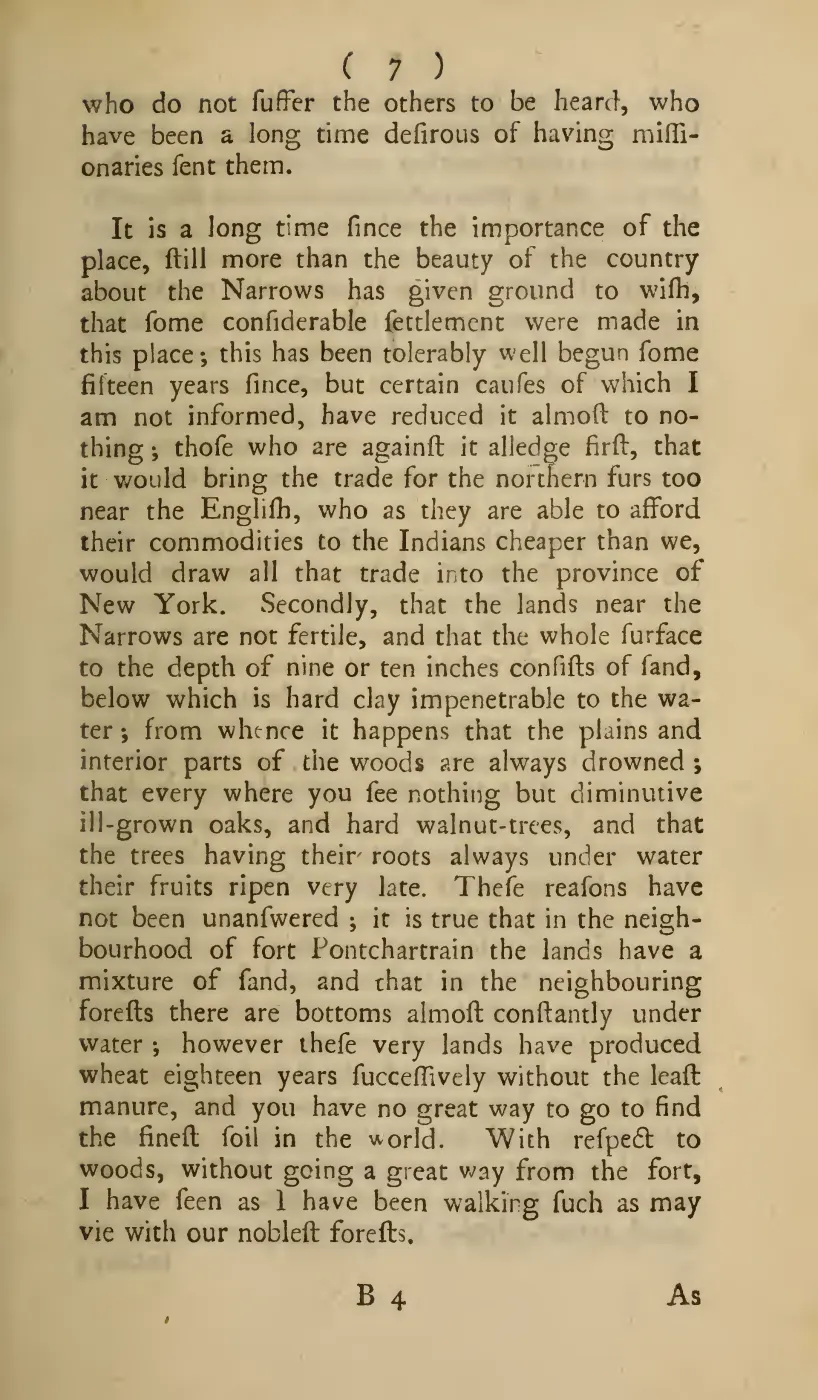
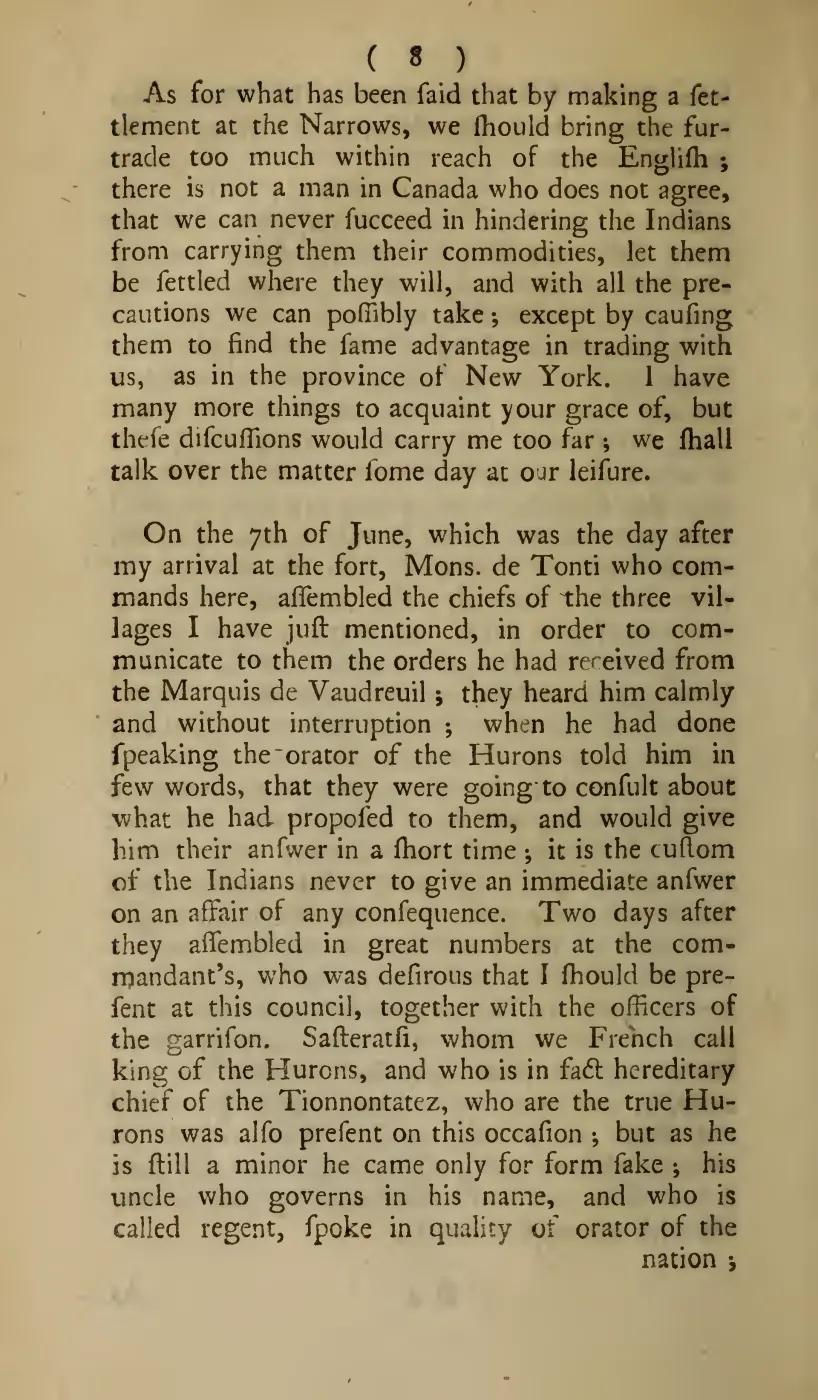
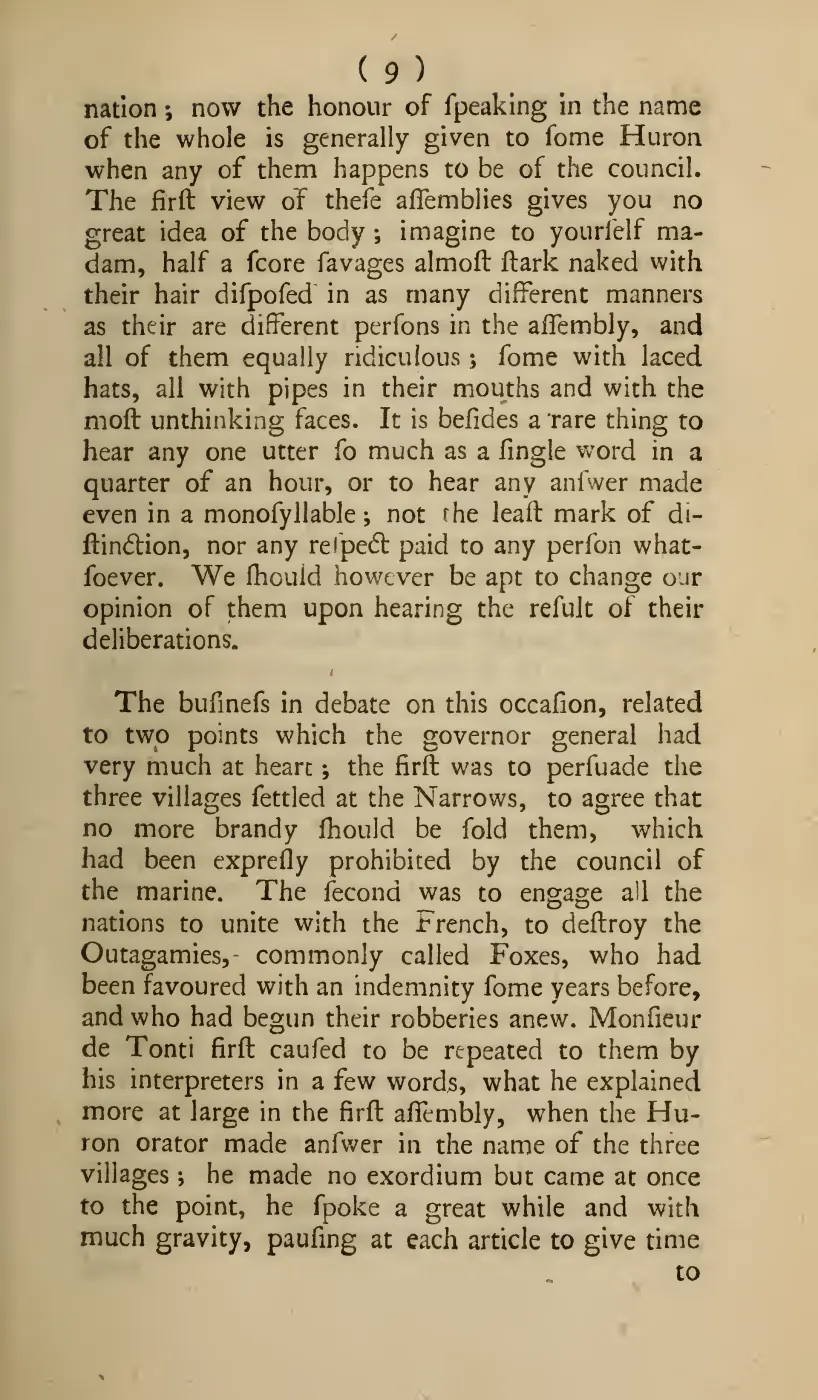
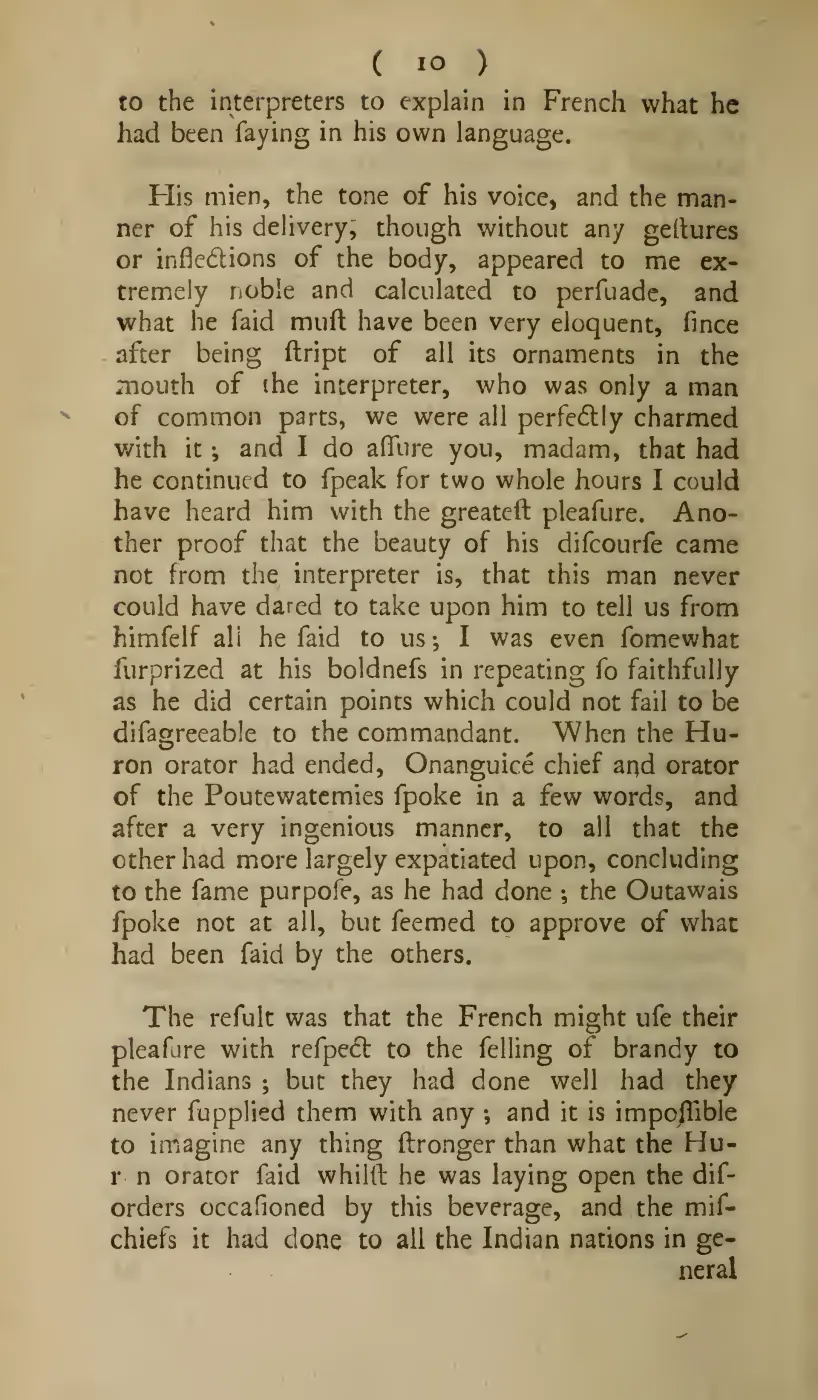
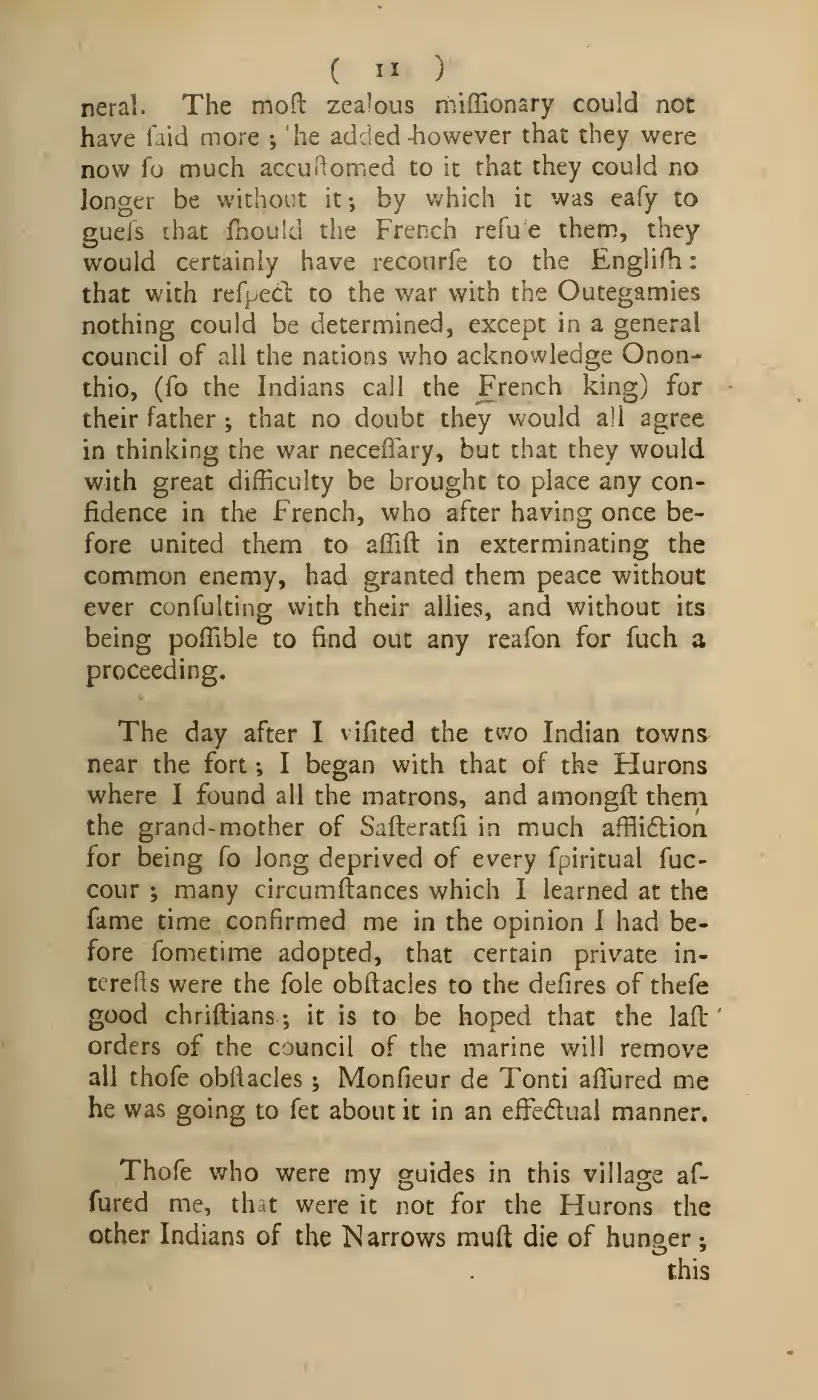
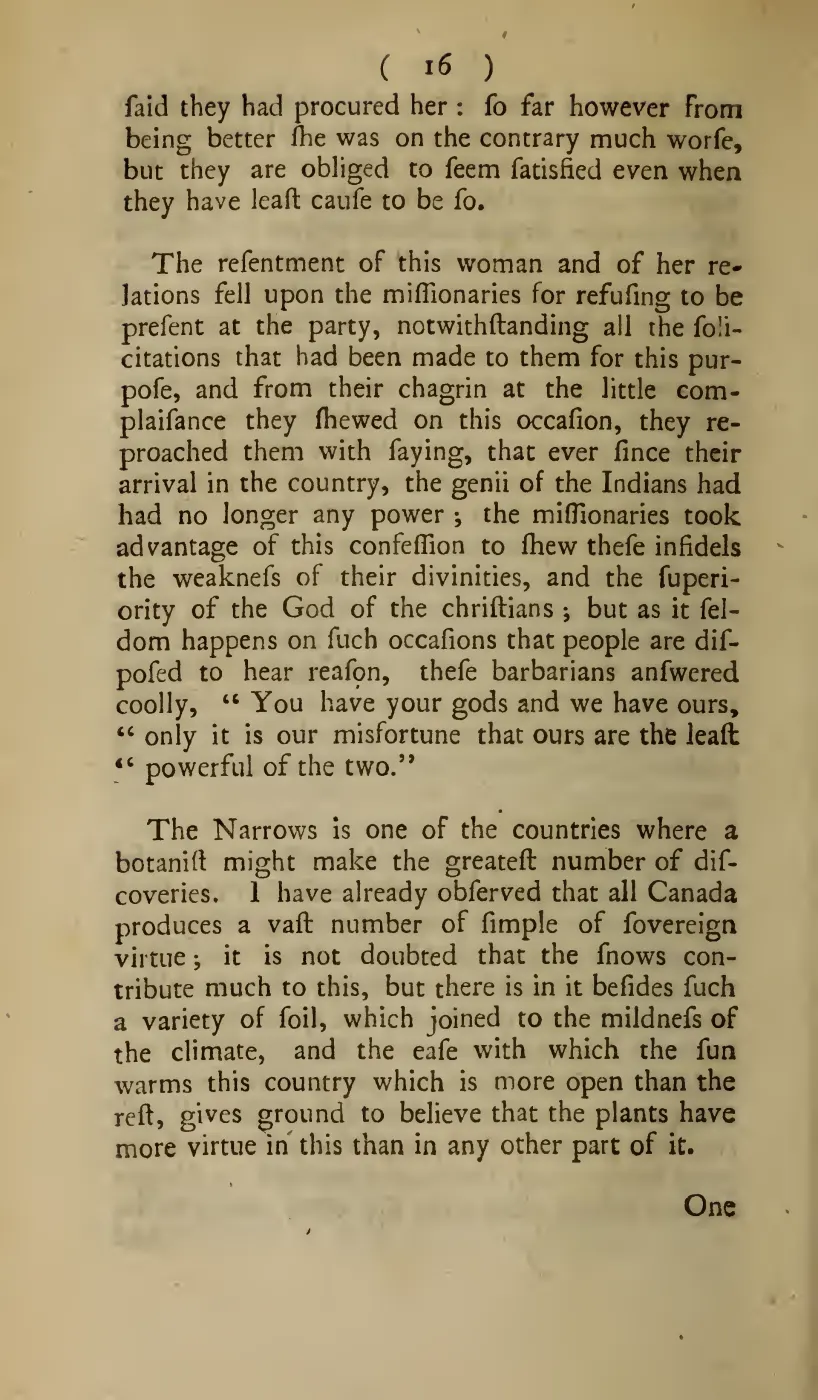
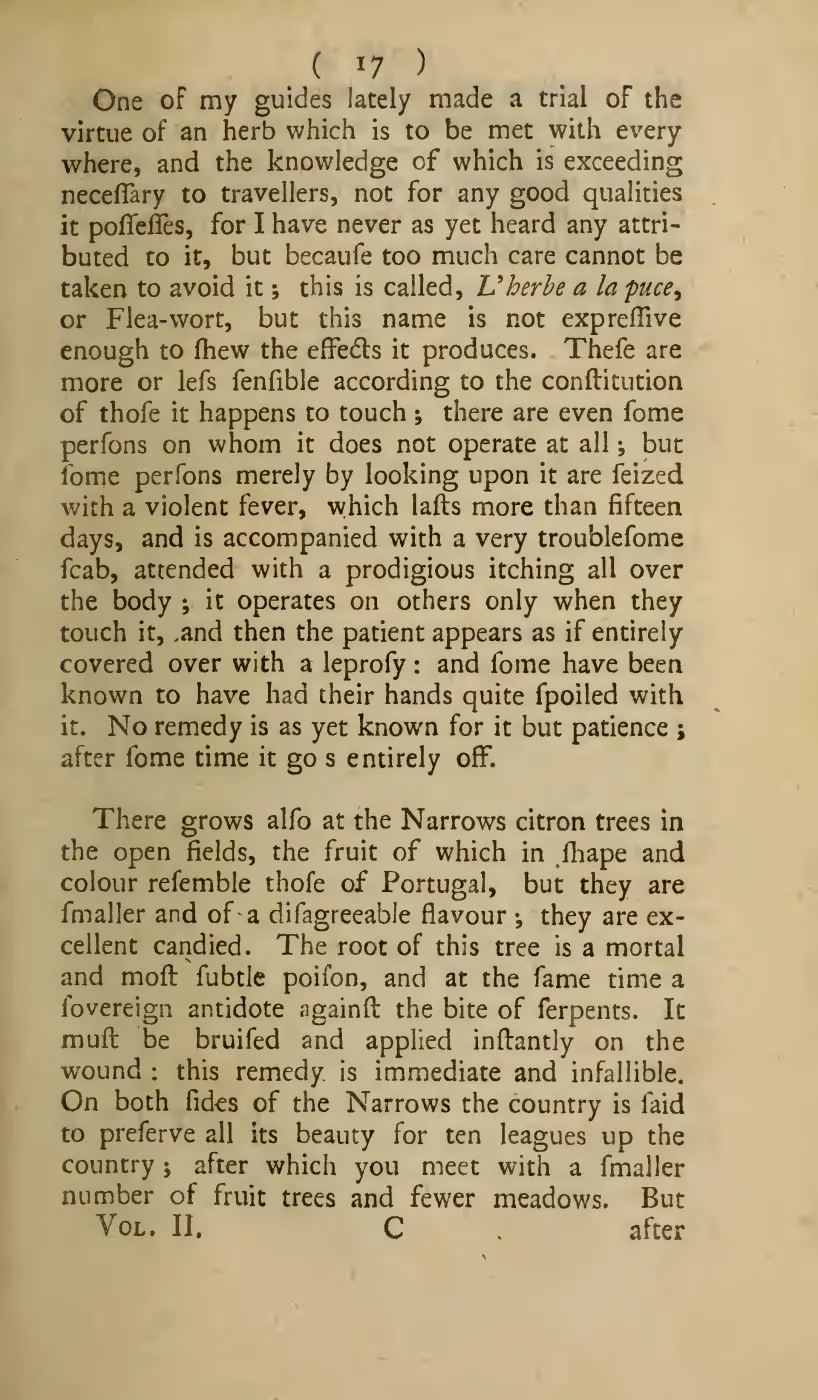
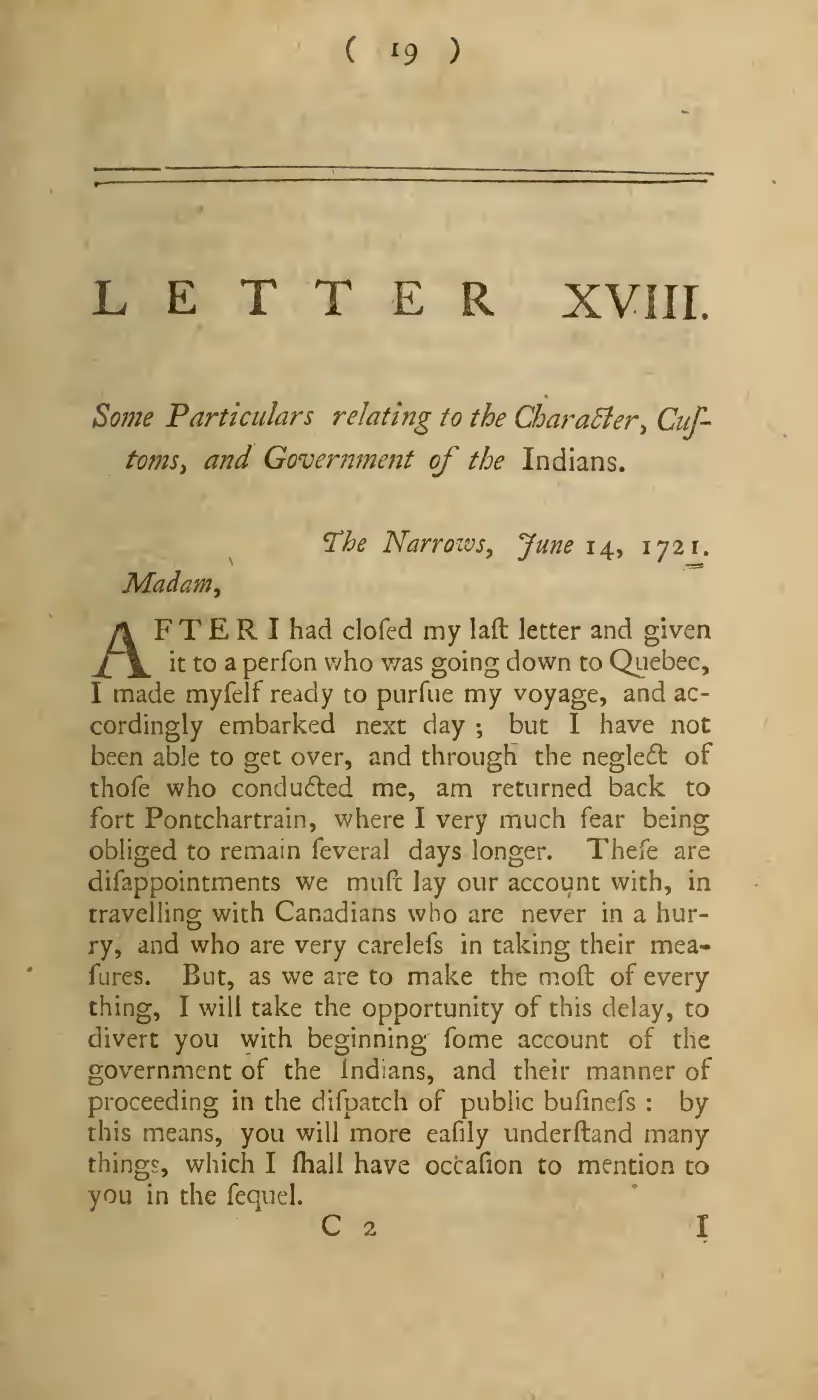
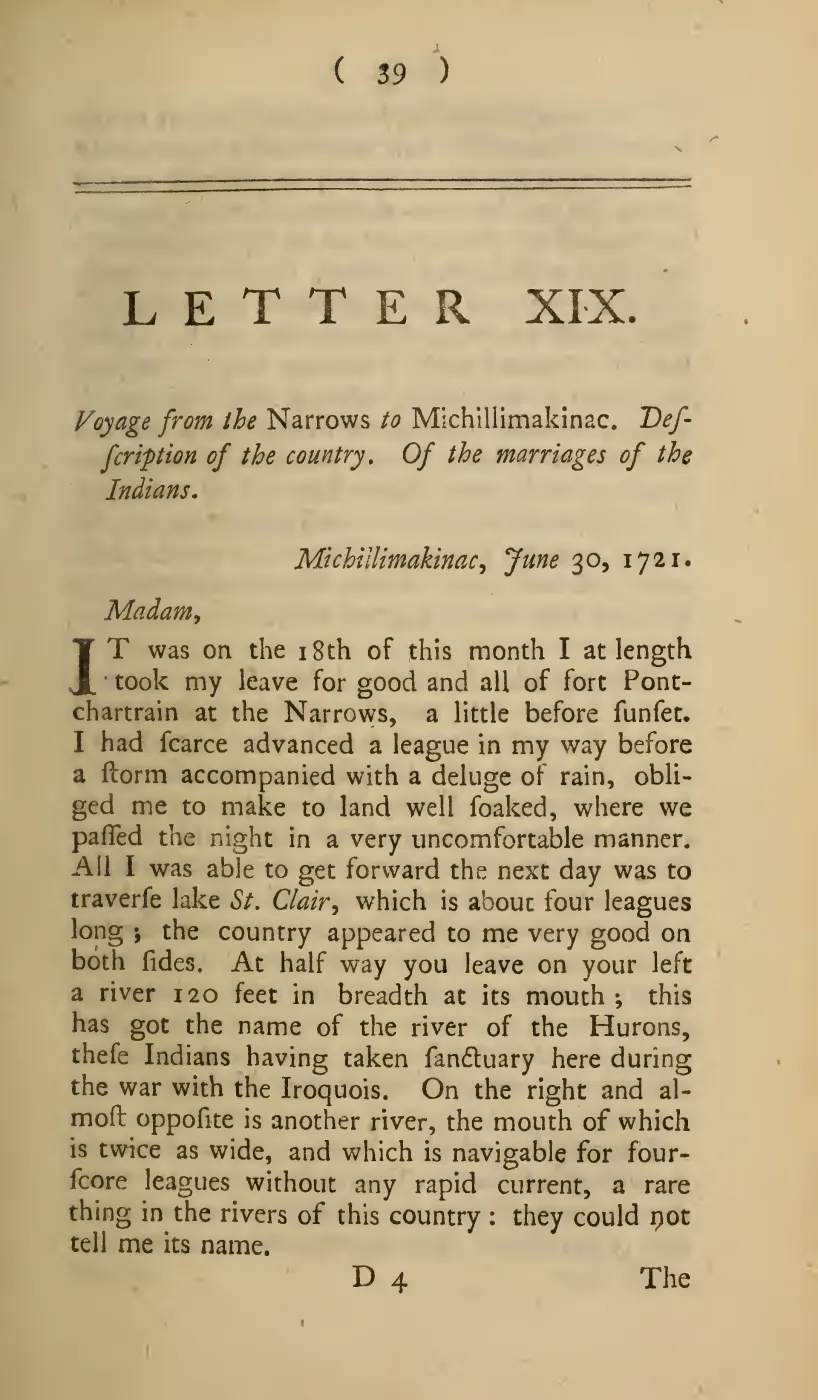
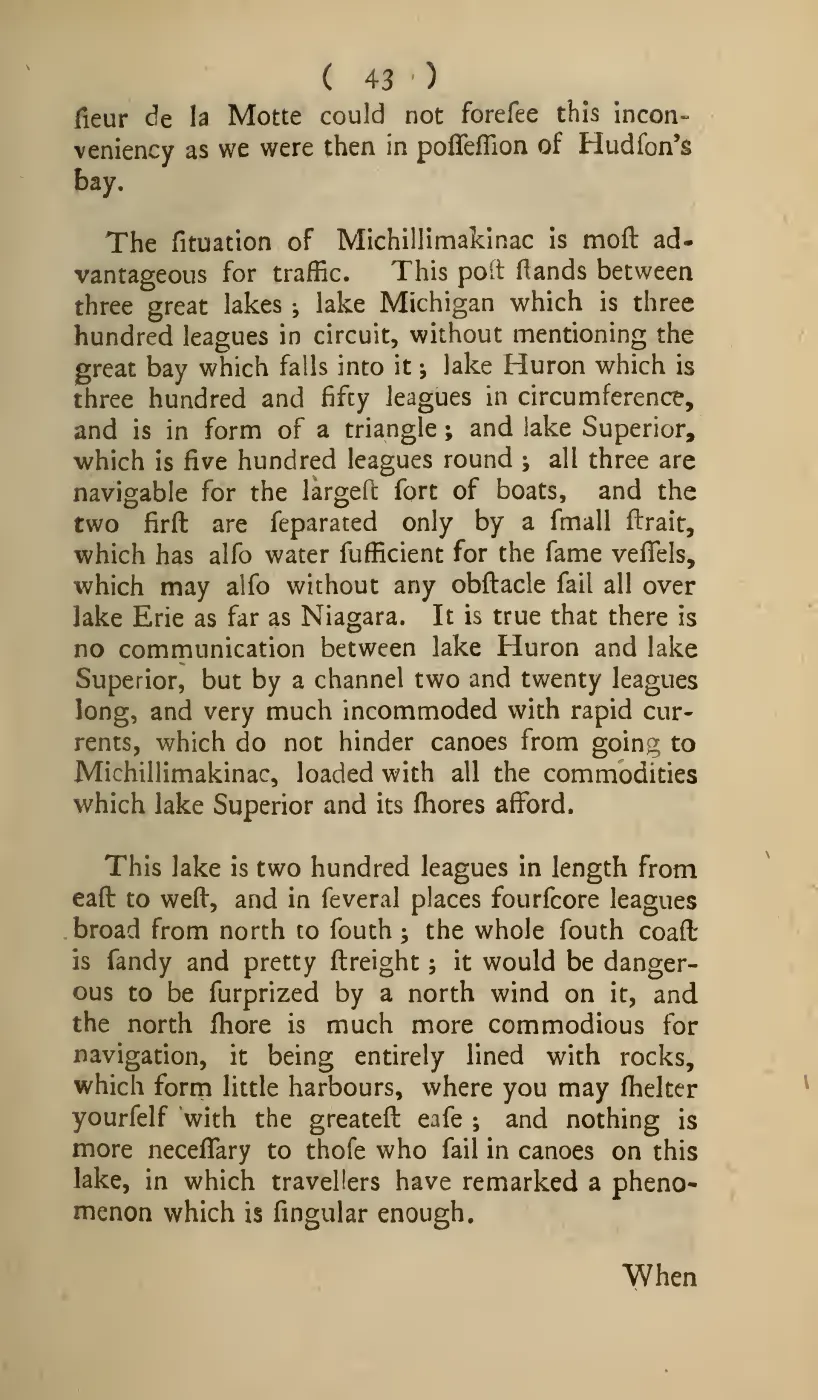
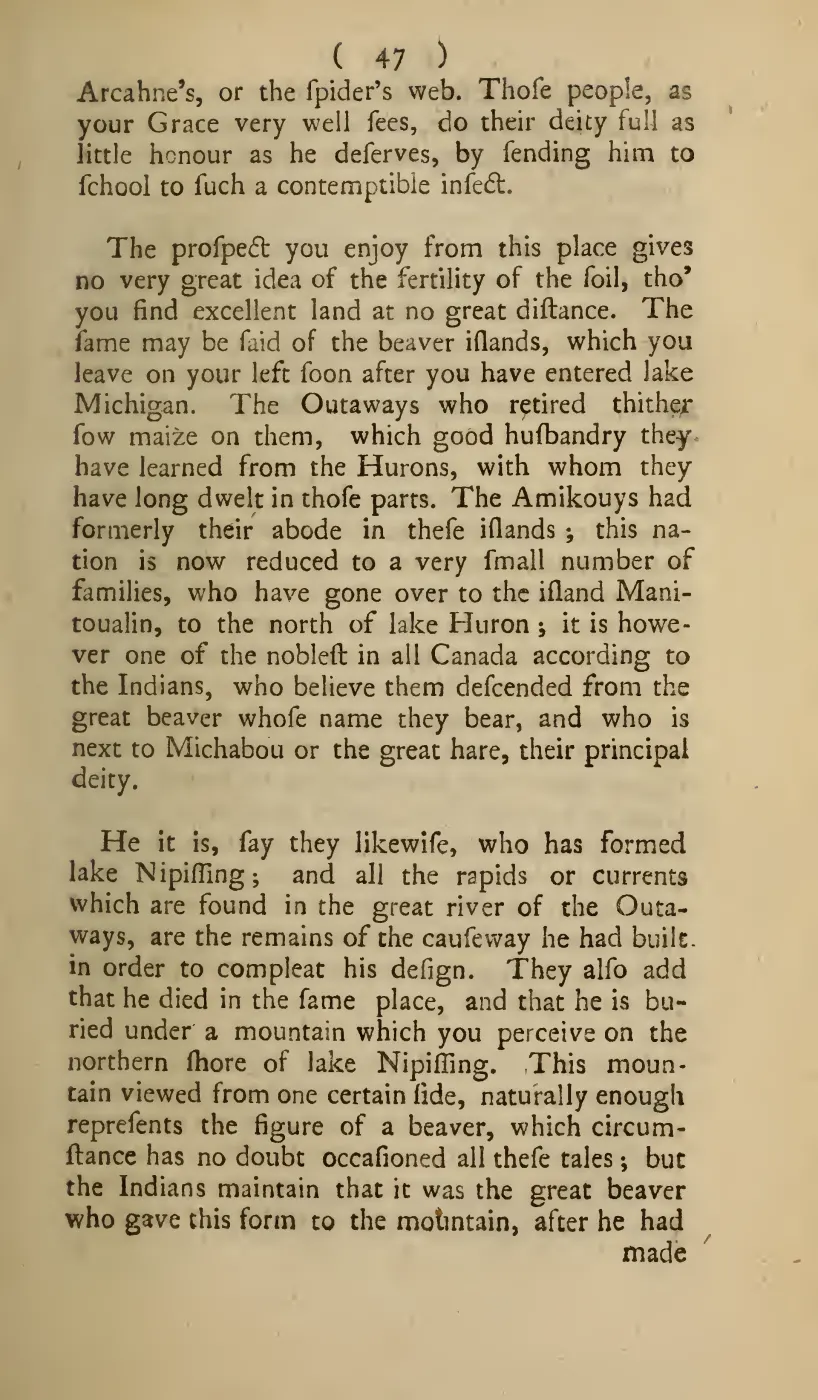
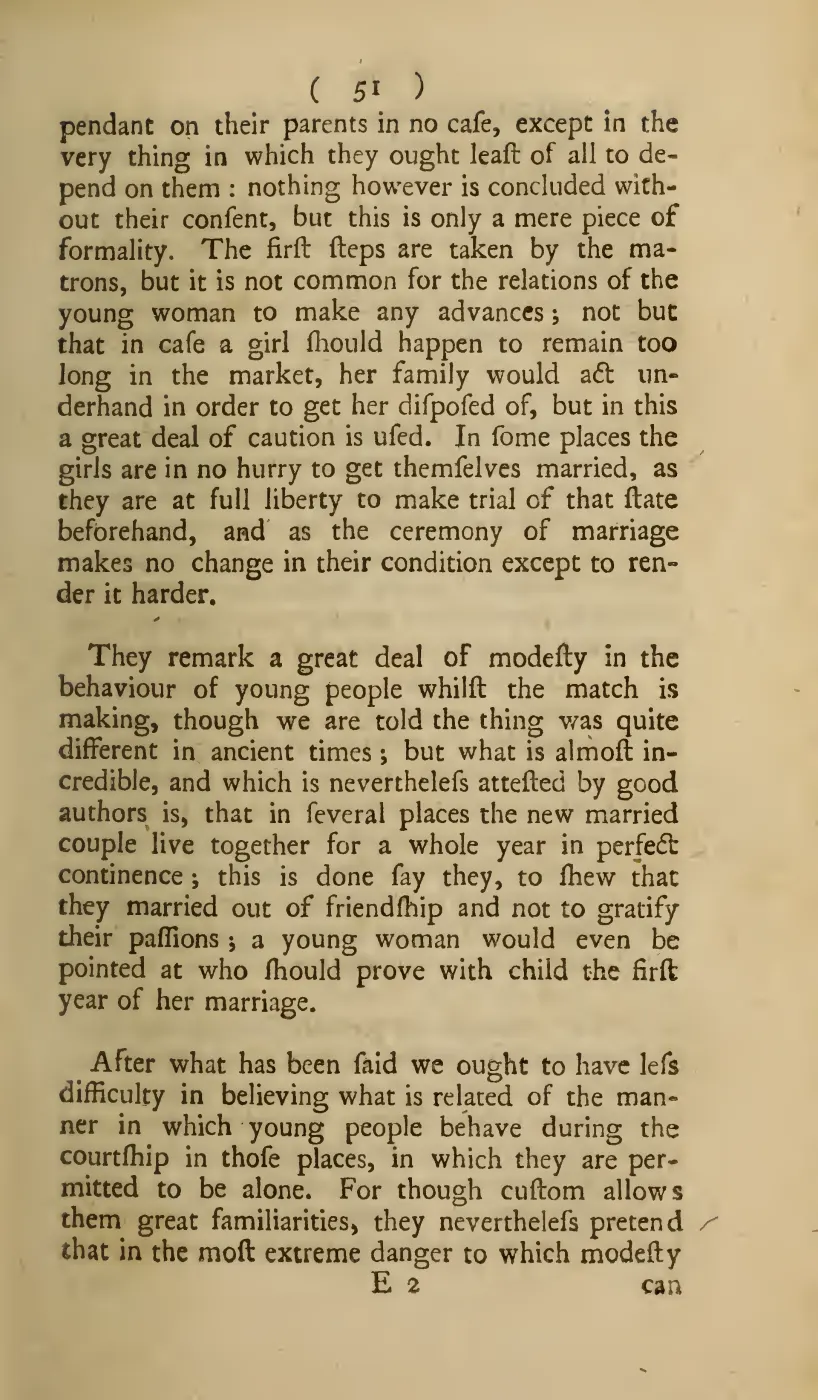
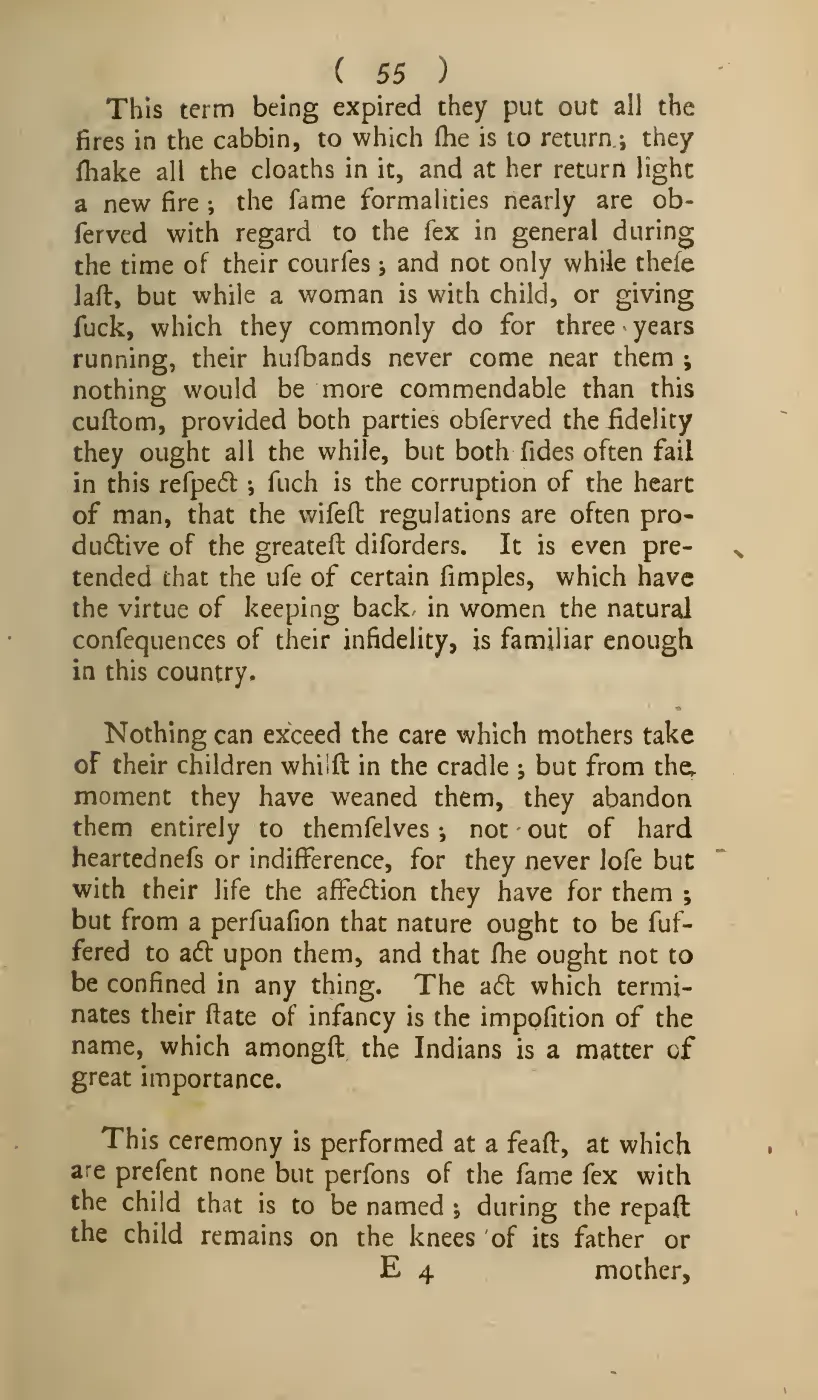
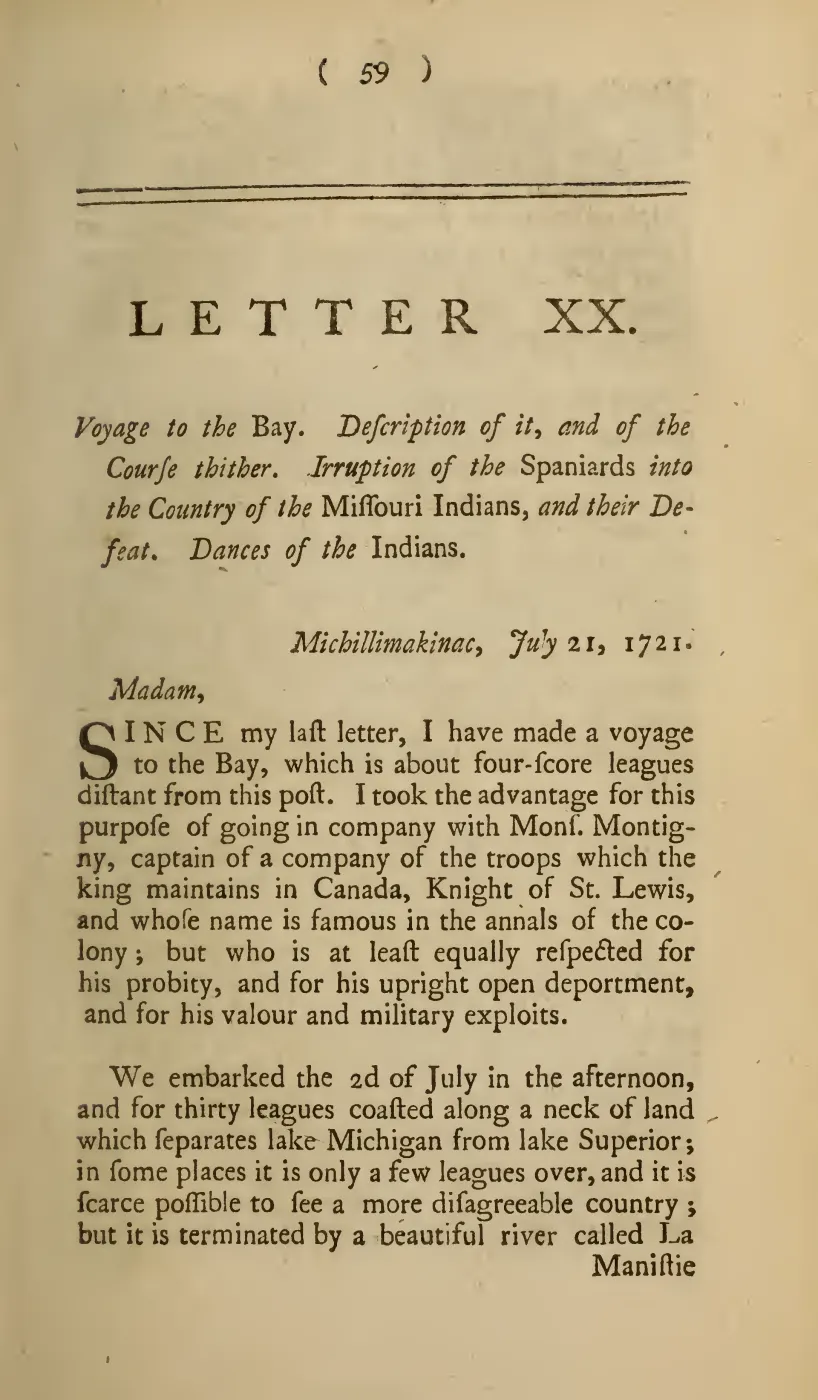
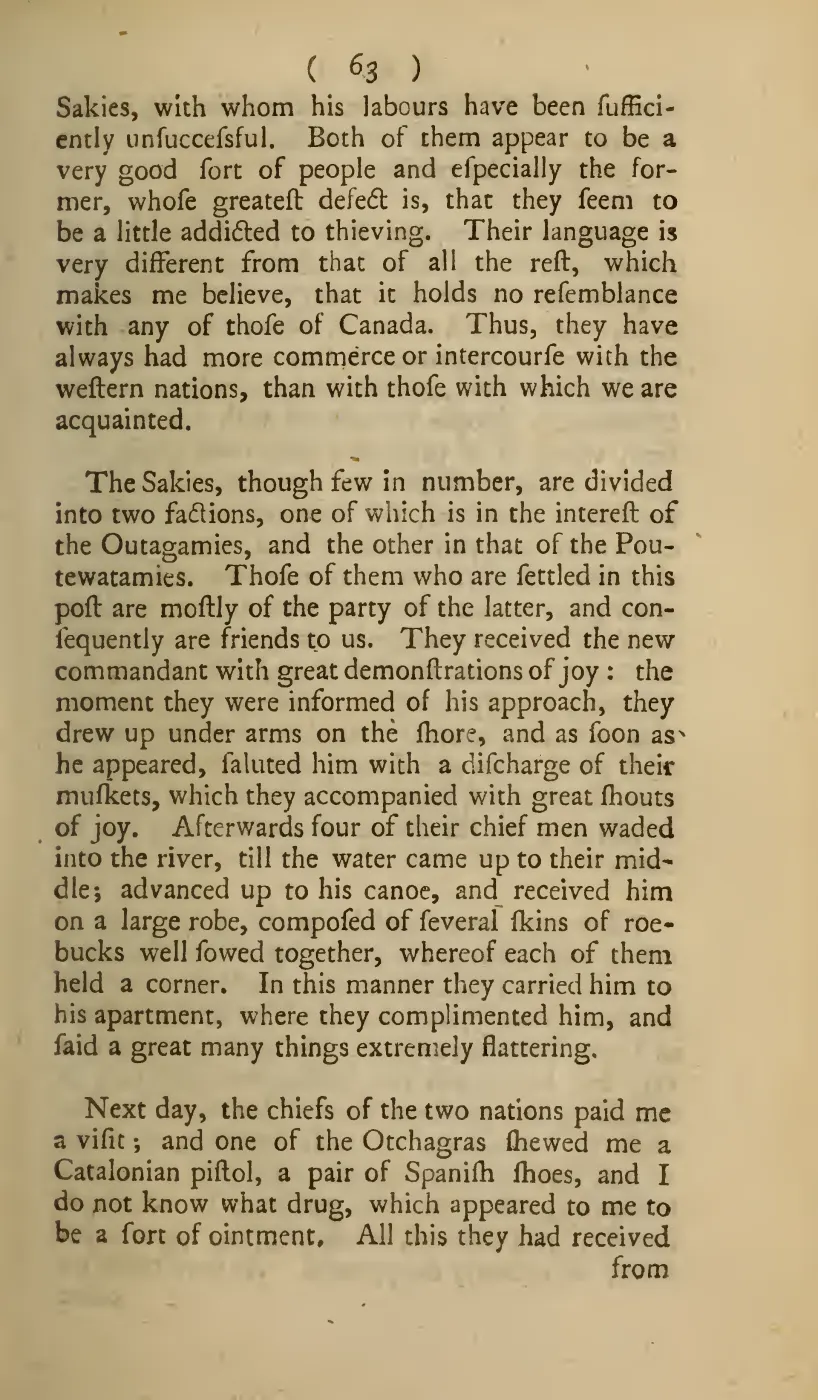
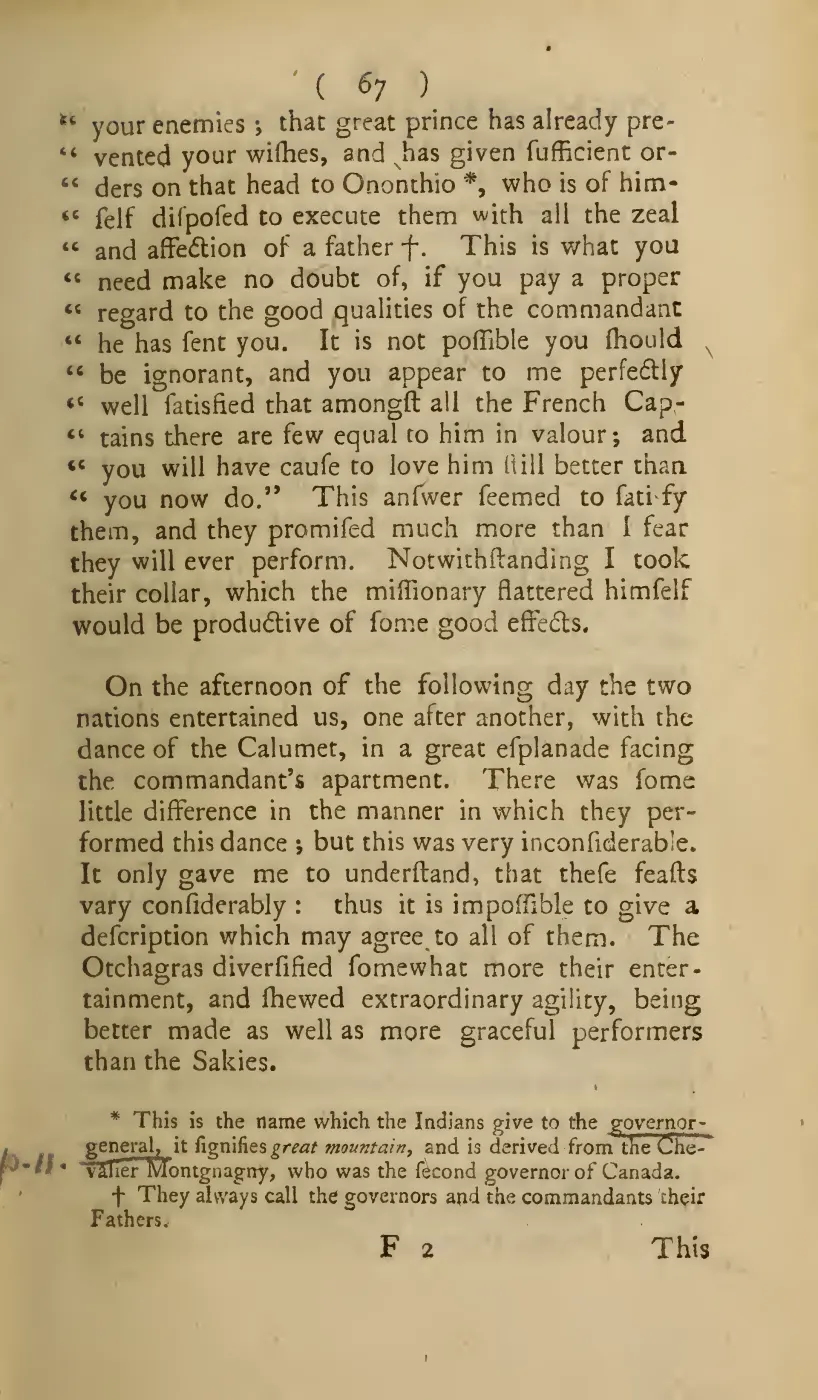
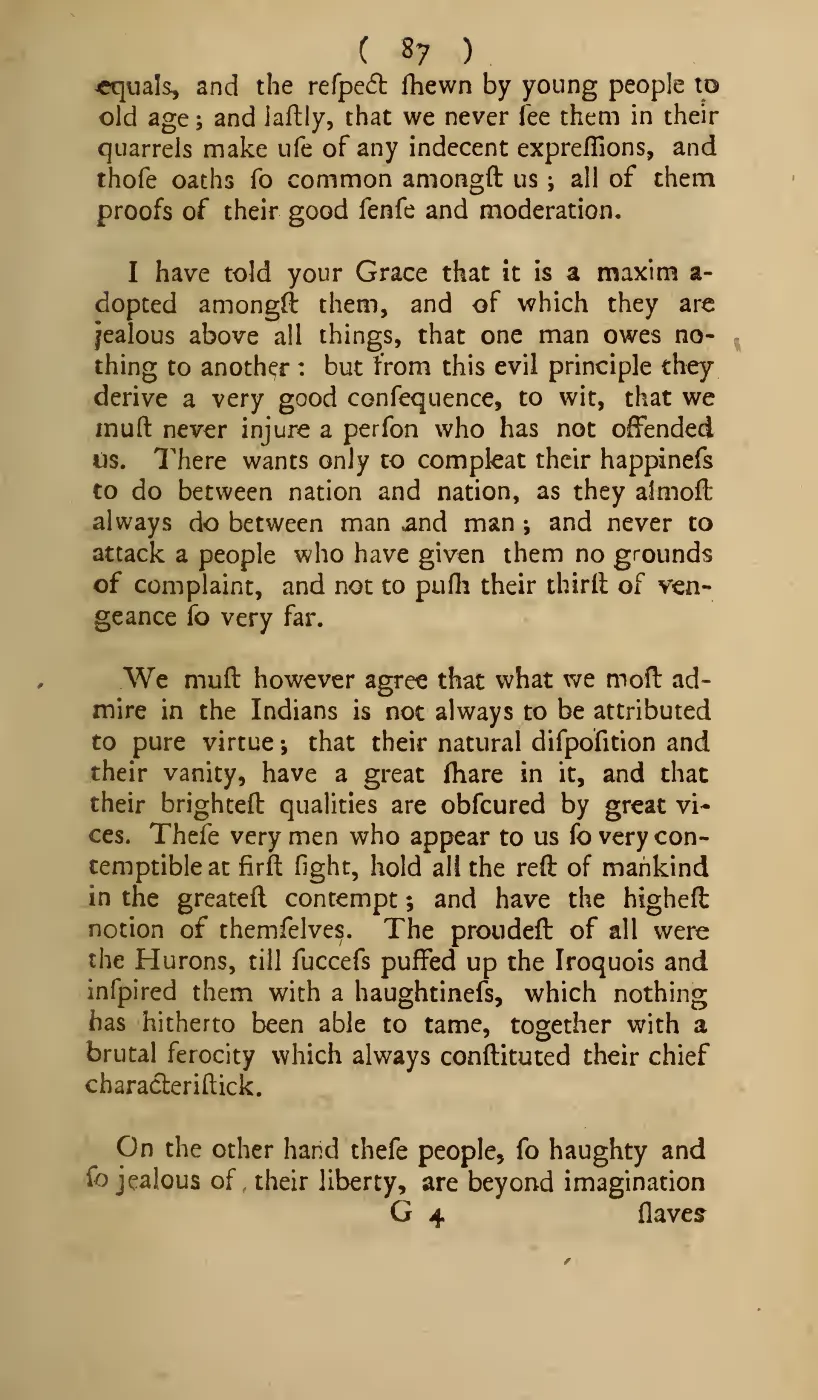
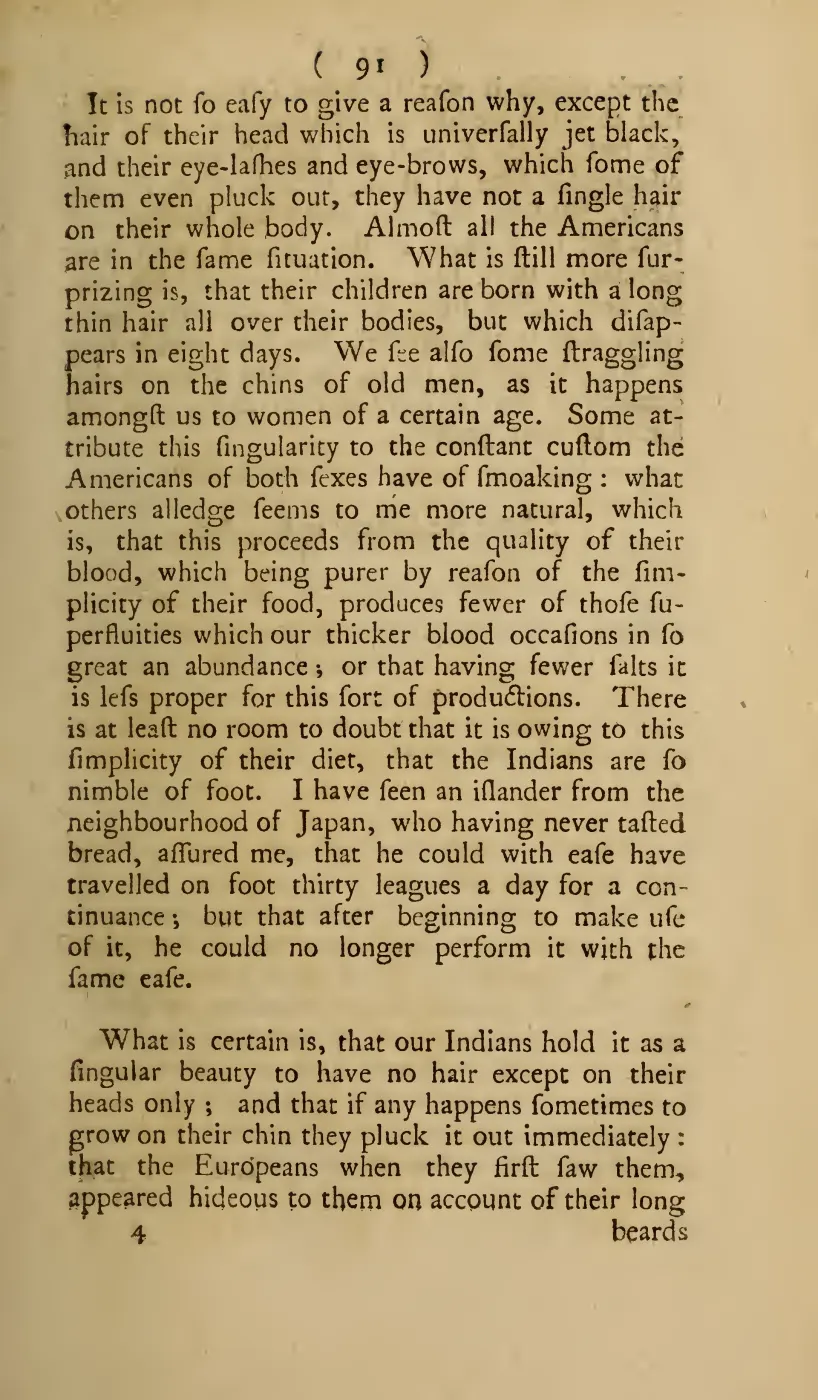
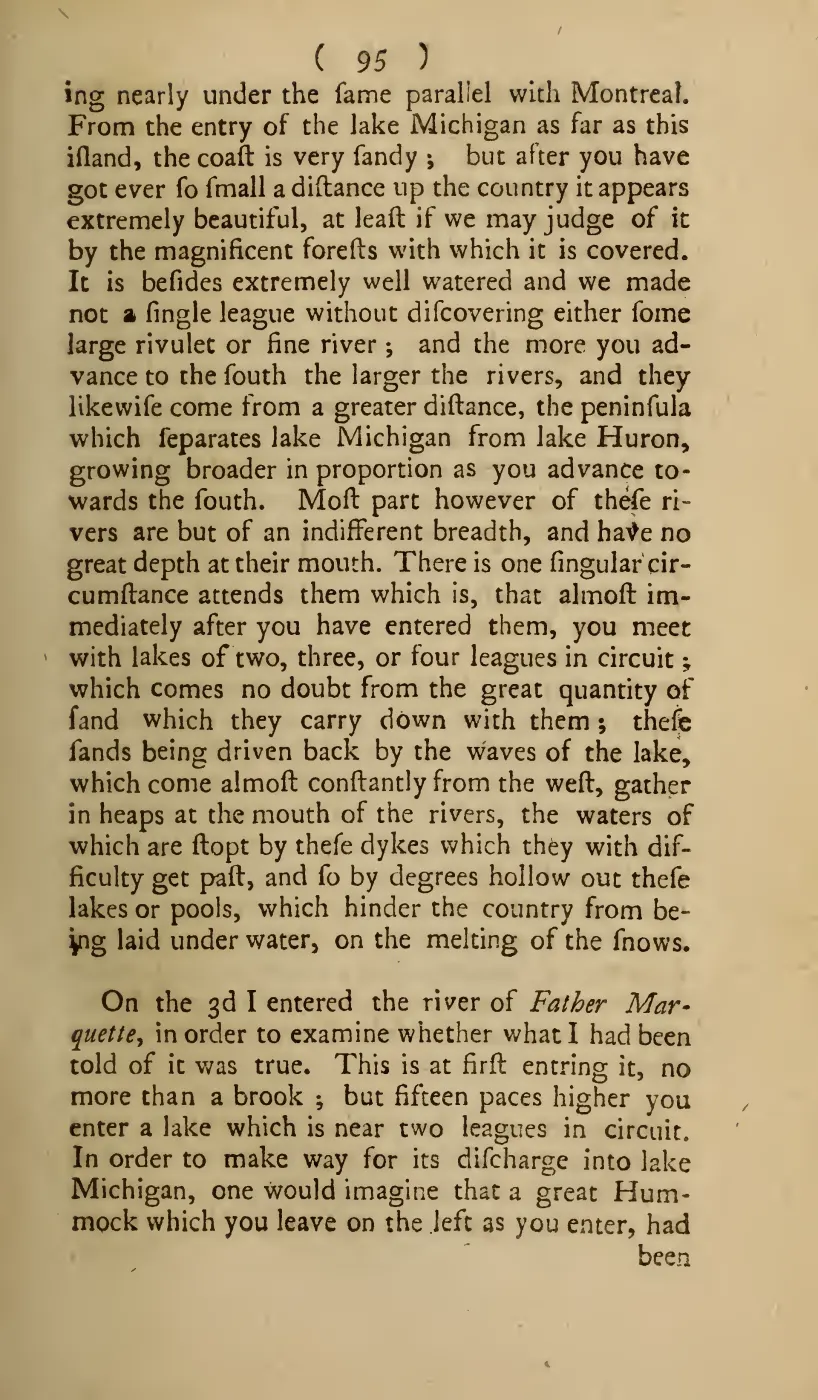
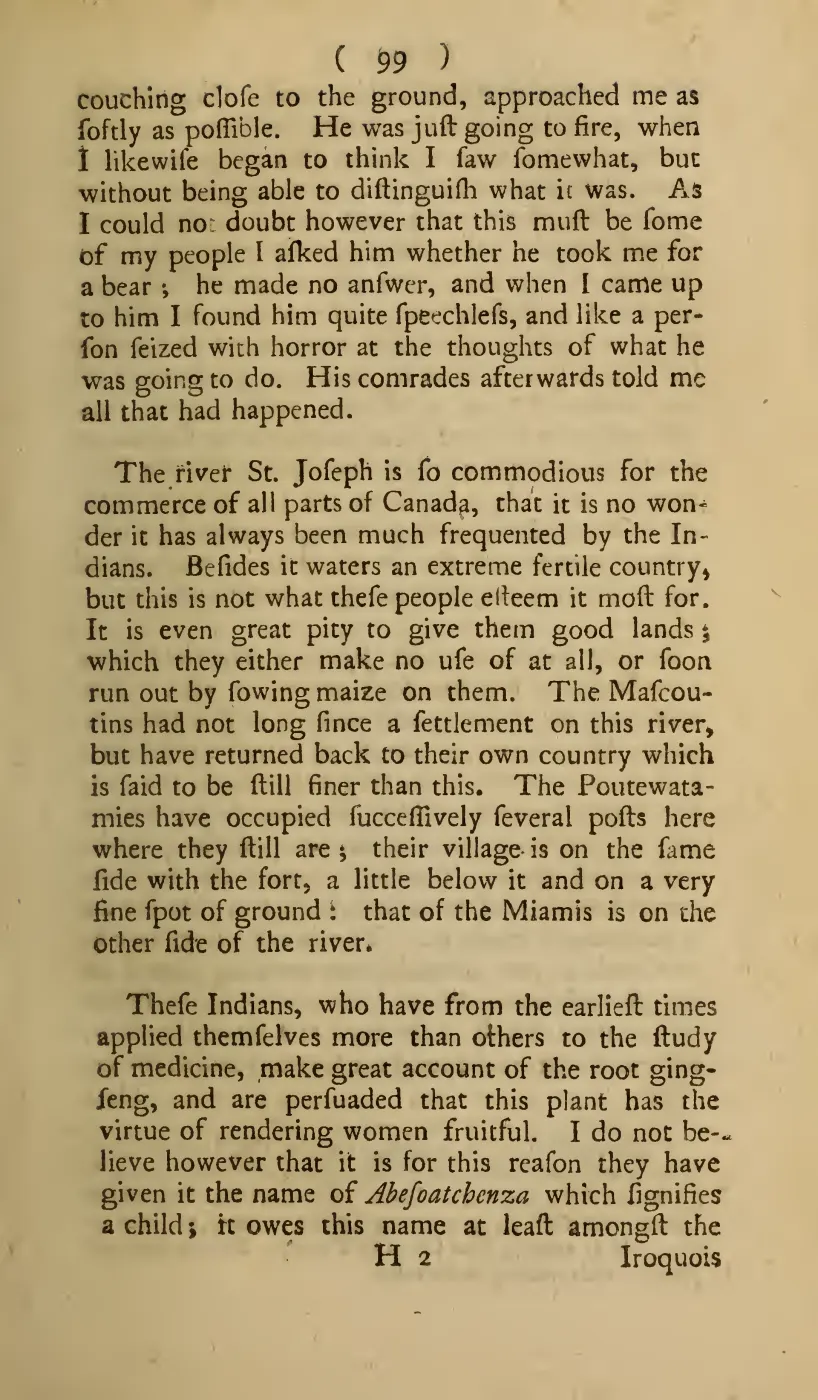
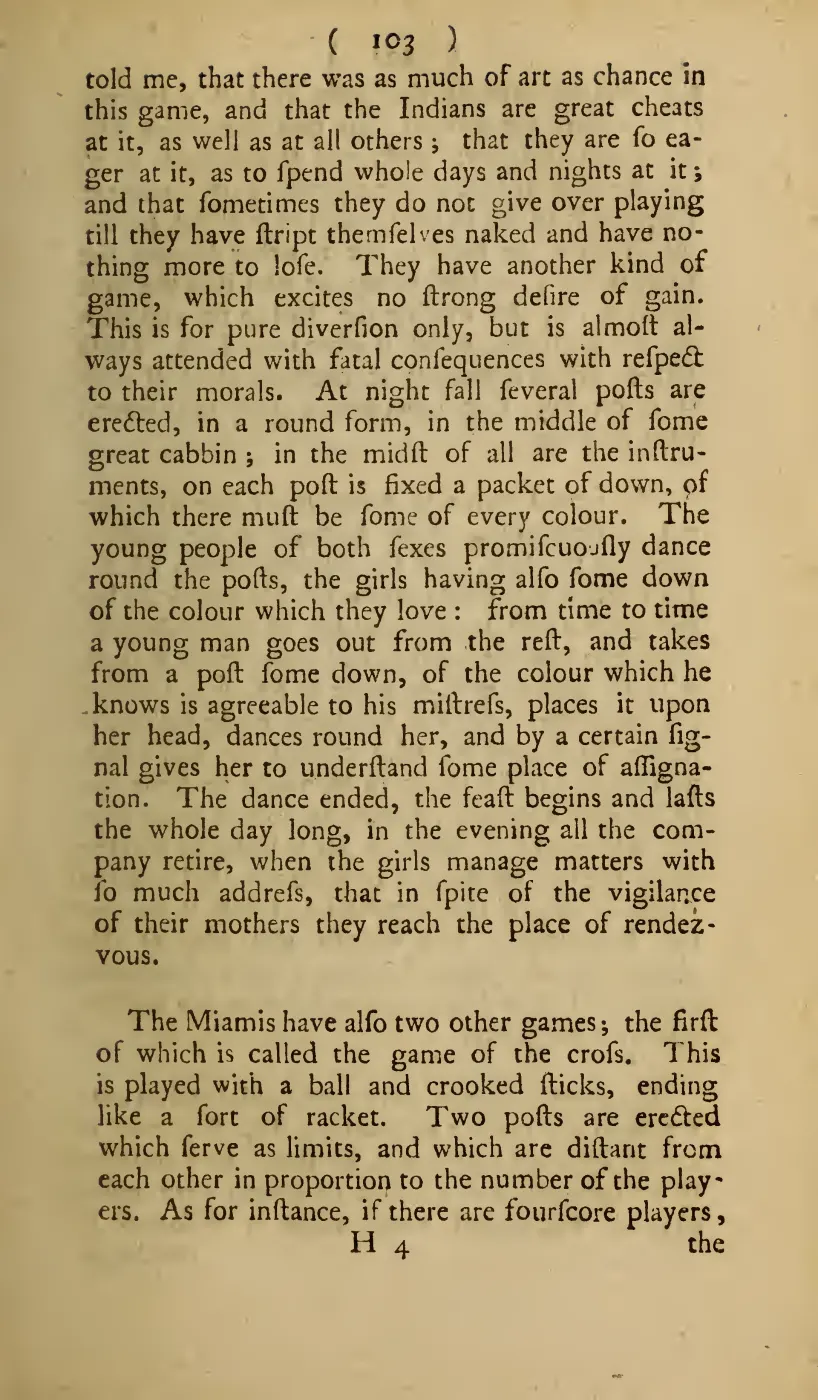
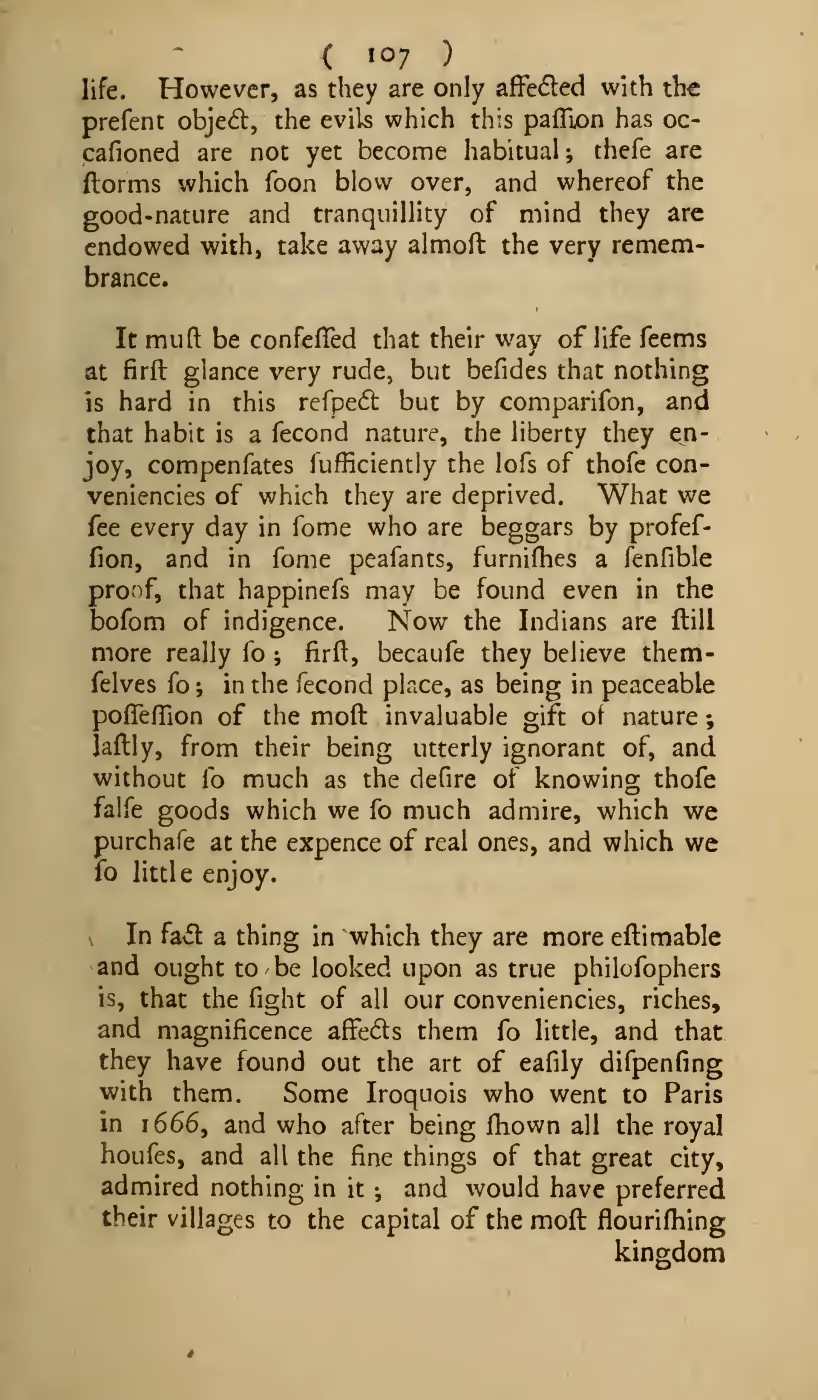
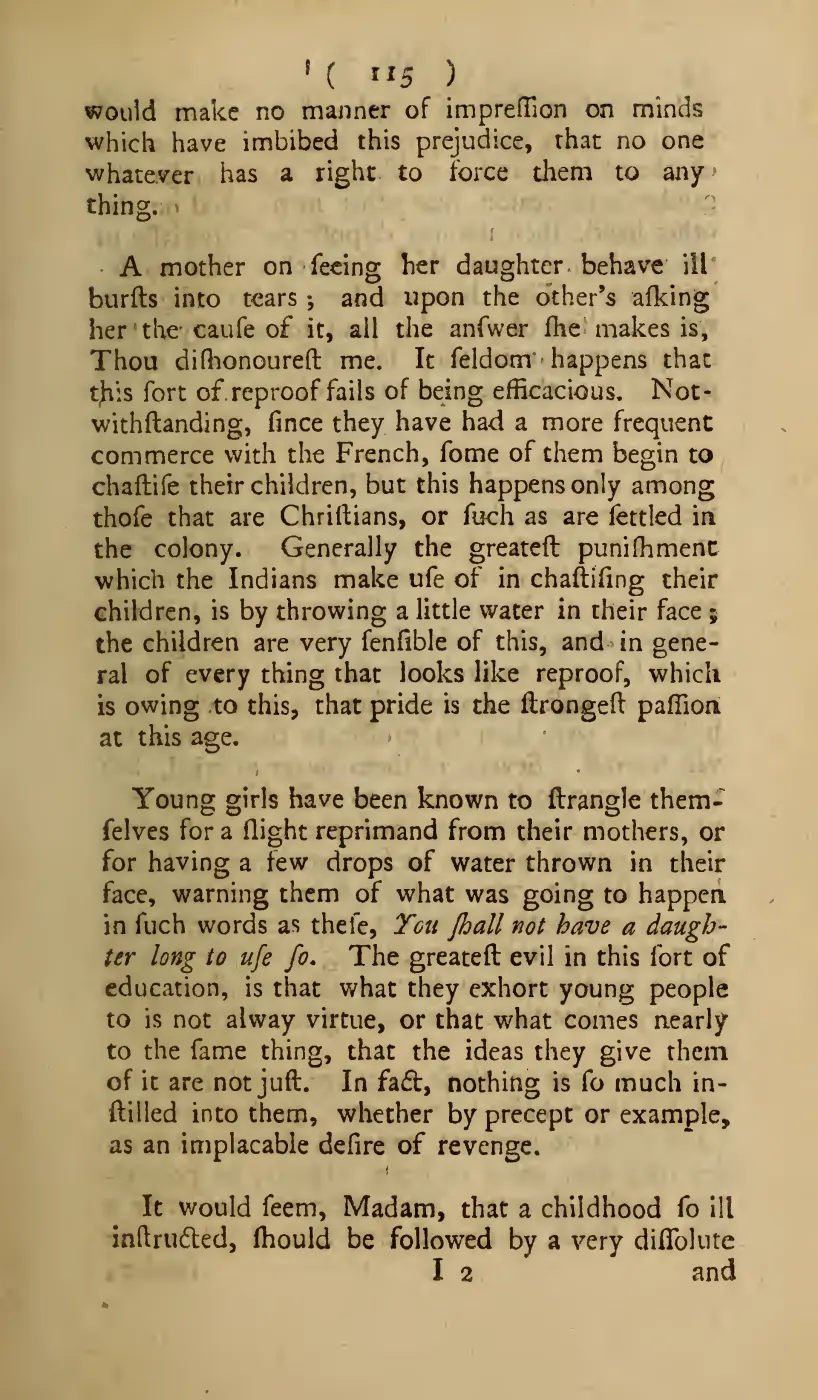
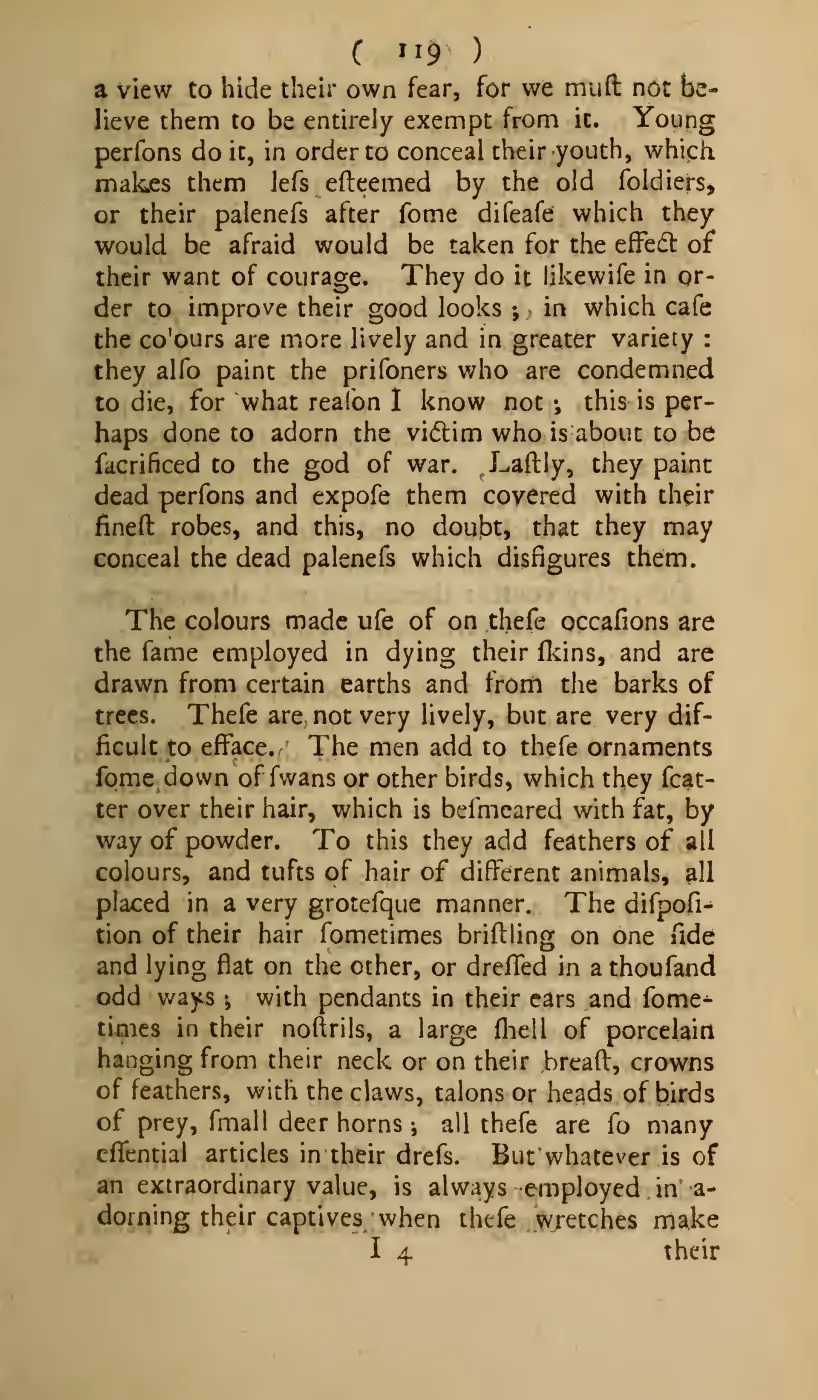
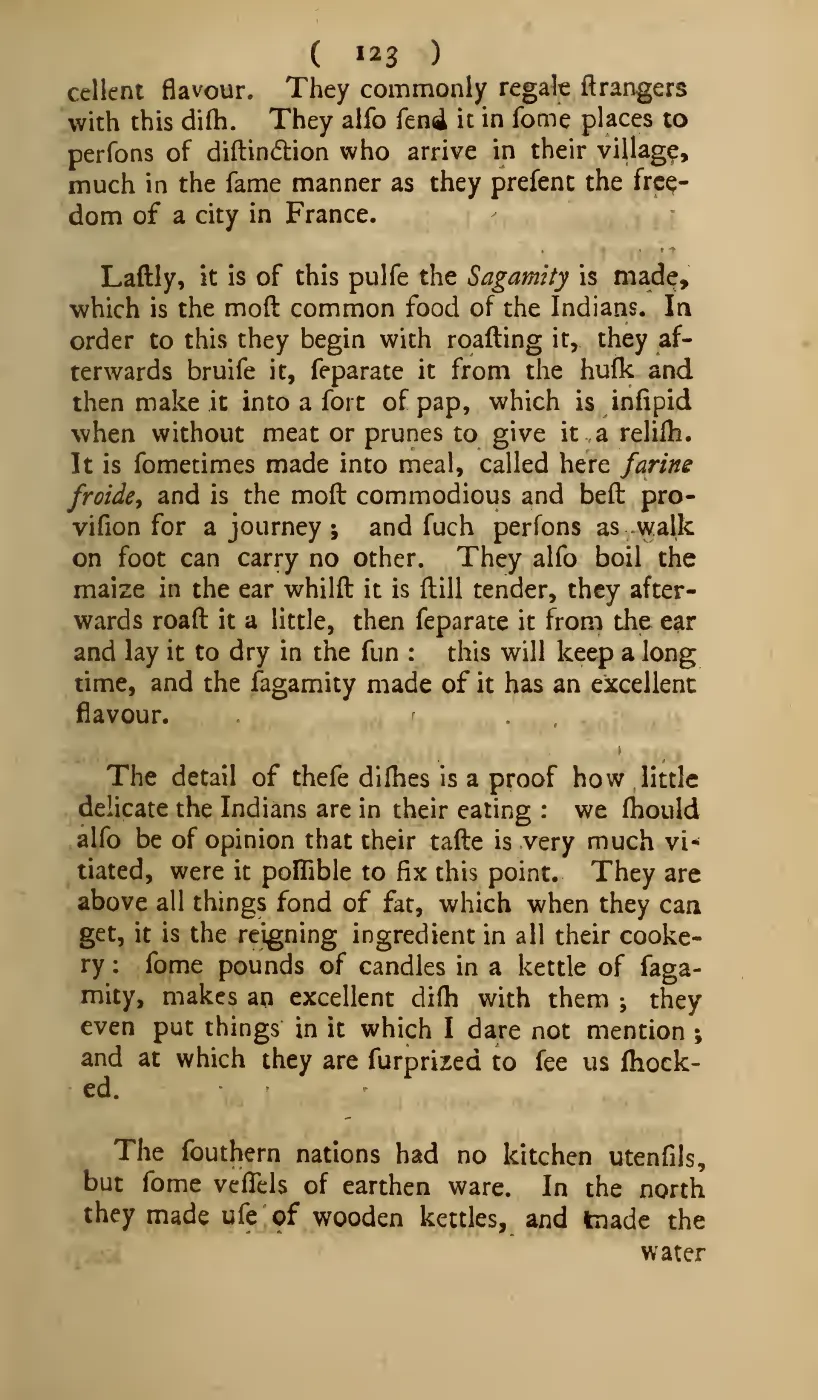
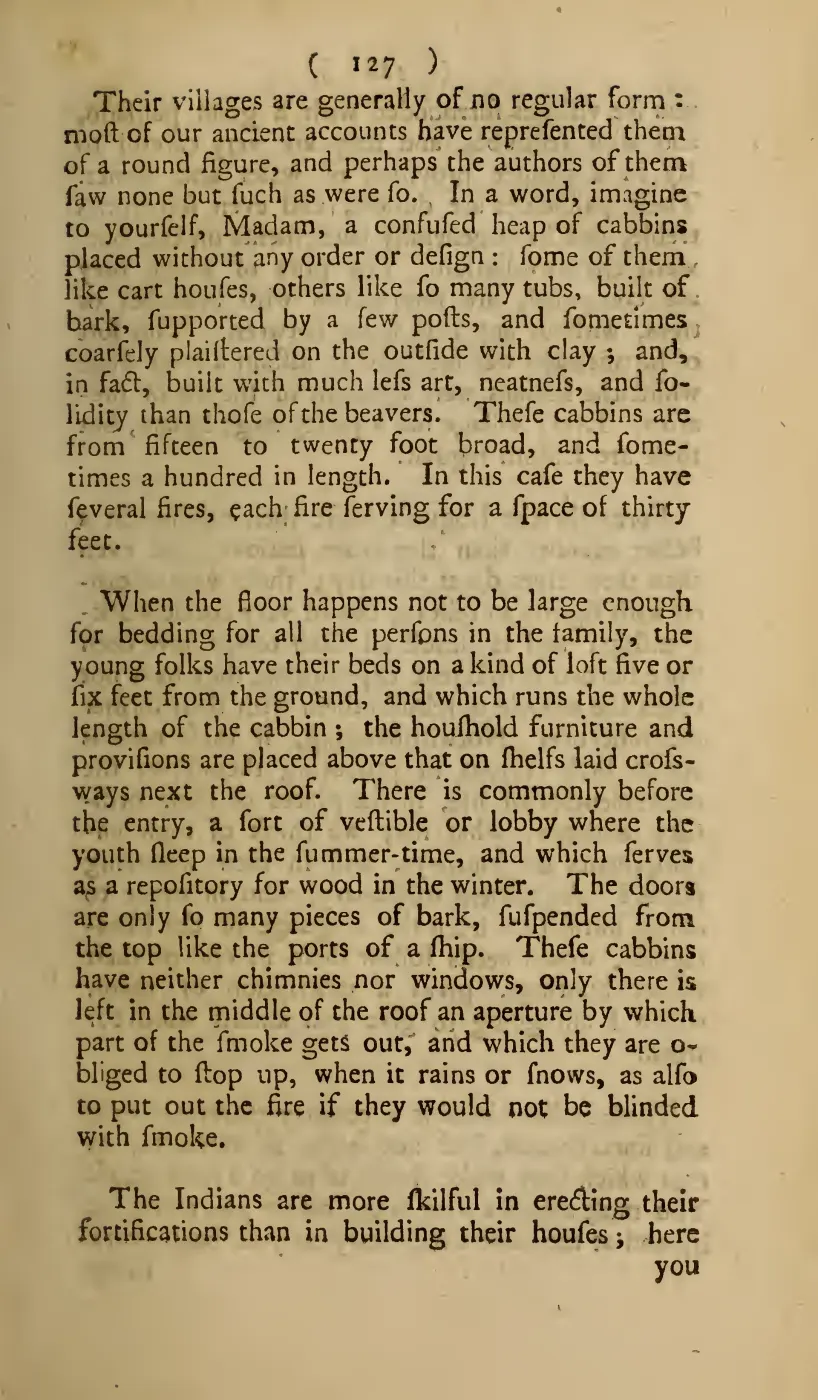
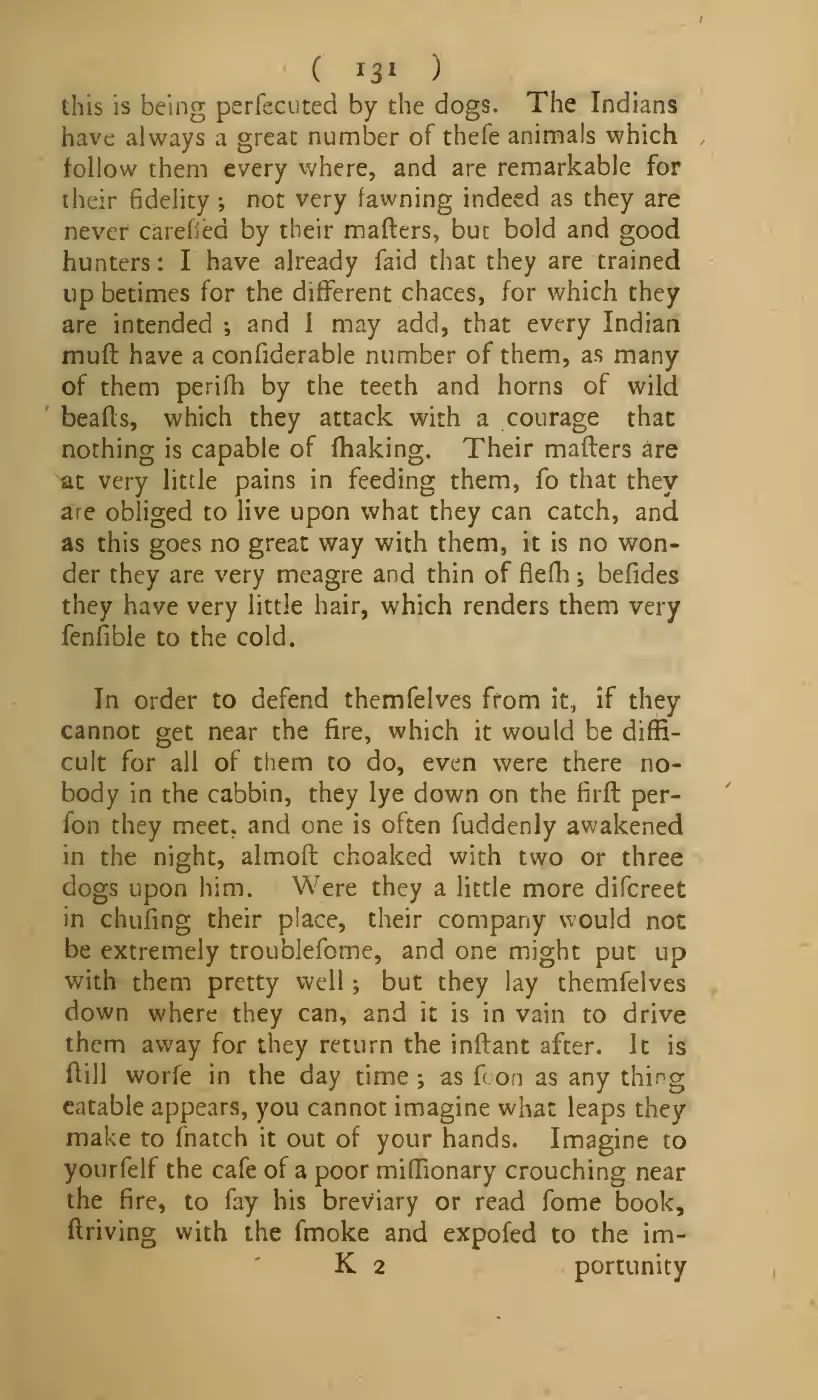
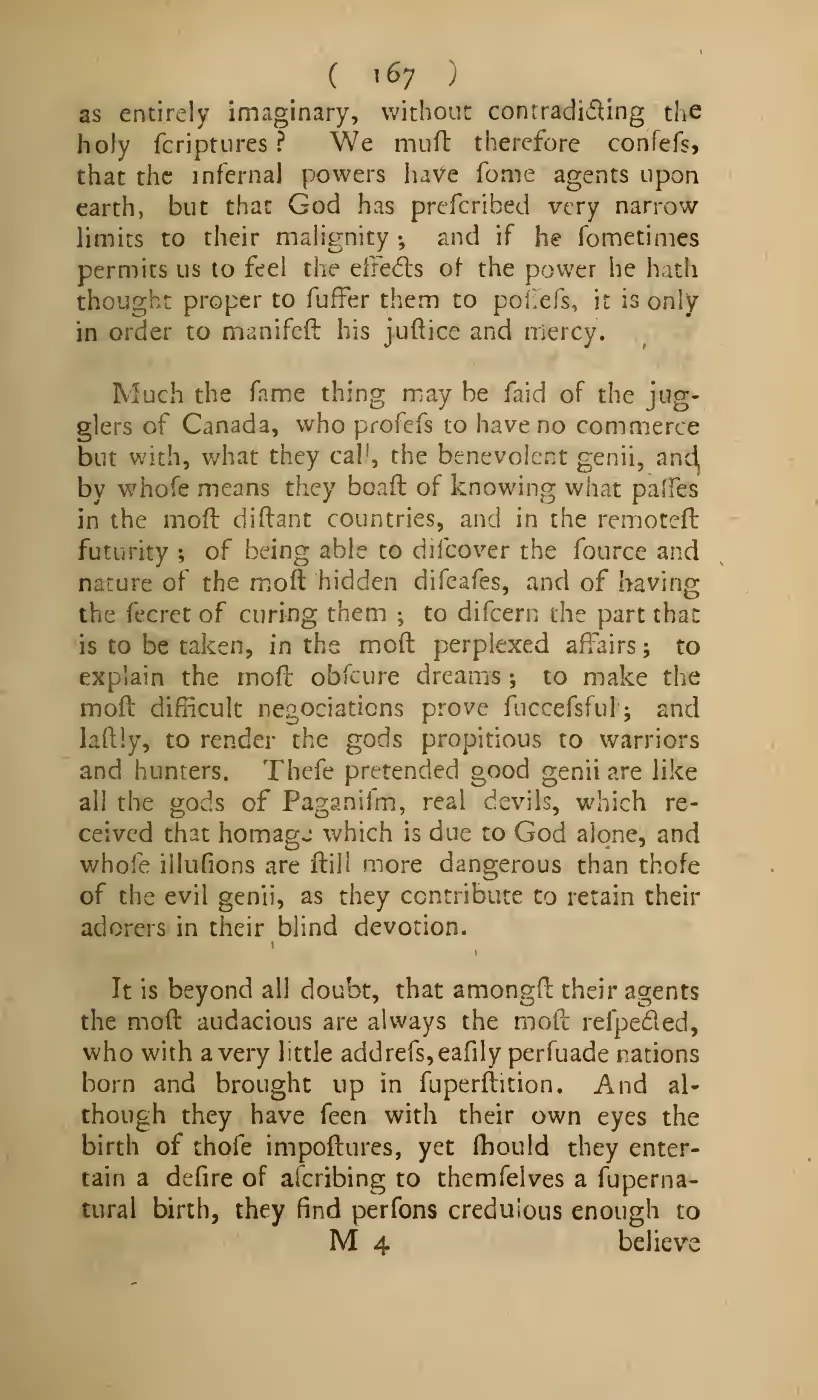
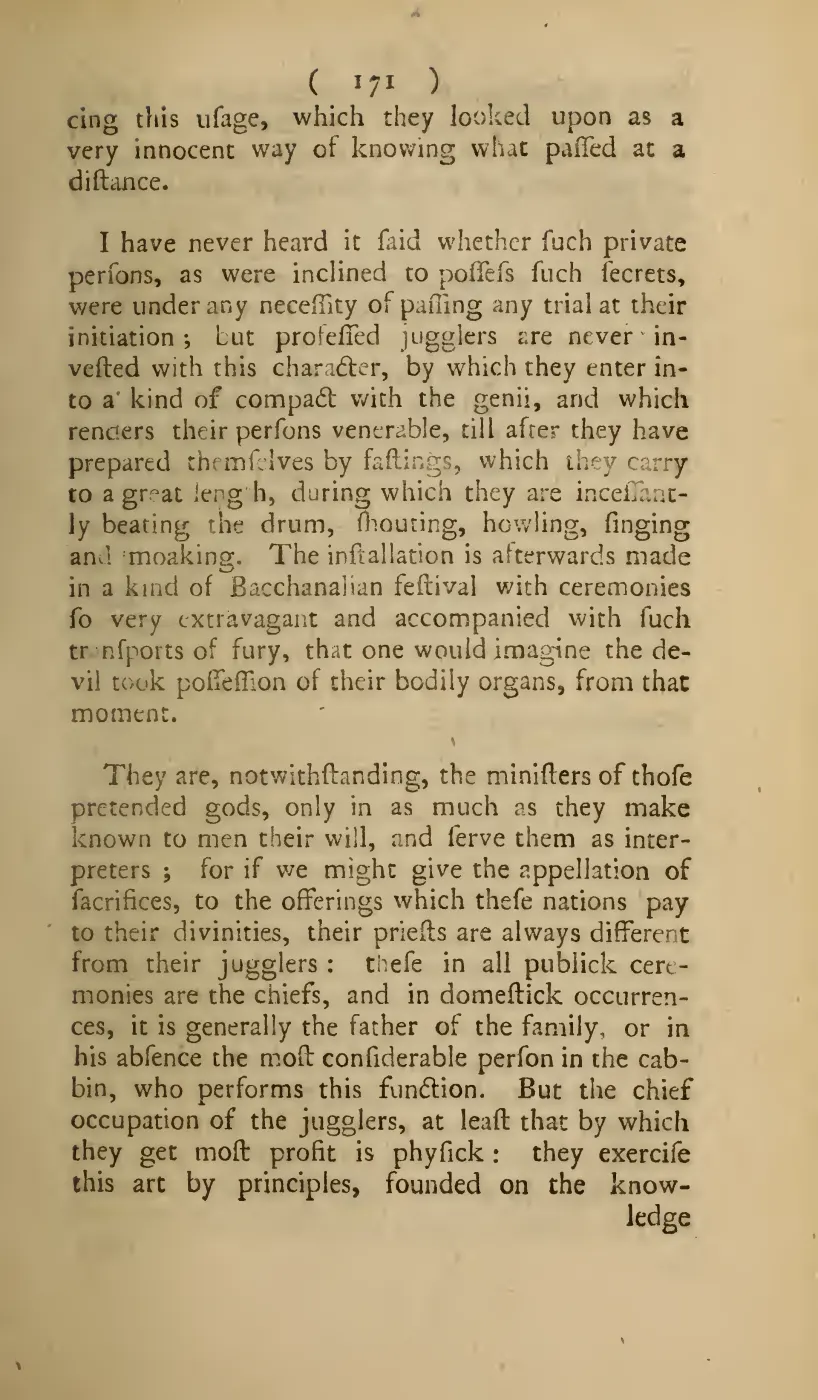
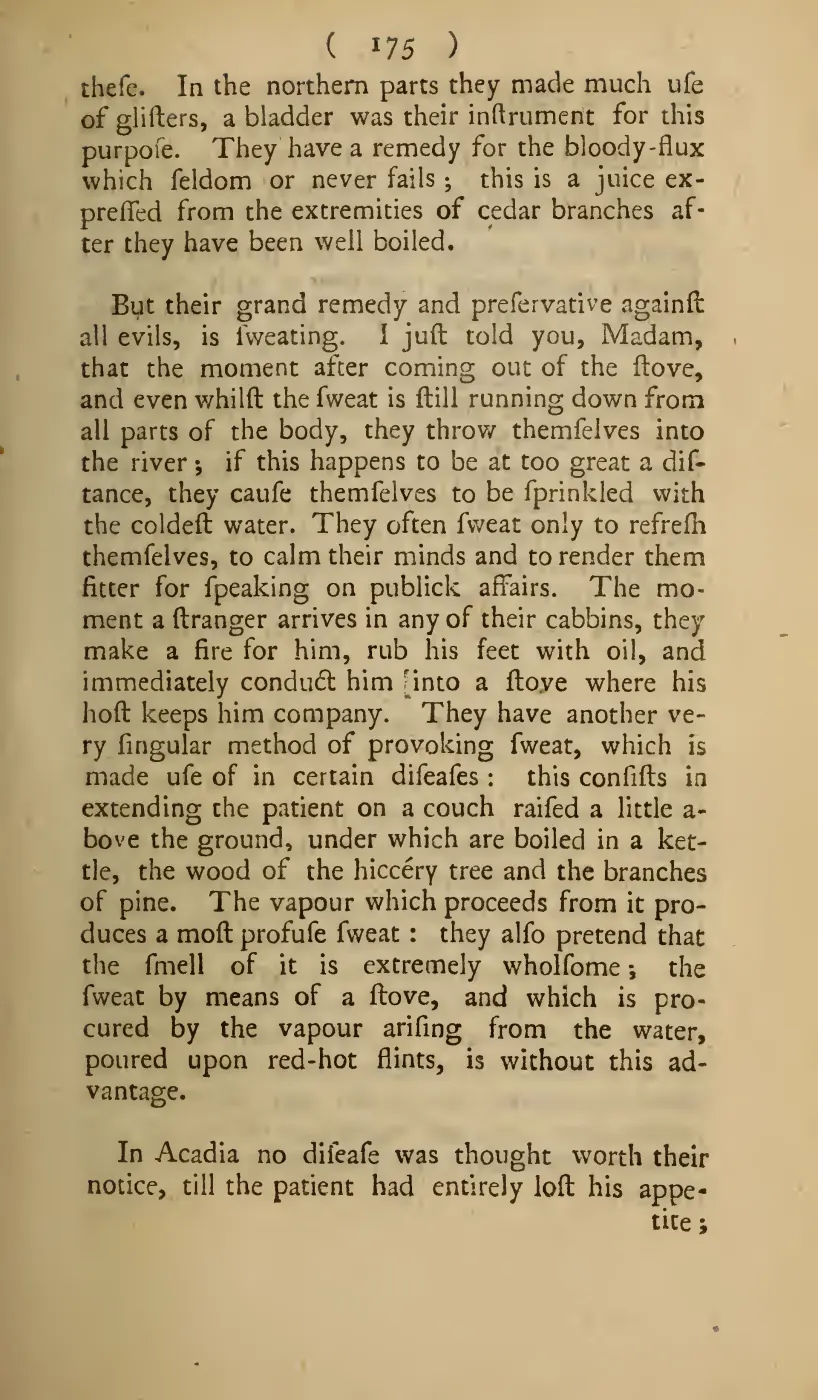
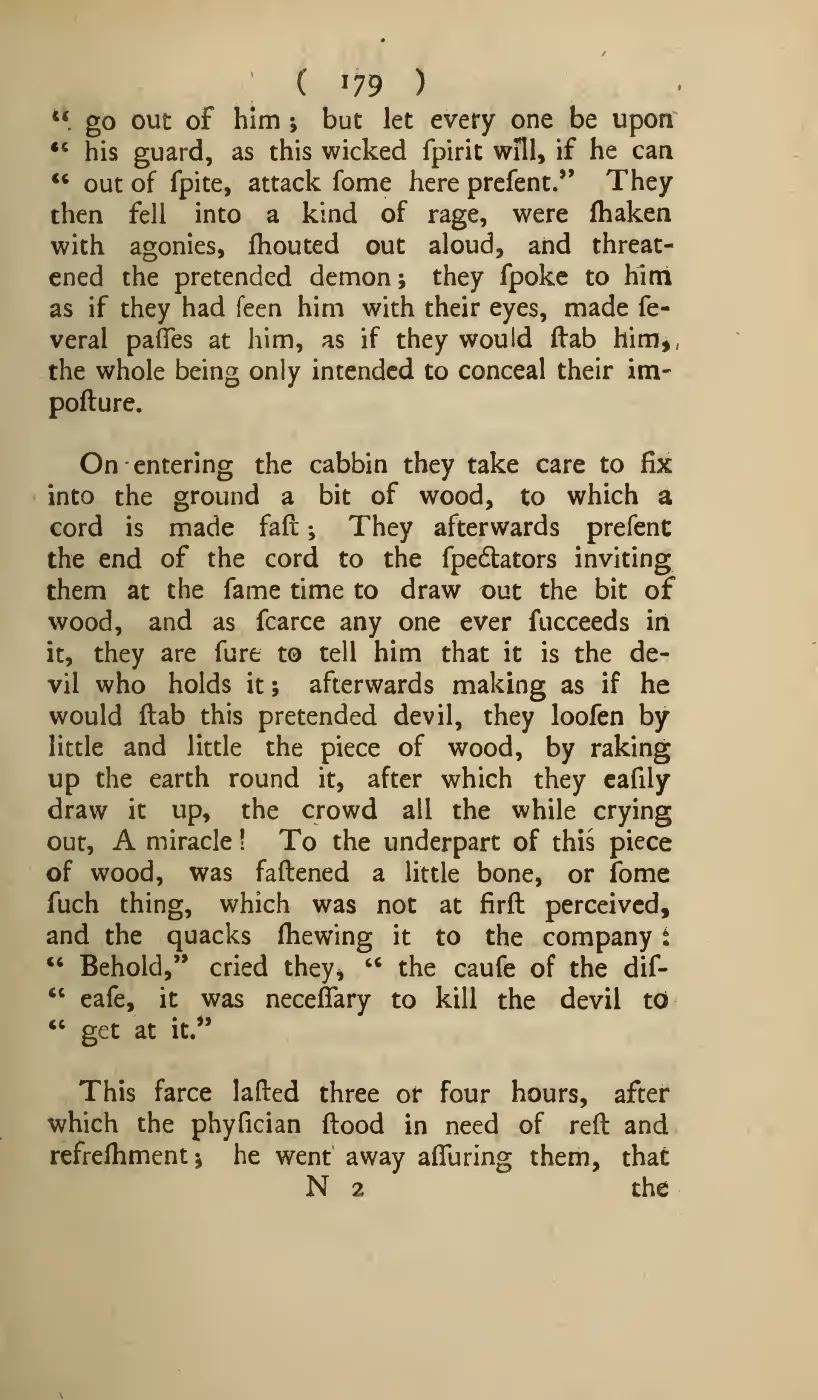
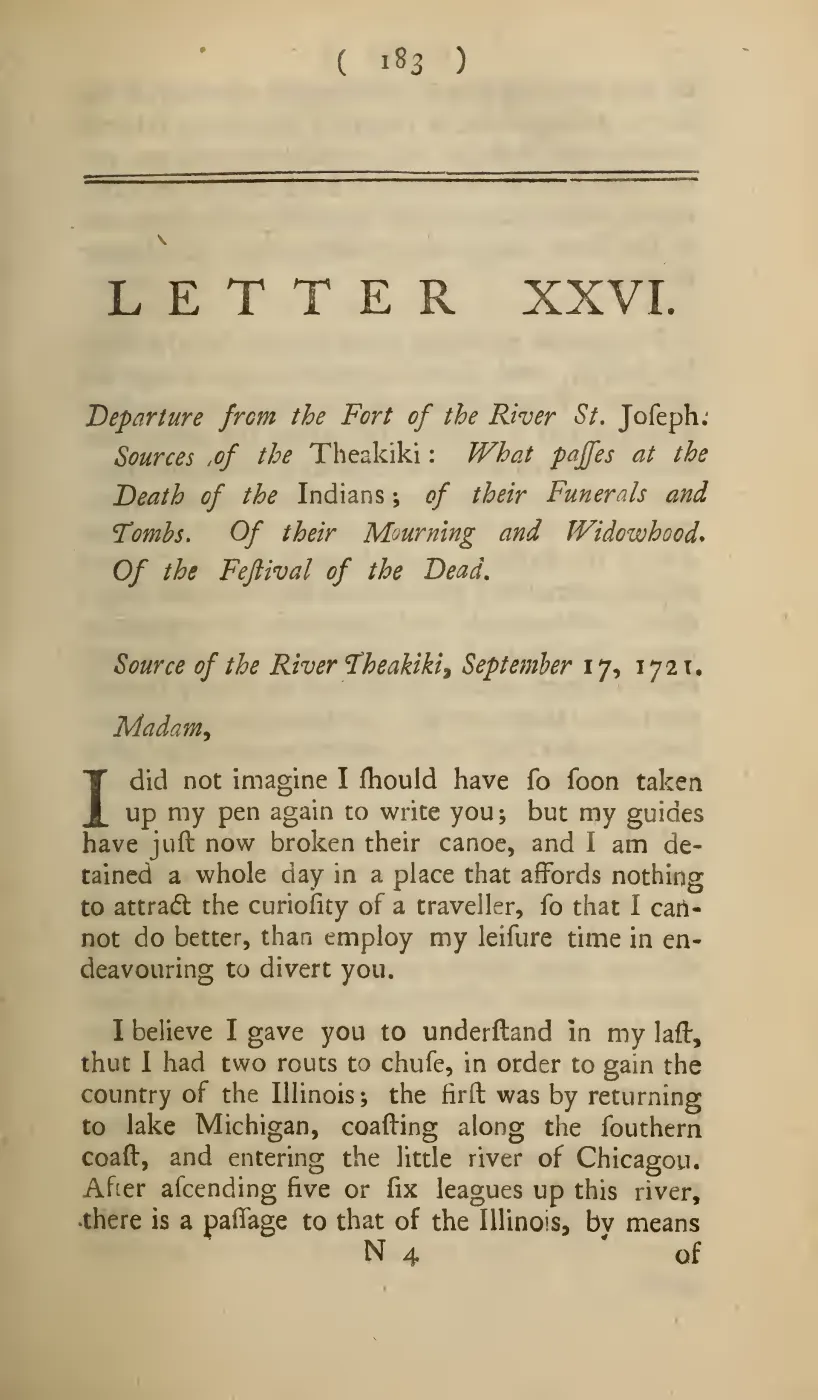
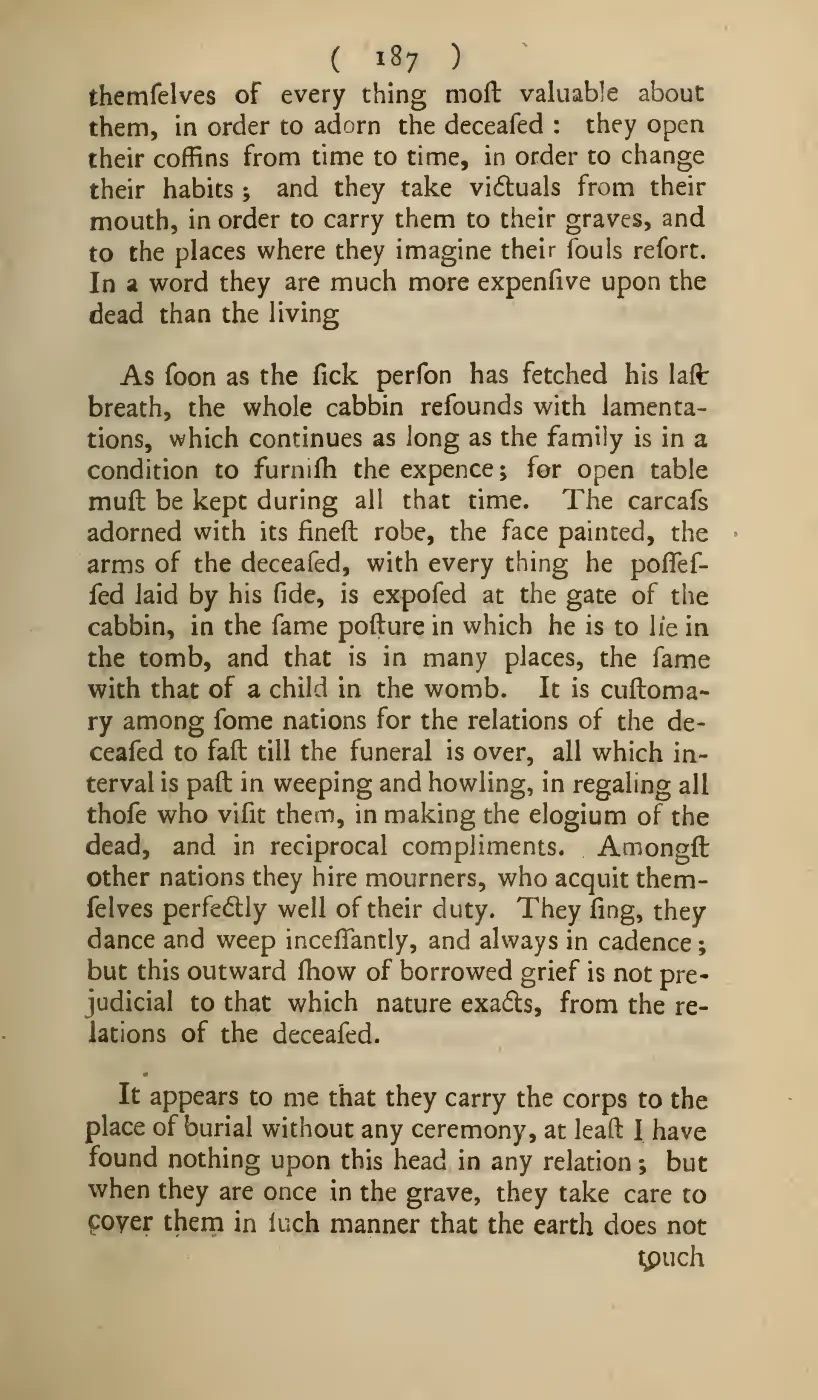
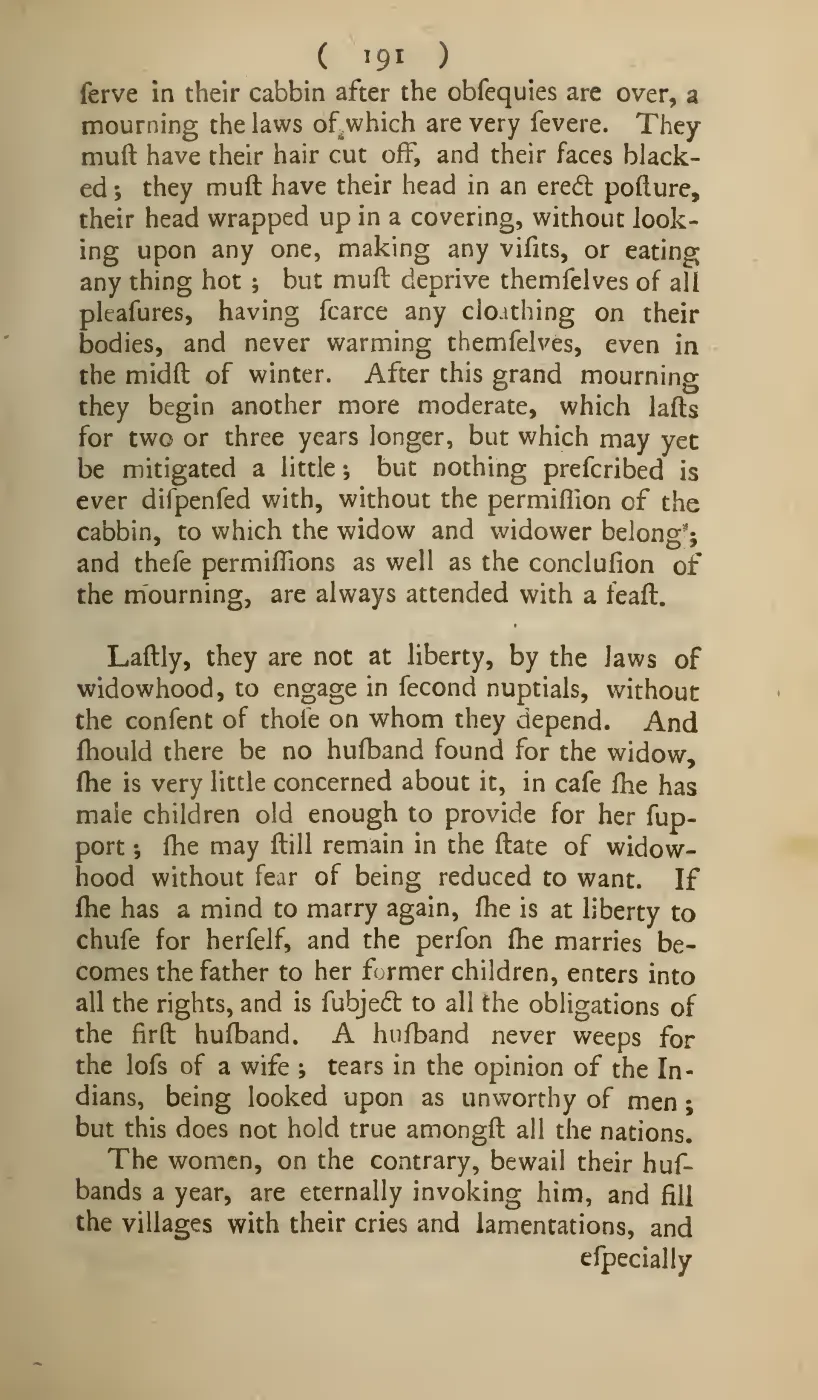
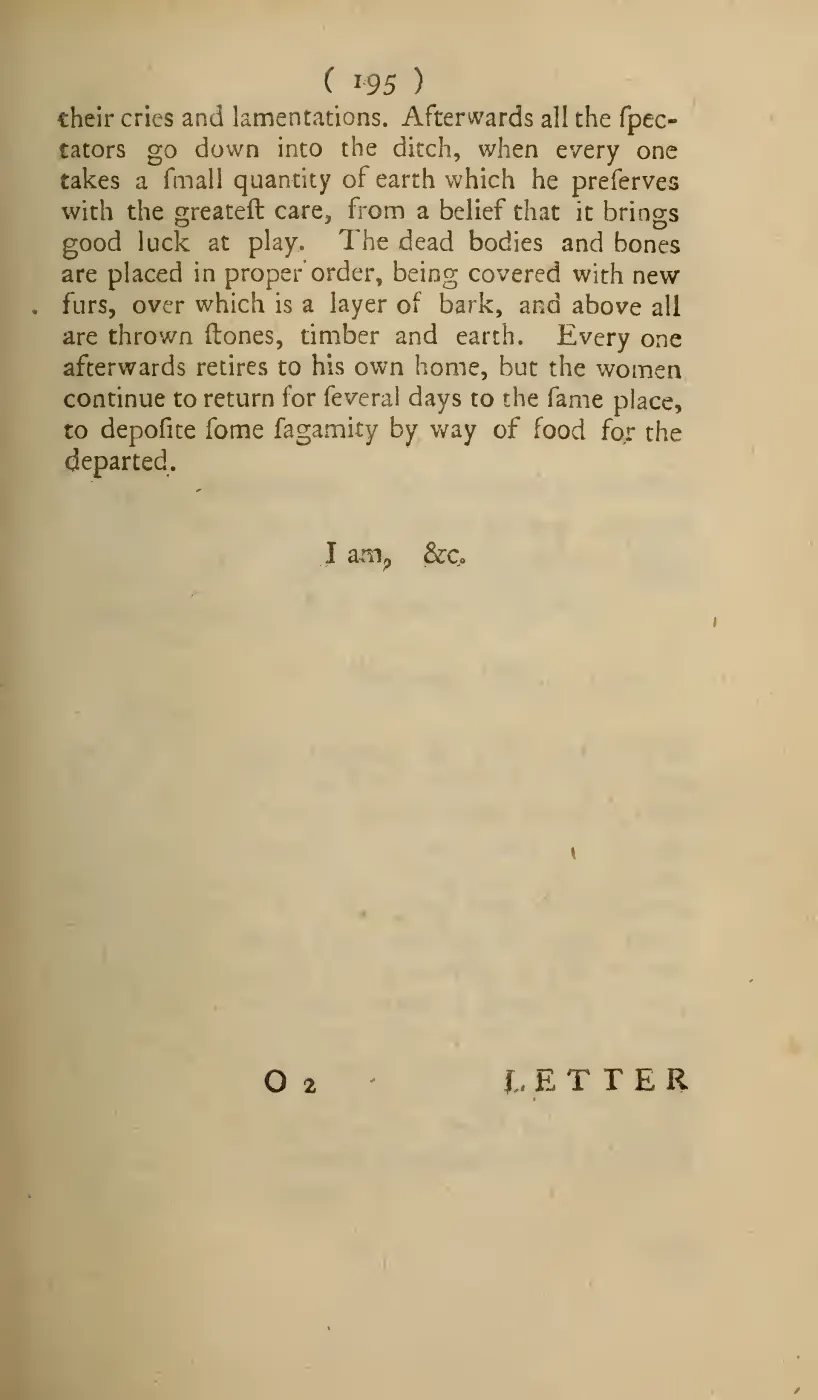
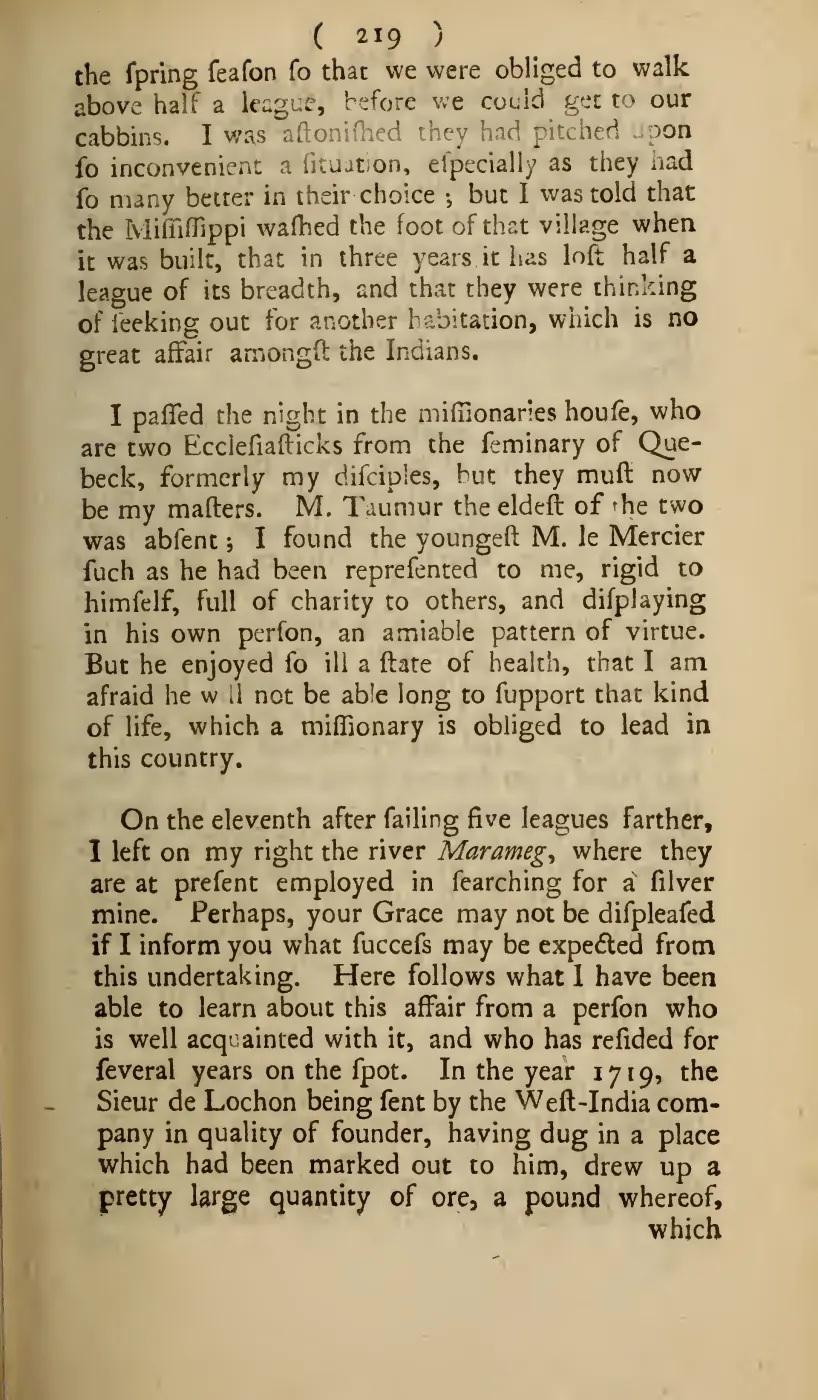
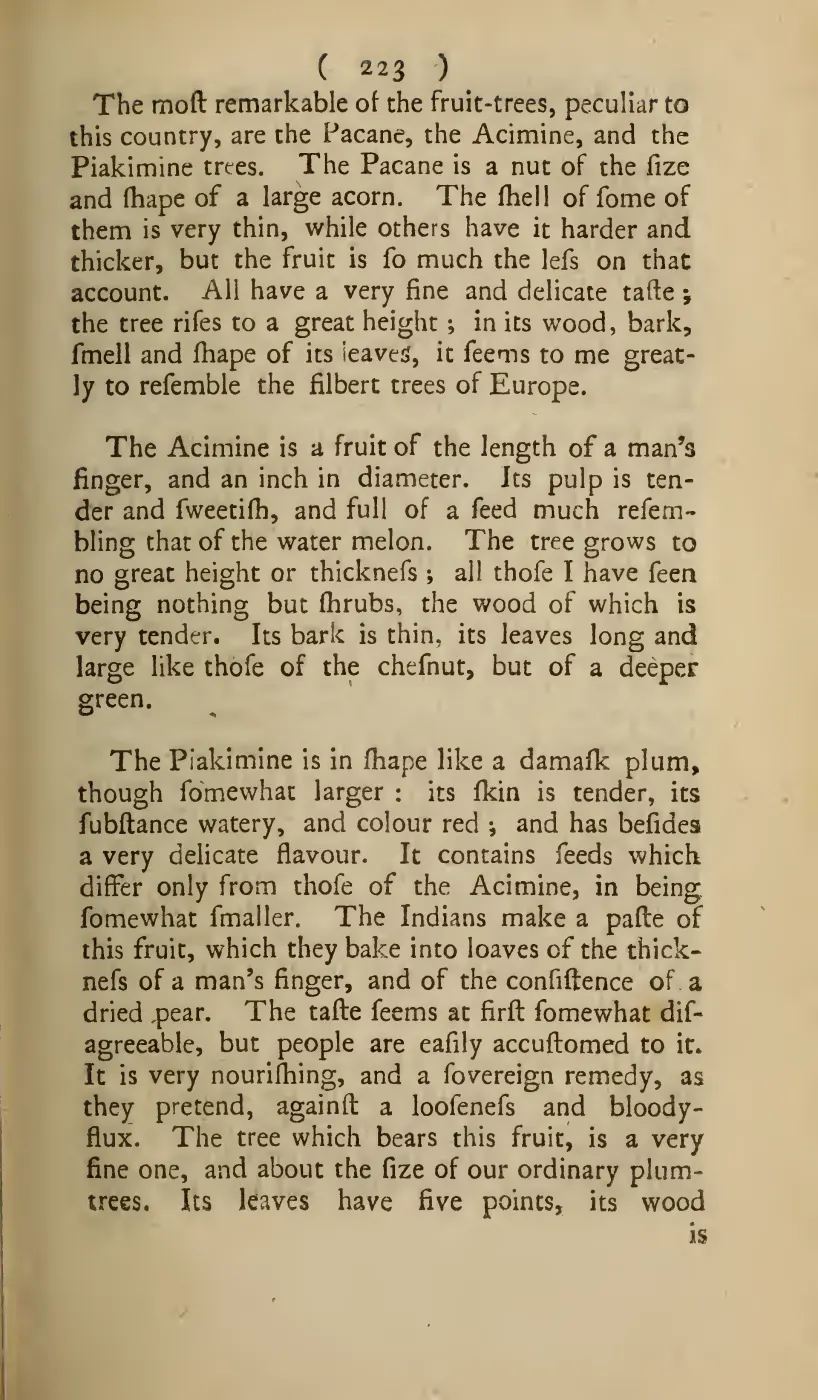
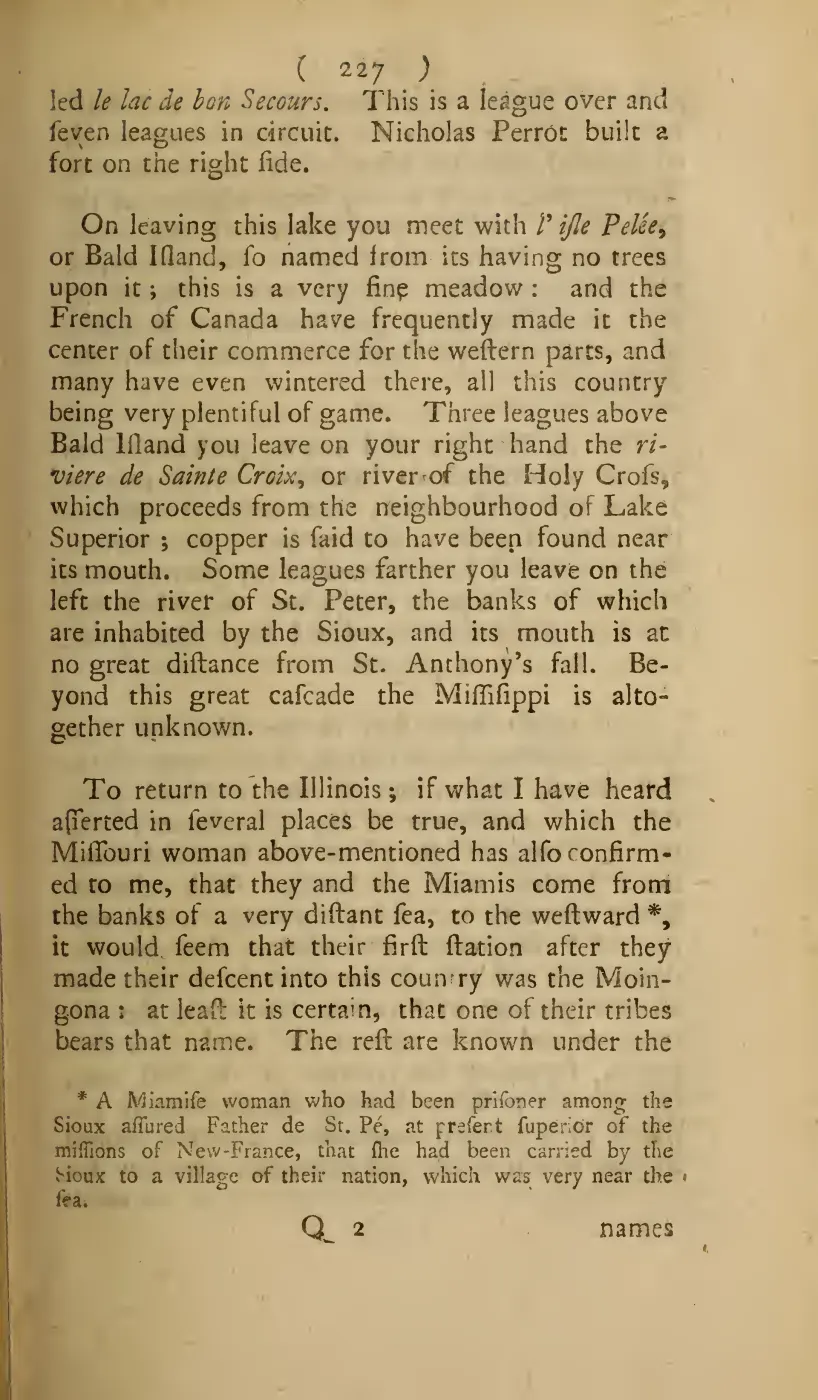
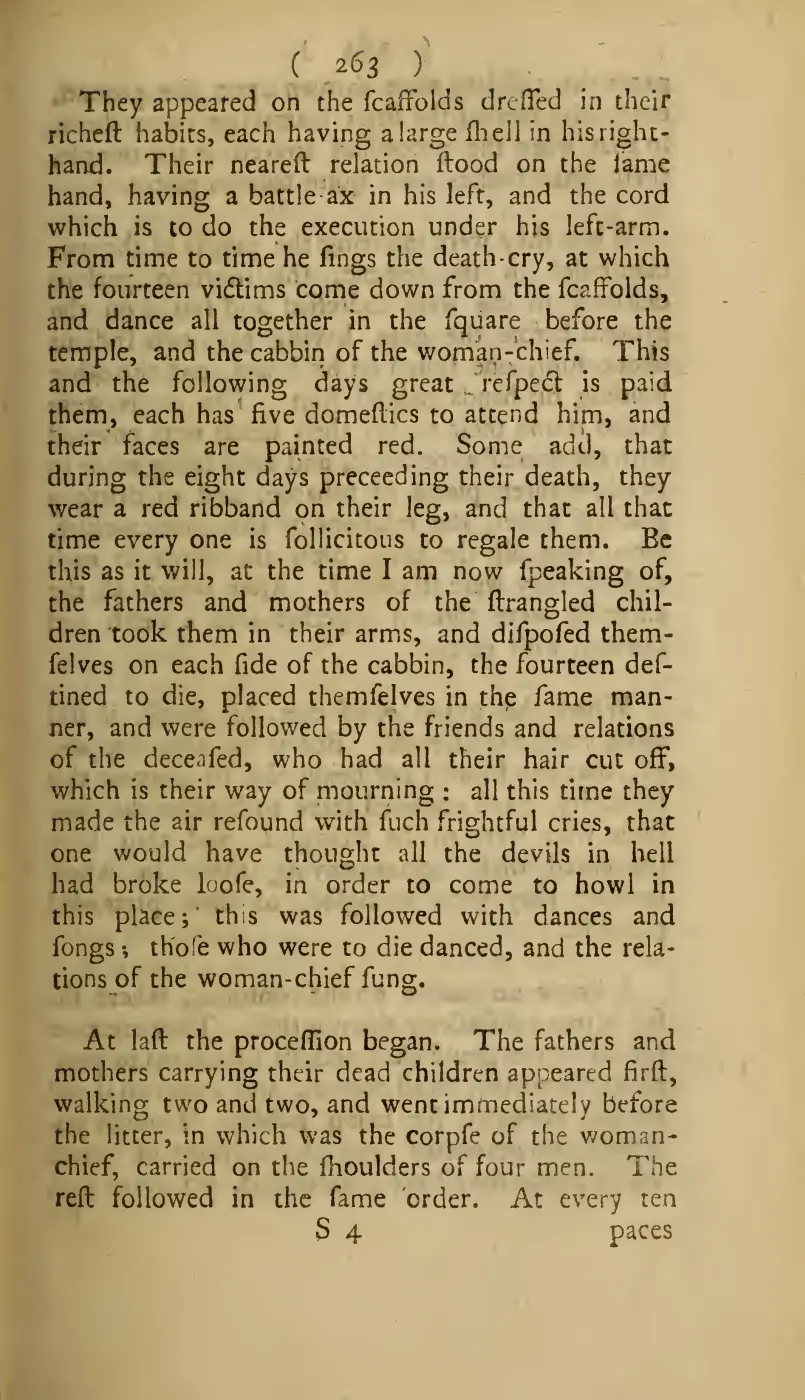
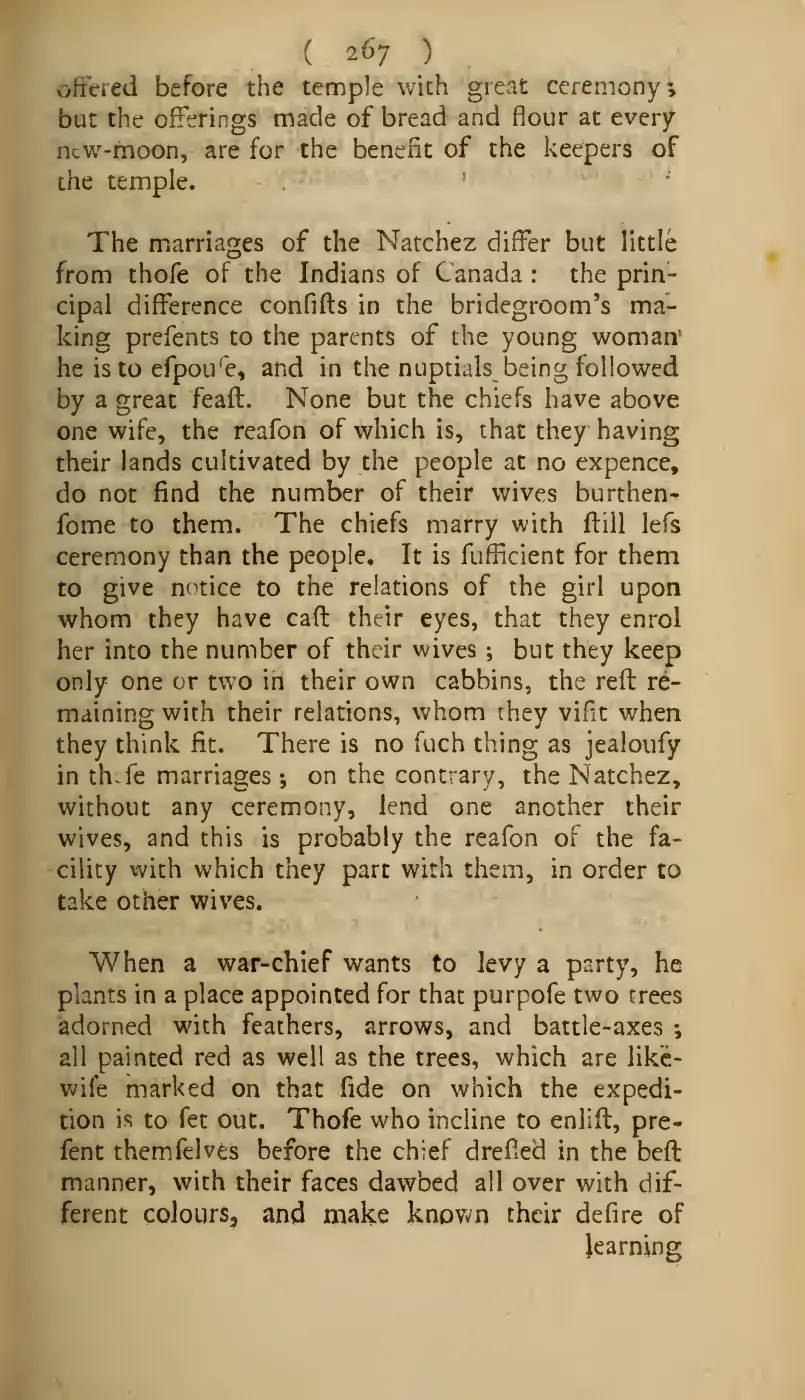
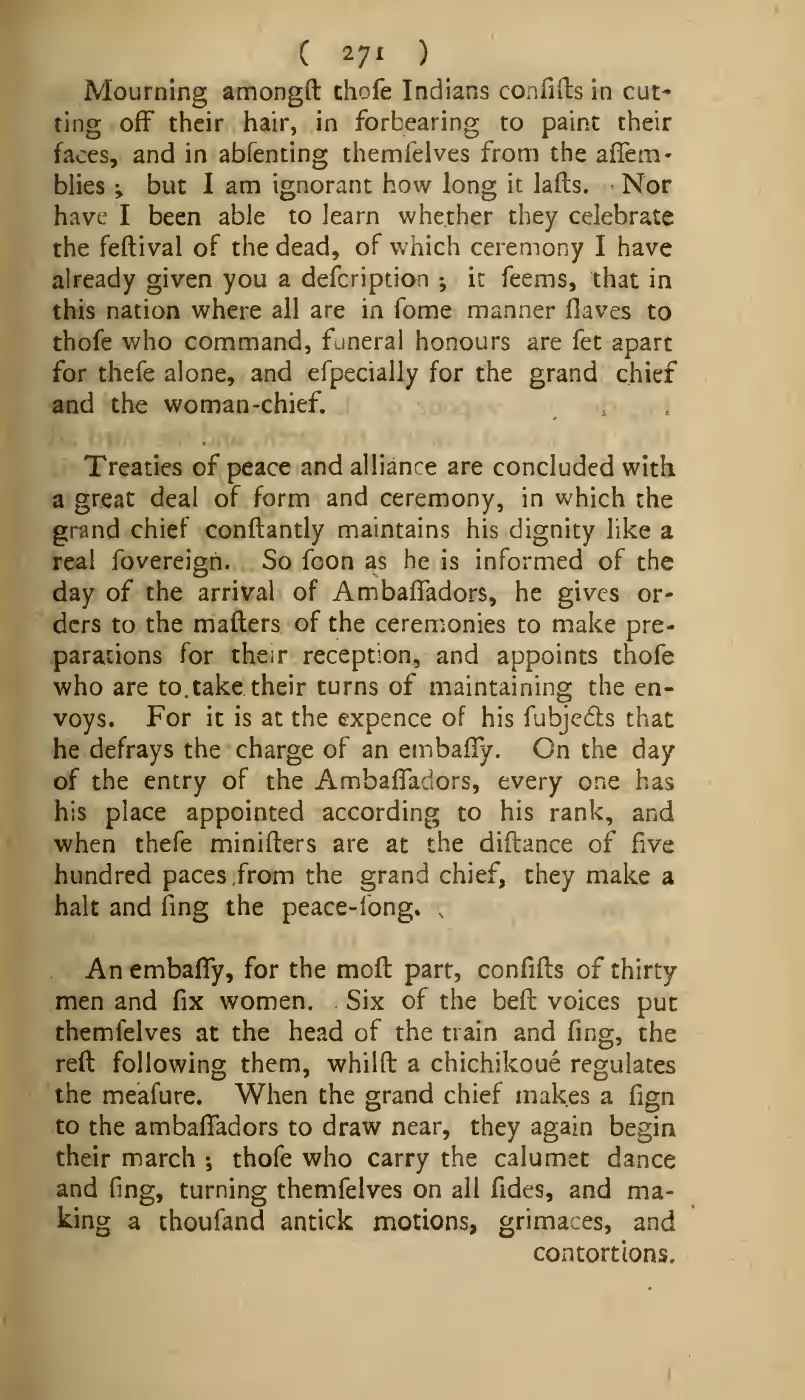
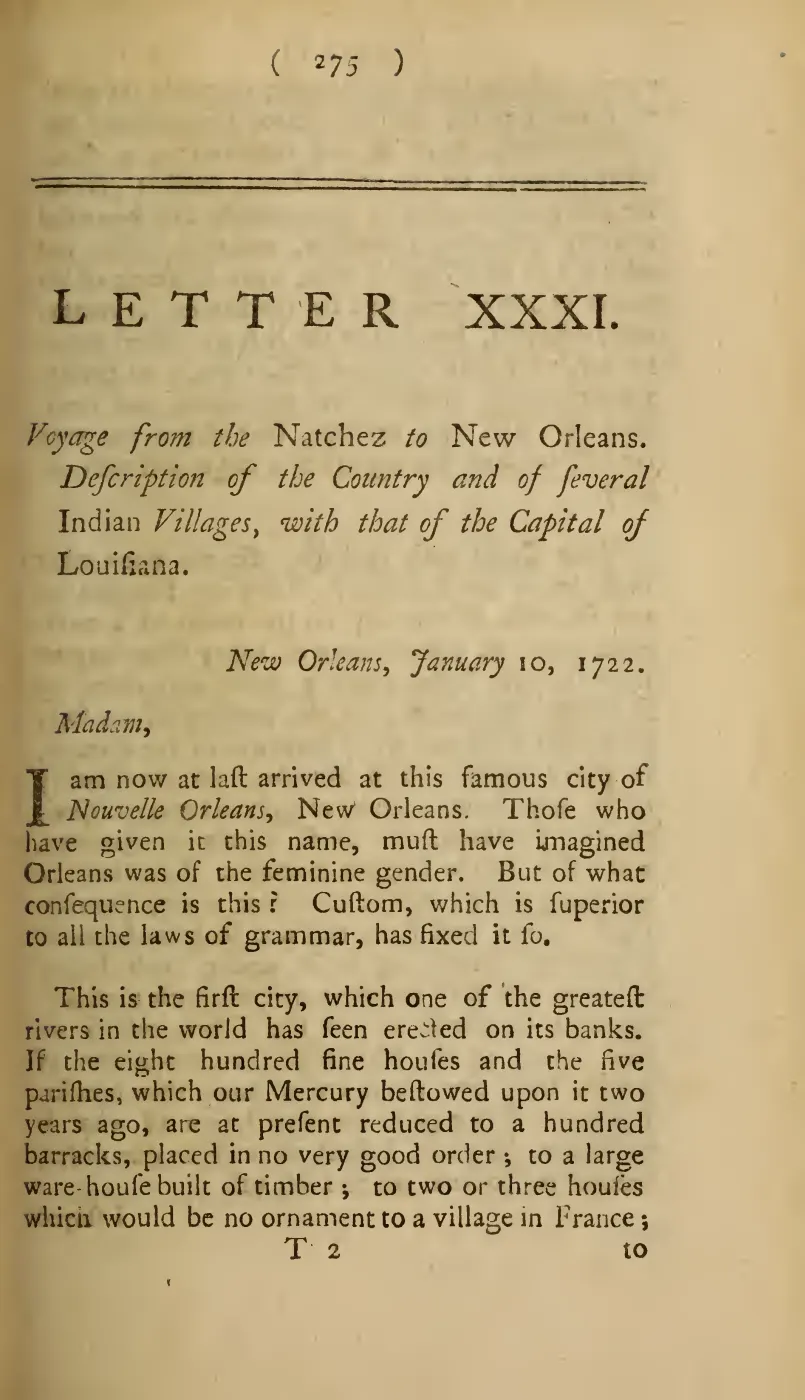
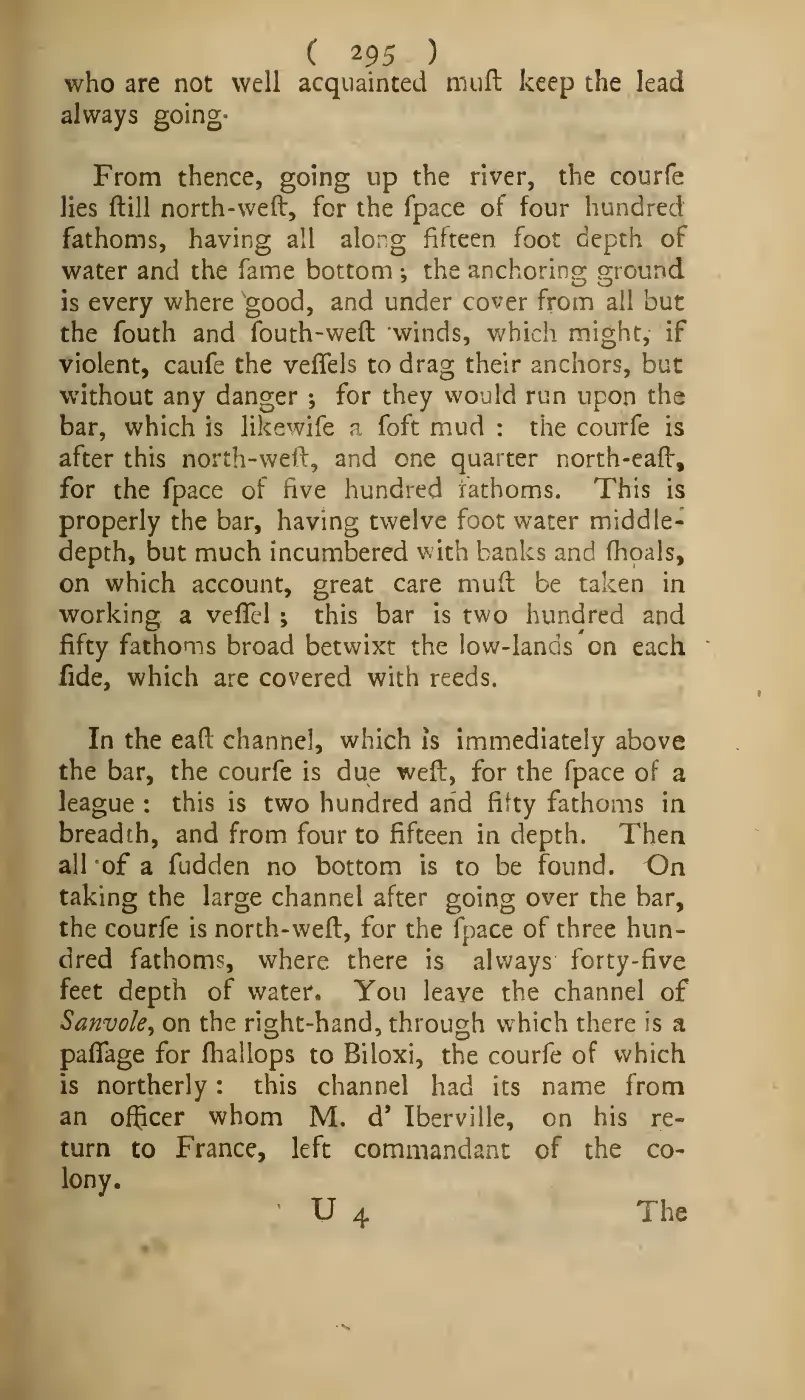
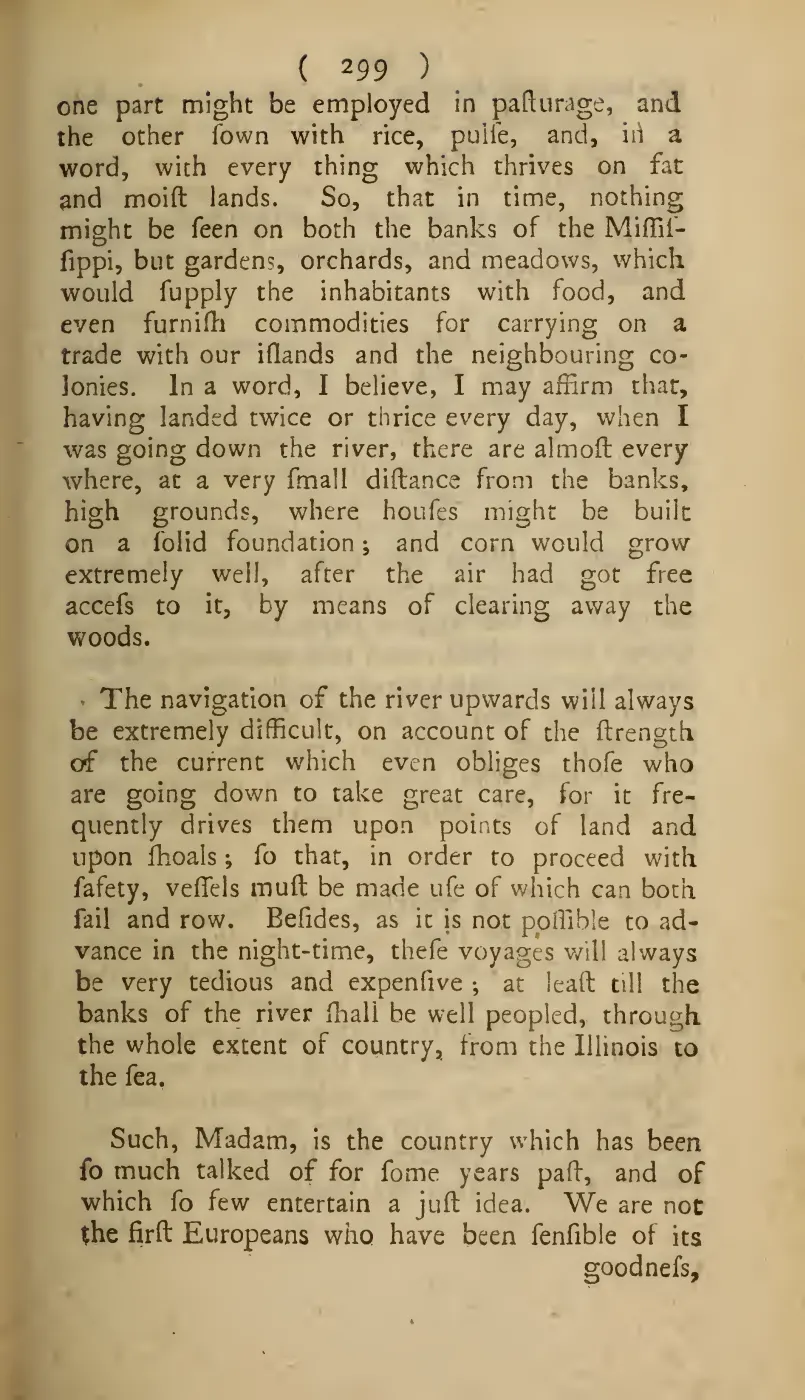
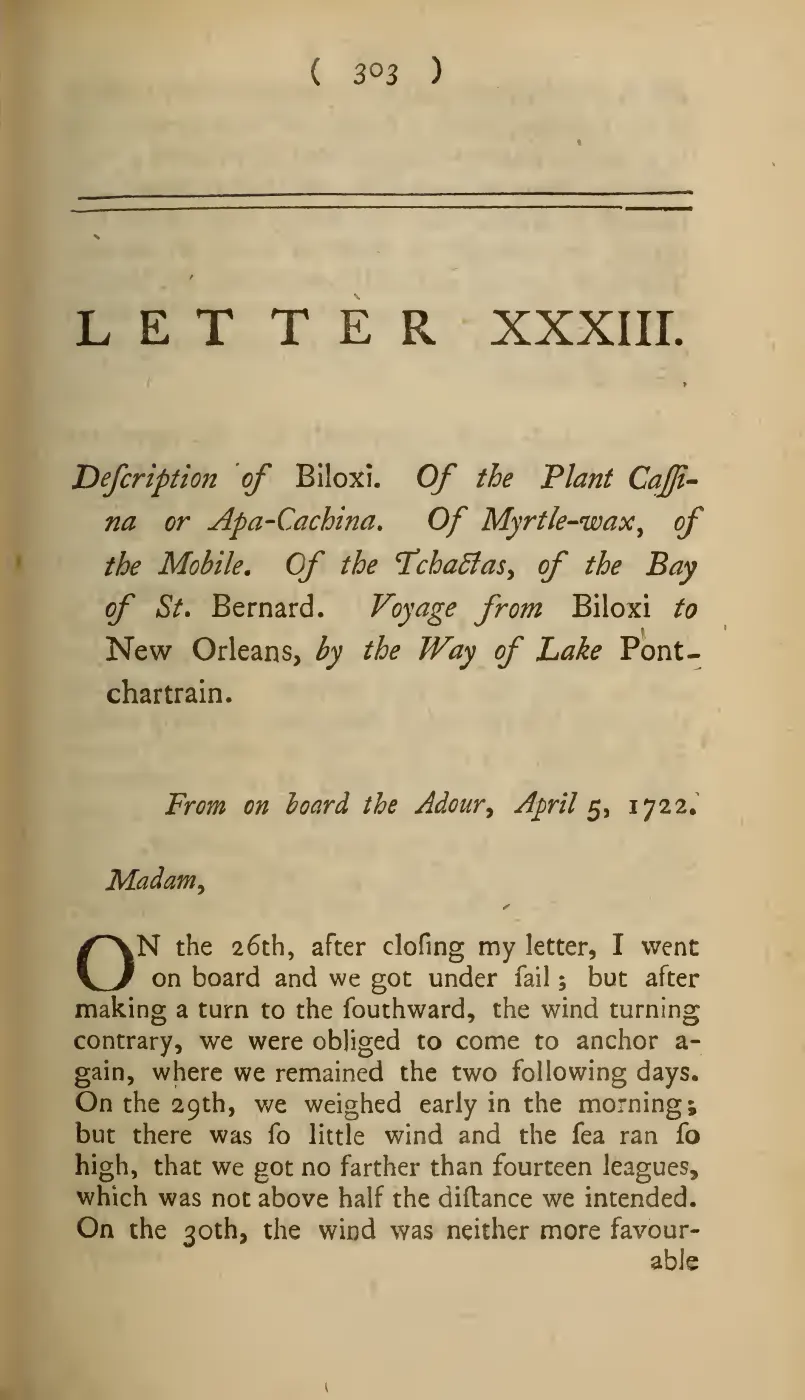
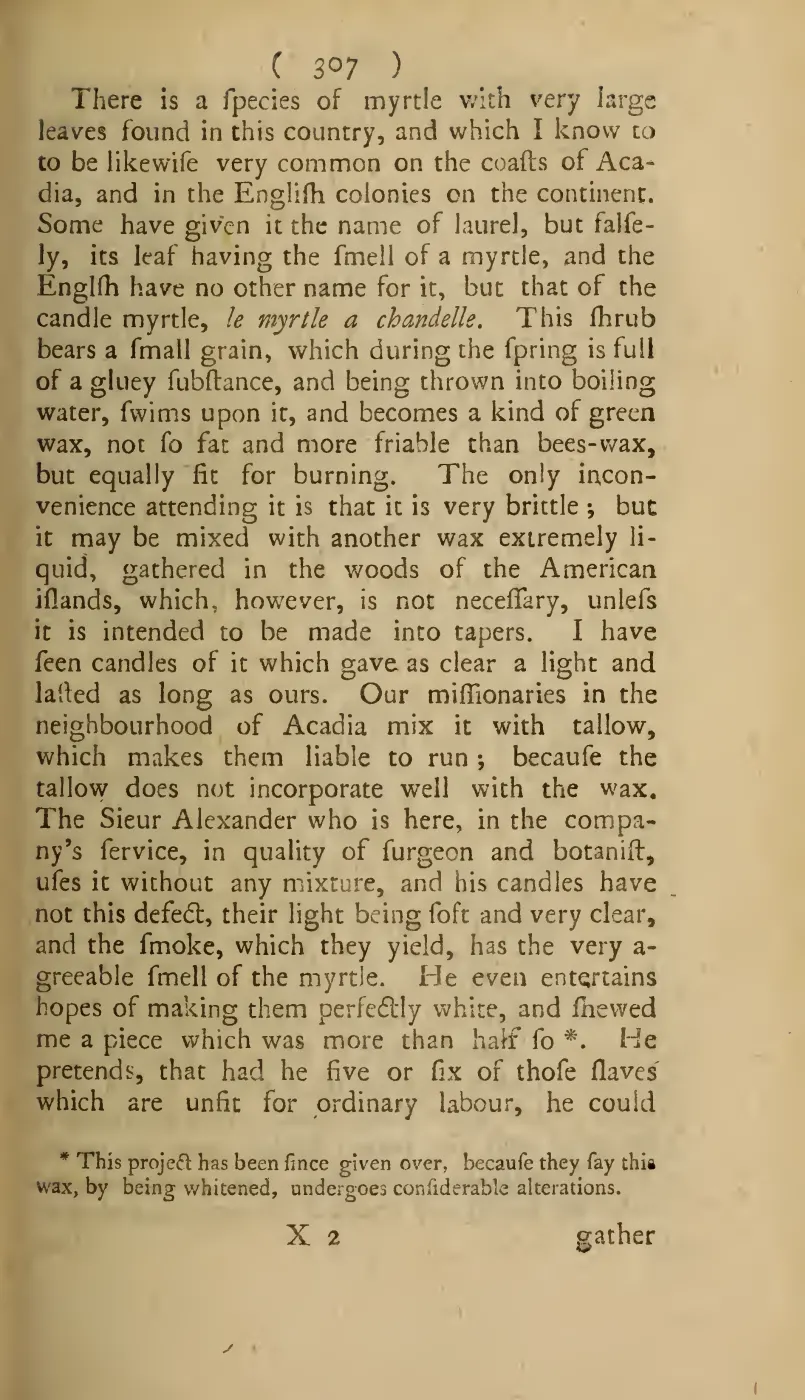
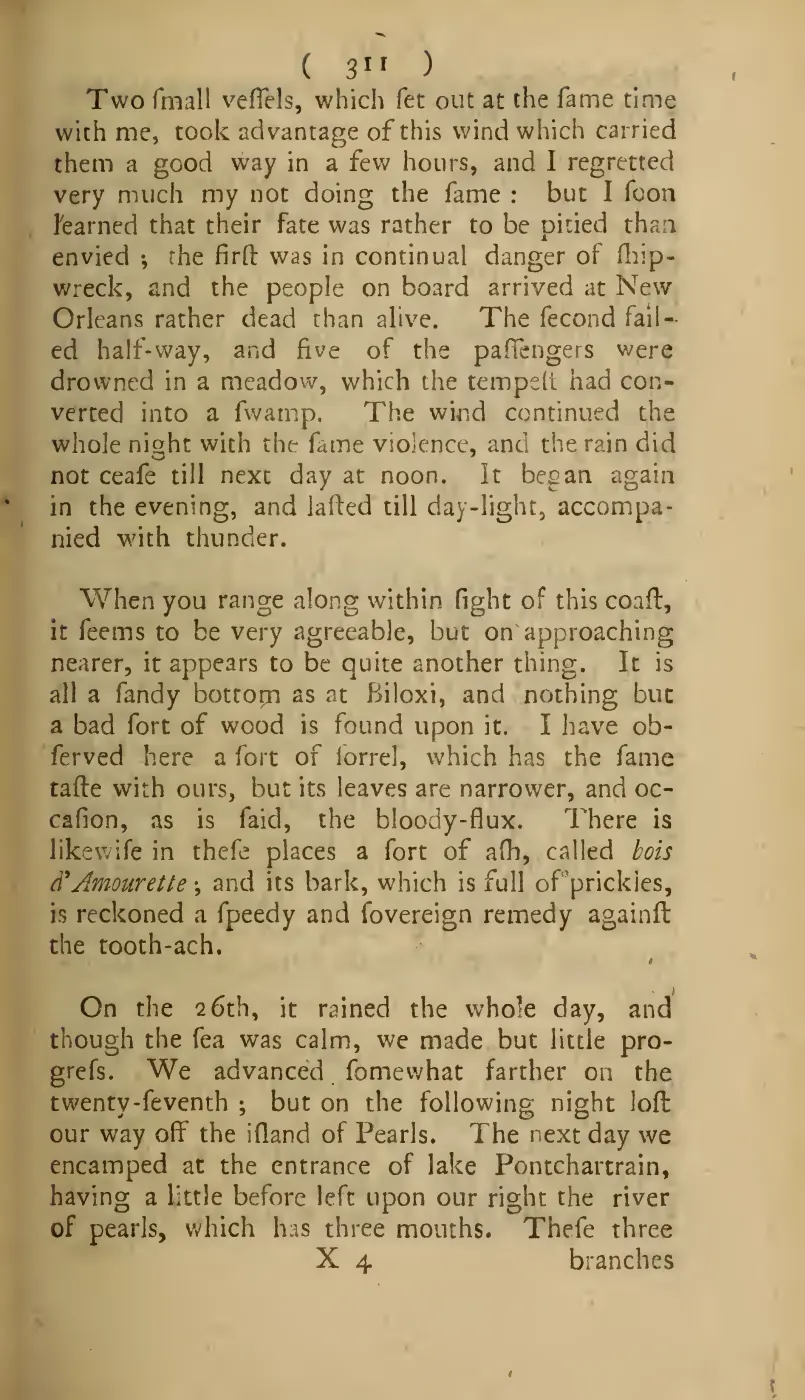
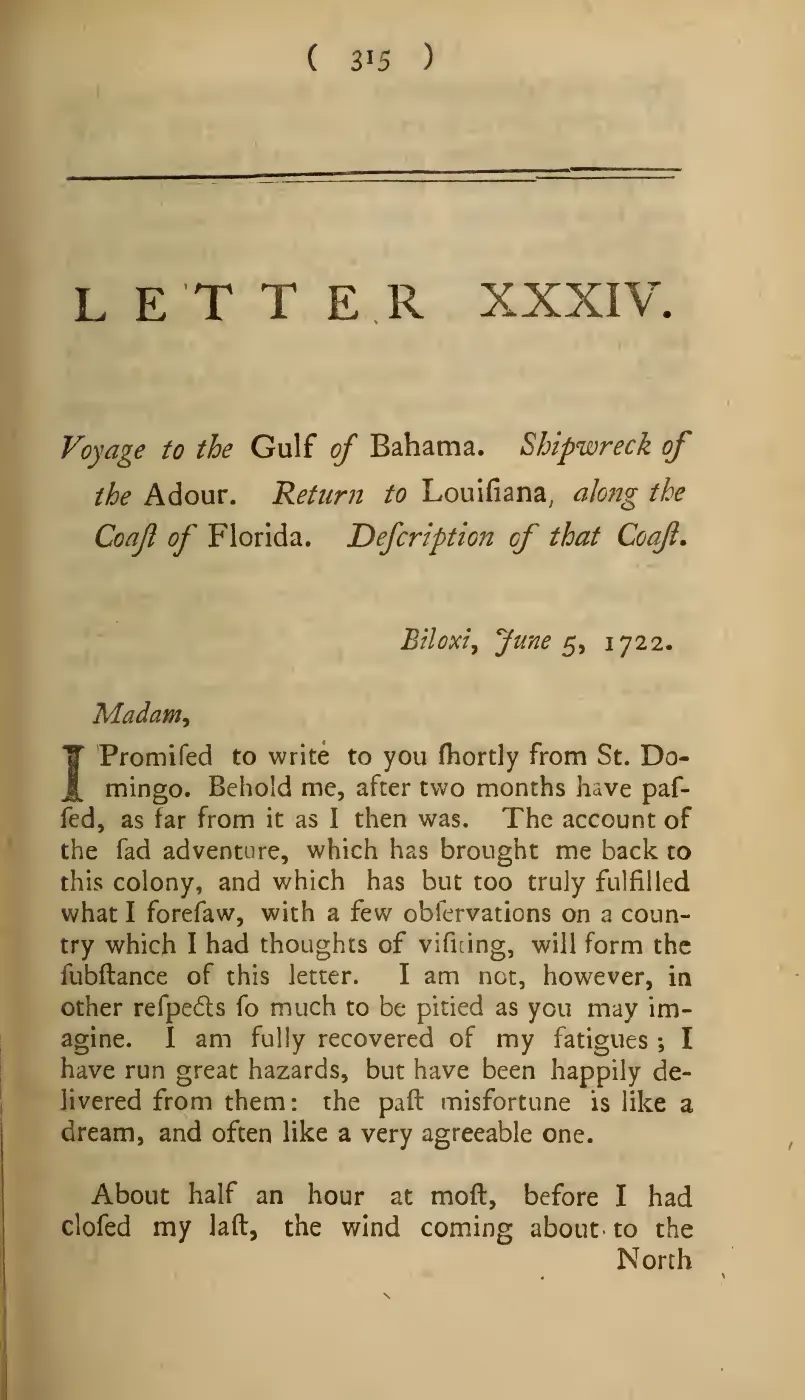
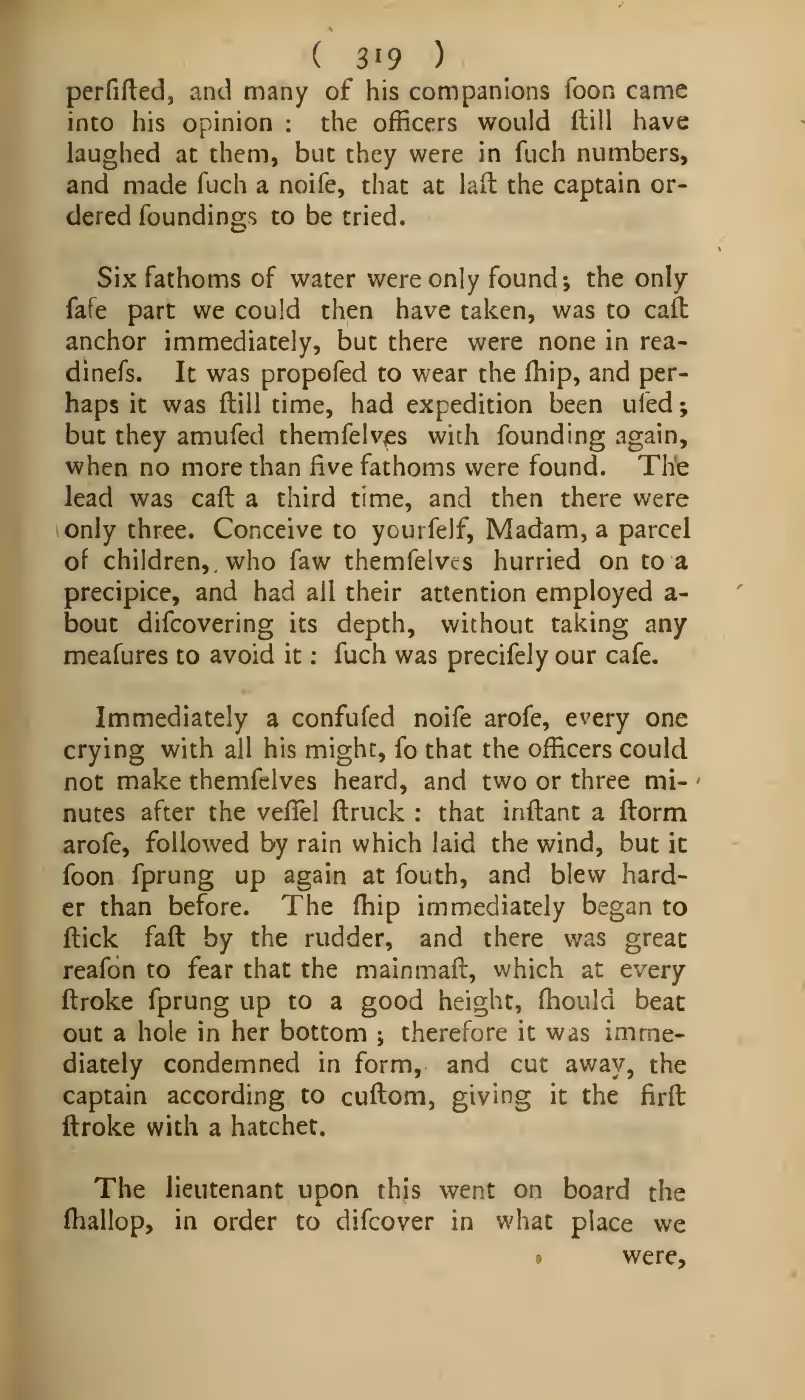
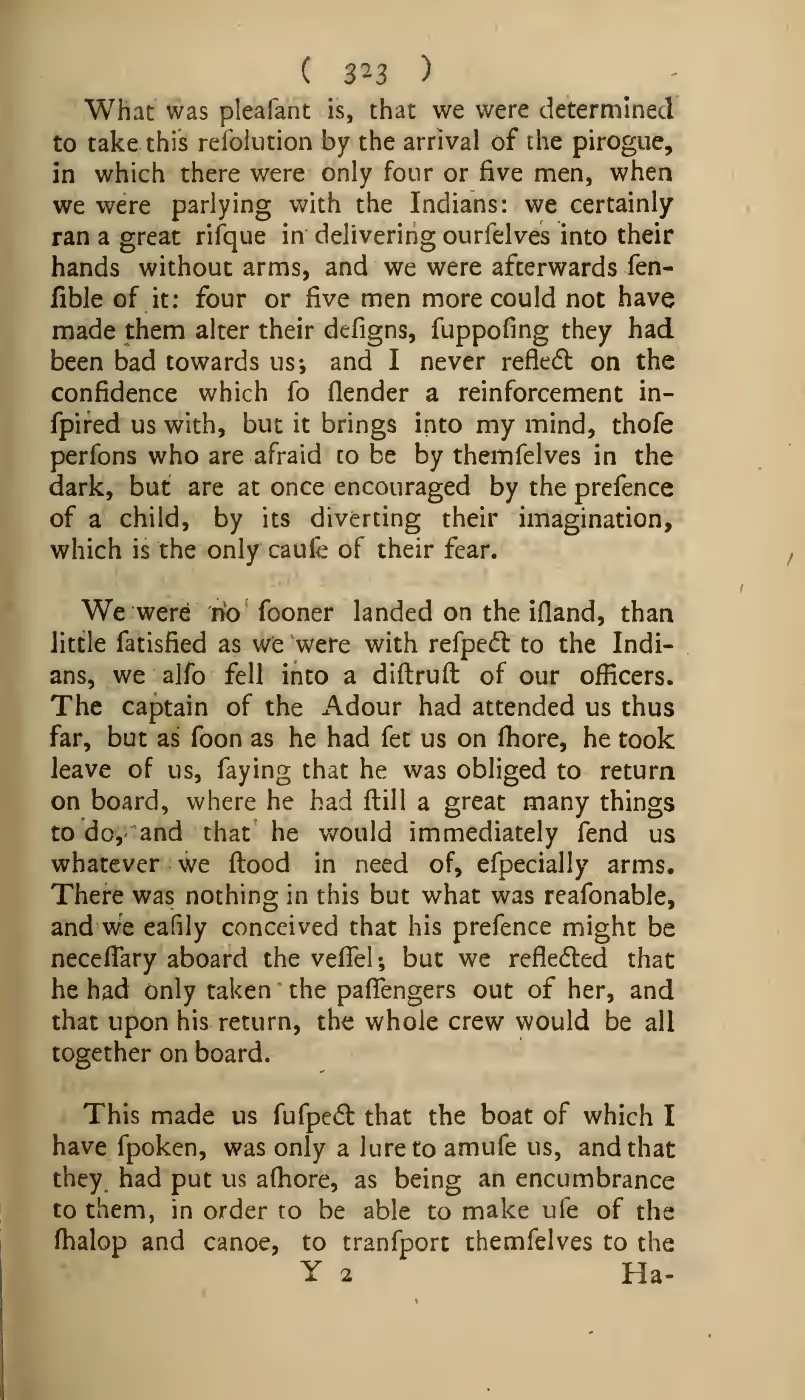
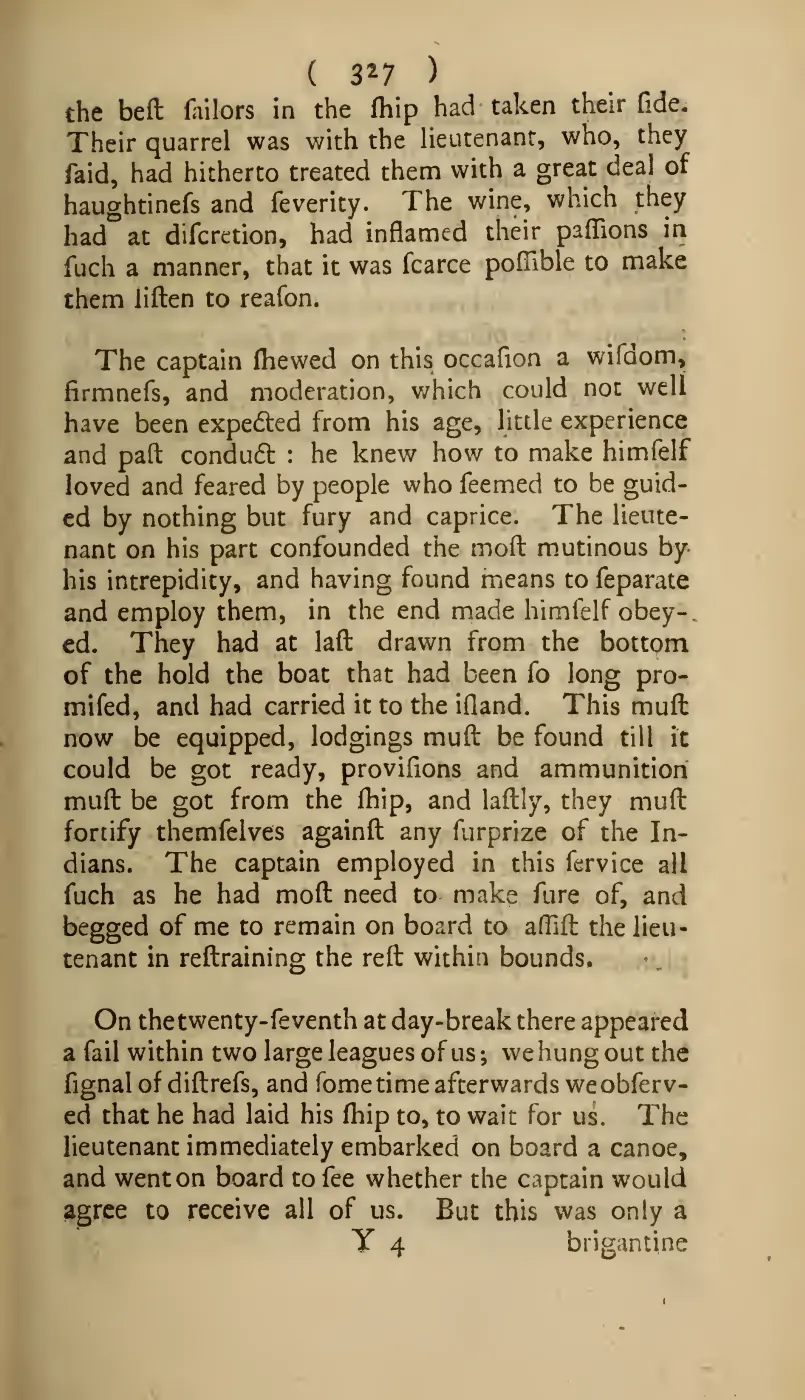
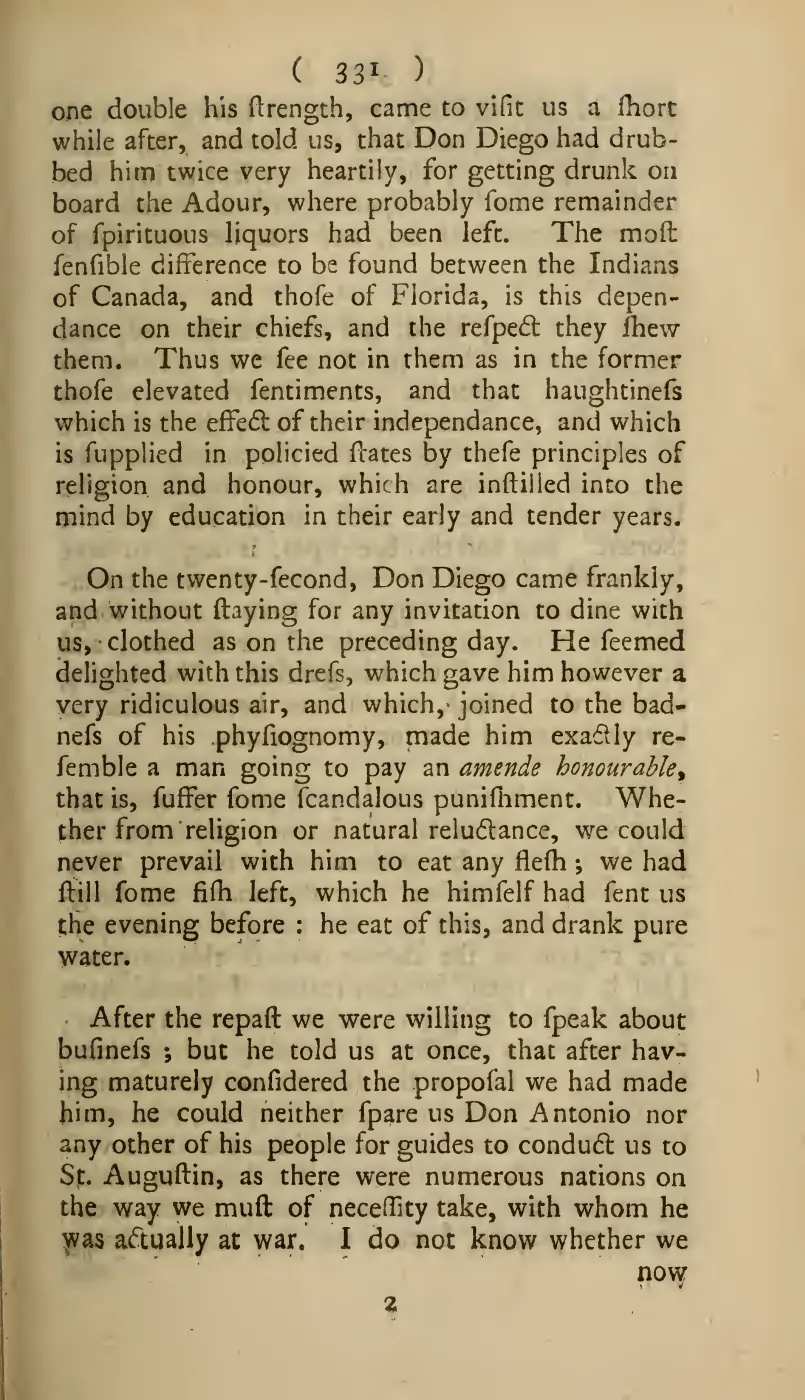
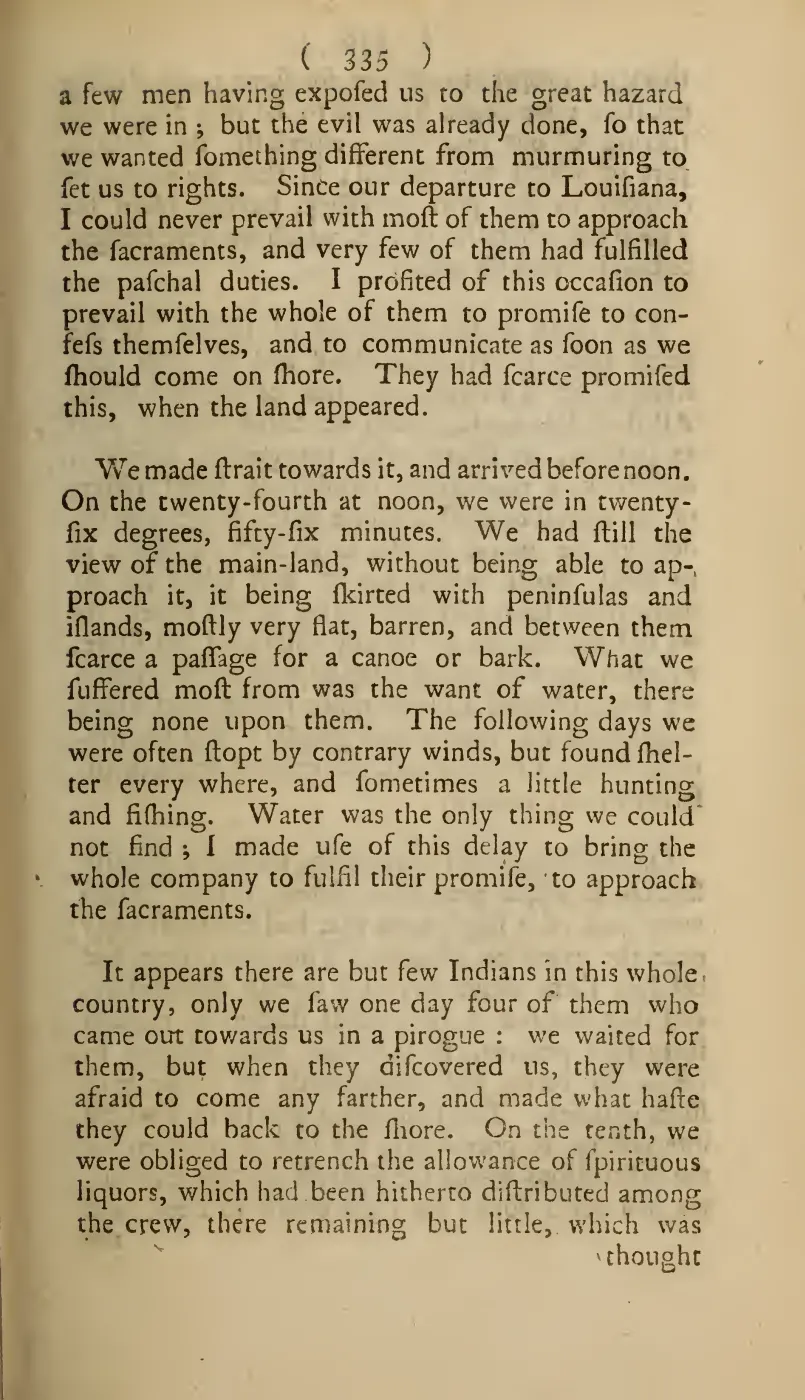
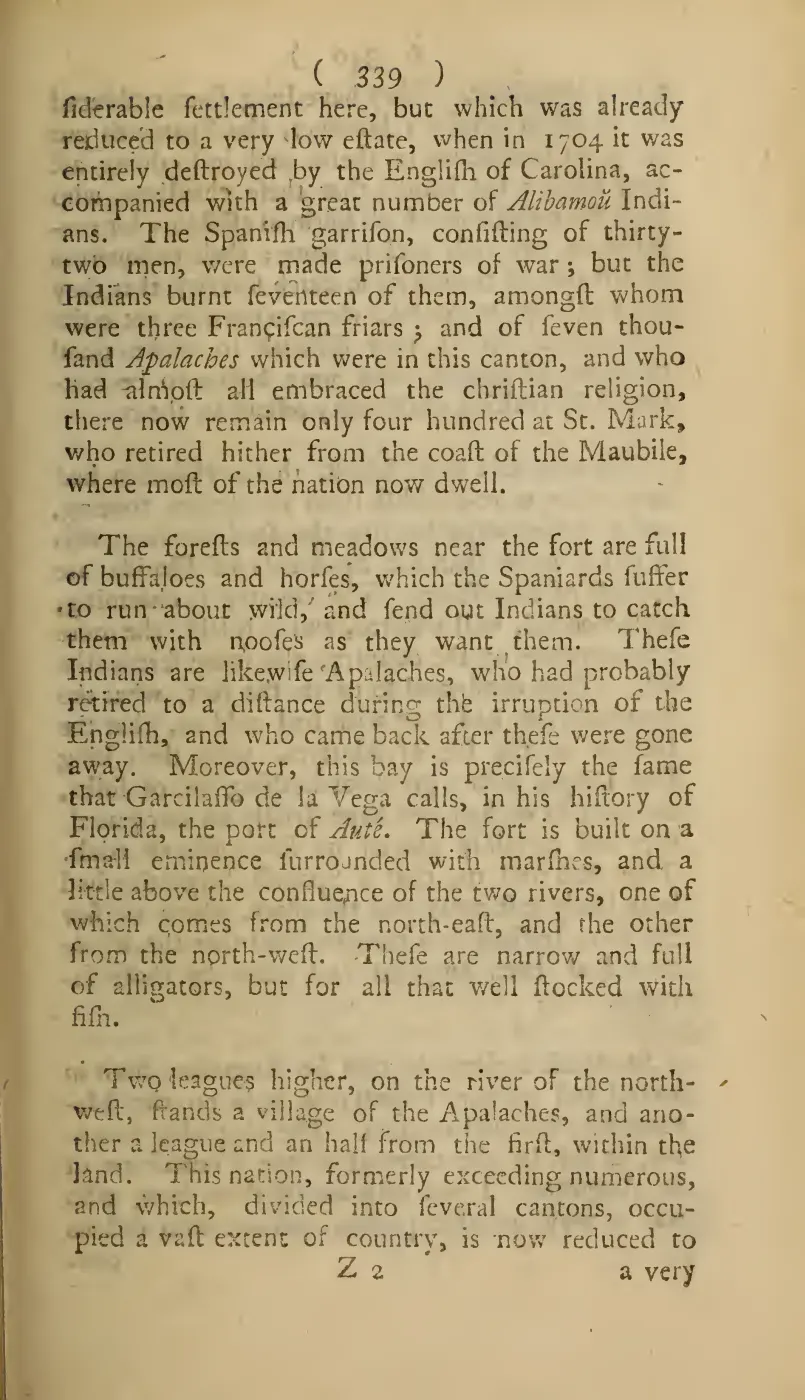
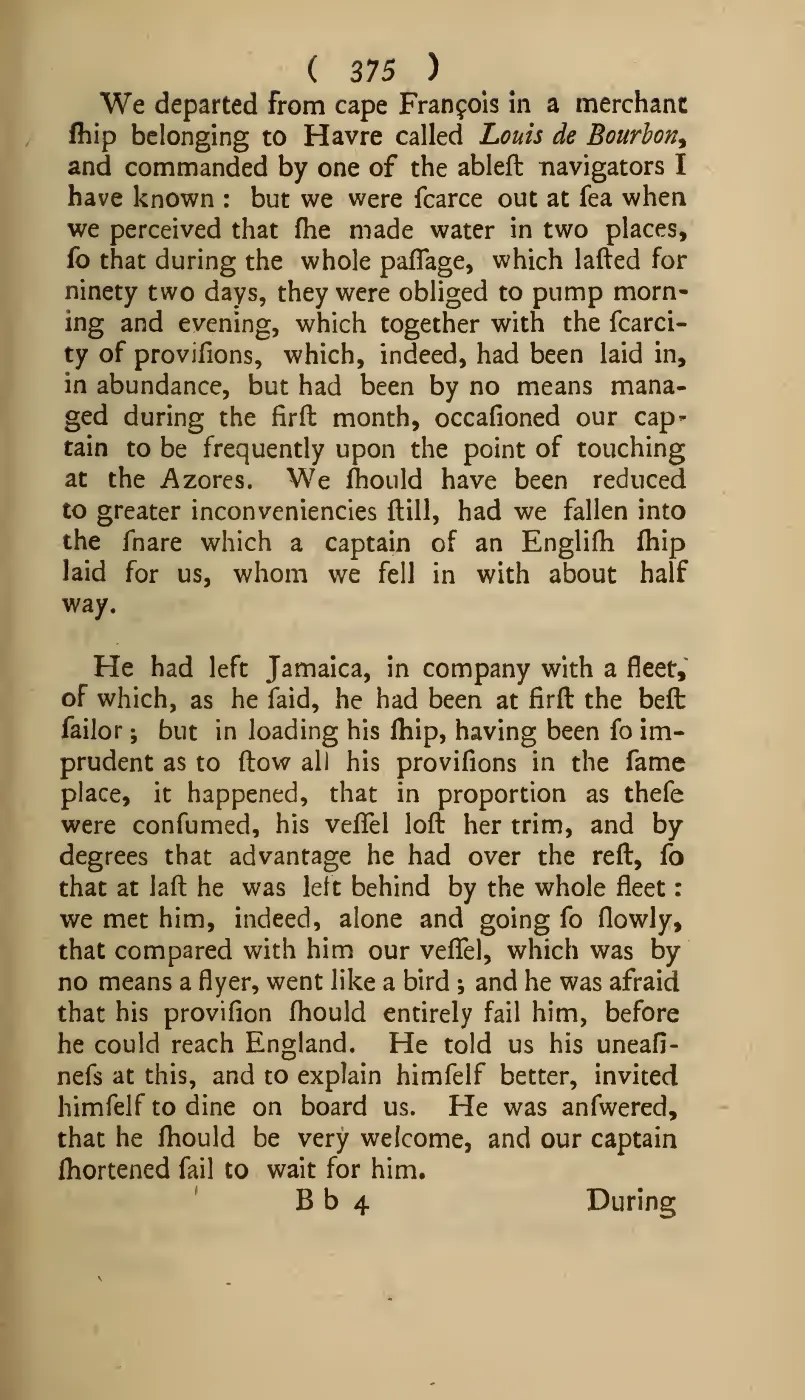
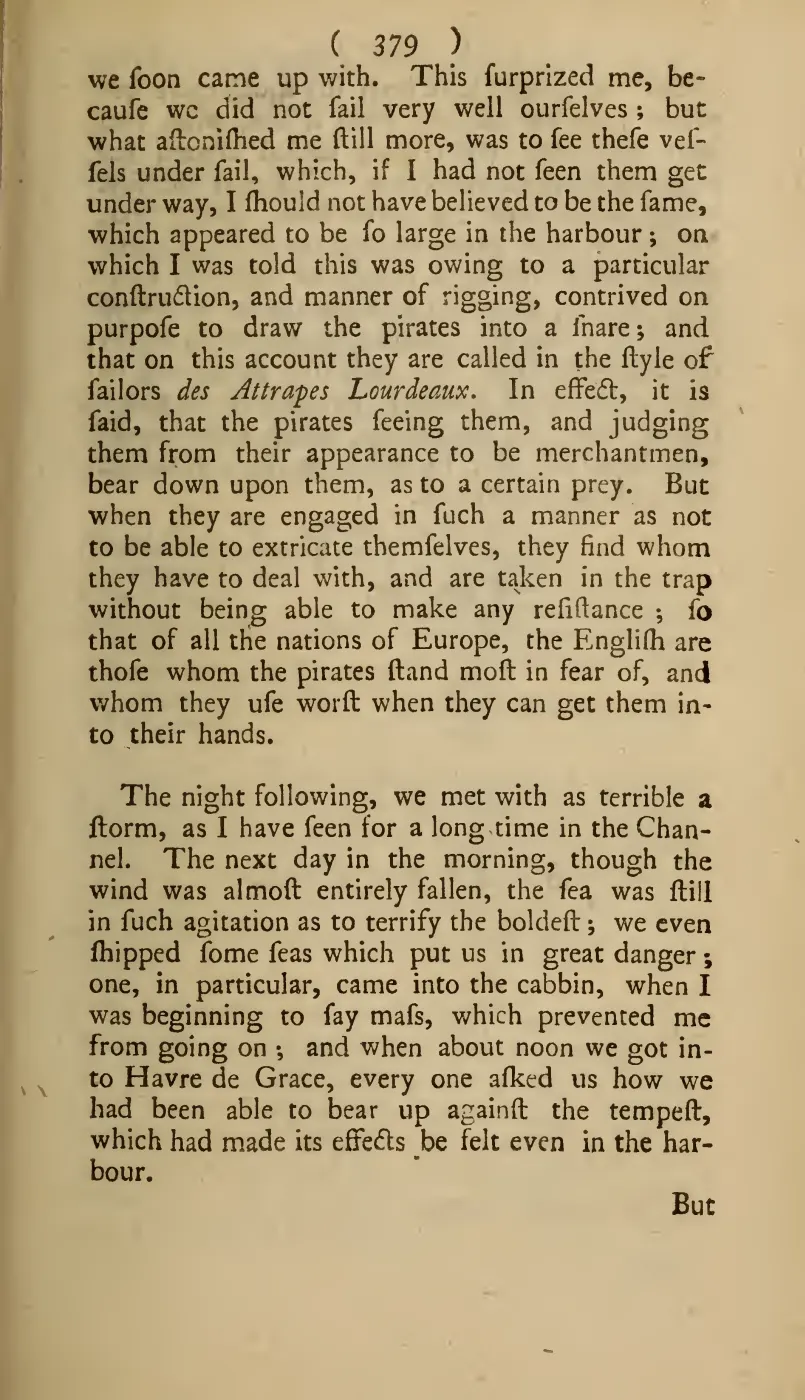
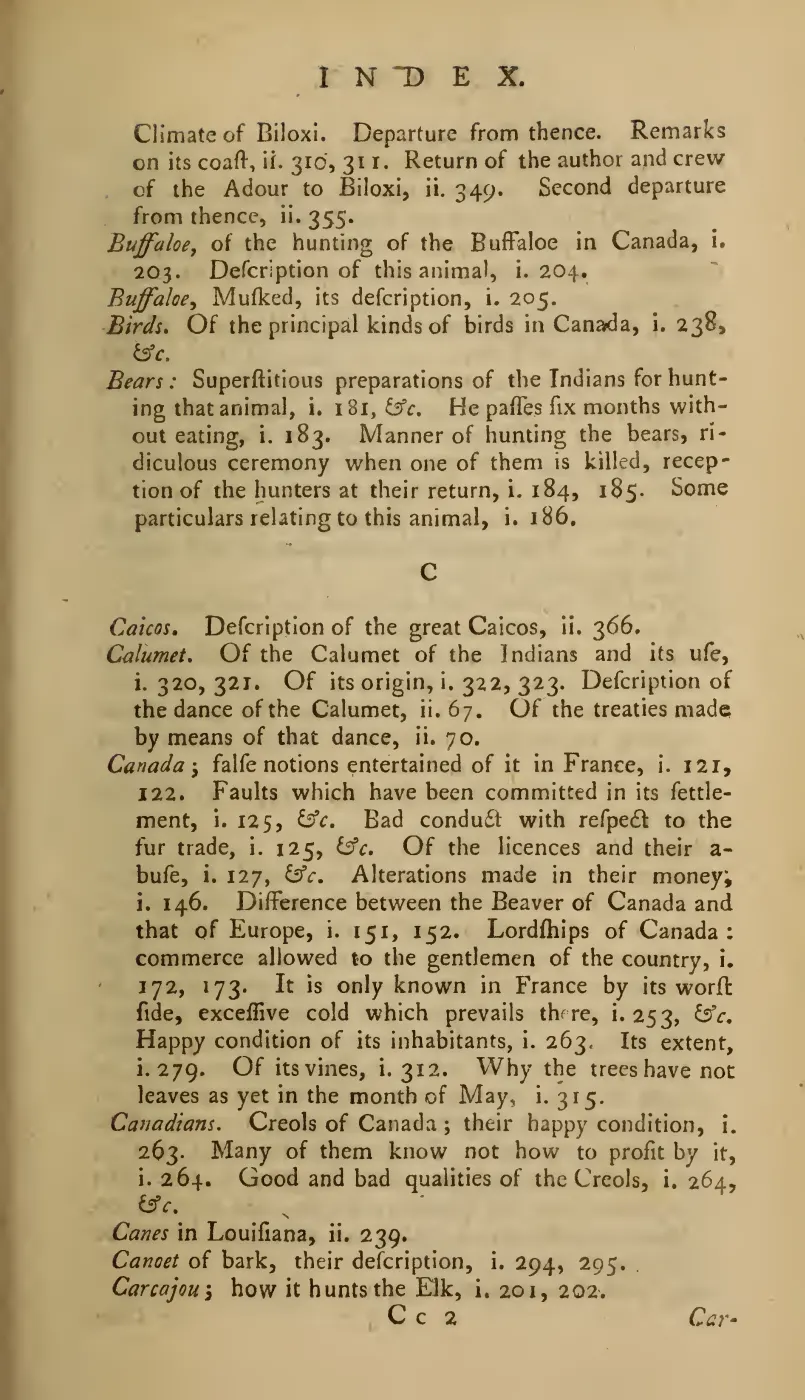





143 of 428 pages linked here — every page to 32, then every 4th, then the last 16. With JavaScript, every page.
Sources
- Held public-domain French scan. The relevant passages identify les Isles du Castor, describe Outaouais planting maize there, attribute a former dwelling to the Amikoués, and record the author's 1 August 1721 passage. The account is a colonial-era narrative, not a neutral ethnography, present-day linguistic authority, title record, or complete population history.
- OCR aid for locating the French passages. It preserves long-s typography and can contain recognition errors; claims and quoted wording require reference to the scan.
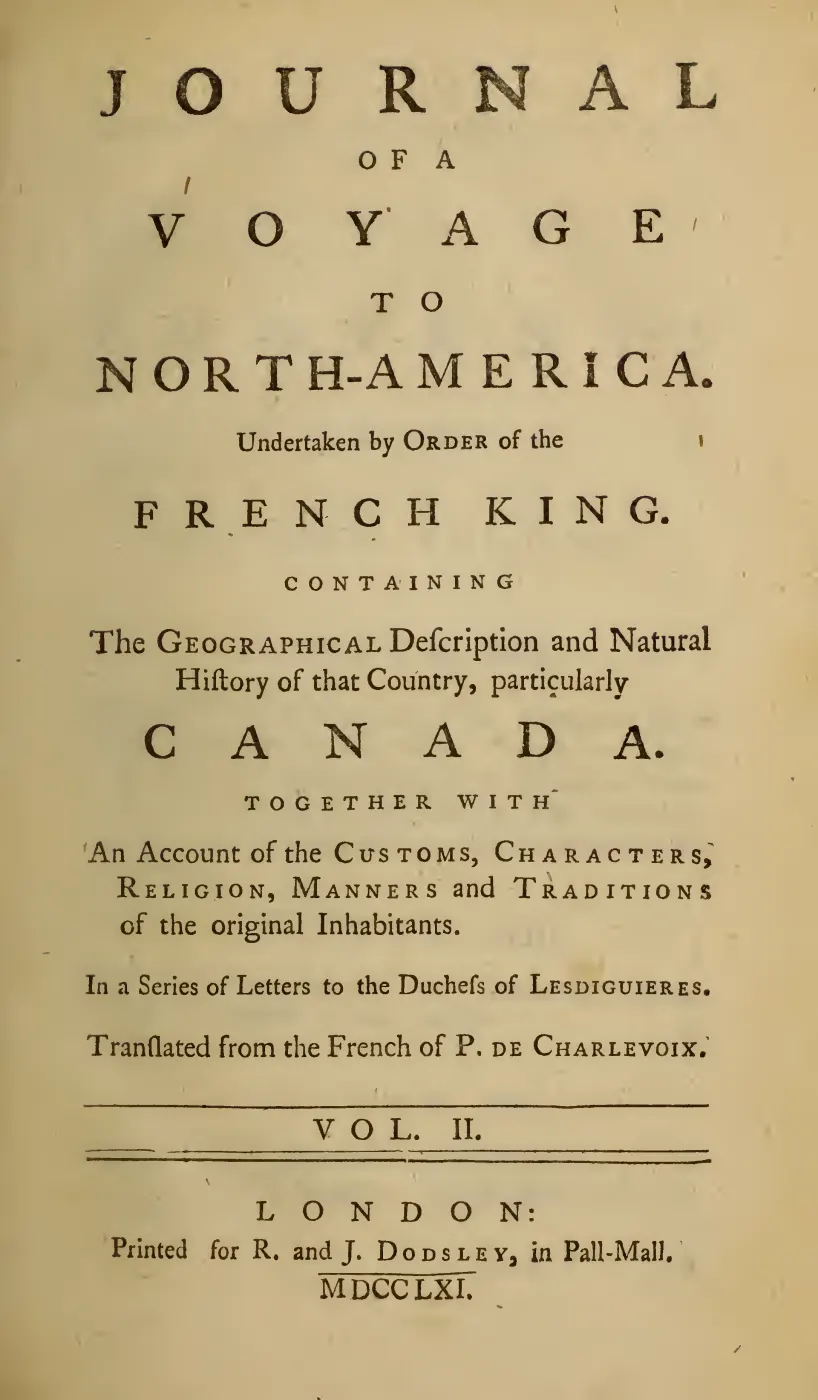
- Held English translation used only as a reading aid and to surface the translator's English forms, including Beaver Islands. The French 1744 edition remains the primary wording for the source record.
- Project provenance sidecars for the held 1744 French scan and 1761 English translation.The French sidecar records the Internet Archive source URL, 2026-07-31 retrieval timestamp, SHA-256 checksum, and 56,381,461-byte size; its note records the relevant printed pages. The translation has a separate held provenance sidecar. No public copy of this file is known; the archive holds one and can provide it on request.
Added 2 August 2026. Recent changes
Cite this article
Beaver Island Archive, “Charlevoix, Journal historique d’un voyage de l’Amérique, 1744”, https://beaverislandarchive.org/documents/charlevoix-journal-historique-1744/, accessed [date], citing Pierre-François-Xavier de Charlevoix, Histoire et description générale de la Nouvelle France, tome III, Journal historique (Paris, 1744), pp. 279–283 and 313. (and 3 further sources listed on the page).
Last revised 2026-08-02. Fill in [date] with the date you read it — this page is static and cannot know that.
BibTeX for “Charlevoix, Journal historique d’un voyage de l’Amérique, 1744”RIS for “Charlevoix, Journal historique d’un voyage de l’Amérique, 1744”