- Date
- 1911
- Eras
- Strang era
- Concepts
- historiographygovernancemormonism
Summary
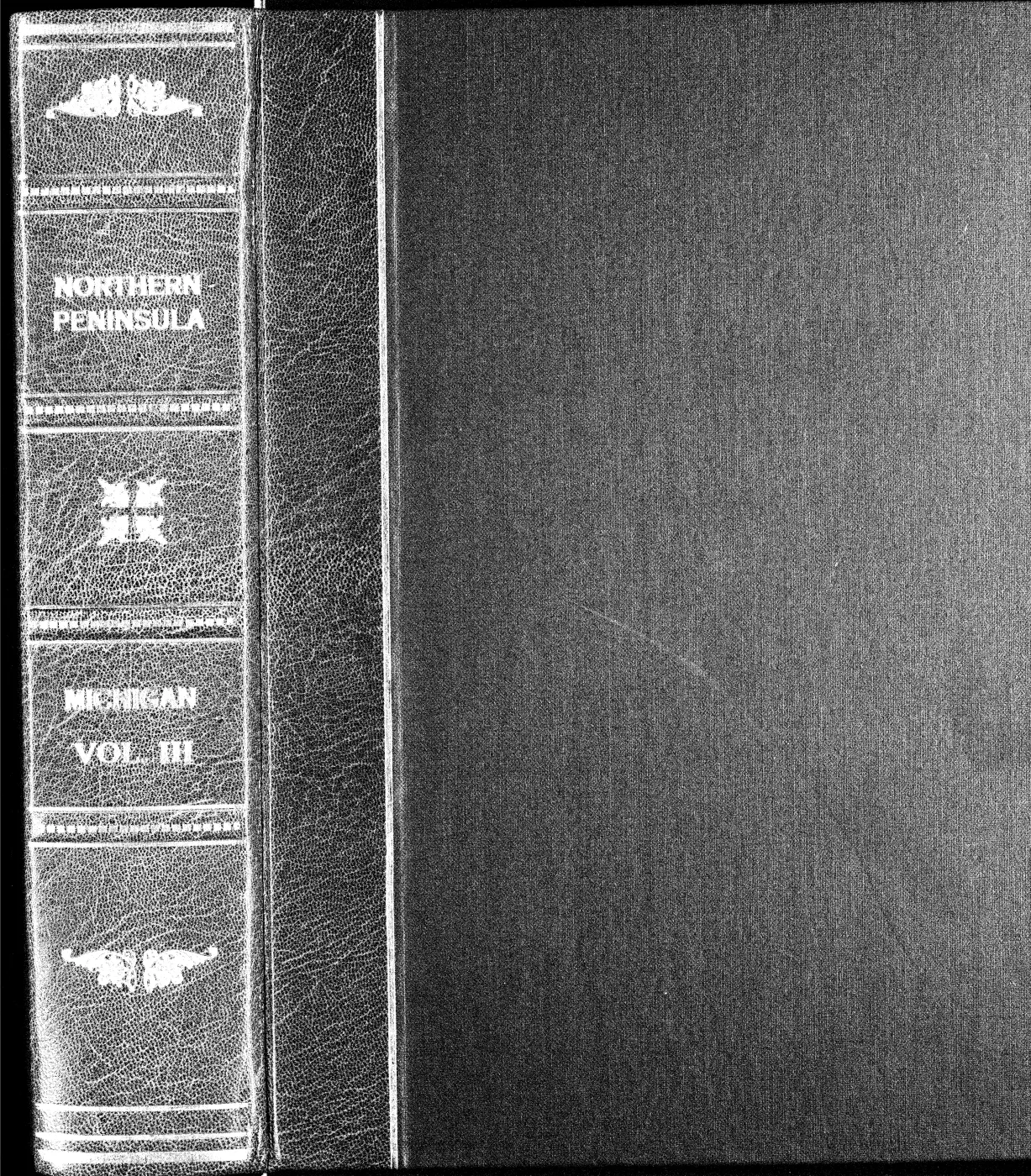
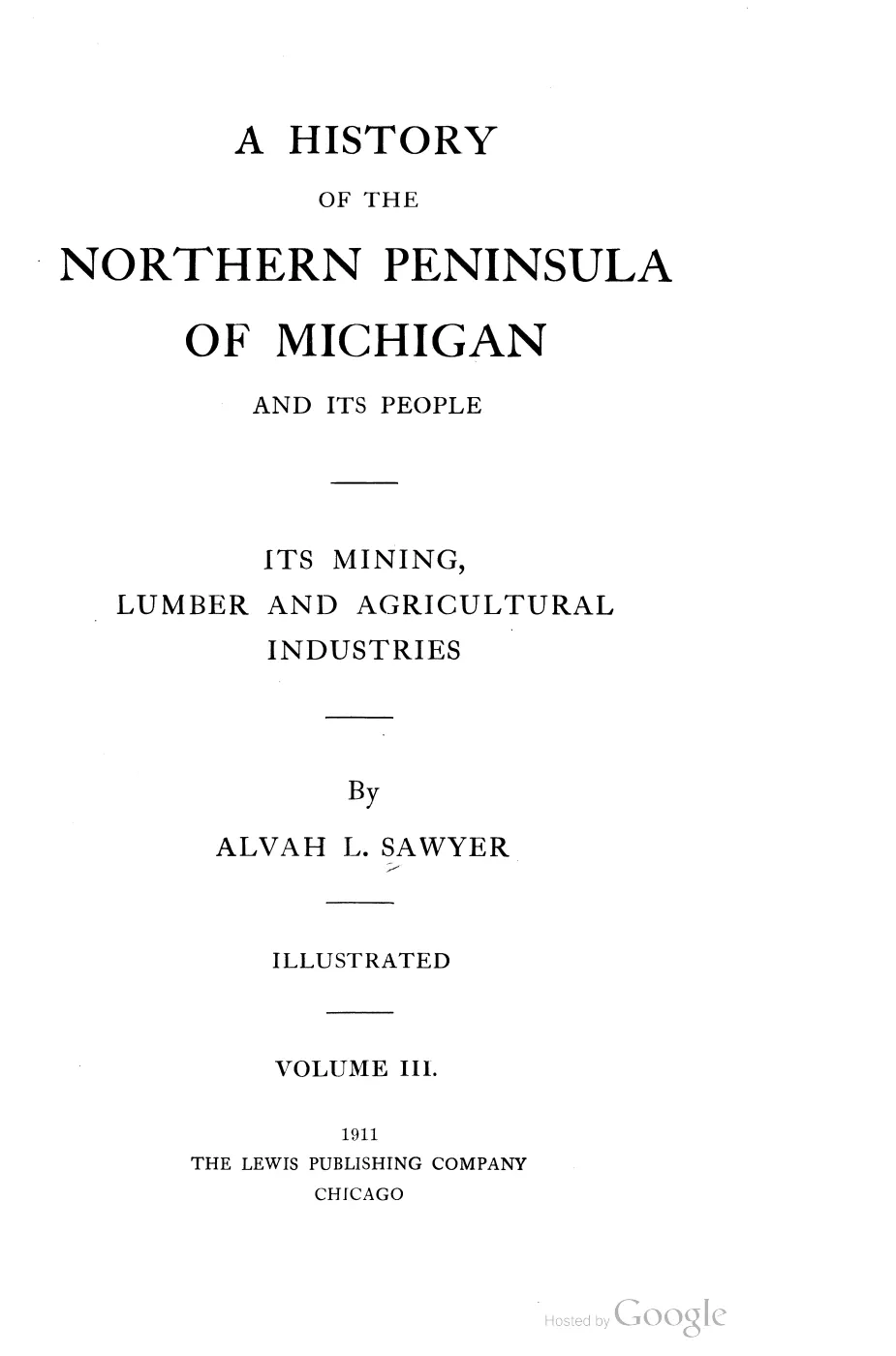
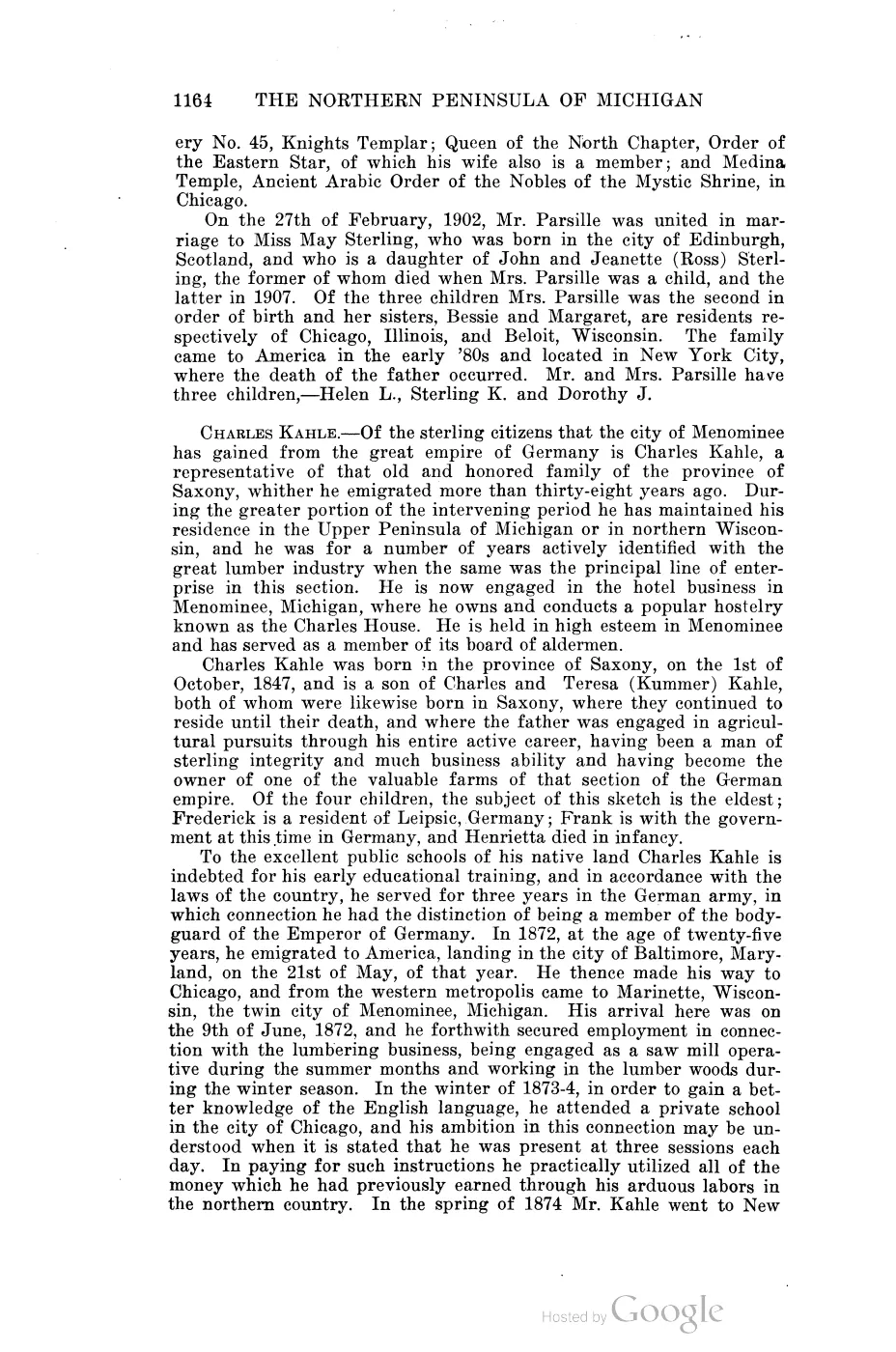
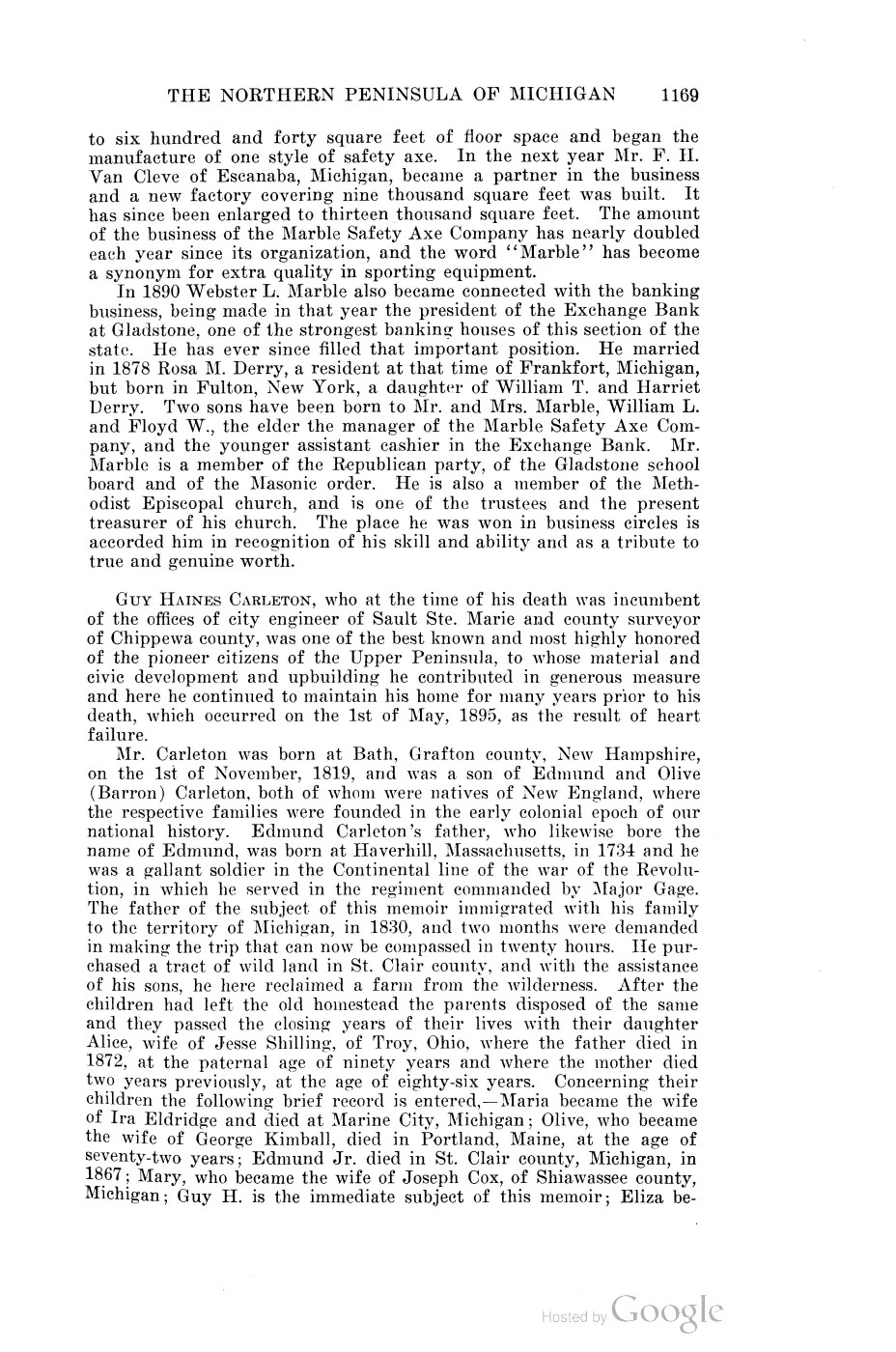
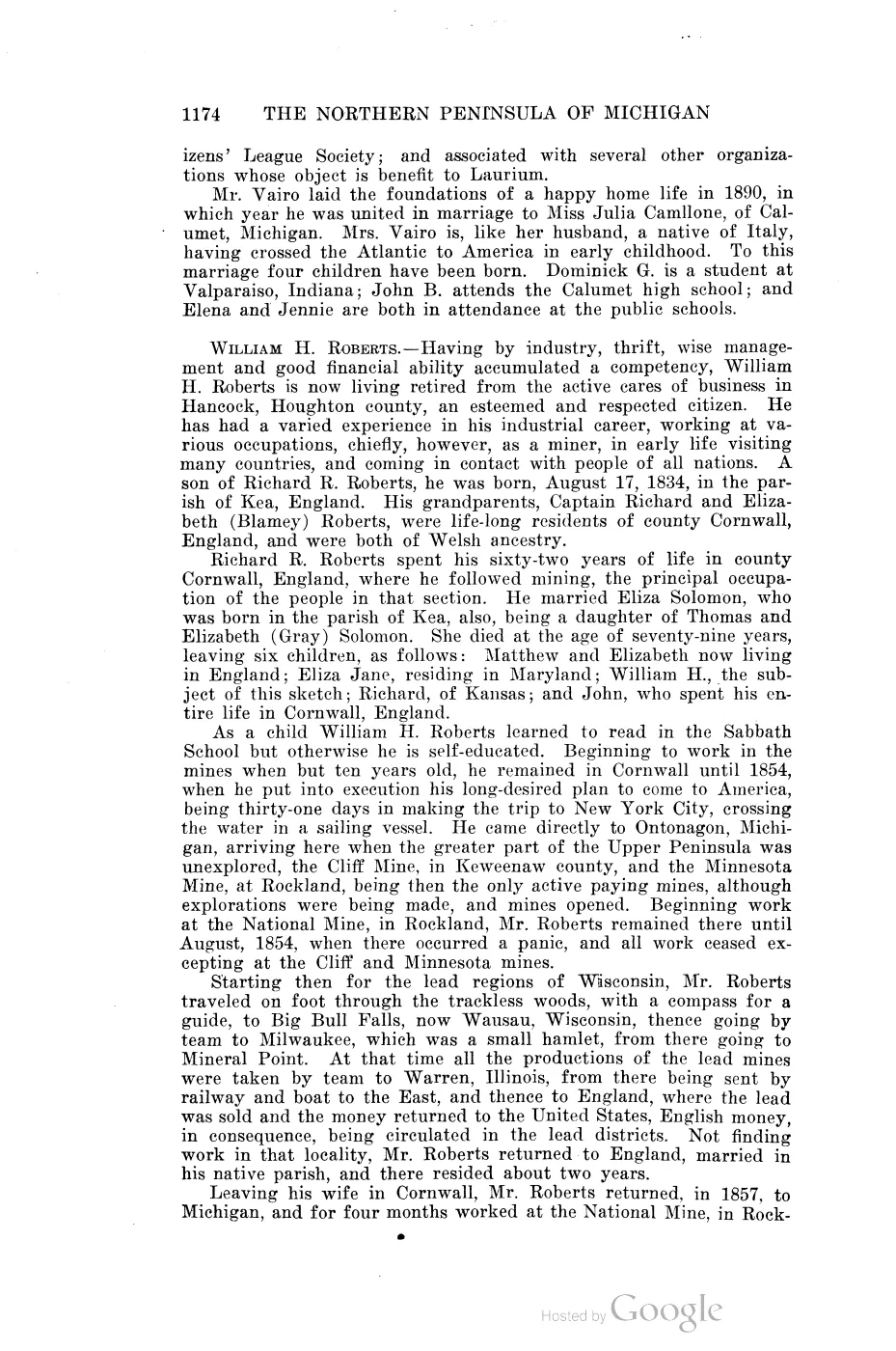
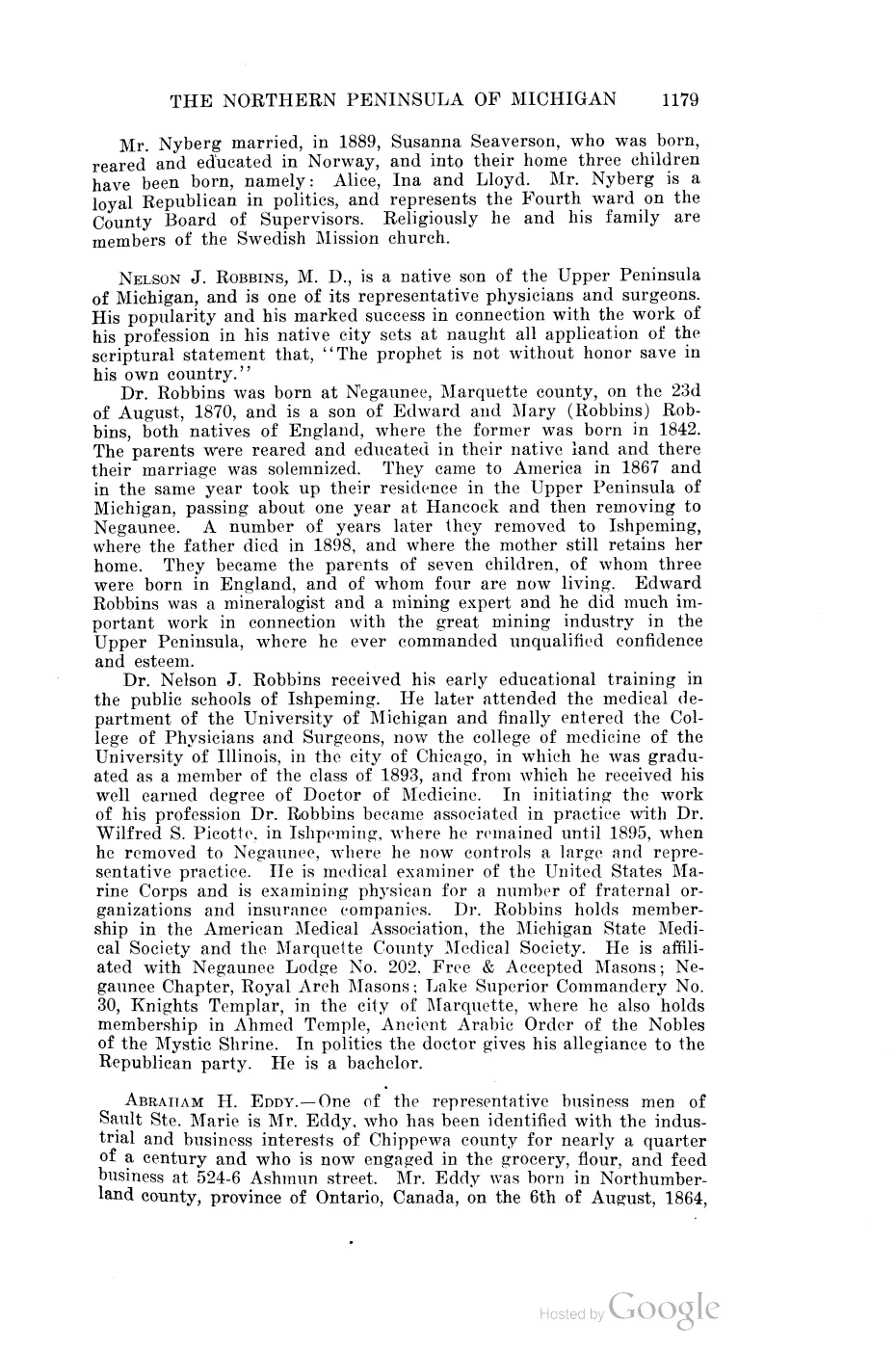
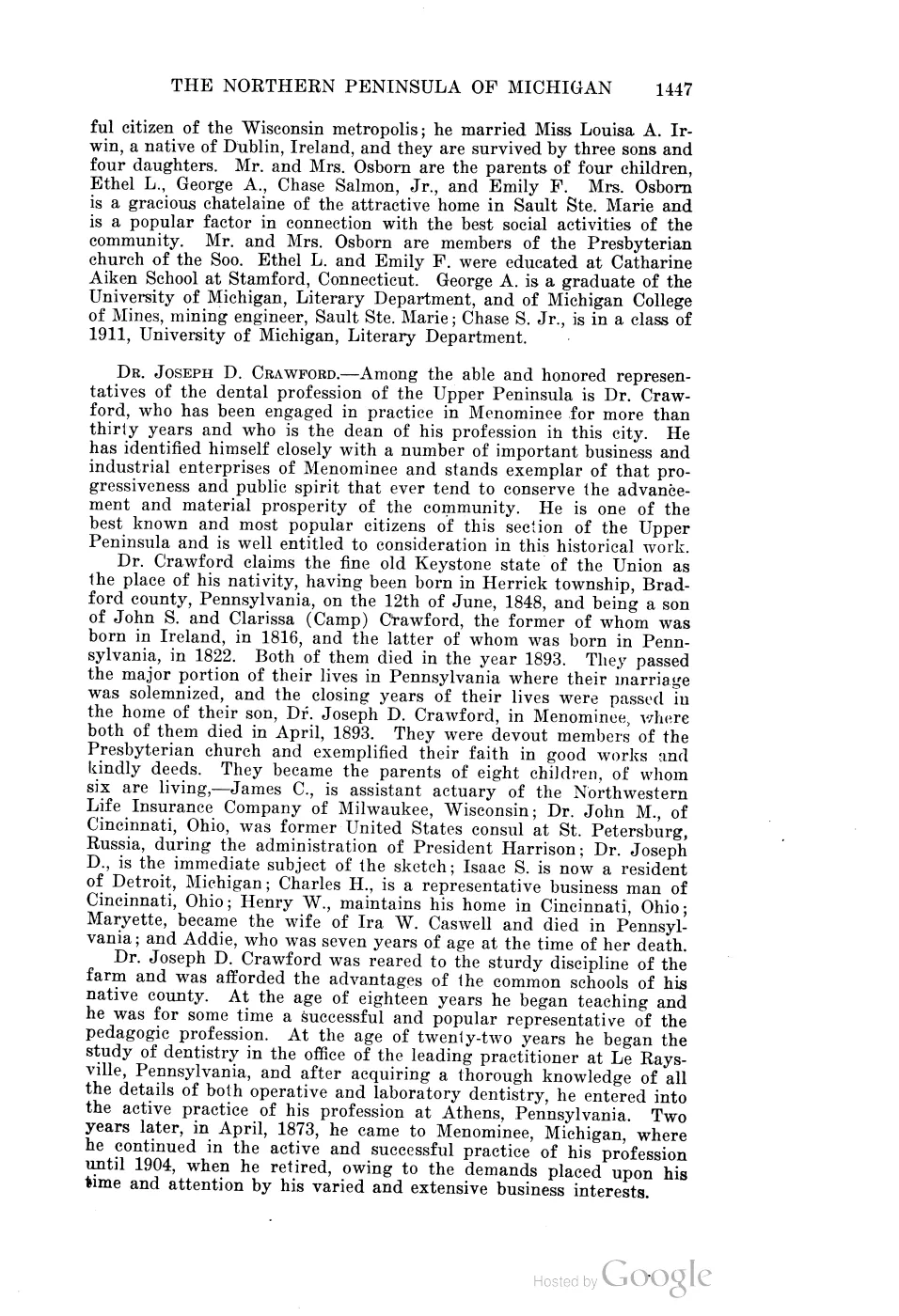
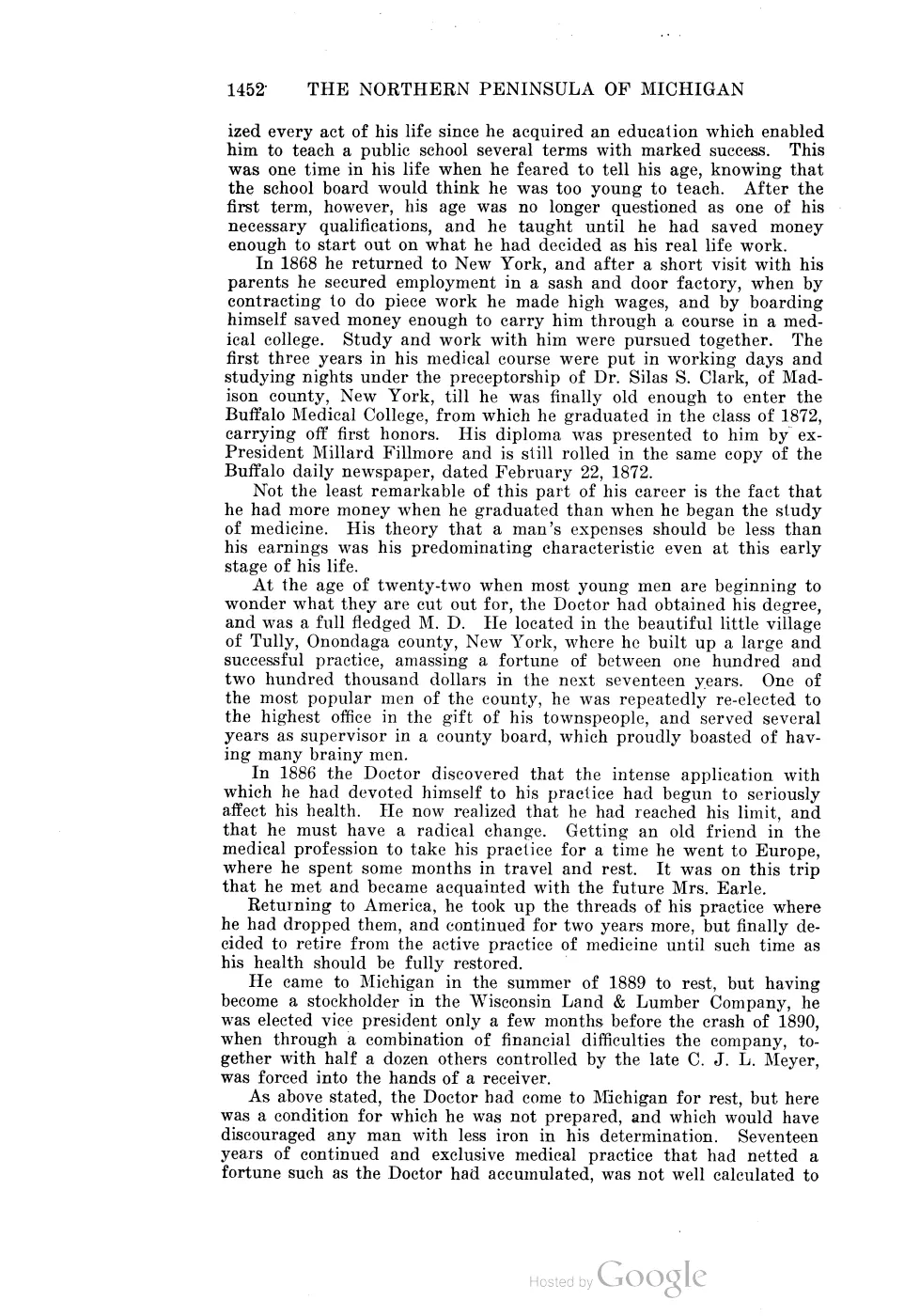
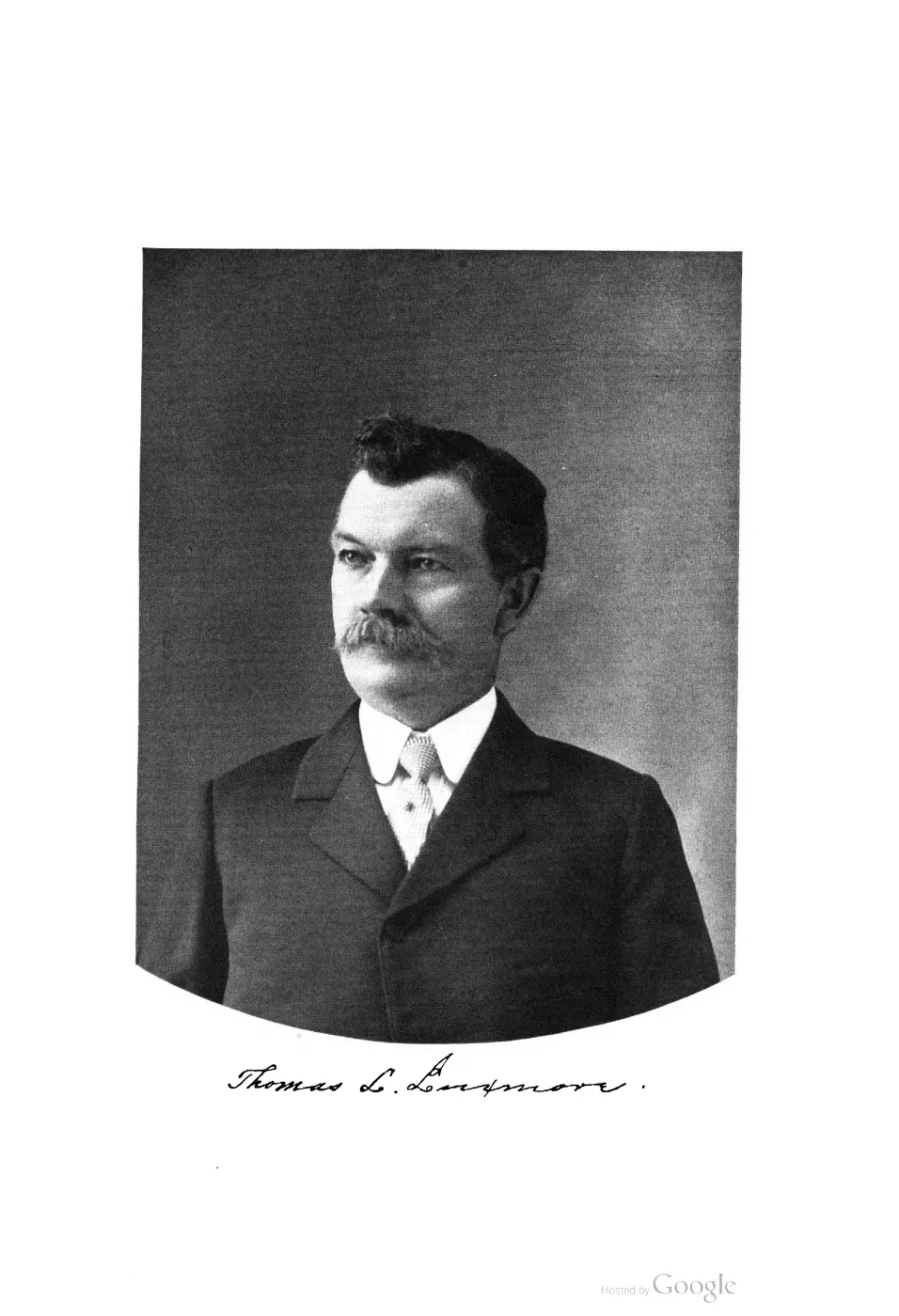
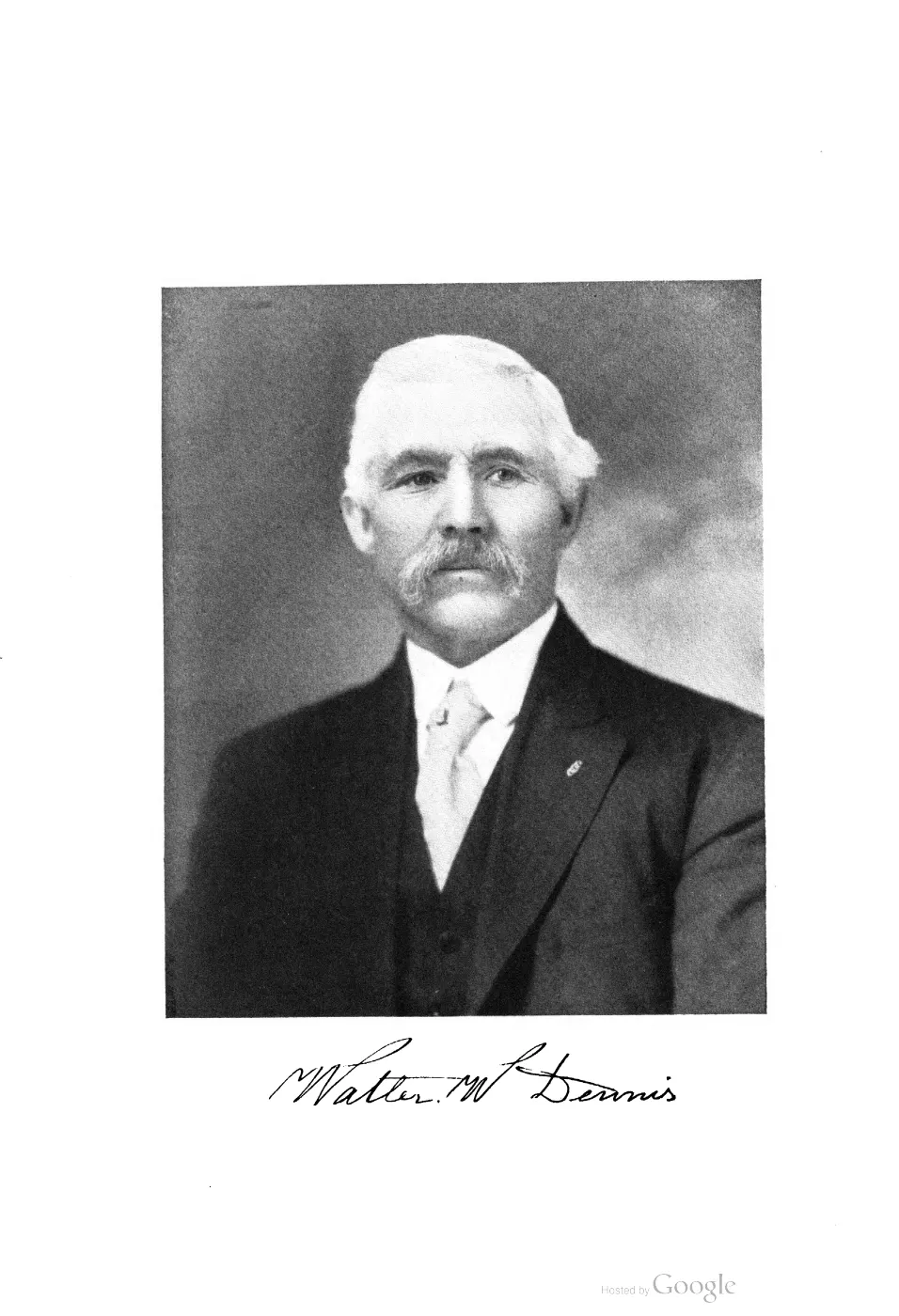
A History of the Northern Peninsula of Michigan and Its People is a three-volume 1911 county-history / biographical compendium of the sort commonly called a “mug book” – a subscription publication combining regional narrative with paid biographical sketches of local notables, based on their own or their families’ recollections. The volume held here is Volume III, a continuously-paginated biographical section (its printed page numbers run in the 1000s, continuing the numbering from Volumes I-II rather than restarting). Its value is independent corroboration, from outside the Mormon-studies literature and roughly fifty-five years after the events, of specific incidents from the final years of the Kingdom of Saint James.
What it corroborates
Three biographical sketches, each of a Mackinac-area public official or resident, independently touch Beaver Island events also documented in the Strang literature:
- Claud C. Cable (b. Beaver Island, 24 February 1849), proprietor of the Lake View Hotel on Mackinac Island, whose sketch states that his father’s family “was the last to serve as headquarters on the place” before being driven off in 1853, “together [with] a few other white settlers[,] by the Mormons, who were attempting to establish” their own hold on the island – an outside account of the same 1853 conflict Strang’s own Ancient and Modern Michilimackinac, 1854 describes from the opposite side.1
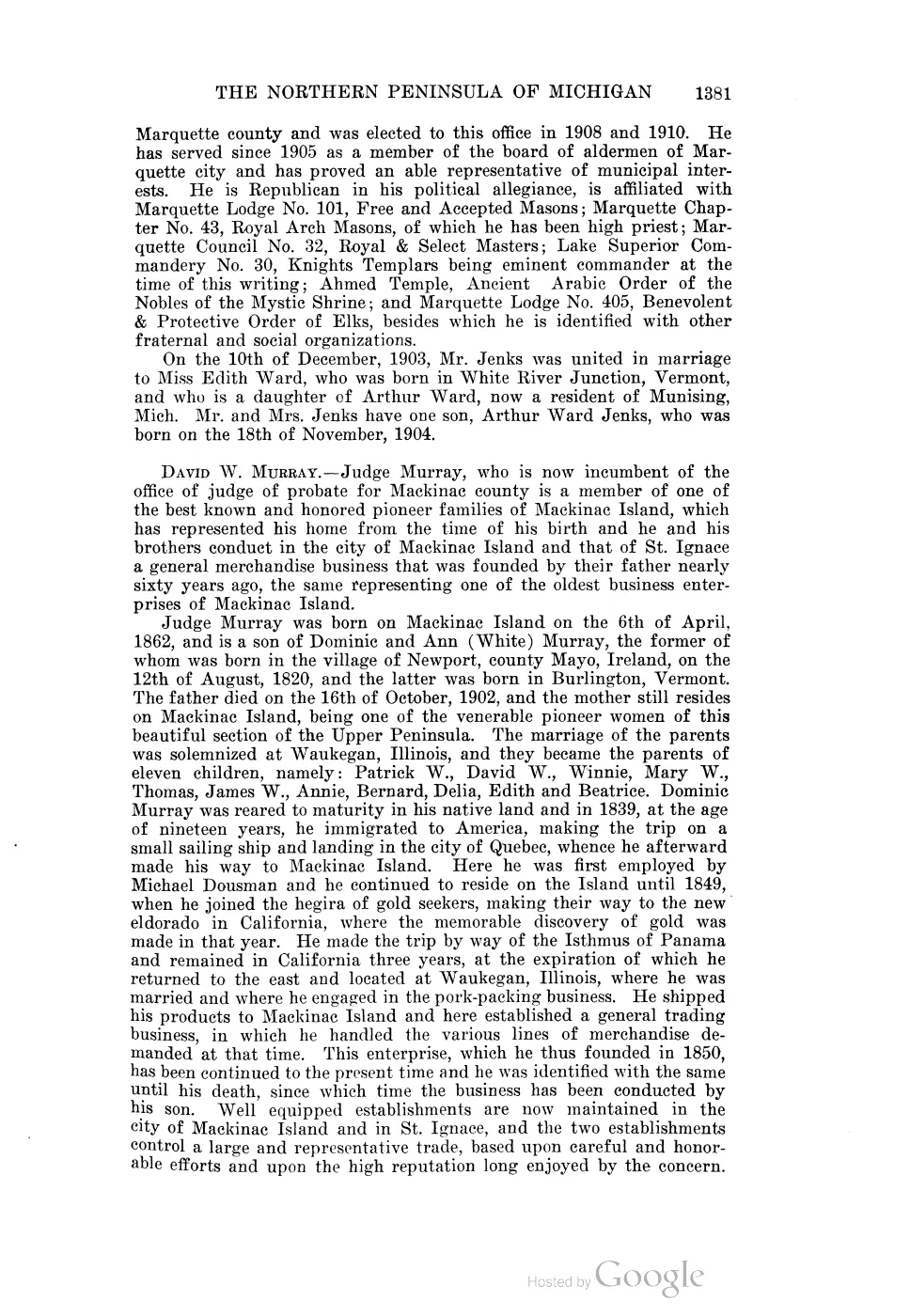
- David W. Murray, describing his father Dominic Murray’s long tenure as sheriff of Mackinac County: “at the time when King J. J. Strang of the Mormon settlement was killed by [Thomas] Betford, Sheriff Murray arrested the latter and in fact saved him from the vengeance of the Mormon leaders, this event having occurred in 1856” – an independent county-government account of the same custody episode examined in detail in Assassination of James Strang (there naming the sheriff “Granger,” at Mackinac, holding the assassins “about five minutes”; this source’s “Betford” is presumably the same Thomas Bedford named there).2
- Charles M. and Tully O’Malley, uncles of a Chambers family profiled elsewhere in the volume: Tully O’Malley “served as sheriff of Mackinac county… at the time when the Mormons established themselves on Beaver Island. In his official capacity he arrested a number of the Mormons for robbing vessels at… Beaver harbor, taking a detail of U.S. troops then stationed at Fort Mackinac for the purpose of making the arrests.”3
A significant caution: word-order scrambling
The OCR text layer of this PDF has severe, systematic word-order scrambling within lines and across line-wraps – not simple character-level noise, but whole words and phrases transposed out of reading order, apparently from how the underlying scanner or OCR engine handled this volume’s two-column layout. For example, the Cable sketch’s OCR reads (line breaks as extracted):
“of one of the sterling pioneer families of northern Michigan, and[a]now portion of in this C. Cable, son proprietor viding of the Lake View Hotel, for the accommodations on tourists of the popular hostelries Island Mackinac pro- during the summer season.”4
The underlying sentence is recoverable by a human reader with effort, but the text is not reliably machine-searchable or quotable as-is: exact-phrase search will miss real content, and any string extracted automatically risks stitching together words from different parts of the original sentence. Any quotation from this source must be verified against the page image, not taken from the OCR text alone – the quotations above were manually reconstructed and checked against surrounding context for this reason.
Significance
As a “mug book,” this is not narrative history – its biographical entries were typically paid for and written from family recollection, decades after the fact, and its coverage of Beaver Island events is incidental to its real purpose (profiling upper-peninsula notables). But precisely because its authors and subjects had no stake in the Strang controversy itself, its casual, matter-of-fact corroboration of the 1853 eviction, the 1856 arrest of Strang’s assassin, and the use of federal troops from Fort Mackinac against Mormon vessel-robbers is valuable: it confirms these episodes were remembered as ordinary regional history by Mackinac County officialdom, independent of both the Strangite and gentile-Beaver- Island literatures.
Open questions
- The page numbers established here (1363, 1382, 1434-1435, read directly from this volume’s own printed running heads) should be treated as authoritative for this copy; any other citation of these events from this book using different page numbers should be re-verified against the volume before use, since the three-volume set’s continuous pagination is easy to miscite.
- “Betford,” the name given for Strang’s assassin in the Murray sketch, is not cross-checked here letter-for-letter against Bedford’s name in other sources – treated as the same person given the identical circumstances described, but the OCR quality of this volume (see above) means the spelling itself is not fully reliable.
- Volumes I and II of this set (the narrative rather than biographical portions) are not held here and have not been checked for further Beaver Island content.
See also
Sources
Footnotes
-
“Claud C. Cable,” A History of the Northern Peninsula of Michigan and Its People, Vol. III (1911), p. 1363,
data/local_documents/1911_sawyer-history-northern-peninsula-michigan-v3.pdf(text extracted viapdftotext -layout). ↩ -
“David W. Murray,” same volume, p. 1382. ↩
-
Entry on the Chambers family and the O’Malley brothers, same volume, pp. 1434-1435. ↩
-
Ibid., raw OCR/extracted line order, same page, illustrating the word-order scrambling described above. ↩
Read the document
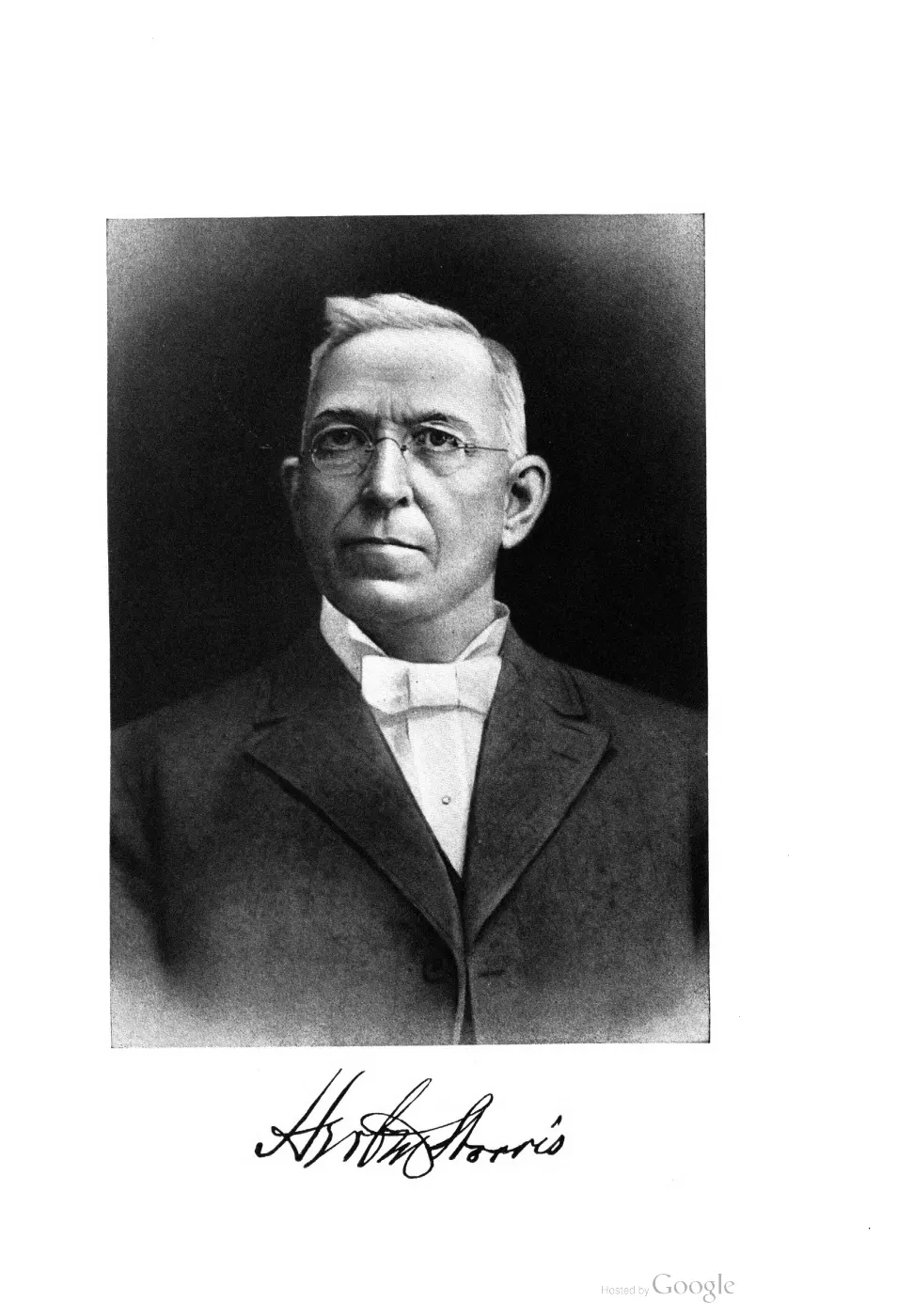
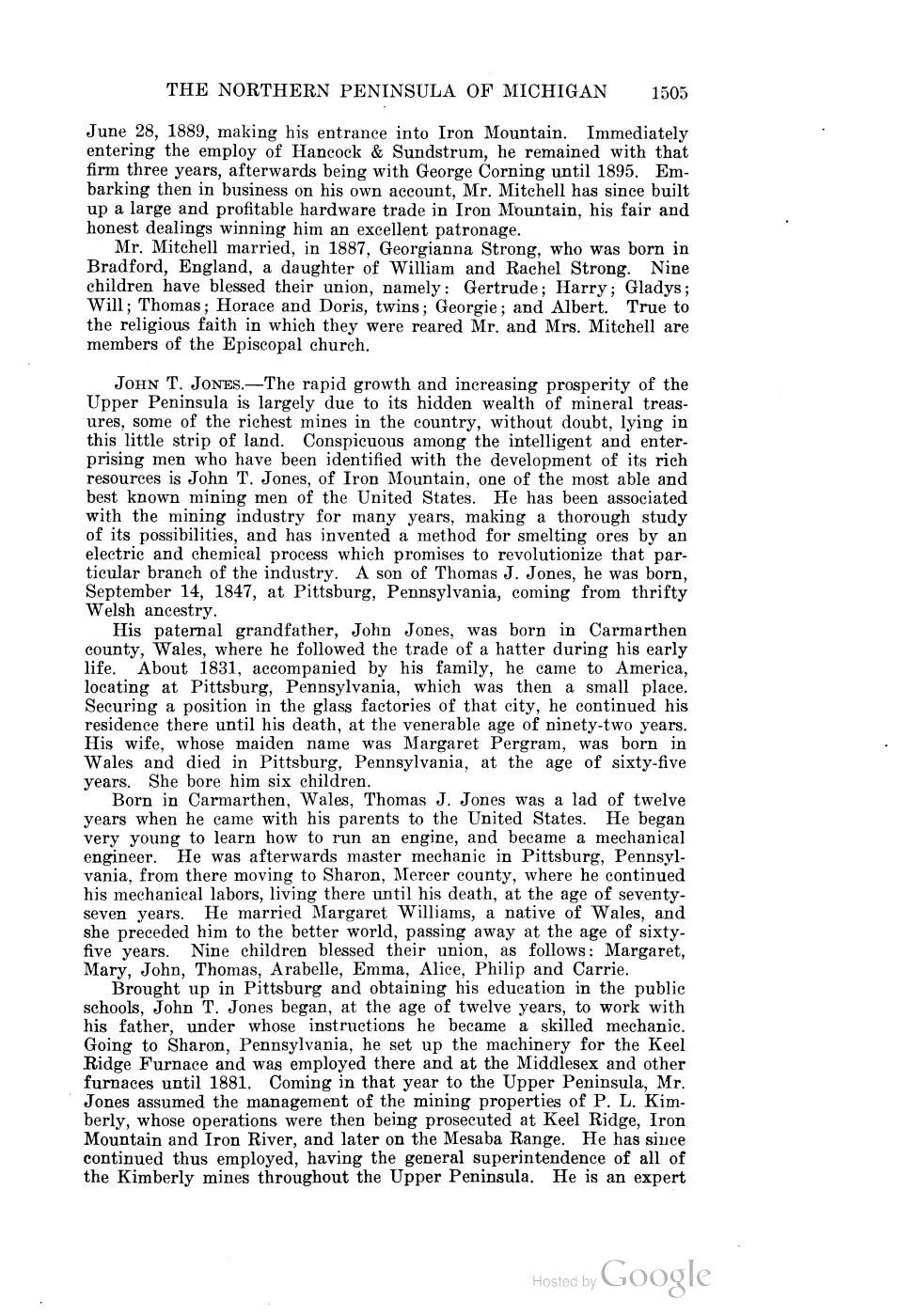
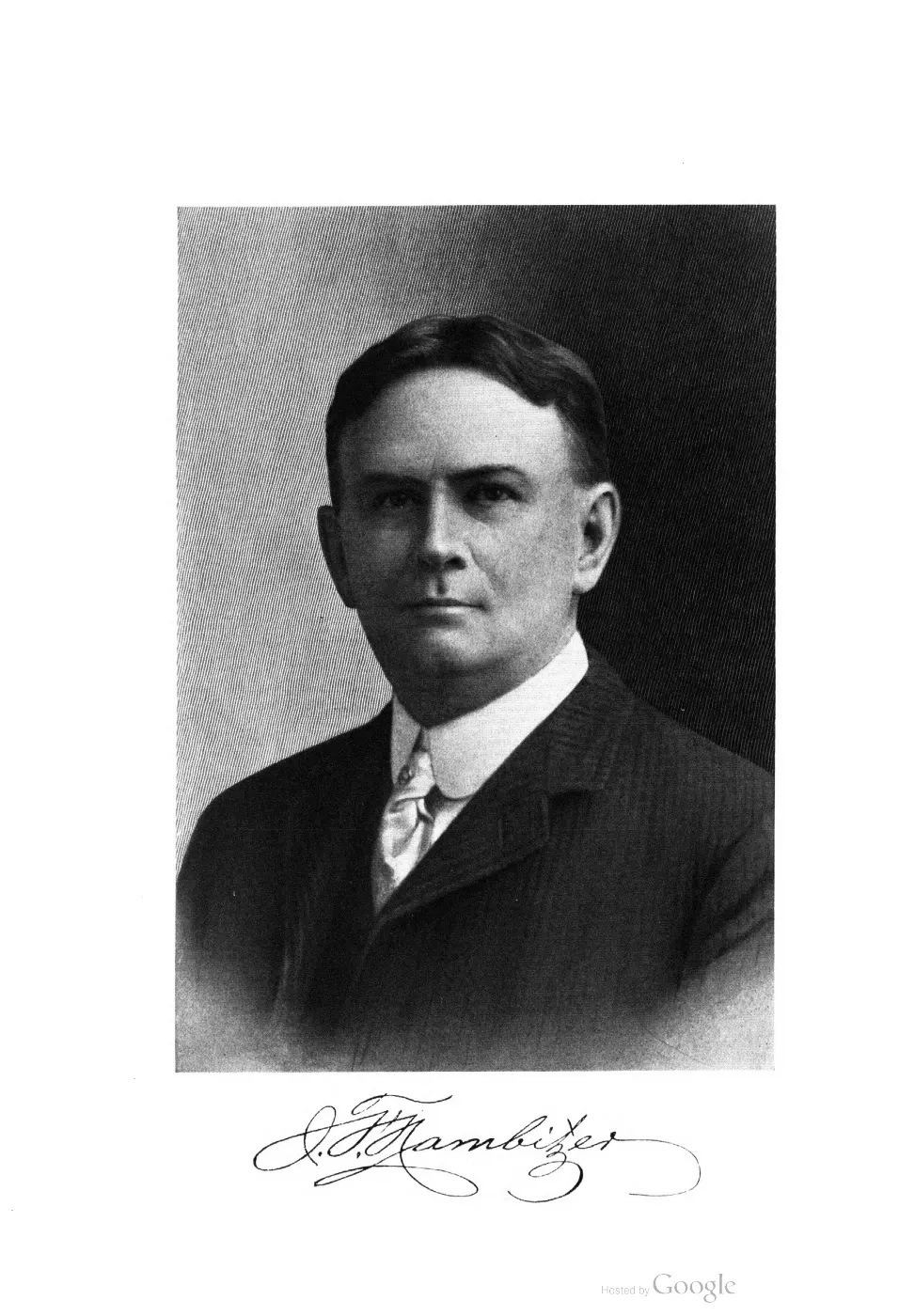
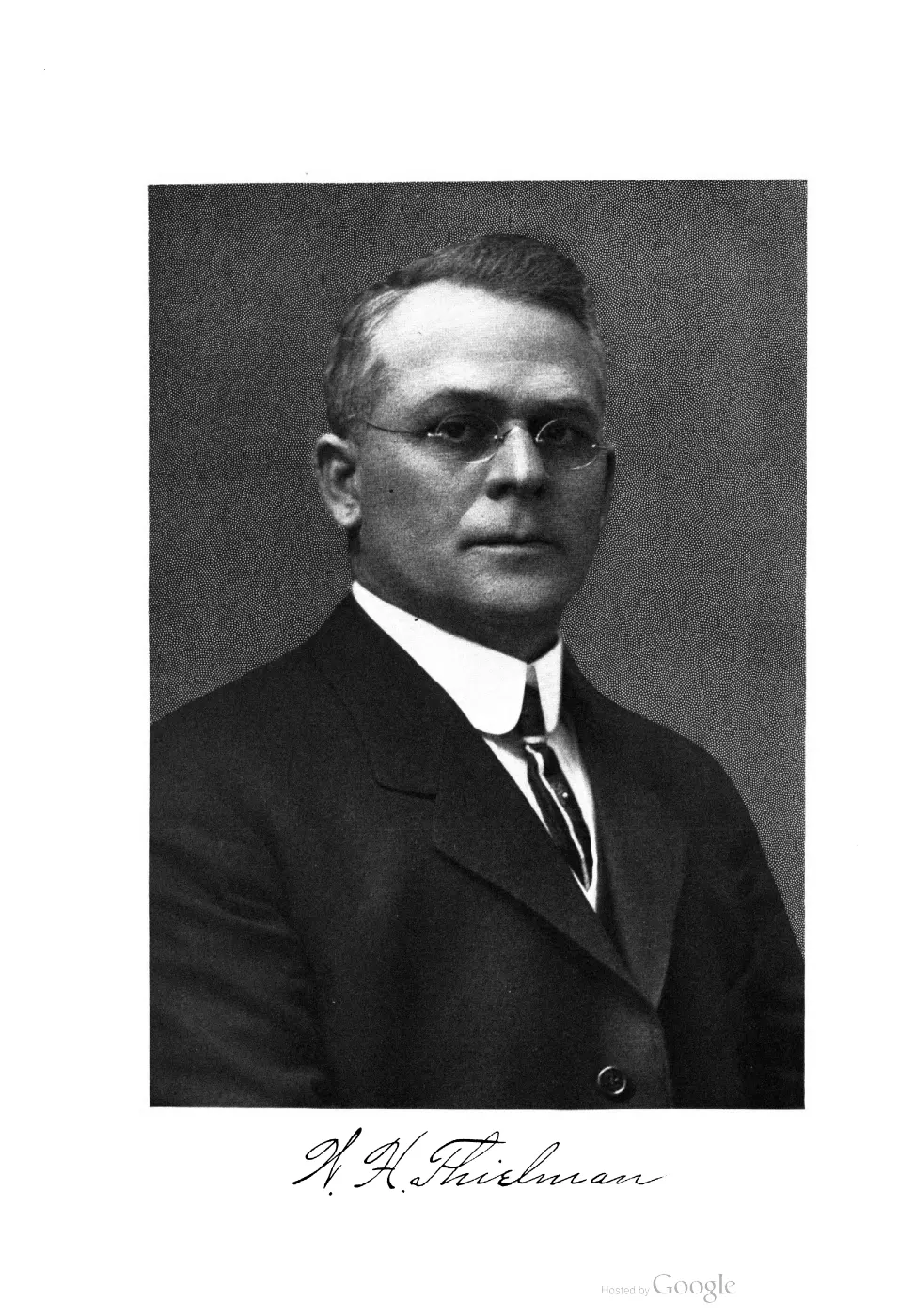
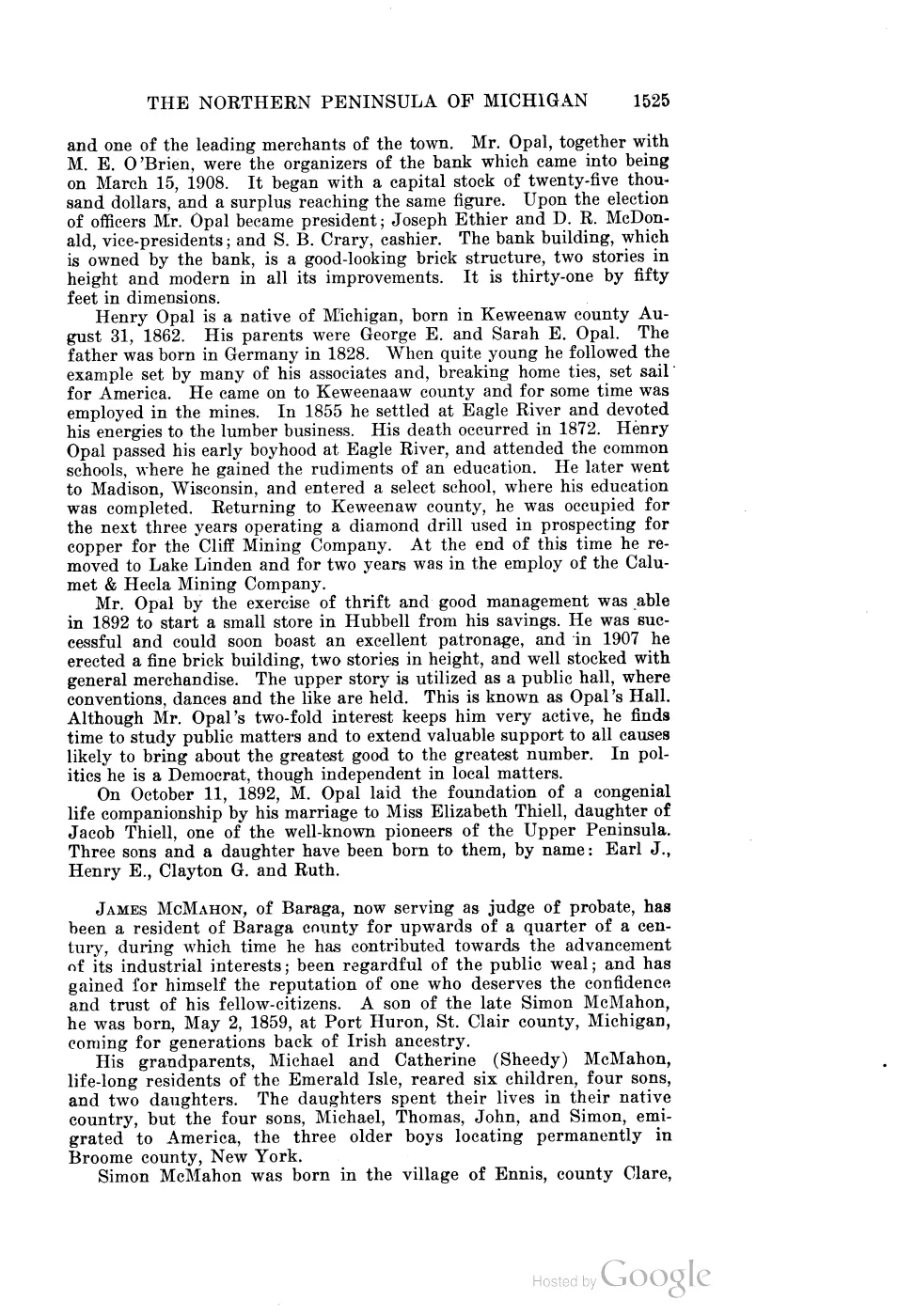
711 pages, rendered from the held scan.

Jump to a page — 711 in all







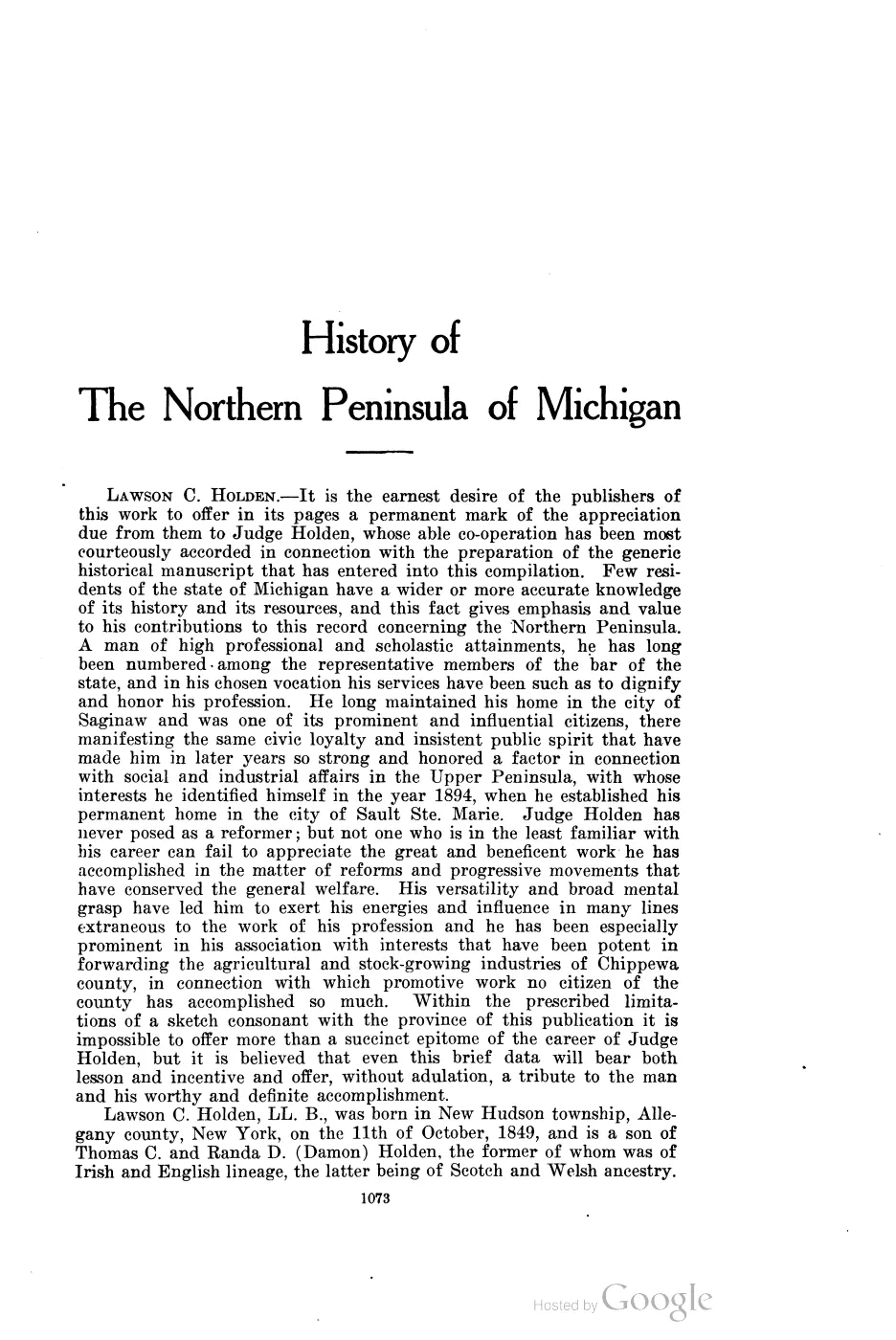
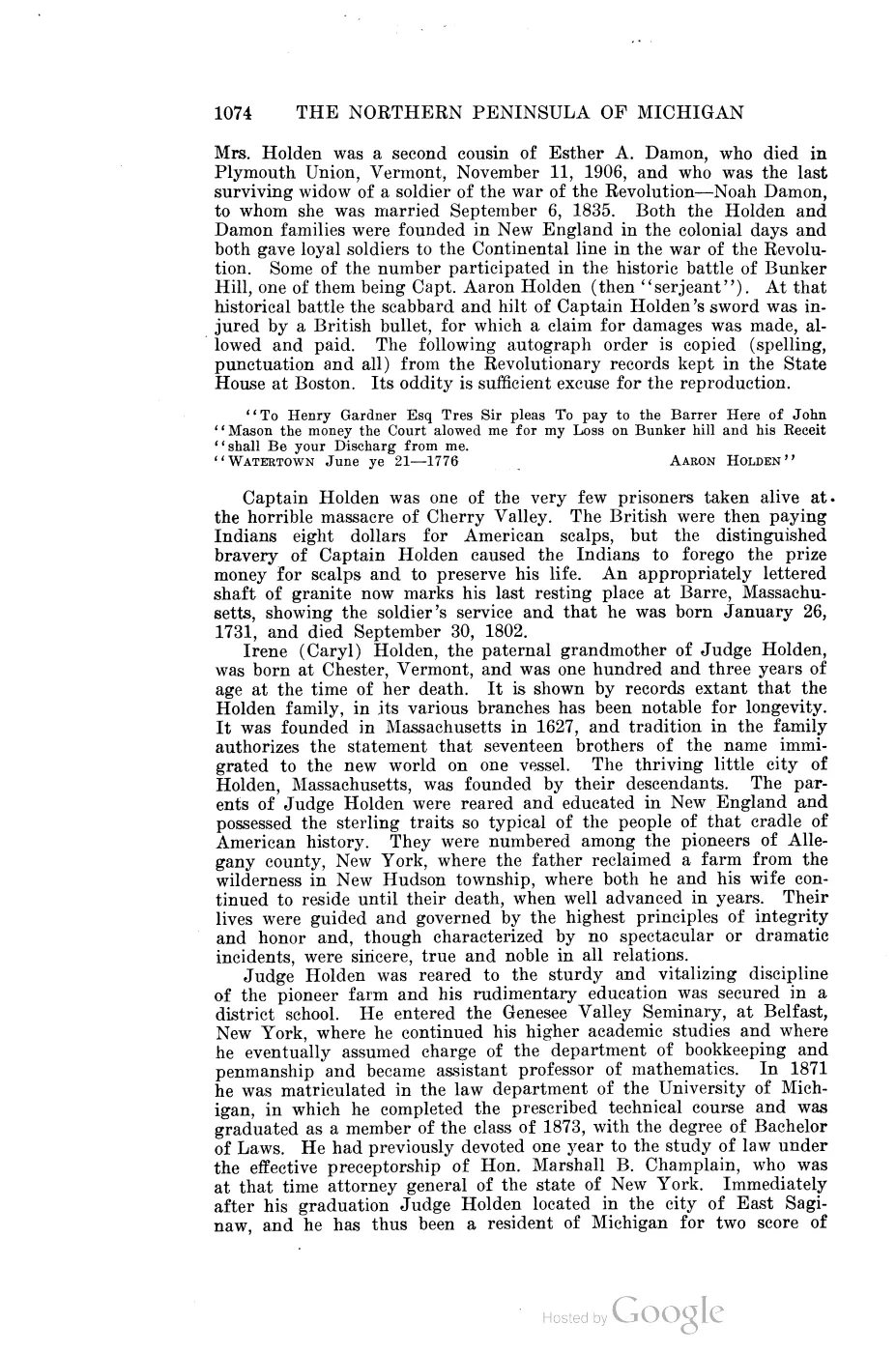
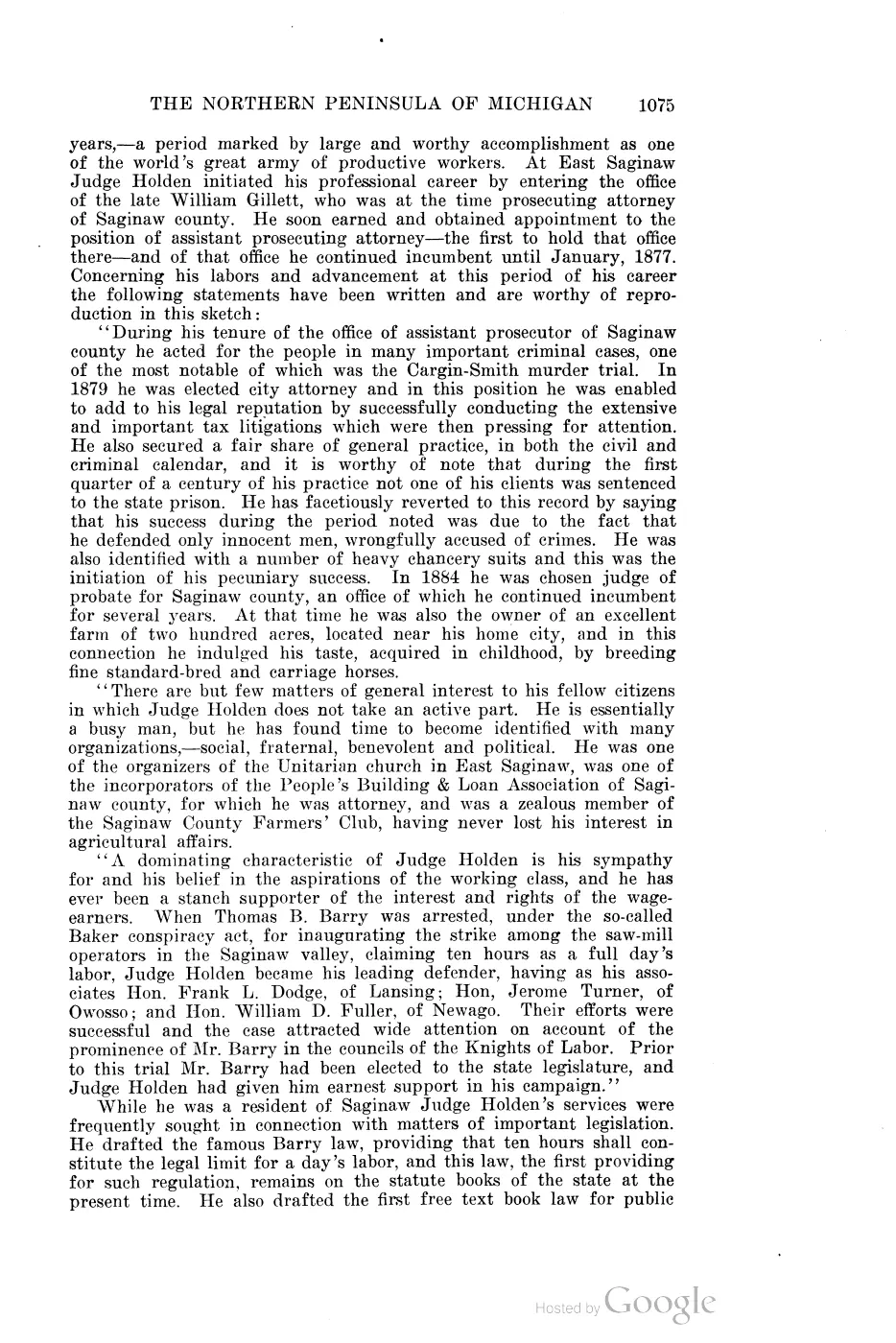










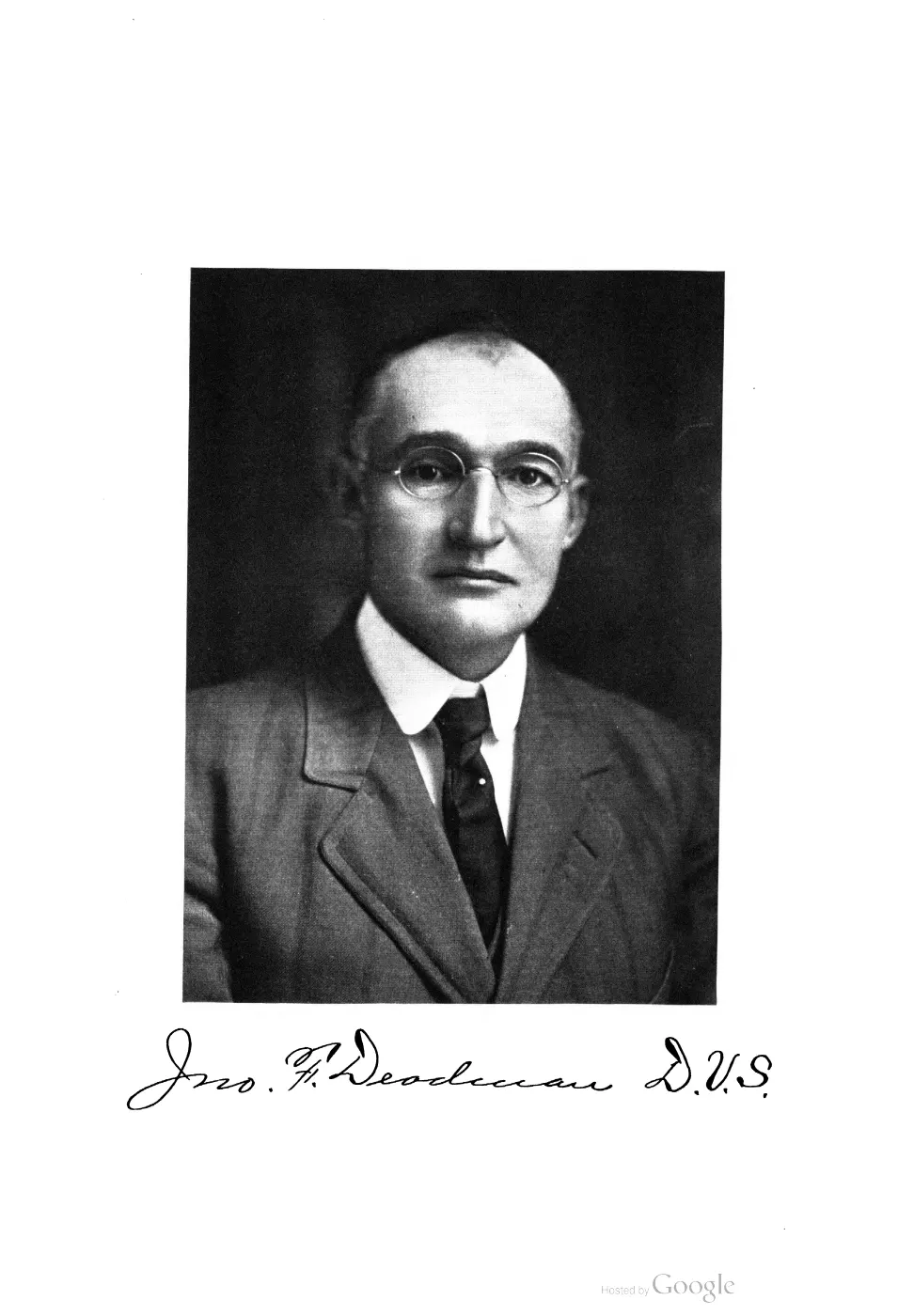
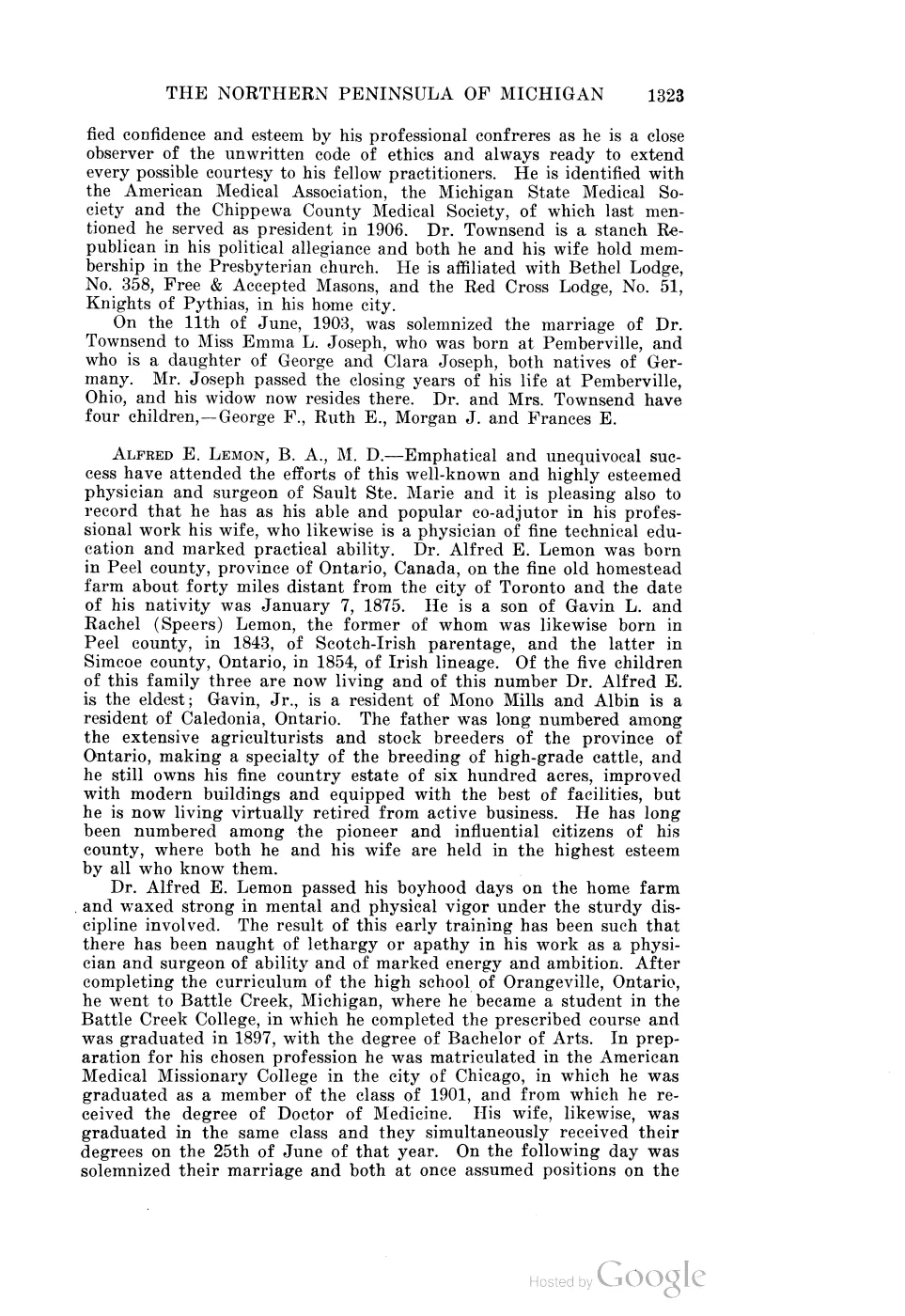

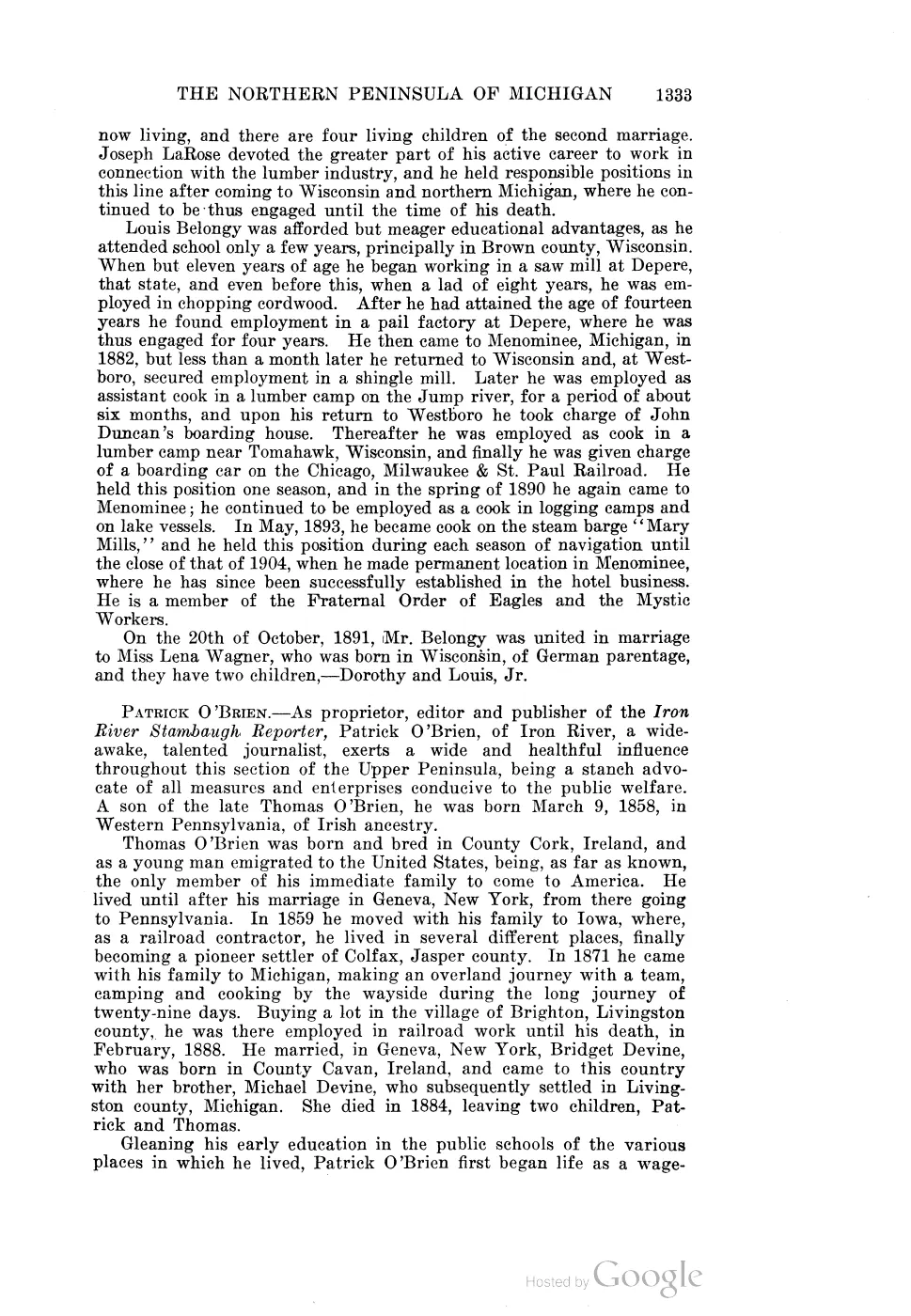
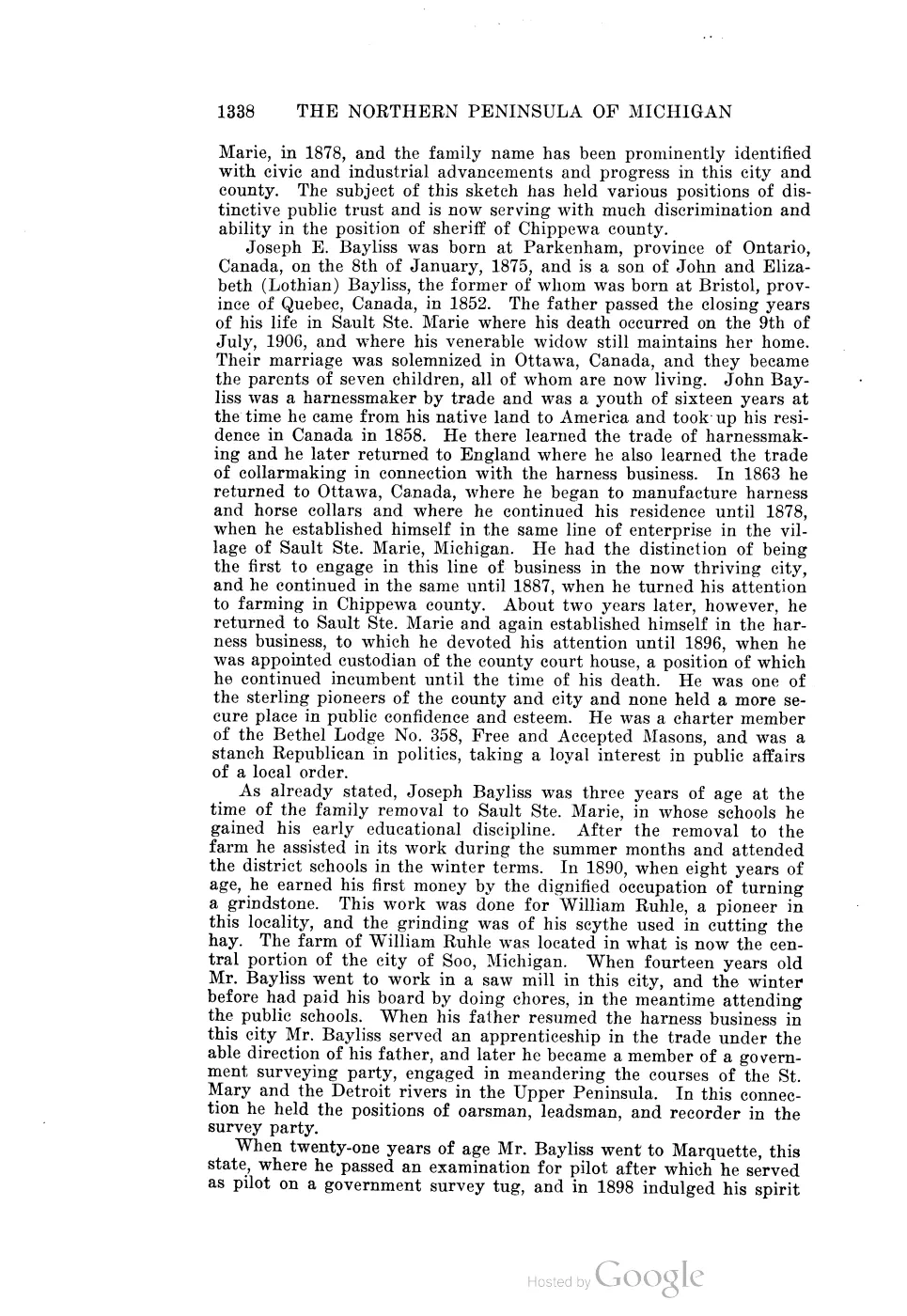
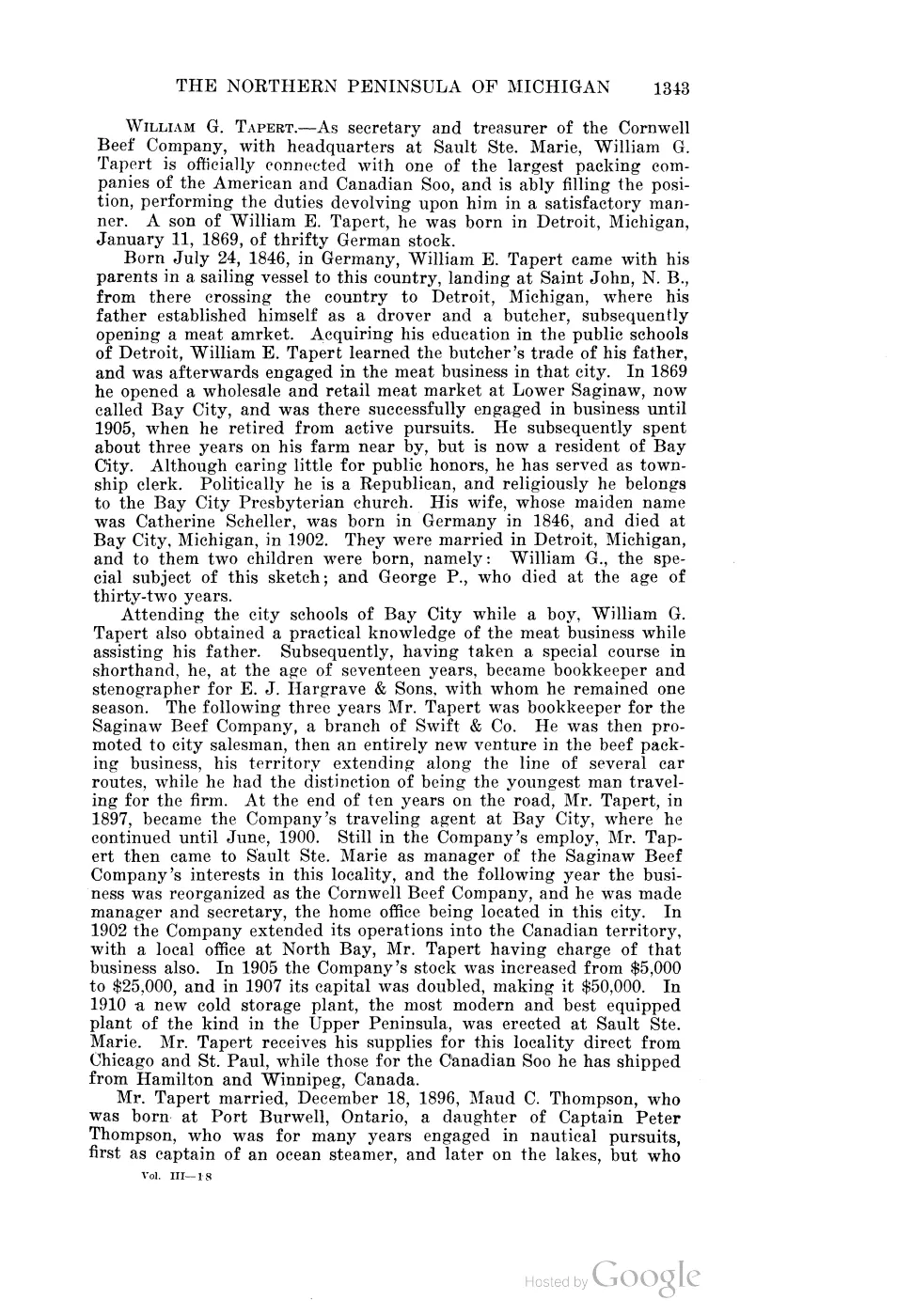
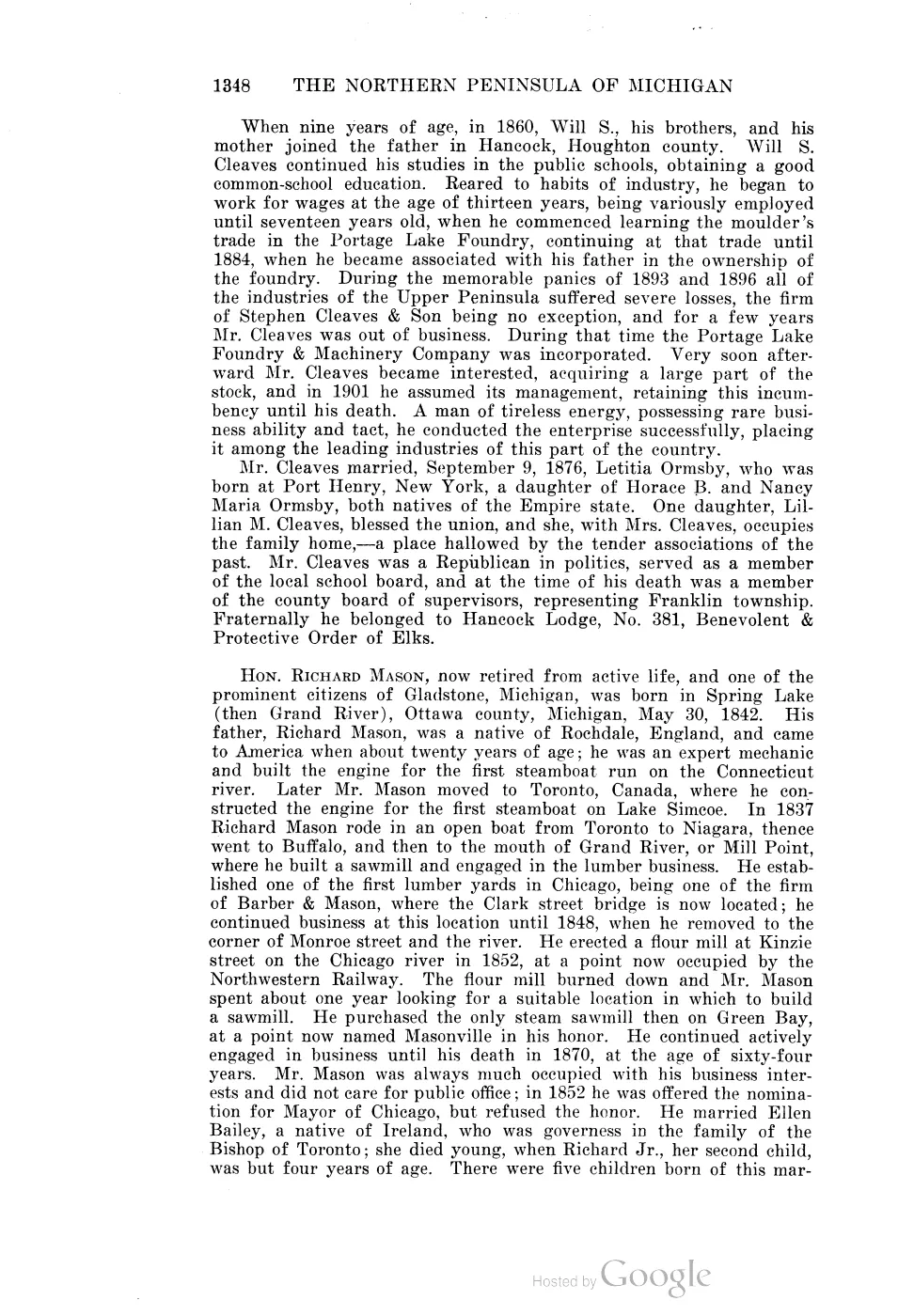
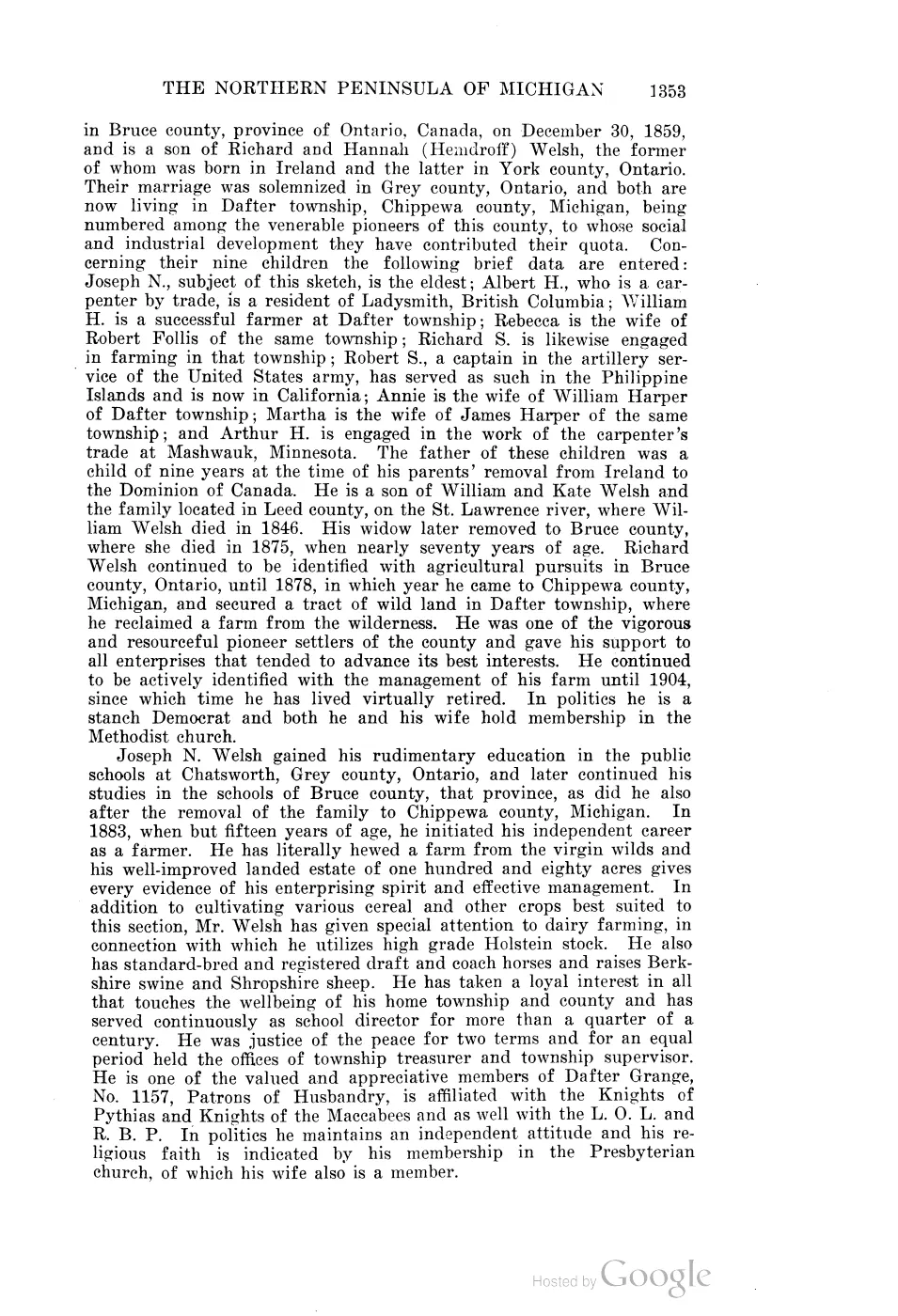
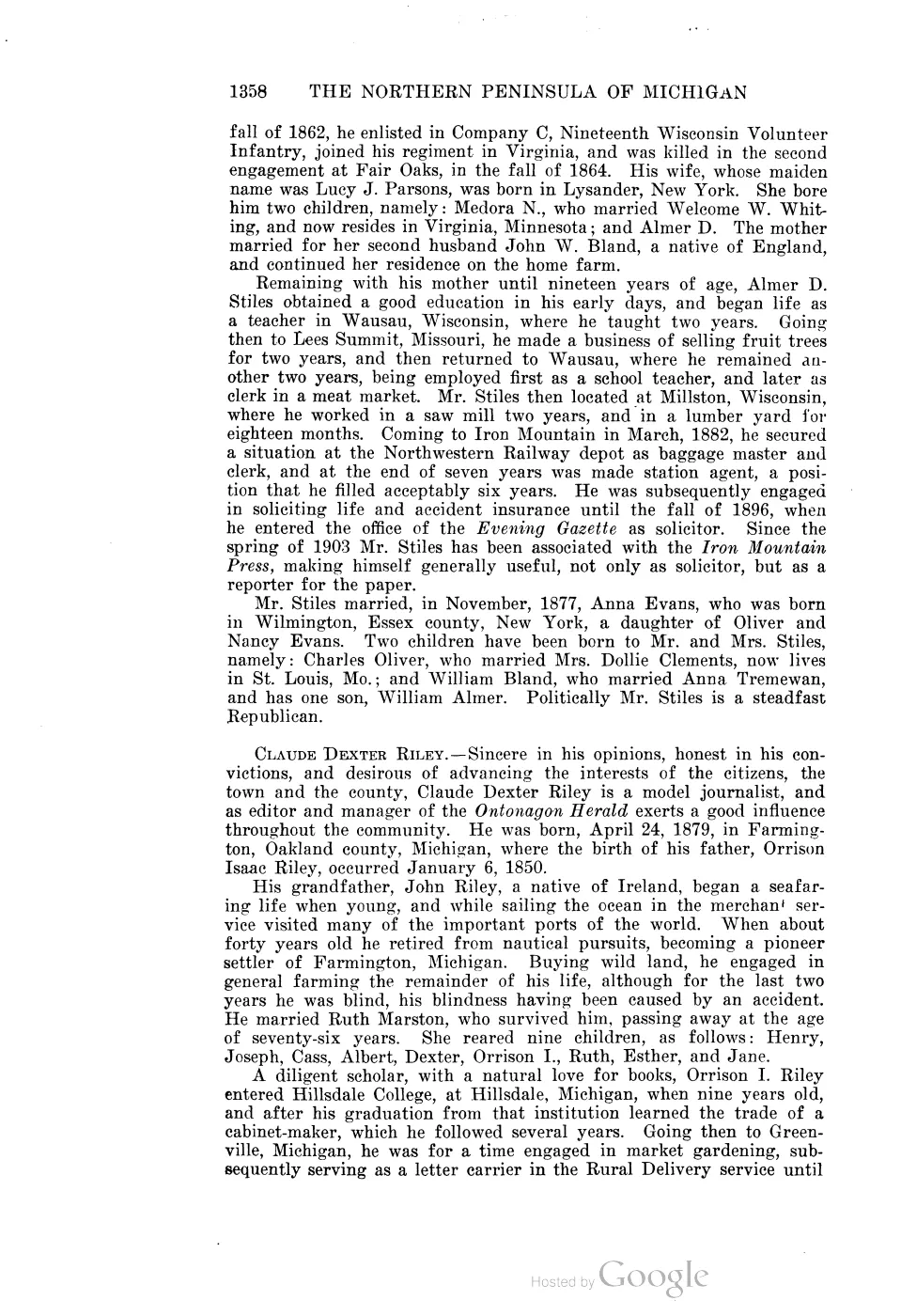


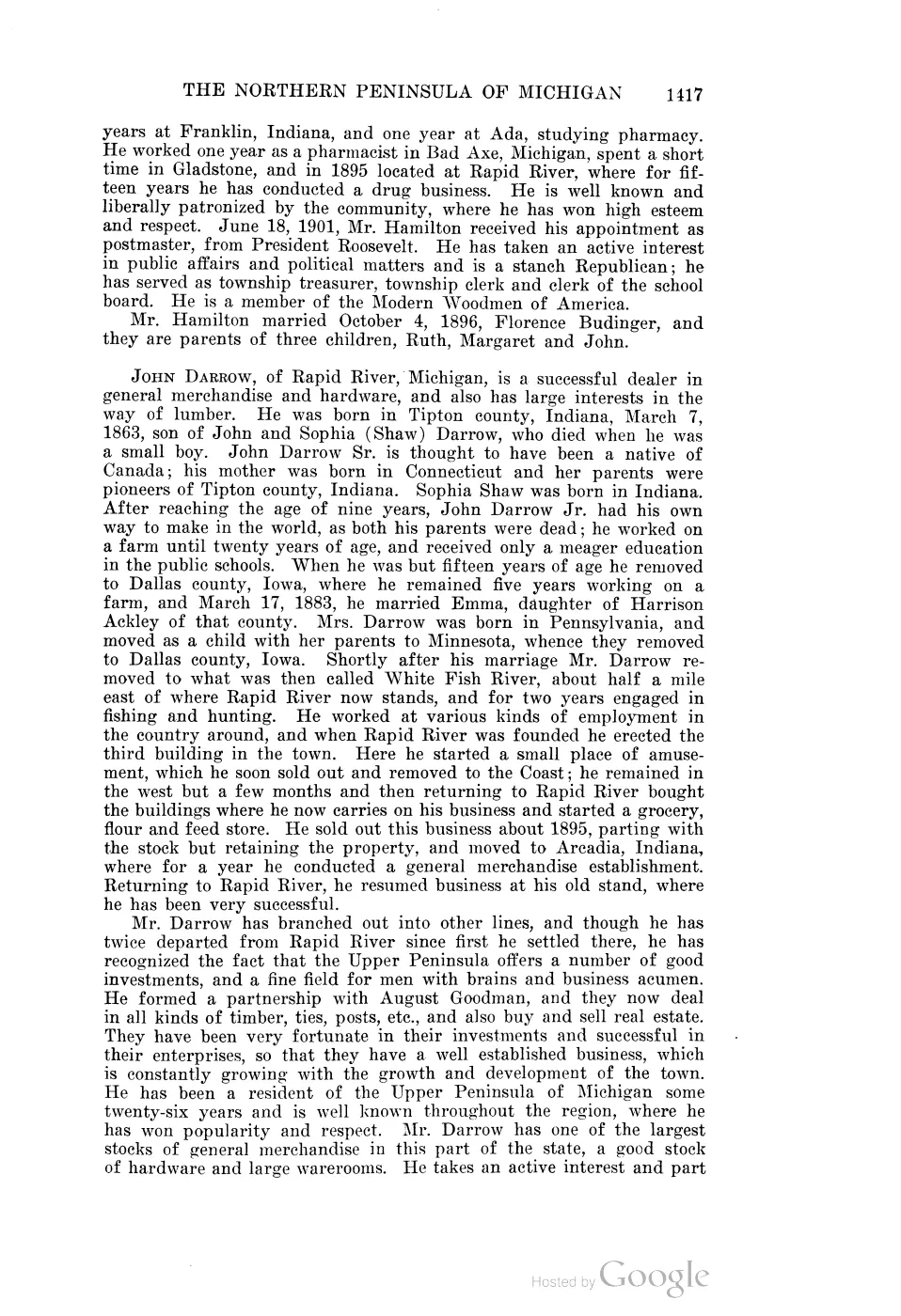
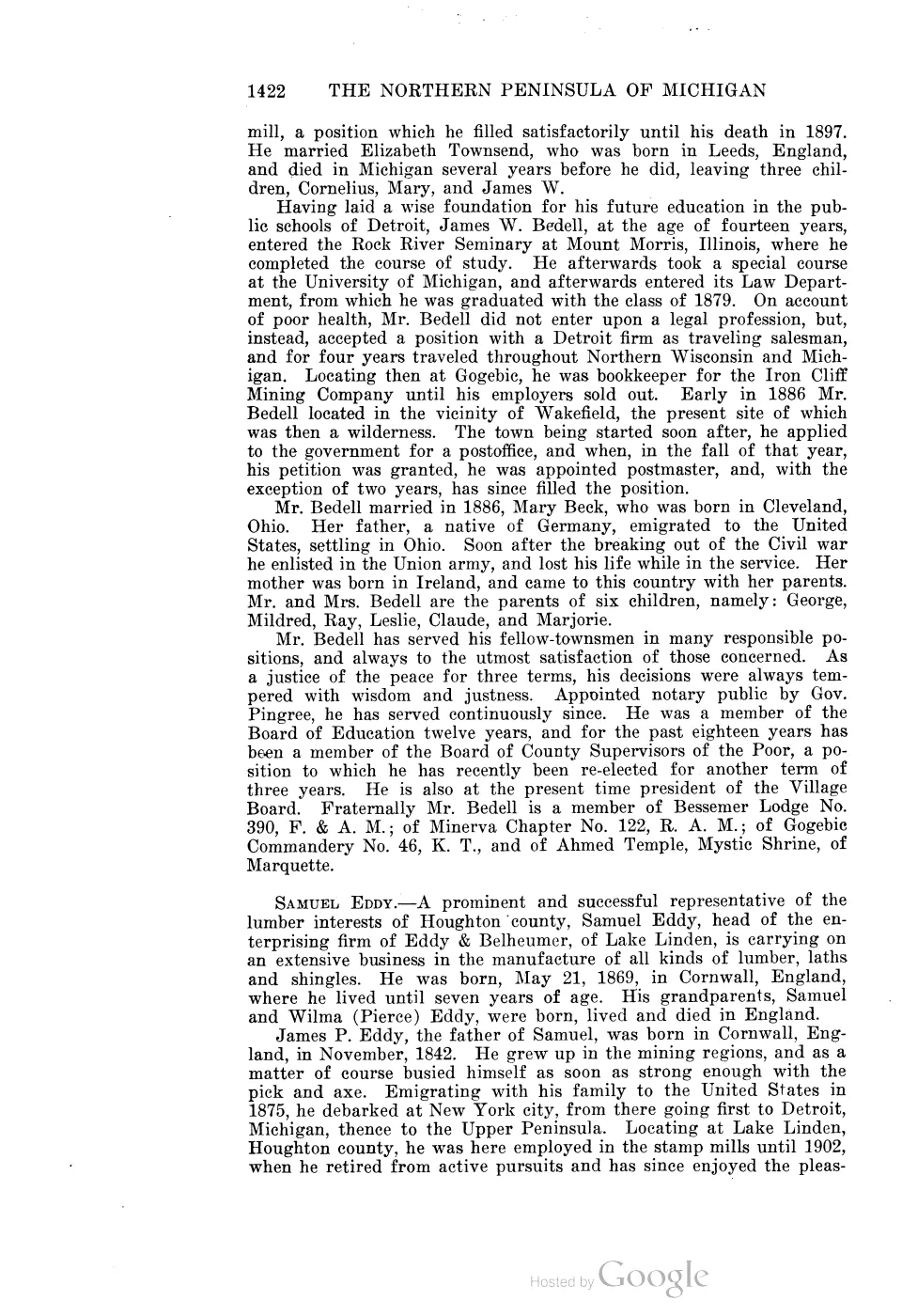
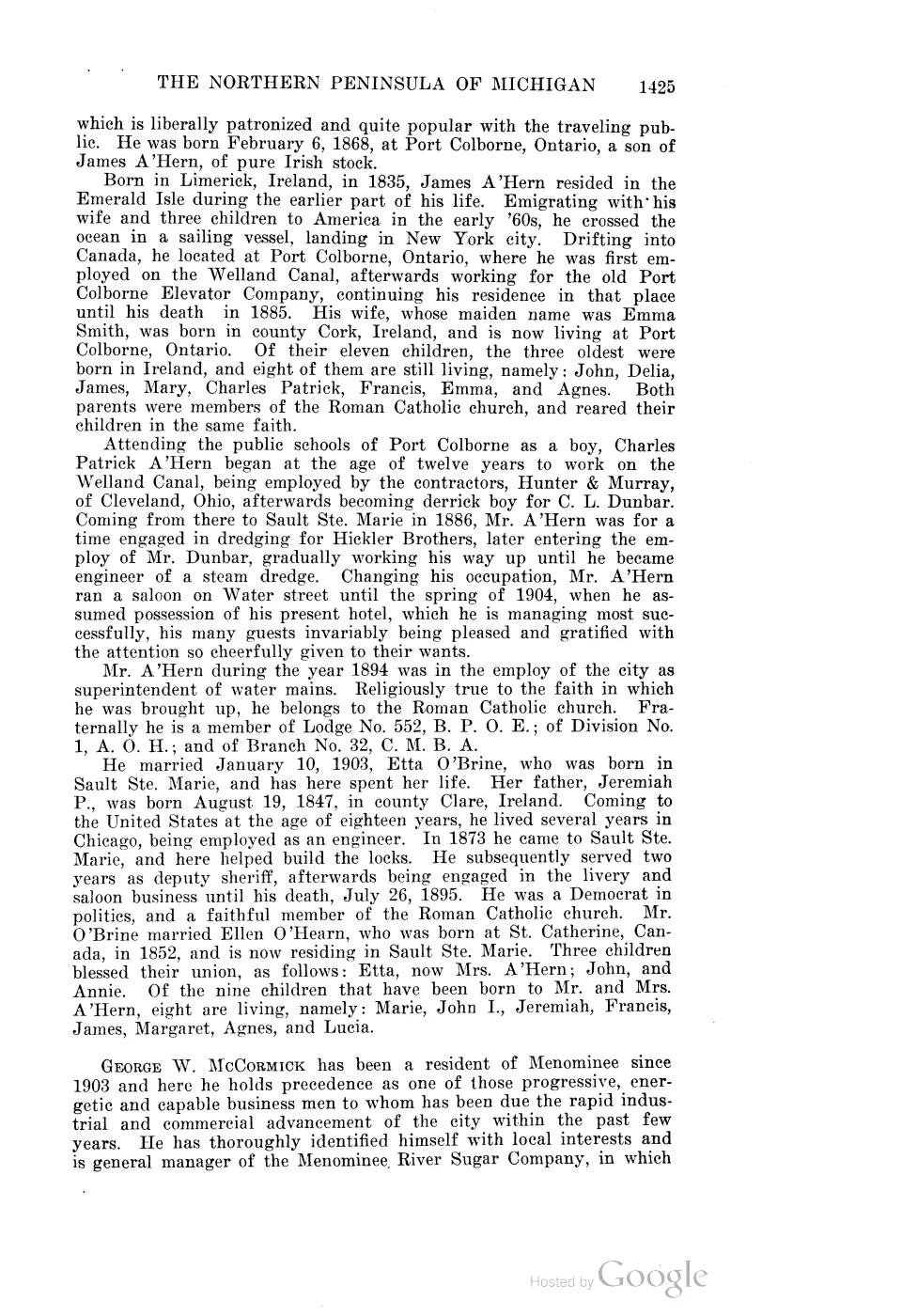
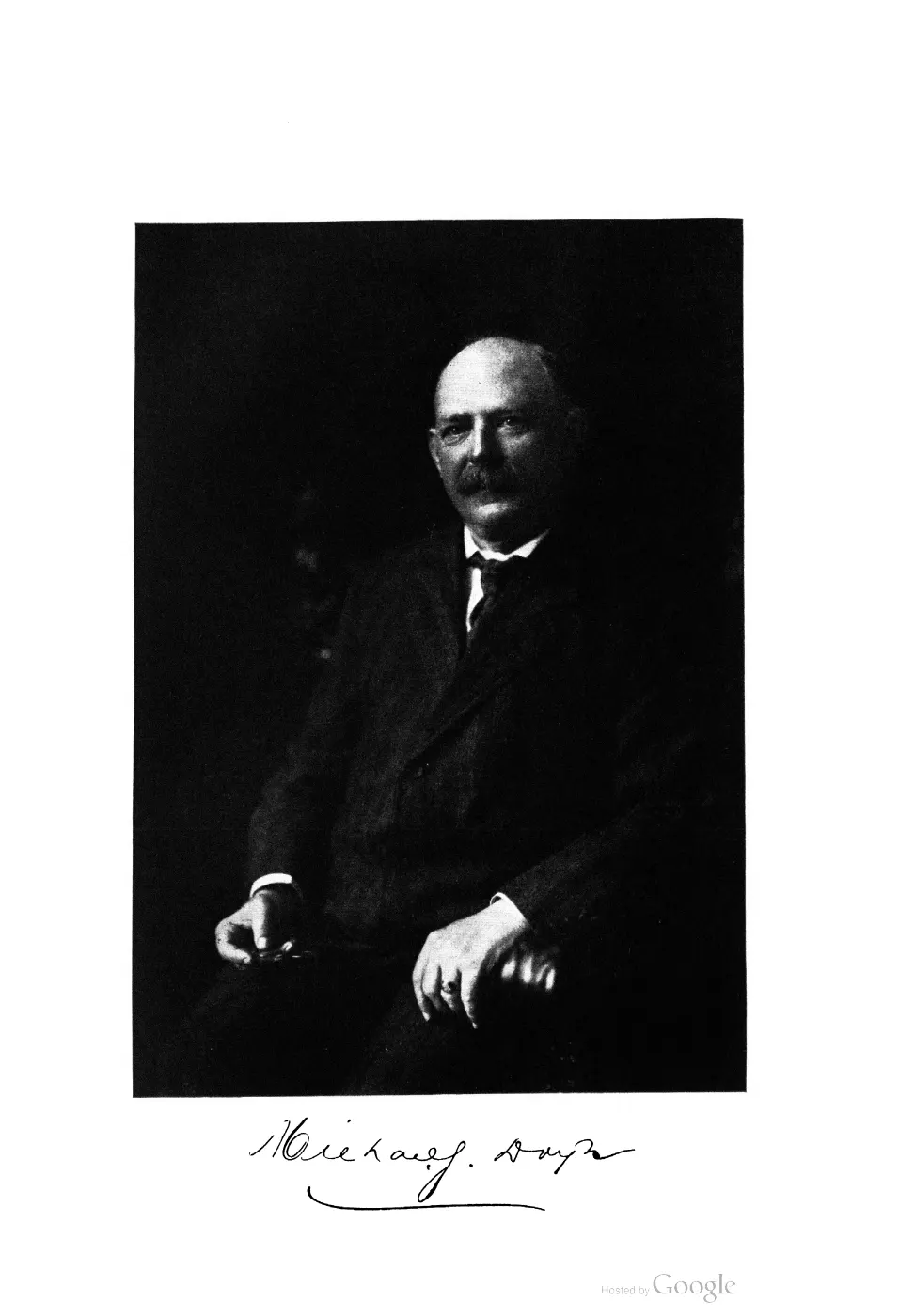
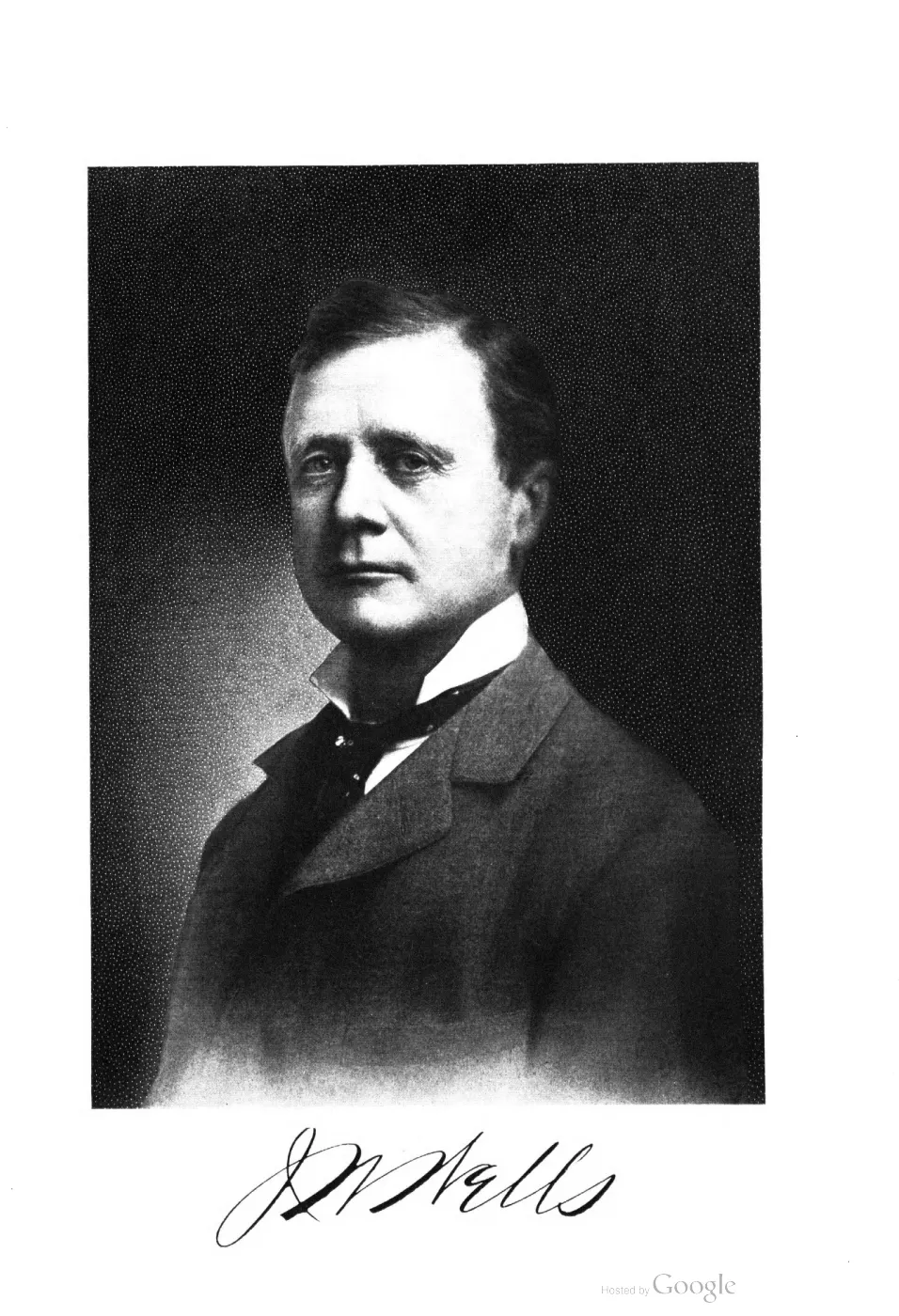
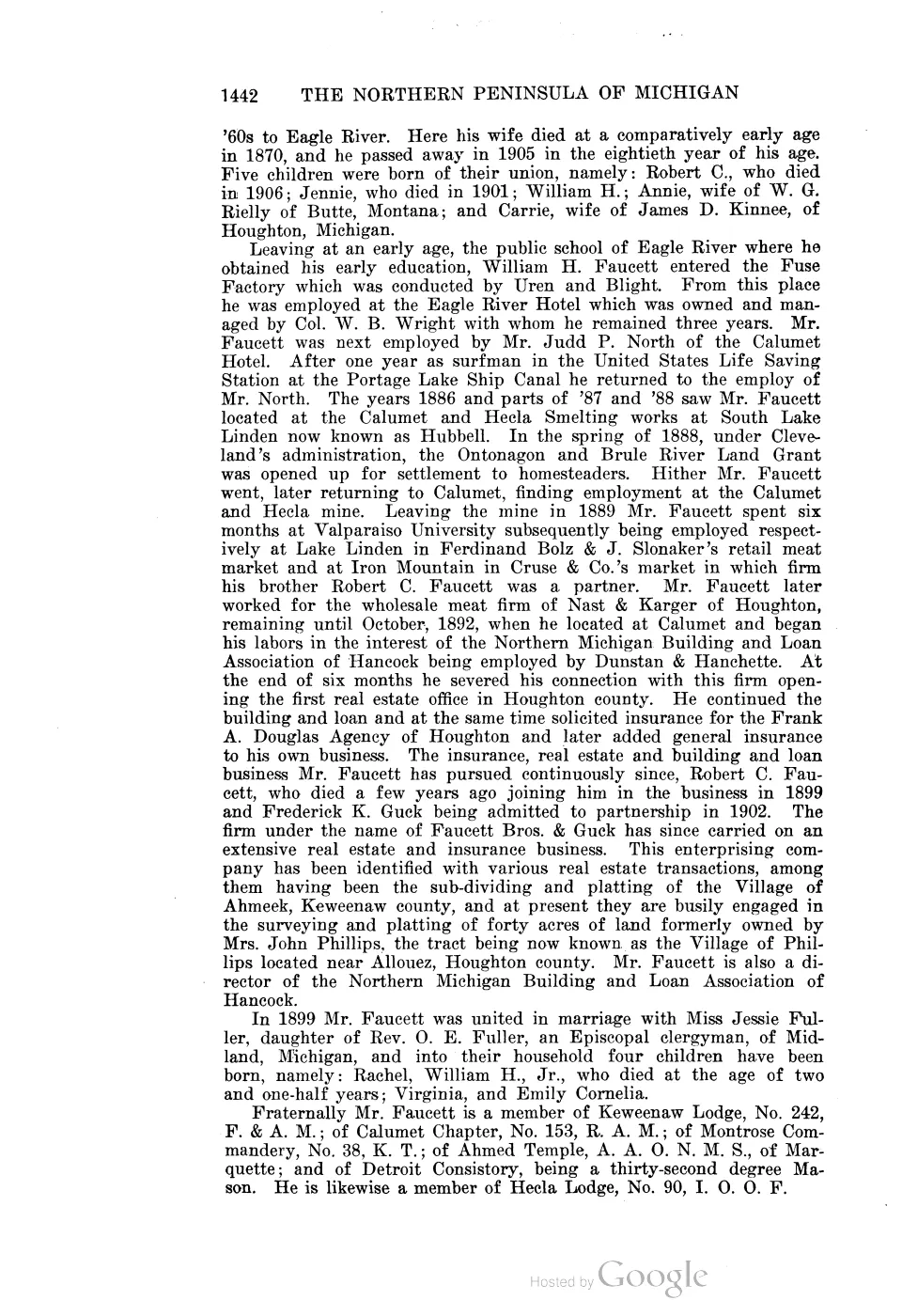






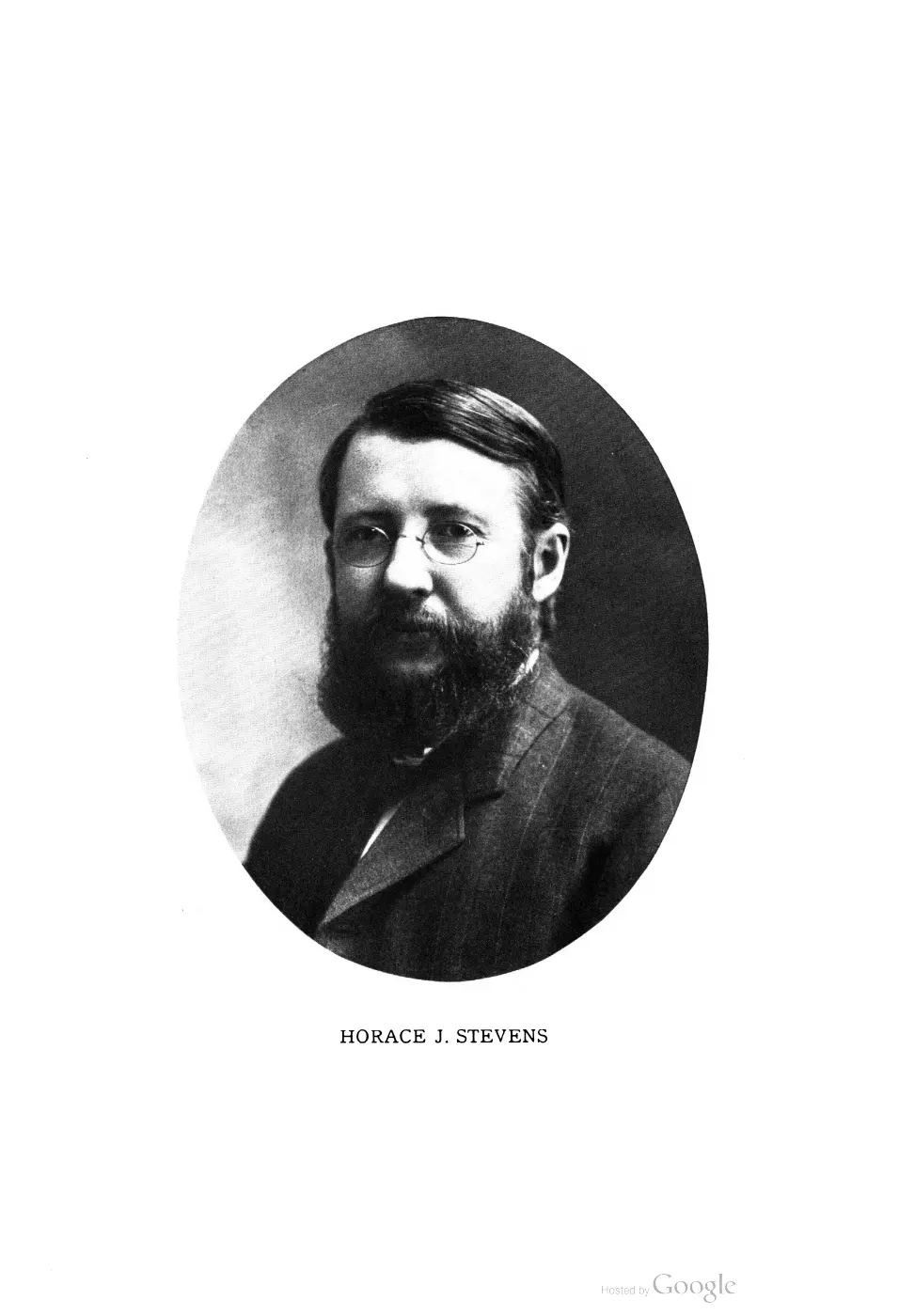
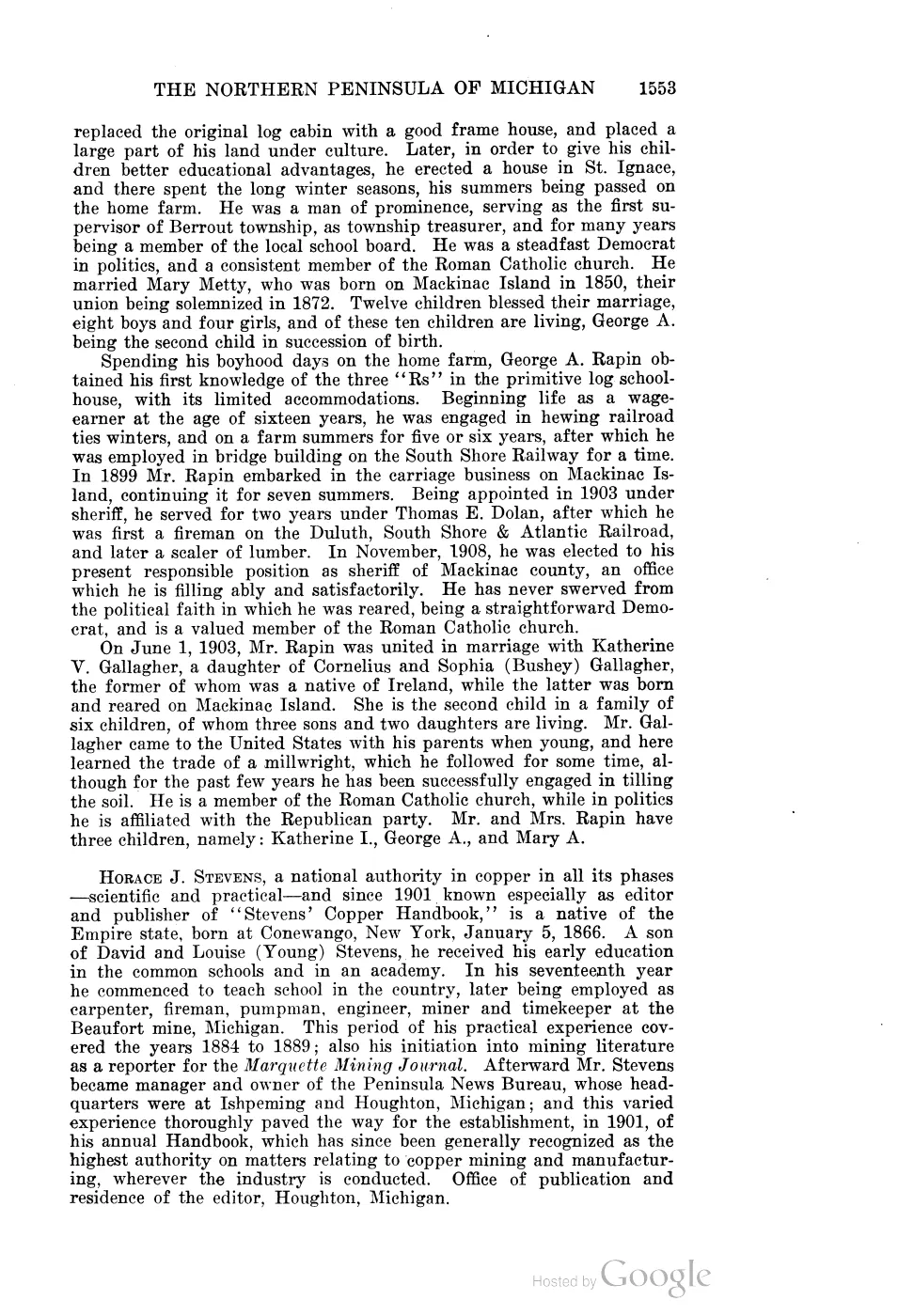
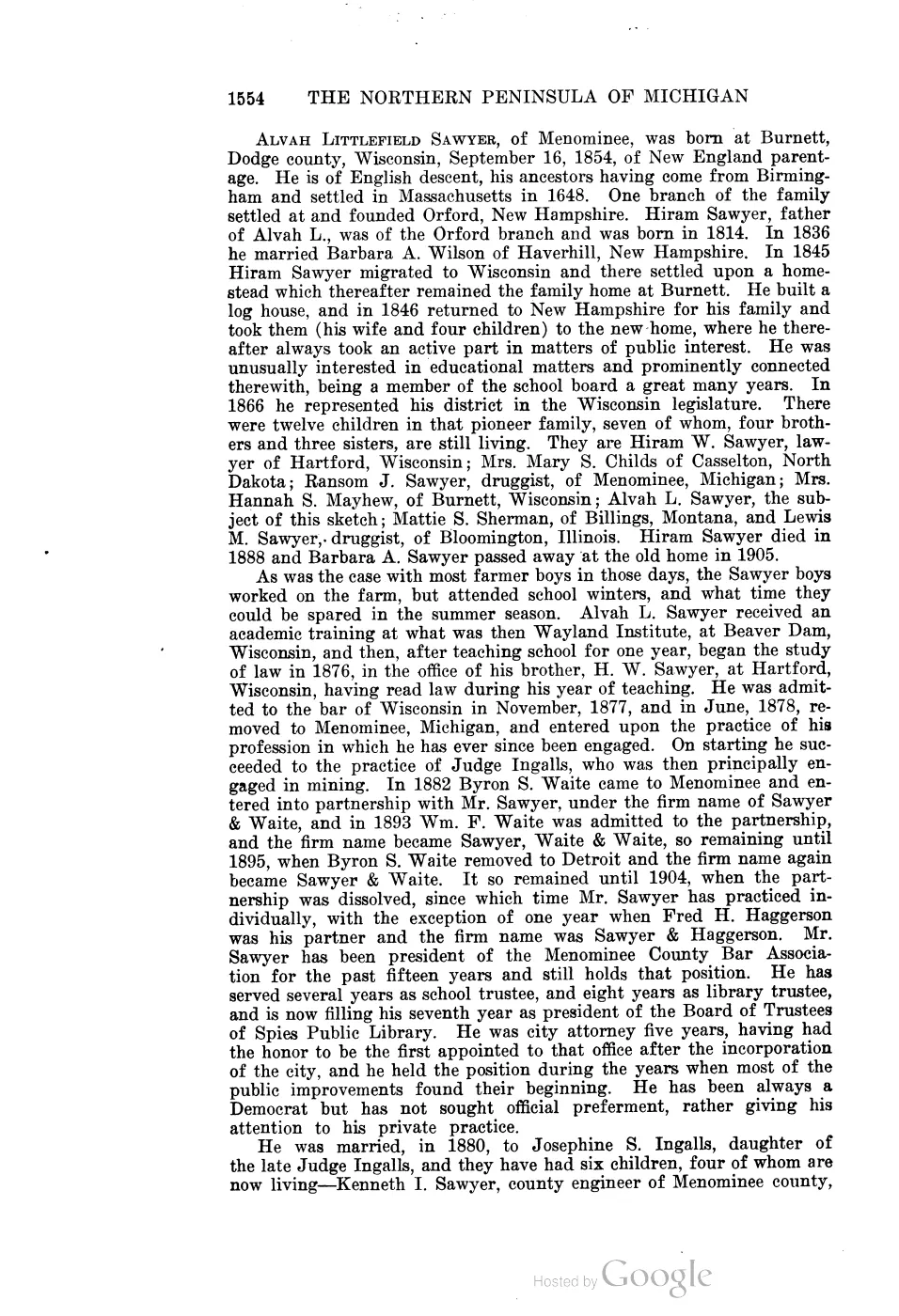





143 of 711 pages linked here — every page to 32, then every 7th, then the last 16. With JavaScript, every page.
Sources
- Alvah L. Sawyer, *A History of the Northern Peninsula of Michigan and Its People: Its Mining, Lumber and Agricultural Industries*, Vol. III (Chicago: The Lewis Publishing Company, 1911).Held as a 149 MB PDF (Google Books scan, user-supplied). Full text extracted with `pdftotext -layout` for verification (53,268 lines). Title page, biographical entries on Claud C. Cable (pp. 1363-1364 in the volume's own running pagination), David W. Murray (p. 1382), and the O'Malley brothers (pp. 1434-1435) read directly and checked against the volume's own printed page headers. No public copy of this file is known; the archive holds one and can provide it on request.local_documents · 1911_sawyer-history-northern-peninsula-michigan-v3
Added 28 July 2026 · revised 2 August 2026. Recent changes
Cite this article
Beaver Island Archive, “A History of the Northern Peninsula of Michigan and Its People, Vol. III, 1911”, https://beaverislandarchive.org/documents/sawyer-northern-peninsula-1911/, accessed [date], citing Alvah L. Sawyer, *A History of the Northern Peninsula of Michigan and Its People: Its Mining, Lumber and Agricultural Industries*, Vol. III (Chicago: The Lewis Publishing Company, 1911)..
Last revised 2026-08-02. Fill in [date] with the date you read it — this page is static and cannot know that.
BibTeX for “A History of the Northern Peninsula of Michigan and Its People, Vol. III, 1911”RIS for “A History of the Northern Peninsula of Michigan and Its People, Vol. III, 1911”