- Founded
- 1875
- Dissolved
- 1922
- Coordinates
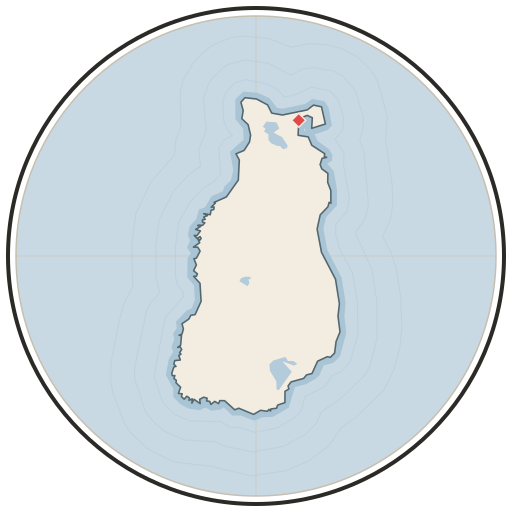
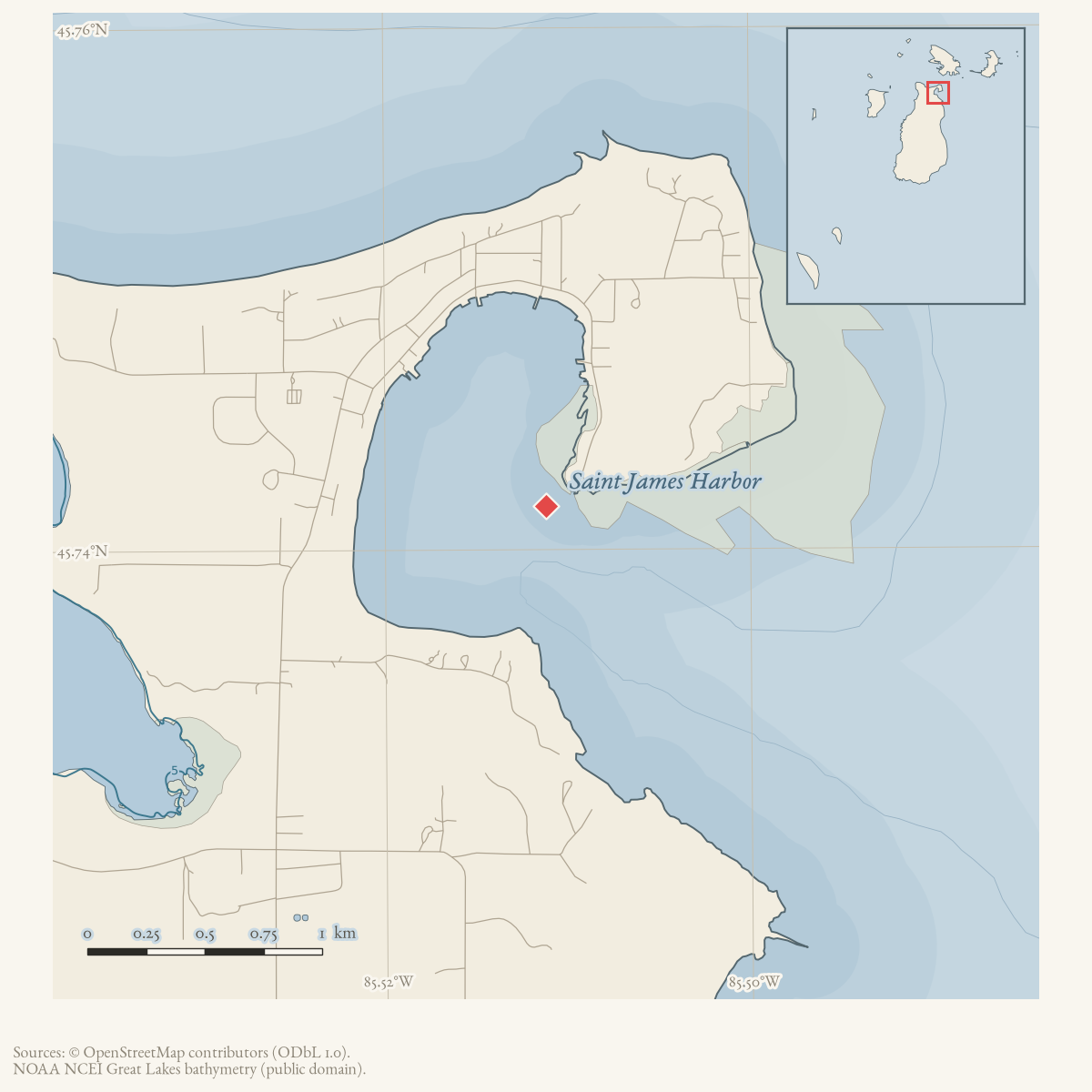
- 45.7425° N, 85.5095° WGoogle Maps: Beaver Island Life-Saving StationDownload KML
- Eras
- Irish era
- Concepts
- maritimeshippingheritage
- Within
- Saint James Harbor · Beaver Island
- Media
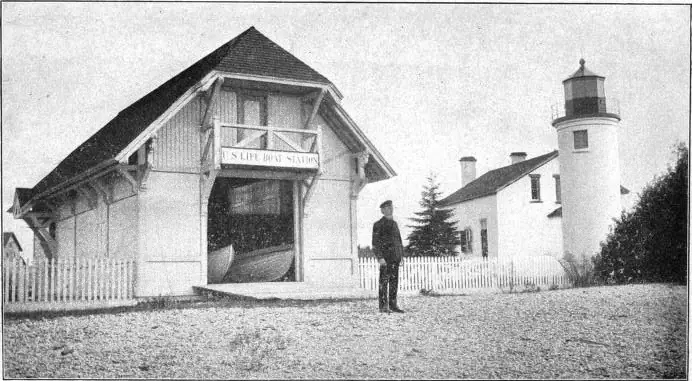
- "The Light House and Life Saving Station at Beaver Island Harbor" — plate from A Child of the Sea (1905)
Summary
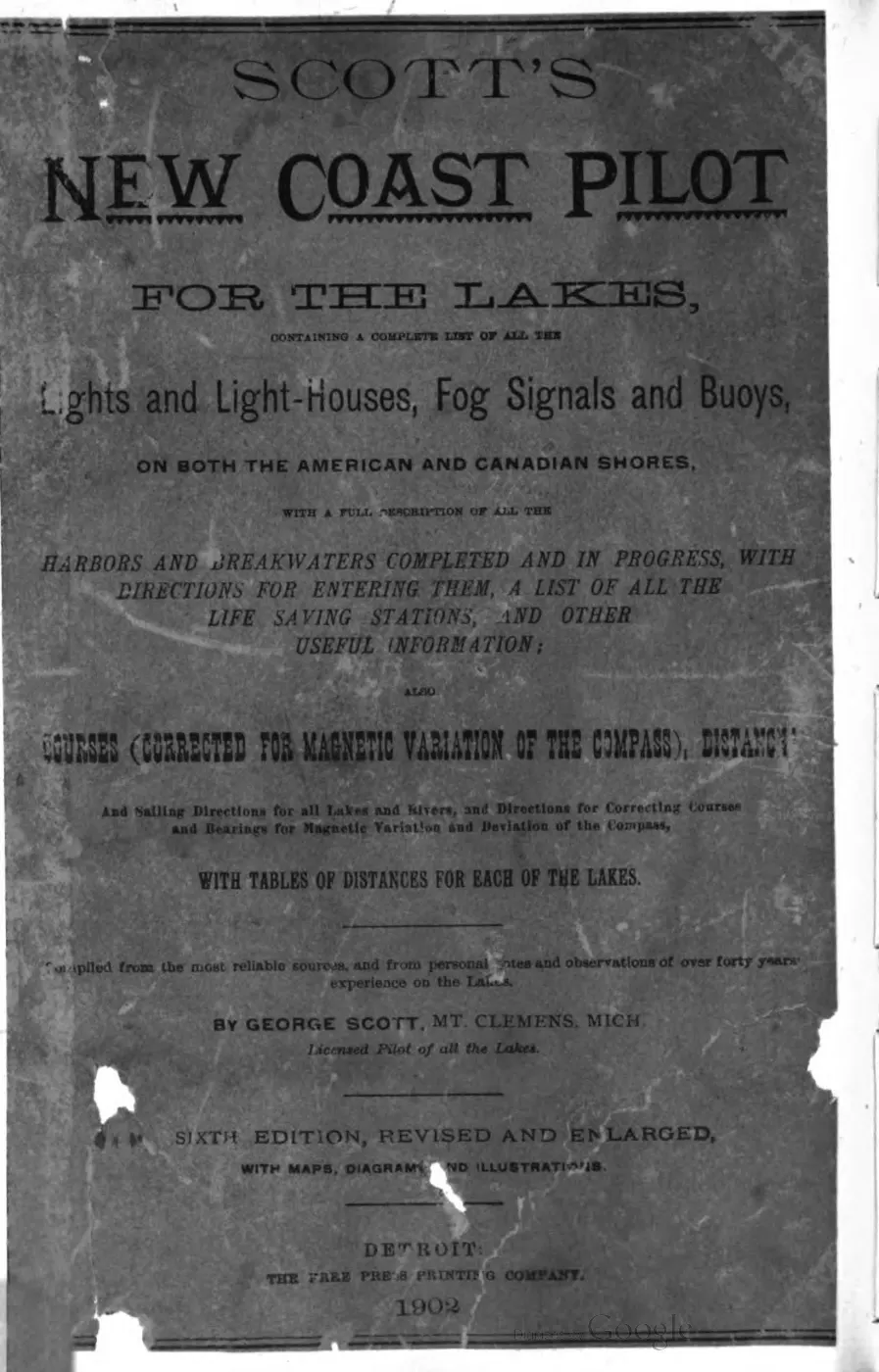
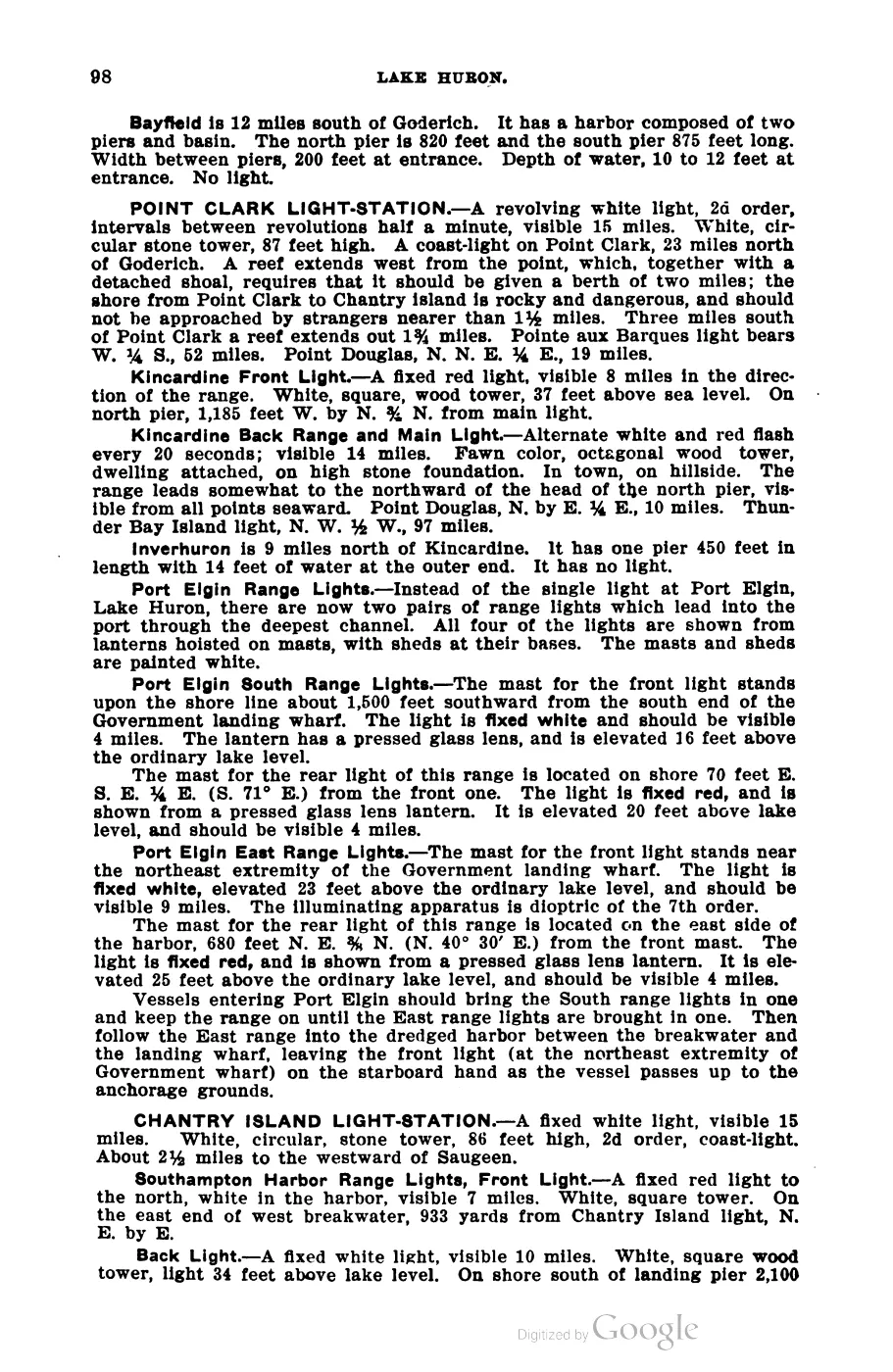
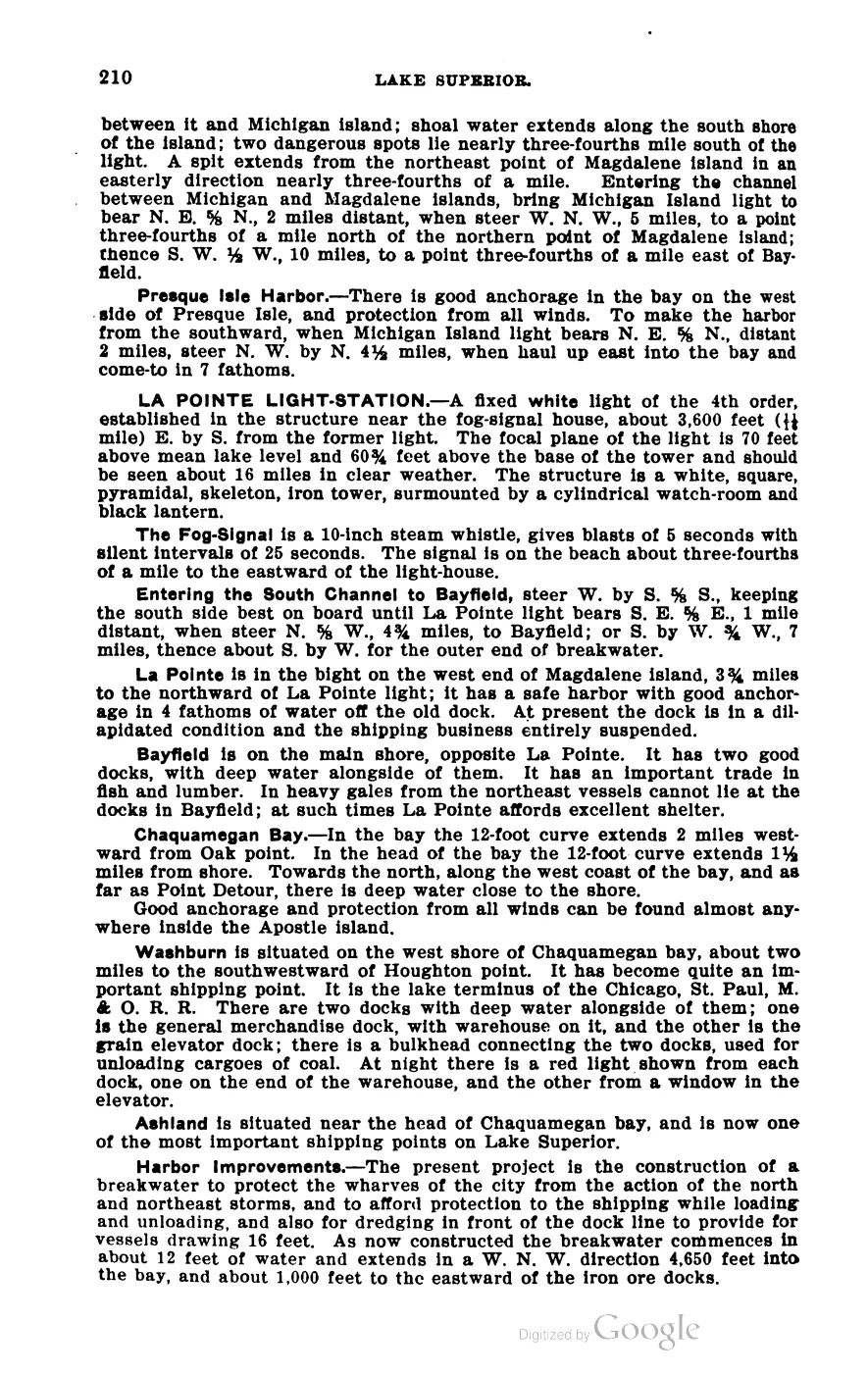
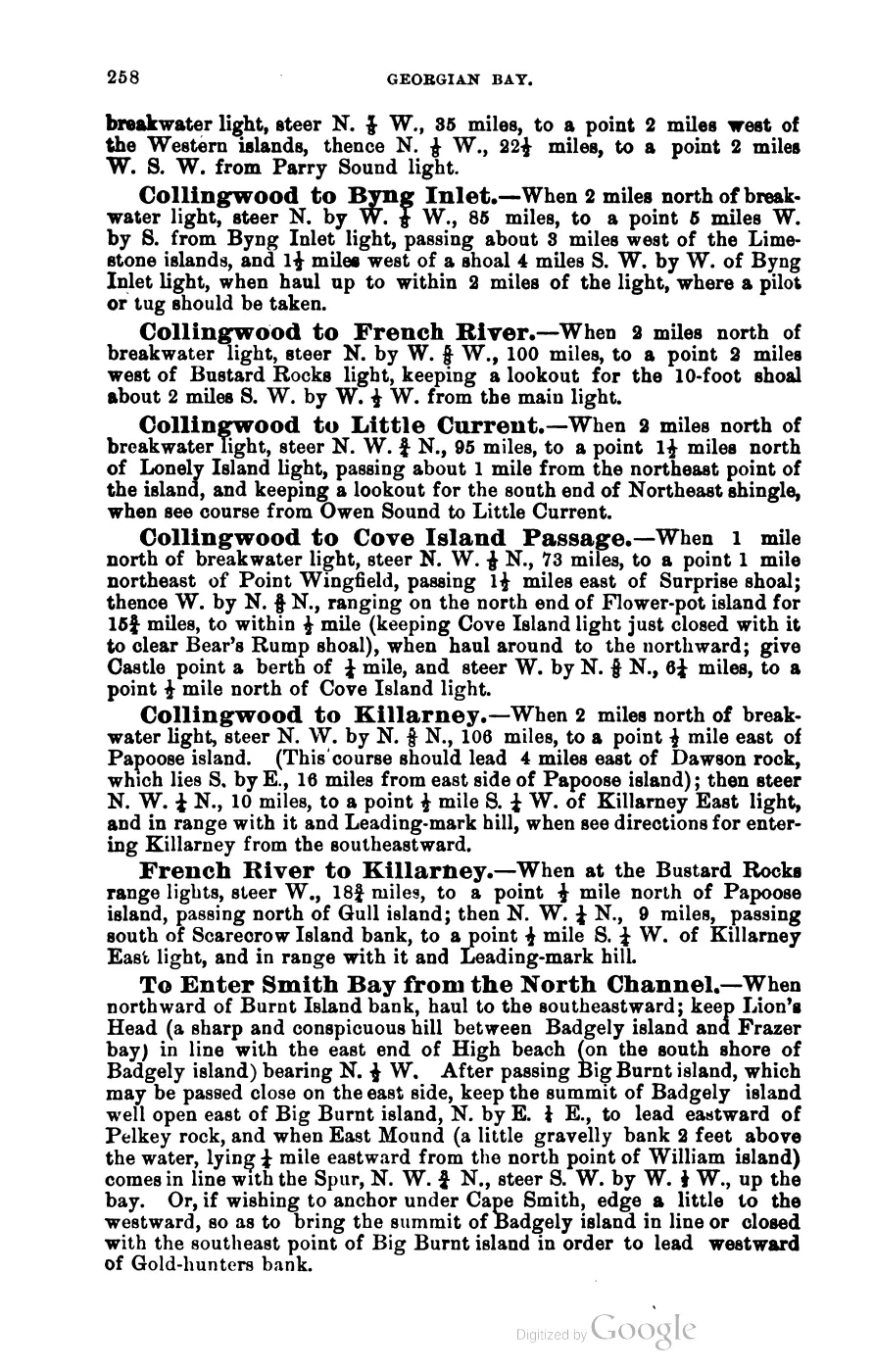
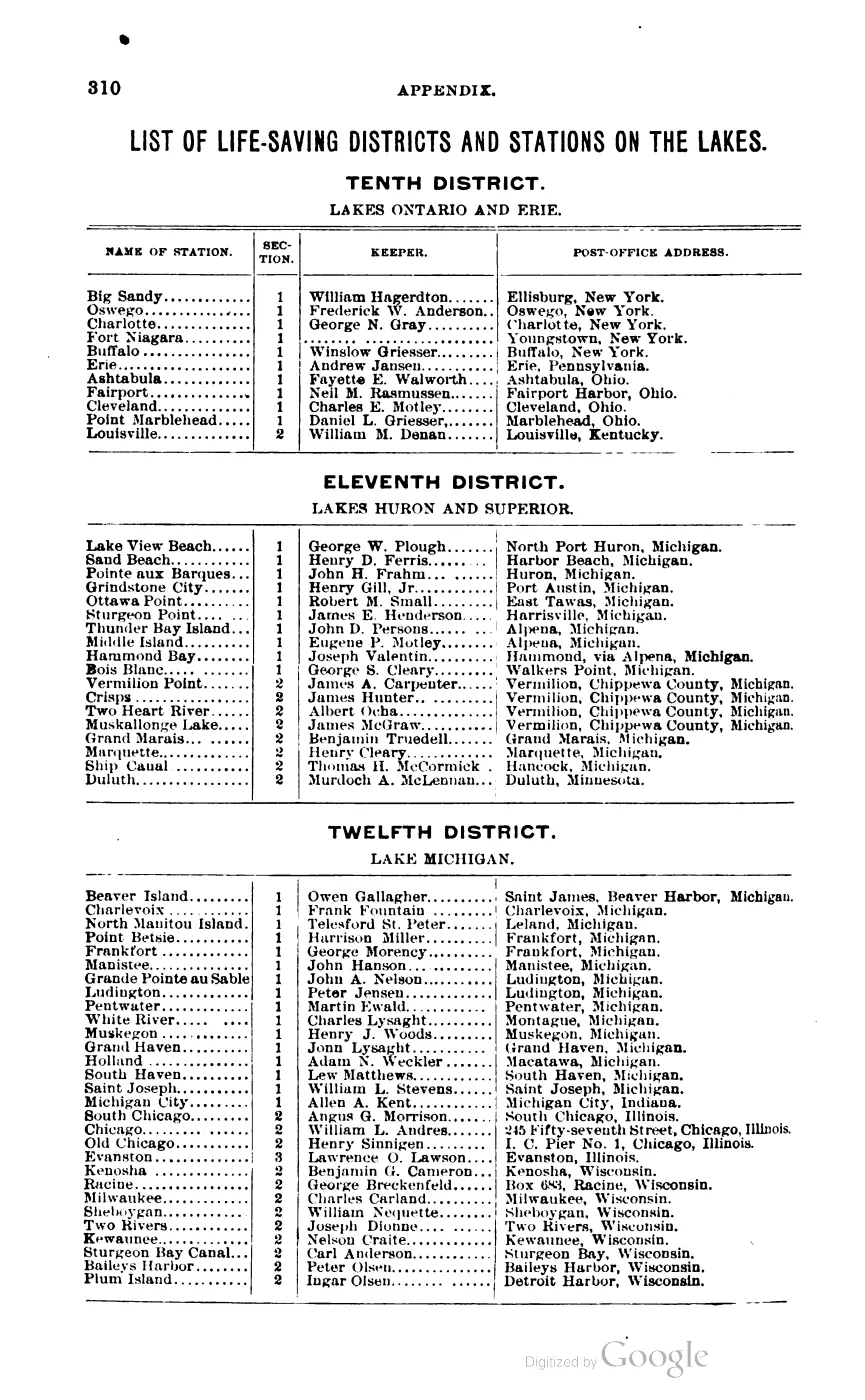
The Beaver Island Life-Saving Station was built in 1875 as the US Life-Saving Service post for Beaver Island, sited at Whiskey Point on Beaver Harbor, about 165 feet west of the Beaver Island Harbor Light.1 It belonged to the Eleventh District when established; Scott’s 1902 table later places it in the Twelfth District (Lake Michigan), showing that the numbering changed. In 1902 its keeper was Owen Gallagher, whose post office address Scott’s Coast Pilot gives as “Saint James, Beaver Harbor, Michigan.”1 The station later passed to the US Coast Guard, and its site is today occupied by the Central Michigan University Biological Station.2
History
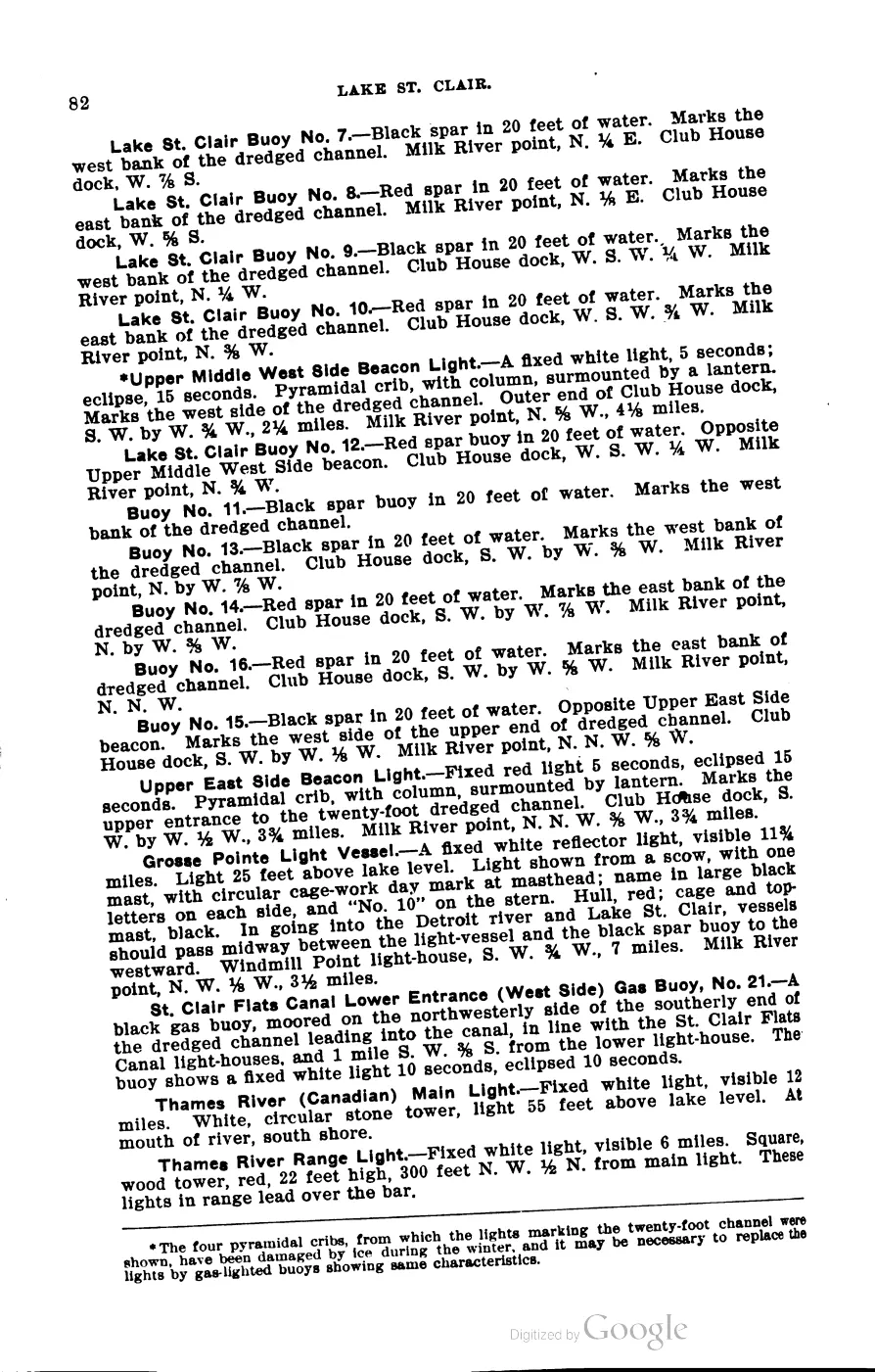
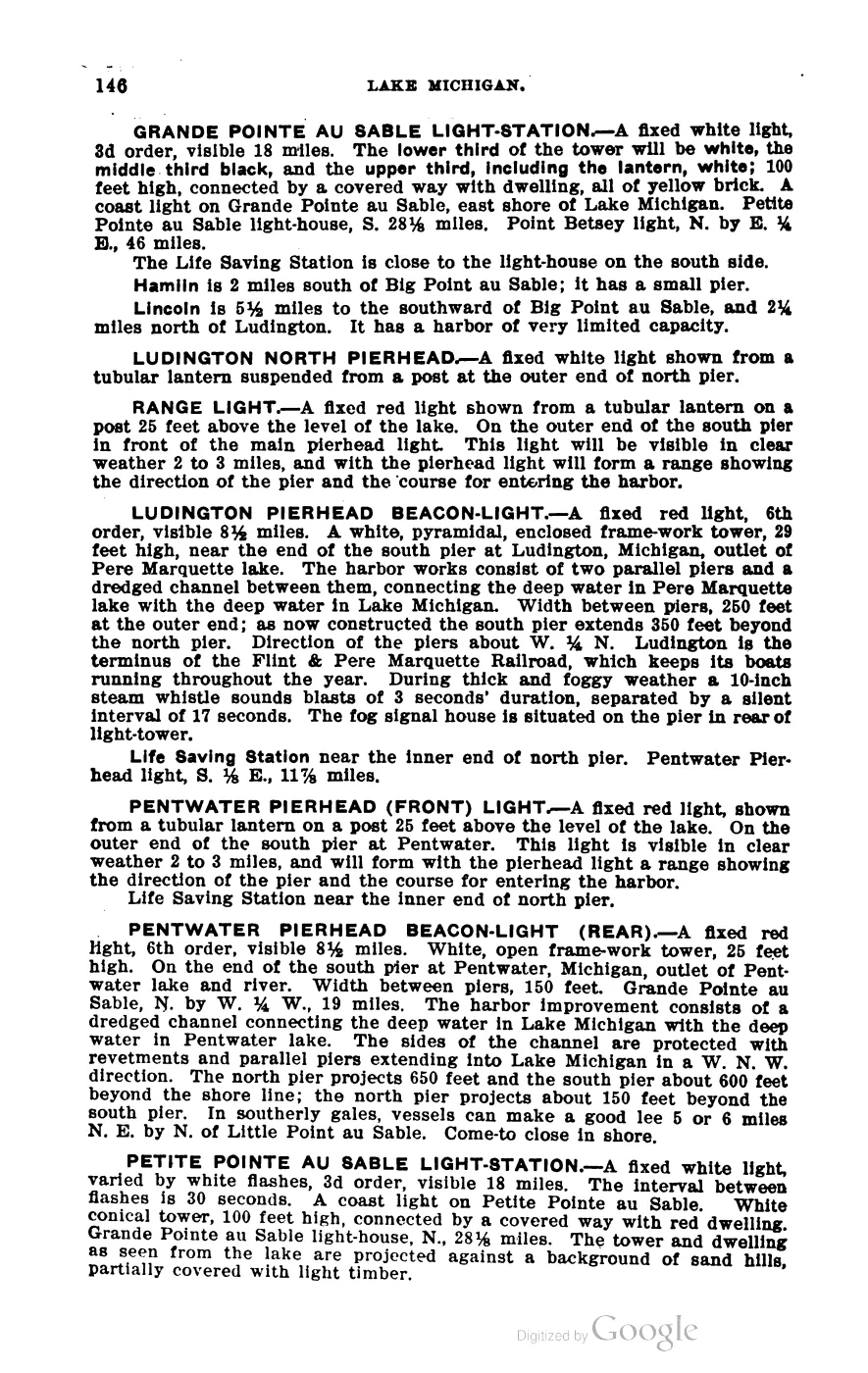
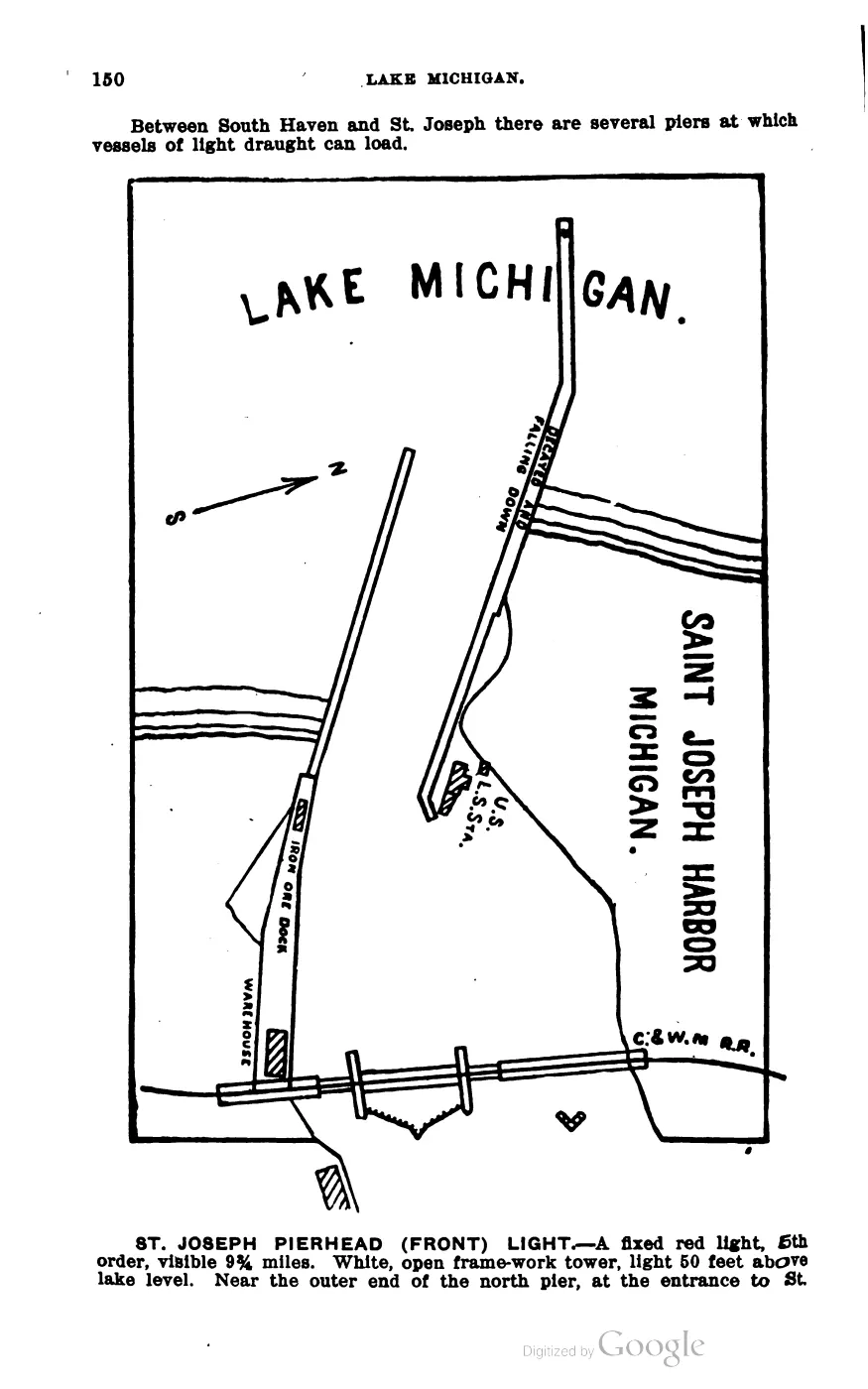
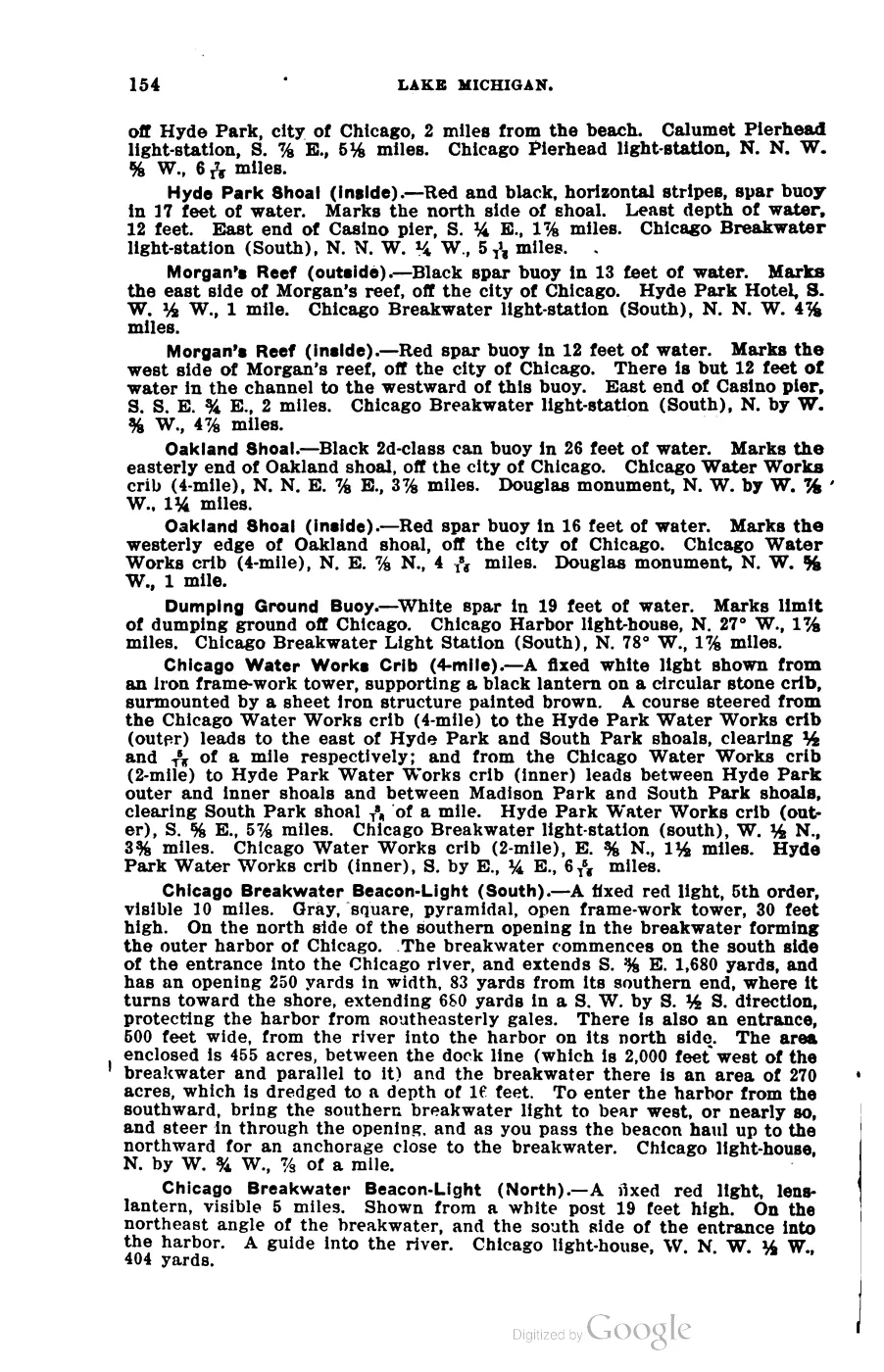
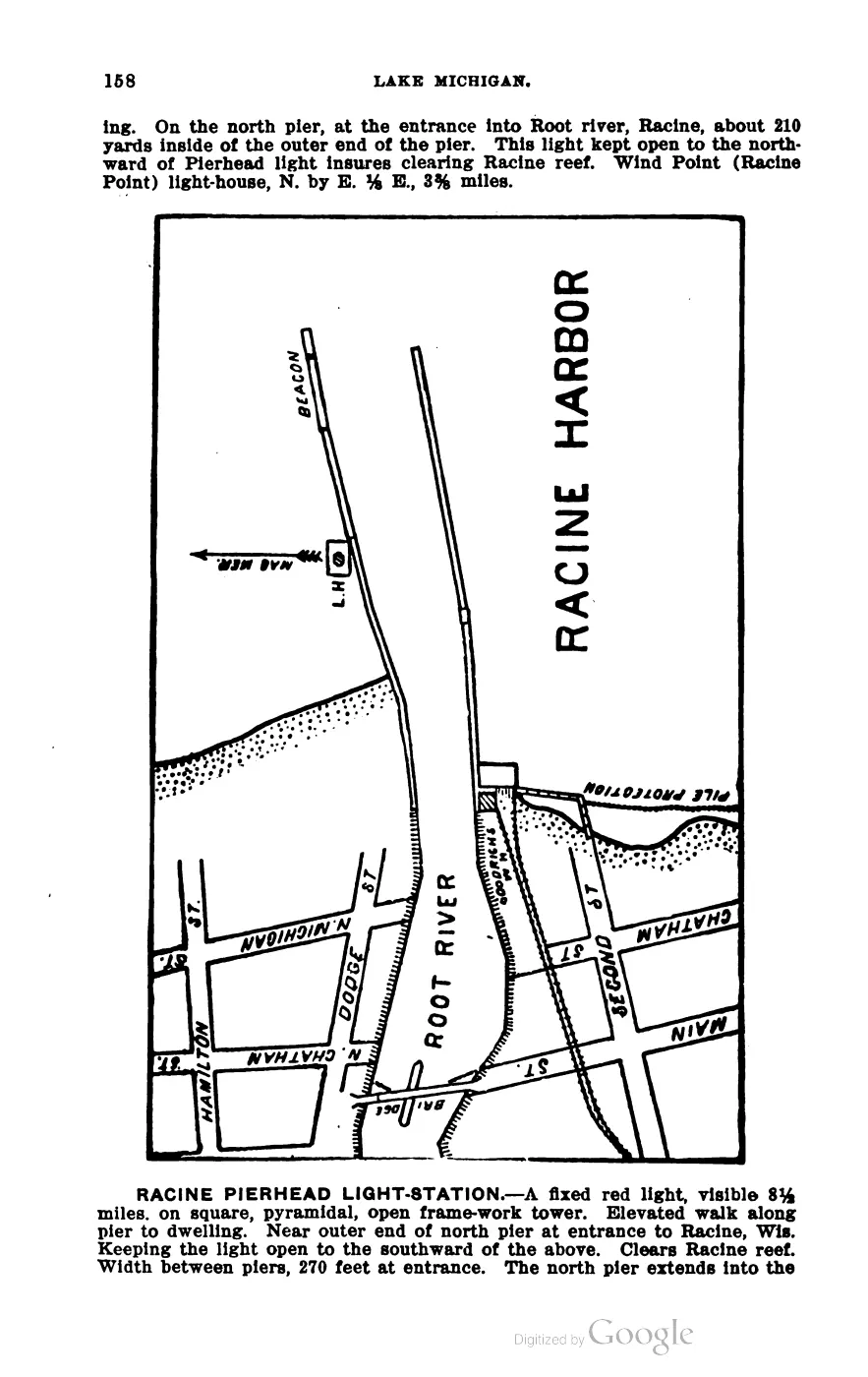
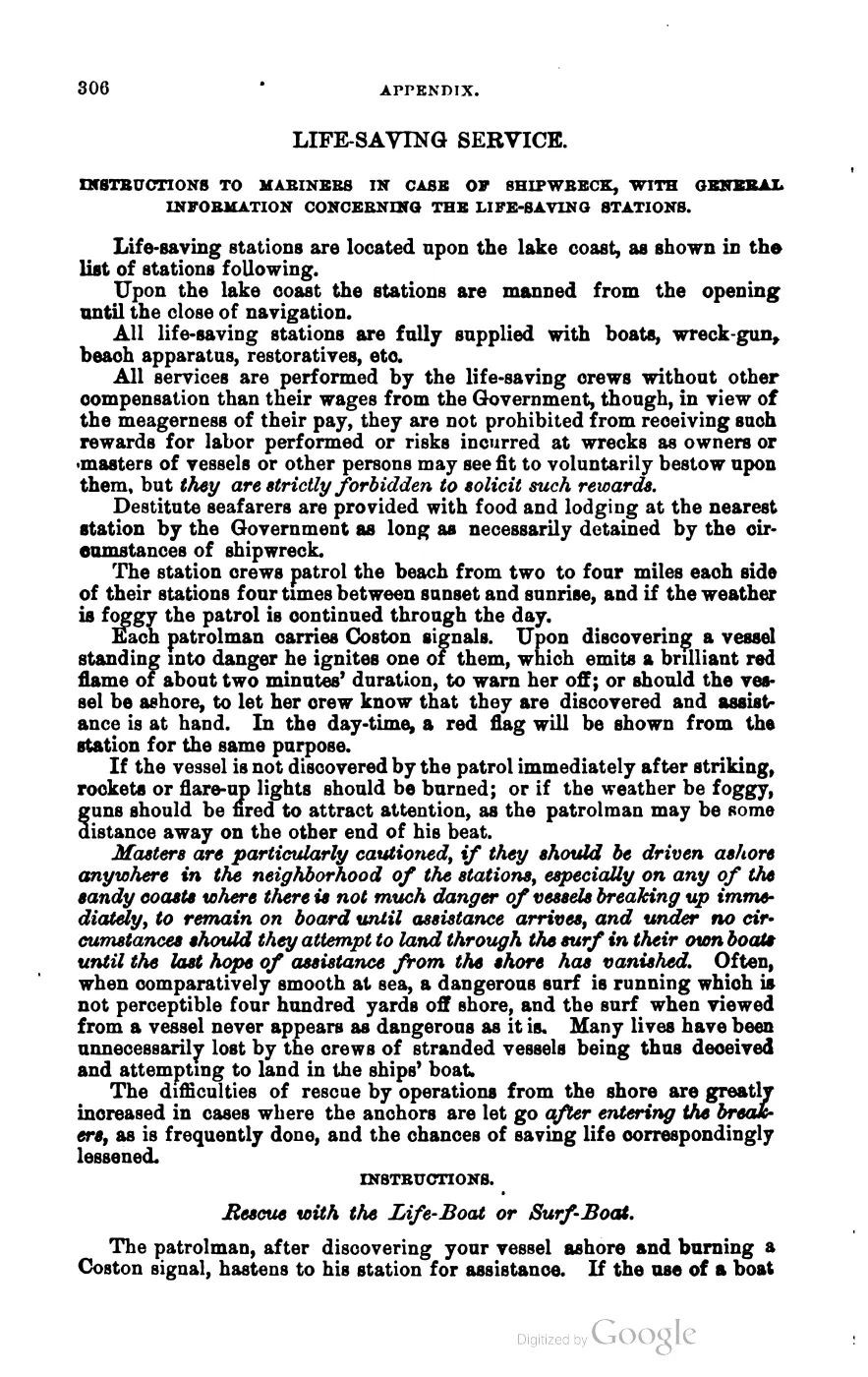
Elizabeth Whitney Williams’s memoir places the station’s establishment within the working life of the harbor light’s keepers: Harrison Miller, after his tenure as keeper of the Beaver Island Light Station (the “head of the island” light), “was appointed keeper of the life saving station at Beaver Harbor,” before being transferred to the Point Betsey life-saving station; “Mr. Owen Gallagher succeeded him at the Beaver Island station.”3 A 1908 reprint supplies a more specific but still retrospective account: it says Miller entered the Life-Saving Service in 1876 as keeper of the Beaver Island station when it was first established, without a regular crew, and transferred to Point Betsie on March 14, 1887.4 The Coast Guard Historian resolves most of that apparent one-year conflict: the station was conveyed and built in 1875, while Miller was appointed keeper on December 7, 1876.5 It gives his transfer date as January 11, 1887, so the differing 1887 dates remain visible. Scott’s Coast Pilot (1902), whose appendix “List of Life-Saving Districts and Stations on the Lakes” names Owen Gallagher as keeper of the “Beaver Island” station, one of eighteen stations then listed under the Twelfth District covering Lake Michigan from Beaver Island south to Chicago and around to Wisconsin’s Door Peninsula.1
The site itself — Whiskey Point — was already a landmark before either the light or the life-saving station existed: it was the fishermen’s trading post and rendezvous that clashed repeatedly with Strang’s Mormon settlers in the late 1840s and early 1850s (see Beaver Island Harbor Light).
By the time of OpenStreetMap’s current historic-feature tagging, the former station’s signal tower and boathouse are catalogued as remnants of a US Coast Guard station on the same site — consistent with the nationwide 1915 merger of the Life-Saving Service into the Coast Guard, though no source consulted here documents that transition specifically for Beaver Island.2 The former station grounds are now the Central Michigan University Biological Station.2
A February 1933 newspaper notice offered plans for a new Coast Guard building with offices, sleeping quarters for twelve, dining room, kitchen, and pantry, but documented only the bid stage.6 A 2012 family retrospective independently says a barracks was built at the station in 1933 and that the Larsens fed its personnel.7 Together they support the map’s circa 1933 barracks note, though neither supplies a construction contract. The map’s circa 1939 boathouse date remains unconfirmed; the Life-Saving Service Heritage Association supports only “built in the 1930s.”89
The February 1936 Charlevoix County Herald provides a later operational attestation: Coast Guard boats from Beaver Island patrolled Lake Michigan while searching for an ice-floe party near Charlevoix. It confirms the station’s operational connection to the search, but does not identify the station crew or resolve the conflicting dates for the site’s discontinuation and closure.
The September 1970 Beaver Beacon supplies another later operational attestation: the Beaver Island Coast Guard station closed for the season on September 15, with the Coast Guard describing its regular operating period as May 15 through September 15. This is kept as a seasonal station report rather than evidence that the historic life-saving organization itself continued under an unchanged legal identity.
The January 1972 Beaver Beacon adds an earlier, source-qualified station response: Clementine McCauley’s letter says “Dad” Owen Gallagher was captain and sole member of the station when the Squaw Island light went dark on December 15, 1900, and that he took a tug to inspect it. This is an episode-qualified record of Owen Gallagher’s service and is kept separate here from any later civil identity, since no source consulted resolves whether they are the same man.10
The December 1961 Beaver Beacon retrospective attributes three earlier maritime incidents to the station: saving the J. I. Case after its 1883 stranding on Hog Island Reef, the 1886 wreck of the LaFinire off Hog Island, and saving the Frank C. Leighton after its 1887 stranding on Beaver Island’s west side.11 The retrospective does not name the keeper or volunteer fishermen, and it is not contemporary casualty evidence.
An April 1973 Beaver Beacon notice says the Coast Guard would not operate the Beaver Island sub-station that summer. It describes a planned seasonal cutback: duties were to be divided between Charlevoix and St. Ignace, with aerial help from Traverse City, while the Charlevoix station normally supplied a 40-foot boat and about six men from May 15 through September 15. The notice says no firm decision had yet been made about the north-area coverage split, so it is evidence of a 1973 operational withdrawal rather than proof of permanent closure.12
A July 1967 retirement notice provides another source-bounded Coast Guard connection: CWO John H. Coppens enlisted at Charlevoix in 1938 and spent his first hitch on Beaver Island. The notice does not identify the station’s crew, post dates, or the precise relationship between Coppens’s first hitch and the historic life-saving station site.13
The station’s end date is not clean. This article’s end_date (1922) follows
the US Coast Guard Historian’s discontinuation date, cited on the same page
where the US Life-Saving Service Heritage Association instead states the site
“was active 1875-1958” and “closed (in) 1958” — the source does not reconcile
its own two dates.14 The Association’s companion page on the
boathouse records a 1930s “Roosevelt Type” boathouse, later purchased by
Central Michigan University in 2006.8 The likeliest reading
is that active life-saving/rescue operations, which this article’s dates
bracket at 1875-1922, ended in 1922, while the Coast Guard went on using the
site — adding the 1930s boathouse — until the site itself was inactivated in
1958; end_date here follows the 1922 rescue-operations reading and should
not be read as a claim that the site went unused after that year.
Significance
This station is one of only eighteen the Twelfth District maintained on all of Lake Michigan in 1902, reflecting Beaver Island’s position on a heavily-trafficked shipping route through a genuinely hazardous stretch of water — the same reefs, shoals and passages documented in Scott's New Coast Pilot for the Lakes and on North End of Lake Michigan Including the Beaver Island Group, 1855 Lake Survey chart. Its keeper succession (Miller, then Gallagher) links it directly to the keeper succession at the adjacent harbor light.
Open questions
- What exact construction and occupancy dates apply to the 1933 barracks and the boathouse attributed to circa 1939? The Coast Guard station-history file and the National Archives’ 1883-1941 logbooks are the next primary leads.
- Owen Gallagher’s tenure length, and the date of any transition from Life-Saving Service to Coast Guard designation at this specific station, are not documented in the sources held.
- No connection has been verified (or should be assumed) between keeper Owen Gallagher and the modern Gallagher family/Gallagher Avenue on Beaver Island mentioned in the Northern Islander; this would require a genealogical source, not attempted here.
- The Coast Guard Historian identifies the station as Eleventh District, while Scott’s 1902 Coast Pilot places it in the Twelfth District.51 The dates show a district renumbering, but the exact administrative action has not yet been identified.
See also
- Beaver Island Harbor Light
- Beaver Island Light Station
- Saint James Harbor
- Scott's New Coast Pilot for the Lakes
- Squaw Island Light-Crew Tragedy, 1900
- Stranding of the J. I. Case, 1883
- Wreck of the LaFinire, 1886
- Stranding of the Frank C. Leighton, 1887
- Planned non-operation of Beaver Island Coast Guard sub-station, 1973
- Retirement of CWO John H. Coppens from the Coast Guard, 1967
Sources
Footnotes
-
George Scott, Scott’s New Coast Pilot for the Lakes, 6th ed. (Detroit: Free Press Printing Company, 1902), pp. 140, 310. ↩ ↩2 ↩3 ↩4
-
OpenStreetMap contributors, node 10173455818 and associated features, via the Overpass API, retrieved 2026-07-28 (ODbL 1.0). ↩ ↩2 ↩3
-
Elizabeth Whitney Williams, A Child of the Sea; and Life Among the Mormons (1905). ↩
-
Charlevoix Sentinel, July 30, 1908, “Brave Old Capt. ‘Tip’ Miller,” reprinting the Frankfort Express. ↩
-
U.S. Coast Guard Historian’s Office, “Station Beaver Island, Michigan,” April 8, 2021. ↩ ↩2
-
Charlevoix Sentinel, February 9, 1933, “New Building for Beaver Island Coast Guard”; see Beaver Island Coast Guard building plans are offered for construction bids, 1933. ↩
-
Beaver Beacon, June 2012, “In Memory: Doris Souter.” ↩
-
“Beaver Island Boathouse,” US Life-Saving Service Heritage Association, retrieved 2026-07-31, https://uslife-savingservice.org/station-buildings/beaver-island-boathouse/. ↩ ↩2
-
Beaver Island Historical Society, Beaver Island Historical Map (1978 revision). ↩
-
Clementine McCauley letter reprinted in Beaver Beacon, January 1972, “Squaw Island Story, Part II.” ↩
-
Beaver Beacon, December 1961, “The Changing Face of Beaver Island.” ↩
-
Beaver Beacon, April 1973, “Coast Guard Closing Beaver Isle Station.” ↩
-
Beaver Beacon, July 1967, “CWO John Coppens Retires.” ↩
-
“Beaver Island Station Site,” US Life-Saving Service Heritage Association, retrieved 2026-07-31, https://uslife-savingservice.org/station-sites/beaver-island/. ↩
The dated record
Read the document
393 pages, rendered from the held scan.

Jump to a page — 393 in all







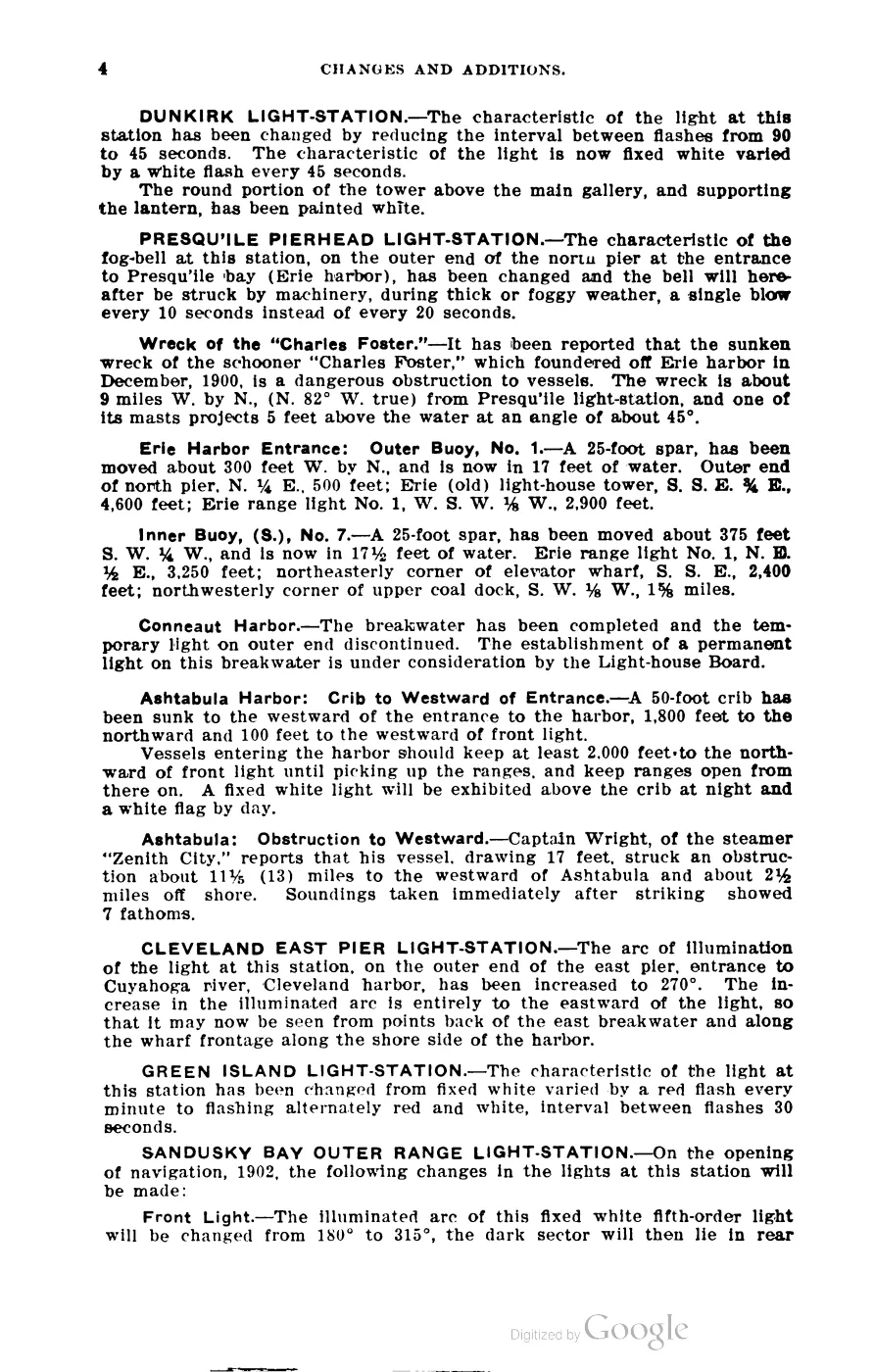
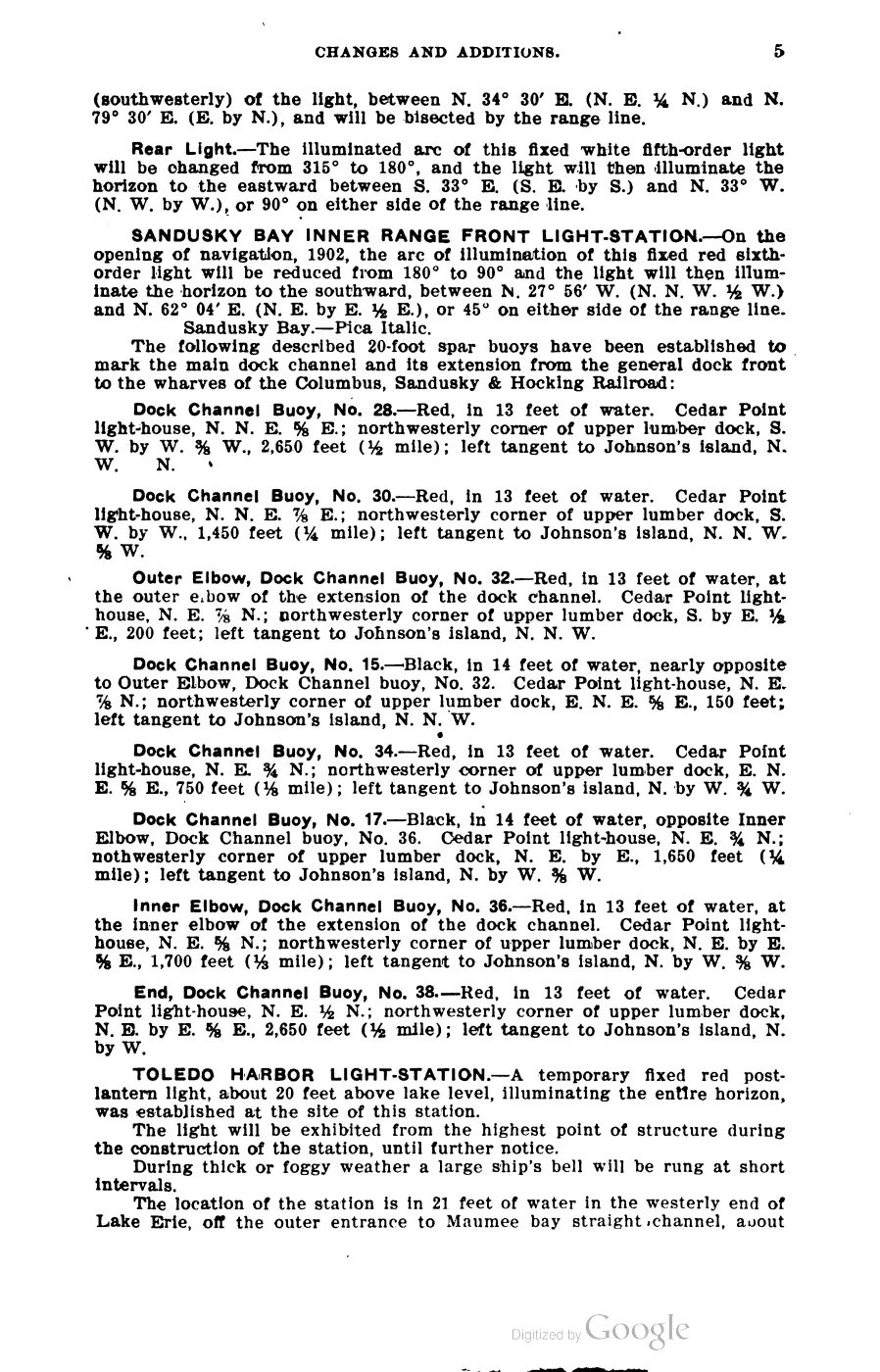
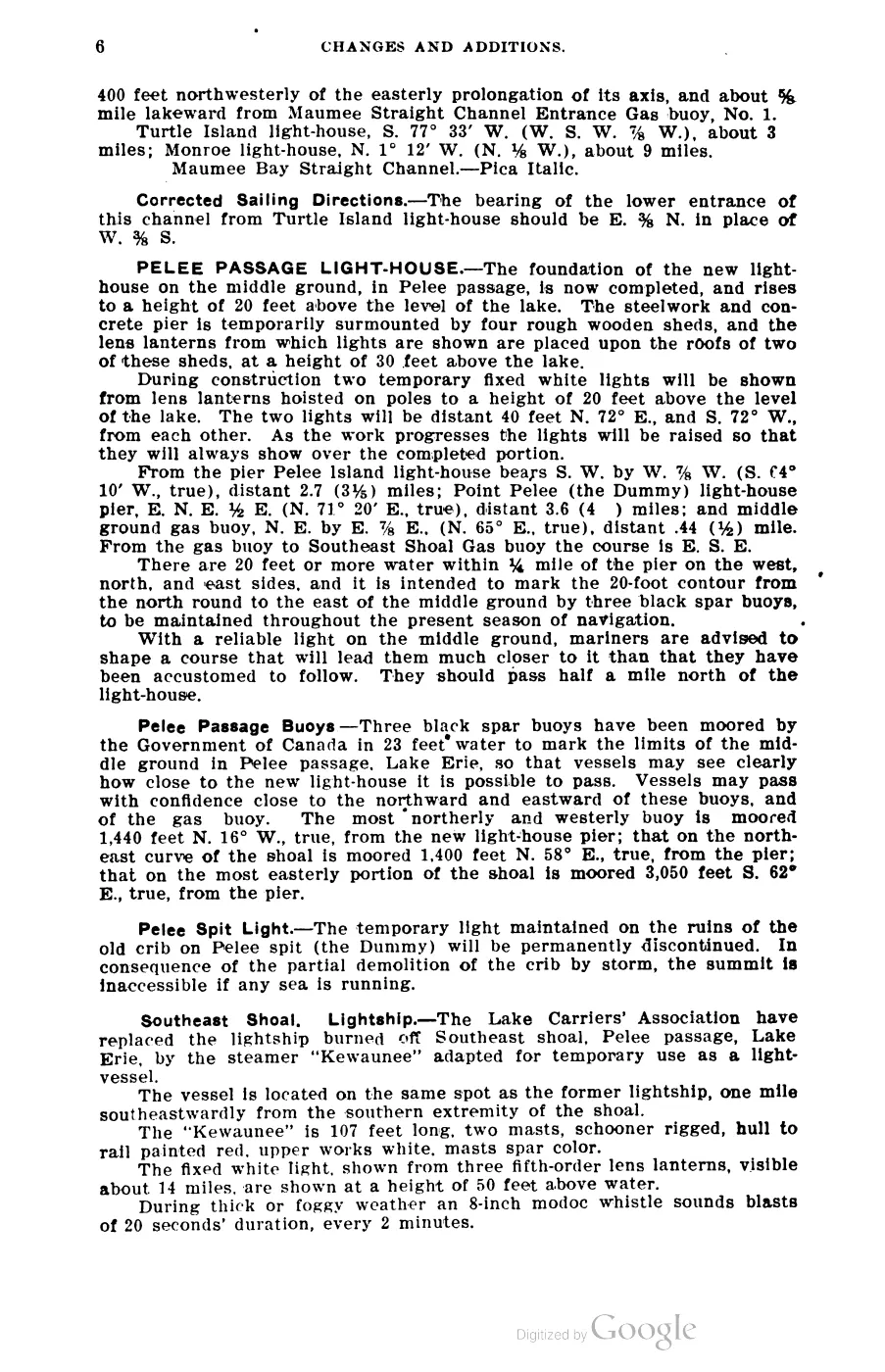
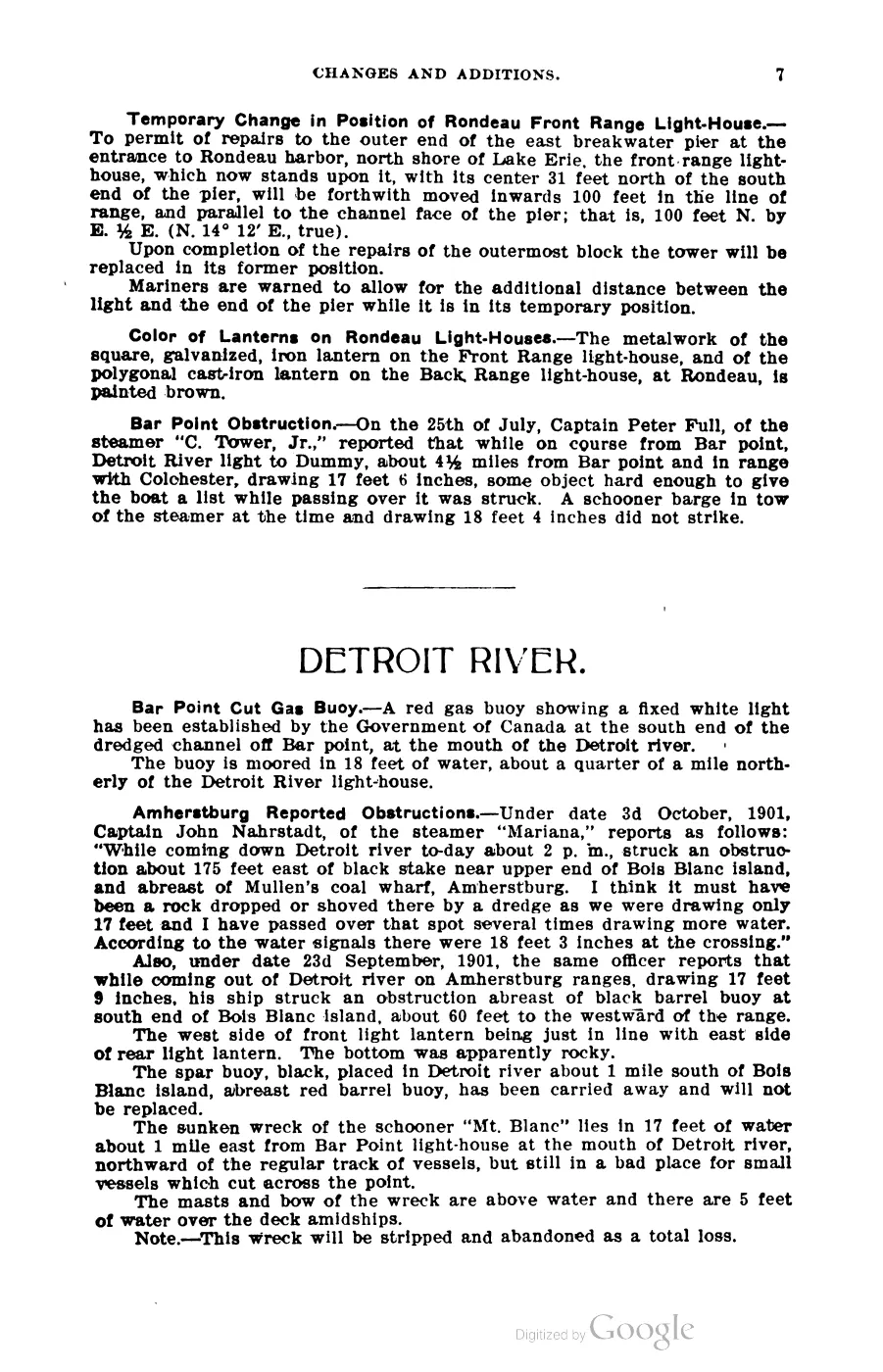

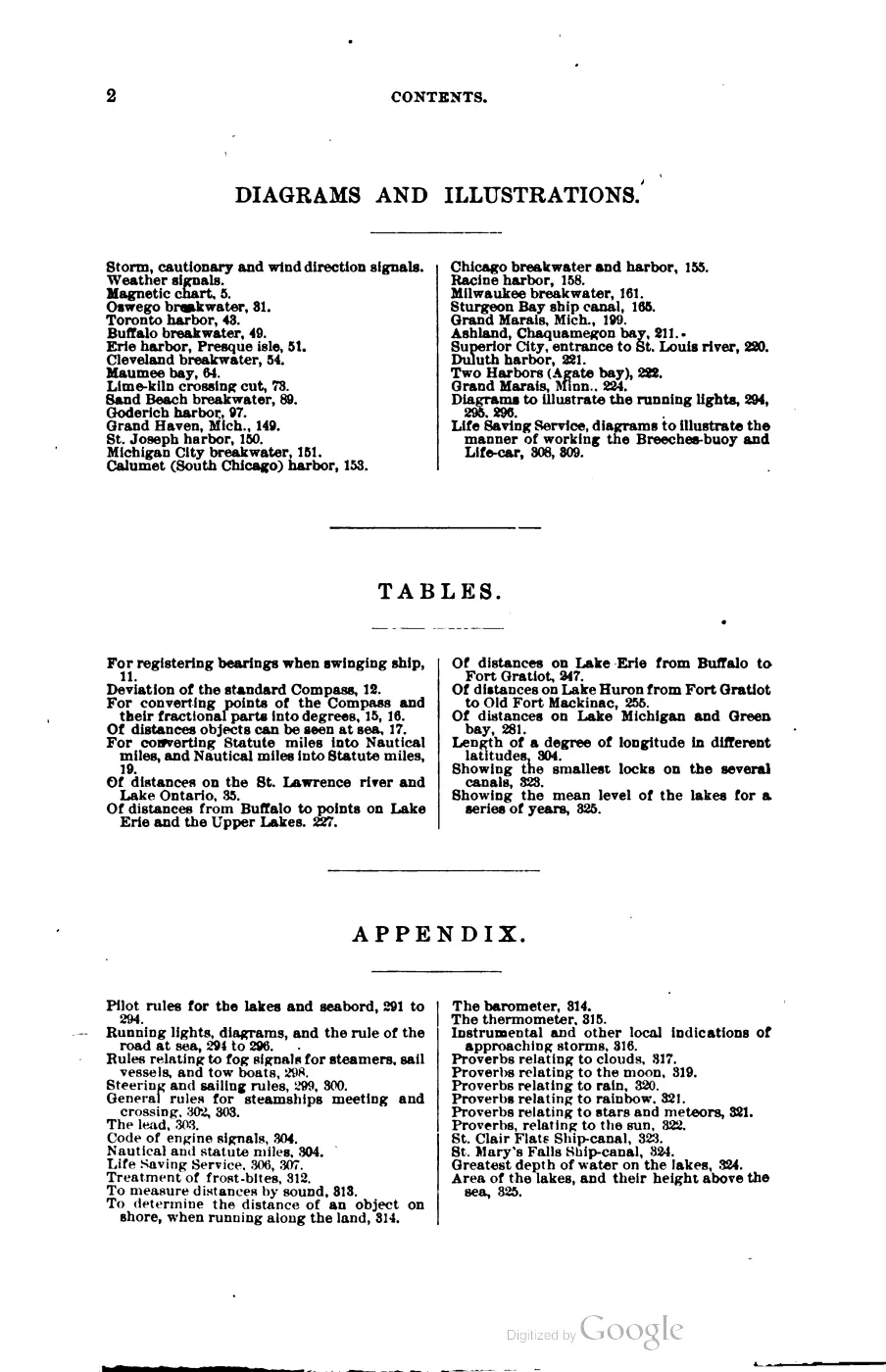
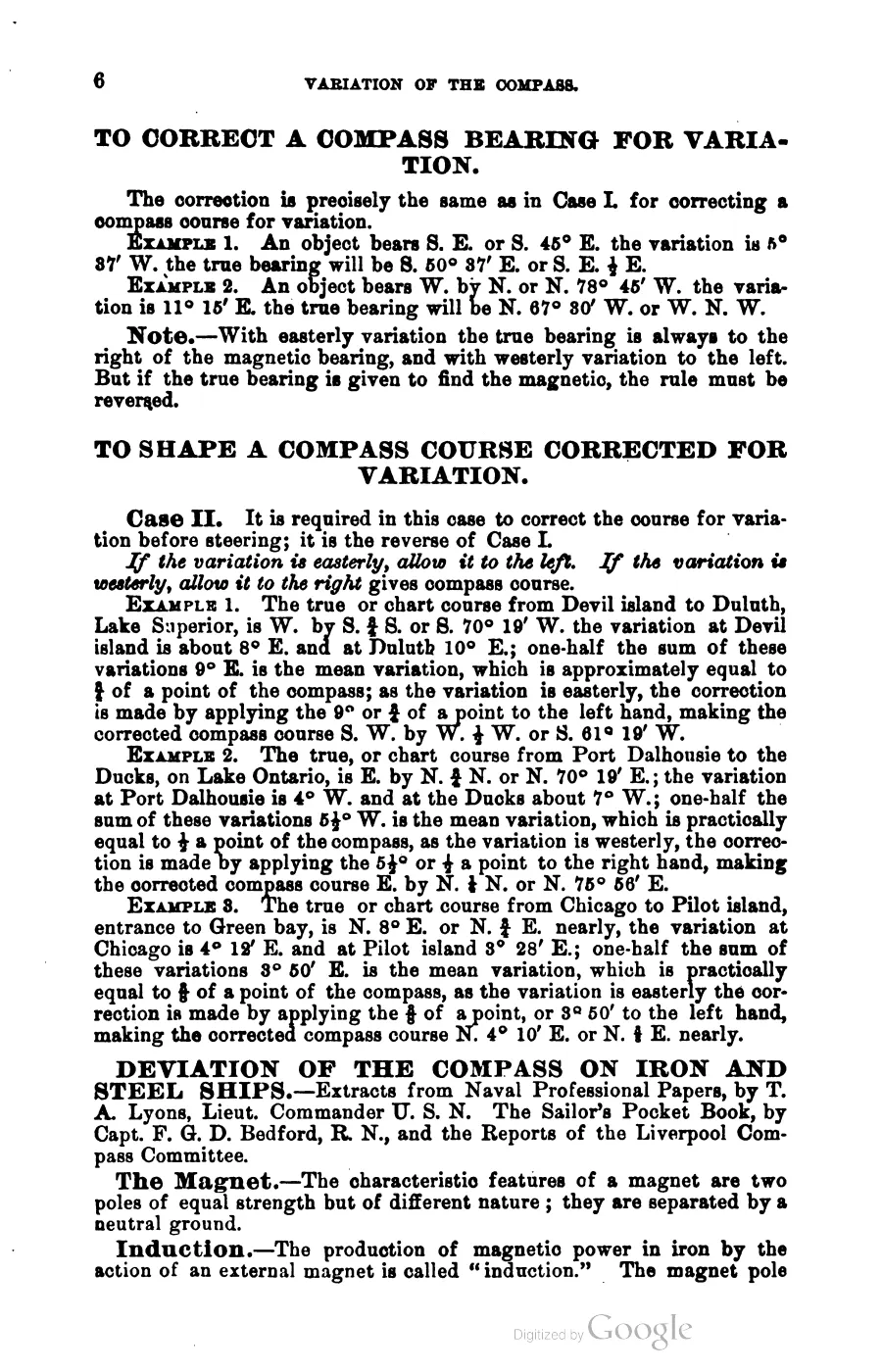
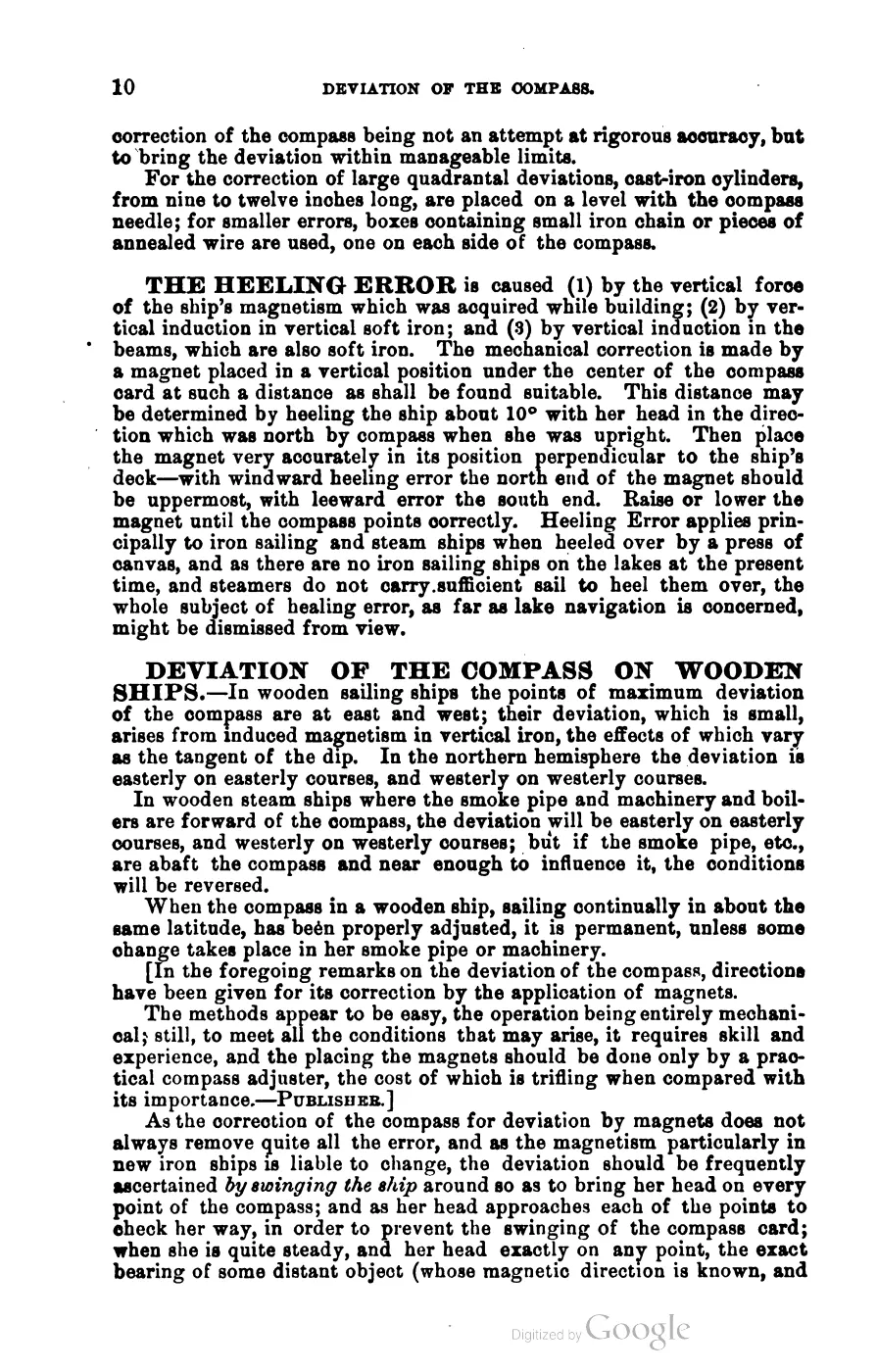
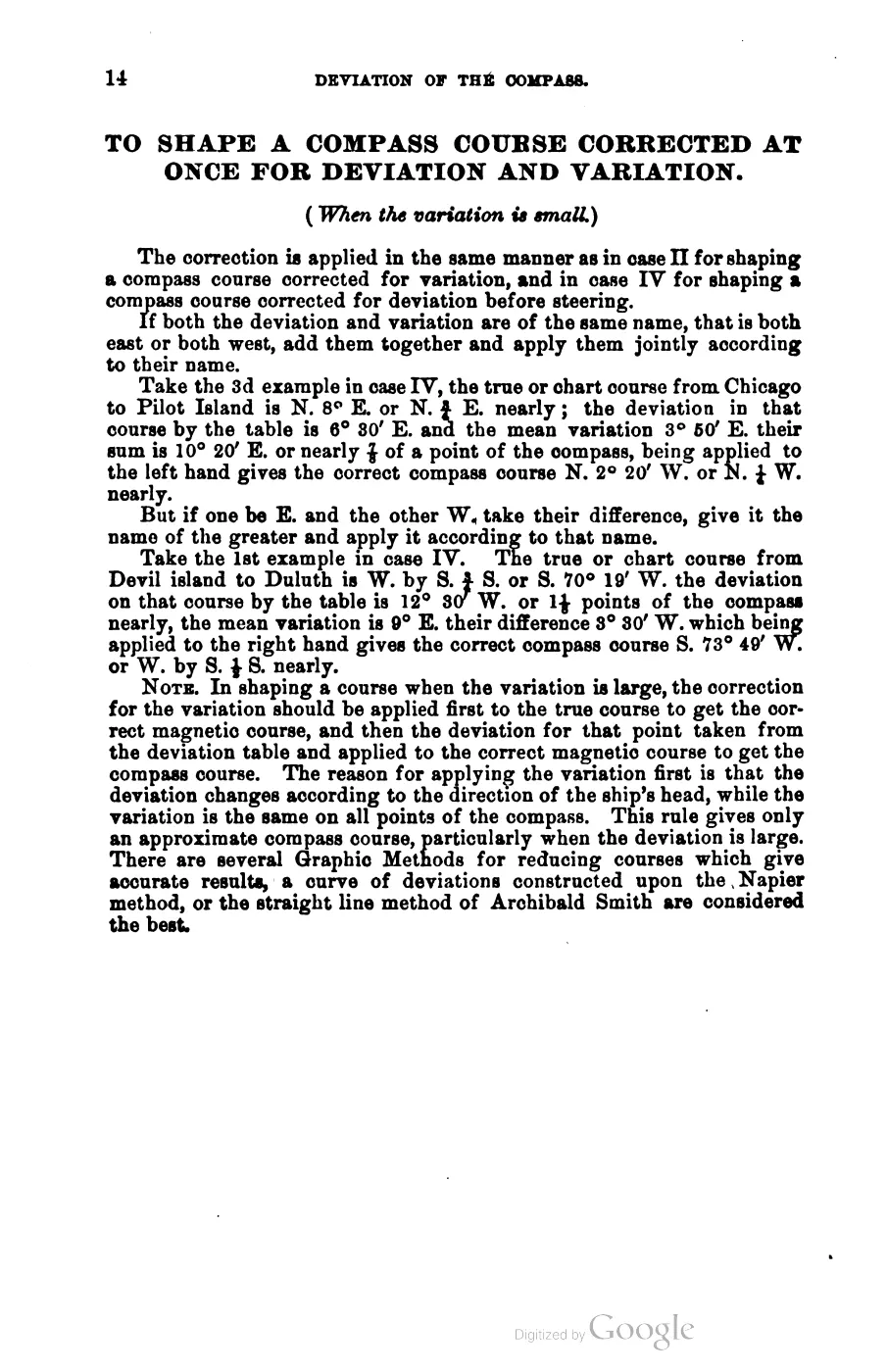
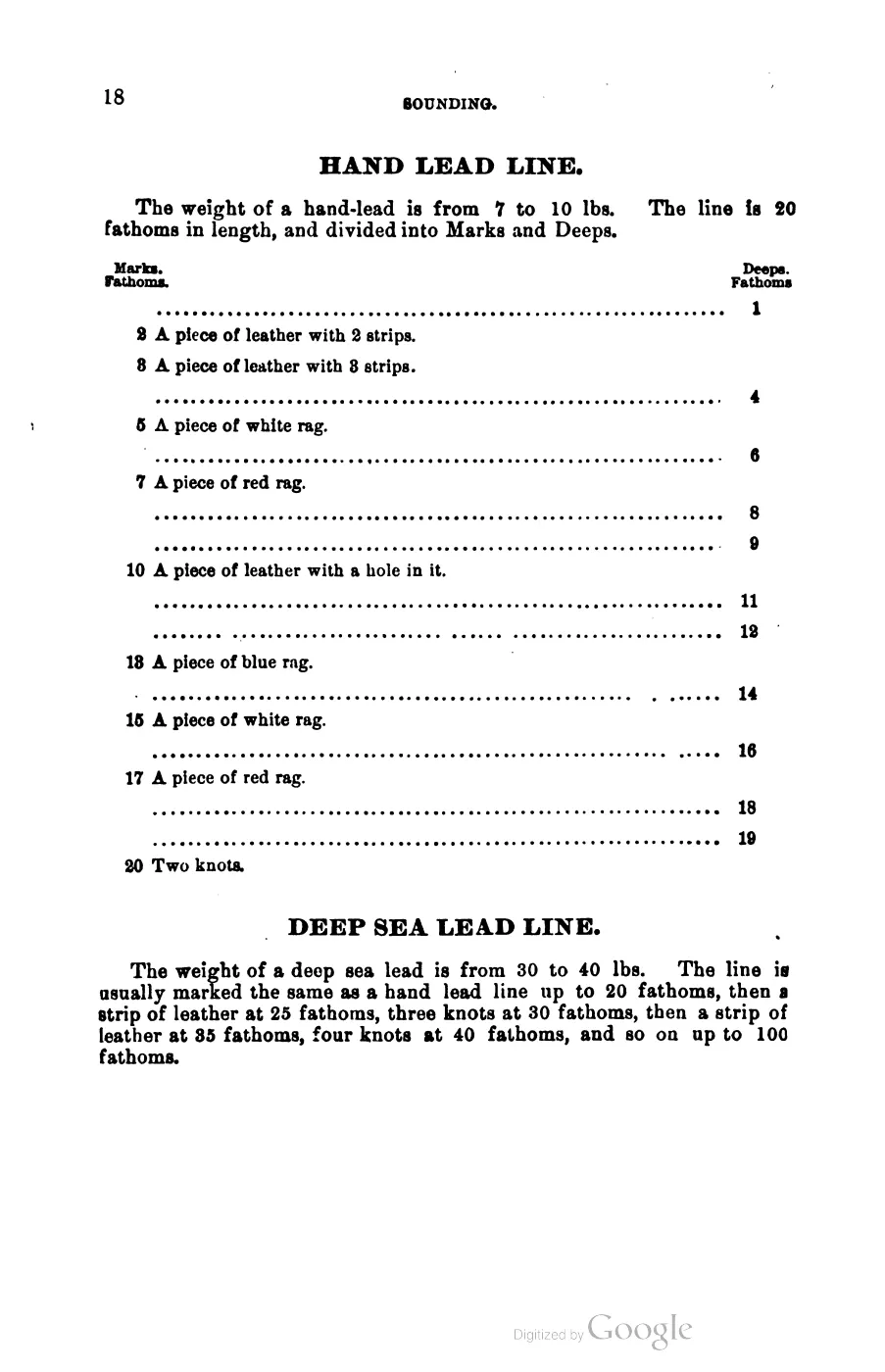
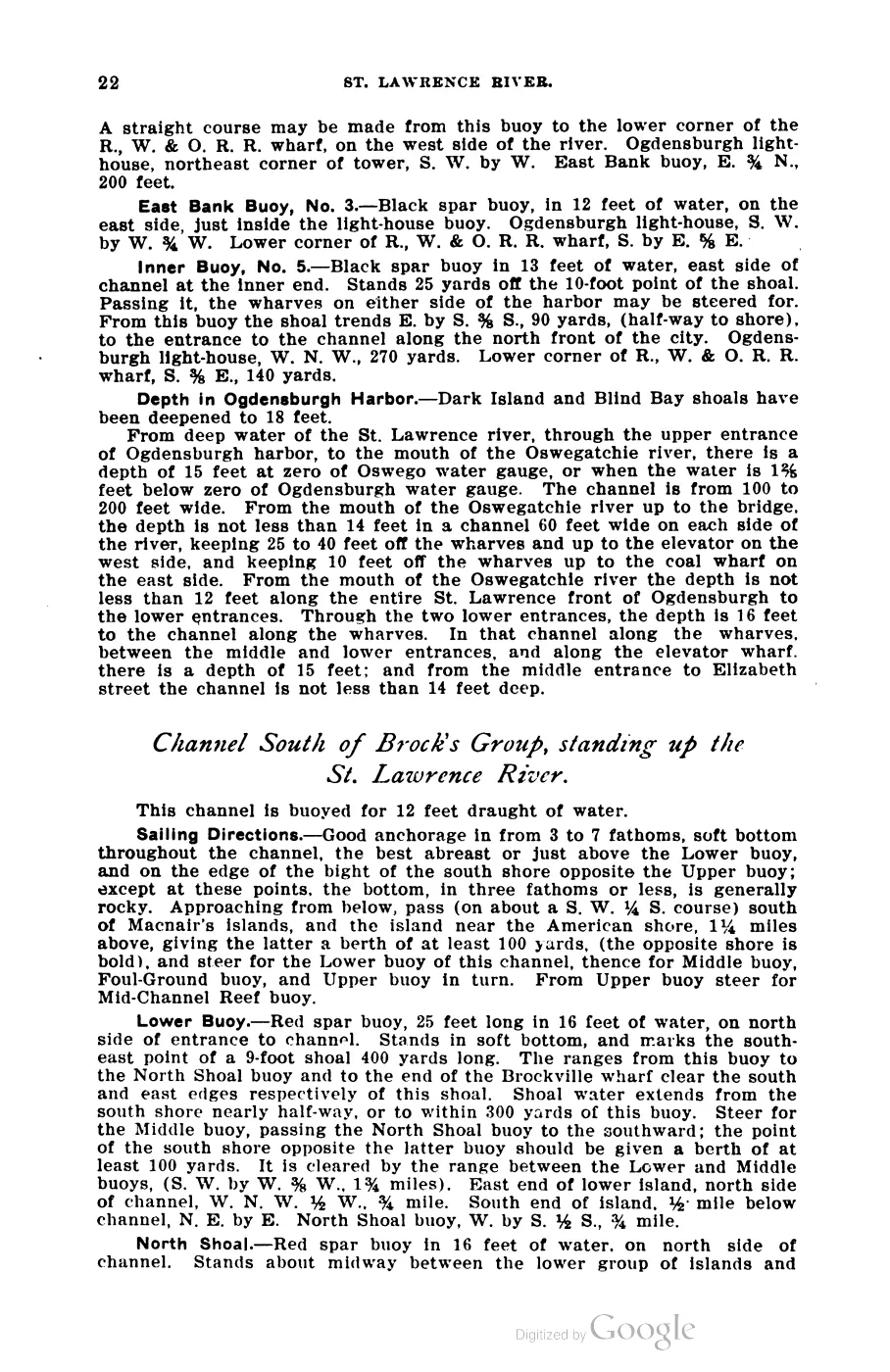
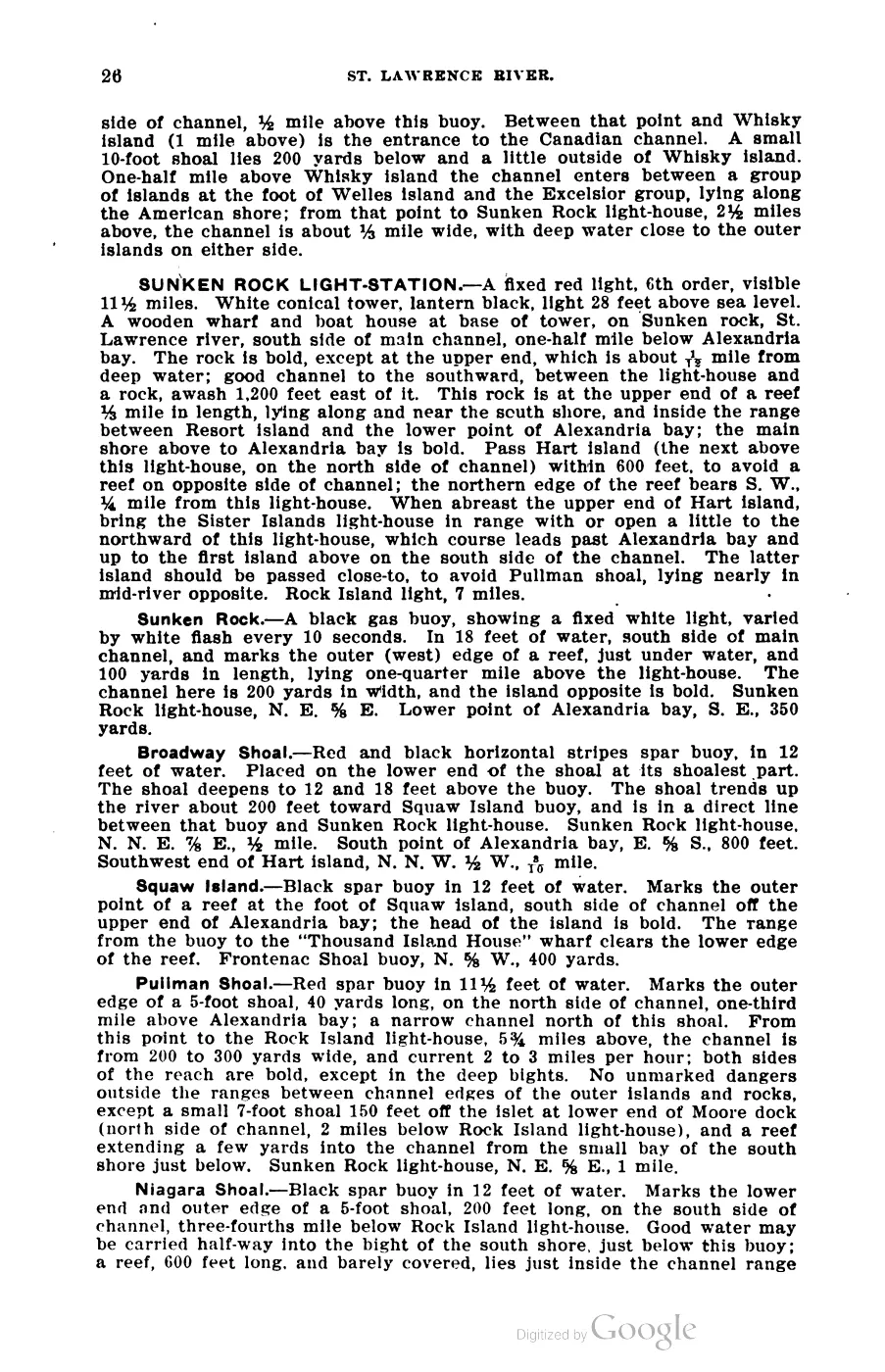
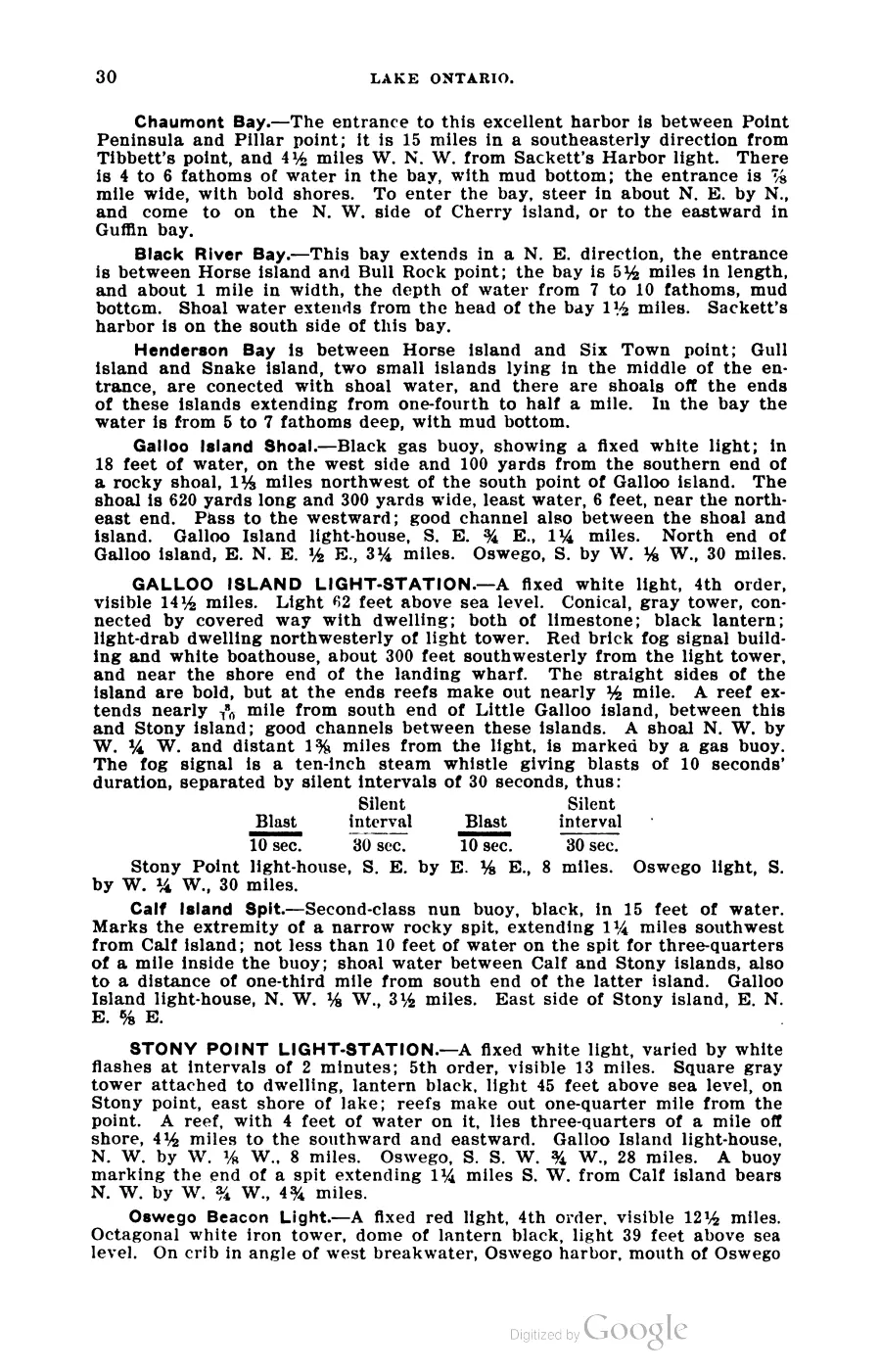
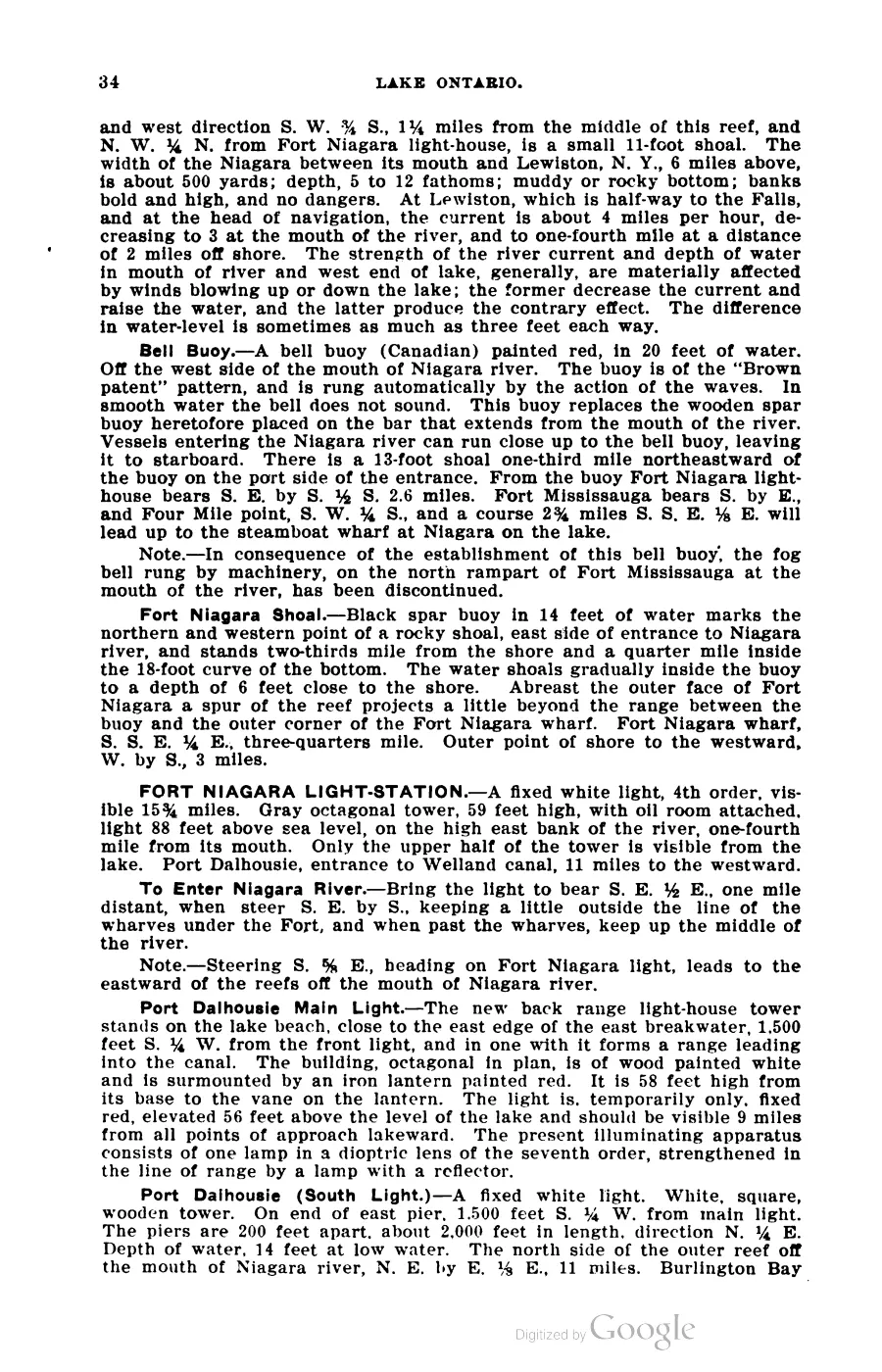
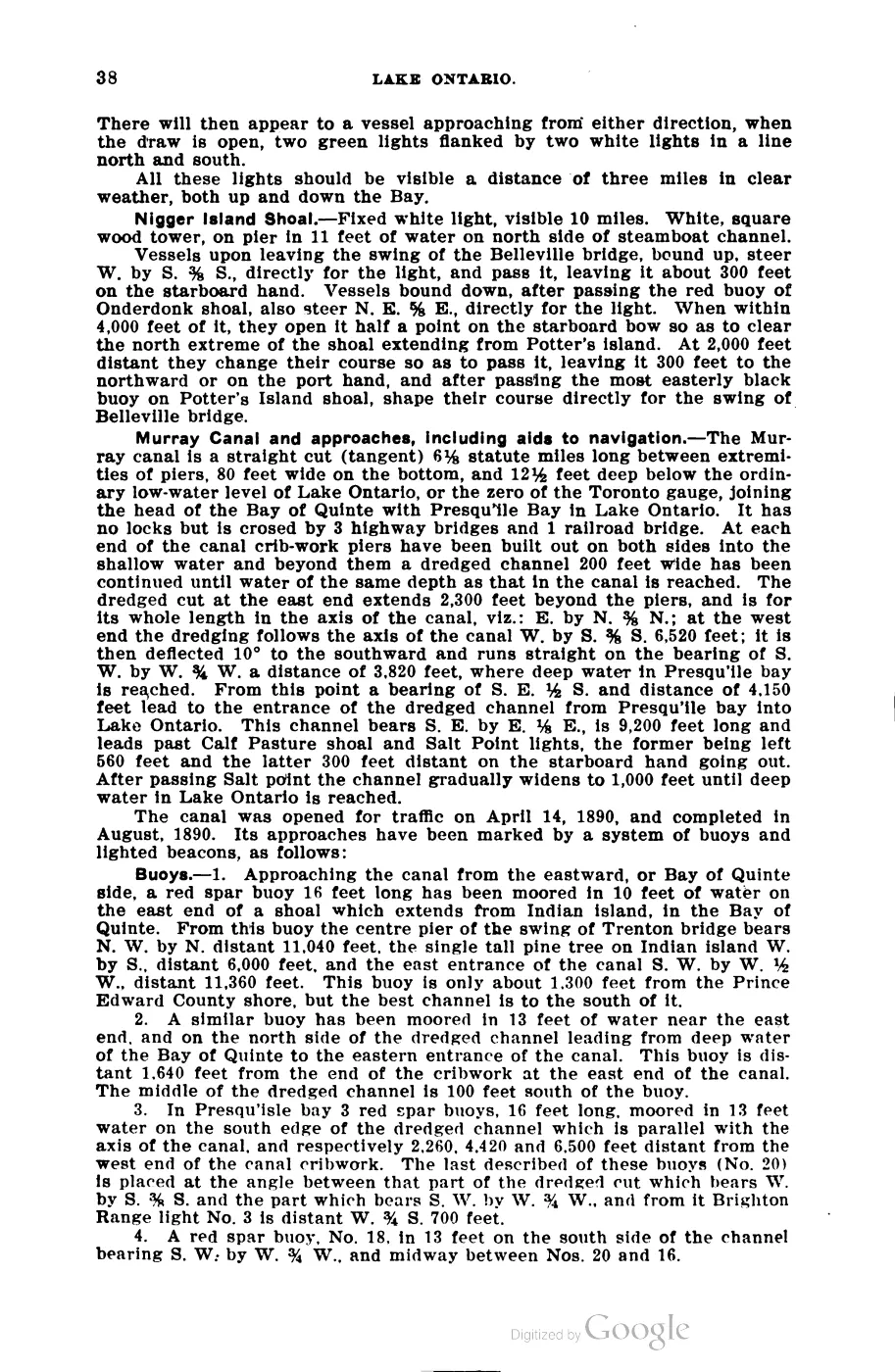
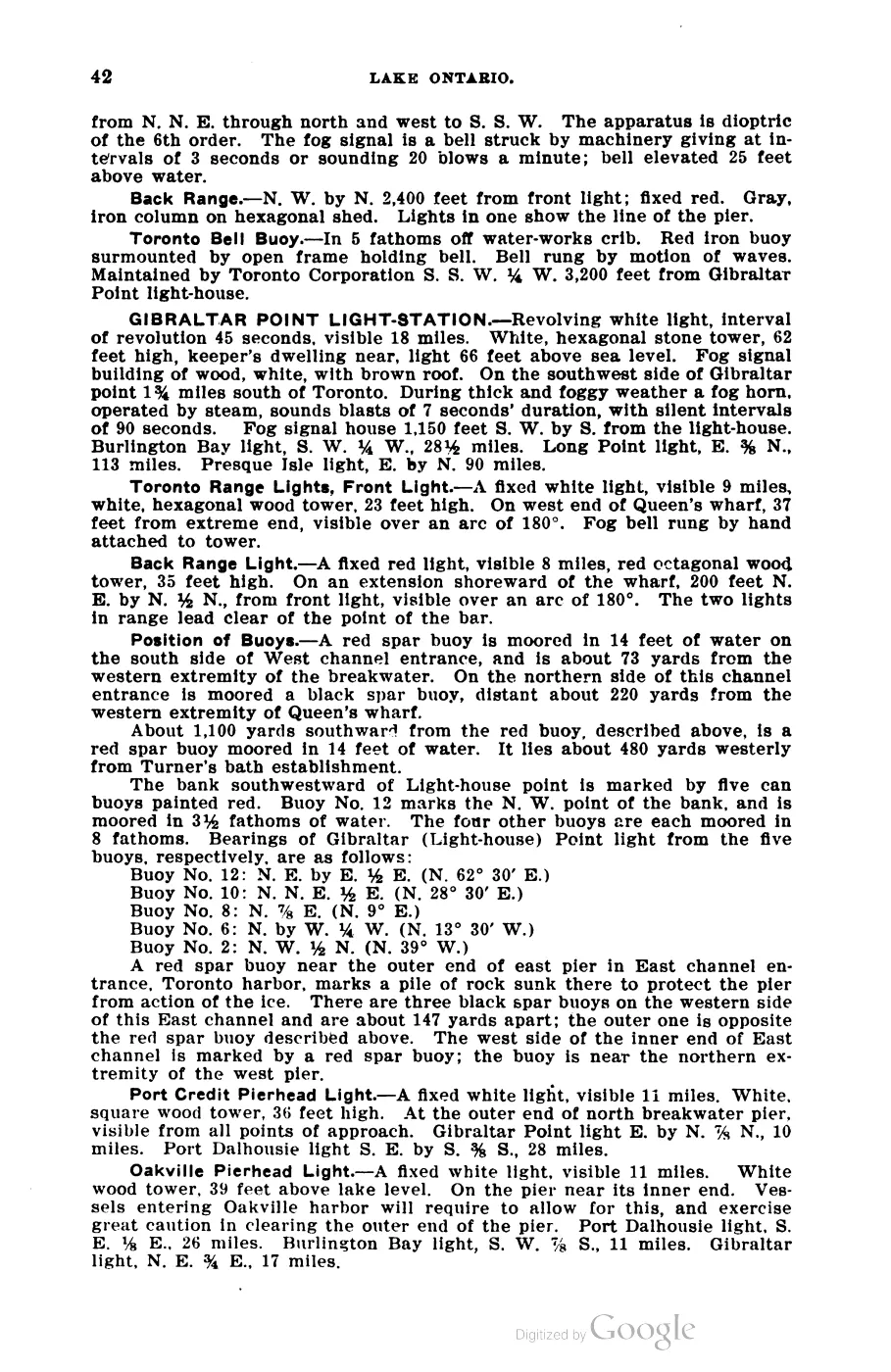
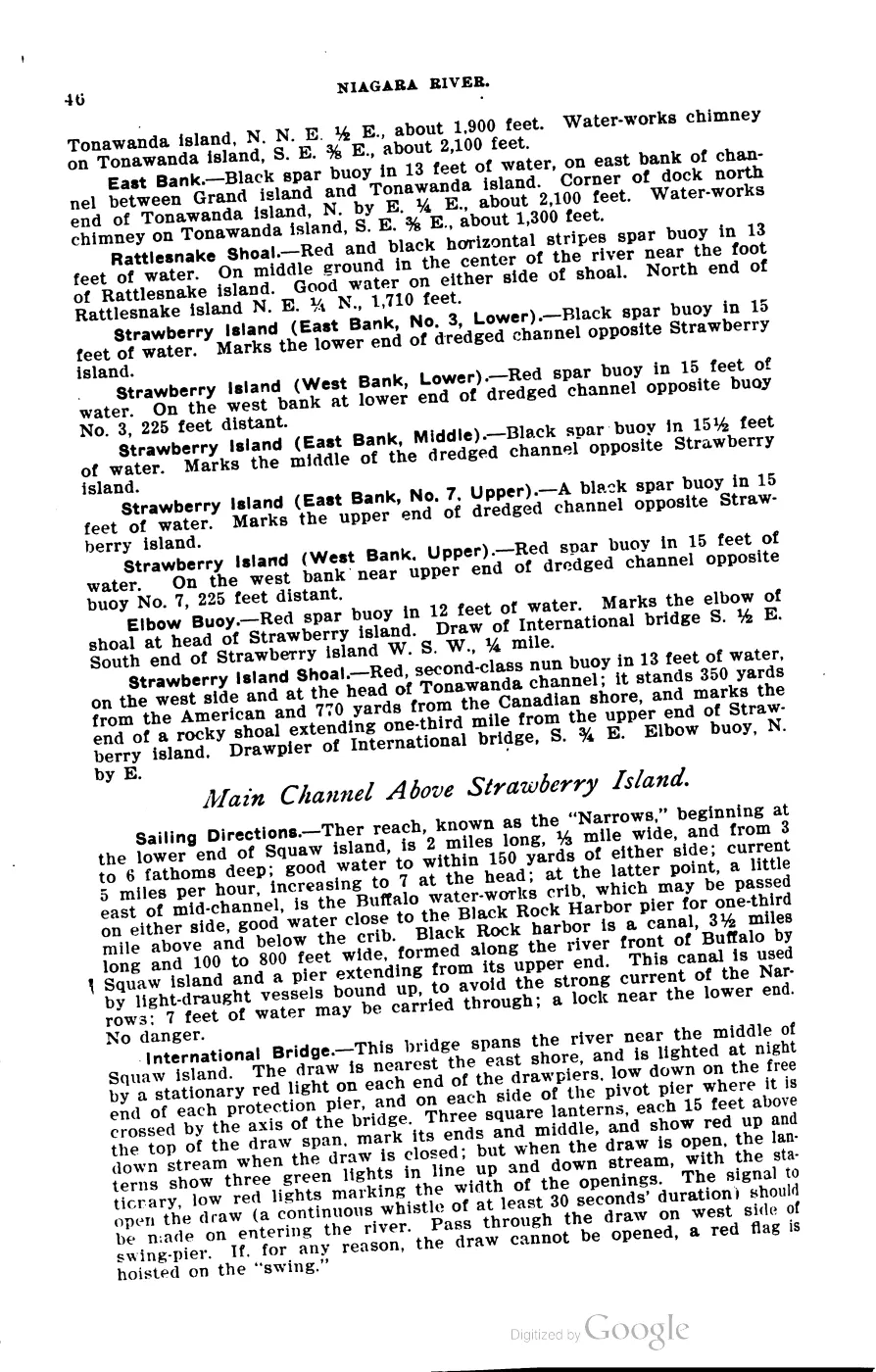
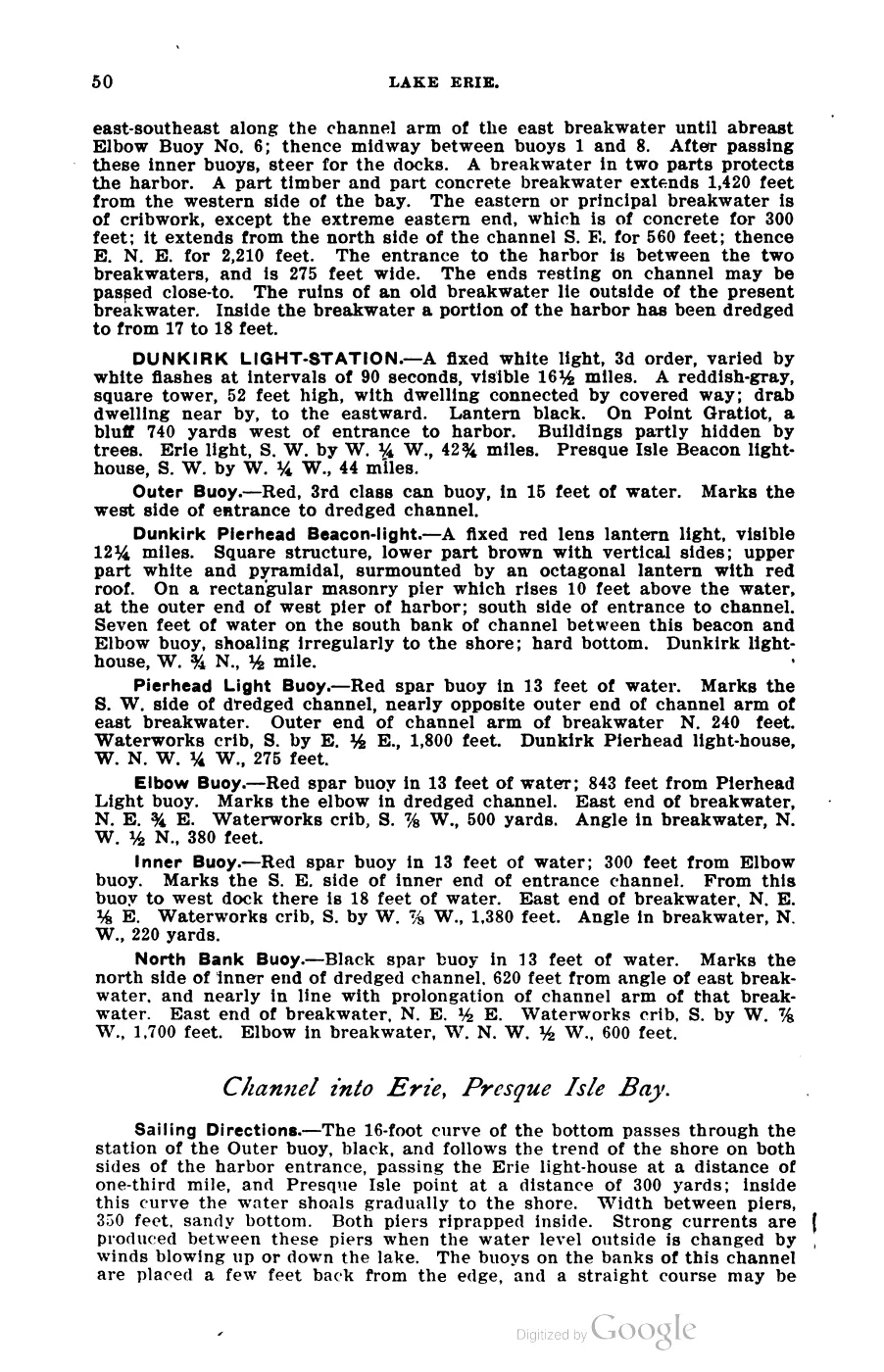
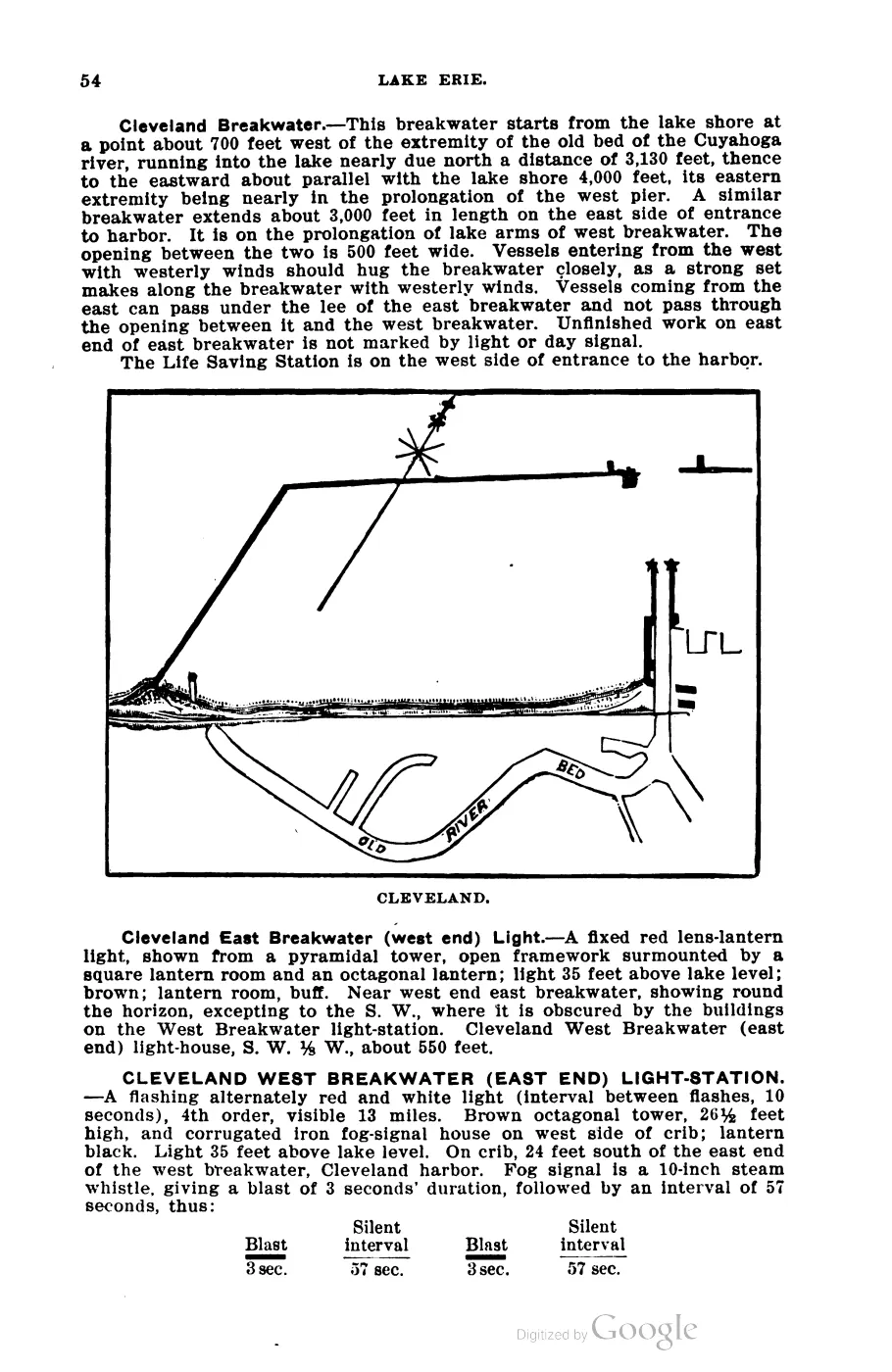
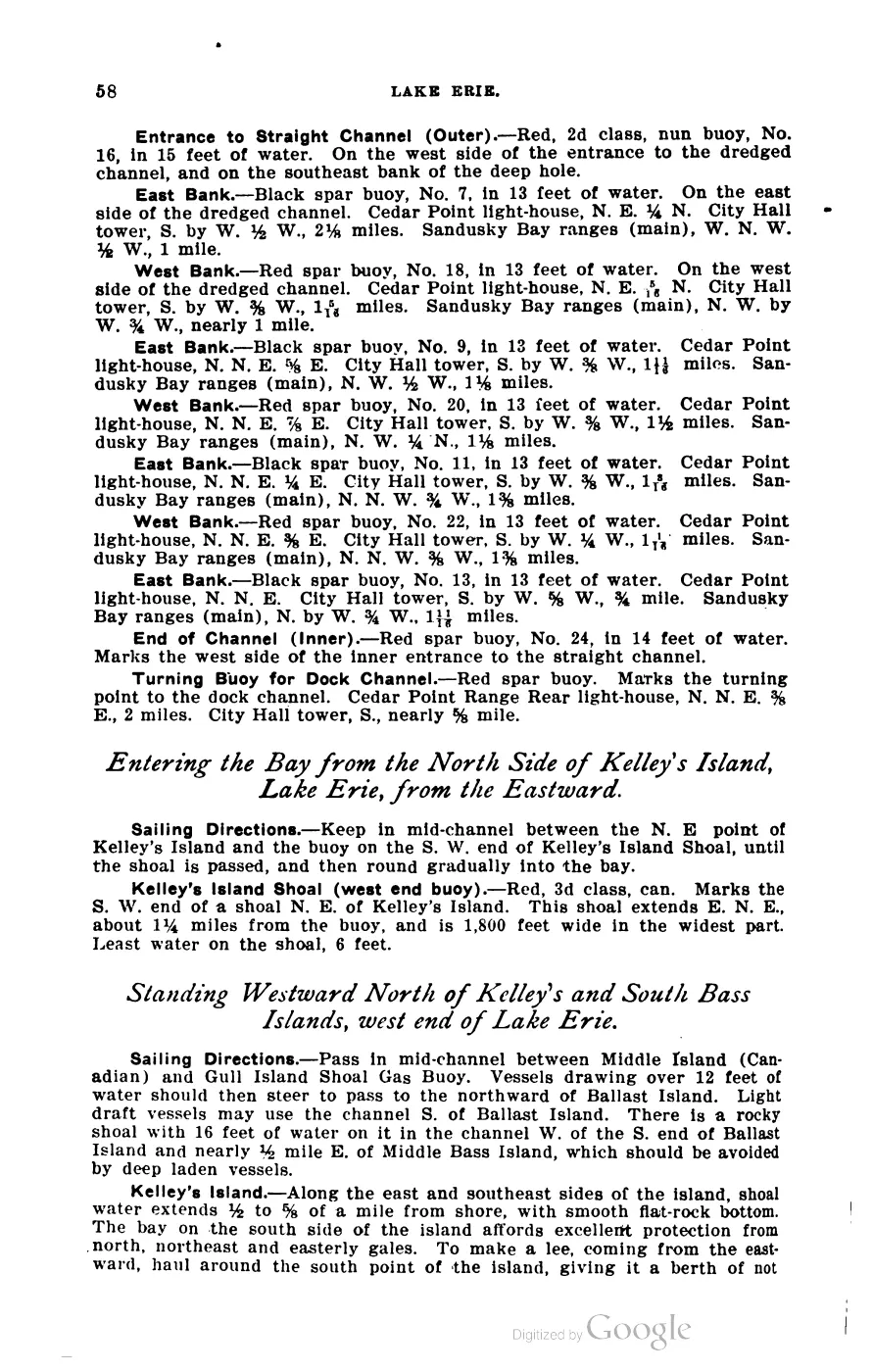
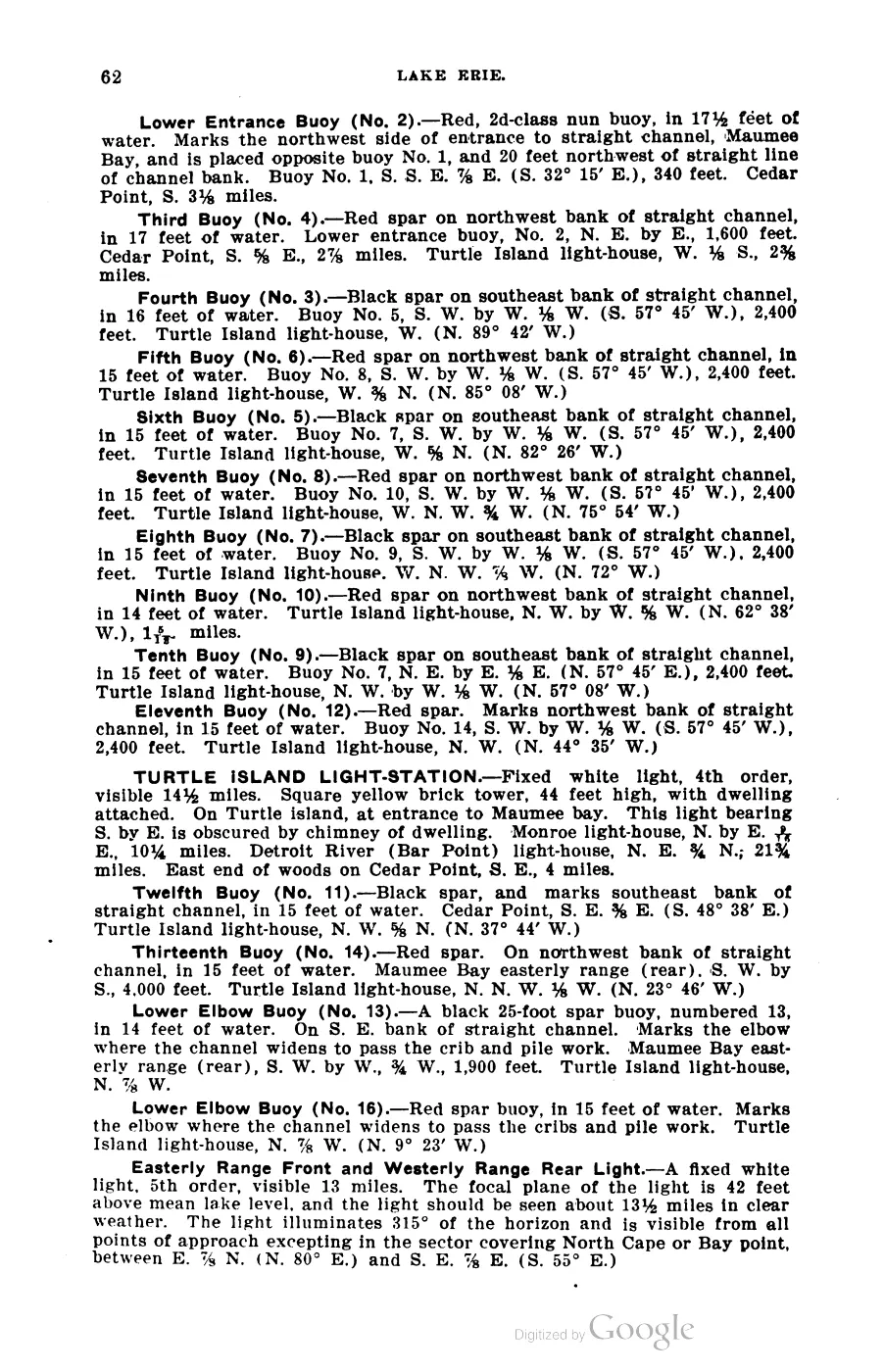
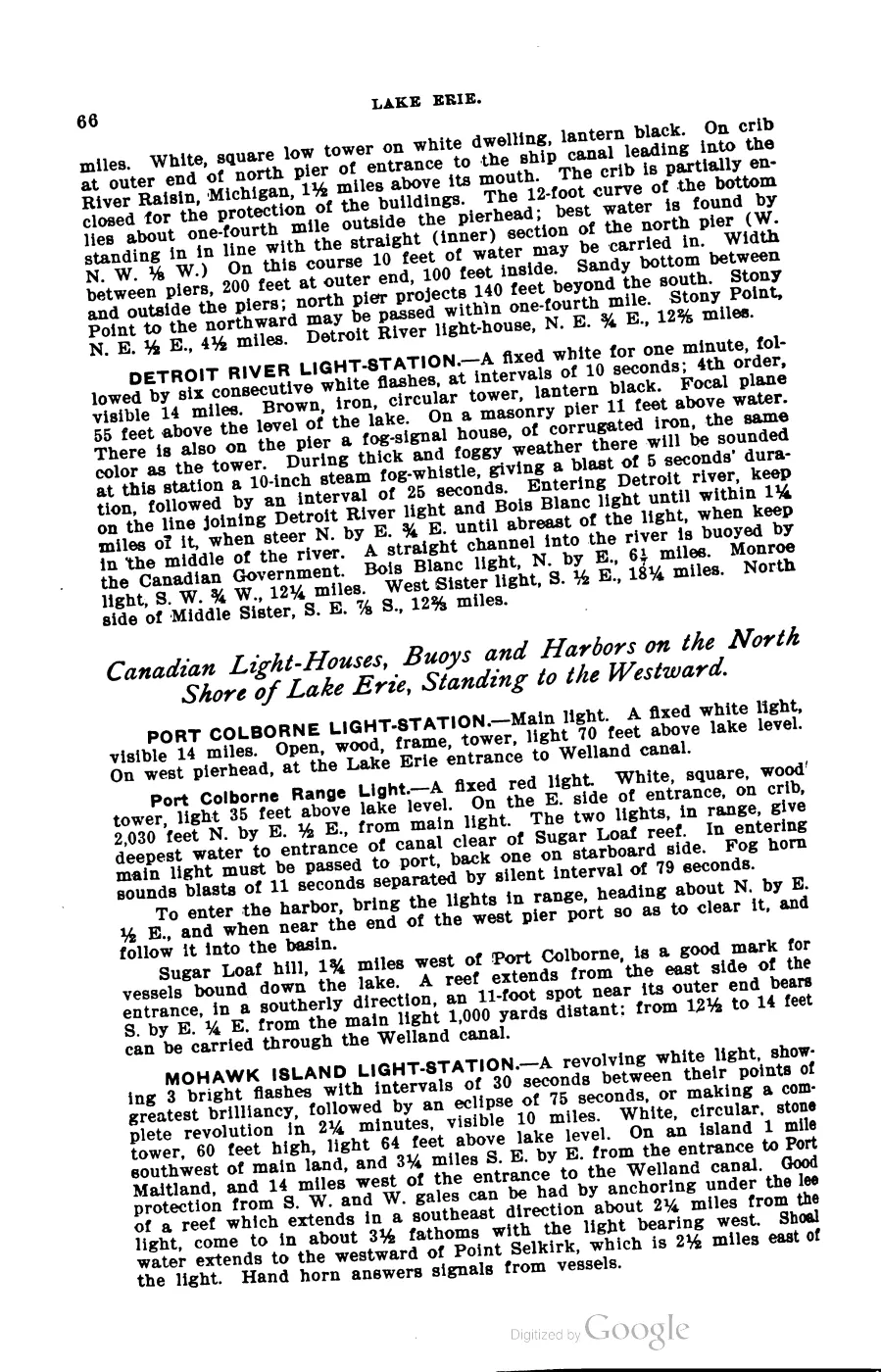
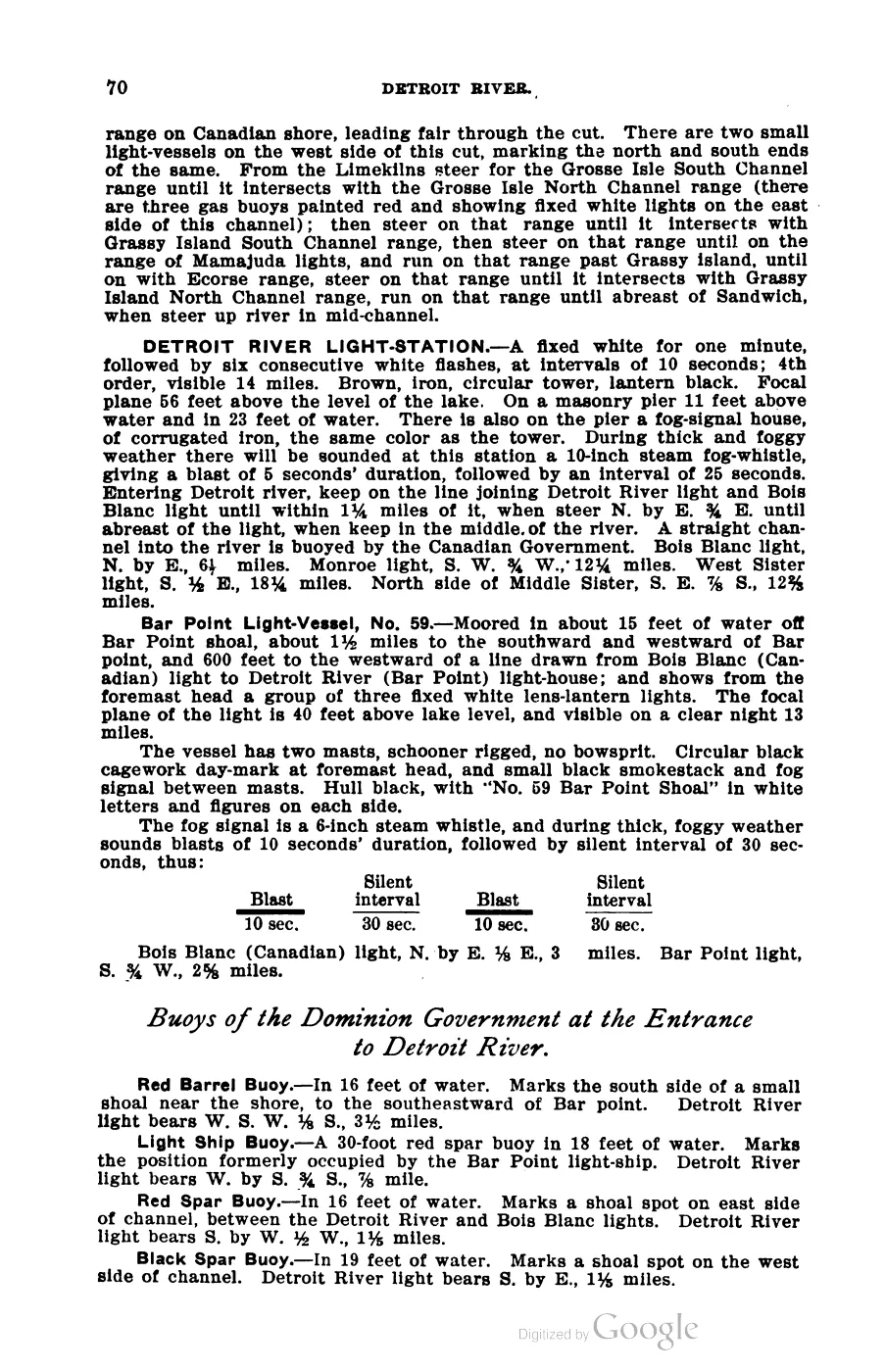
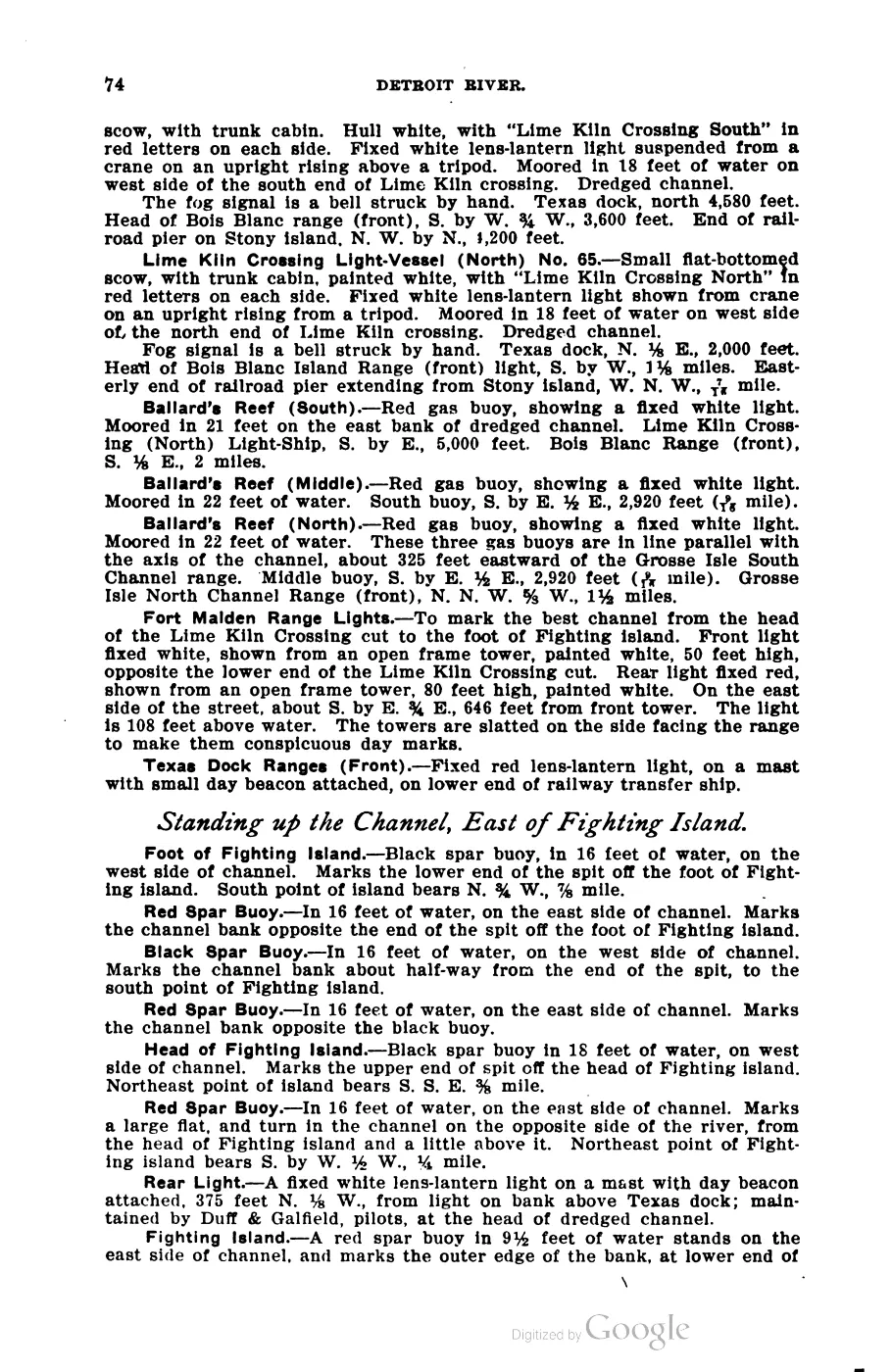
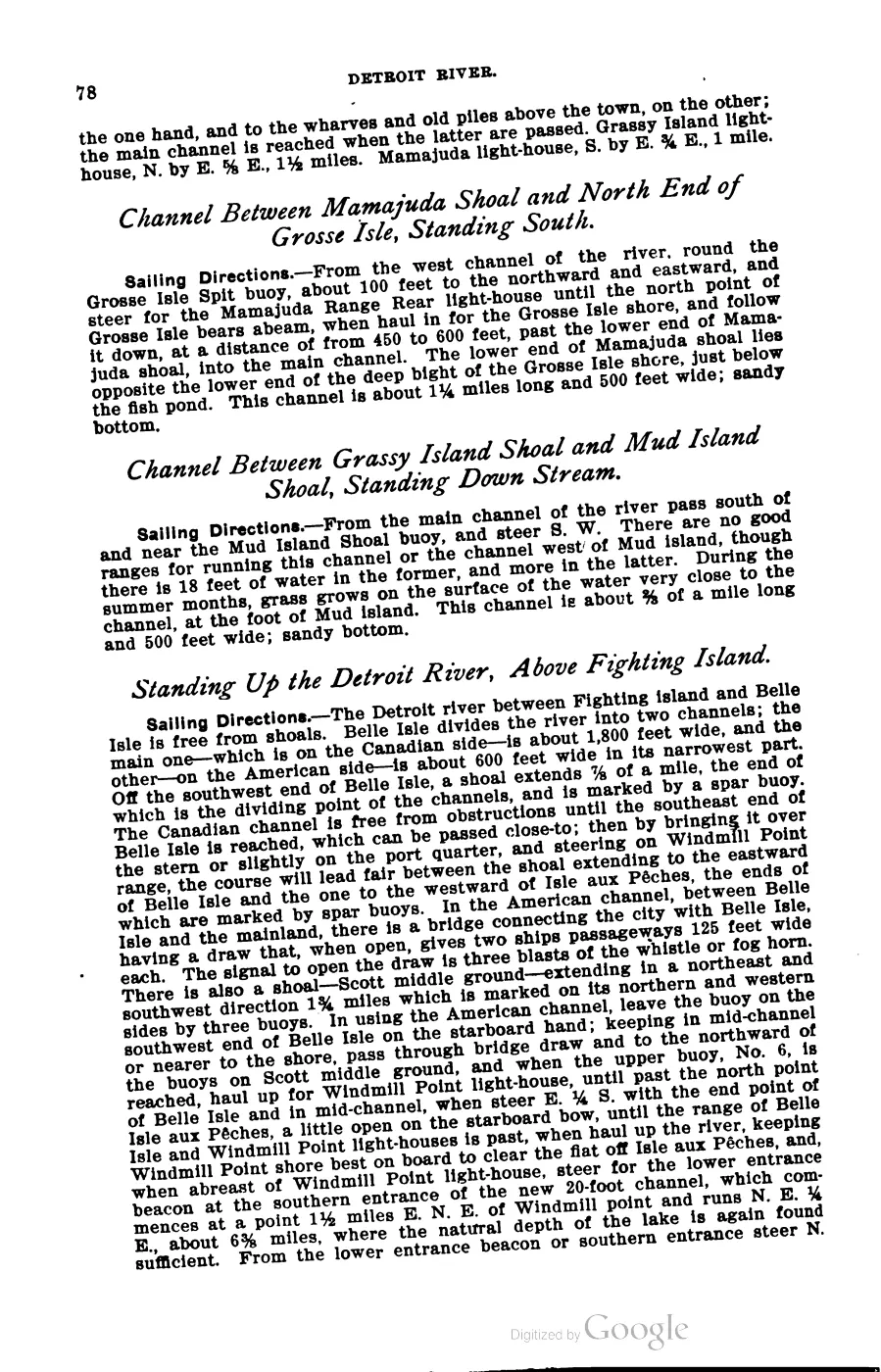
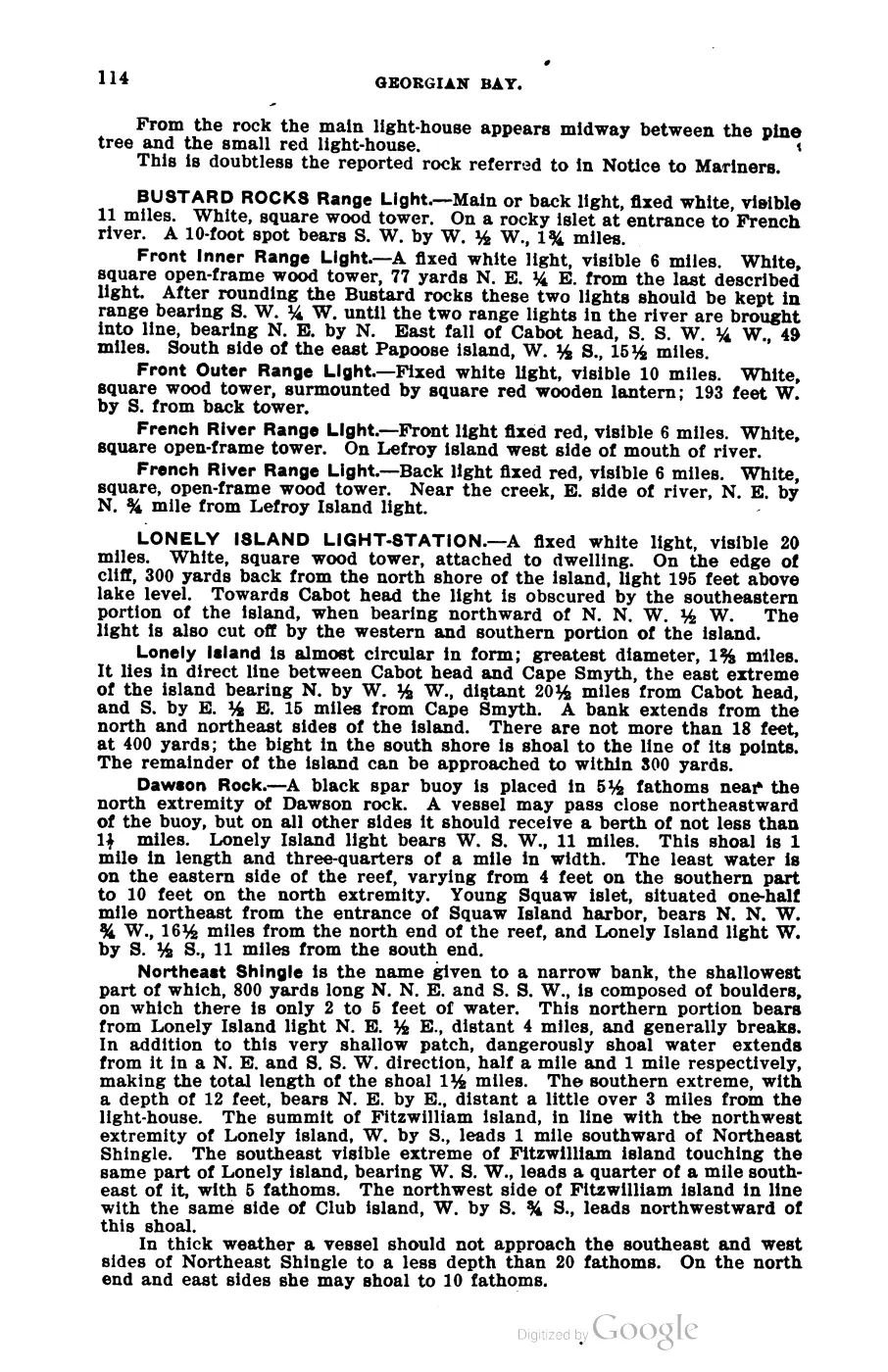
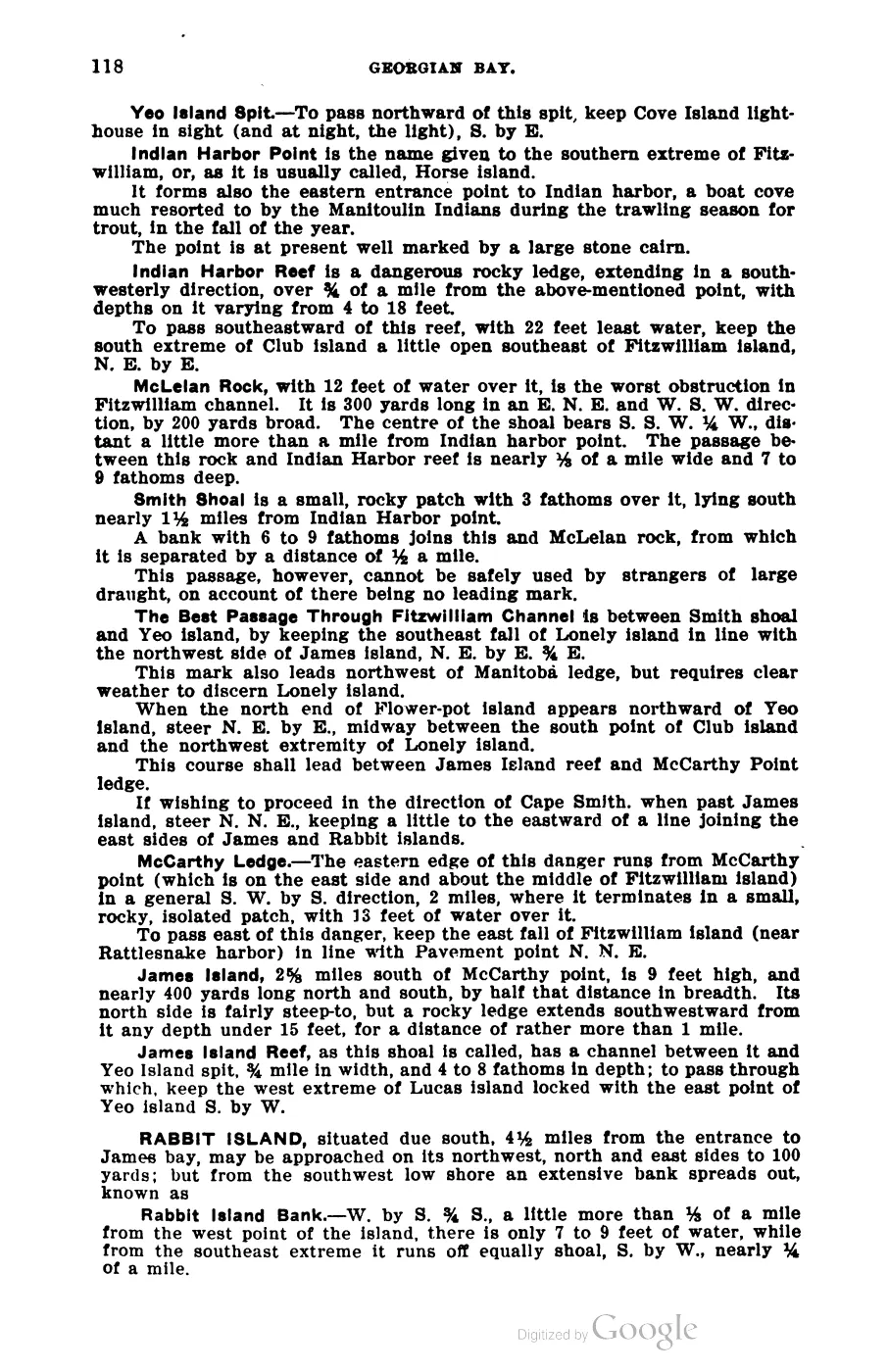
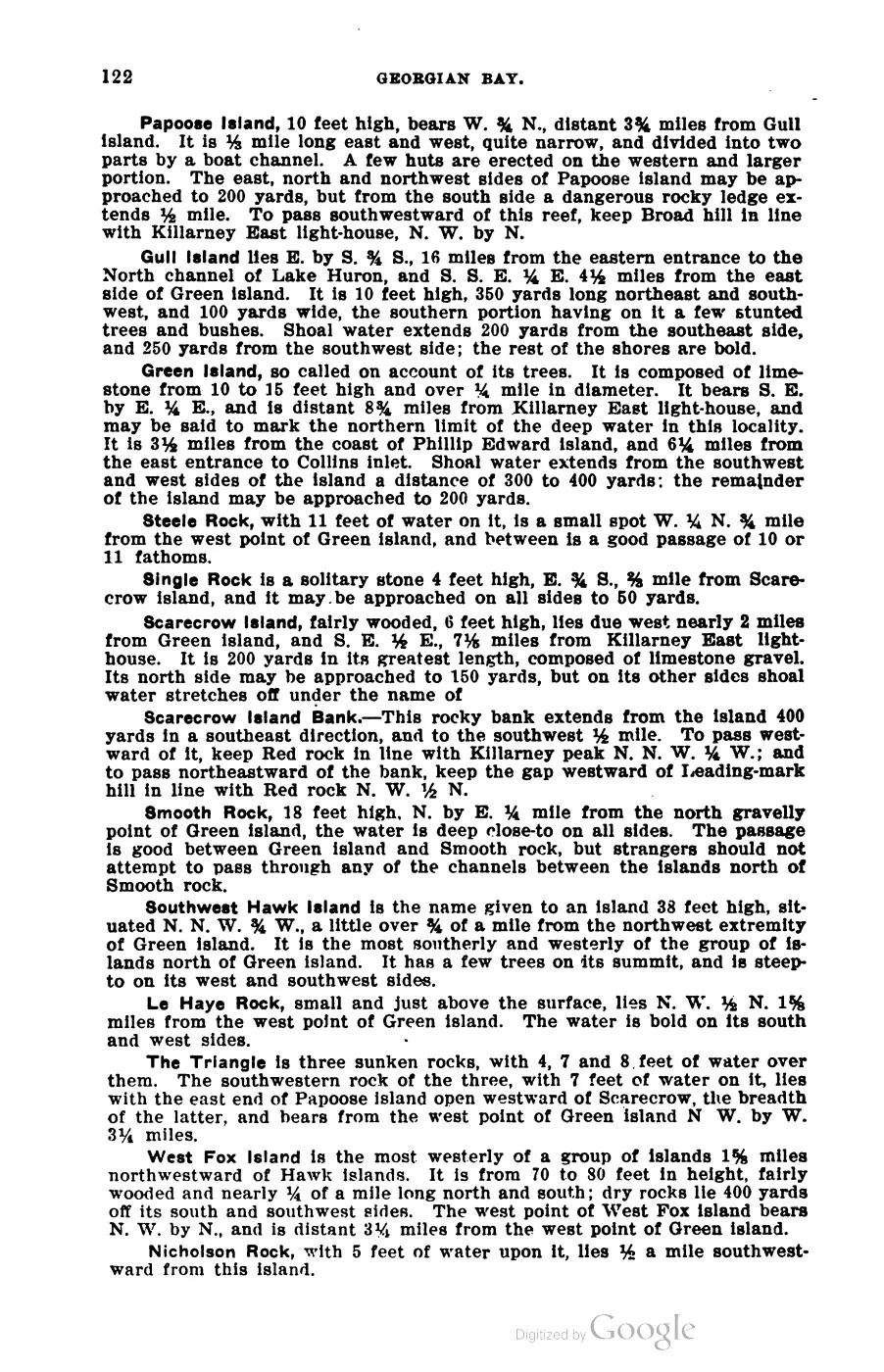
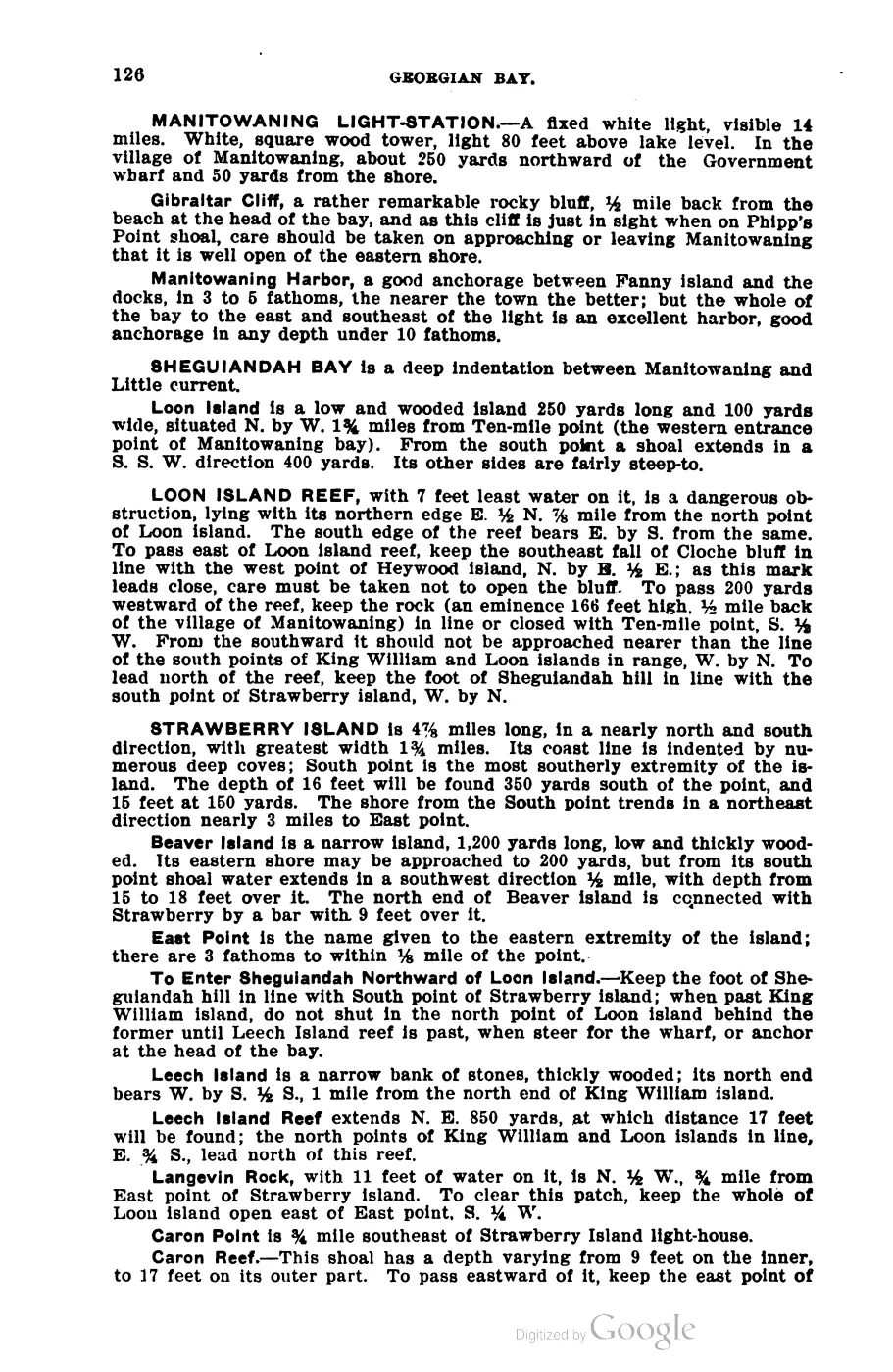
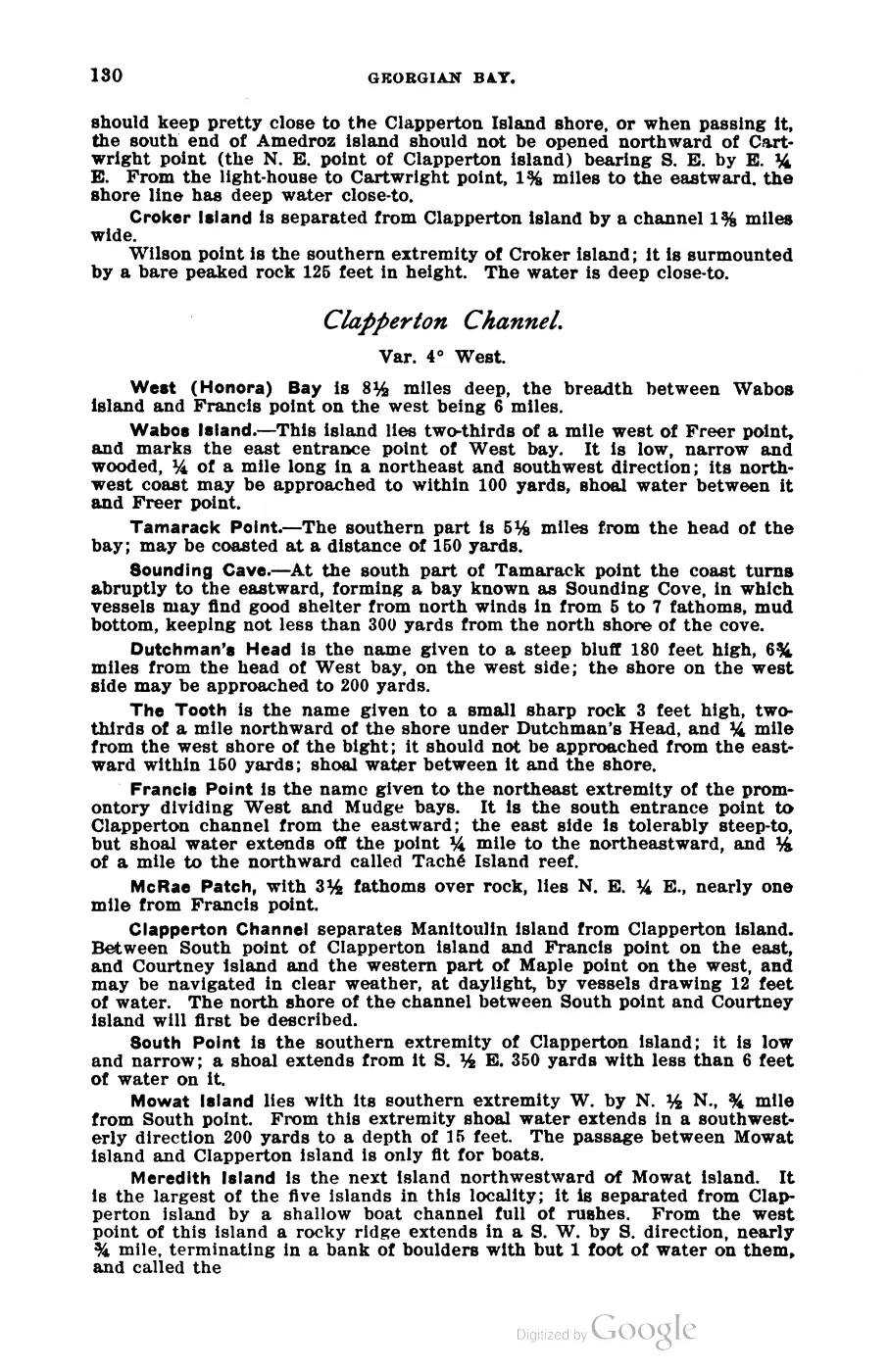
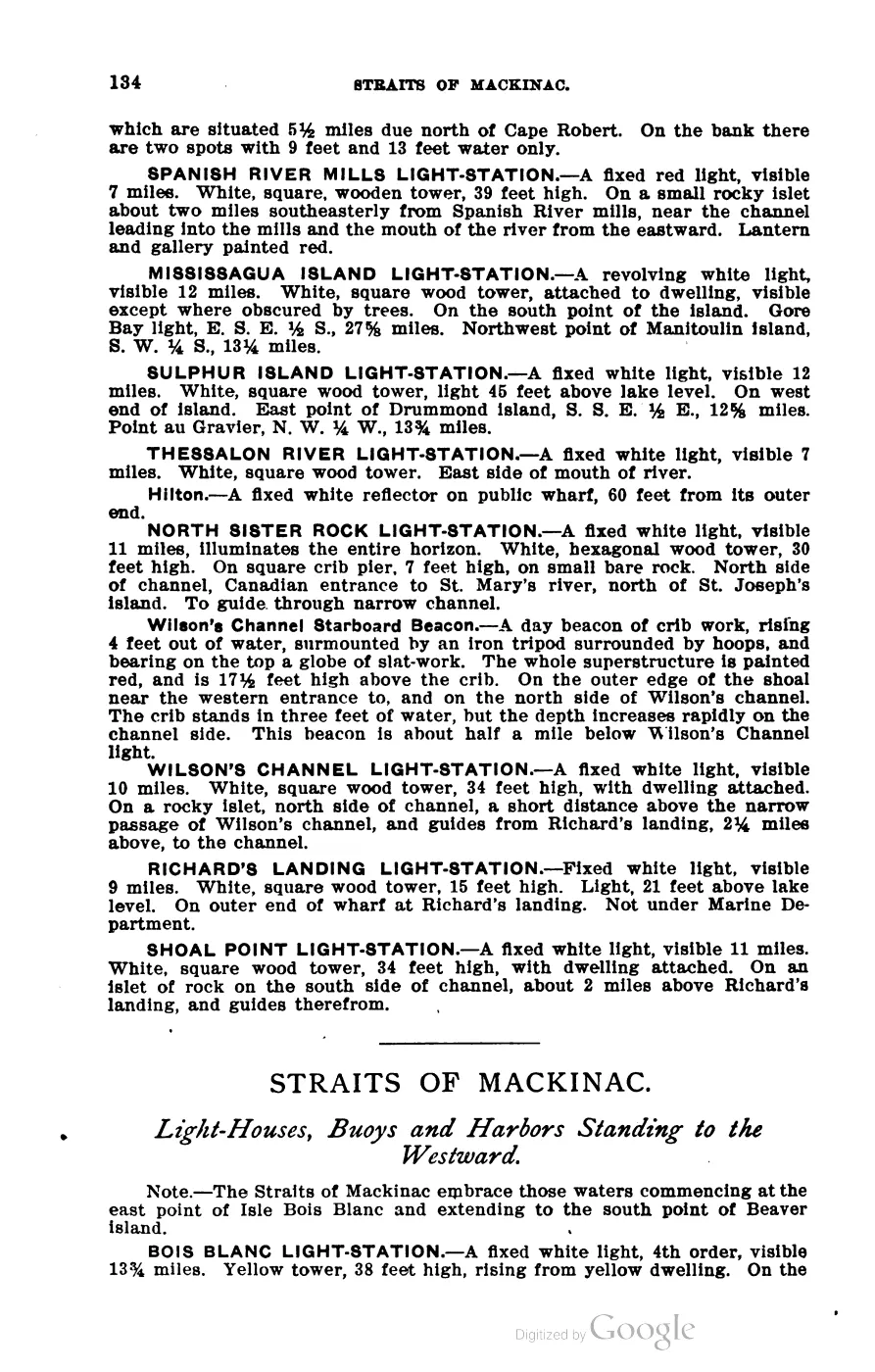
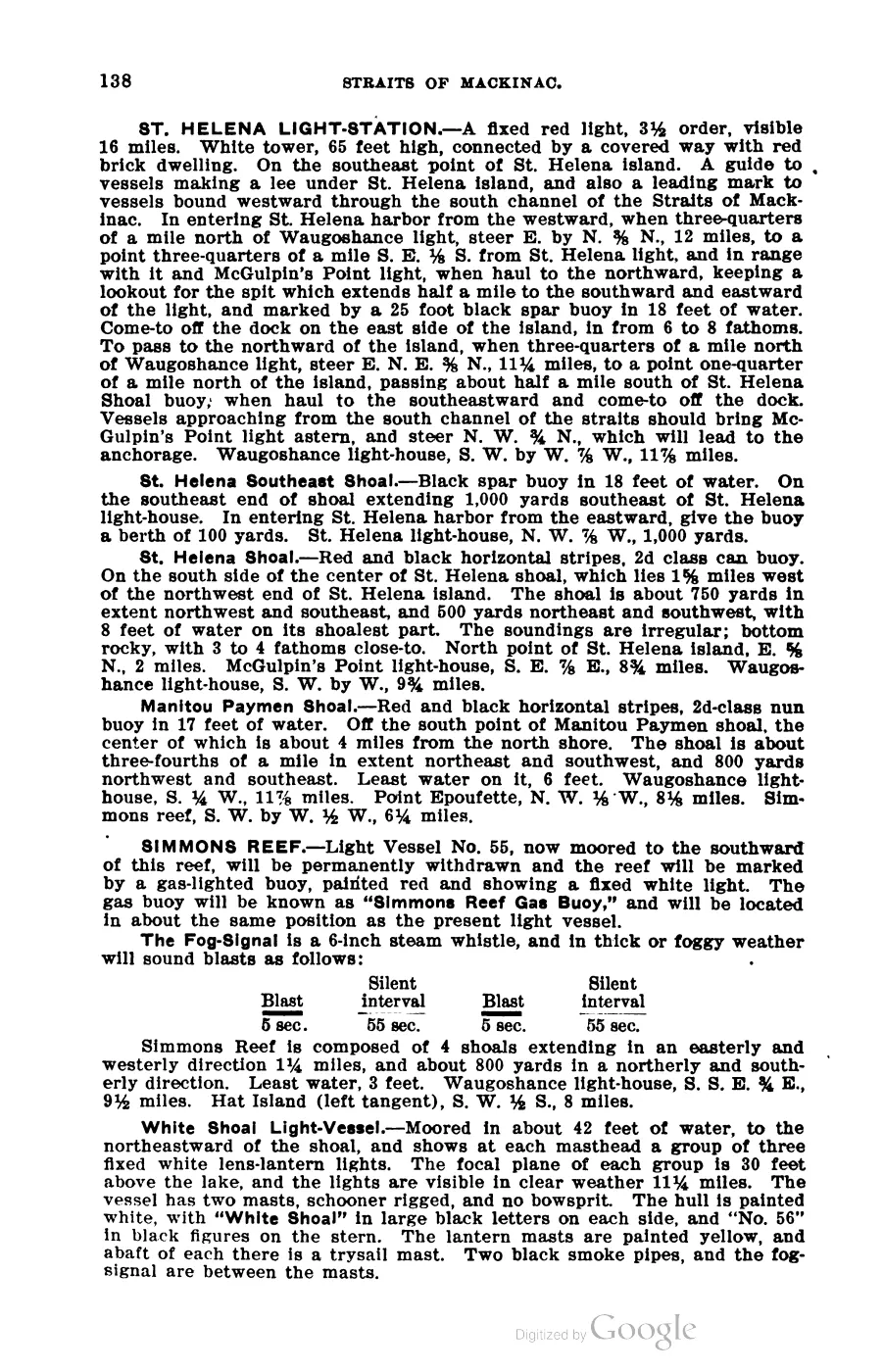
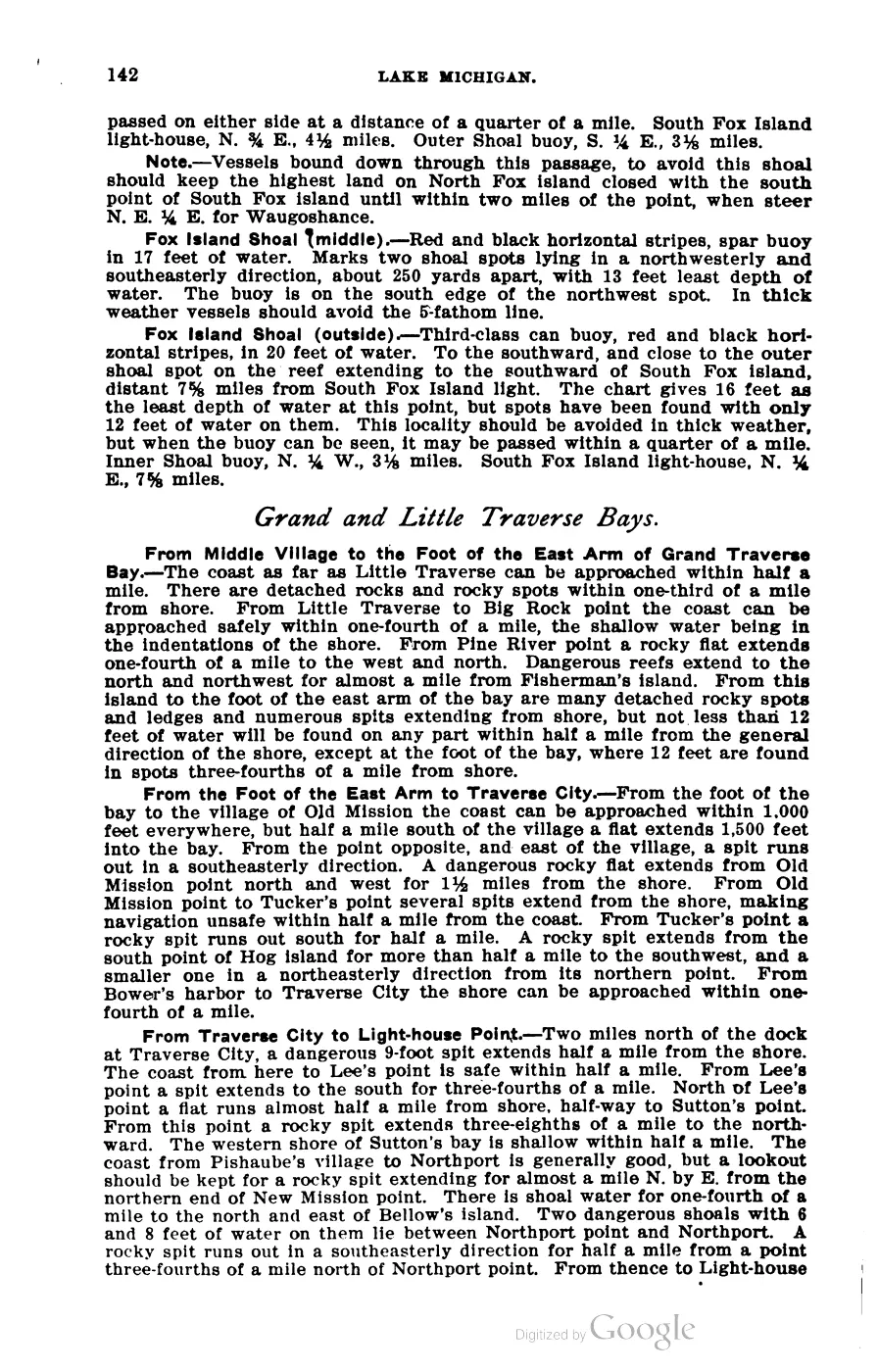
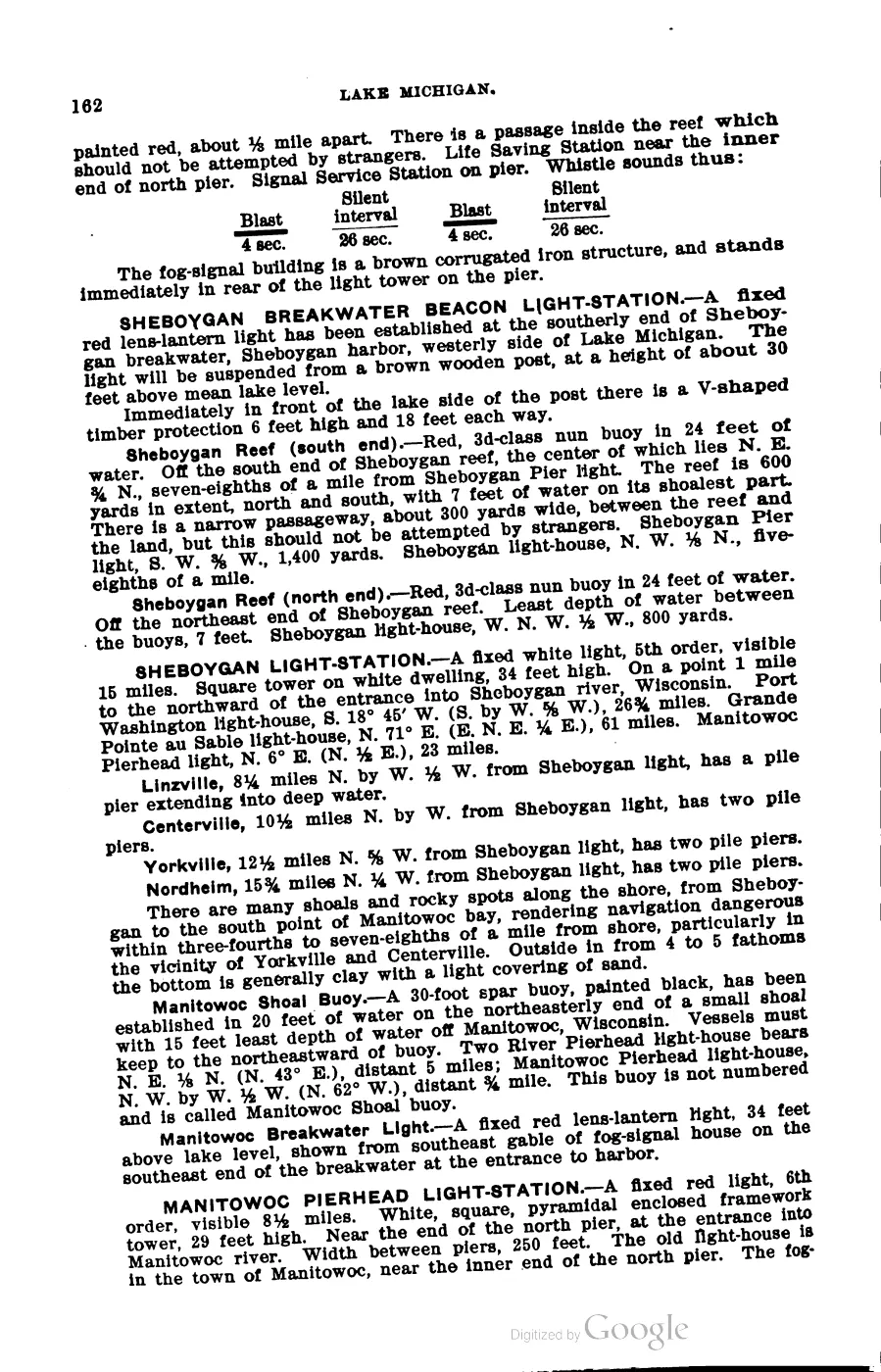
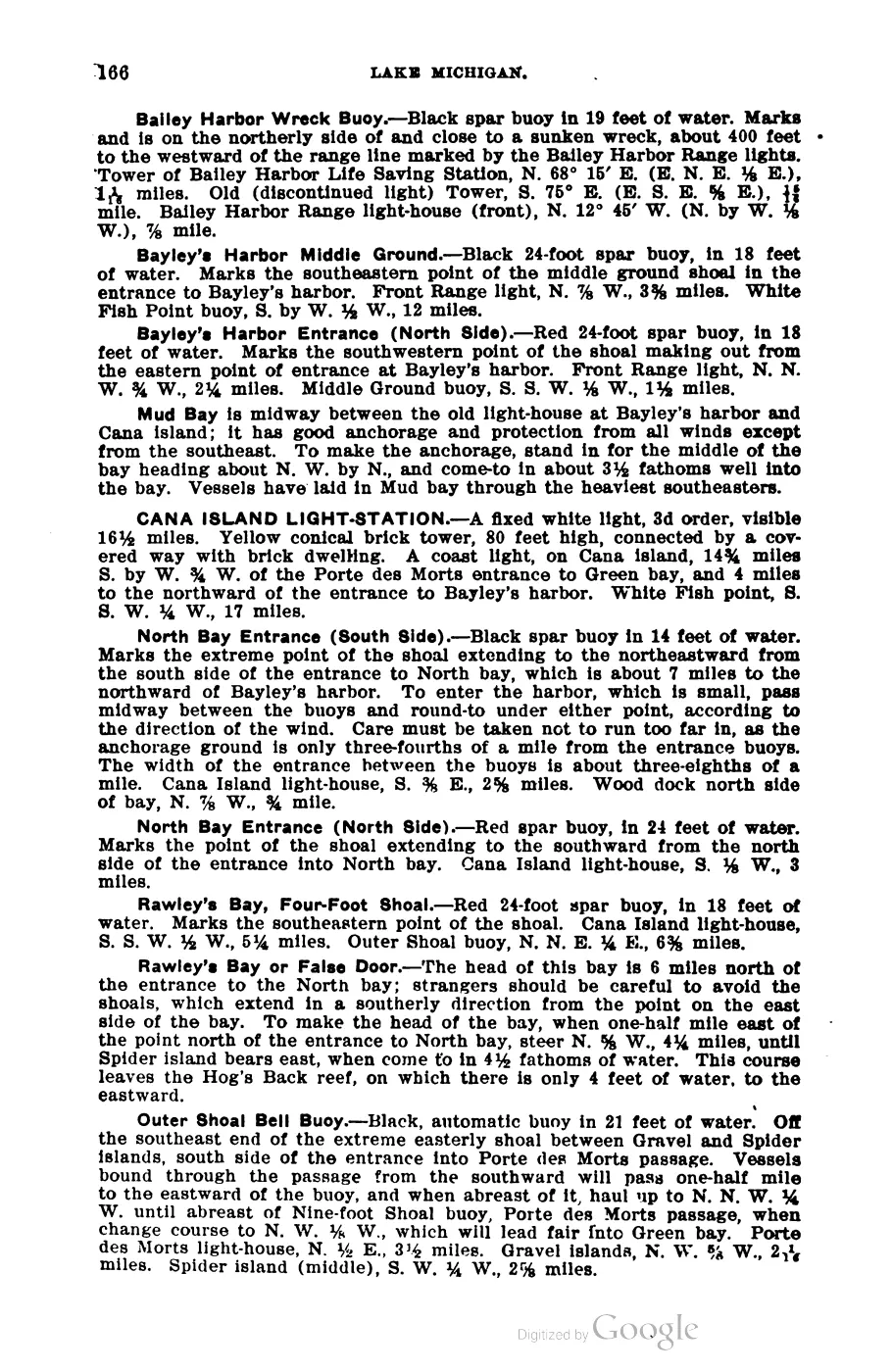
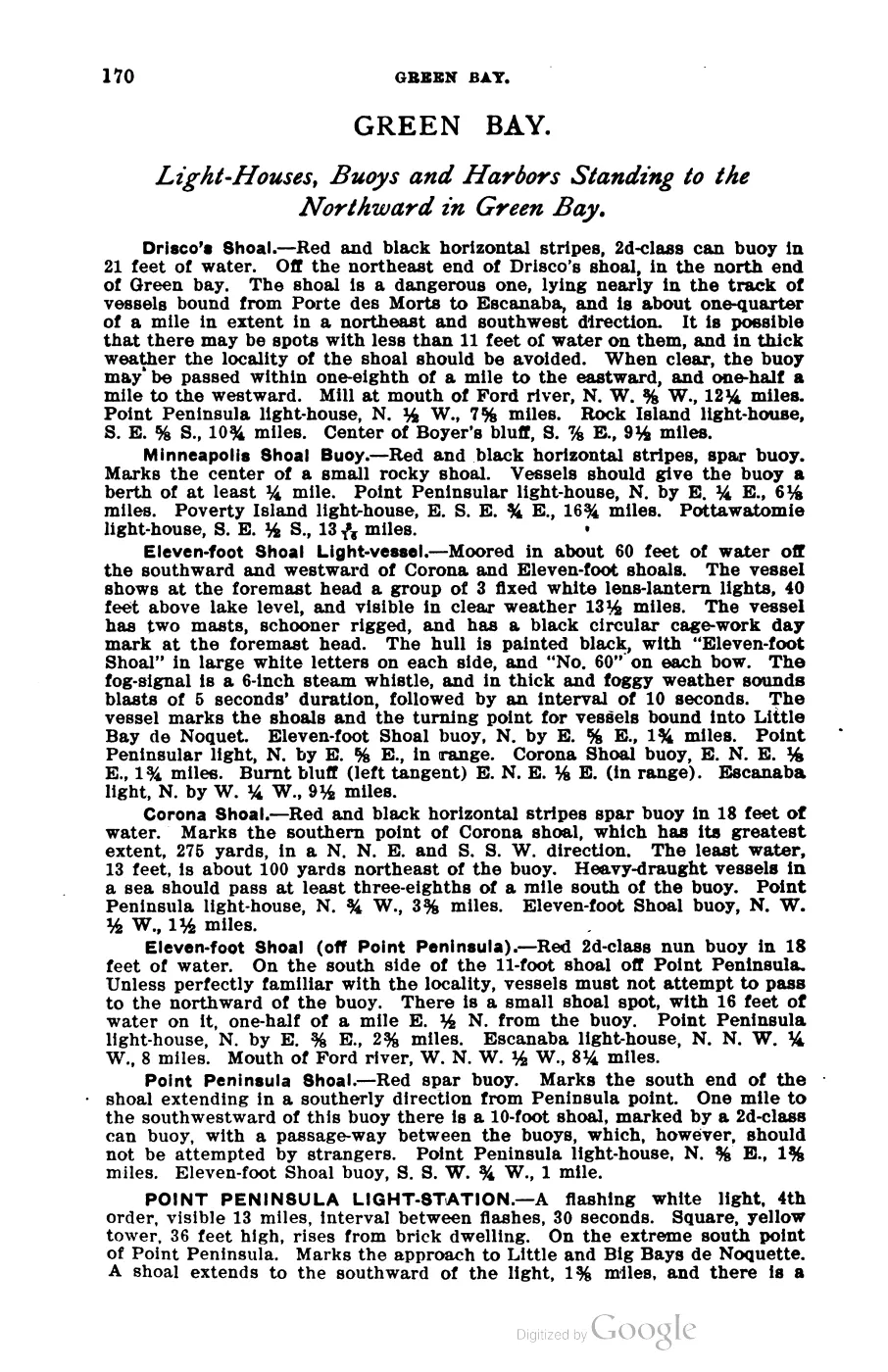
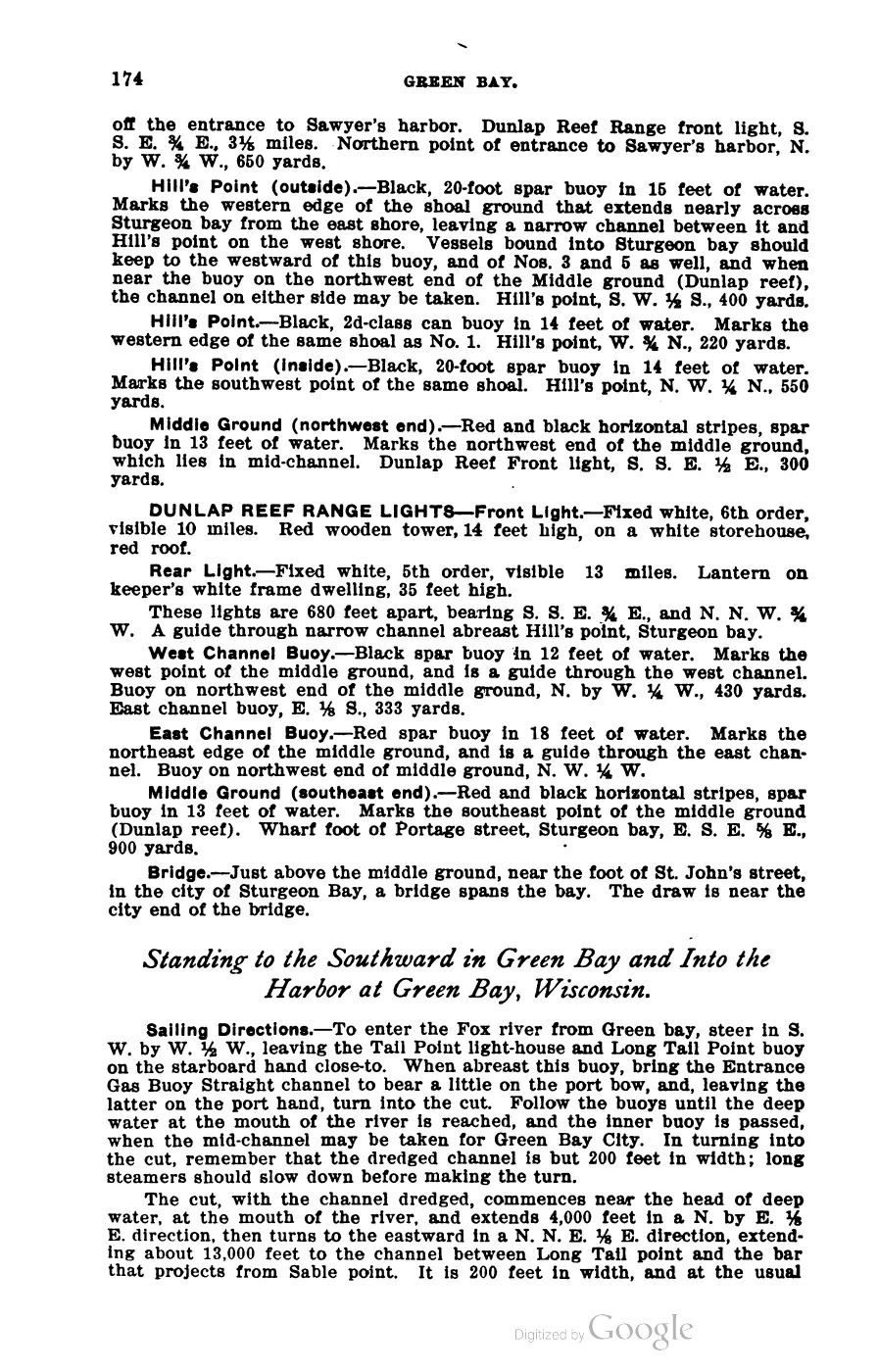
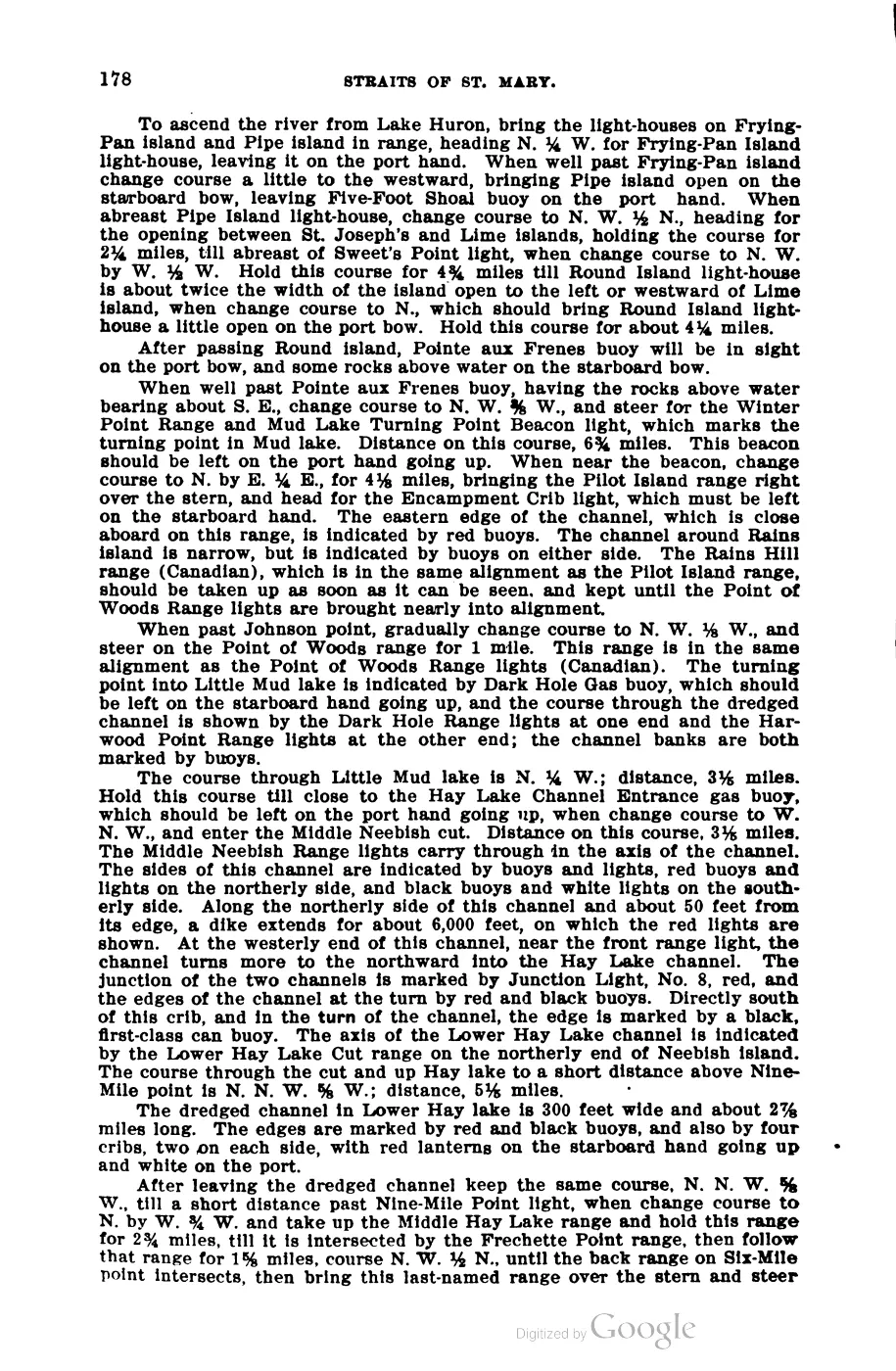
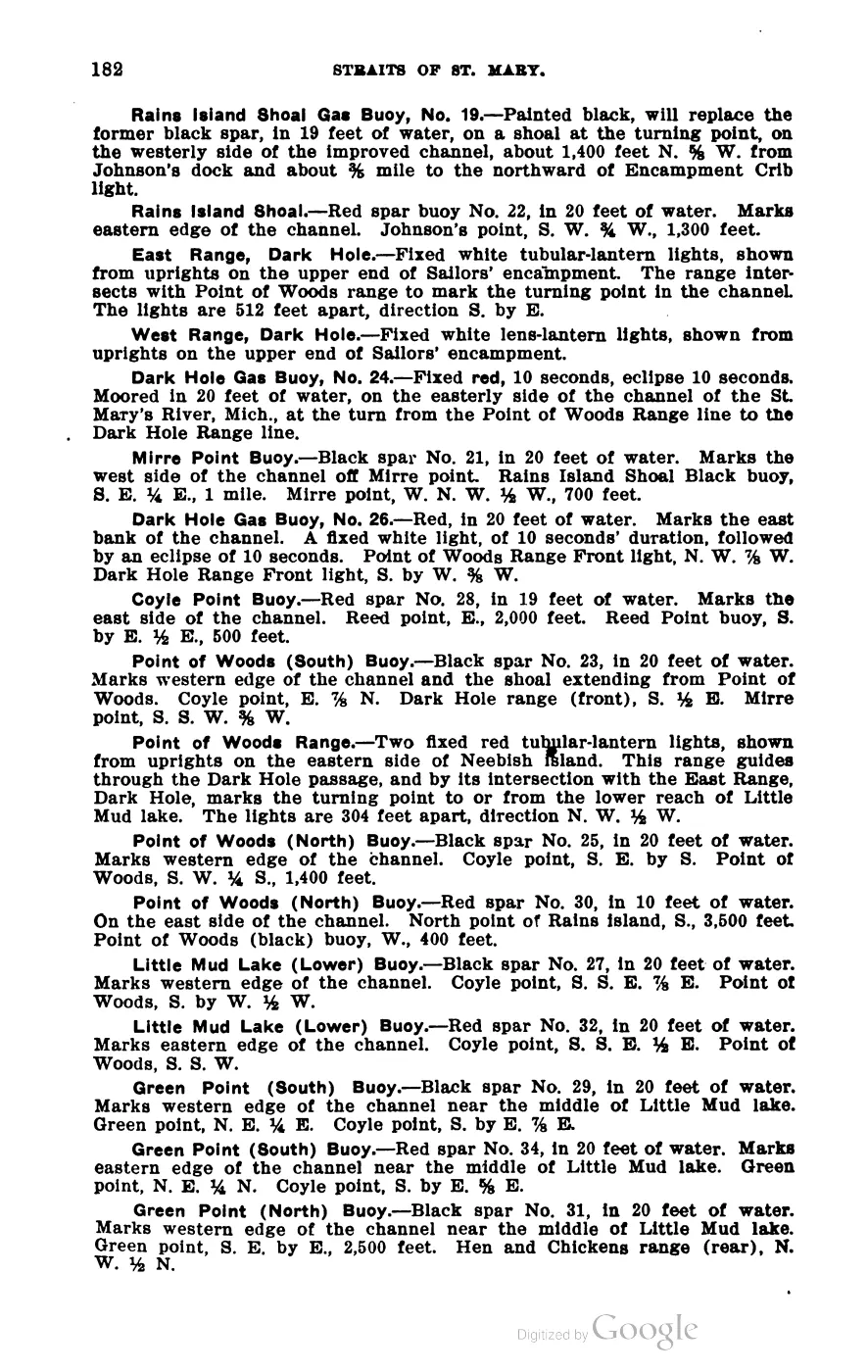
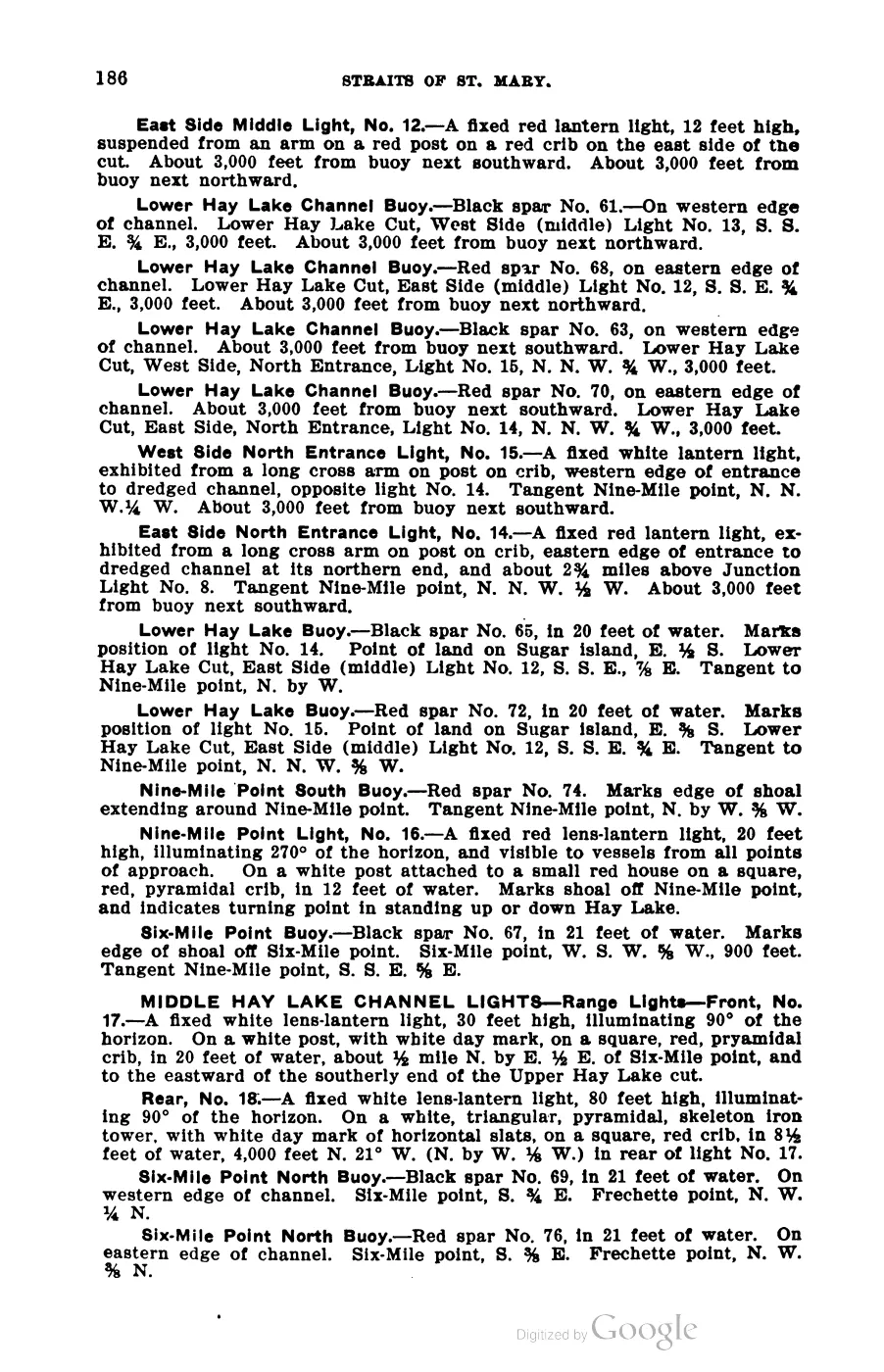
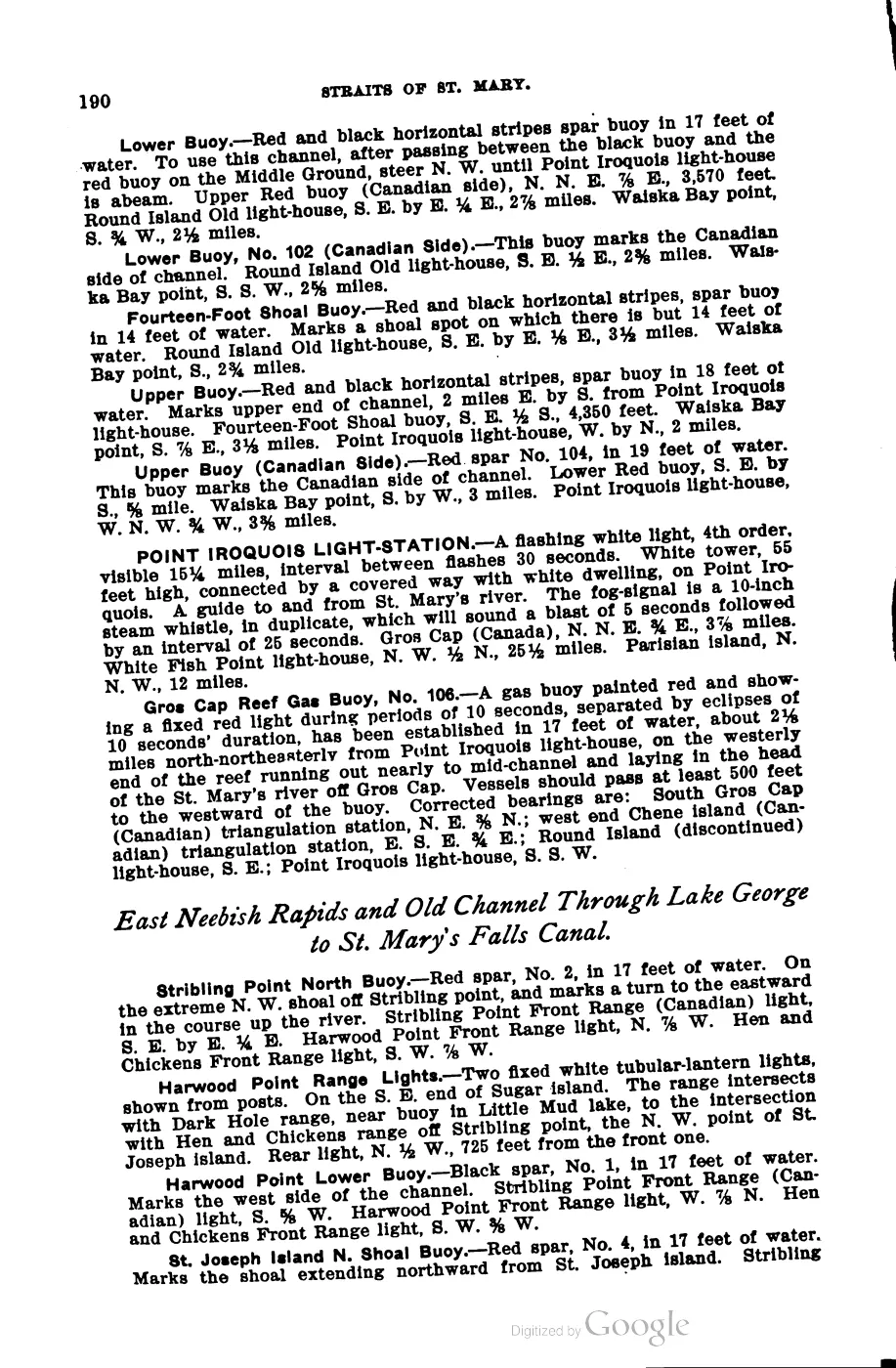
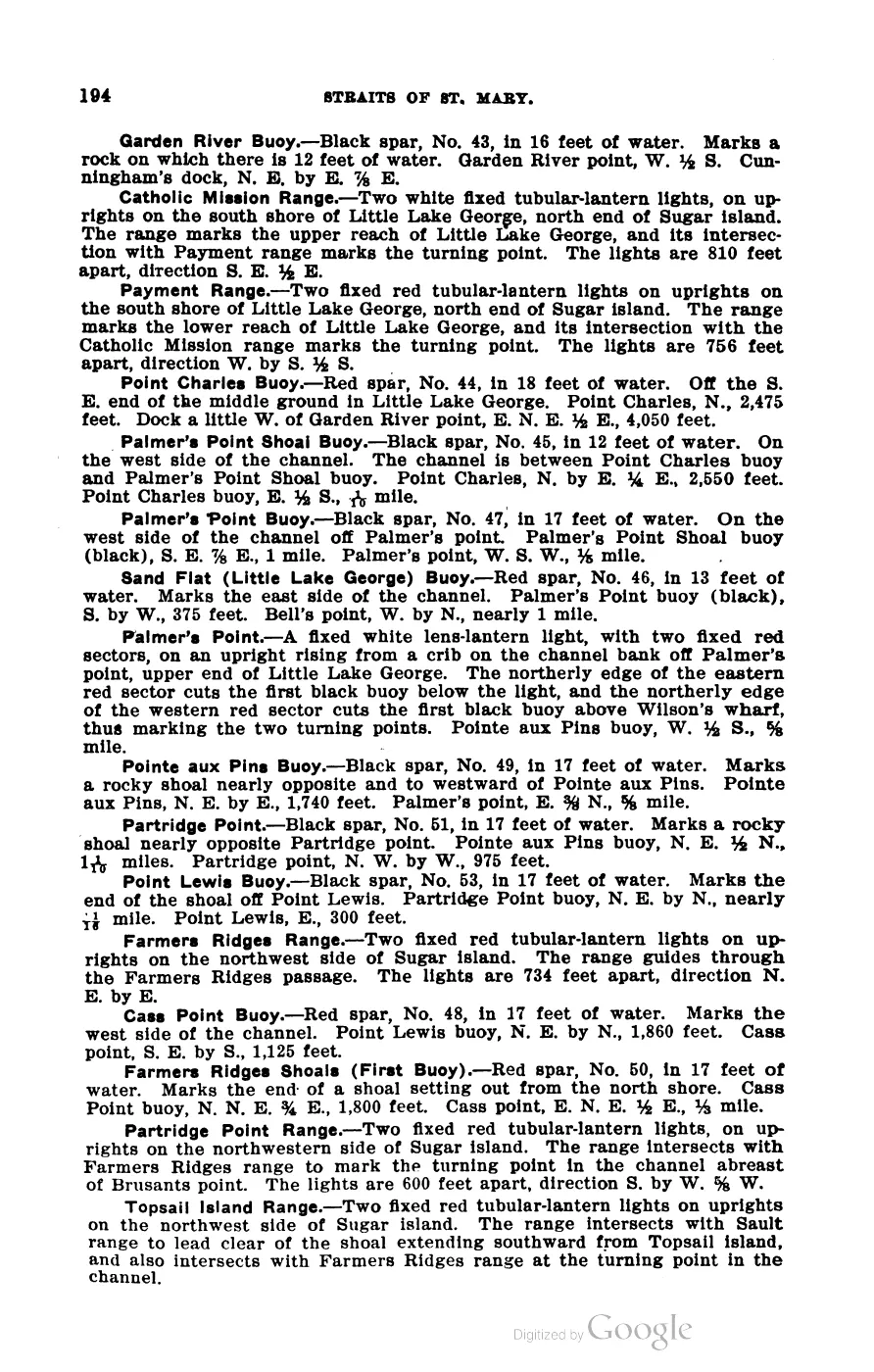
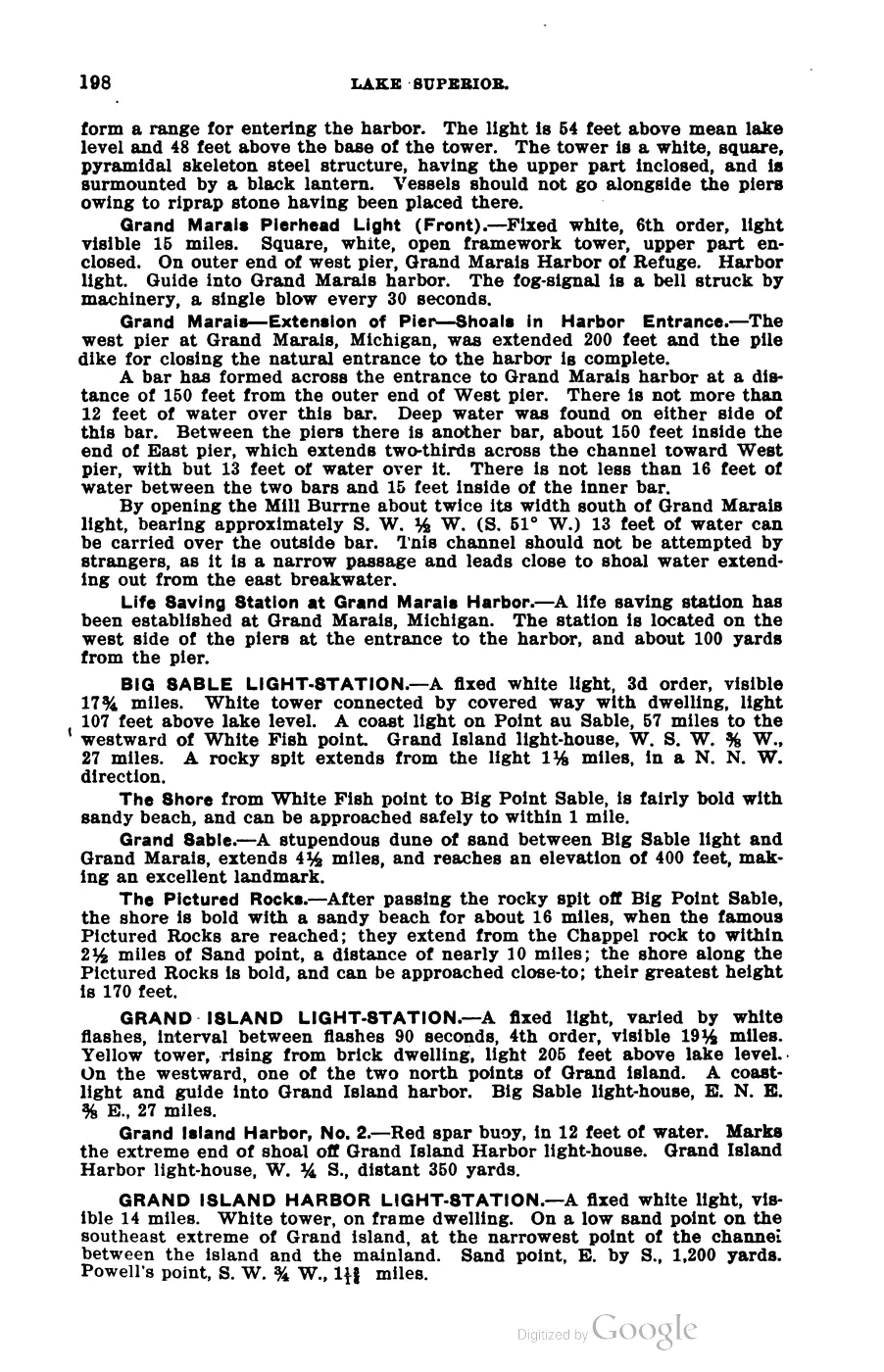
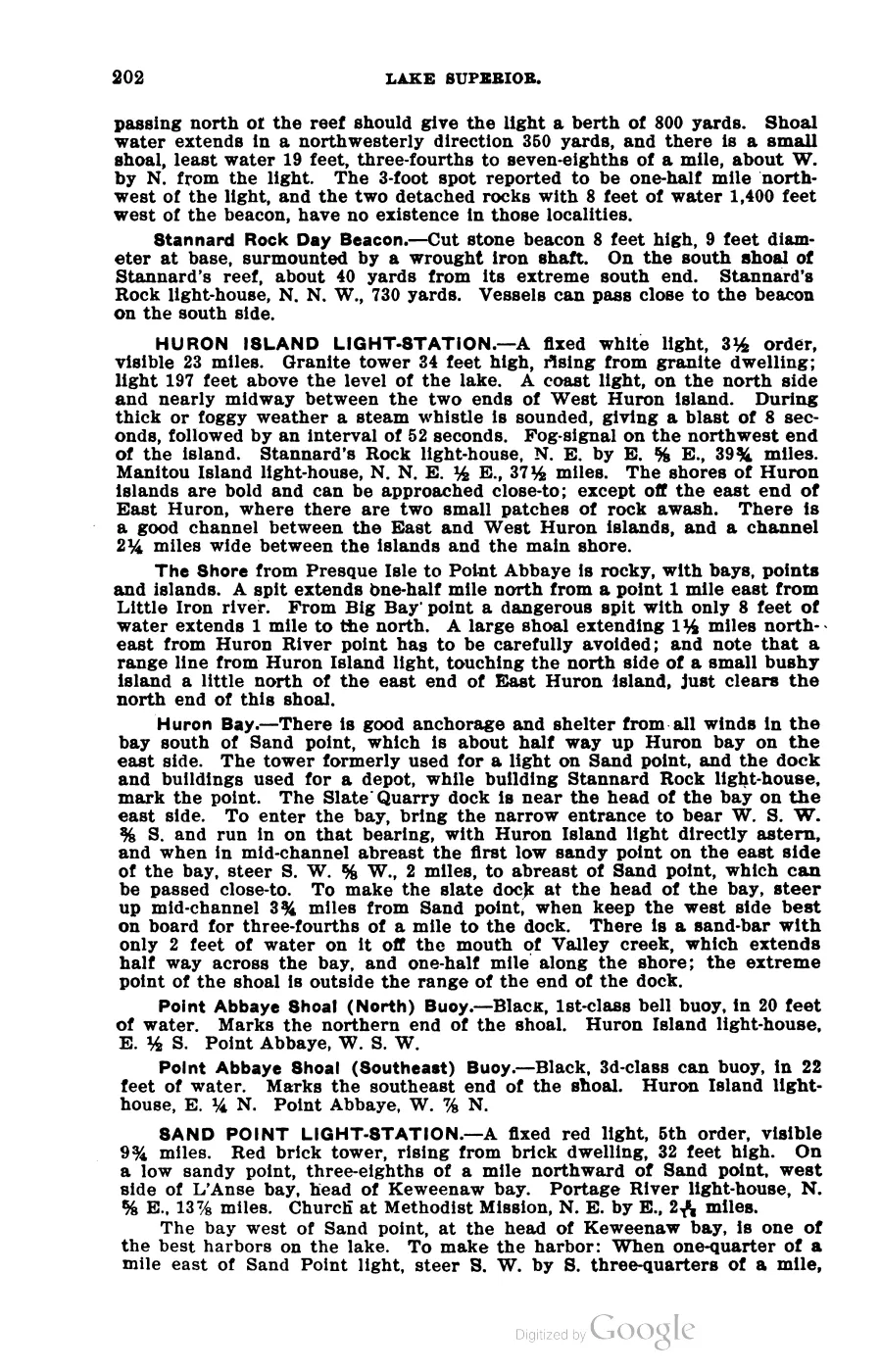
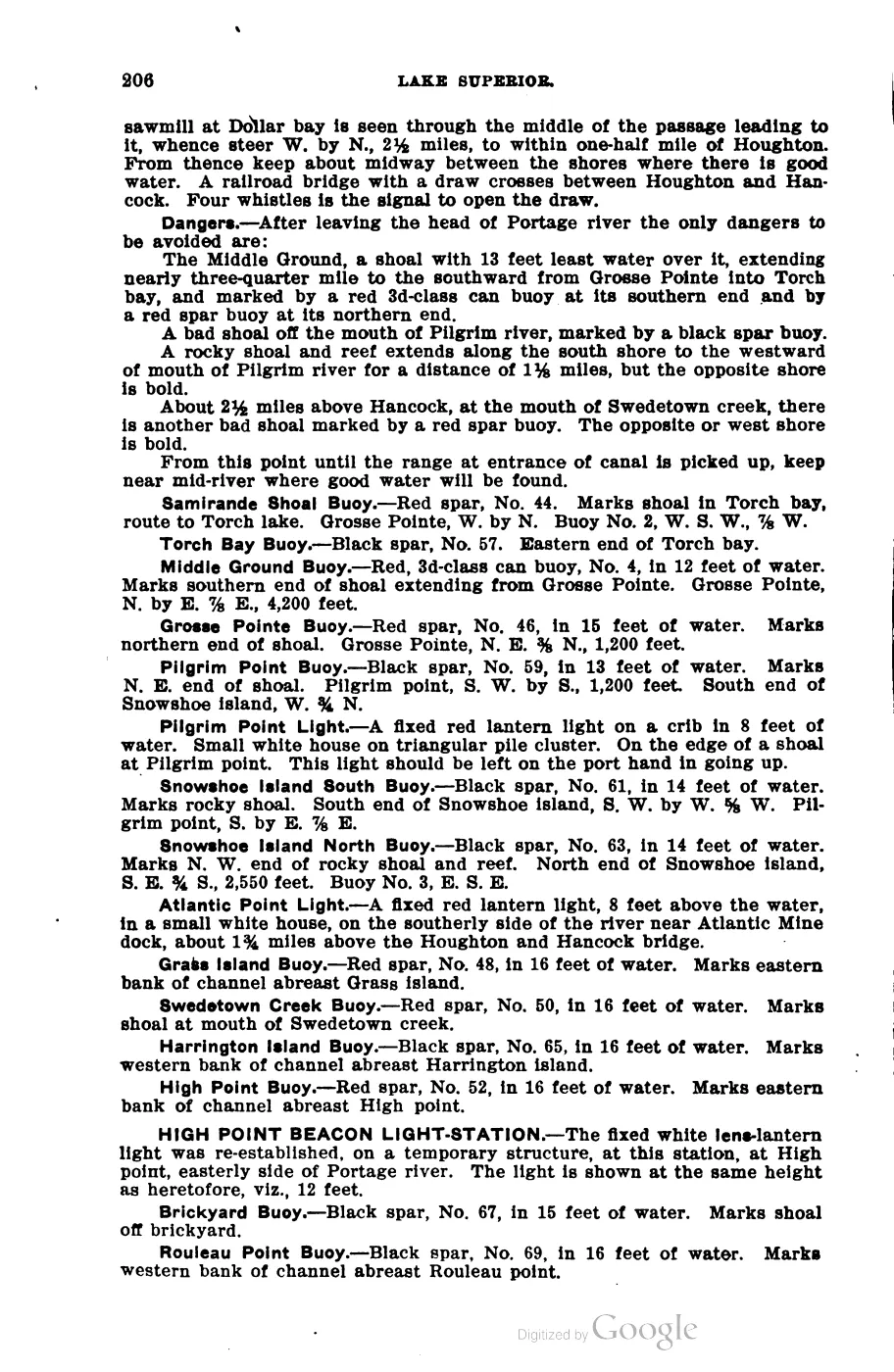
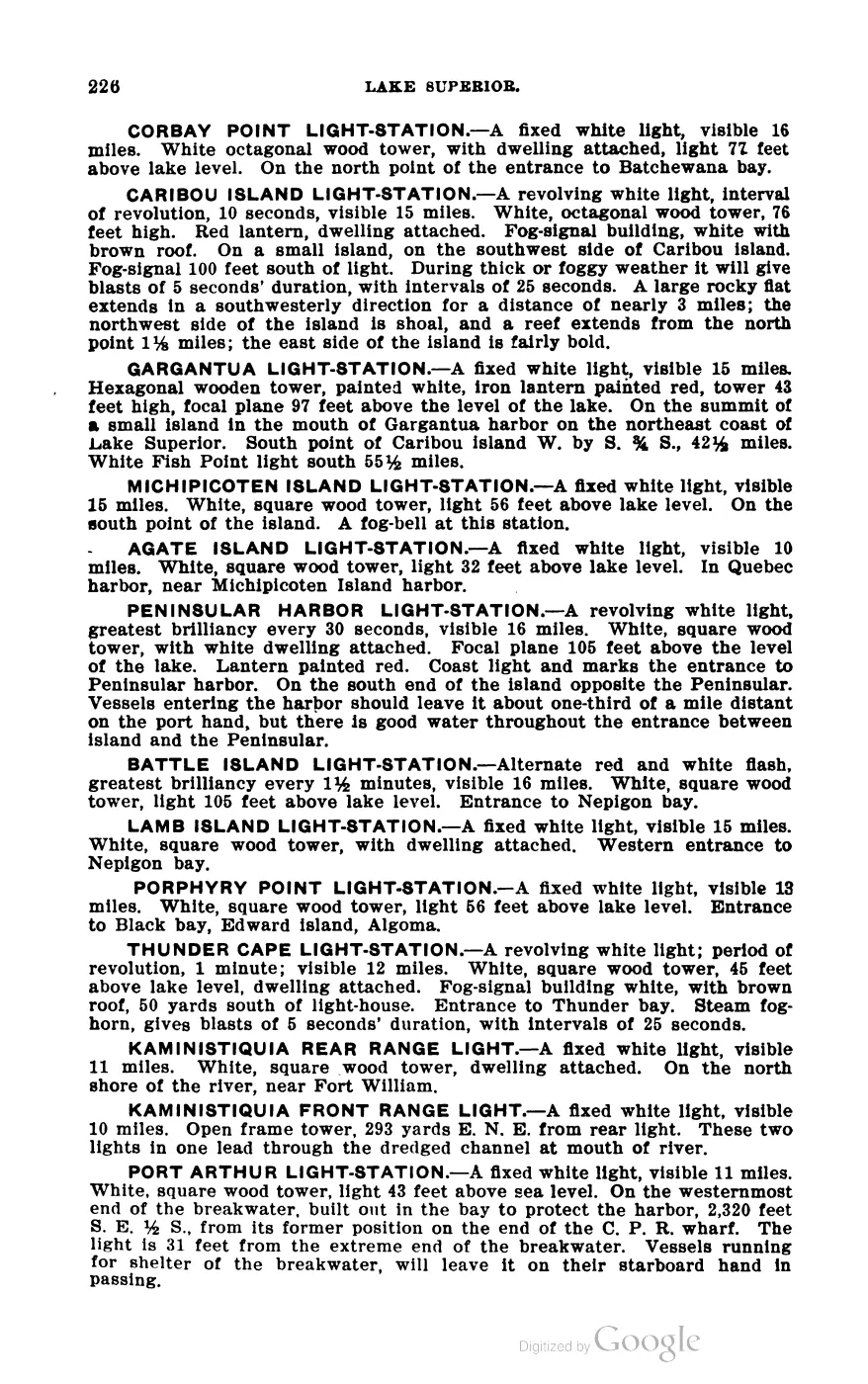
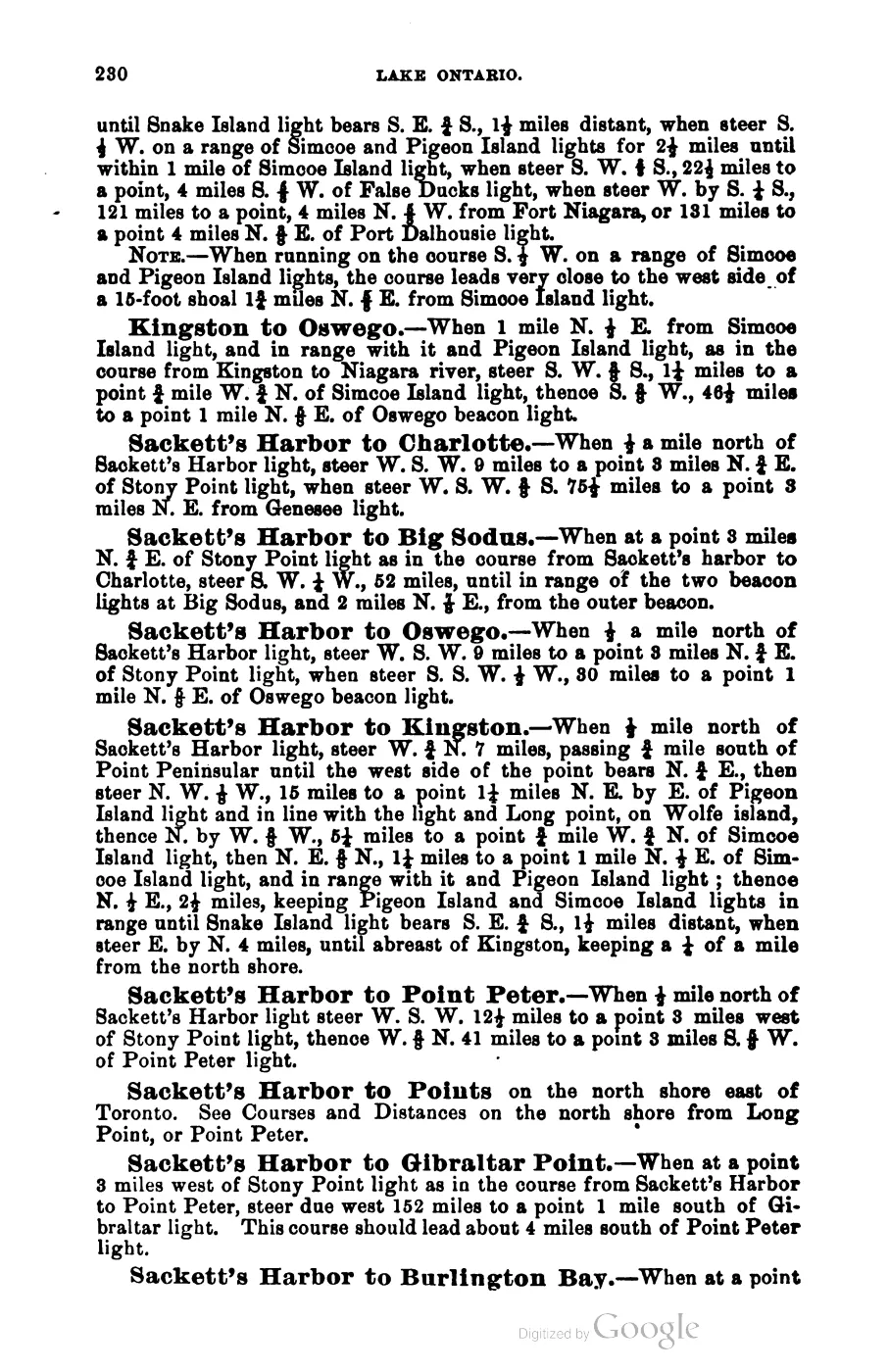
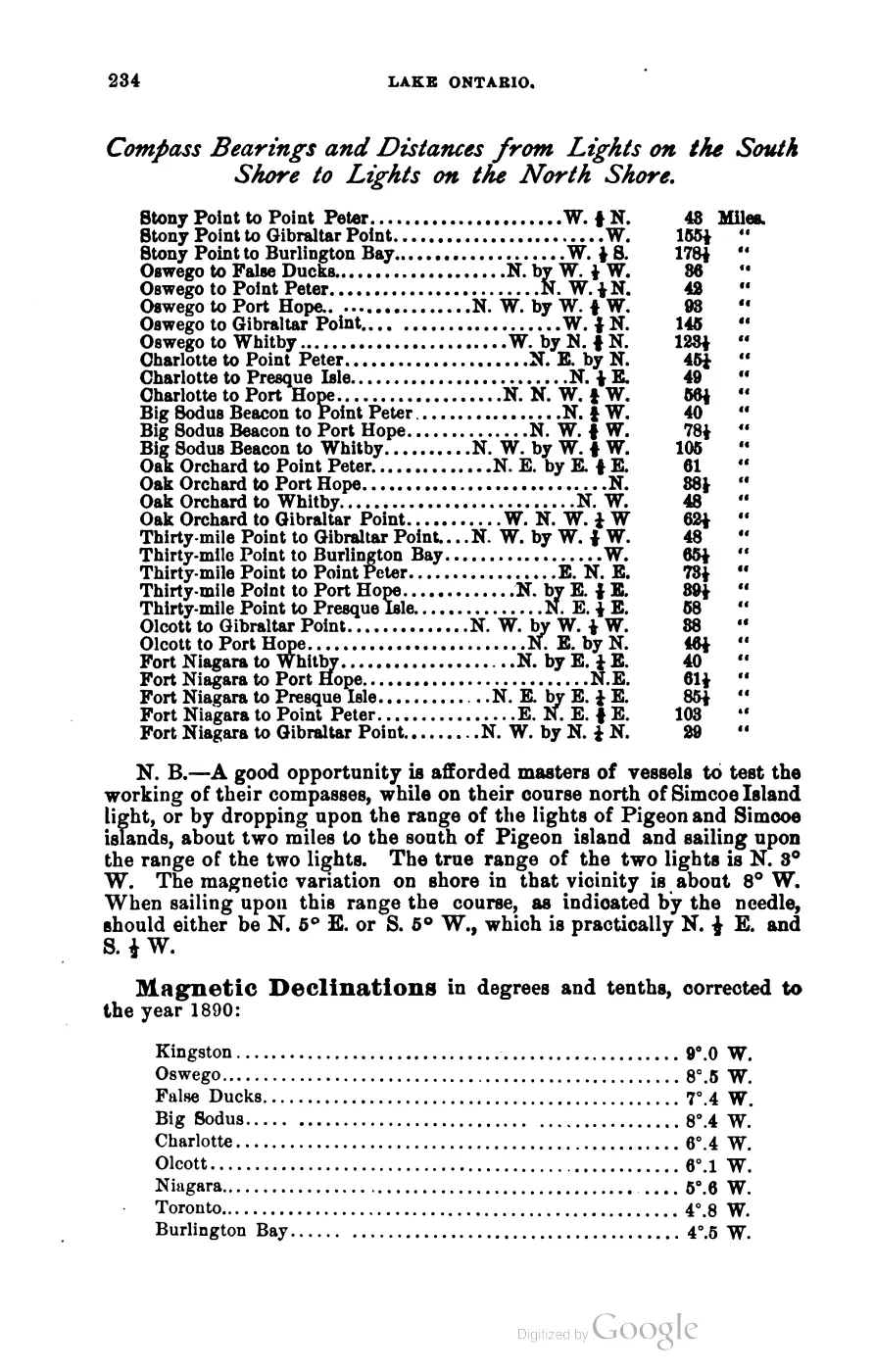
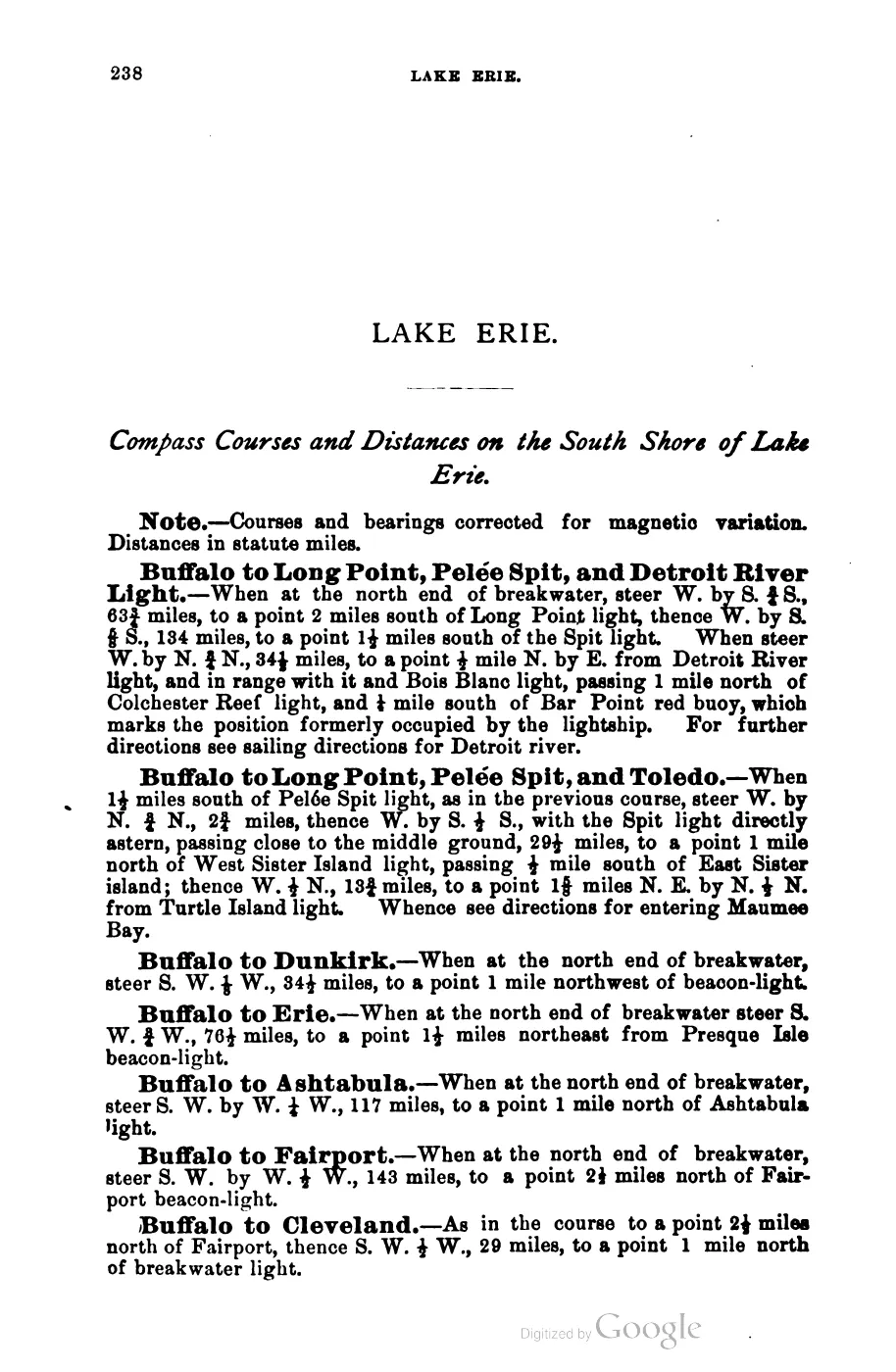
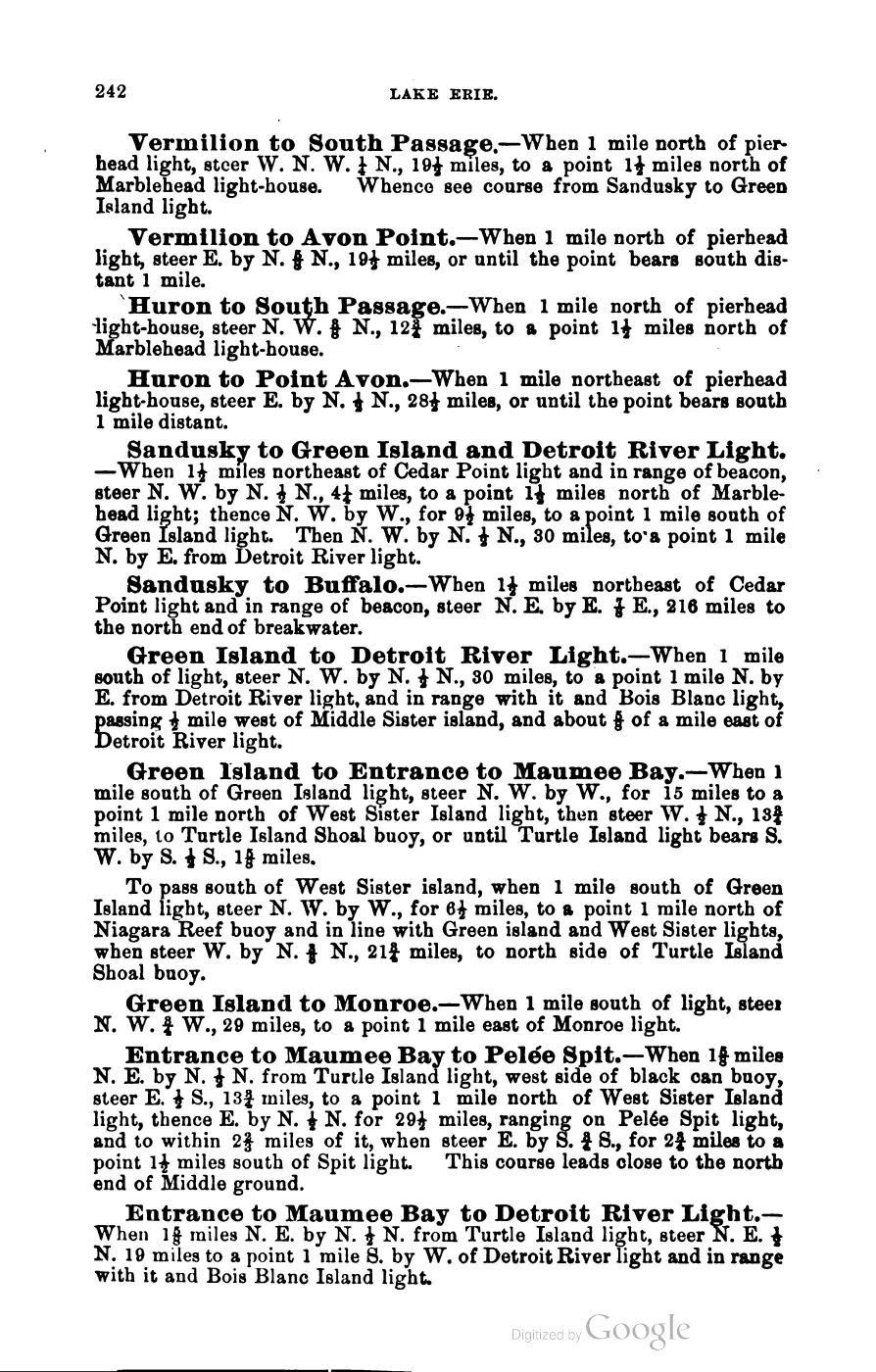
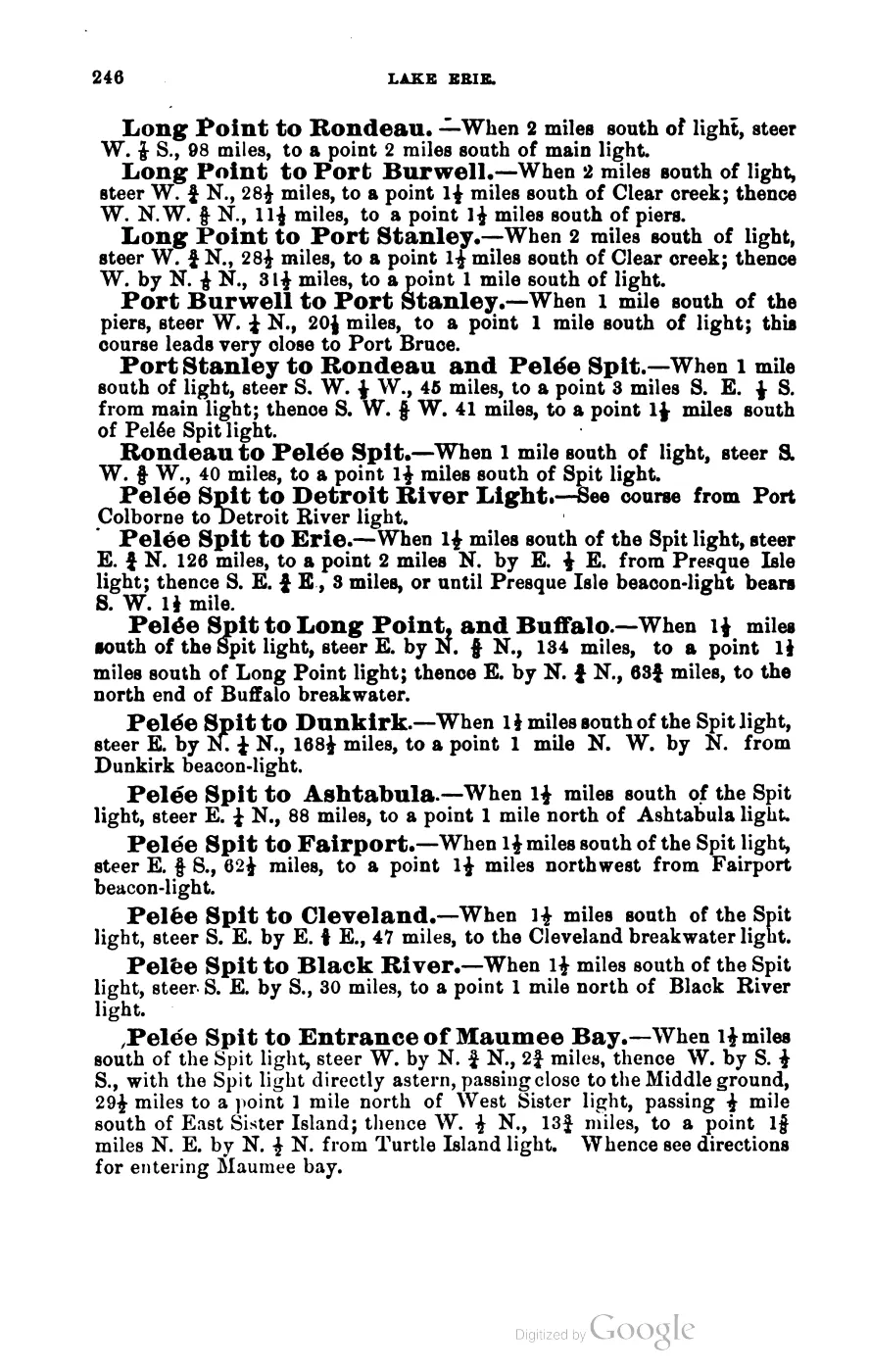
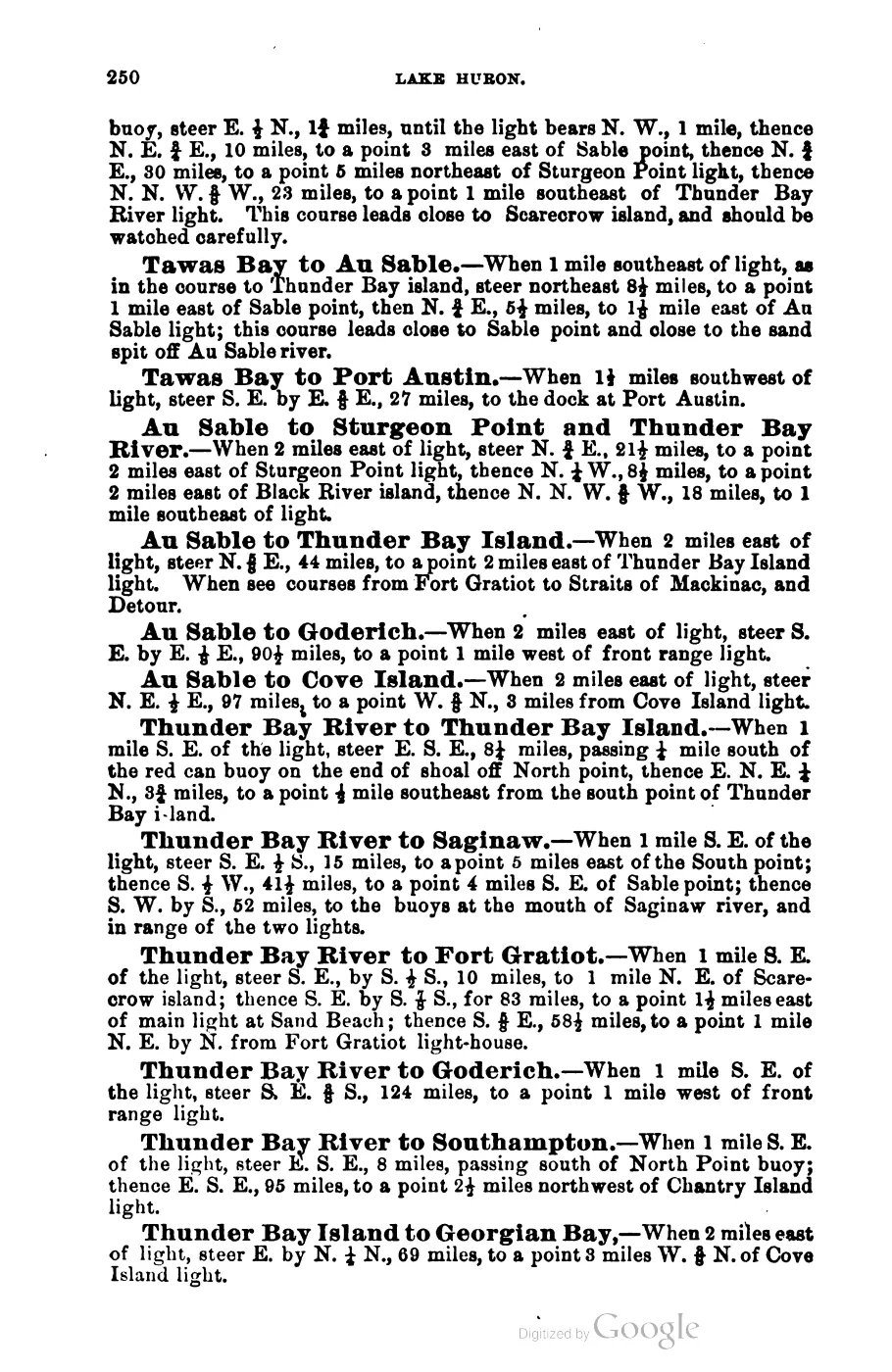
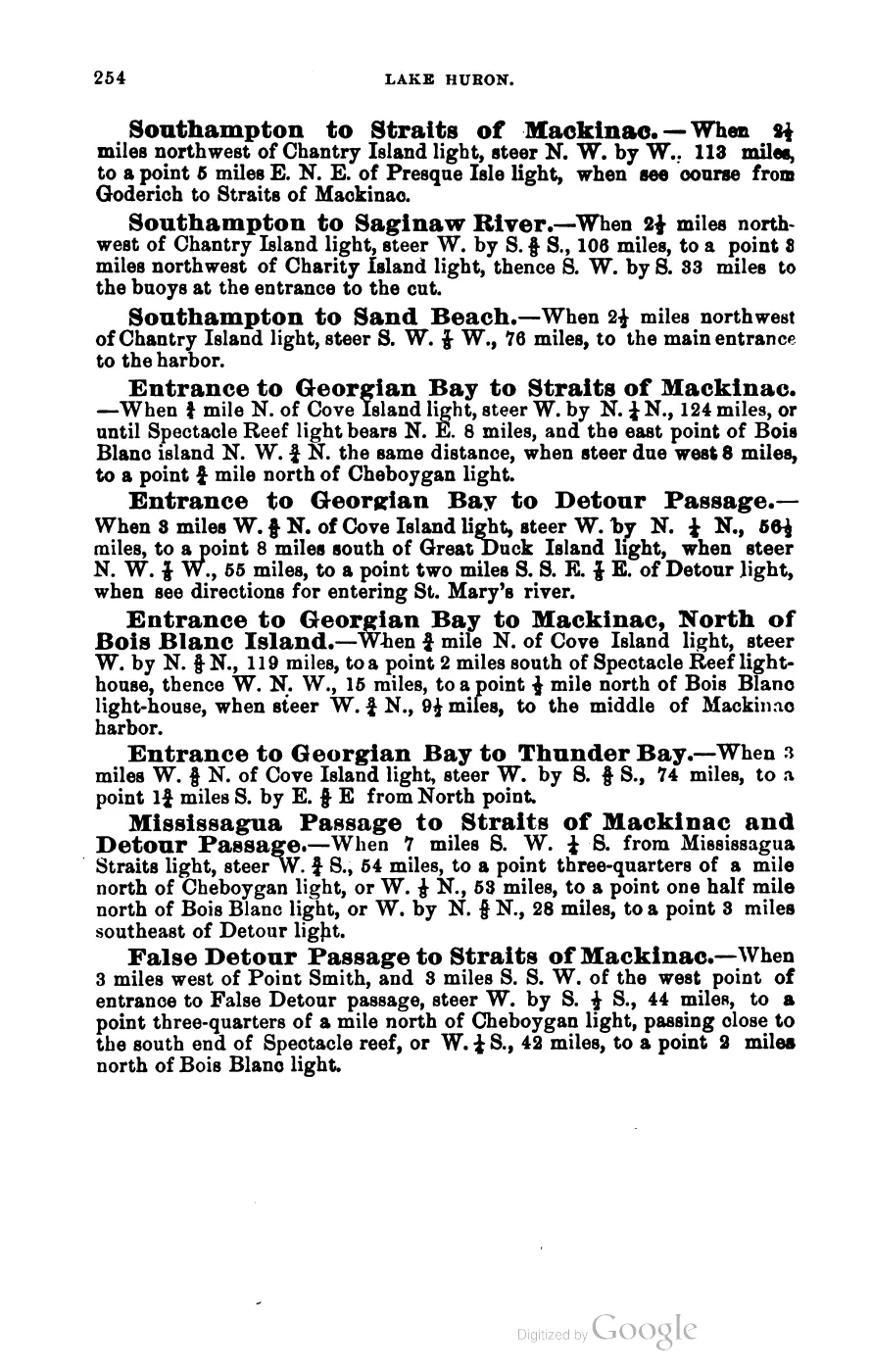
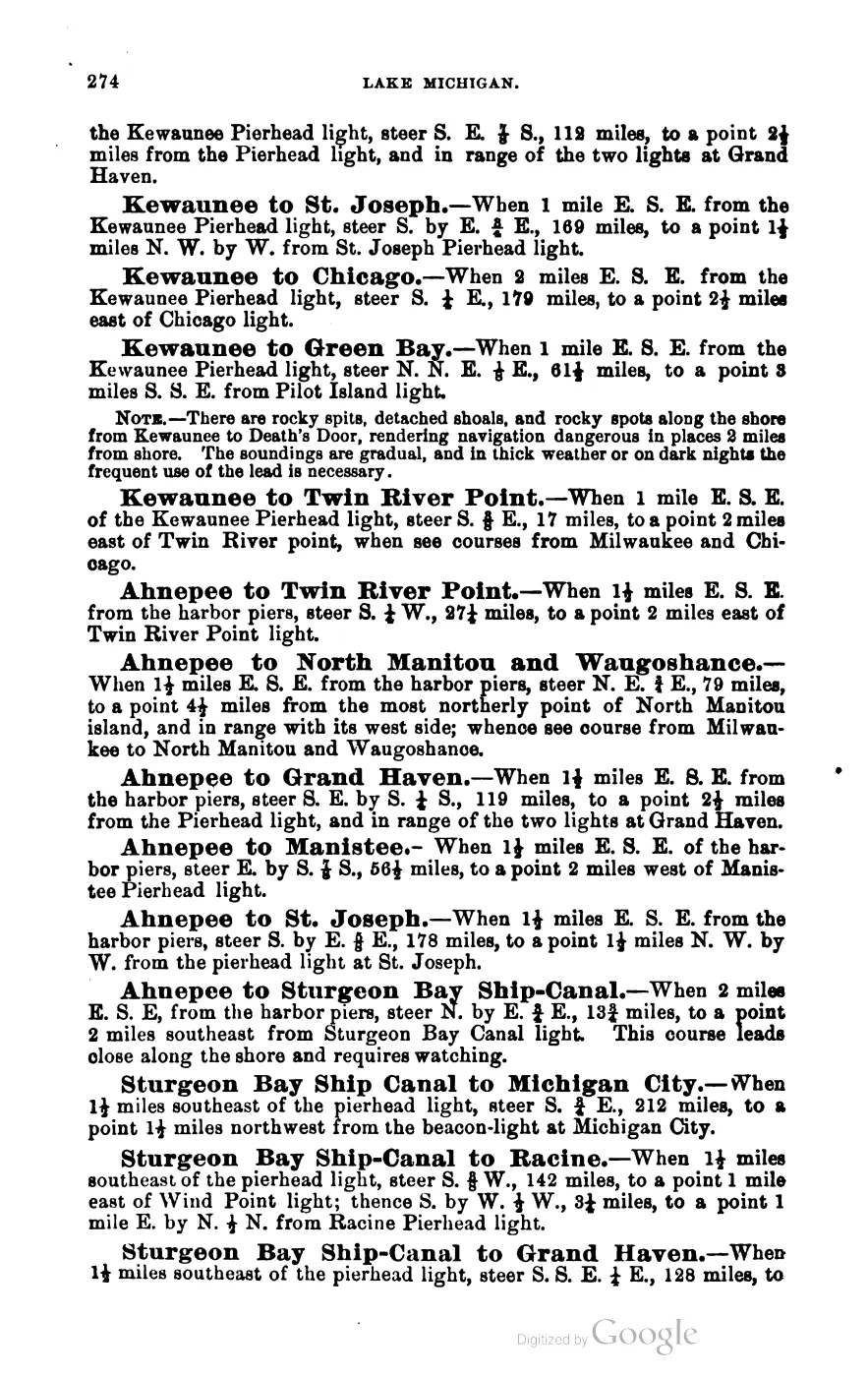
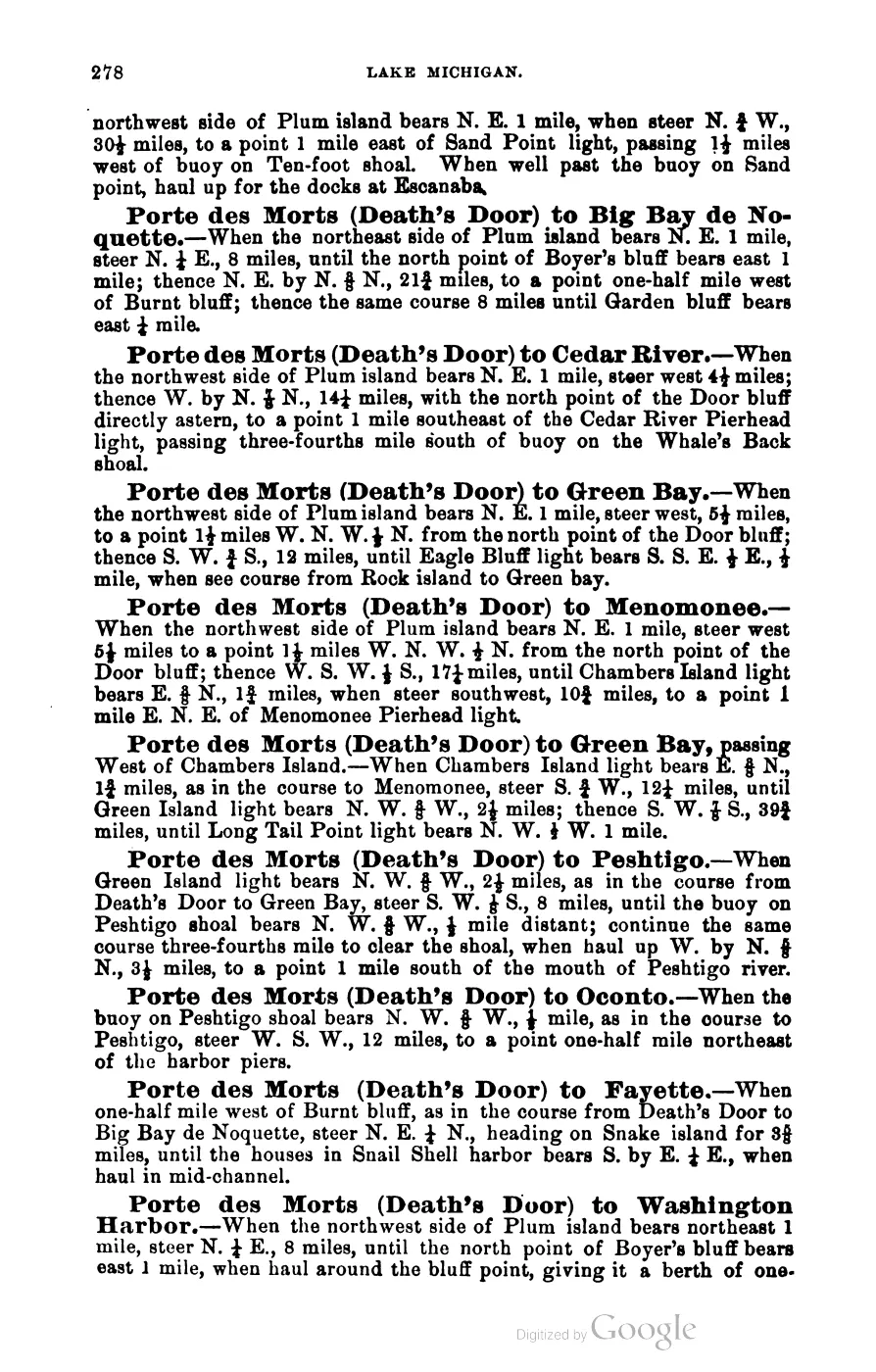
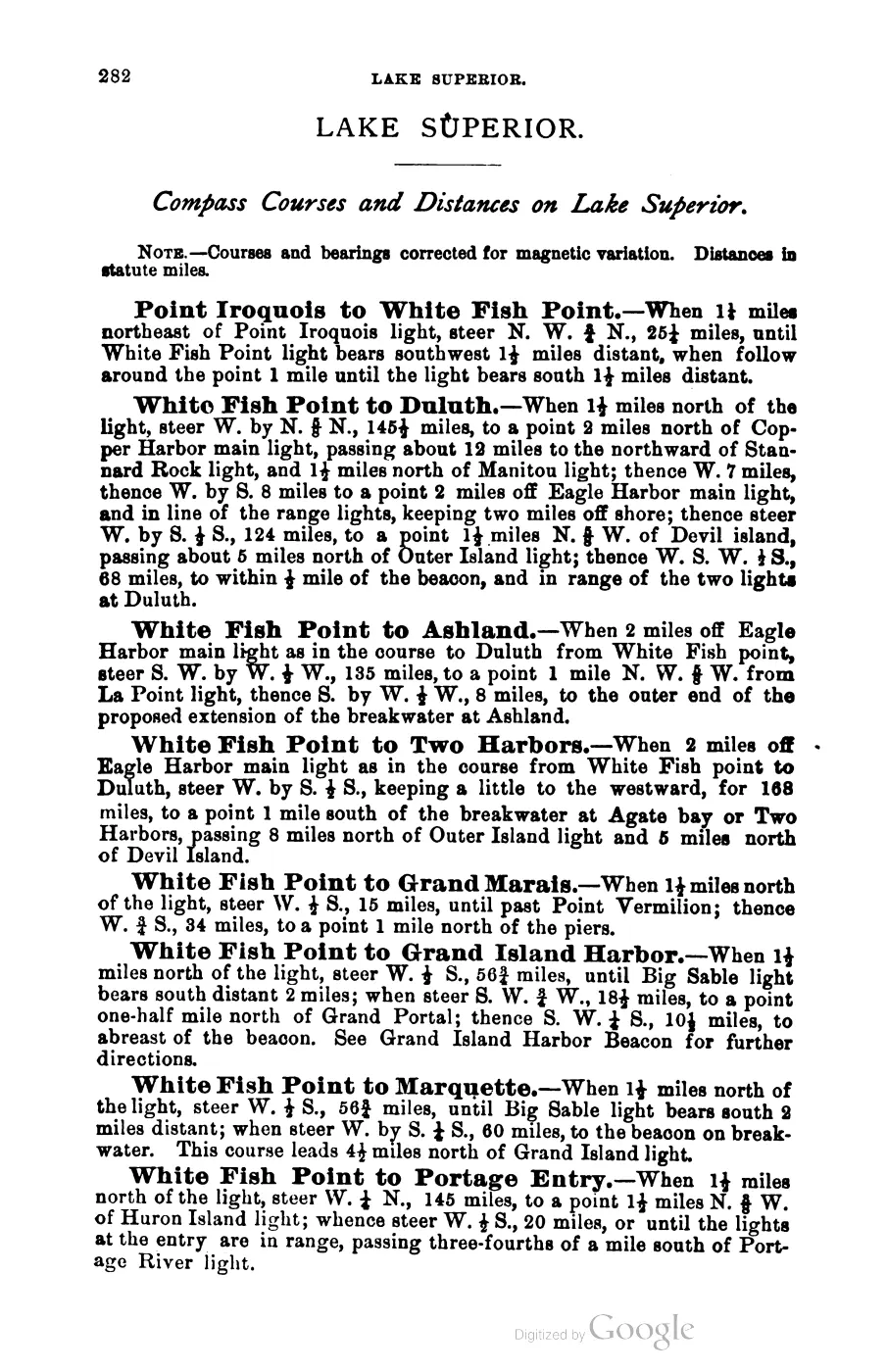
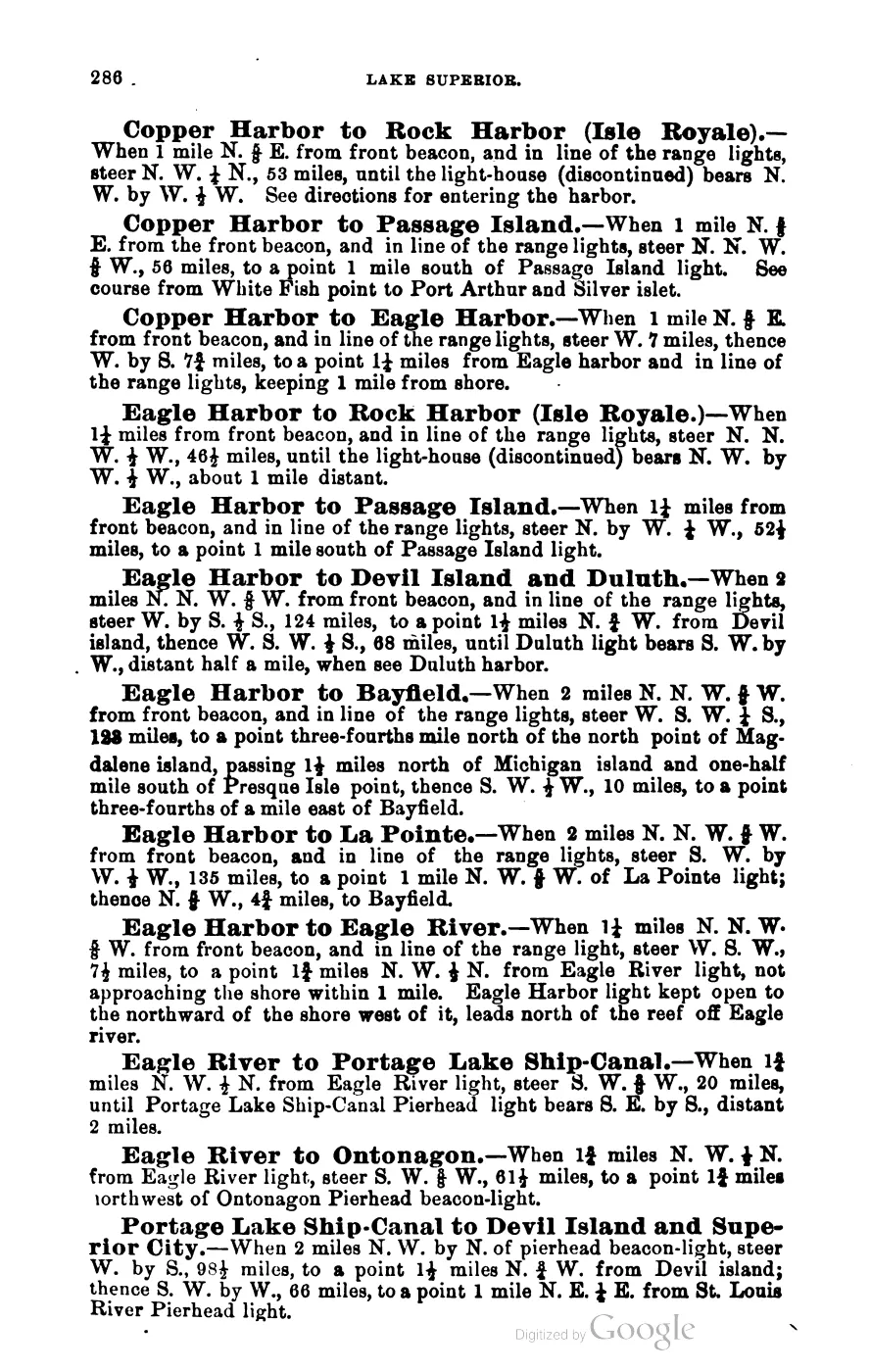
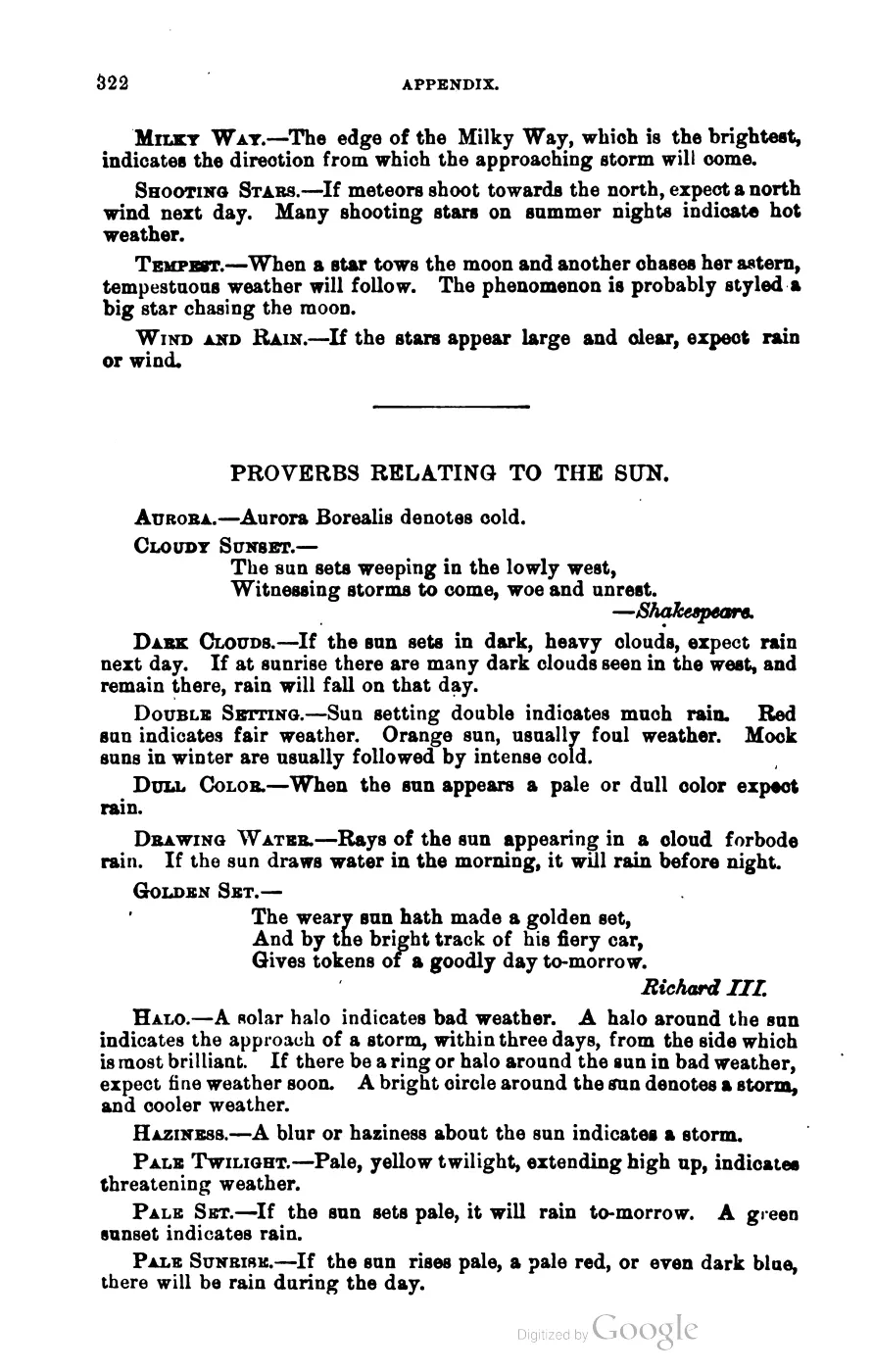
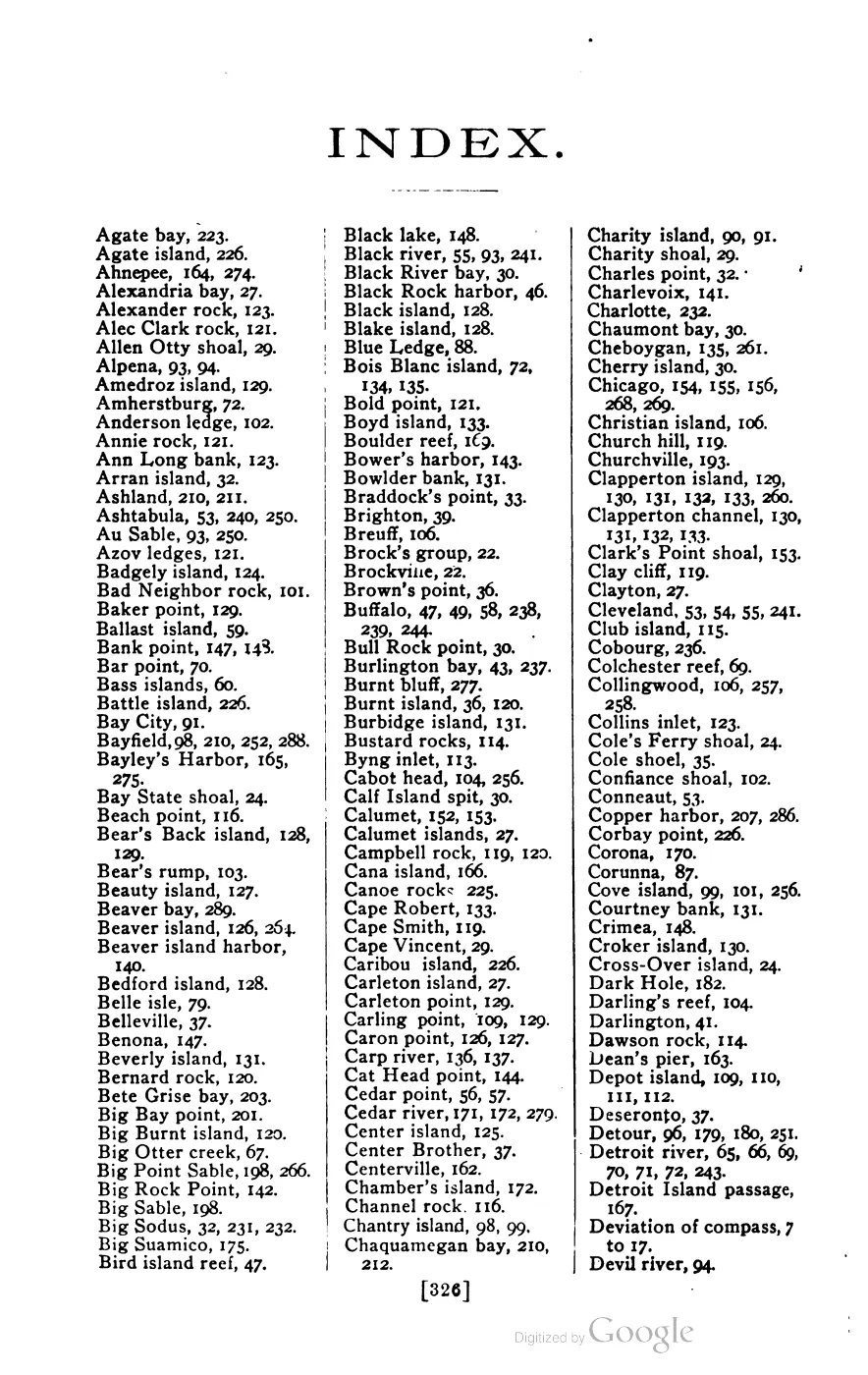
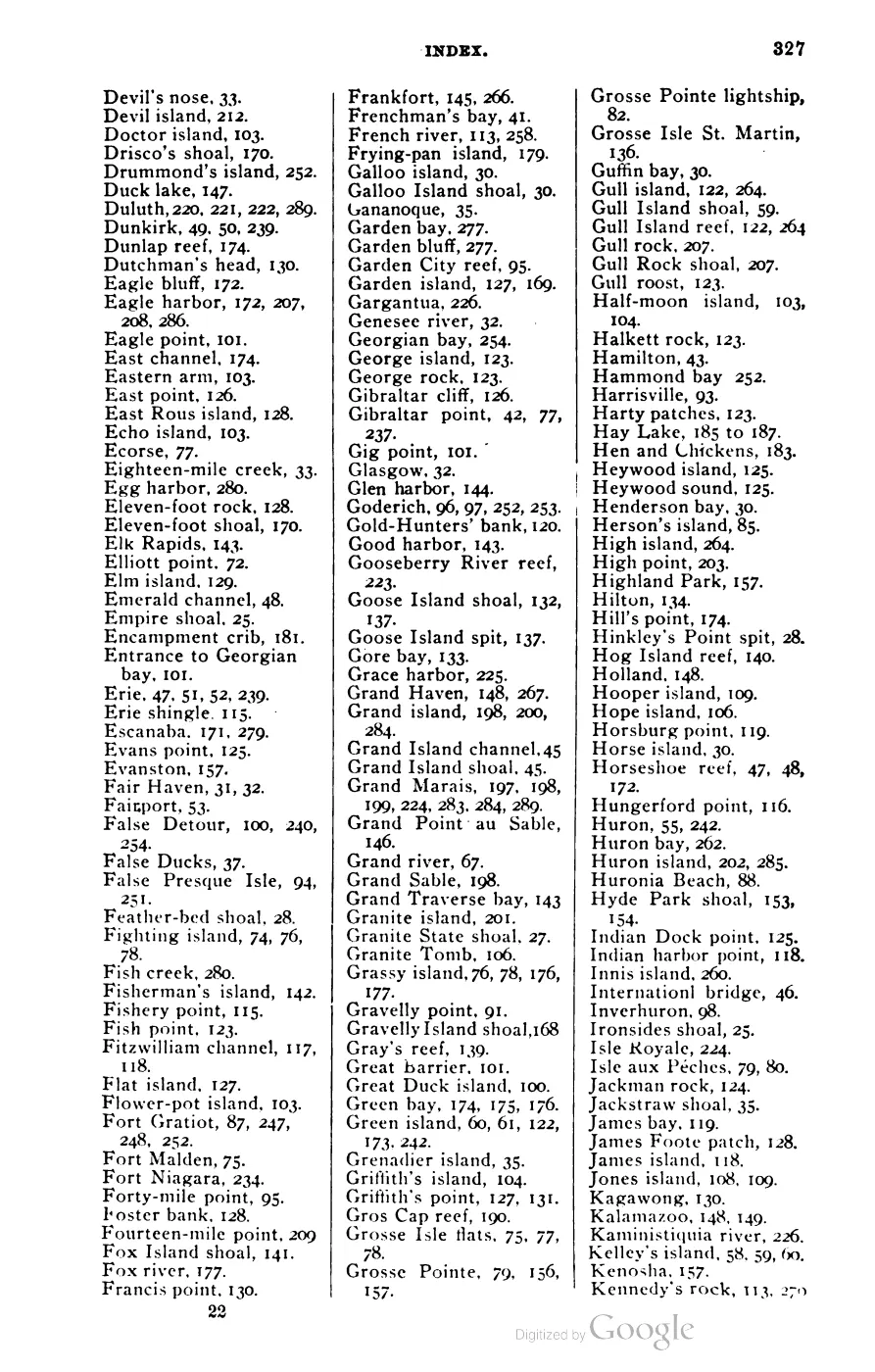
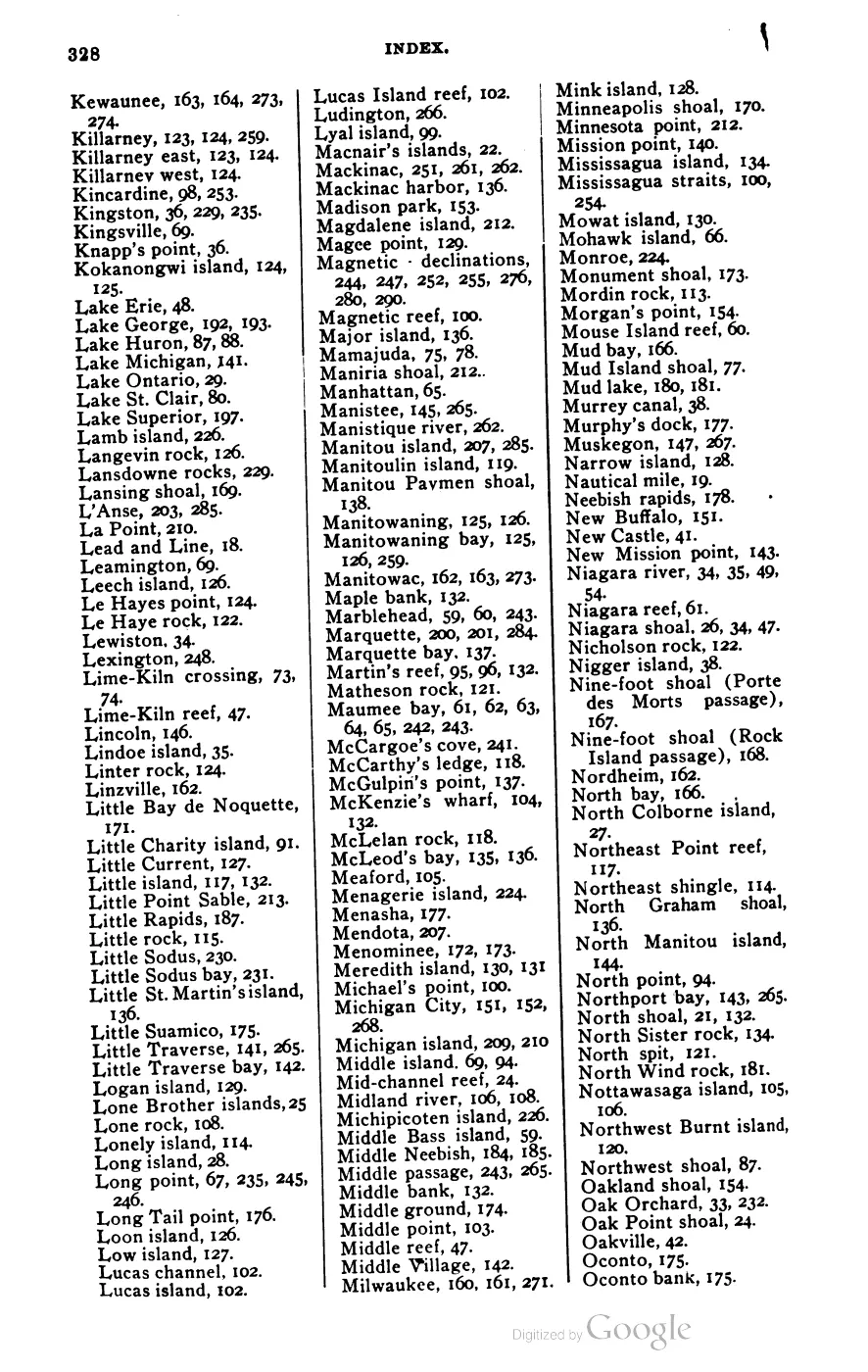
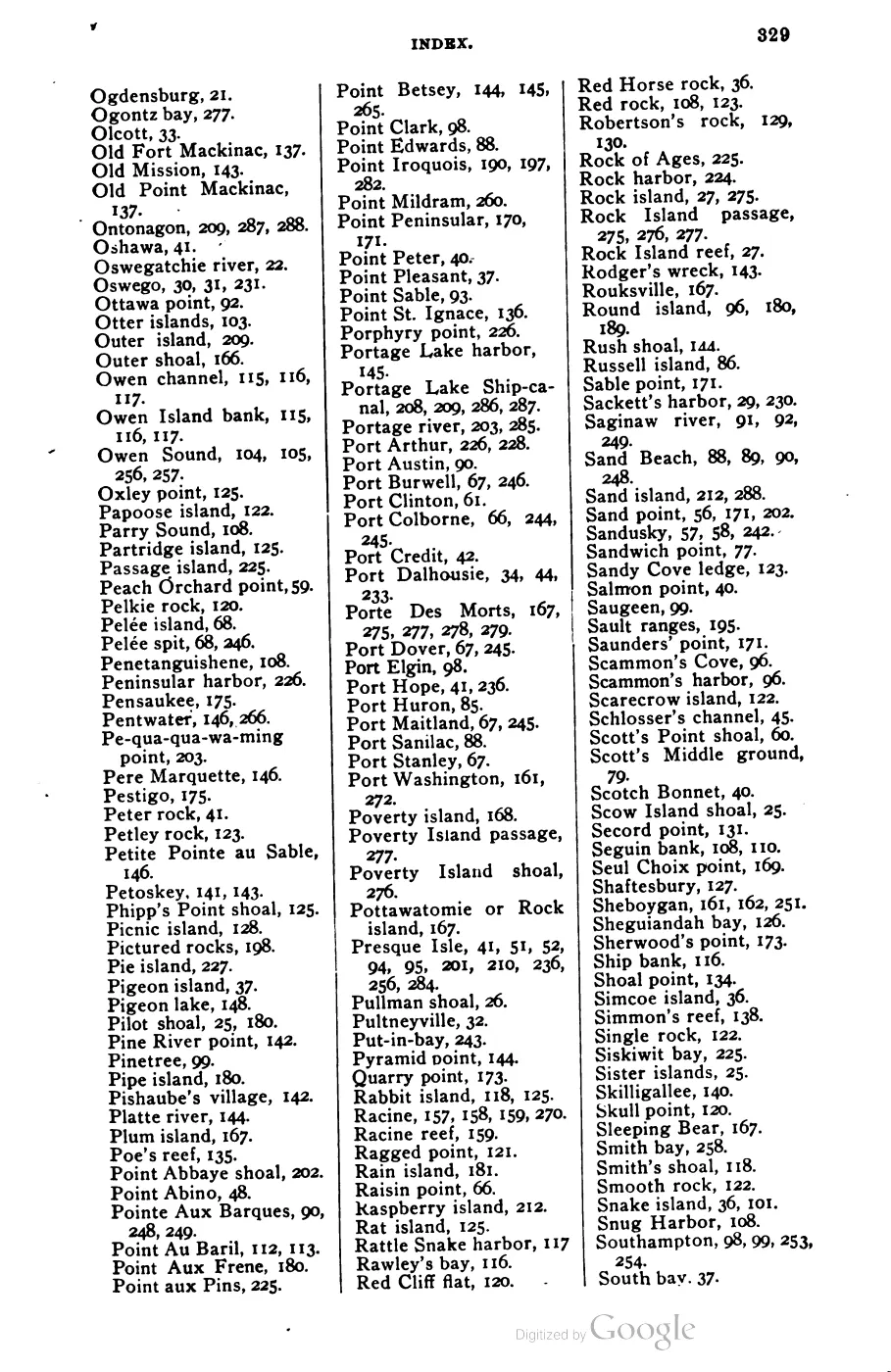
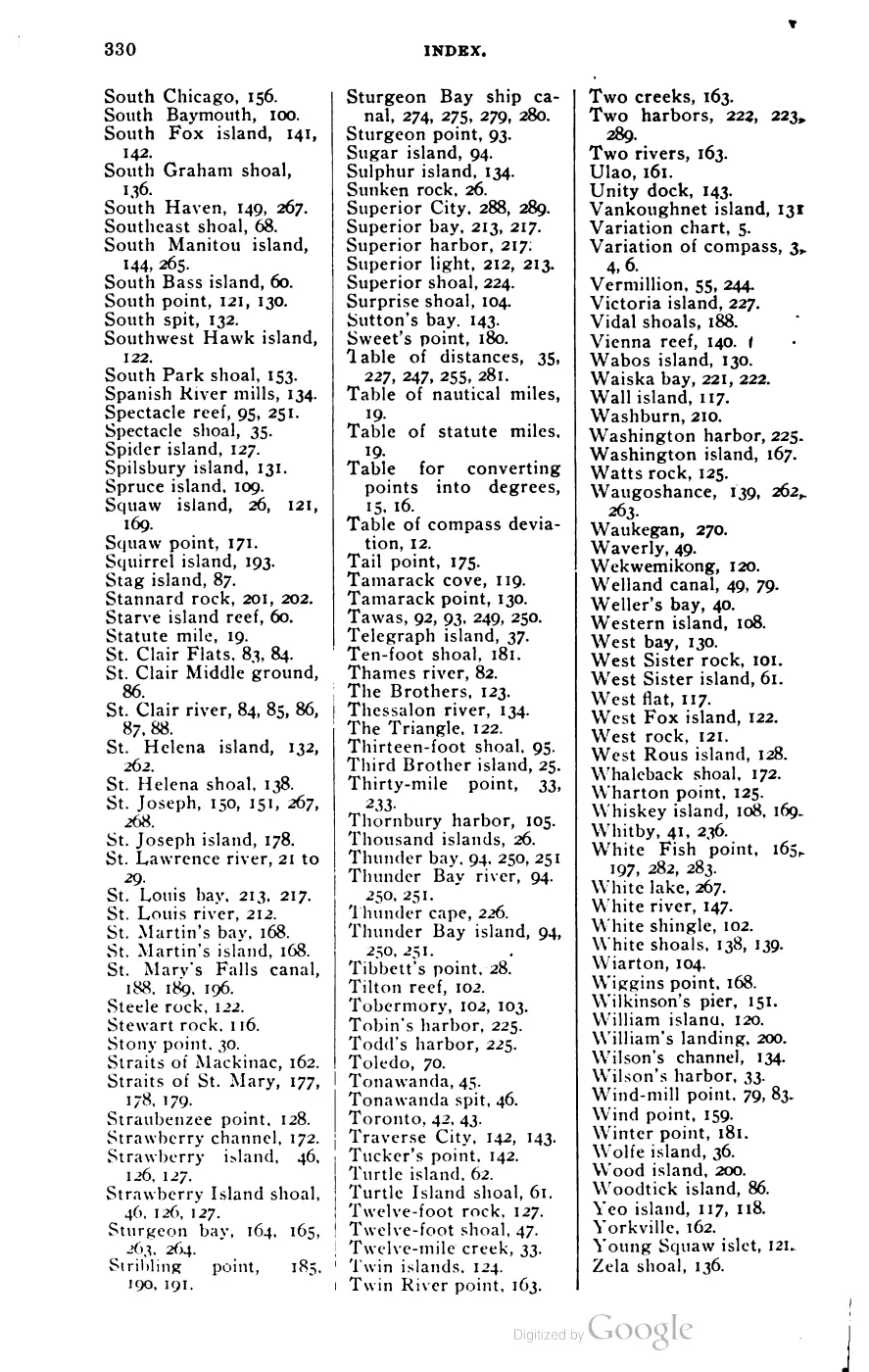





135 of 393 pages linked here — every page to 32, then every 4th, then the last 16. With JavaScript, every page.
Sources
- Identifies USLSS Station No. 1, Eleventh District / Coast Guard Station No. 257; gives conveyance and construction in 1875, discontinuation in 1922, Harrison Miller's appointment on December 7, 1876, Owen Gallagher's appointment on March 16, 1887, and Paul Pearson's in 1915.
- National Archives at Chicago, “U.S. Coast Guard Life-Saving Station Logbooks,” retrieved 2026-08-07.The official finding aid lists nine cubic feet of Beaver Island station logs for 1883-1941. The logs have not yet been inspected and are cited as the primary archival lead, not as support for an event not read.
- Beaver Beacon, June 2012, “In Memory: Doris Souter.”Family retrospective says the Larsens housed boarders and fed Coast Guard personnel after a barracks was built at the station in 1933. This later testimony supports construction but does not identify a contractor, completion date, or building plan. No public copy of this file is known; the archive holds one and can provide it on request.data1 · beaver-island-archive · beaver_beacon · 2012-06_Beaver-Beacon
- Described in this archive: Beaver Island History Map, 1978 revision.Gives 1876 for the first lifeboat station, circa 1933 for crew barracks, and circa 1939 for the boathouse. Official records distinguish 1875 construction from Miller's 1876 appointment; the 1939 boathouse date remains independently unverified.
- Charlevoix Sentinel, July 30, 1908, “Brave Old Capt. ‘Tip’ Miller,” reprinting the Frankfort Express.The reprint says Harrison Miller entered the Life-Saving Service in 1876 as keeper of the Beaver Island station when it was first established, had no regular crew, and hired men as needed; it gives his transfer to Point Betsie as March 14, 1887. This conflicts by one year with the heritage-site’s 1875 start claim and is not a service roster. No public copy of this file is known; the archive holds one and can provide it on request.
- George Scott, Scott's New Coast Pilot for the Lakes, 6th ed. (Detroit: Free Press Printing Company, 1902), p. 310 (Appendix, 'List of Life-Saving Districts and Stations on the Lakes').Verbatim entry under 'TWELFTH DISTRICT — LAKE MICHIGAN': 'Beaver Island .... 1 .... Owen Gallagher .... Saint James, Beaver Harbor, Michigan.' Also, p. 140: 'Life-Saving Station about 165 feet west of light-house' (the Beaver Island Harbor Light). No public copy of this file is known; the archive holds one and can provide it on request.local_documents · 1902_scott-new-coast-pilot-for-the-lakes-6ed
- 'Mr. Harrison Miller, after leaving the light-house, was appointed keeper of the life saving station at Beaver Harbor, and was transferred to Point Betsey life-saving station. Mr. Owen Gallagher succeeded him at the Beaver Island station.' Independently corroborates Scott 1902's naming of Owen Gallagher as keeper and gives his predecessor.
- Site now occupied by the Central Michigan University Biological Station; boathouse and piers described as 'Originally the Coast Guard Station boathouse,' indicating the station was later redesignated a US Coast Guard station before its buildings passed to CMU.osm · historic
- States the site "was active 1875-1958" and "closed (in) 1958," while separately noting on the same page "Discontinued in 1922 (USCG Historian's Website)" without reconciling the two dates.
- States the boathouse, a "Roosevelt Type" structure, was built in the 1930s and was "purchased by Central Michigan University in 2006."
- Charlevoix County Herald, February 14, 1936, “Lake Michigan Claims 2 Lives.”Reports that Coast Guard boats from Beaver Island joined the search for three men adrift on Lake Michigan after an ice floe broke away near Charlevoix; this is direct evidence of Beaver Island Coast Guard operations in 1936, not a roster or a precise station-status date. No public copy of this file is known; the archive holds one and can provide it on request.
- Charlevoix Journal, December 9, 1886, “Local Notes and News.”Reports that Capt. Harrison Miller, of the Beaver Island life-saving station, arrived home the previous Saturday for the winter and would have charge of the Point Betsie station the following season. It does not supply a station roster, exact transfer date, or complete service history. No public copy of this file is known; the archive holds one and can provide it on request.
- A family letter says “Dad” Owen Gallagher was captain and sole member of the Beaver Island Coast Guard Station in December 1900 and took a tug to inspect the closed Squaw Island light; it is a retrospective family account, not a station roster.data1 · beaver-island-archive · beaver_beacon · 1972-01_Beaver-Beacon
- The held nine-page issue scan is paired with the OCR source and confirms the published notice or report; it does not expand the source-specific identity, event, or outcome claims.data1 · beaver-island-archive · scans · beaver_beacon · issues · 1972-01_Beaver-Beacon
- Retrospective identifies the station's 1883 rescue of the J. I. Case on Hog Island Reef, the 1886 LaFinire wreck off Hog Island, and the 1887 rescue of the Frank C. Leighton on Beaver Island's west side; it does not name the keeper or volunteers.data1 · beaver-island-archive · beaver_beacon · 1961-12_Beaver-Beacon
- The held six-page issue scan is paired with the OCR source and confirms the published notice or report; it does not expand the source-specific identity, event, or outcome claims.data1 · beaver-island-archive · scans · beaver_beacon · issues · 1961-12_Beaver-Beacon
- Reports that the Coast Guard would not operate the Beaver Island sub-station in summer 1973; duties would be divided between Charlevoix and St. Ignace, with aerial help from Traverse City. The notice describes a planned seasonal cutback and does not prove permanent closure or later station disposition.data1 · beaver-island-archive · beaver_beacon · 1973-04_Beaver-Beacon
- The held eleven-page issue scan is paired with the OCR source and confirms the published notice or report; it does not expand the source-specific identity, event, or outcome claims.data1 · beaver-island-archive · scans · beaver_beacon · issues · 1973-04_Beaver-Beacon
- Reports that the Beaver Island Coast Guard station closed for the season on September 15, 1970, and quotes the Coast Guard operating period as May 15 through September 15. It is an operational attestation, not a complete station history or proof of permanent closure.data1 · beaver-island-archive · beaver_beacon · 1970-09_Beaver-Beacon
- The held seven-page issue scan is paired with the OCR source and confirms the published notice or report; it does not expand the source-specific identity, event, or outcome claims.data1 · beaver-island-archive · scans · beaver_beacon · issues · 1970-09_Beaver-Beacon
- Reports that John H. Coppens enlisted at Charlevoix in 1938 and spent his first Coast Guard hitch on Beaver Island; it does not provide a station roster, dates for that hitch, or a complete Beaver Island Coast Guard history.data1 · beaver-island-archive · beaver_beacon · 1967-07_Beaver-Beacon
- The held six-page issue scan is paired with the OCR source and confirms the published notice or report; it does not expand the source-specific identity, event, or outcome claims.data1 · beaver-island-archive · scans · beaver_beacon · issues · 1967-07_Beaver-Beacon
- States that the Beaver Island Coast Guard Station closed December 1. This is a seasonal operational notice, not a crew roster or evidence of permanent inactivation.data1 · beaver-island-archive · beaver_beacon · 1960-12_Beaver-Beacon
- The held five-page issue scan is paired with the OCR source and confirms the published notice or report; it does not expand the source-specific identity, event, or outcome claims.data1 · beaver-island-archive · scans · beaver_beacon · issues · 1960-12_Beaver-Beacon
Added 28 July 2026 · revised 3 August 2026. Recent changes
Cite this article
Beaver Island Archive, “Beaver Island Life-Saving Station”, https://beaverislandarchive.org/organizations/beaver-island-life-saving-station/, accessed [date], citing U.S. Coast Guard Historian's Office, “Station Beaver Island, Michigan,” April 8, 2021. (and 23 further sources listed on the page).
Last revised 2026-08-03. Fill in [date] with the date you read it — this page is static and cannot know that.
BibTeX for “Beaver Island Life-Saving Station”RIS for “Beaver Island Life-Saving Station”