- Concepts
- shipwrecksmaritimeshippingheritage
- Within
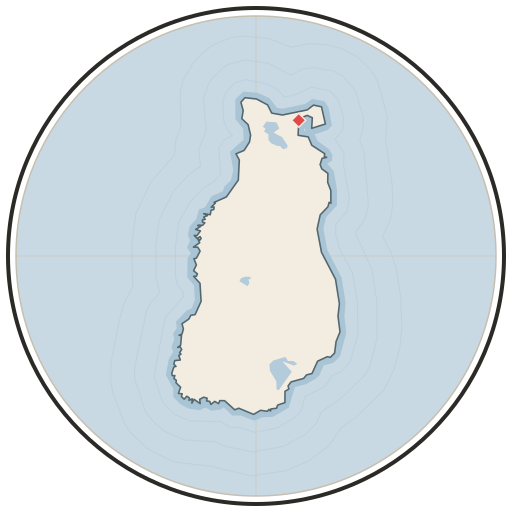
- Beaver Island archipelago
Summary
No state shipwreck inventory names a wreck in the Beaver Island archipelago. The Michigan Underwater Preserve Council records 334 wrecks statewide and none here, not because the passage is safe but because the state’s preserve system never extended to Beaver Island; the absence is a fact about the dataset, not the seabed. What survives instead is a scatter of newspaper reports, local retrospectives, and family testimony, recovered mostly from the Charlevoix county papers and the Beaver Beacon, describing at least sixteen separate strandings, wrecks, fires, explosions, and drownings between 1850 and the 1960s. Three of them killed islanders or their mail-boat crews outright: five men in the 1937 explosion of the Marold II, three in the 1900 capsizing of the Squaw Island light-crew’s sailboat, and three in the 1914 burning of the Vega. Several more wrecked vessels — the schooners J. I. Case, LaFinire, and Frank C. Leighton, the steamer A.D. Patchin — left no known casualty report at all, and a few, including the tow-barge and fishing-tug groundings of the 1960s, explicitly record that no one died.
The record is uneven by design of its sources, not by editorial choice. A county paper covers a wreck when it happens; a 1961 or 1968 Beacon retrospective compresses decades into a paragraph and rarely gives an exact position; and the one professionally surveyed date in this ledger, the A.D. Patchin’s loss on Skilligallee Reef, comes from a Wisconsin Historical Society report whose real subject is a different vessel entirely. Casualty counts and vessel dimensions conflict repeatedly across sources describing the same wreck, and this article follows the rest of the knowledge base in refusing to resolve them: both the Erie L. Hackley’s primary twelve-death report and its later eleven-death reconstruction are kept, and the Marold II’s reported length runs from 40 to 140 feet depending on which retrospective is read. The archipelago also carries a casualty from a wreck that lies outside it: the 615-foot Carl D. Bradley went down about twelve miles off Gull Island in November 1958, and the following spring a Beaver Island tugman drowned while helping locate the wreck for a federal navigation survey — a shipwreck elsewhere producing a marine casualty here.
Reefs, shoals, and a shipping lane with no other route
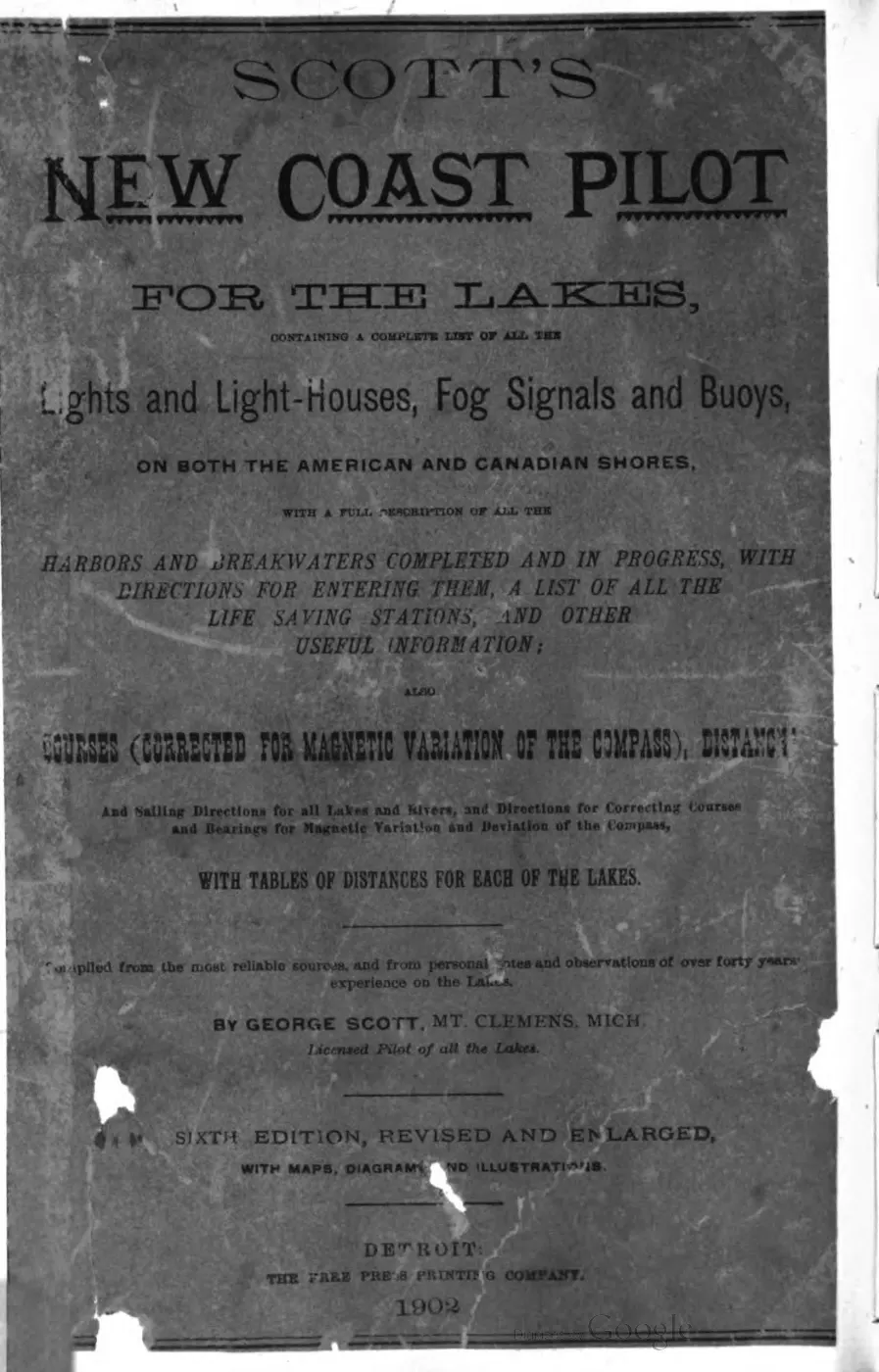
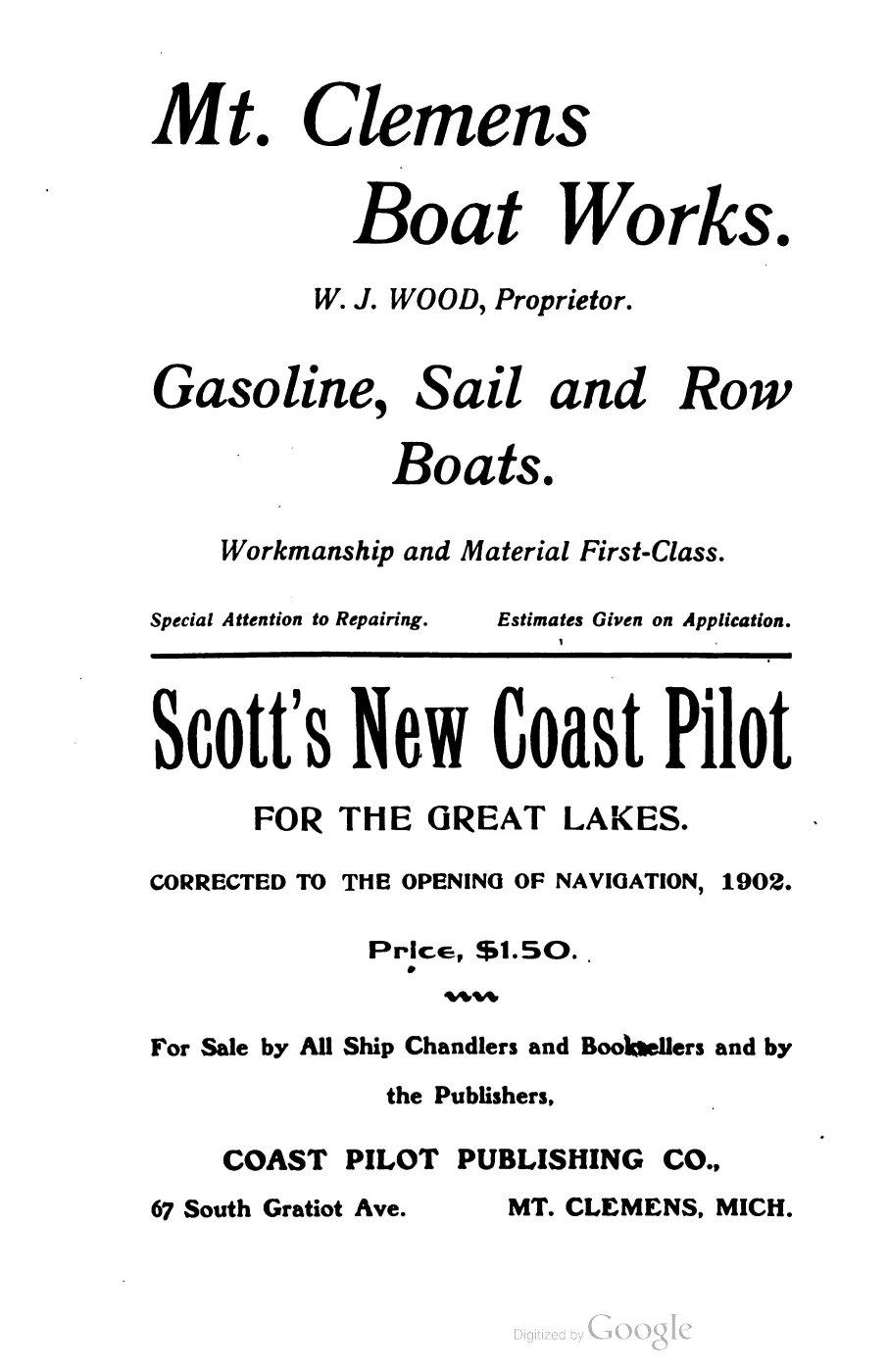
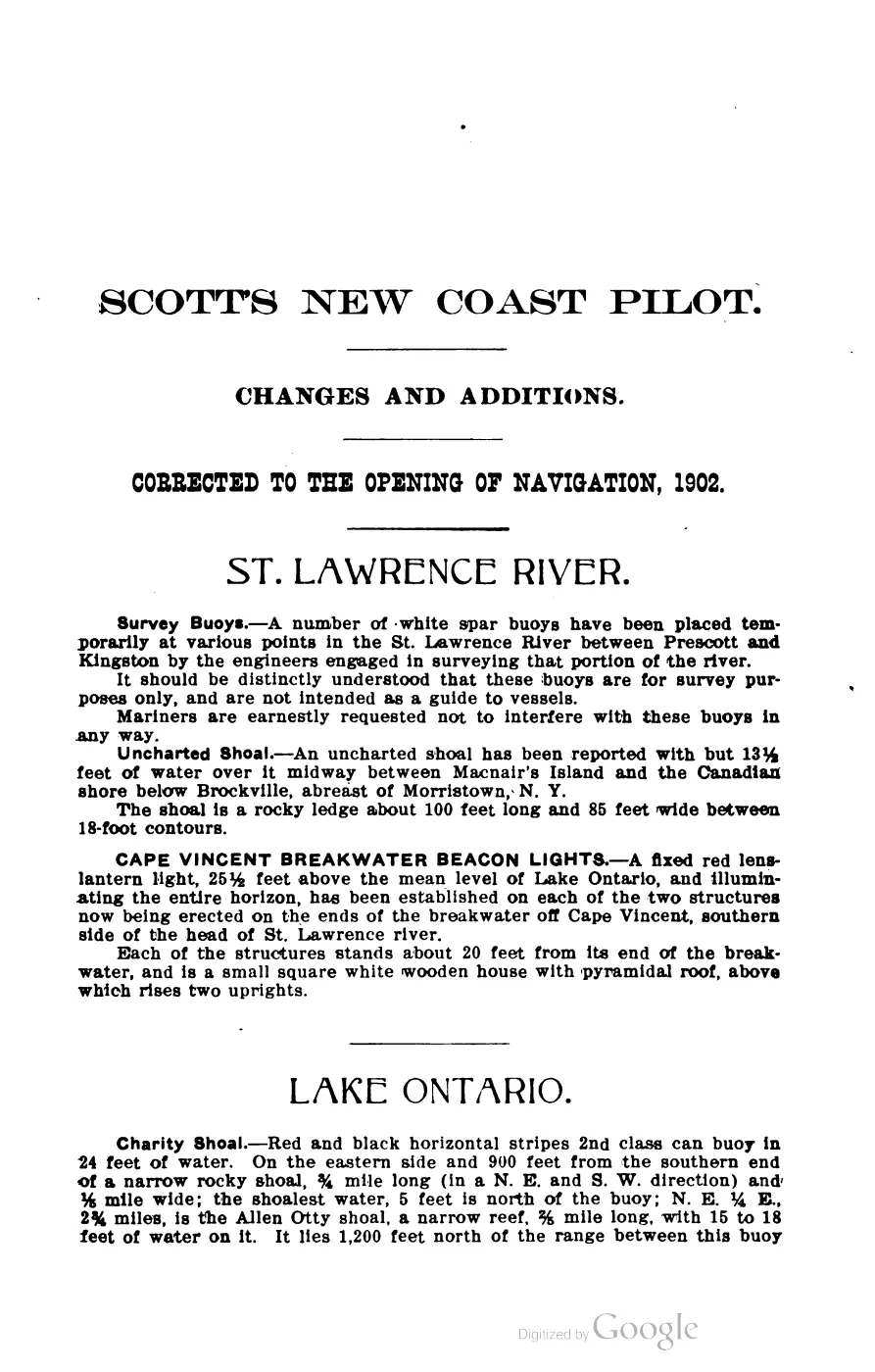
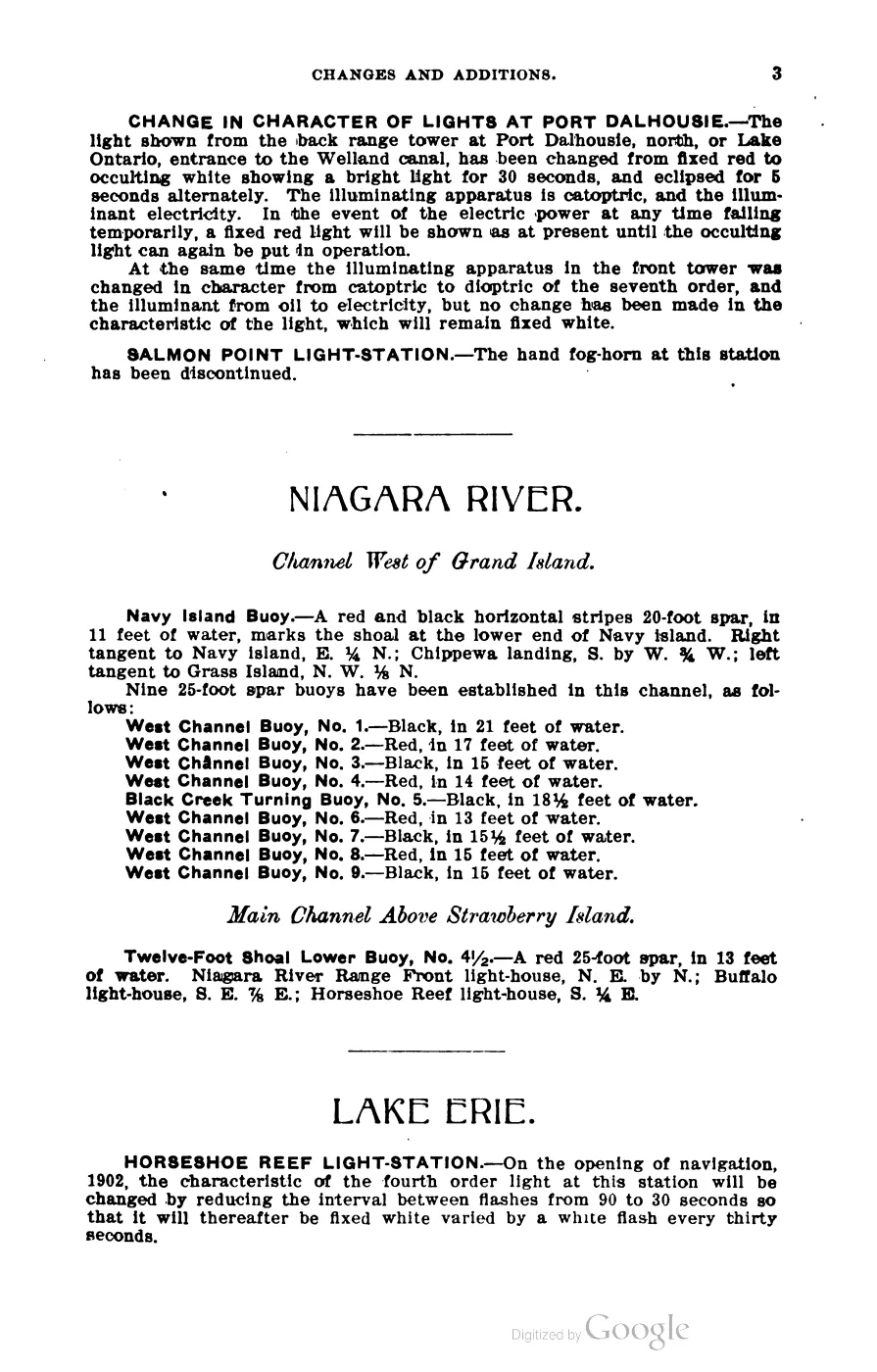
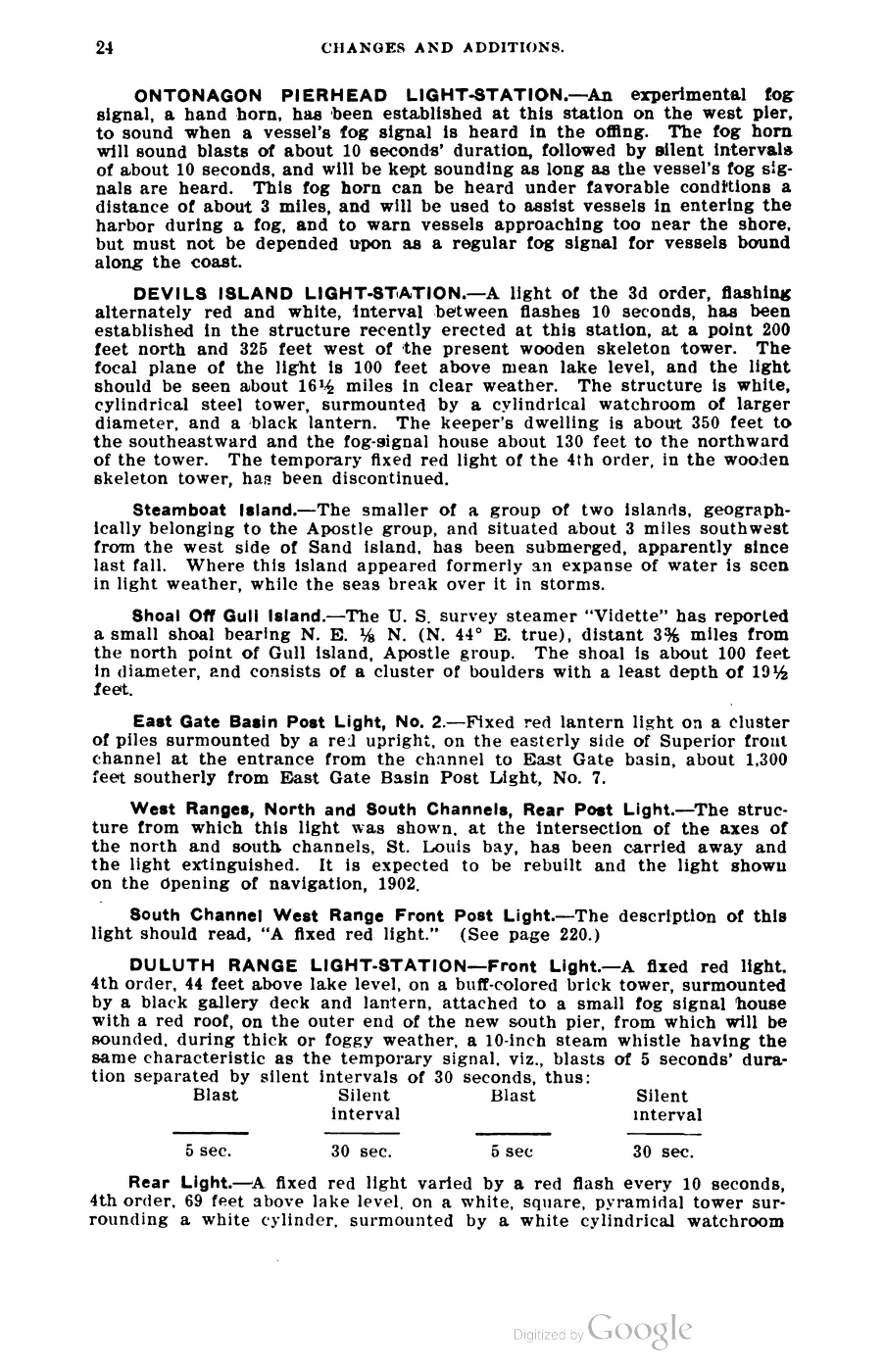
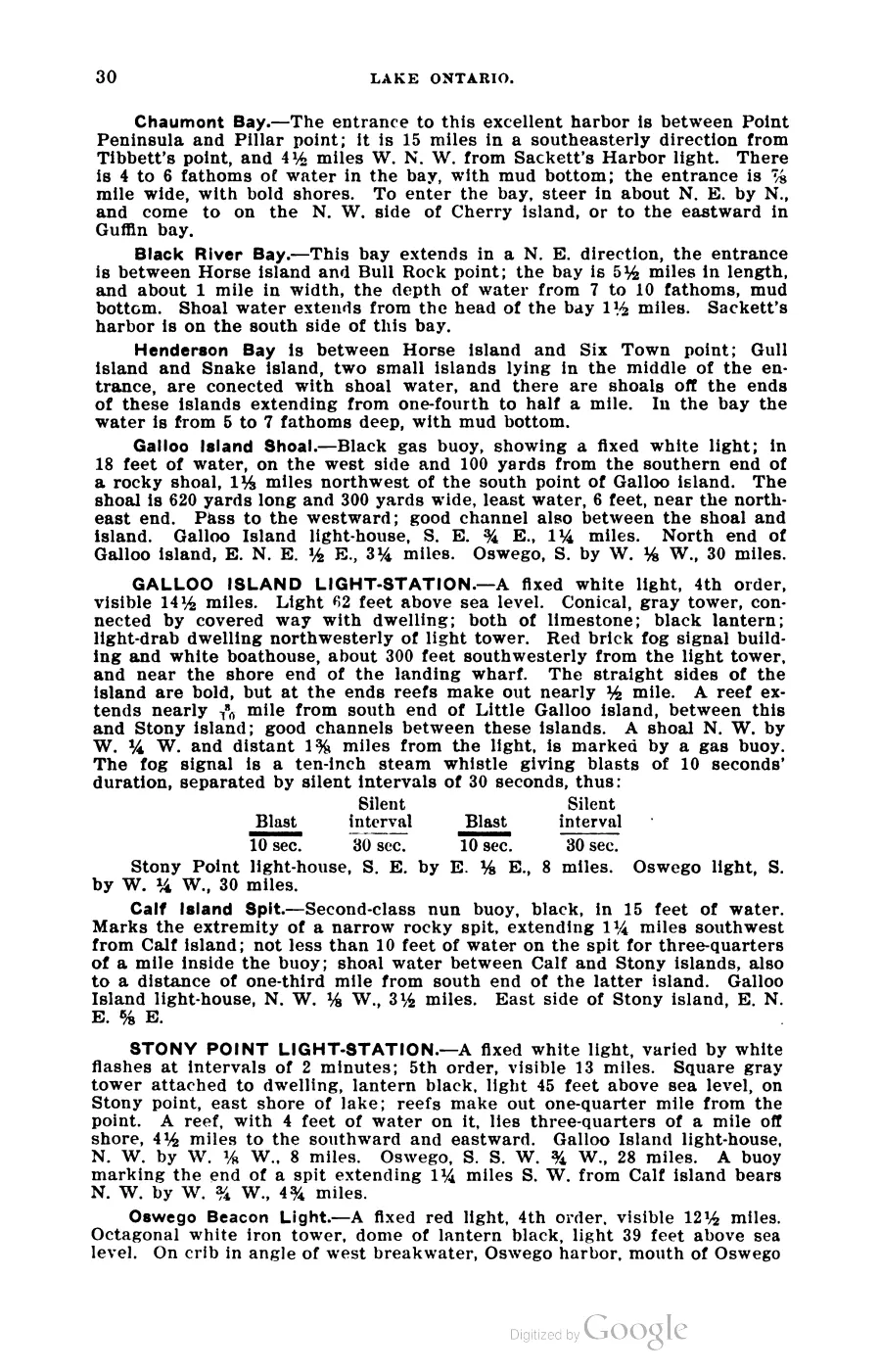
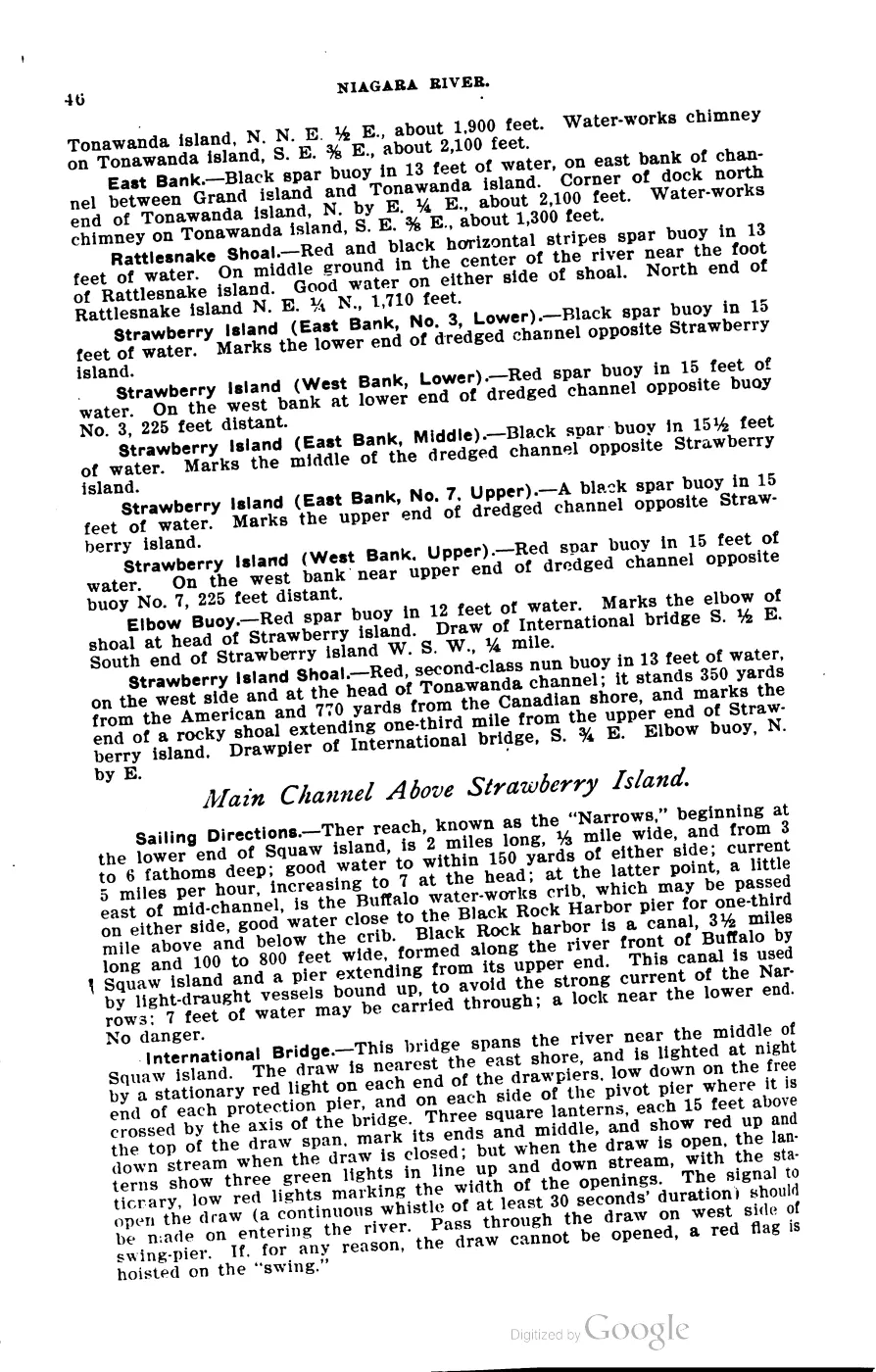
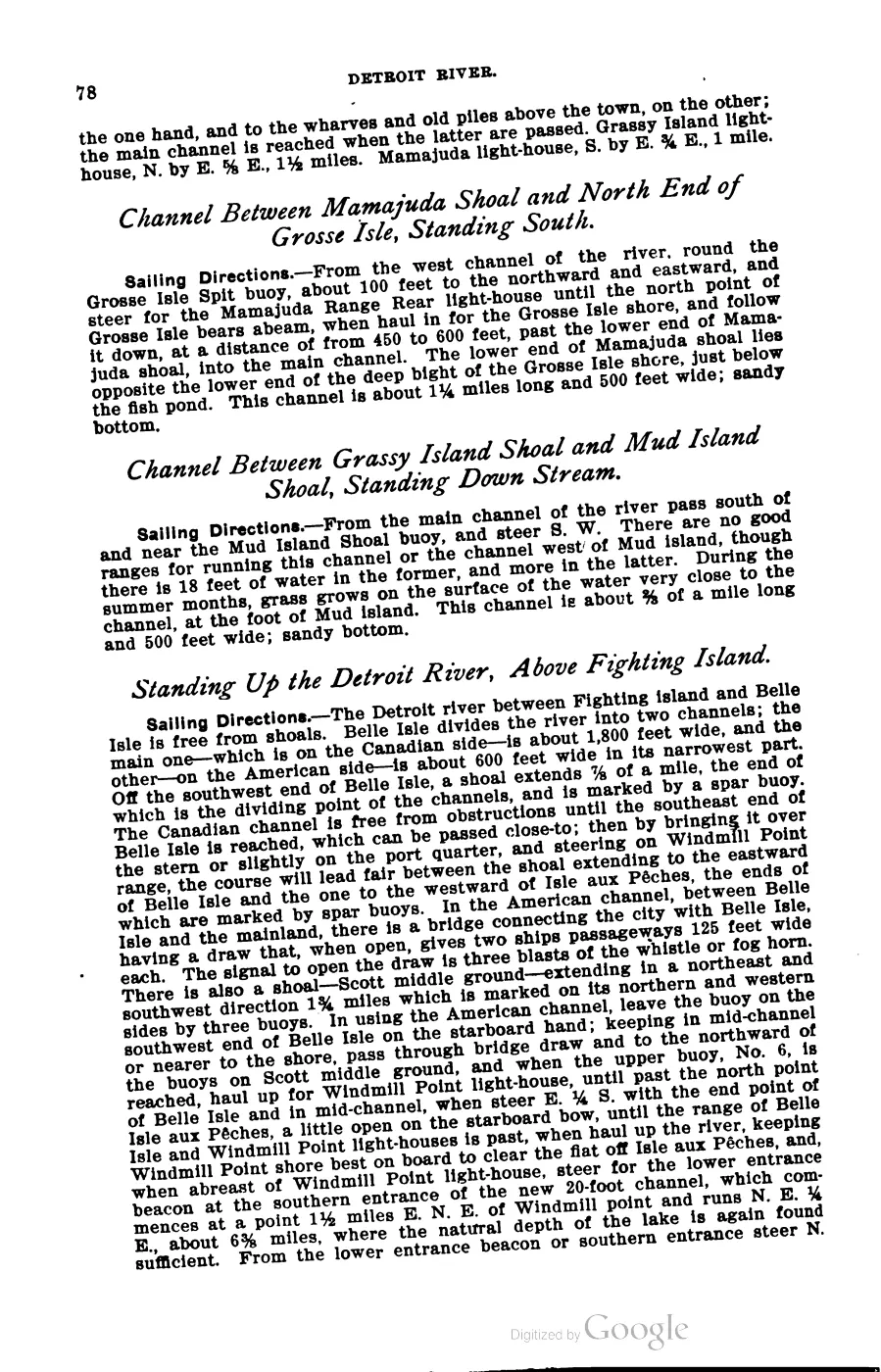
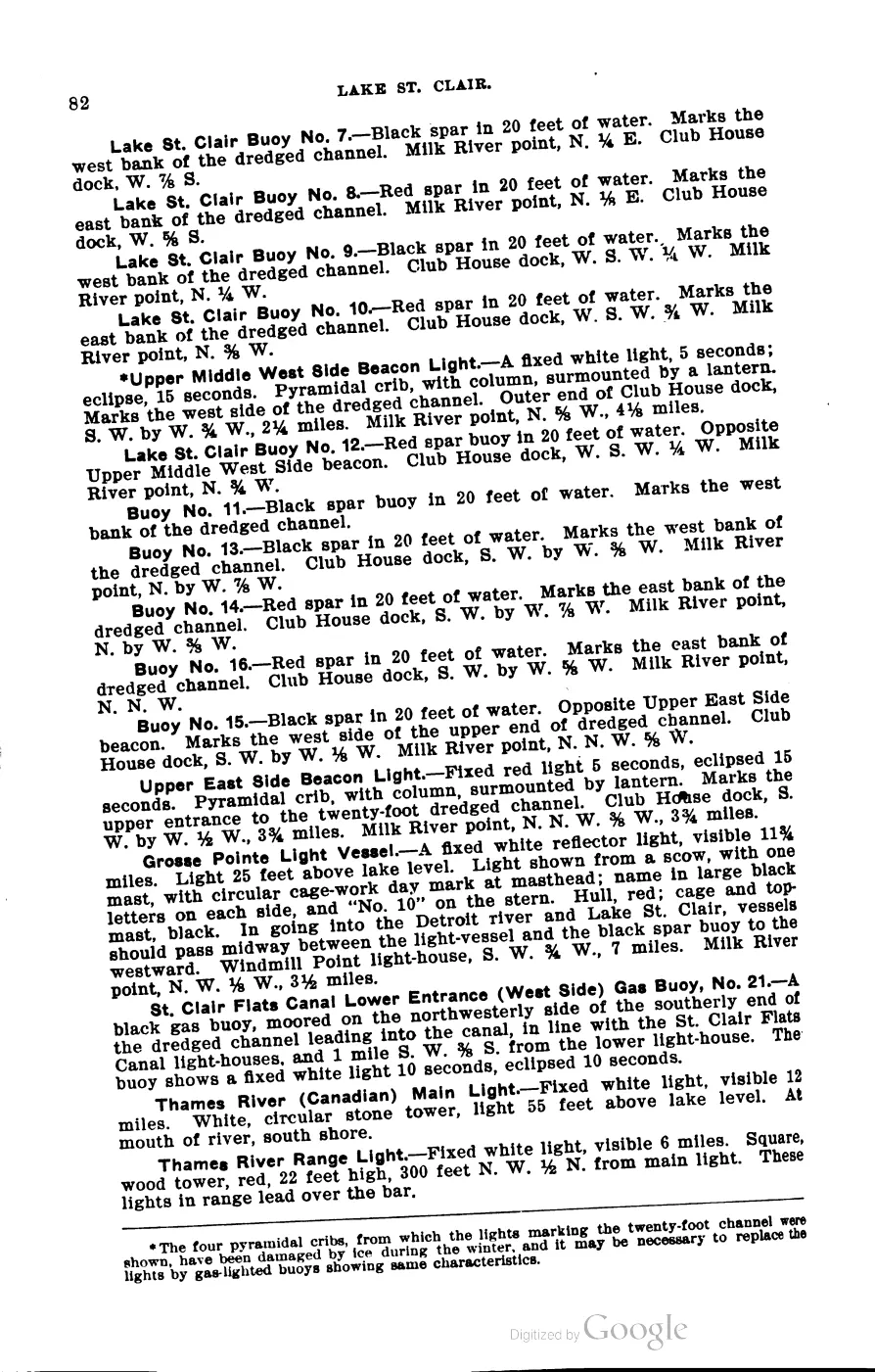
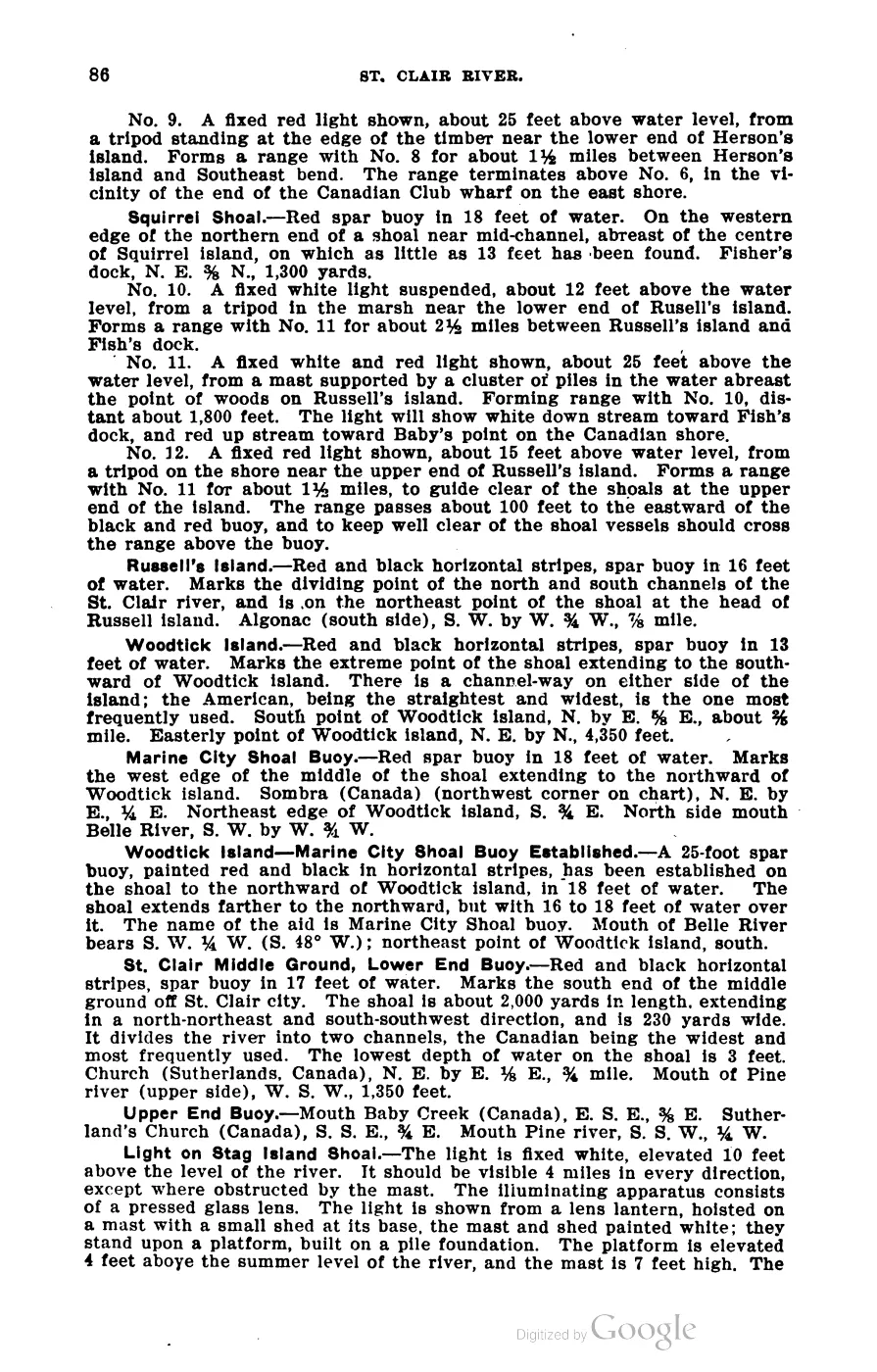
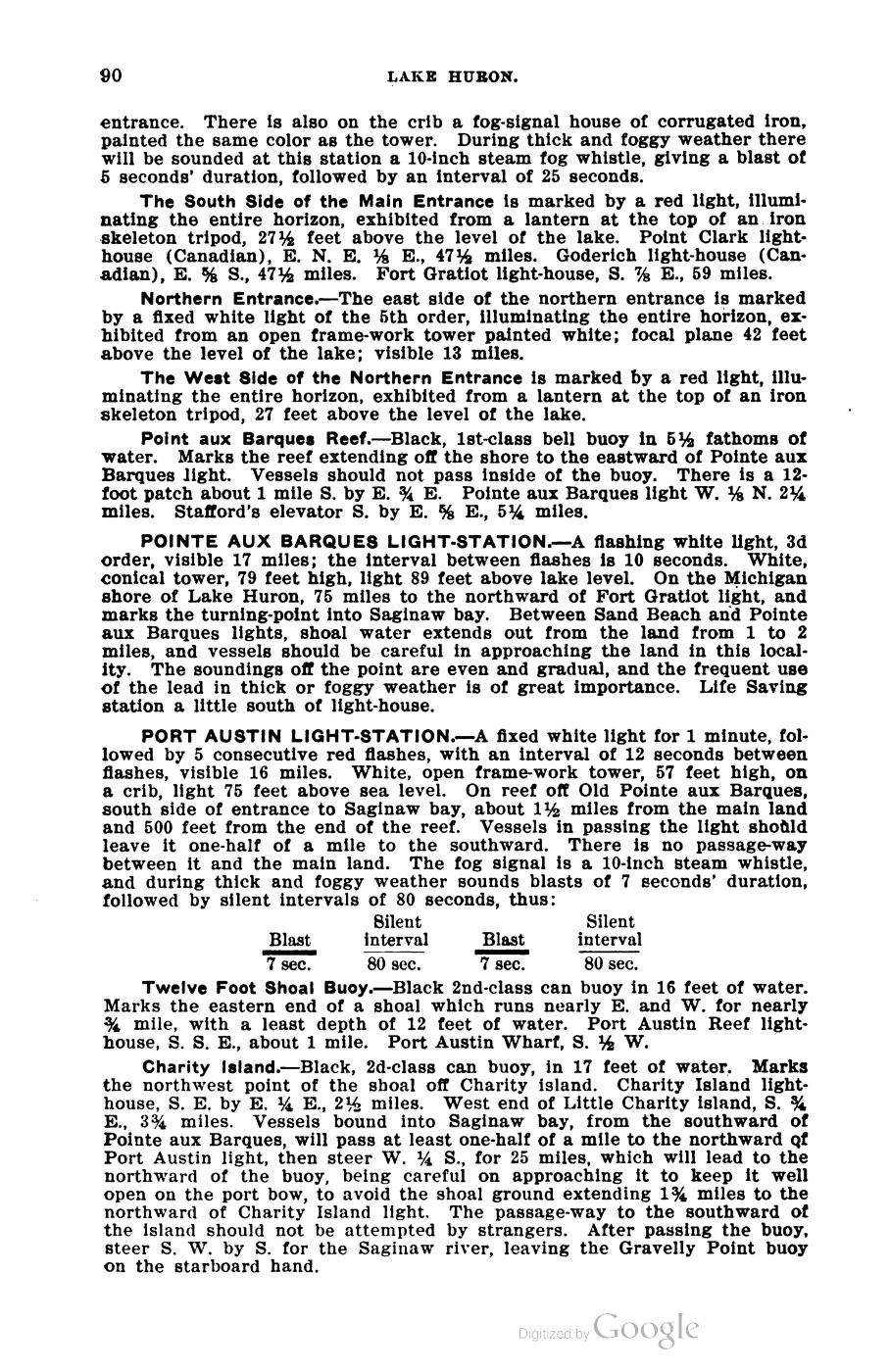
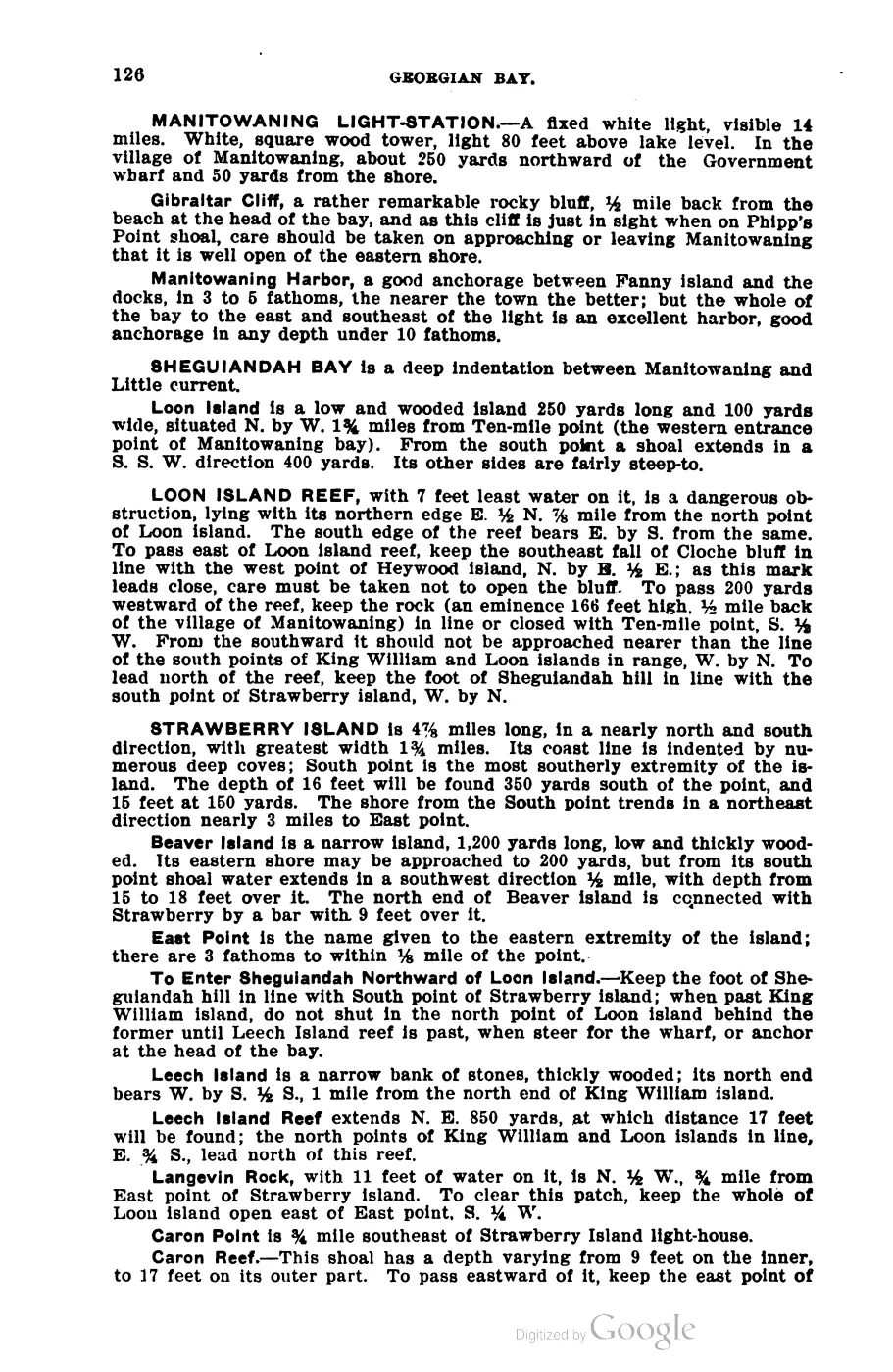
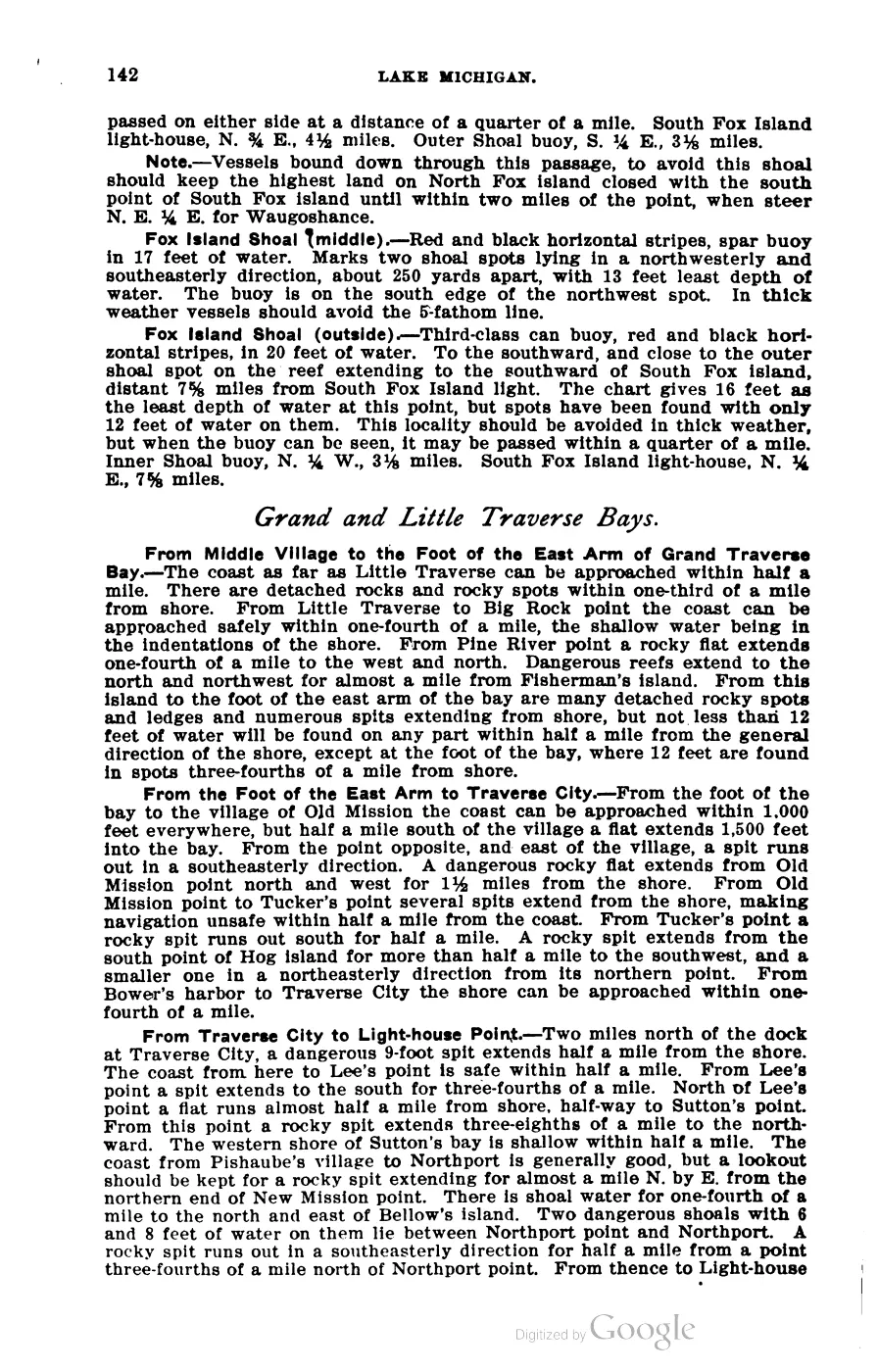
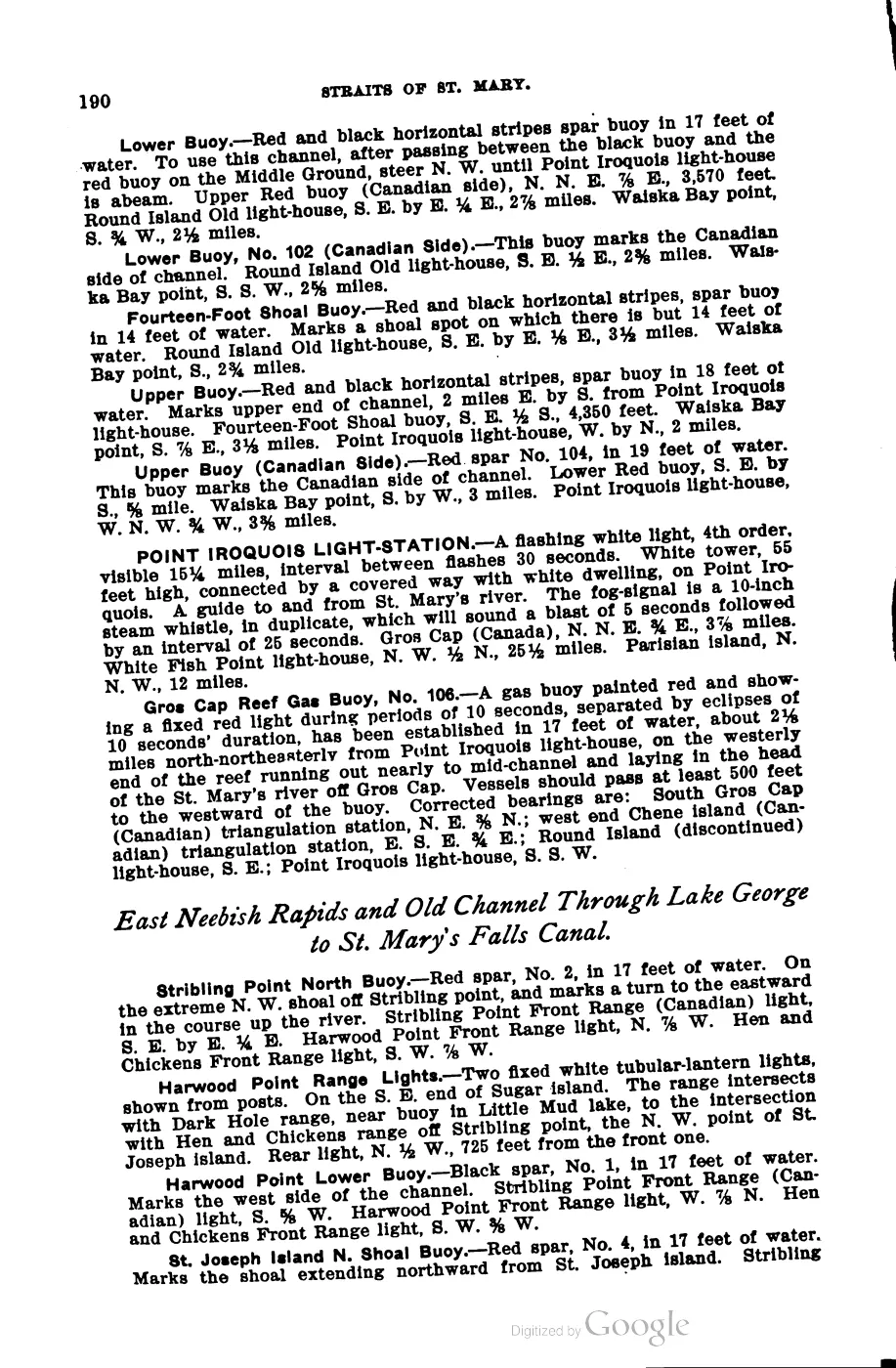
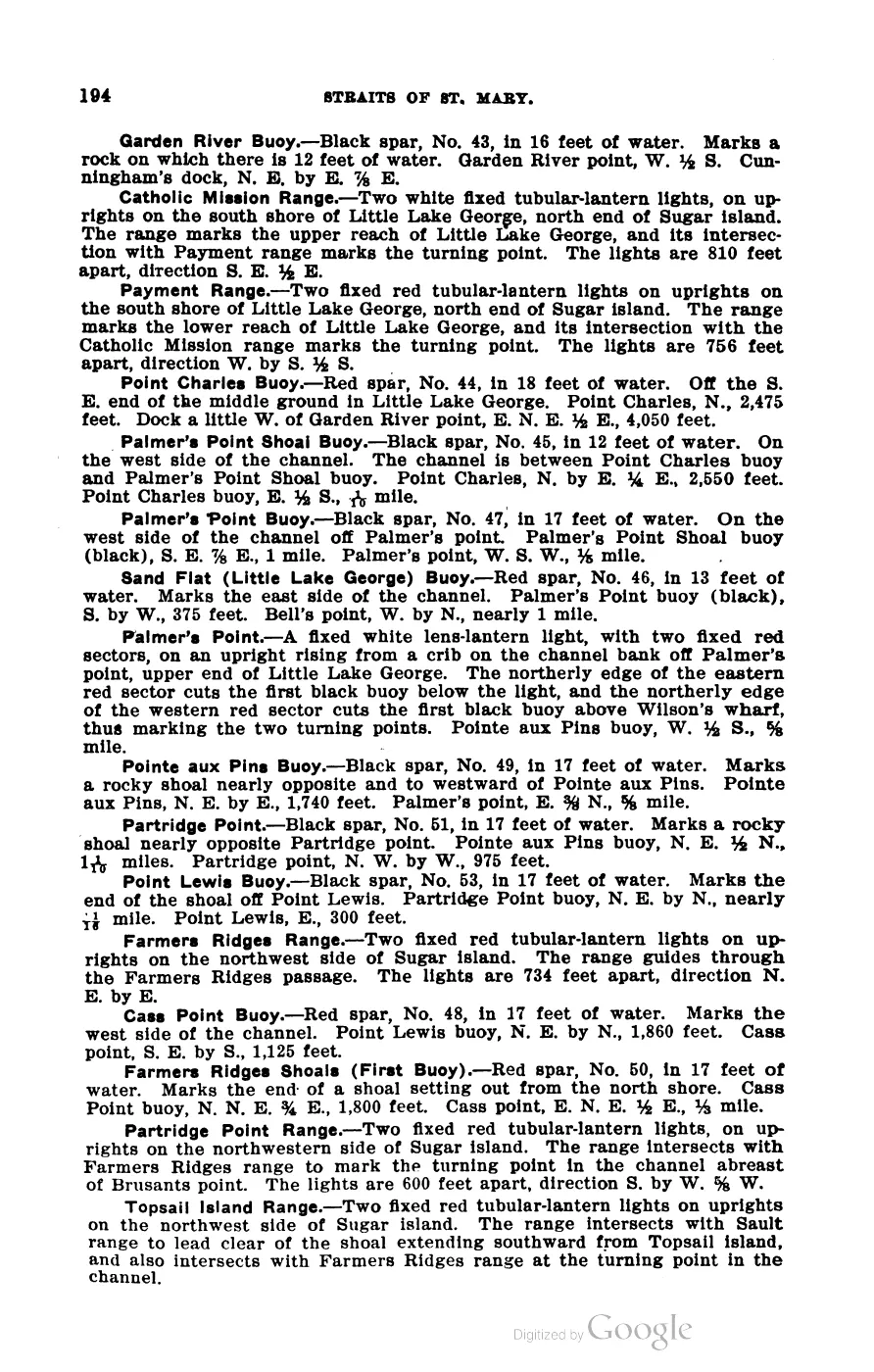
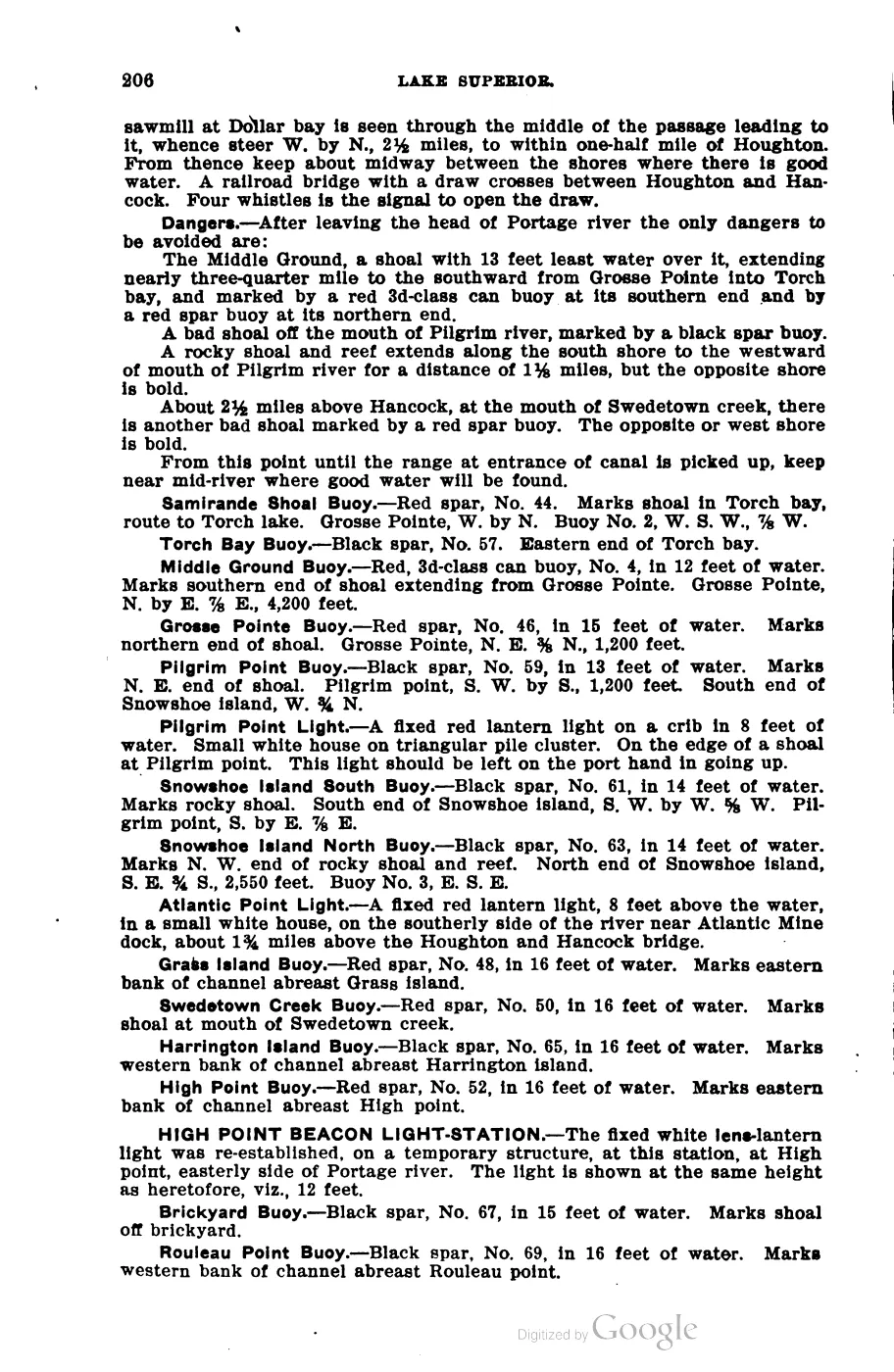
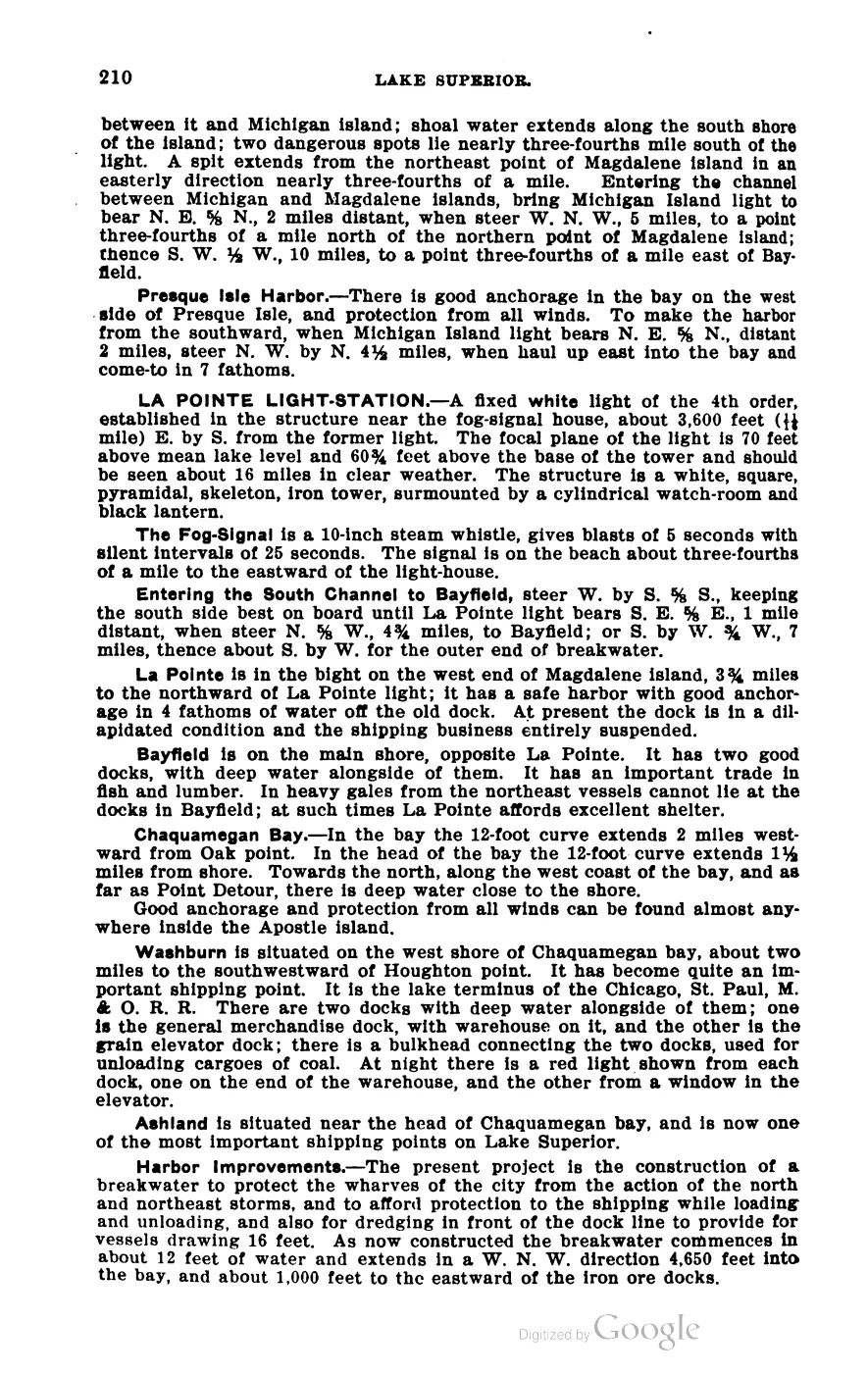
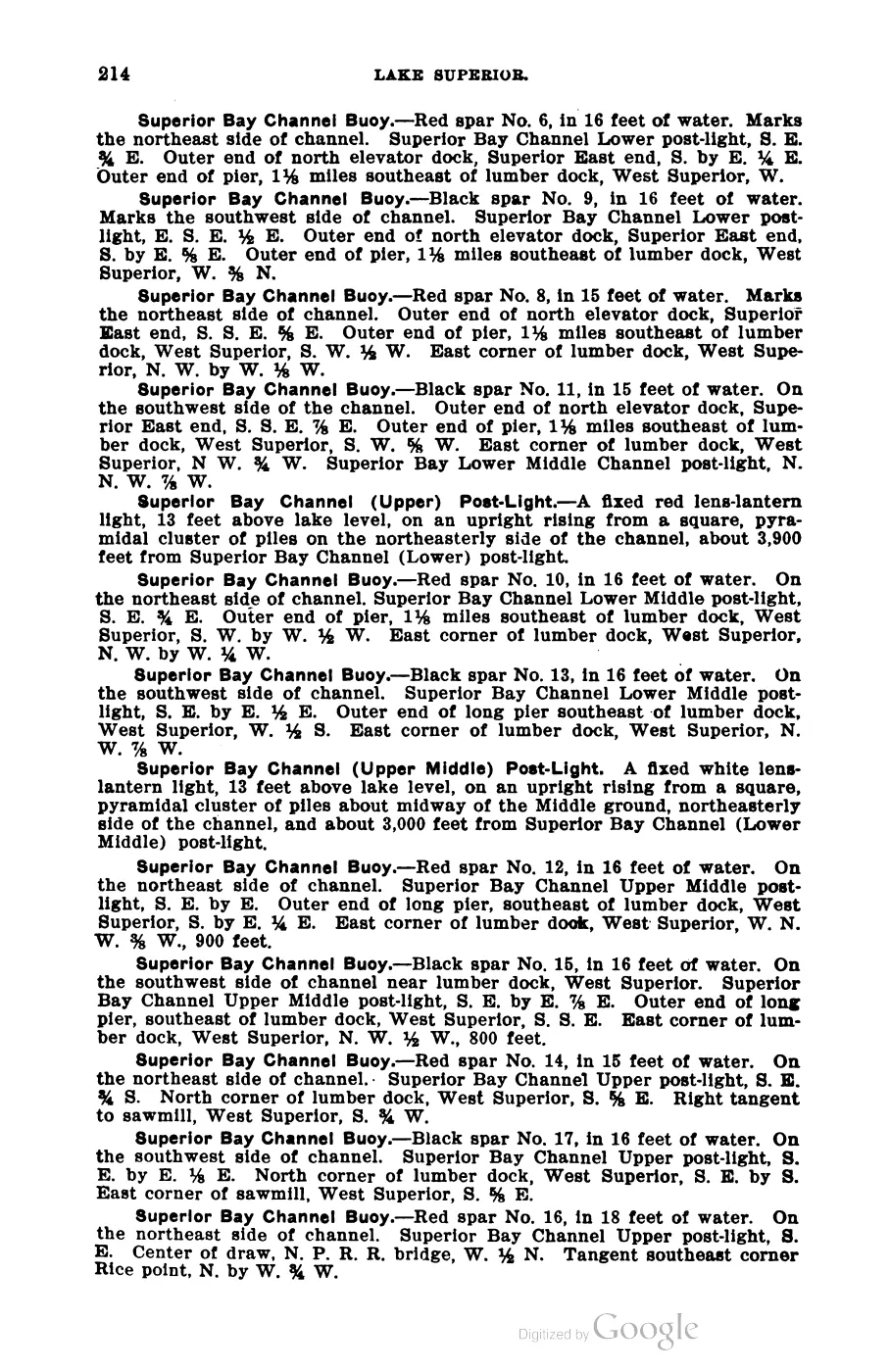
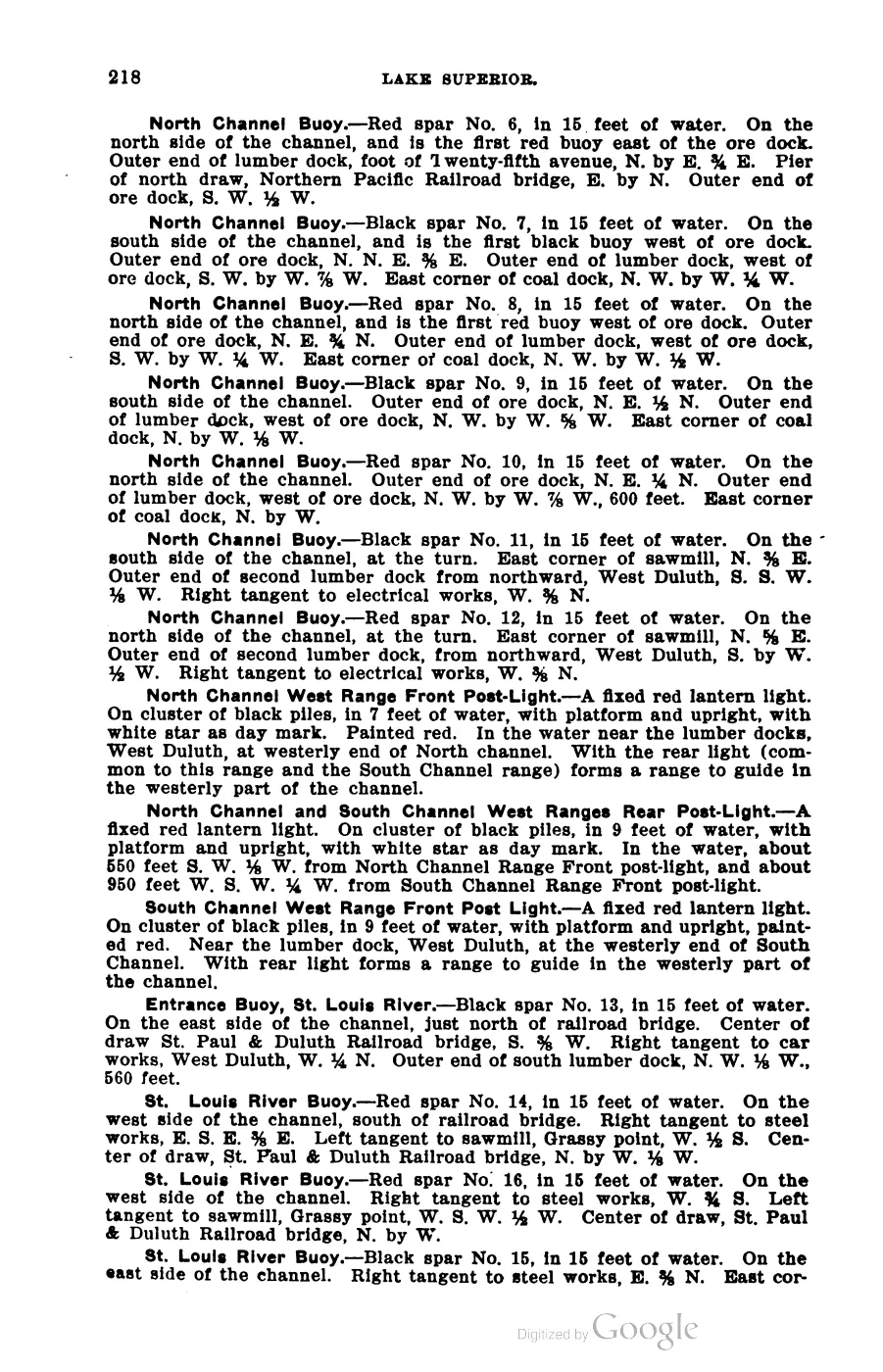
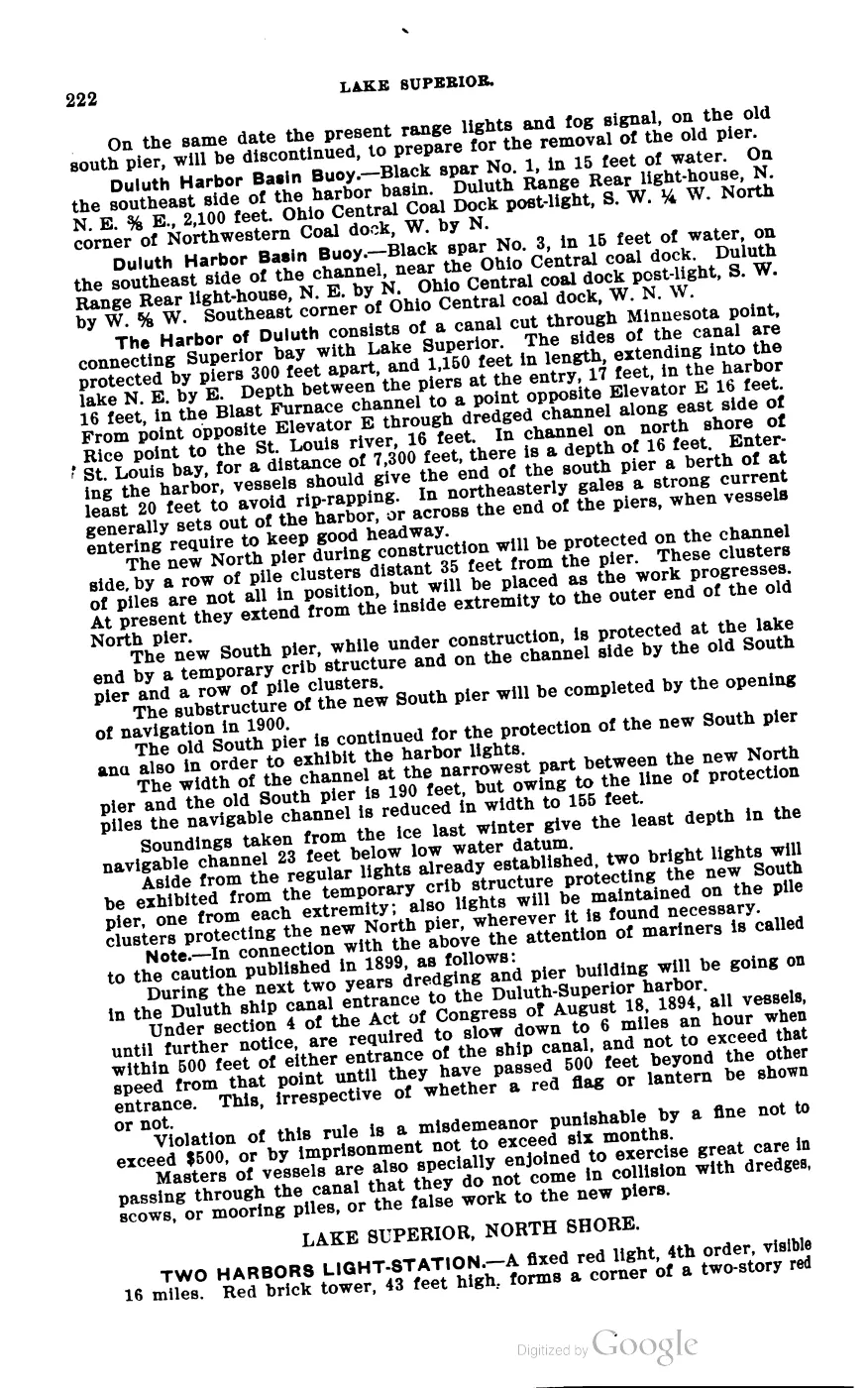
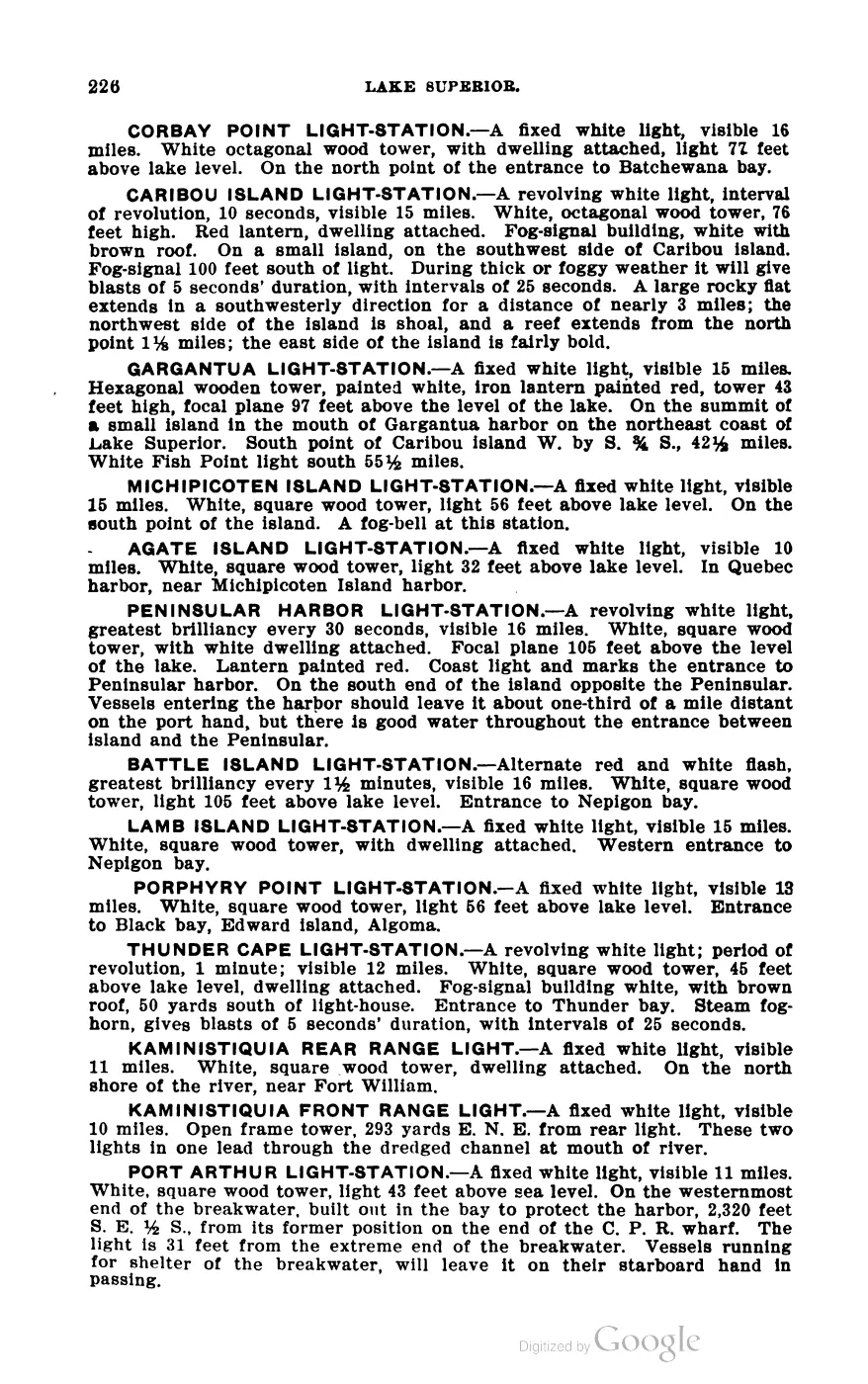
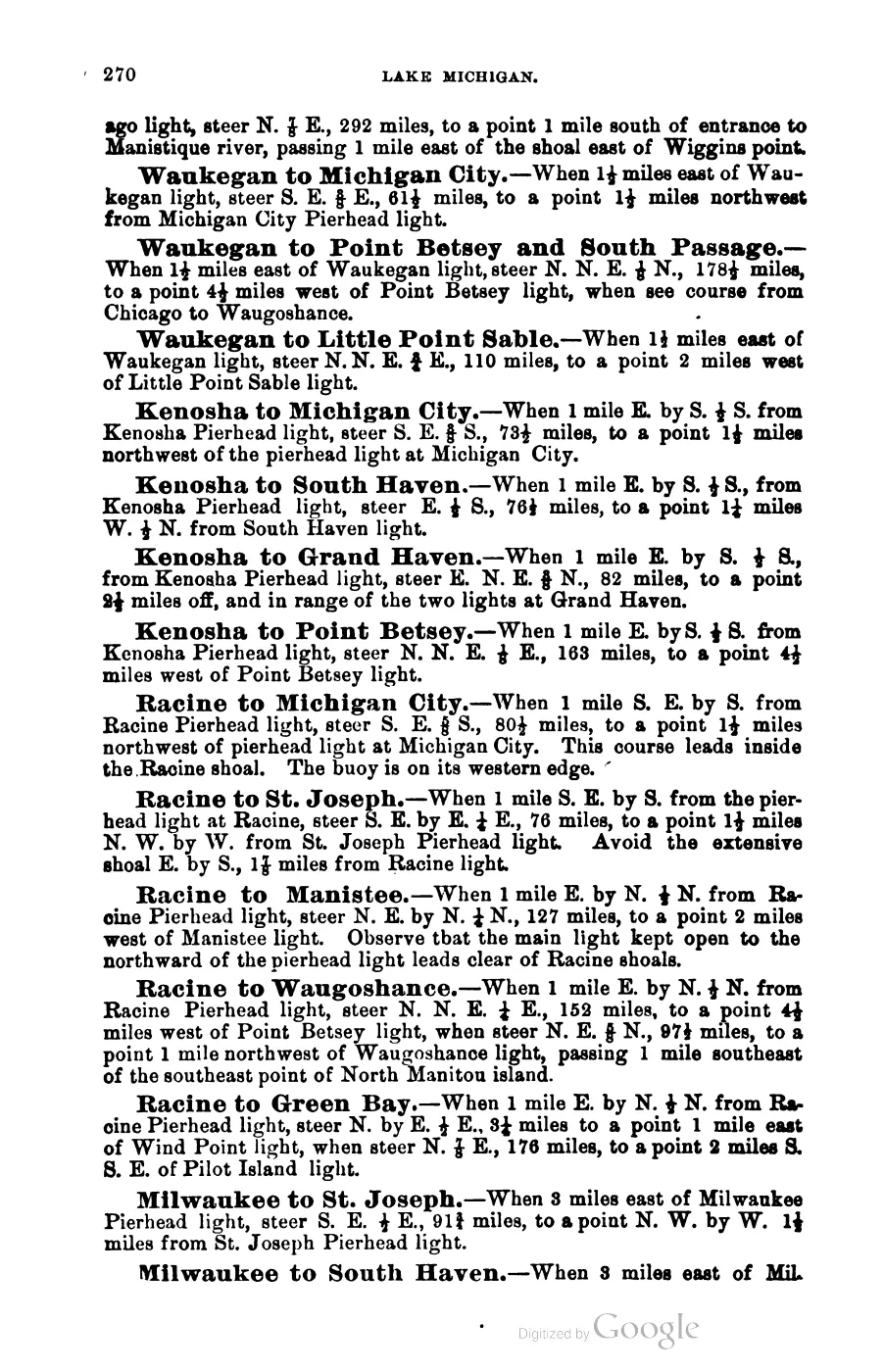
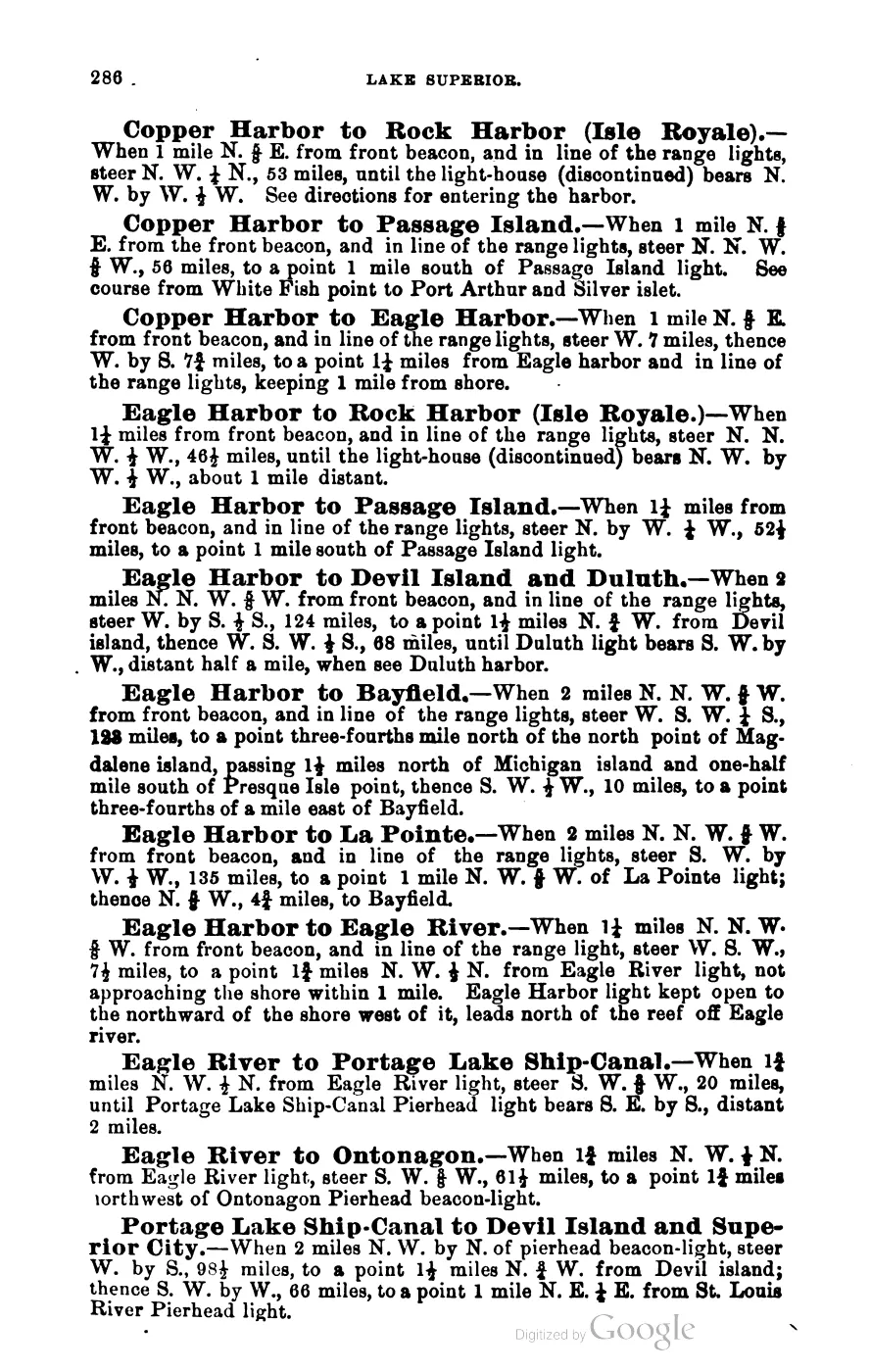
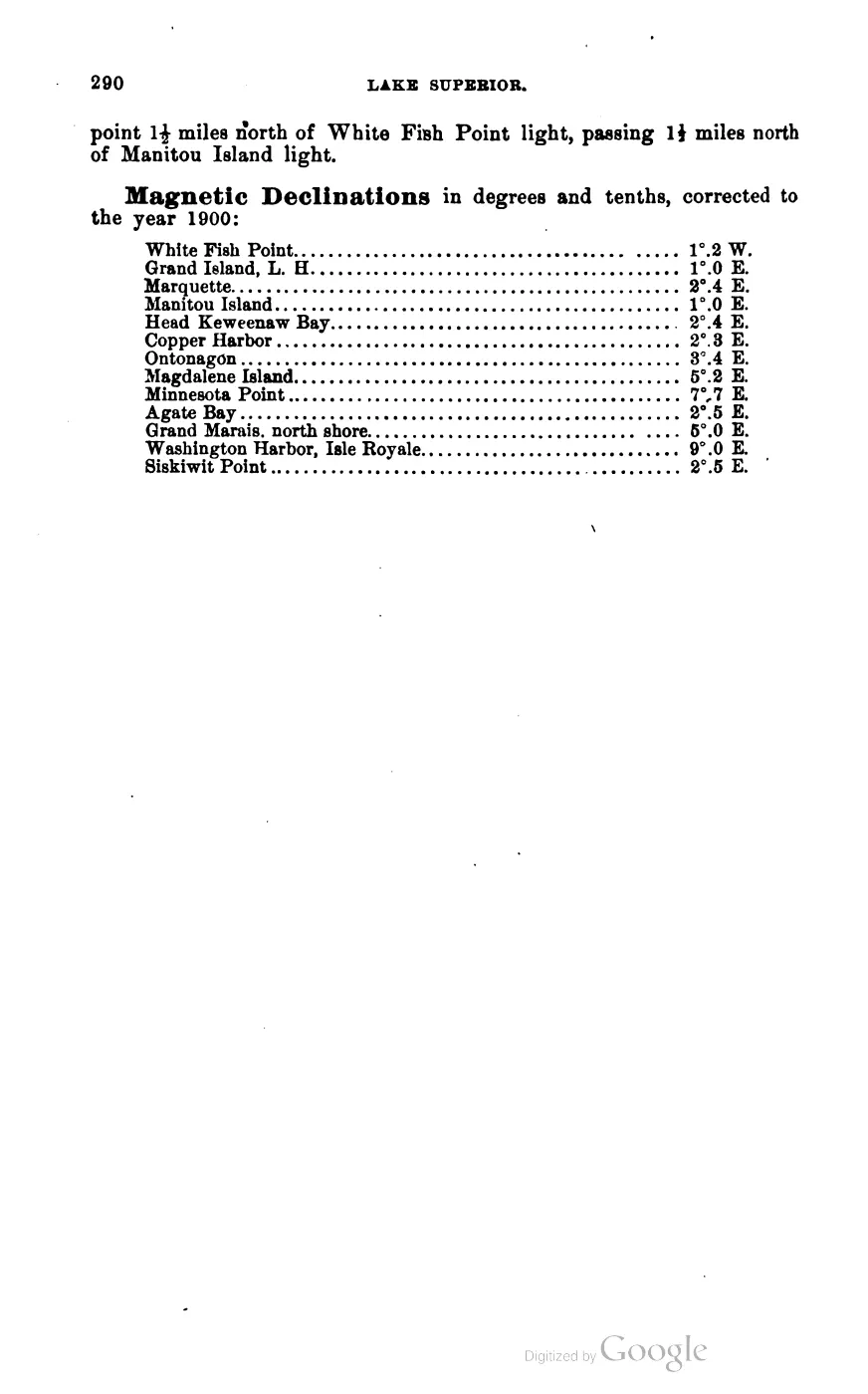
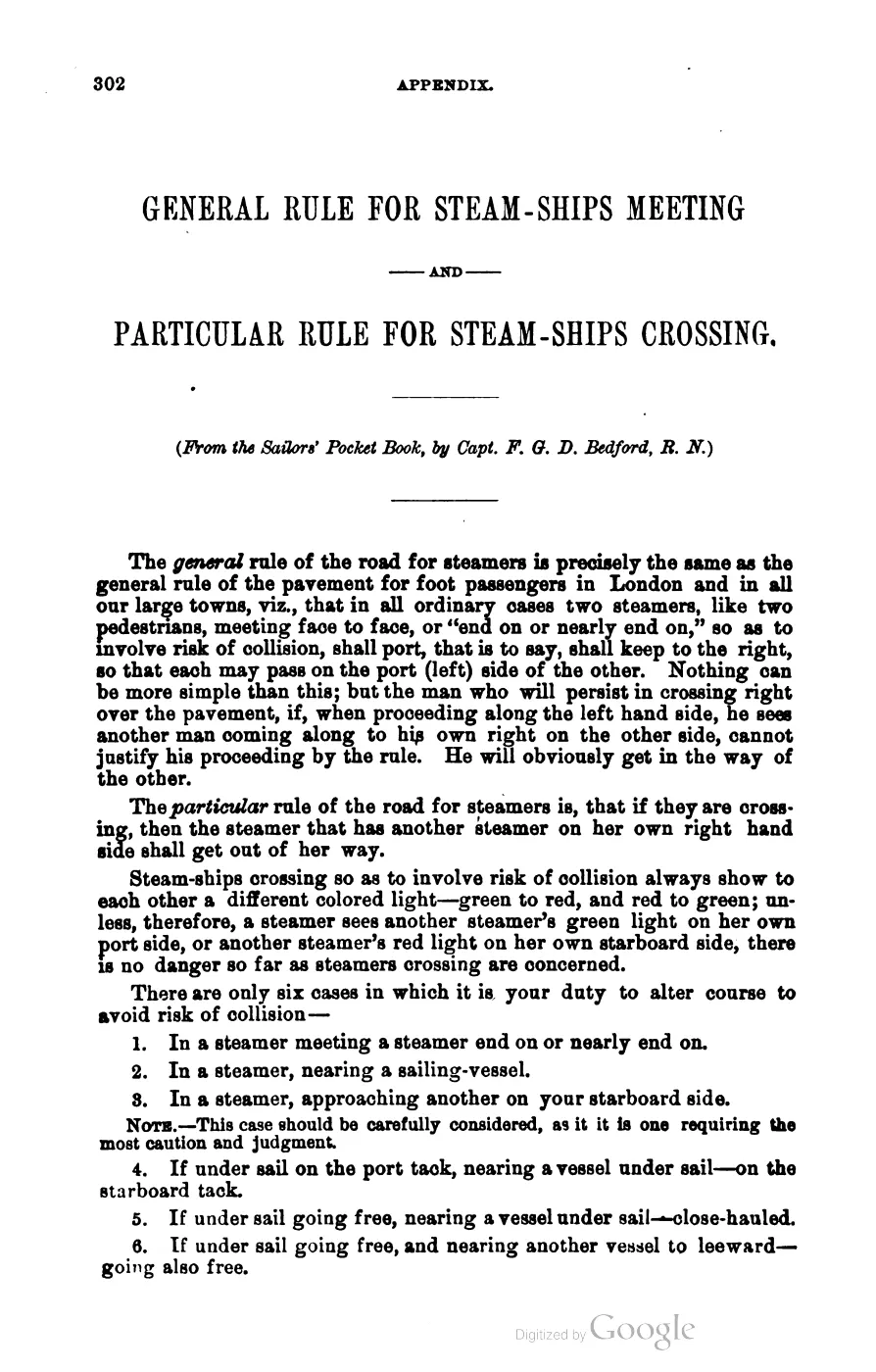
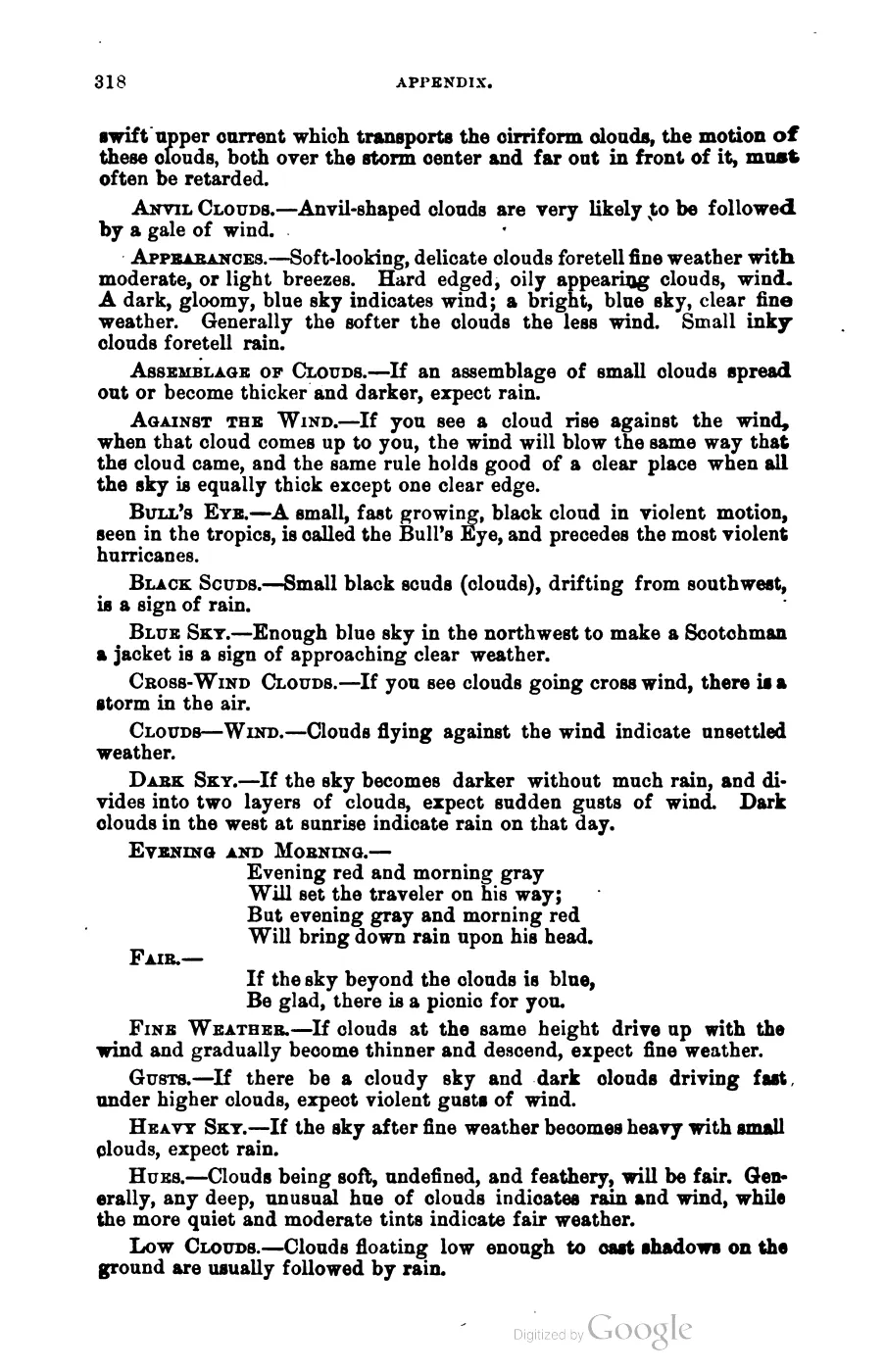
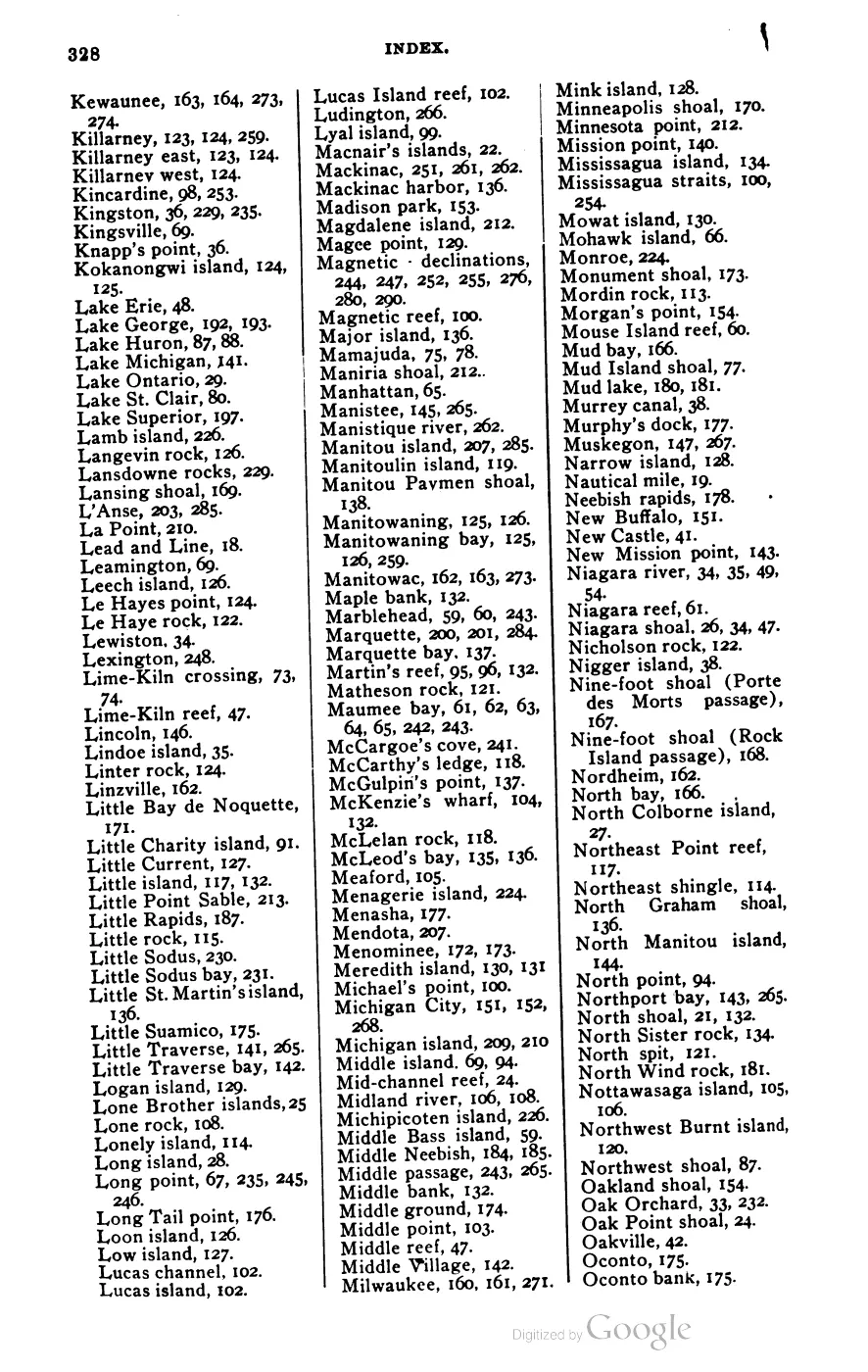
The wrecks recorded here cluster at named hazards, not at random points on the lake. Shipping and navigation documents the archipelago’s position squarely across the Straits-to-Green-Bay shipping lane and its dense system of reefs; this article’s casualty record is that geography’s cost side. Scott’s 1902 Coast Pilot calls Gull Island Reef “this very dangerous shoal, with only 5 feet of water,” four miles off Gull Island’s south point, and separately buoys Hog Island Reef, Whiskey Island Shoal, and Squaw Island Shoal as charted hazards on the same passage.1 Three of the wrecks below ran onto exactly these features: the J. I. Case on Hog Island Reef, the Eugene J. Buffington on Boulder Reef, and the Marold II at Simmons Reef while lashed to an already-stranded tanker. The LaFinire and the Frank C. Leighton were driven ashore on Hog Island and Beaver Island’s west side rather than onto a charted reef, which is consistent with the Coast Pilot’s own emphasis on weather, not only obstruction, as the passage’s danger.
Nineteenth-century strandings, and the Life-Saving Station that answered them
The earliest loss in this ledger is also the least locally documented. A 2023 Wisconsin Historical Society field report states, as an aside in a history of the schooner Abiah, that the steamer A.D. Patchin wrecked on Skilligallee Reef on 17 September 1850, and that Abiah carried the Patchin’s recovered boilers and locomotive to Buffalo in 1852.2 No cause, casualty list, or cargo survives in any source held here. Strang’s own newspaper supplies a strange coda rather than the wreck itself: the 2 March 1854 Northern Islander reports that a yawl from the wreck had frozen into the Hog Island shoals, and that Strang and workmen were attempting to salvage it when Sheriff Granger’s posse arrived to arrest him — corroboration that the Patchin’s loss was locally consequential, not an independent date or position for the wreck itself.3
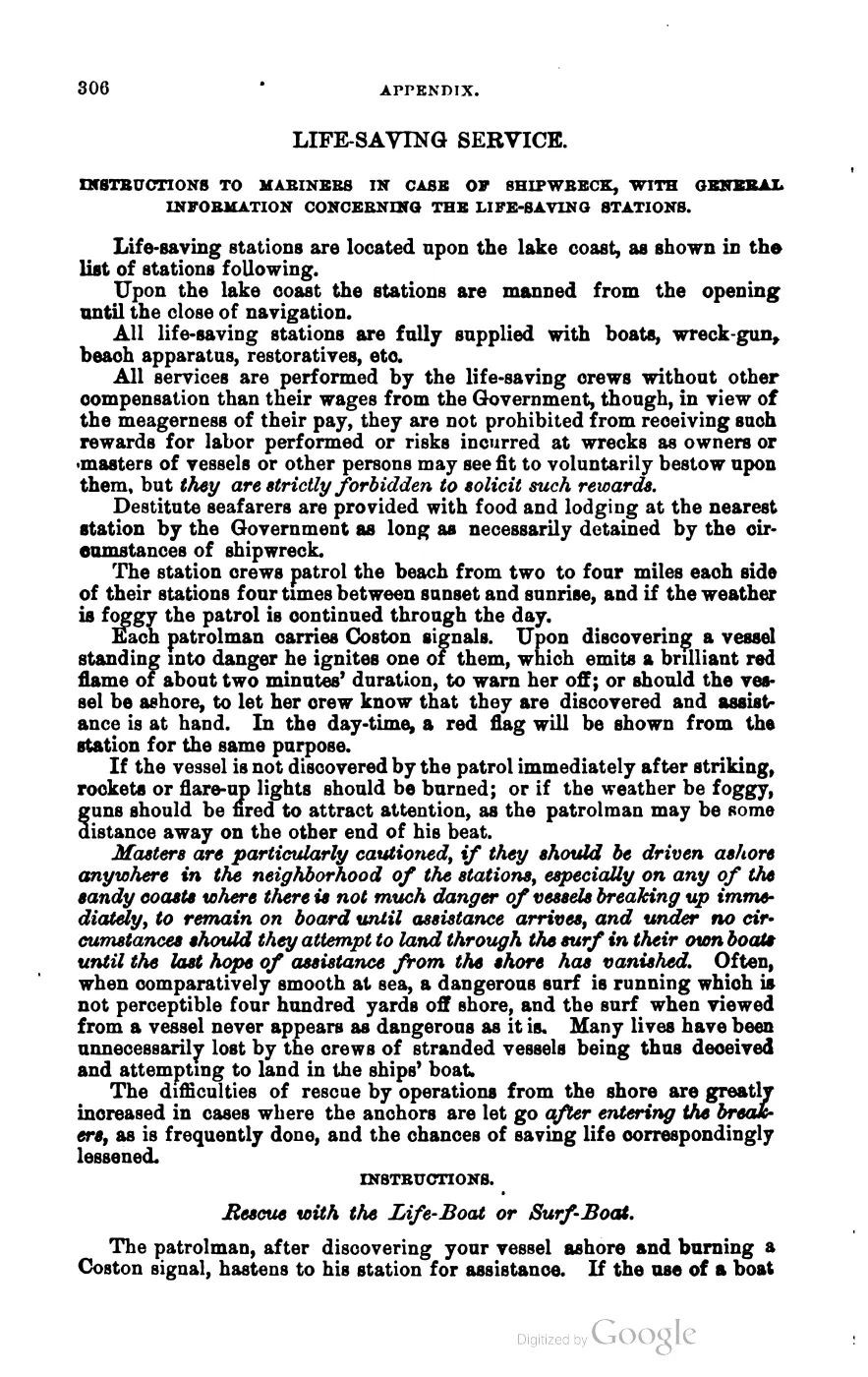
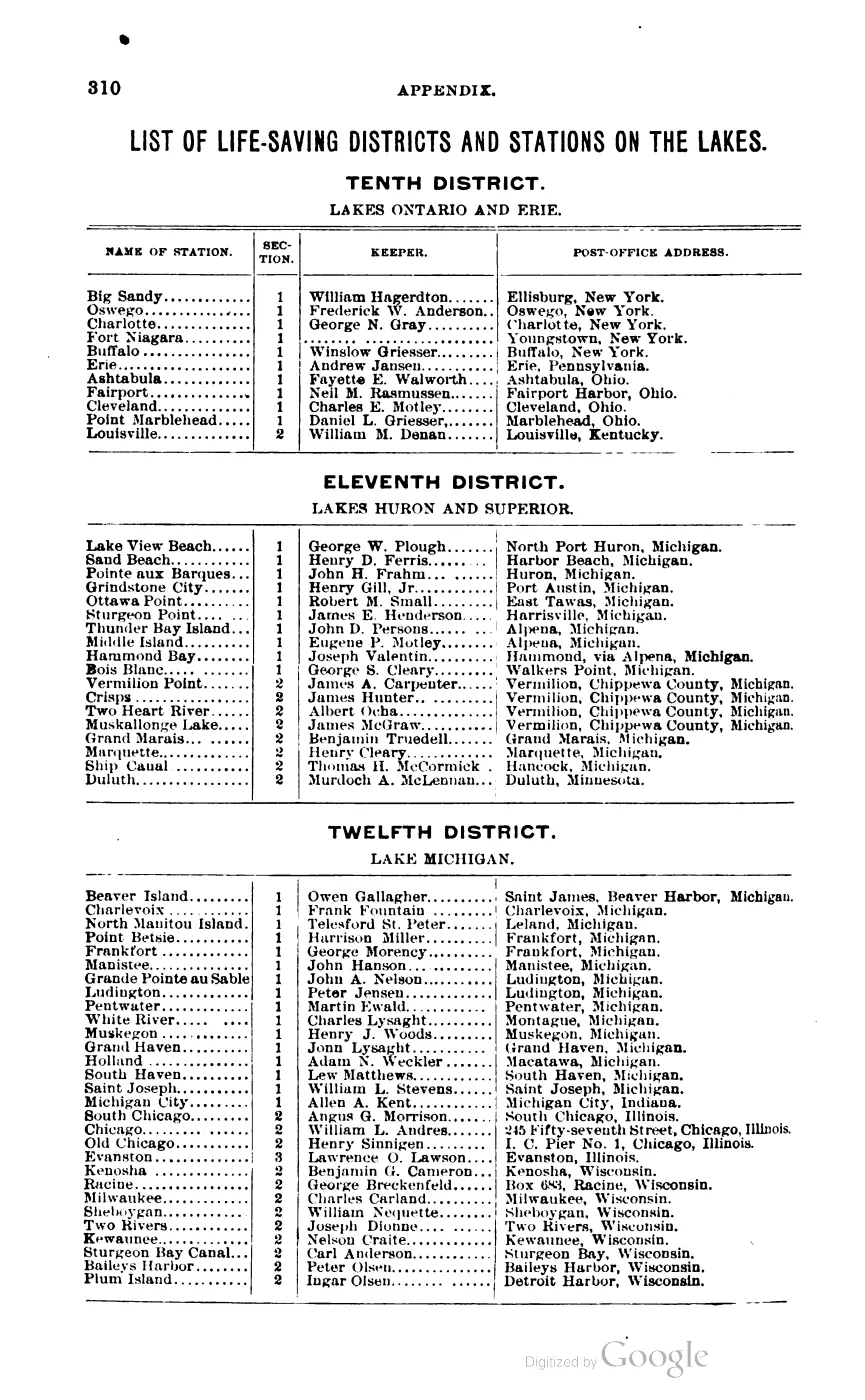
The Beaver Island Life-Saving Station, established at Whiskey Point in the mid-1870s under keeper Harrison Miller and later Owen Gallagher, is credited in a single 1961 Beaver Beacon retrospective with three of the next four incidents on record. On 23 November 1883 the three-masted schooner J. I. Case, carrying corn from Chicago to Buffalo, stranded on Hog Island Reef; Miller and his volunteer crew saved it, and an independent 1908 newspaper reprint separately places Miller at the Case among the wrecks he attended, without stating the outcome itself.4 The schooner Chandler Wells, by contrast, was a total loss: the same 1961 retrospective — its only known source — reports it wrecked near Whiskey Island in 1884 with its lumber cargo lost.5 In the week before 18 November 1886, a schooner the contemporary Charlevoix Journal spells Lafrinier was driven onto Hog Island and called “a total wreck”; the tug Leviathan came from Cheboygan and recovered its chains, anchors, sails, and rigging after demanding the return of gear that unnamed Beaver Island parties had already stripped from the hulk. A 1961 retrospective renders the name LaFinire and adds that it carried coal, but no source held here settles whether the two spellings name one vessel or two.6 In 1887 the Frank C. Leighton, carrying iron ore, stranded on Beaver Island’s west side and was again saved by the station’s keeper and volunteers — the only detail the 1961 account gives.7 None of these four incidents left a contemporary casualty report of any kind; three ended in rescue, and the LaFinire’s crew, if any survived, goes unrecorded.
A fifth possible loss is unverified rather than merely thin. A 1949 “Looking Backward” column in the Charlevoix County Herald reports that the wrecking tug Ottawa went to the aid of the steam barge Falcon, bound Escanaba to East Jordan with 1,050 tons of iron ore, after it grounded on South Fox Island in a storm on 13 November 1909.8 The column is forty years removed from the event and has not been checked against the 1909 issue it claims to recall, so this record stays filed as reported, not established.
Drownings without a named wreck
Not every marine death in the archipelago’s record comes with a wreck attached. A February 2026 Northern Islander feature on islanders lost on the Great Lakes reports that William Gibson drowned with his partner Edward Gallagher on 13 August 1885, without naming a vessel or a location; this article keeps the event separate from both men’s biographical records precisely so that gap stays visible rather than being papered over with an inferred boat.9 The paper’s own citation for this item names its February 2026 issue but is catalogued under the same identifier as James Strang’s 1850s newspaper of the same title — a mismatch this article’s research surfaced but does not correct; see Open questions.
Two fatal disasters and the light-crew tragedy between them
Three losses in this ledger killed people outright, and each is documented well enough to preserve its own internal contradictions rather than resolve them.
On the night of 14-15 December 1900, after the Squaw Island light had closed for the season, keeper William H. Shields, his wife, her niece Lucy Davis, and assistants Owen J. McCauley and Lucien Morden launched a 22-foot sailboat for the nine-mile crossing toward Beaver Island. A squall capsized the boat. Mrs. Shields, Lucy Davis, and Morden died during the overnight drift; McCauley and Shields survived and were taken aboard the steamer Manhattan the next morning and carried to Manitowoc, where Shields lost a leg to frostbite.10 The tragedy is reconstructed almost entirely from Beacon reprints of a single Courier account, repeated across five later decades, rather than from a contemporary Lighthouse Service or Life-Saving Service casualty file.
The steamer Erie L. Hackley, which had earlier served the Charlevoix-Beaver Island mail route, capsized and sank in a violent Green Bay squall on 3 October 1903 after leaving Menominee for Egg Harbor with nineteen people aboard. Captain Joseph Vorous was last seen in the pilot house trying to bring the vessel into the wind. The contemporary 1903 Charlevoix County Herald reports twelve drowned; a detailed 1973 Beacon reconstruction and an independent Wisconsin shipwreck record both give eleven deaths and eight survivors. This article follows the same rule the vessel and event records already apply: eleven is adopted as the working figure, and the primary twelve-death report is preserved rather than discarded.11
The gasoline fish boat Vega, owned by Guy Lamphear and Jerry Yettaw, burned off Beaver Island in June 1914 with Yettaw, William Heath, and Henry Papineau aboard, roughly three miles from Sand Bay opposite Martin Point. Yettaw’s and Papineau’s bodies were recovered on the island shore; the held sources do not report a recovery for Heath. A 27 June Herald report and a 2003 Courier scrapbook reprint disagree on the exact date — “last Monday” against an explicit 15 June in a later issue — and both dates are kept rather than silently reconciled.12
The Marold II, a Beaver Island mail and passenger/freight boat, exploded at Simmons Reef on New Year’s Day 1937 while lashed alongside the stranded tanker J. Oswald Boyd, taking on gasoline for a salvage operation. Five men died: Everett and Raymond Cole, Captain L. L. Hill, his son Leon, and Bruce McDonough. The Cole brothers’ bodies were recovered aboard the tanker; the other three were not found in the primary report.13 The county paper that reported the disaster gives Hill’s age as both 79 and 83 in two separate passages, while a contemporary Associated Press wire report gives 65; the knowledge base’s person record for Hill adopts the conservative circa-1872 birth year the AP figure implies and records, rather than resolves, the newspaper’s internal conflict. A 1997 Courier retrospective calls the Marold II 40 feet long; a 2003 retrospective calls it 140 feet. Neither figure is promoted into the vessel record.
No wreck here, one death here: the Carl D. Bradley
The 615-foot ore carrier Carl D. Bradley went down in a November 1958 storm about twelve miles off Gull Island — outside the archipelago proper, and this article does not treat the Bradley itself as a Beaver Island wreck.14 The disaster nonetheless produced an island response and, eventually, an island death. Within days the Beaver Island Civic Association opened a relief fund for the crew’s families that grew from $25 toward $100; Holy Cross parish held a Thanksgiving Mass for the dead and bereaved; a Coast Guard helicopter flew a doctor toward a freighter carrying a rescued seaman who died before the transfer could be completed; and a local flier, Don Hansen, spent about seven hours searching by air for bodies, relaying reports by aircraft radio through a Beaver Island operator and the local Coast Guard station.15
The following spring, the U.S. Corps of Engineers’ Lake Survey stationed a crew on Beaver Island to determine whether the Bradley’s wreck was a hazard to navigation; a hull was located on 29 April 1959, believed to be the Bradley, and the search and identification work continued for weeks.16 On 23 August 1959, John James Martin, a lifelong island resident, drowned when the 36-foot tug he operated with his brother Charles — tending a larger vessel in the identification effort — sank in about 60 feet of water in the channel between Beaver and High Island. A diver located the sunken tug and recovered Martin’s body six days later, on 29 August.17 No article yet covers John James Martin as a person; the single source held is the Beacon’s own casualty notice.
Groundings without loss of life
Two later incidents are notable chiefly for what they did not become. On 20 March 1960, three men from an unnamed 40-foot Manistique fishing tug grounded at Indian Point while sheltering from 40 mile-per-hour winds; they walked to St. James, and a Charlevoix Coast Guard picket boat and the cutter Sundew assisted, with no recorded loss of life.18 On 9 October 1963, a stone-laden barge under tow by the Mackinaw Islander settled by the stern and grounded in St. James Harbor; the stone was transferred to the towing vessel and the barge was refloated and towed onward, again with no casualty report.19 The freighter Eugene J. Buffington similarly survived its own casualty: it ran onto Boulder Reef at 7:10 p.m. on 21 June 1942, its crew of 42 was removed, and salvage crews later brought it to Harbor Springs for repair. Sources disagree on its length — 580 feet against roughly 600 — but agree it was not a total loss.20
Salvage, diving, and a wreck that named a bay — maybe
Beaver Island acquired a small tradition of amateur wreck-diving in the 1950s and 1960s, running in parallel with, rather than resolving, the casualty record above. In September 1958 divers Bob Miller and Jim Sawtelle spent several weeks filming color underwater movies of unidentified shipwrecks around Garden and Hog Islands from two outboard-powered rafts.21 By August 1963 diver Al Dobler had reportedly found preserved wooden-vessel wrecks at French Bay, Iron Ore Bay, and Sand Bay, though the Beacon notes the exact locations were “closely guarded.”22 In July 1967 Sawtelle, operating as Shipwrecks Unlimited of Charlevoix, reported locating an unidentified sailing vessel he believed predated 1730 from its wooden rudder and sparse metal fittings; he raised the rudder, towed it into St. James harbor, and shipped it to Charlevoix aboard the Eager Beaver with Don Meggison’s help, intending to recover the rest of the hull for his furniture business.23 None of this — vessel identity, exact site, or completed recovery — is independently verified.
The most persistent salvage effort targeted a single named wreck. From about 1965 to September 1968, Sawtelle spent roughly three years trying to raise the Milwaukee Belle, reported sunk off Iron Ore Bay; a tug, another boat, two sets of pontoons, and a final set improvised from railroad tank cars were each in turn lost or driven ashore, and the wreck never moved.24 The Milwaukee Belle is also one of two vessels a local tradition credits with giving Iron Ore Bay its name. Helen Collar’s research cards, citing a local informant named Lawrence, identify the Milwaukee Belle — part-owned by islander Andrew Roddy, which caught fire and sank off the Head Light — as the ore freighter responsible; a 1991 Charlevoix Courier feature instead names the schooner Betsy Smith, said to have run aground carrying iron ore in 1882 “in what is now called Iron Ore Bay, named after the sunken ship.” Neither claim is checked against a primary maritime record, and the Iron Ore Bay article carries the contest as unresolved.25
Open questions
- The Michigan Underwater Preserve Council’s statewide inventory names no wreck in this archipelago. A different source — Great Lakes wreck registries, Life-Saving Service annual casualty reports, or a systematic read of the marine columns in the Chronicling America and Clarke Historical Library newspaper holdings — is needed to build an actual inventory here.
- Nothing held identifies the A.D. Patchin’s cause of loss, people aboard, or cargo, or ties any later underwater discovery to it with confidence.
- The Chandler Wells and LaFinire/Lafrinier wrecks rest on a single 1961 retrospective and a single contemporary notice, respectively; neither supplies a casualty count, and it is not established whether LaFinire and Lafrinier name one vessel or two.
- The 1949 Falcon grounding account has not been checked against the 1909 Charlevoix County Herald it claims to recall.
- The William Gibson/Edward Gallagher drowning of 1885 names no vessel and no location; its only source, a February 2026 Northern Islander feature, is catalogued under the same identifier used for James Strang’s 1850s newspaper of the same name — a mismatch worth correcting, since confusing the two Northern Islanders is an easy and well-documented mistake.
- No civil, cemetery, or Coast Guard record has been checked against the Squaw Island light-crew tragedy, the Erie L. Hackley’s casualty list, the Vega’s three victims, or the Marold II’s five, beyond what the local newspapers themselves report.
- No article yet exists for John James Martin (d. 1959), the Beaver Island tugman who drowned assisting the Carl D. Bradley wreck-identification survey; the Beacon’s own casualty notice is the only source located.
- Whether the Milwaukee Belle or the Betsy Smith actually gave Iron Ore Bay its name remains contested, and no primary registry or wreck record has settled it.
- The Eager Beaver-borne rudder Sawtelle salvaged in 1967, and whichever vessel it came from, are not identified in any source held here.
See also
- Shipping and navigation
- Beaver Island Life-Saving Station
- Explosion and Loss of the Marold II
- Sinking of the Erie L. Hackley
- Wreck of the Vega
- Squaw Island Light-Crew Tragedy, 1900
- John James Martin drowns when a tender tug sinks near Beaver Island, 1959
- Iron Ore Bay
- Gull Island
- From Behind Masks: underwater archaeological investigations, 2020–2022
Footnotes
-
George Scott, Scott’s New Coast Pilot for the Lakes, 6th ed. (Detroit: Free Press Printing Company, 1902), pp. 262-265, 310. ↩
-
Tamara L. Thomsen and Caitlin N. Zant, From Behind Masks: Underwater Archaeological Investigations from the 2020-2022 Field Seasons, Wisconsin Historical Society Technical Report Series 23-001 (2023), p. 11. ↩
-
Northern Islander, Saint James, 2 March 1854, “War on the Mormons.” ↩
-
Beaver Beacon, December 1961, “The Changing Face of Beaver Island”; Charlevoix Sentinel, July 30, 1908, “Brave Old Capt. ‘Tip’ Miller.” ↩
-
Beaver Beacon, December 1961, “The Changing Face of Beaver Island.” ↩
-
Charlevoix Journal, November 18, 1886, “Local Notes and News”; Beaver Beacon, December 1961, “The Changing Face of Beaver Island.” ↩
-
Beaver Beacon, December 1961, “The Changing Face of Beaver Island.” ↩
-
Charlevoix County Herald, November 18, 1949, “Looking Backward.” ↩
-
Connie Wojan, “The Stories Behind the Names of Islanders Lost on the Great Lakes,” Northern Islander, February 2026. ↩
-
Charlevoix Courier and Beaver Beacon reprints of the “48 Years Ago Tragedy Struck Squaw Island Light Crew” account, 1965-1978. ↩
-
Charlevoix County Herald, October 10, 1903; Beaver Beacon, May 1973, “Ships of The Past”; Wisconsin Shipwrecks, “Erie L. Hackley Maritime Trails Marker.” ↩
-
Charlevoix Courier, June 17, 1914 (reprinted 2003); Charlevoix County Herald, June 27, 1914 and July 4, 1914. ↩
-
Charlevoix County Herald, January 8, 1937; Charlevoix Courier, 2003 and January 1997 scrapbook sections; The Capital Journal (Salem, Oregon), January 2, 1937. ↩
-
Charlevoix Courier, November 1998, Carl D. Bradley anniversary report. ↩
-
Beaver Beacon, December 1958, “FUND FOR FAMILIES OF BRADLEY CREW” and “BRADLEY.” ↩
-
Beaver Beacon, April 1959, “OUNCE OF PREVENTION”; May 1959, “WHERE O WHERE.” ↩
-
Beaver Beacon, September 1959, “JOHN JAMES MARTIN.” ↩
-
Beaver Beacon, April 1960, “Tug in Trouble.” ↩
-
Beaver Beacon, November 1963, “Ship Wreck at St. James.” ↩
-
Charlevoix Courier, 1942, “Ore Carrier Run on Boulder Reef”; Charlevoix County Herald, July 24, 1942, “Ship Salvaged Another Junked.” ↩
-
Beaver Beacon, September 1958, “SKIN DIVERS AT WORK MAKING UNDERWATER MOVIES.” ↩
-
Beaver Beacon, August 1963, “Under Water Wonderland.” ↩
-
Beaver Beacon, July 1967, “Shipwreck Salvage.” ↩
-
Beaver Beacon, September 1968, “Shipwreck Salvage.” ↩
-
Helen Collar Papers, Beaver Island history subject cards, Biographical (Andrew Roddy) and Place Names, Clarke Historical Library, CMU; Laurie Lounsbury, “Fleet of Jeeps and a boat allow tours of Beaver Island,” Charlevoix Courier, circa October 1991. ↩
Read the document
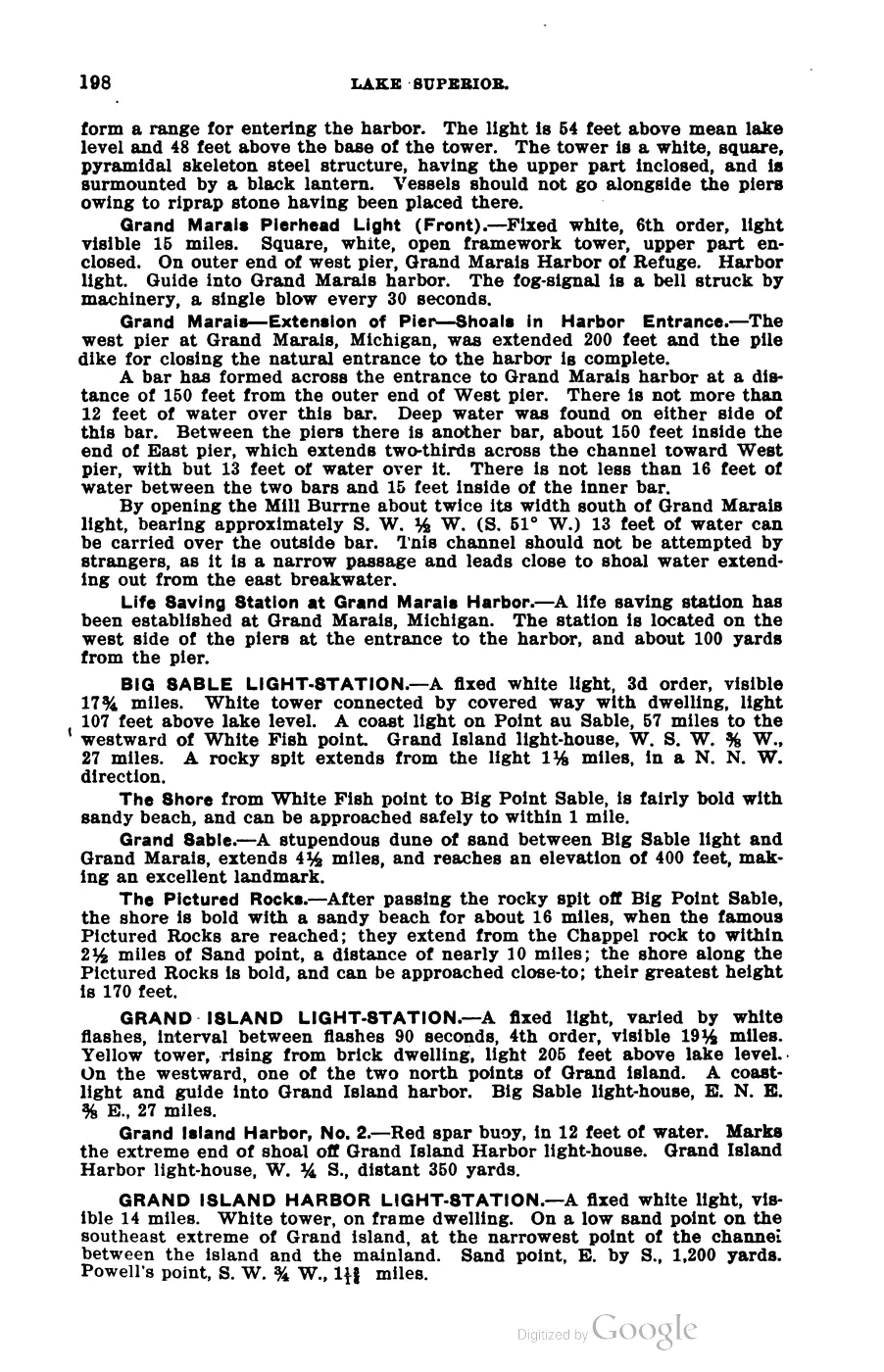
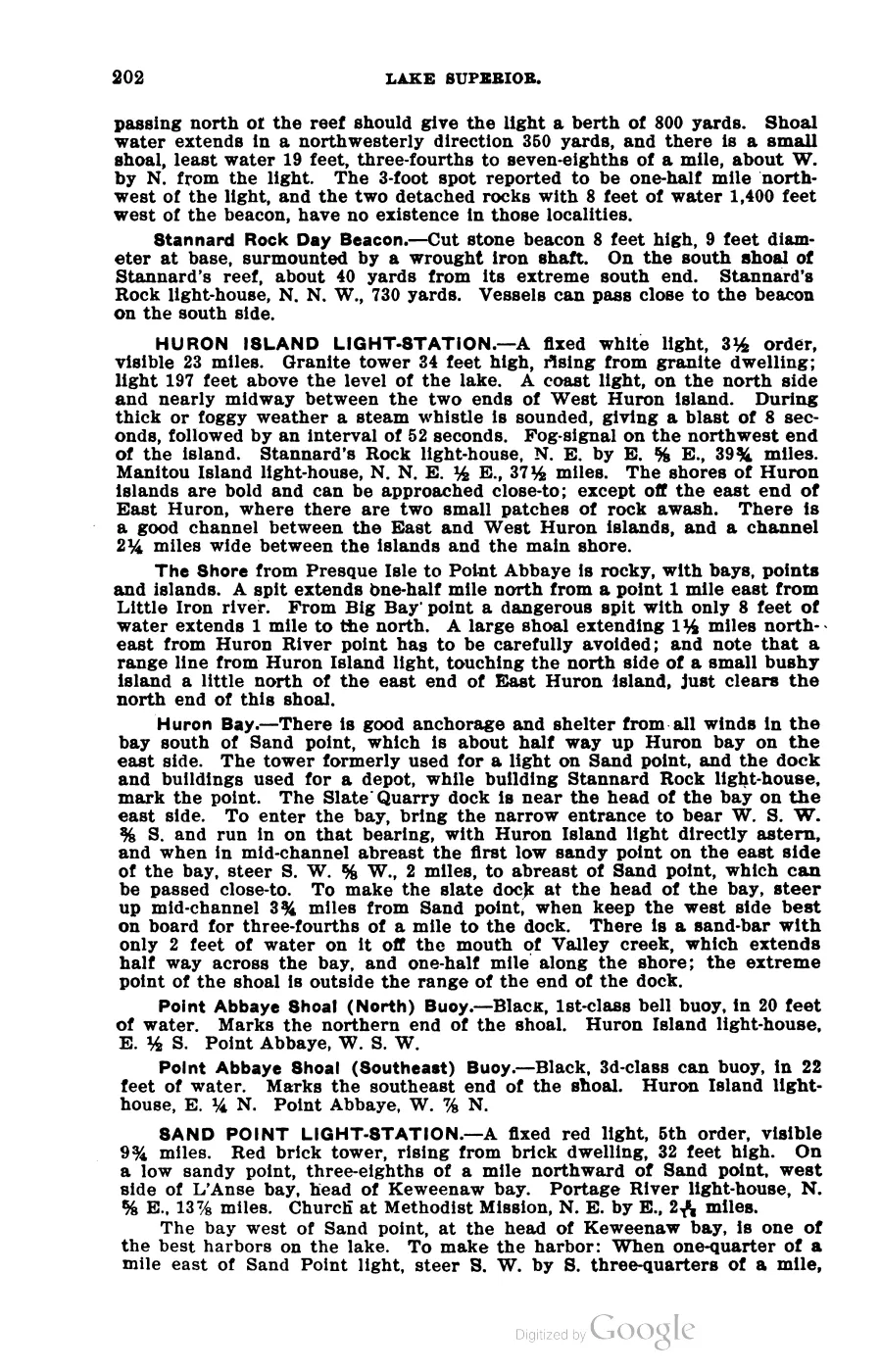
393 pages, rendered from the held scan.

Jump to a page — 393 in all








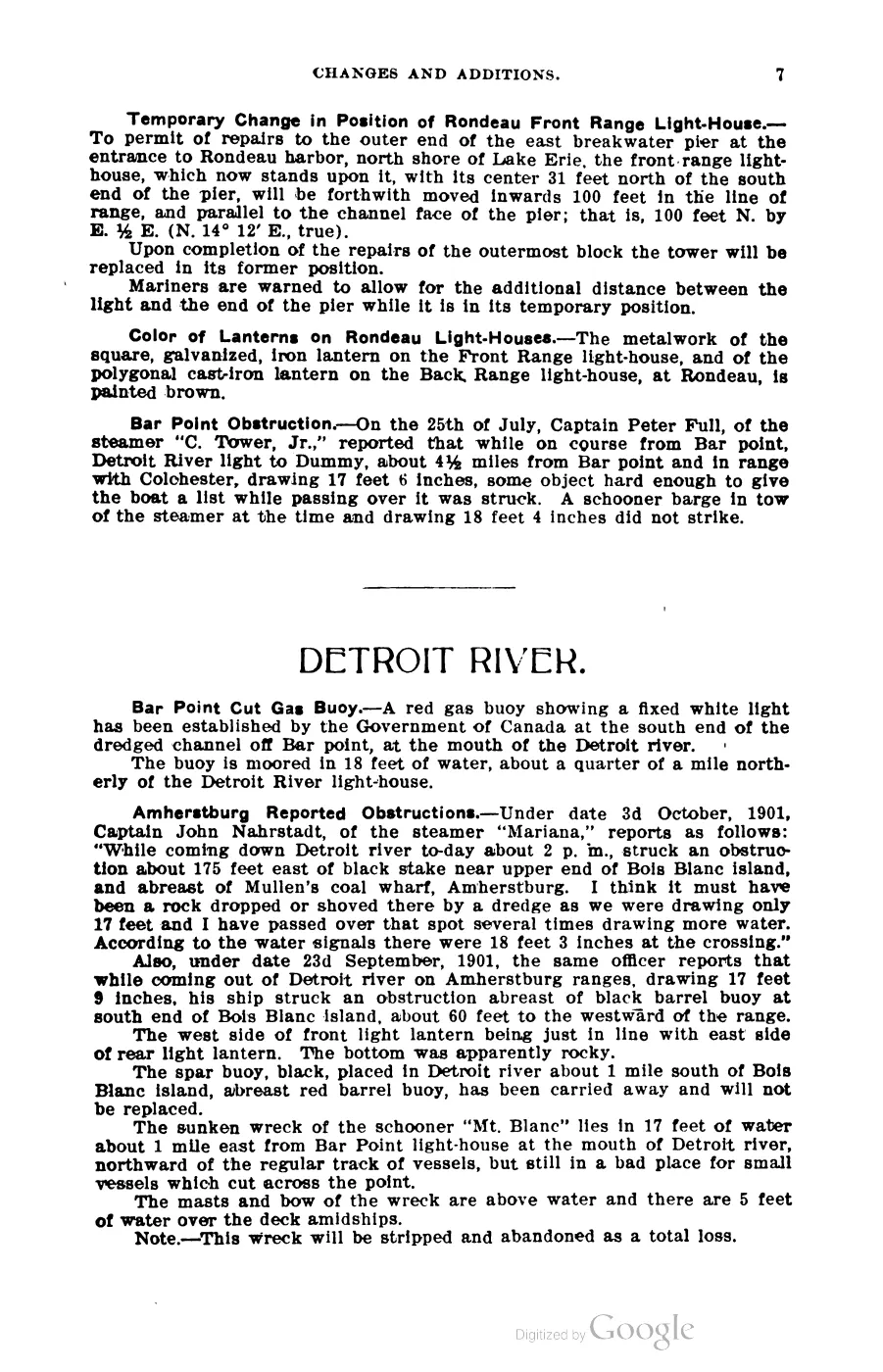
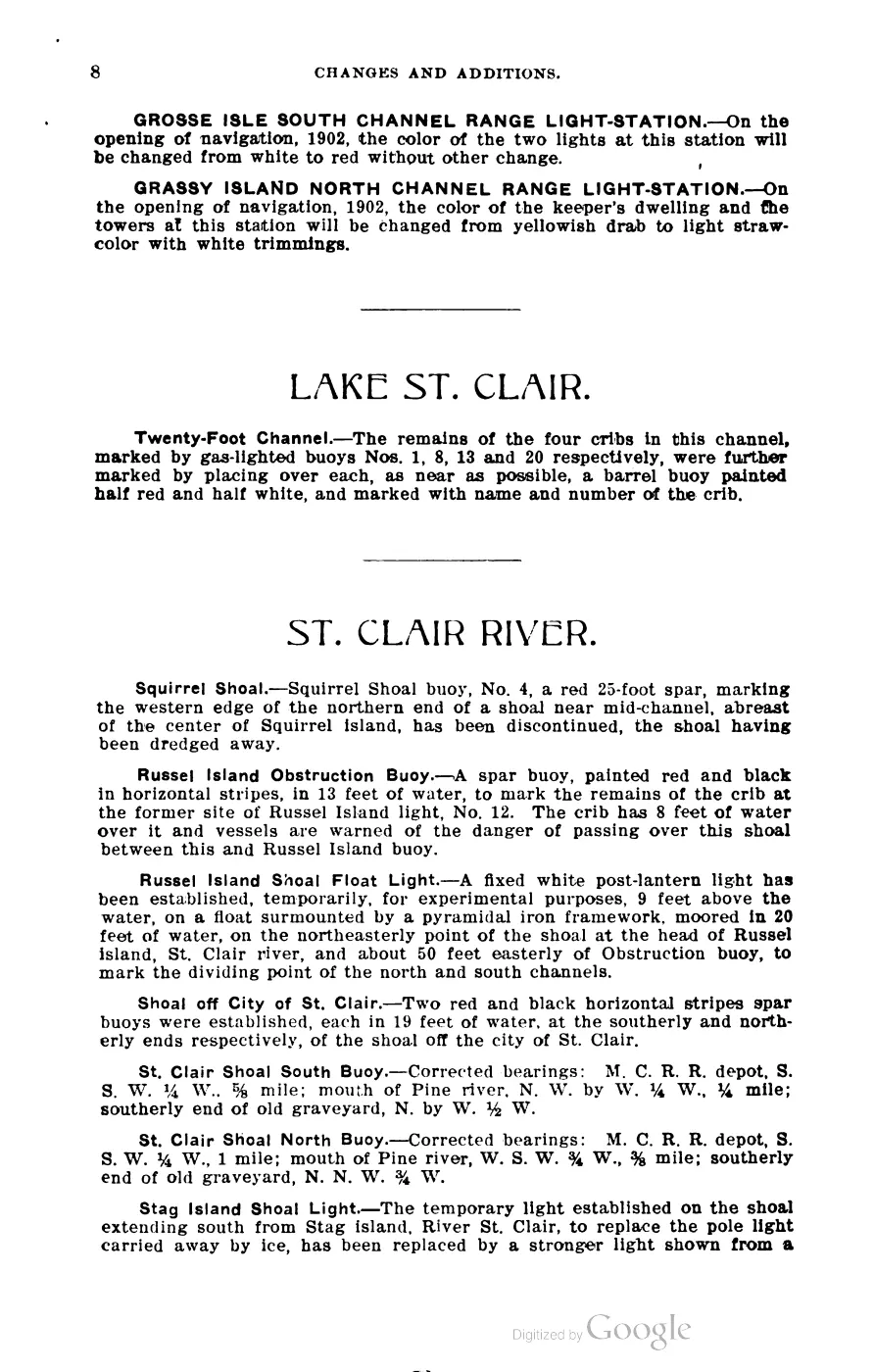
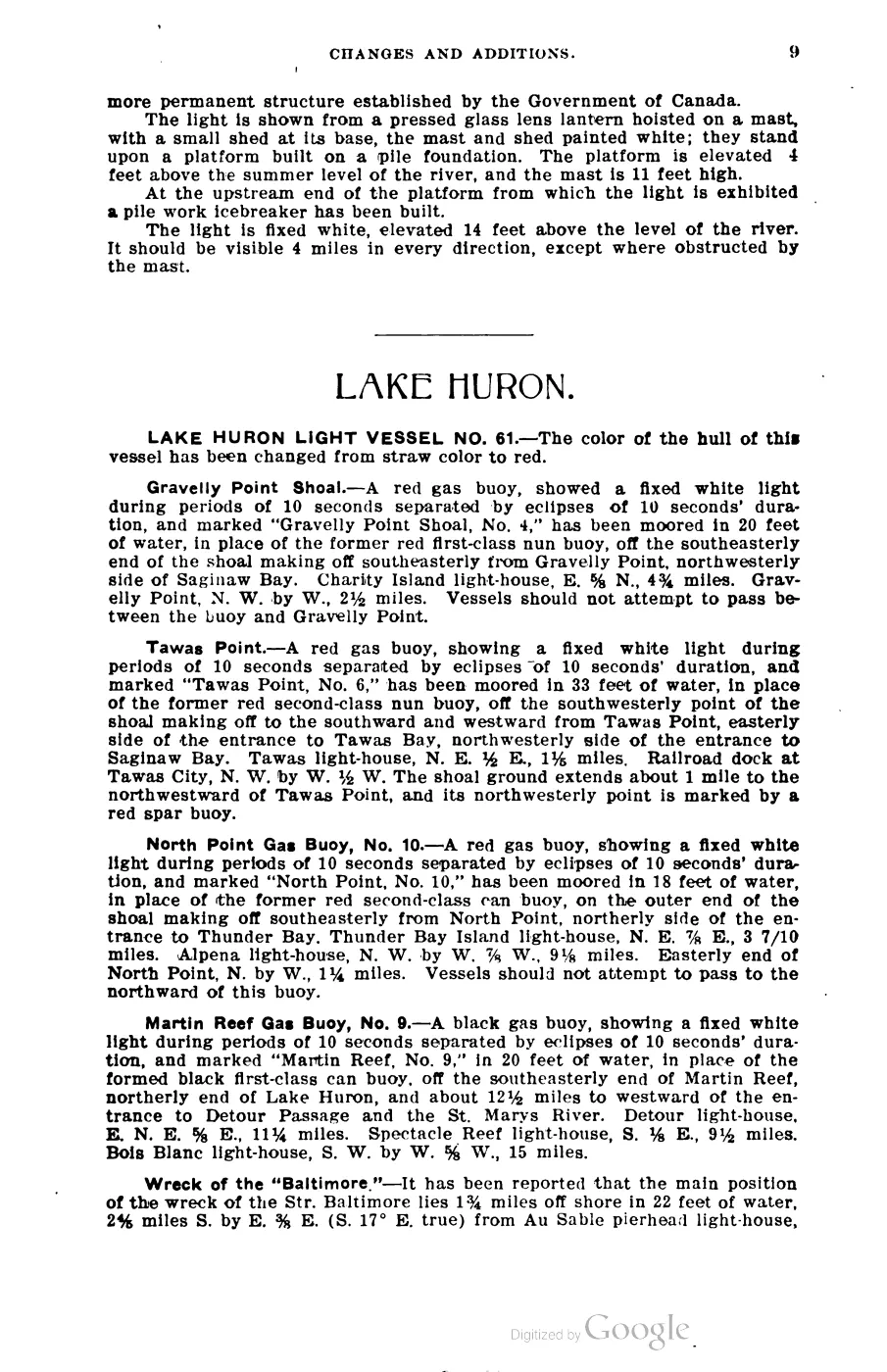
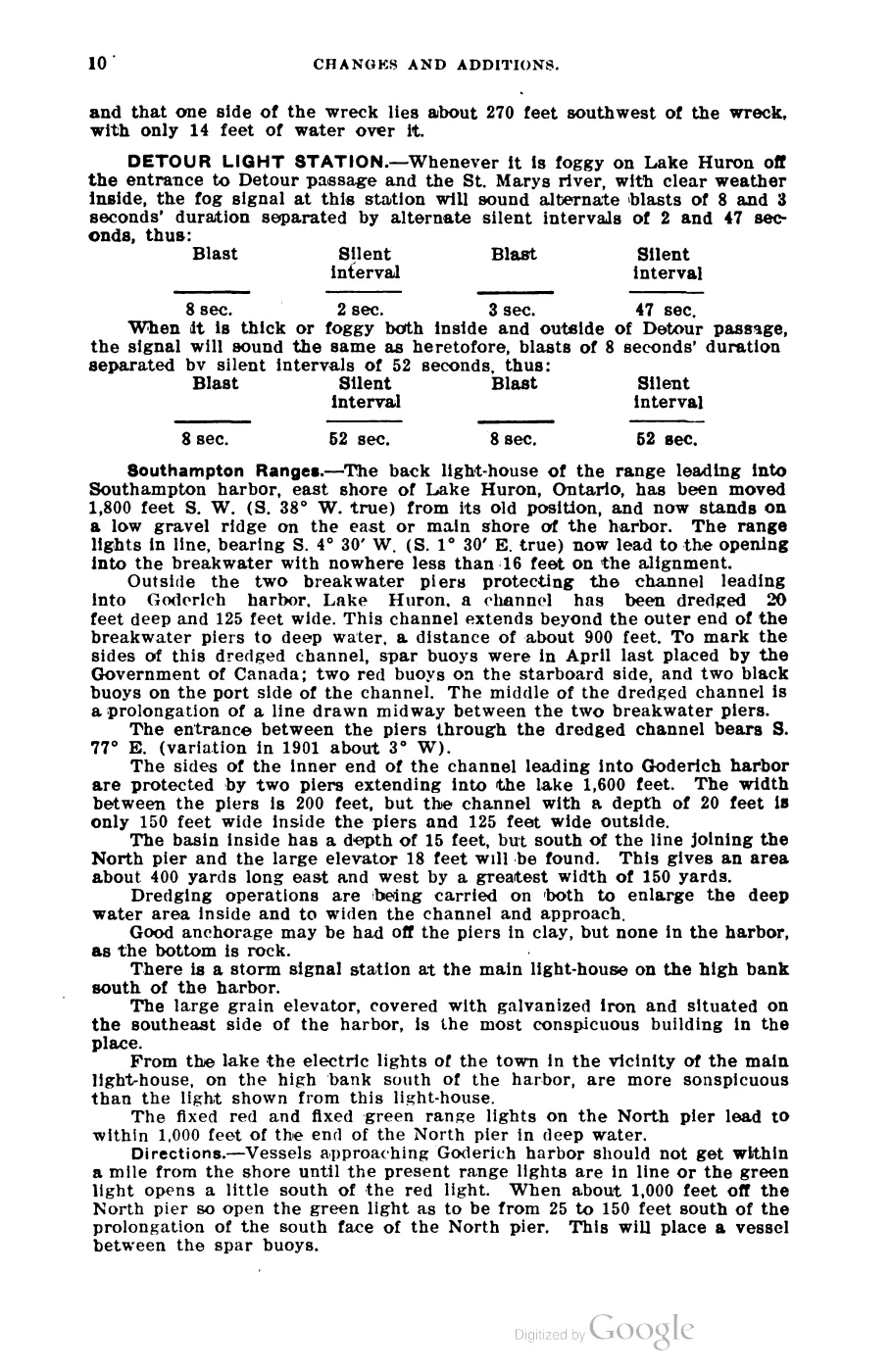
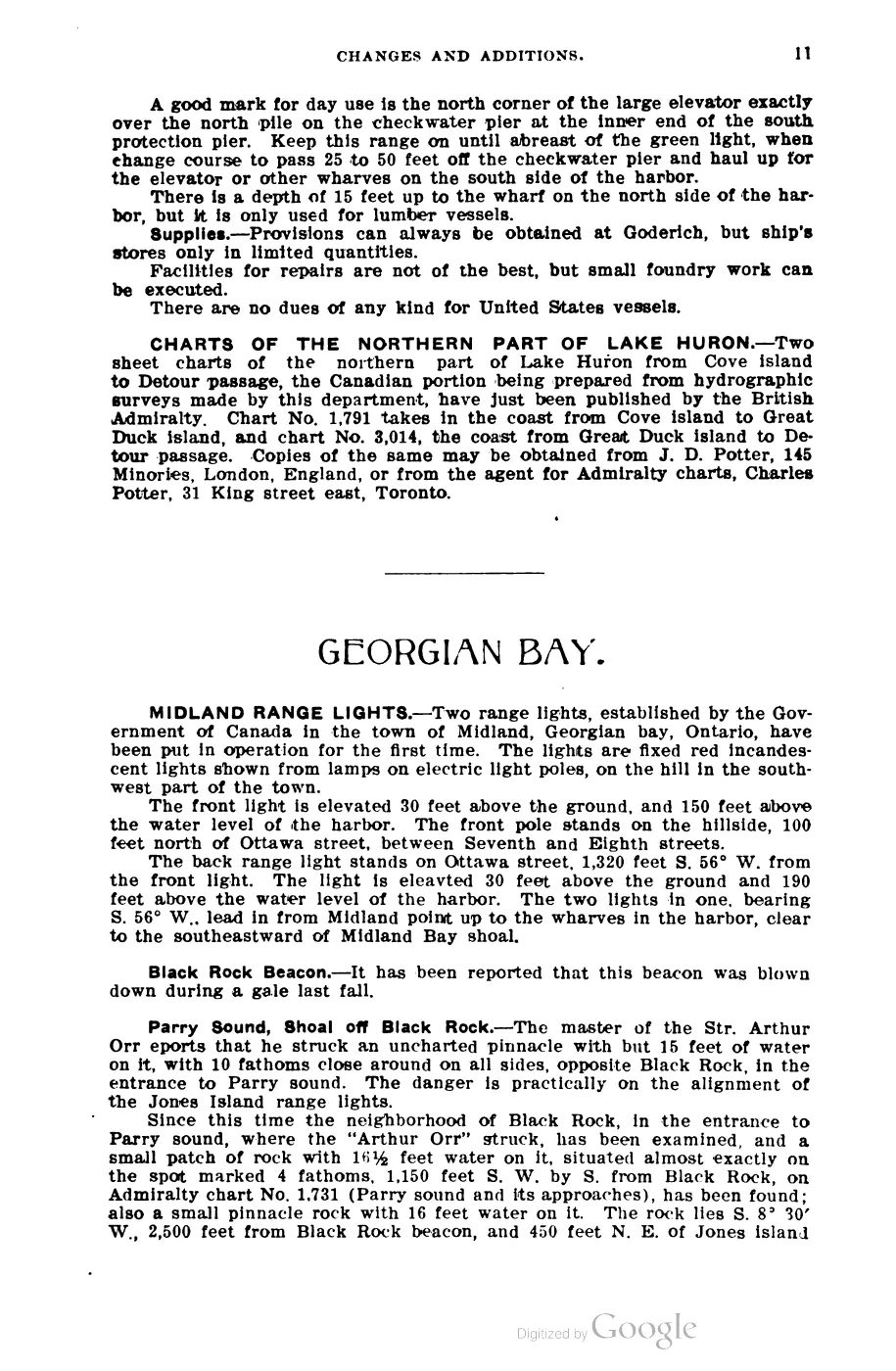
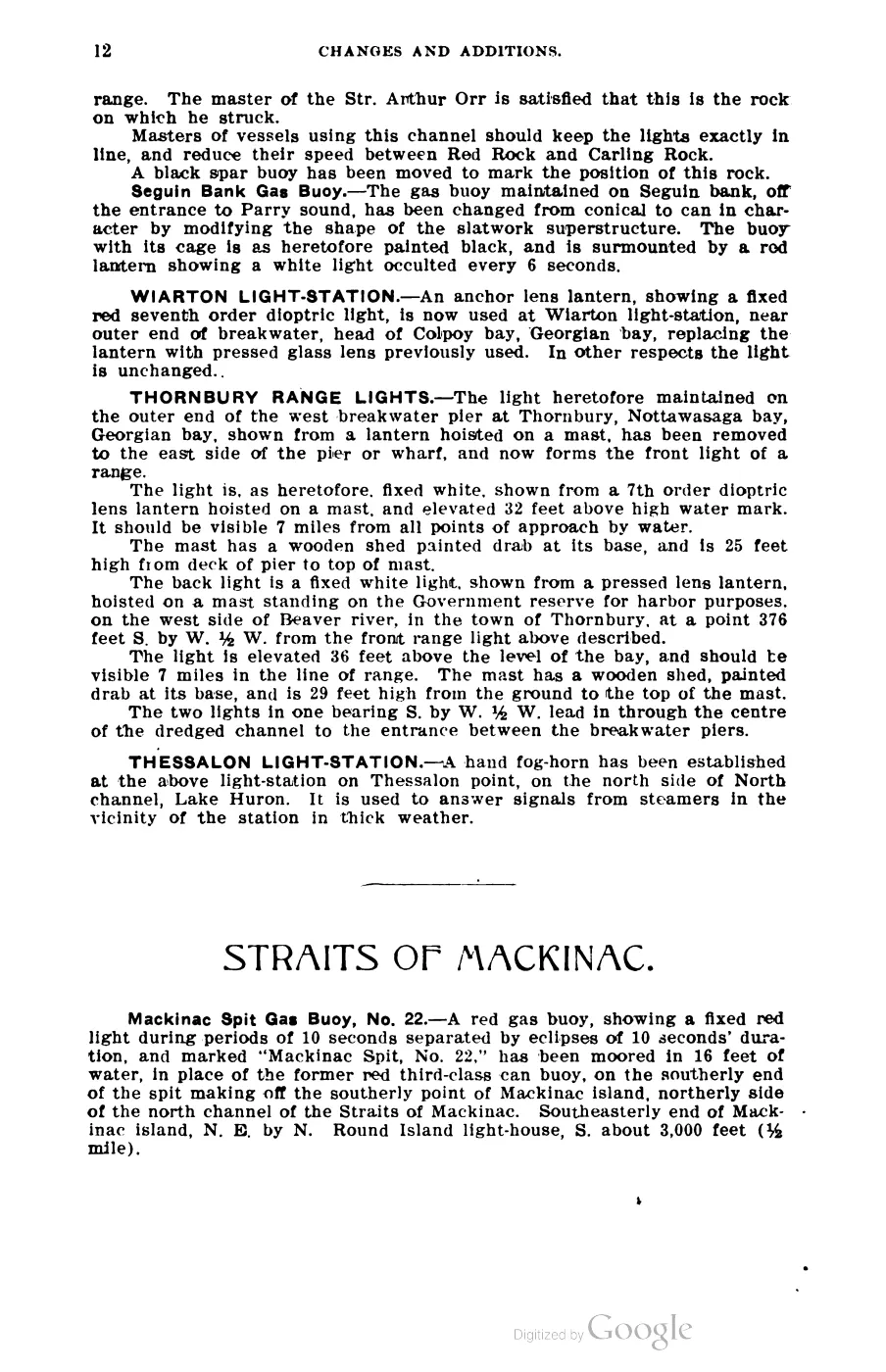
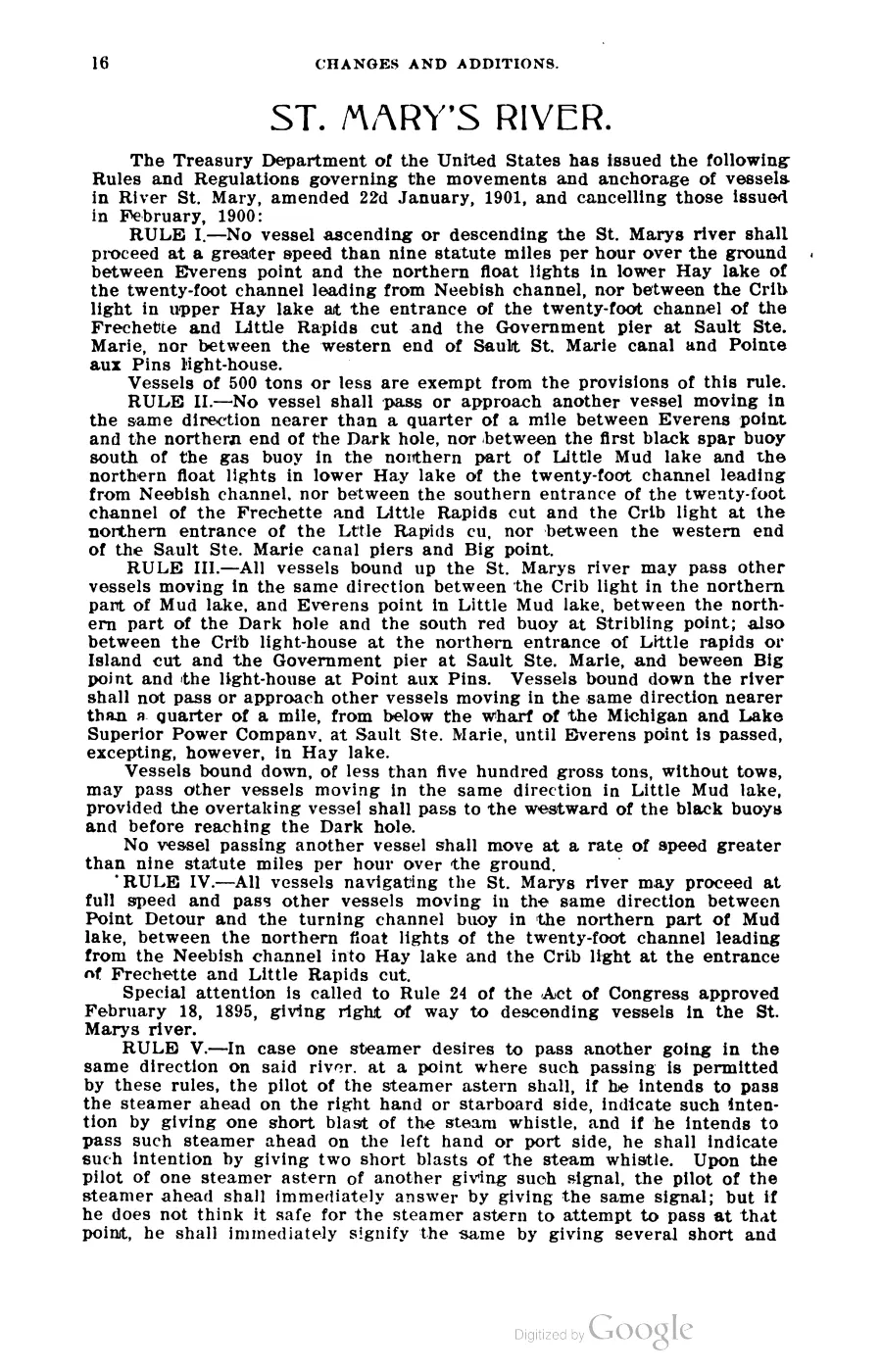
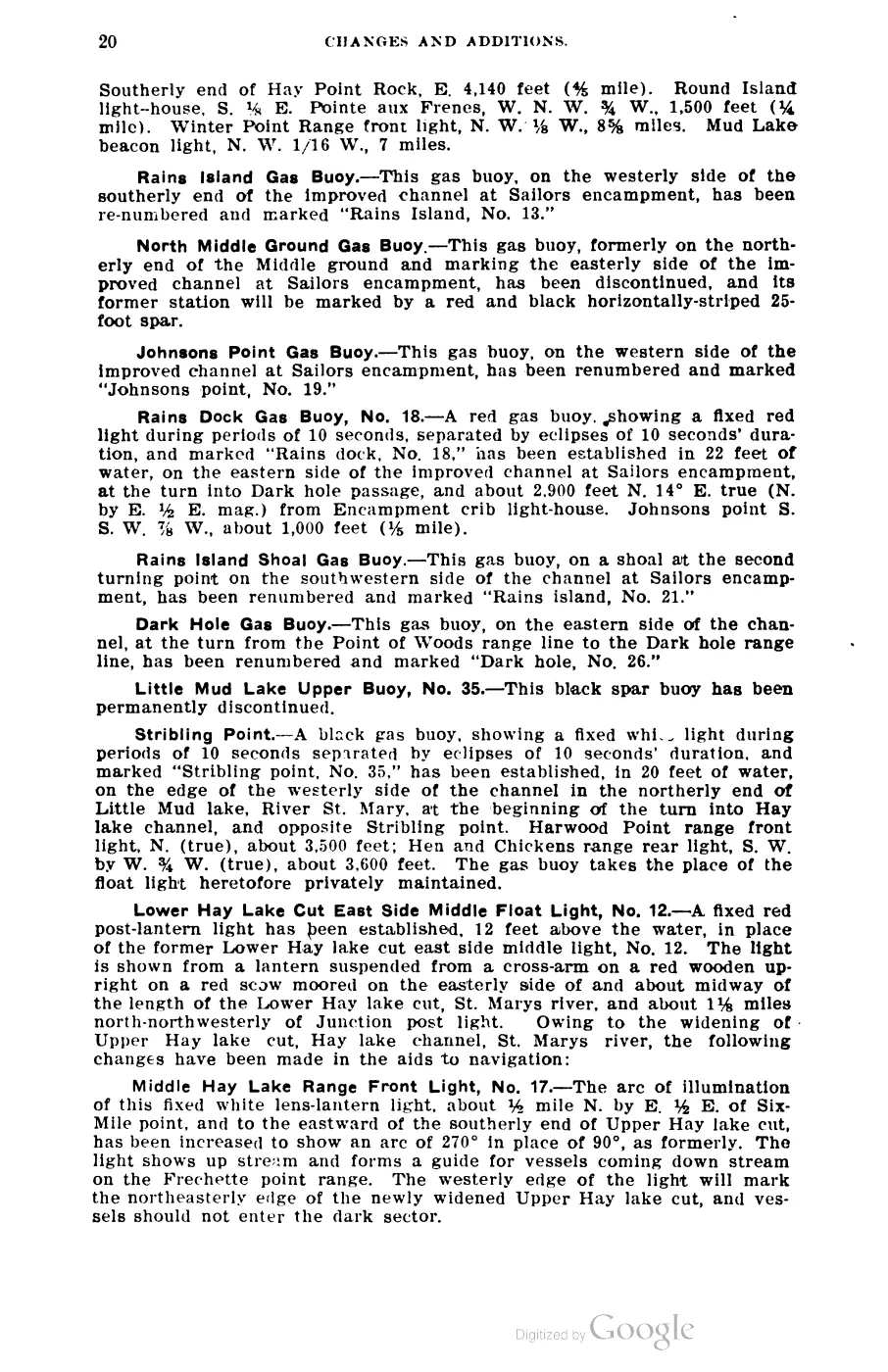

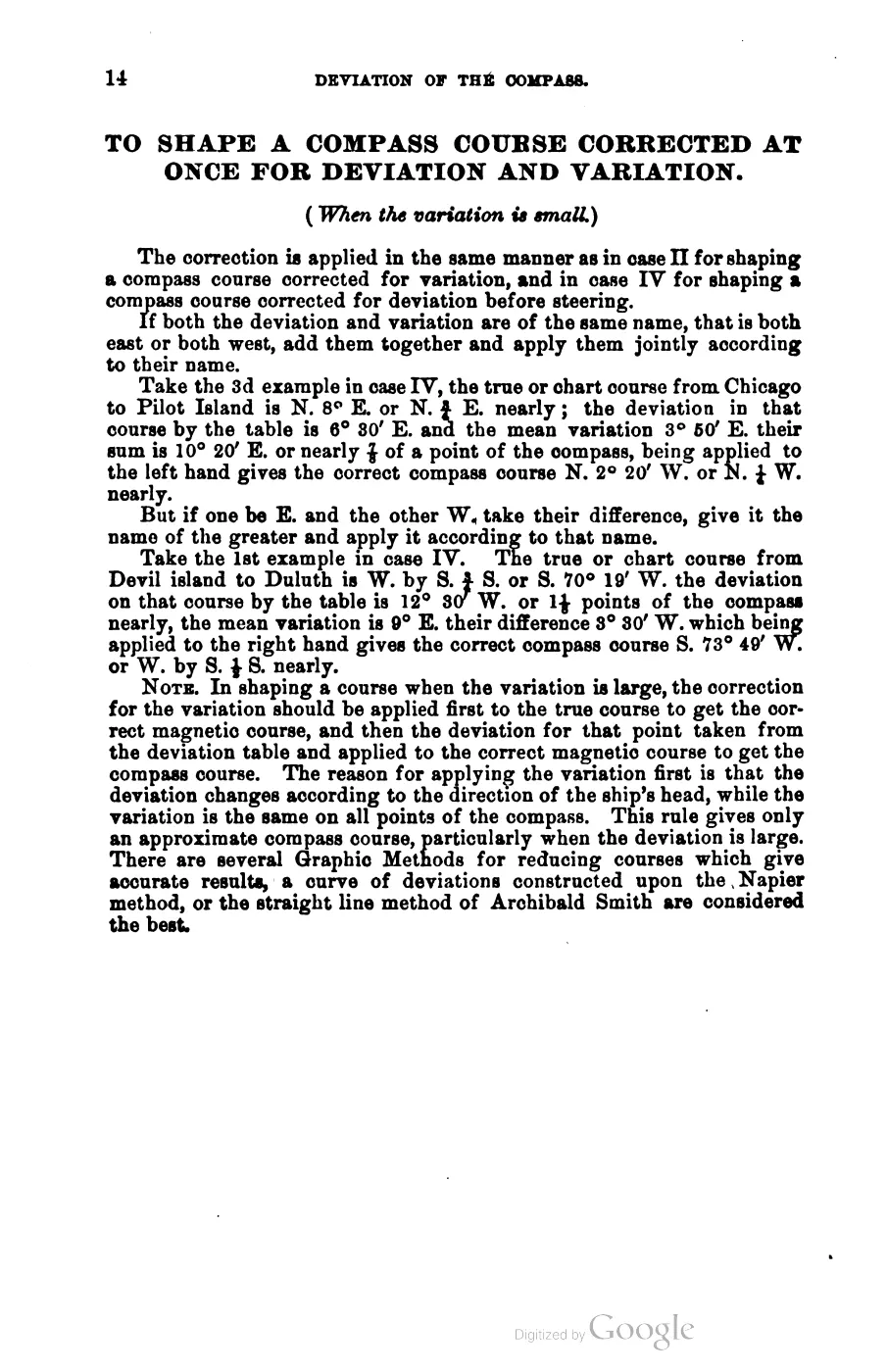
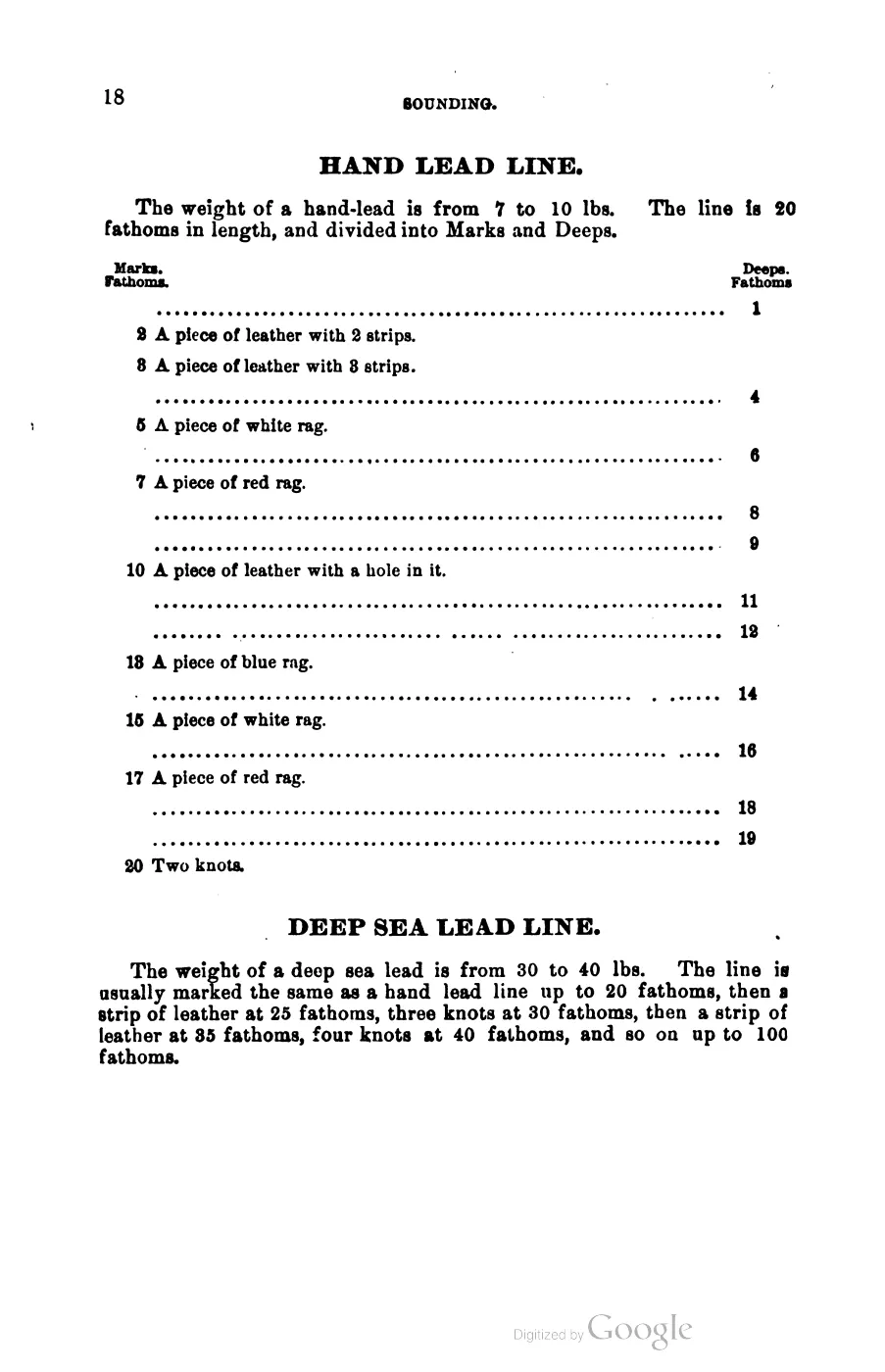
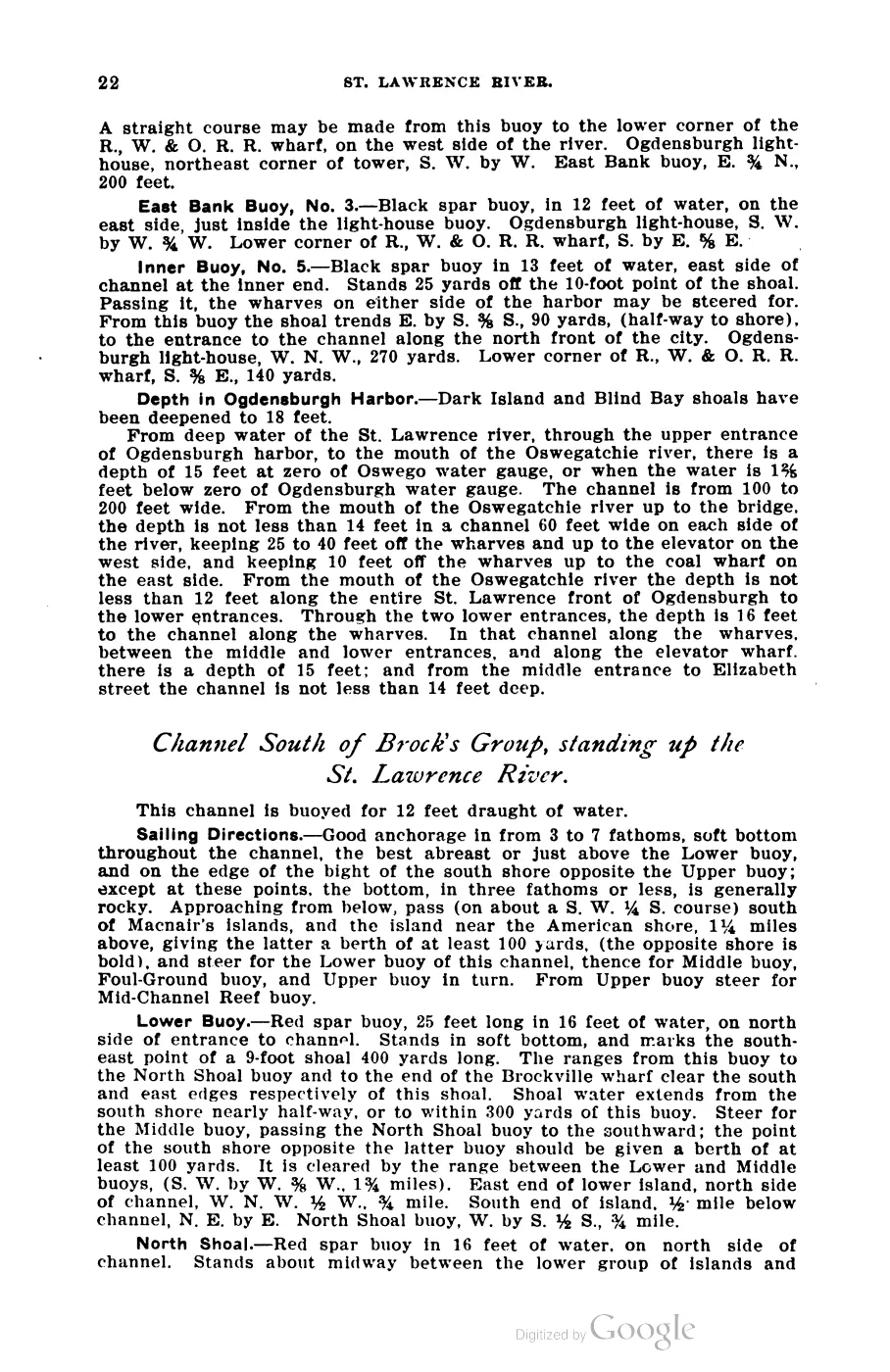
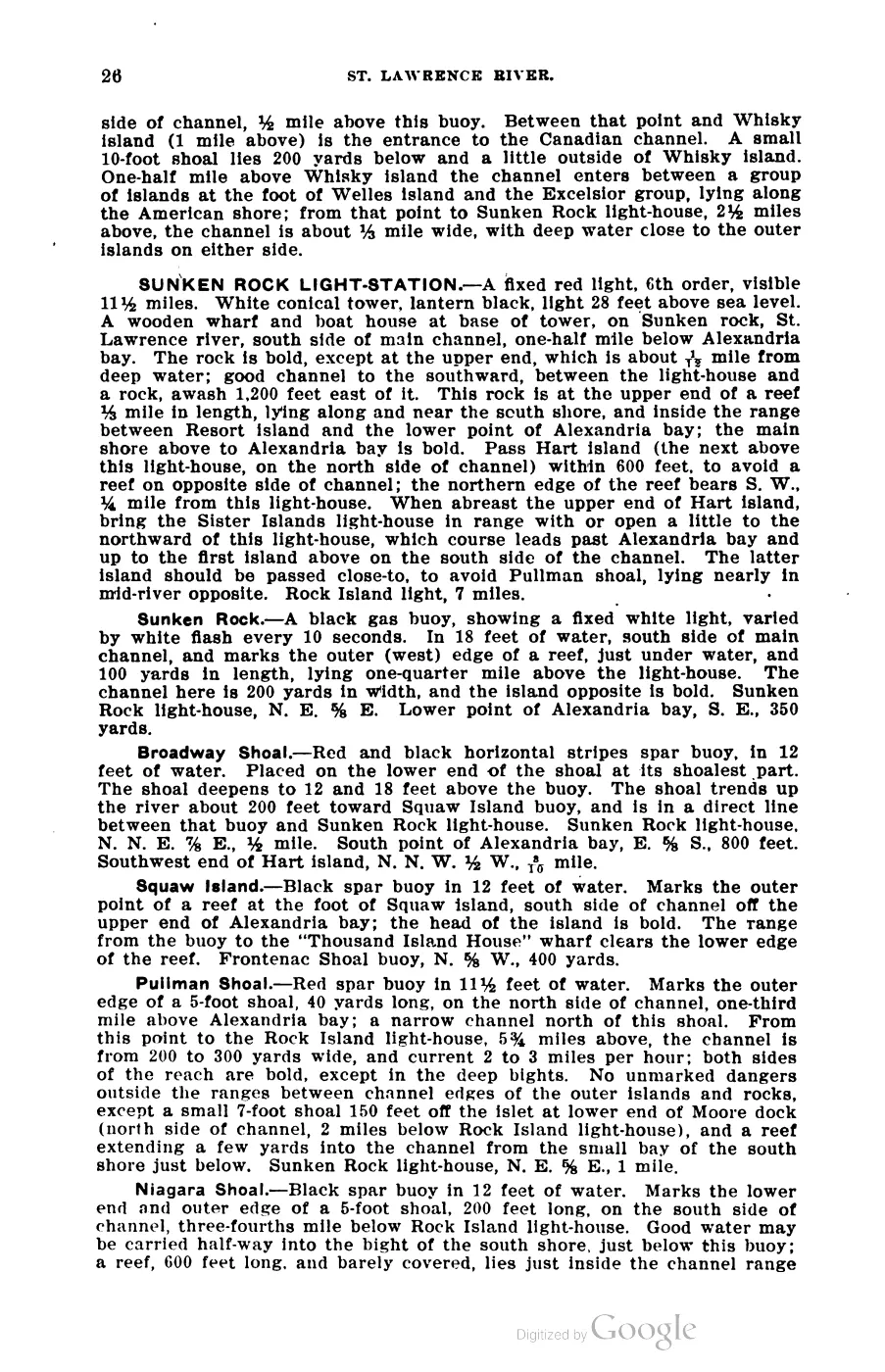
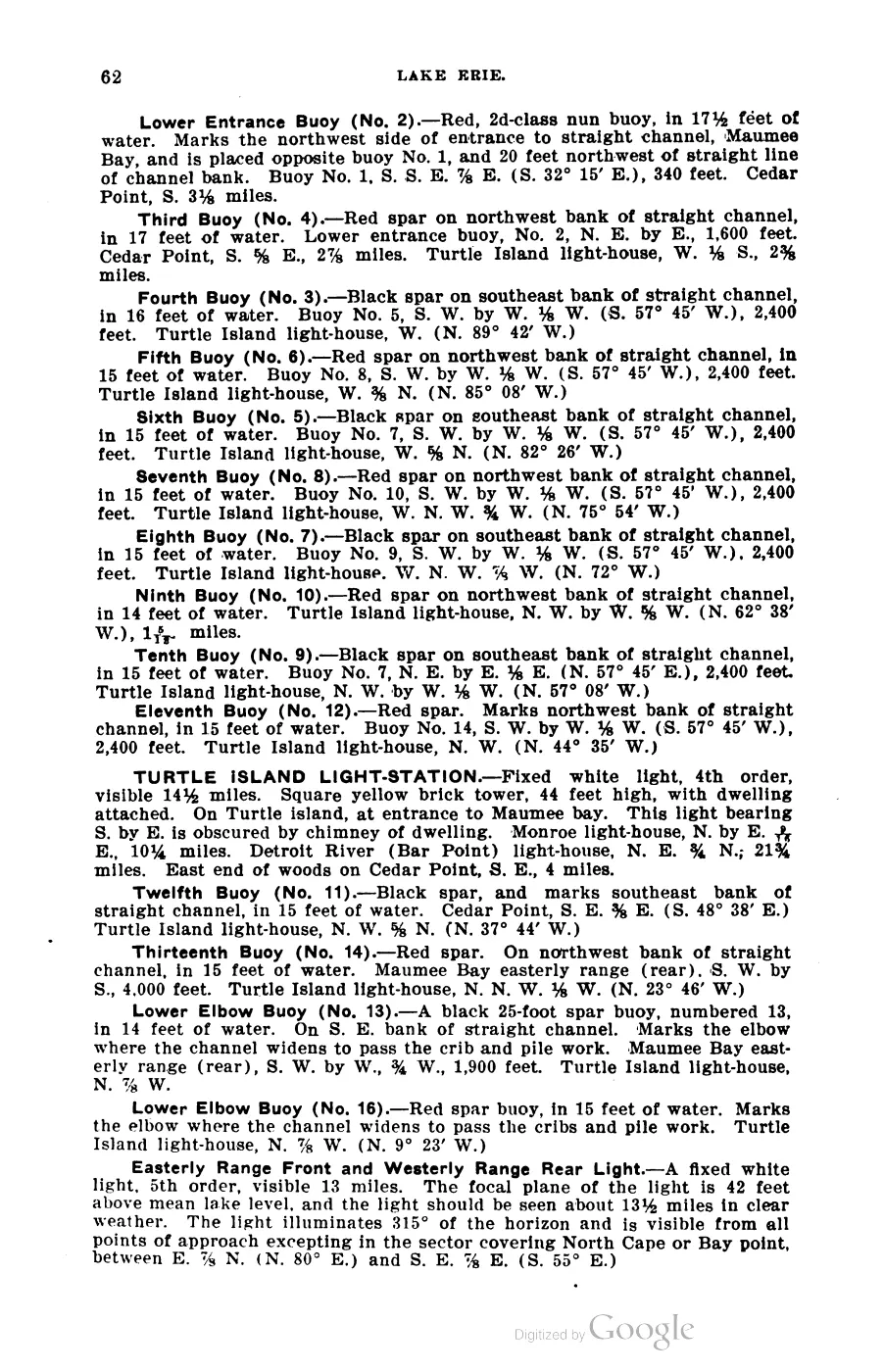
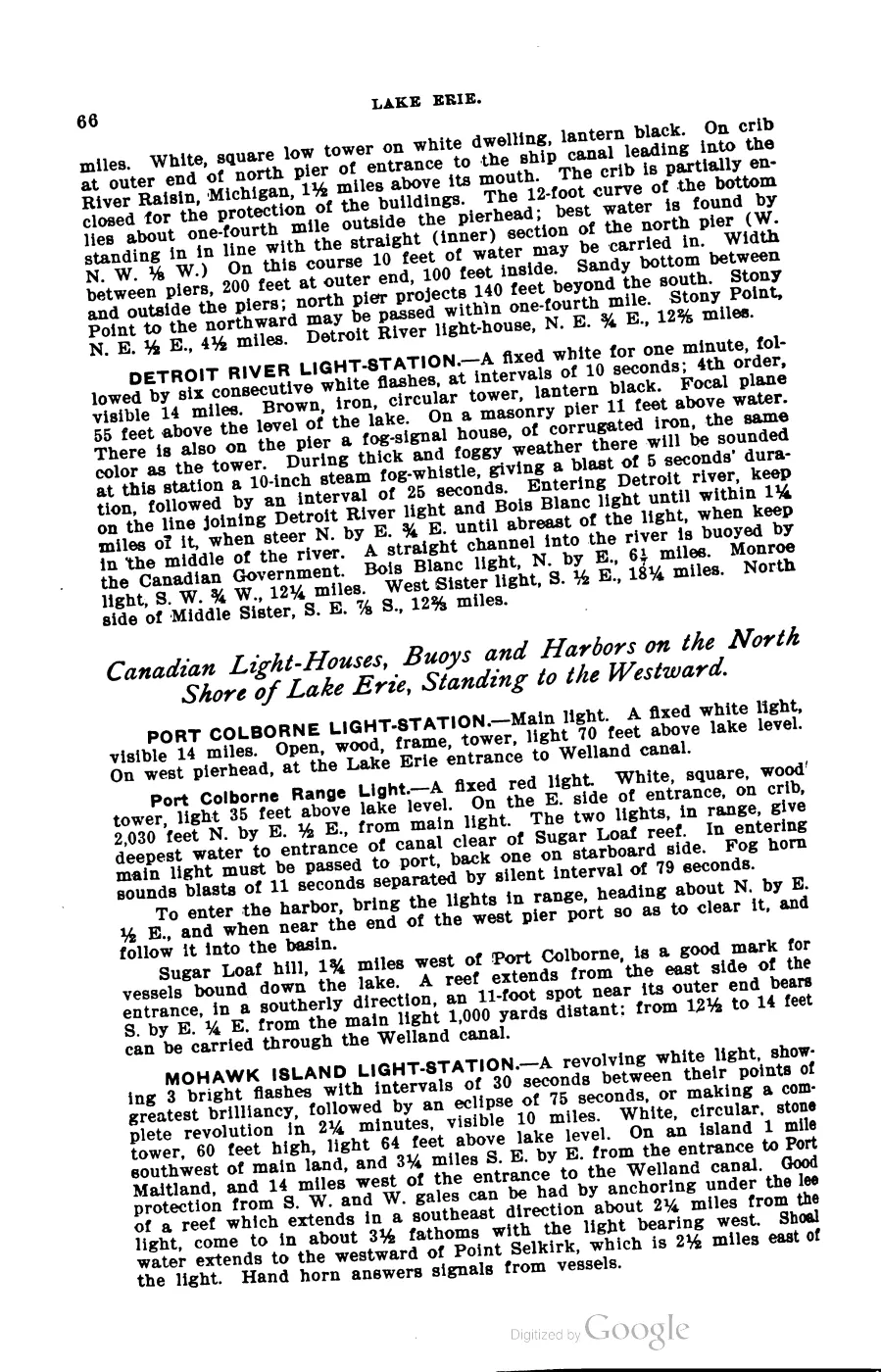
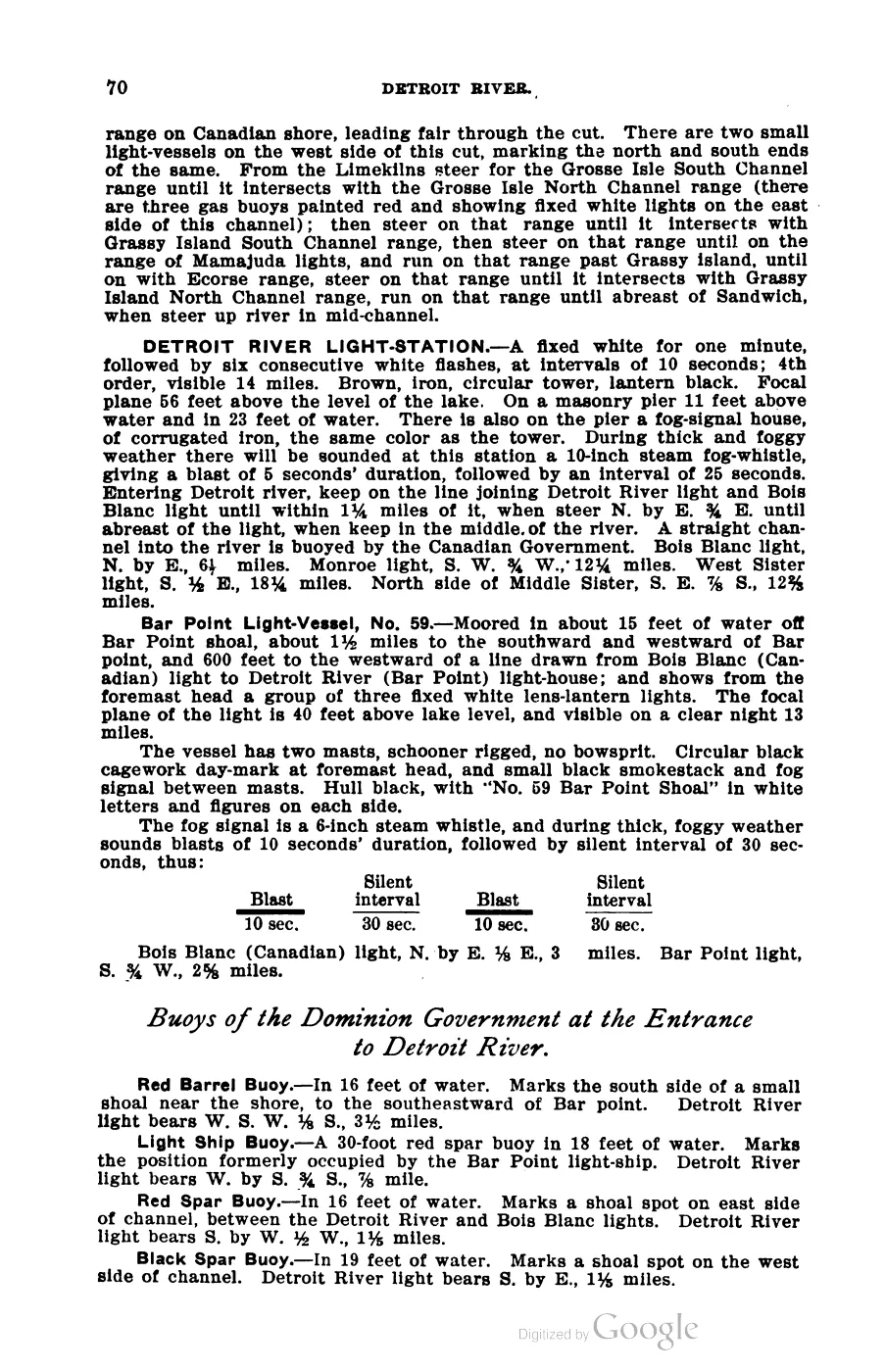
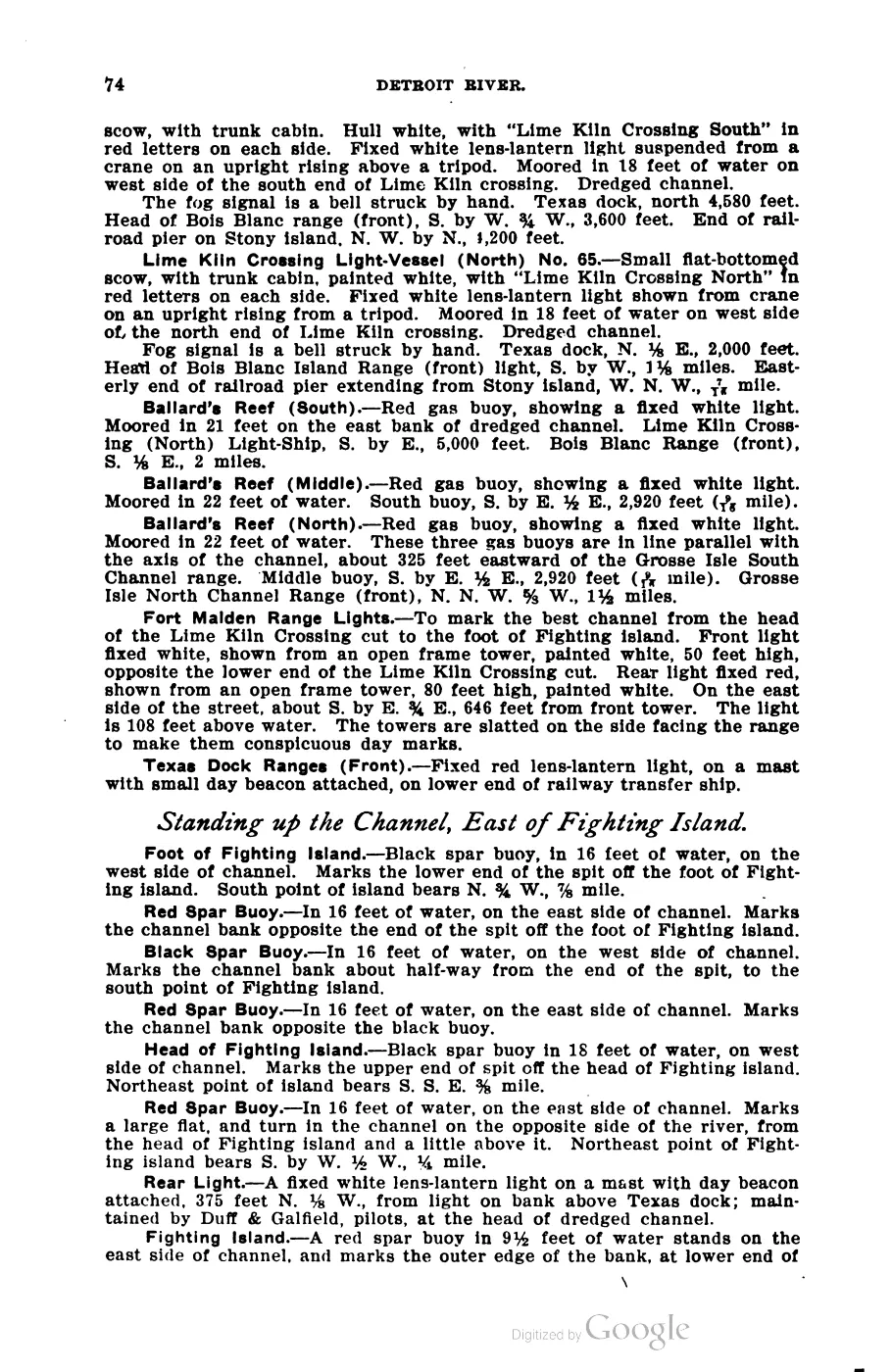
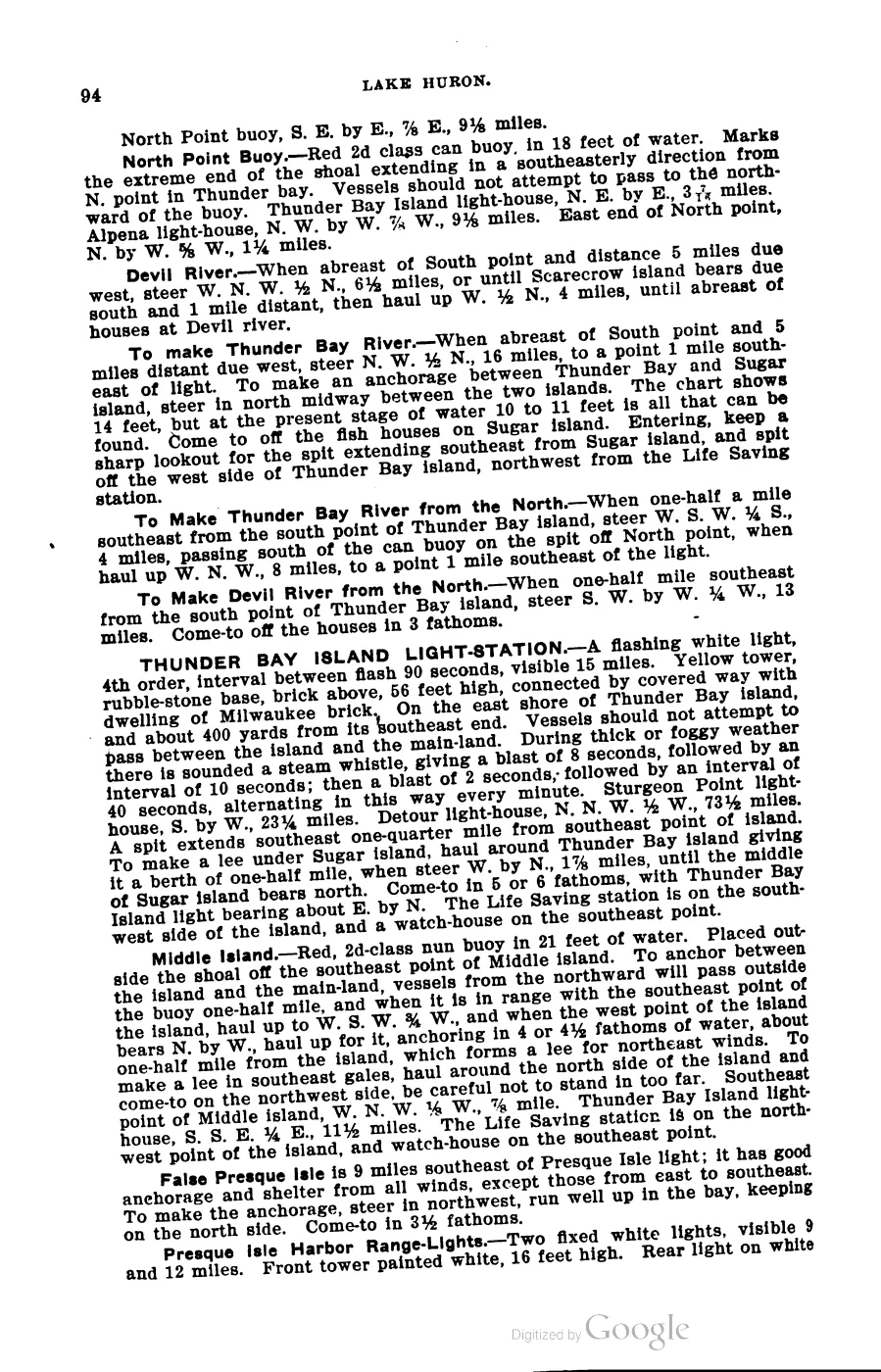
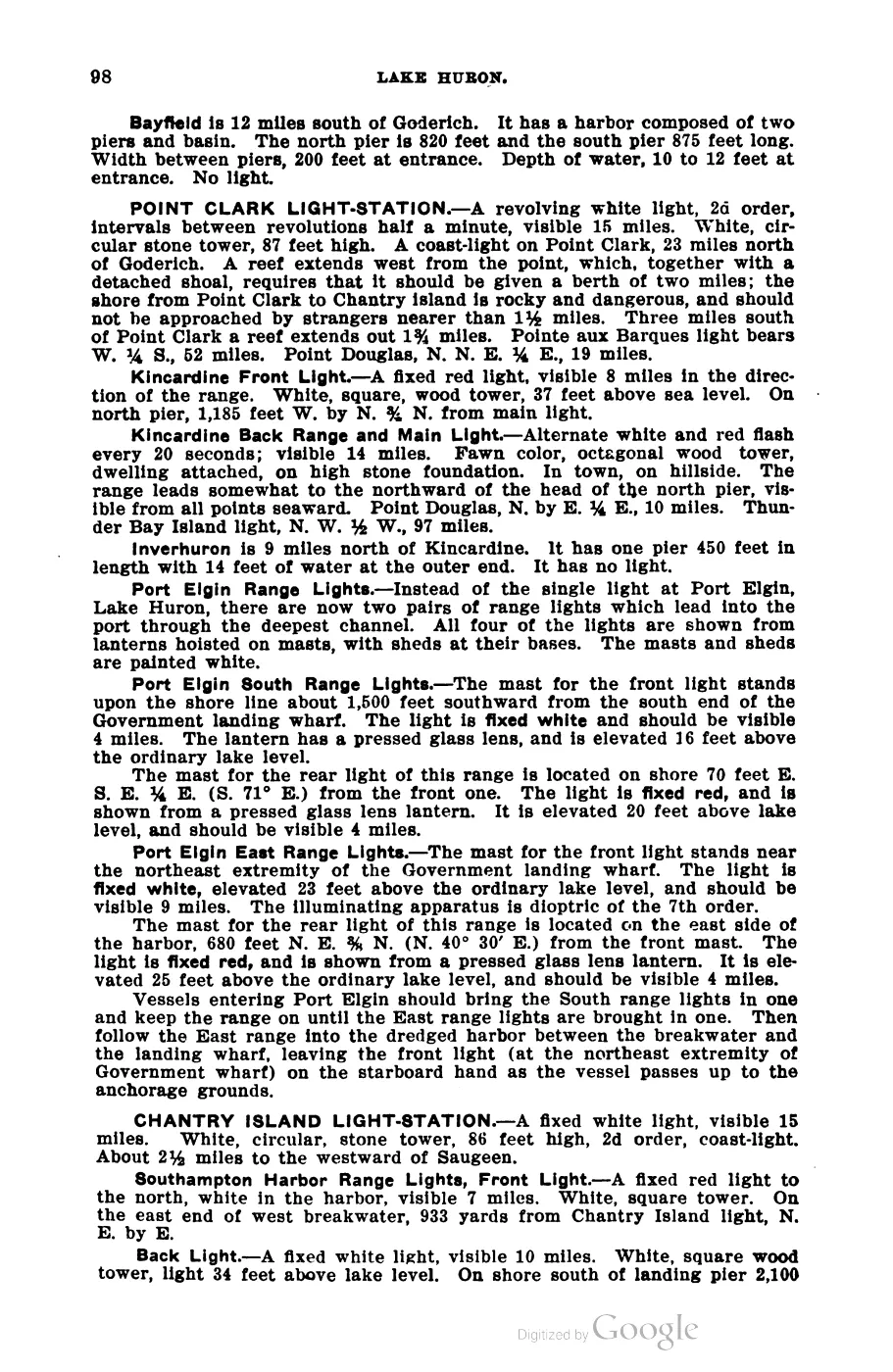
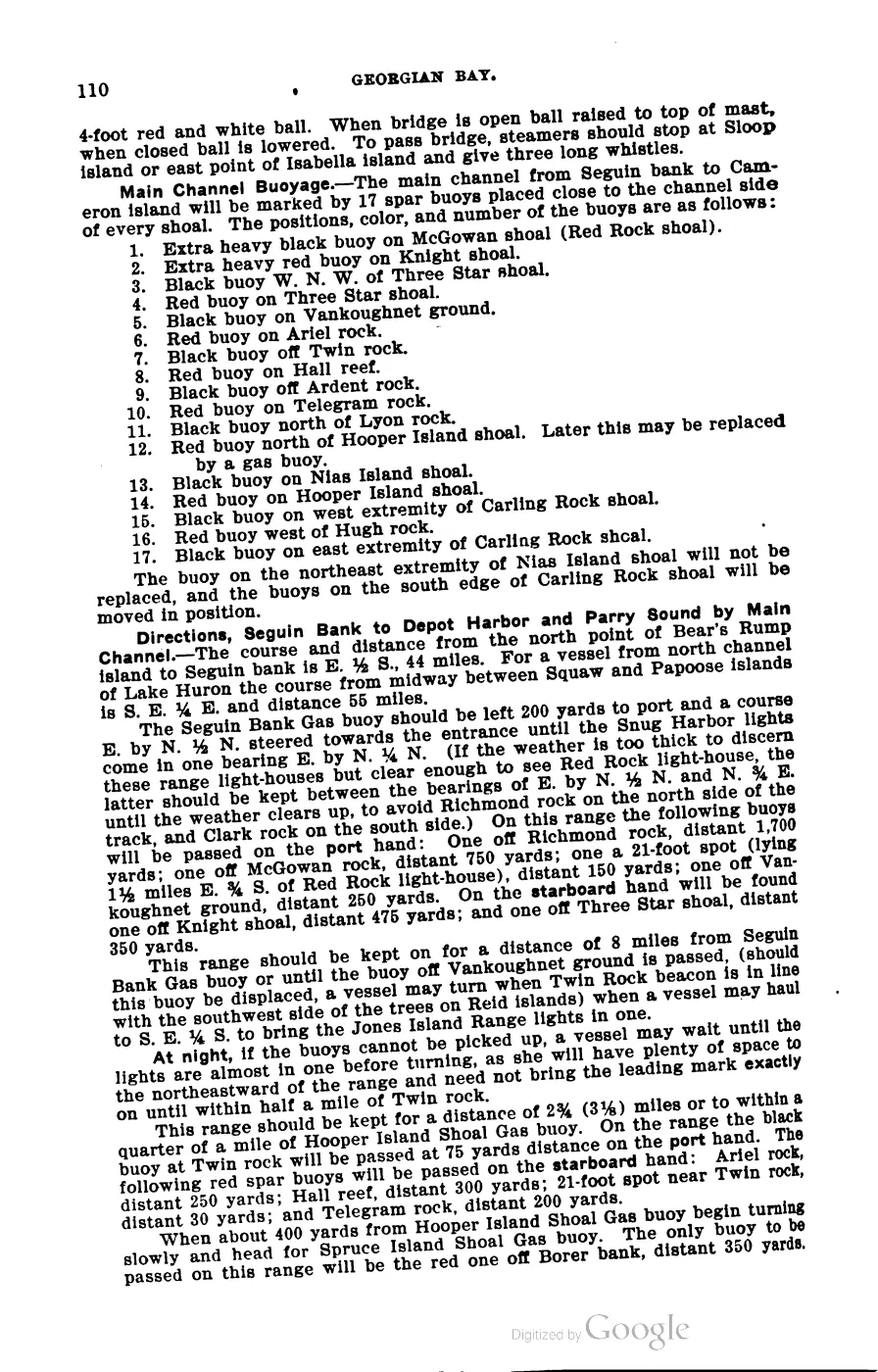
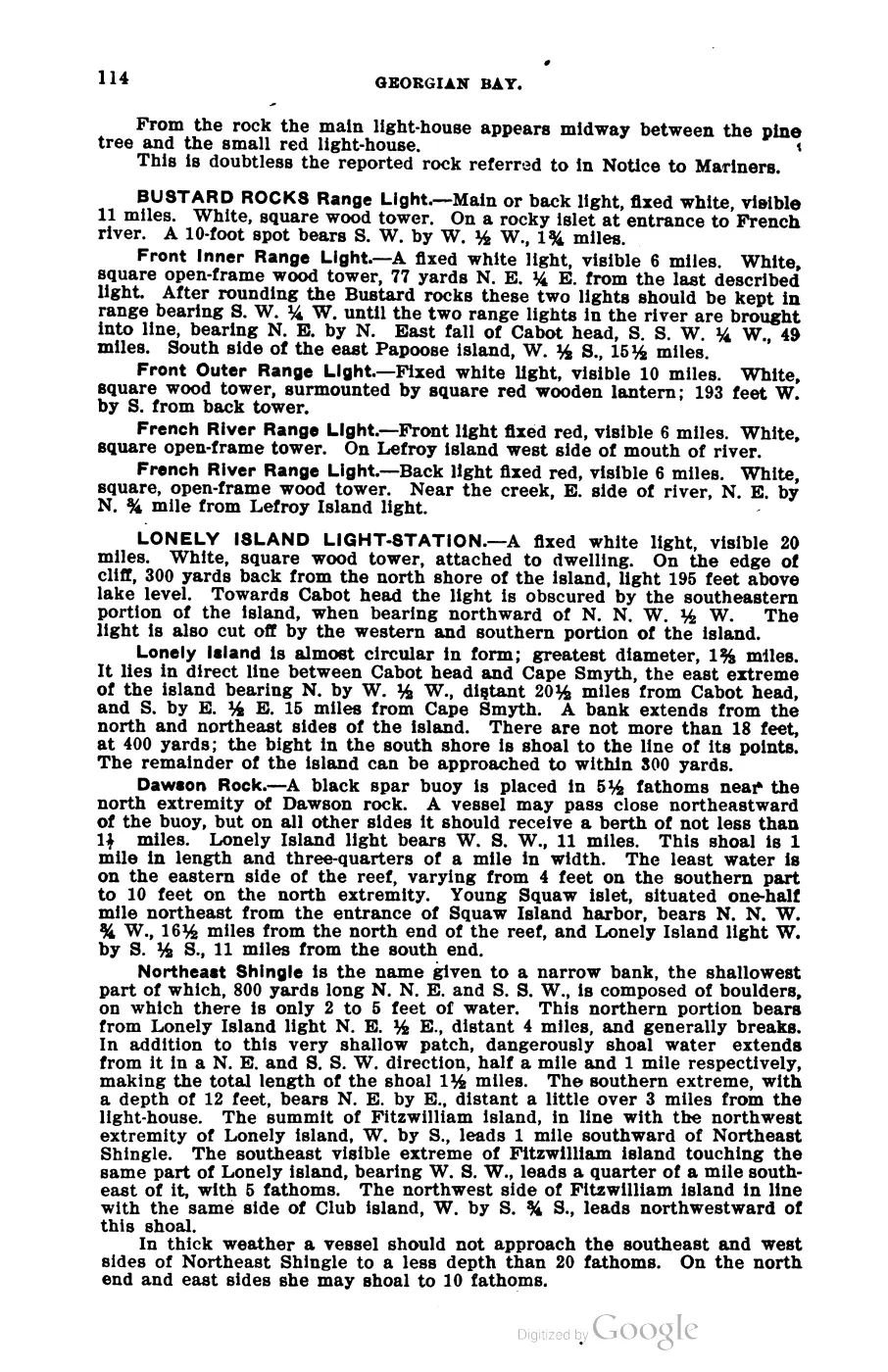
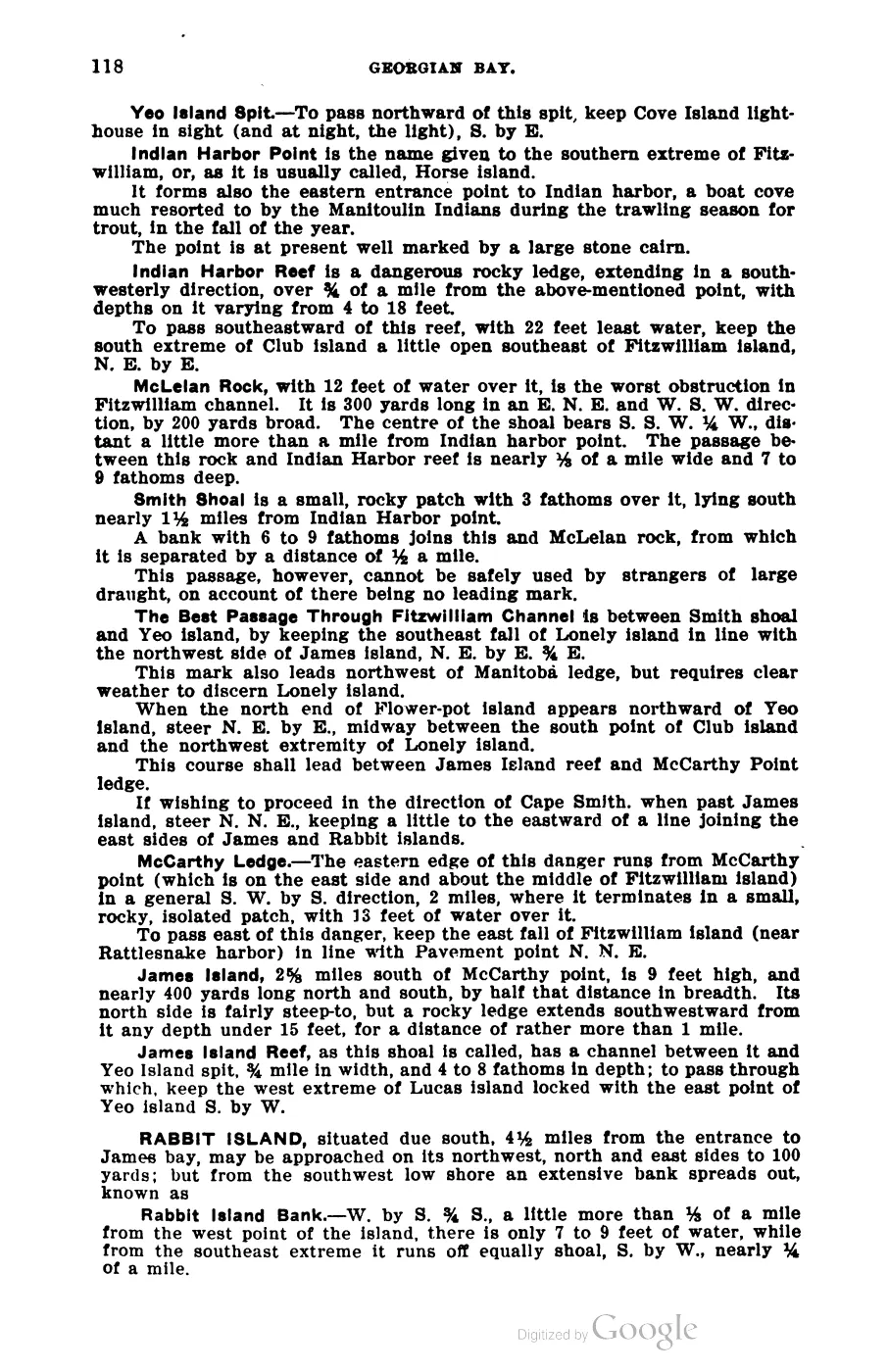
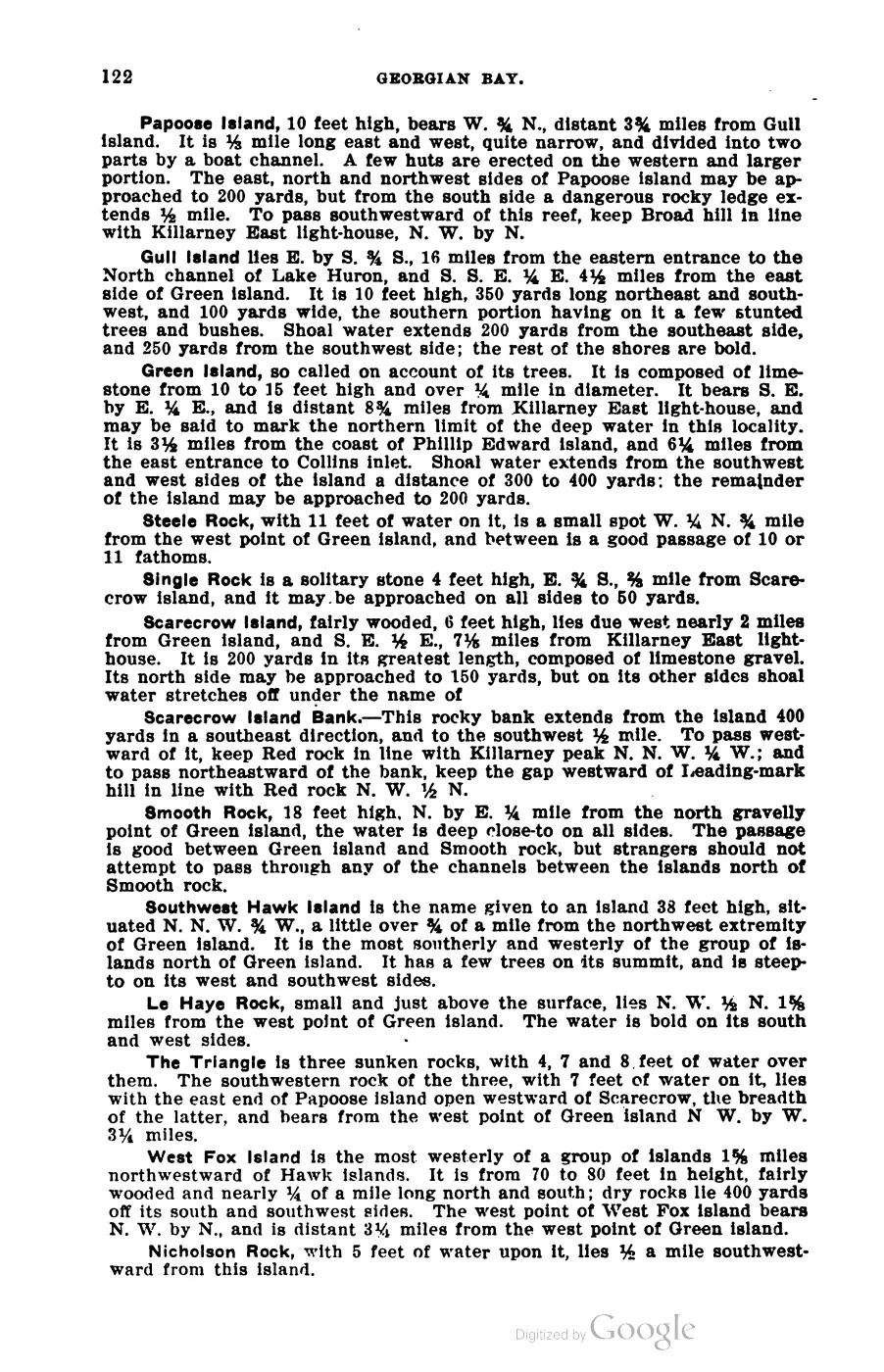
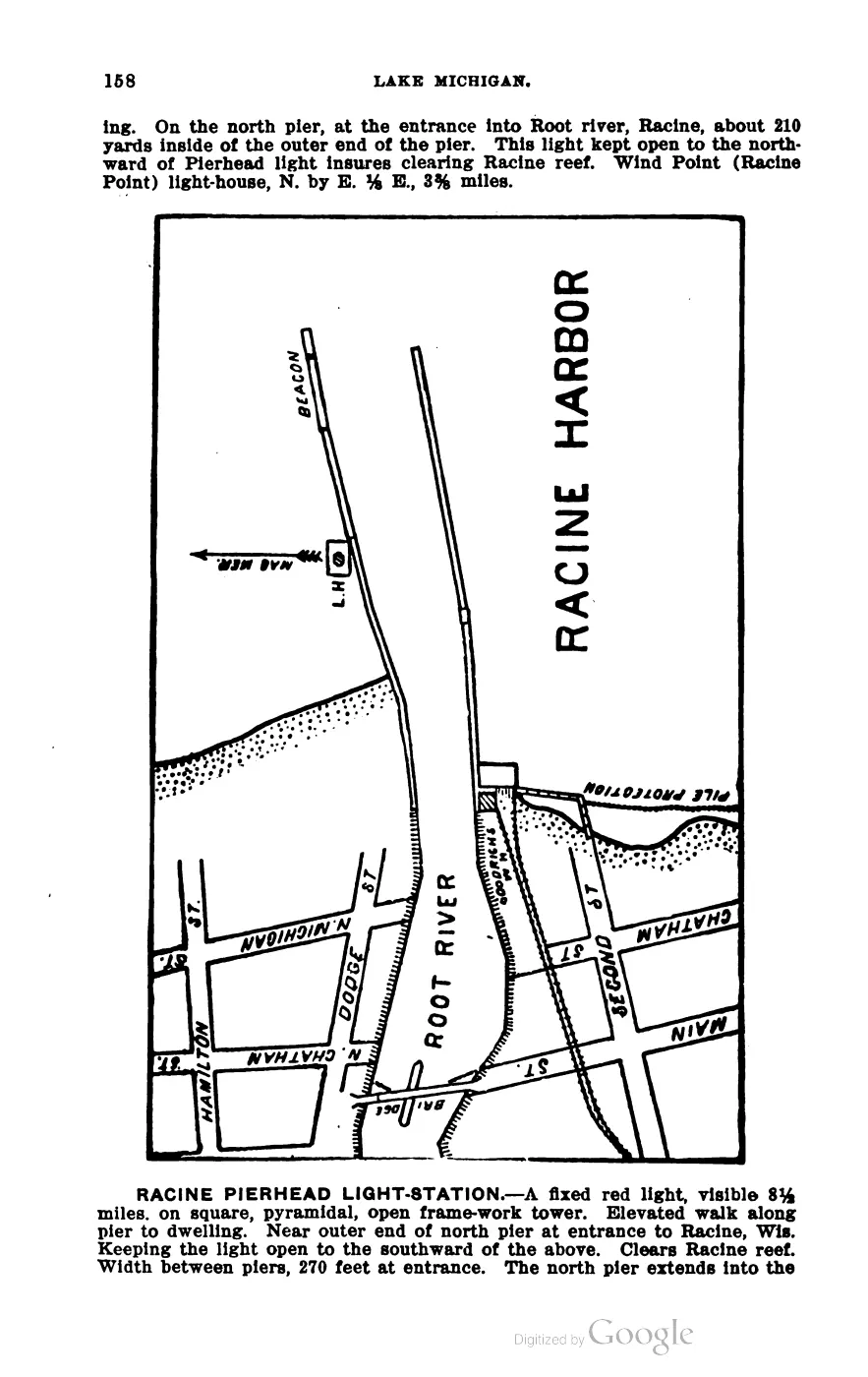
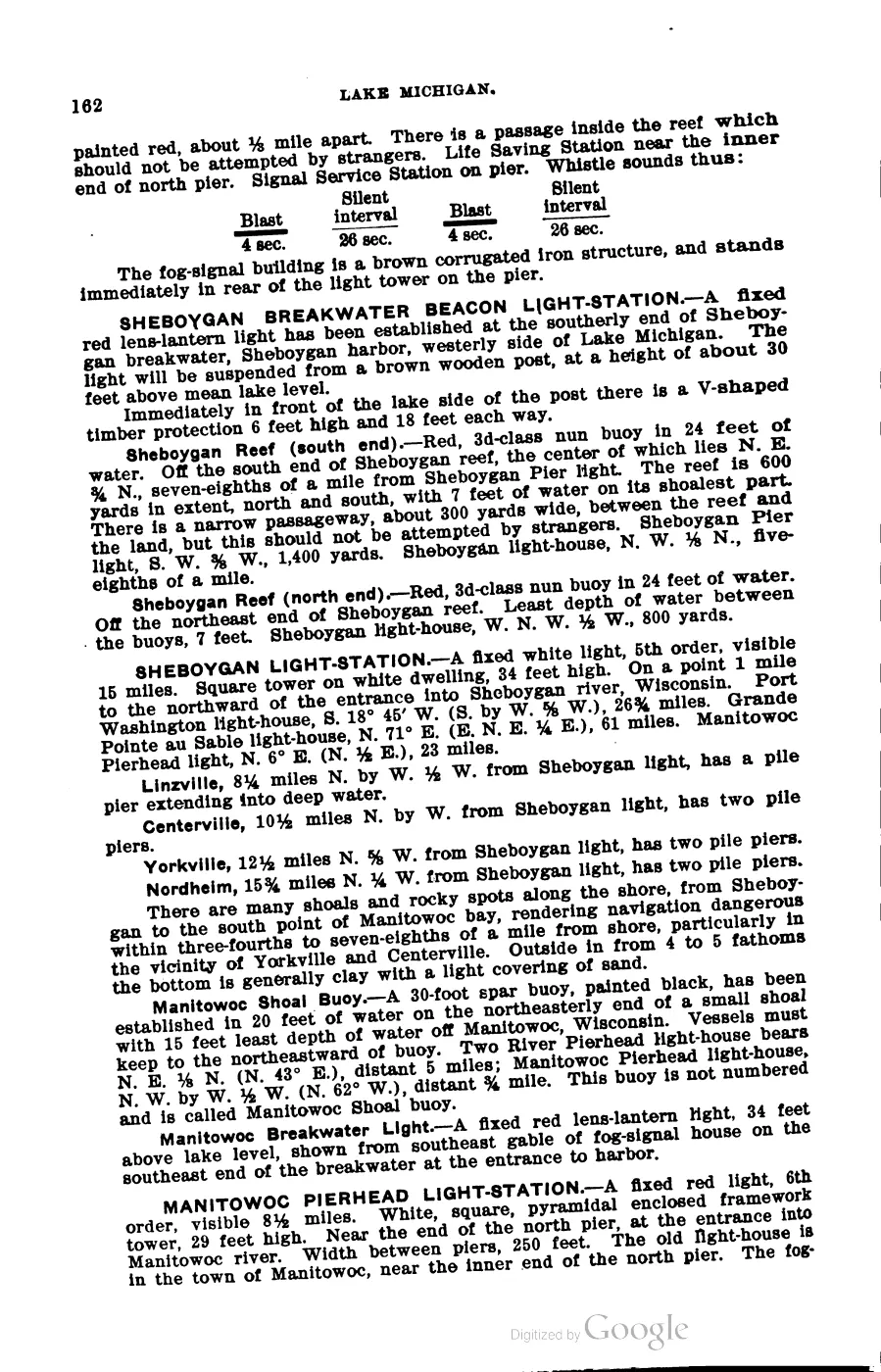
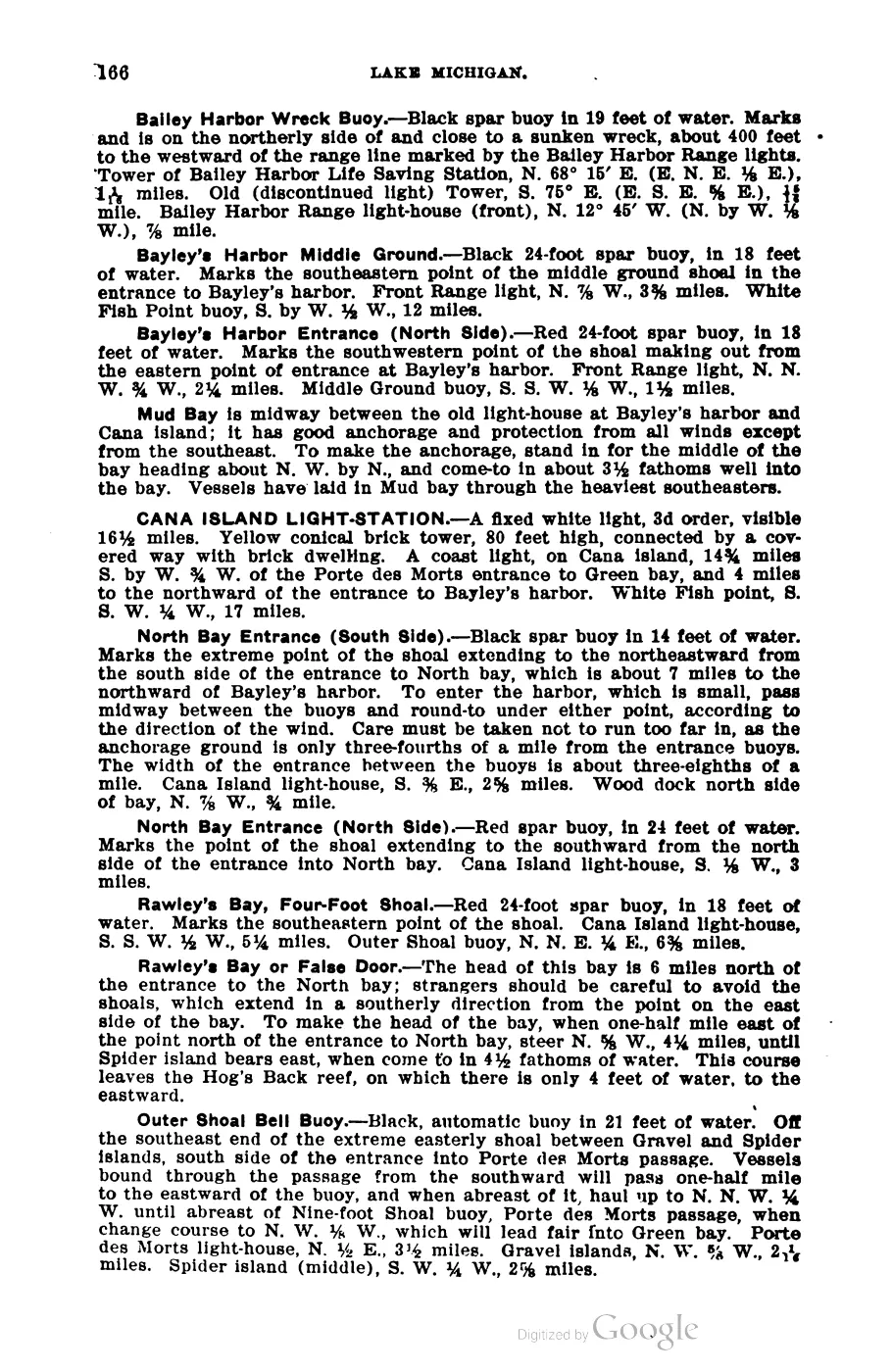
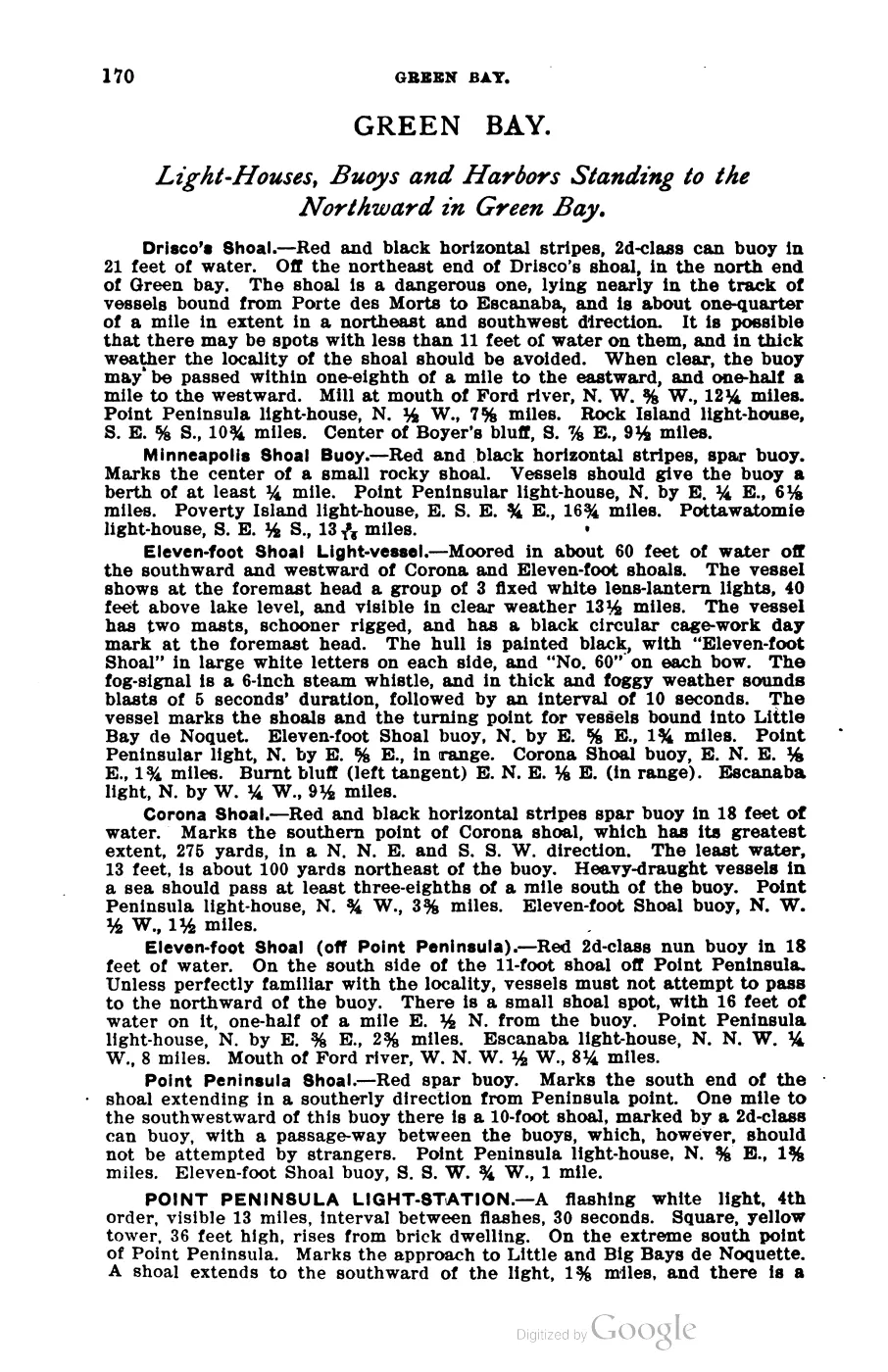
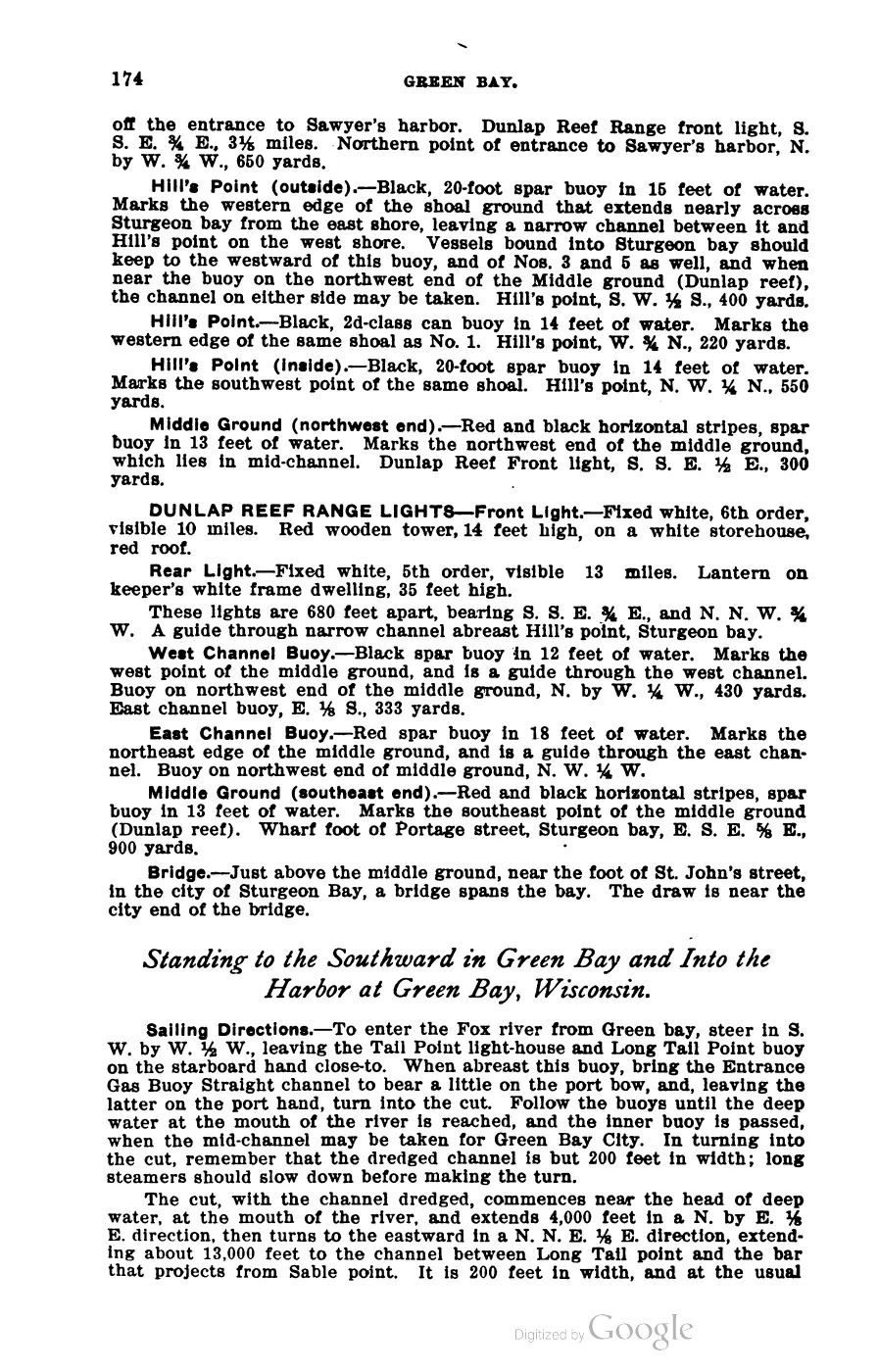
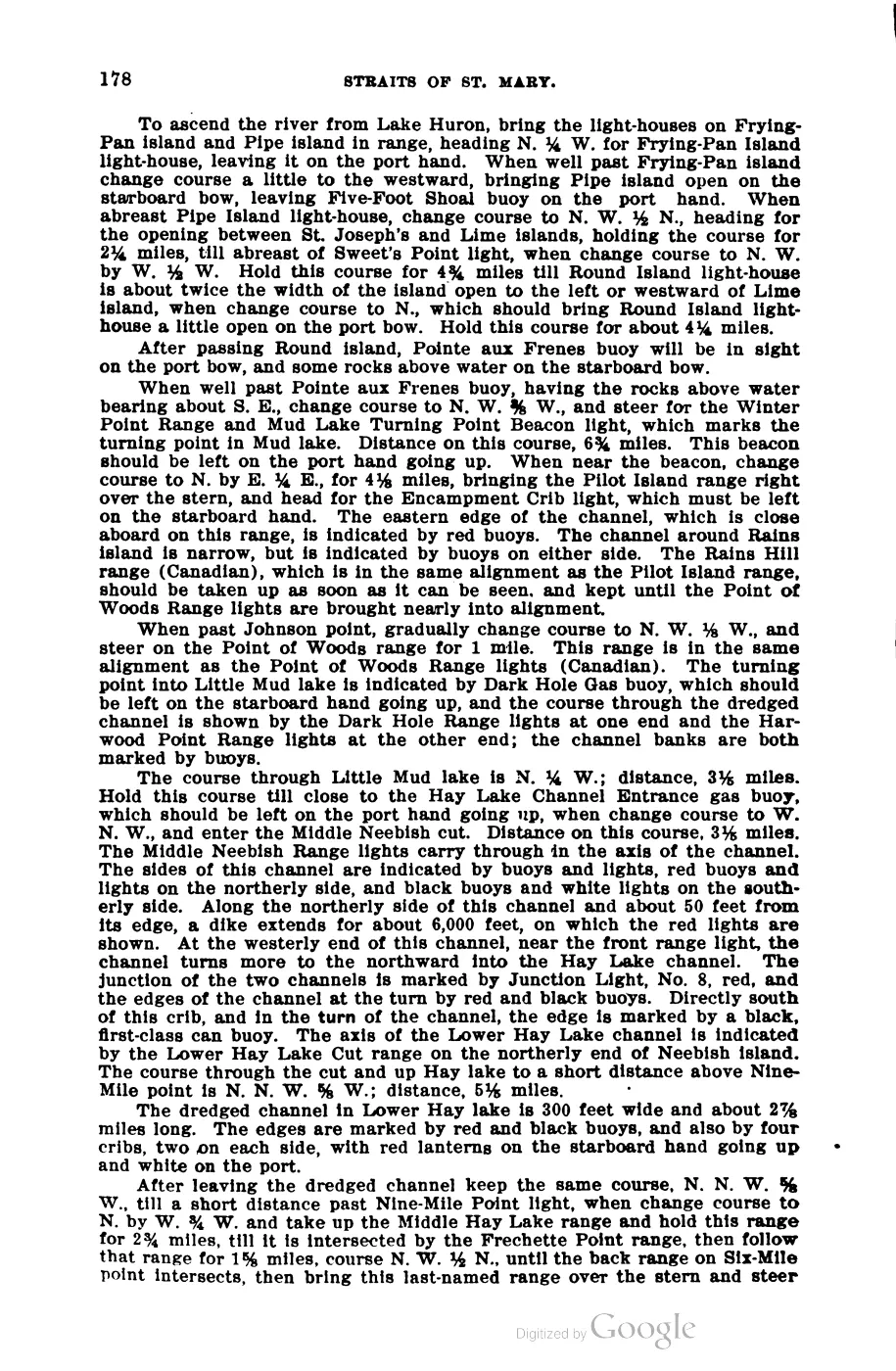
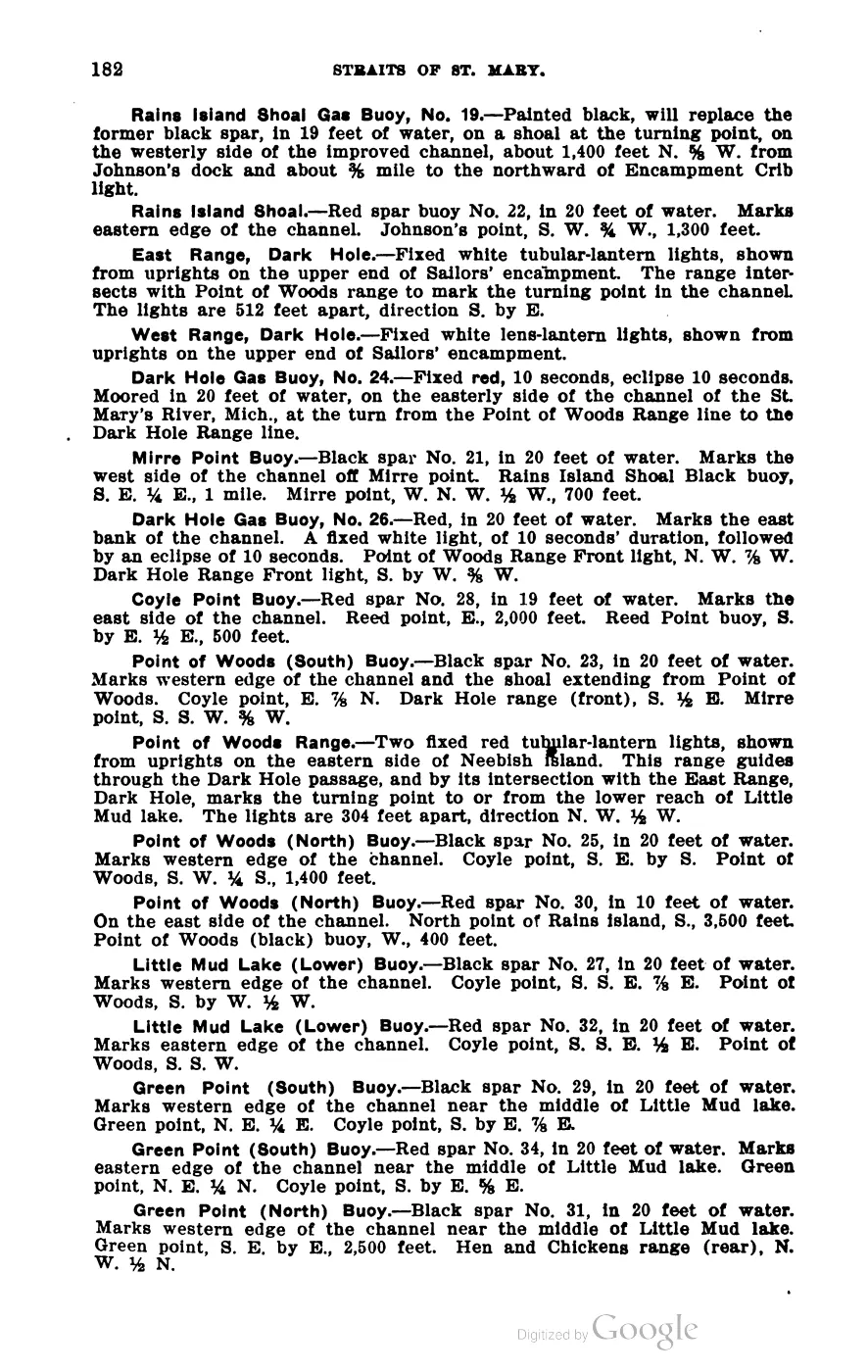
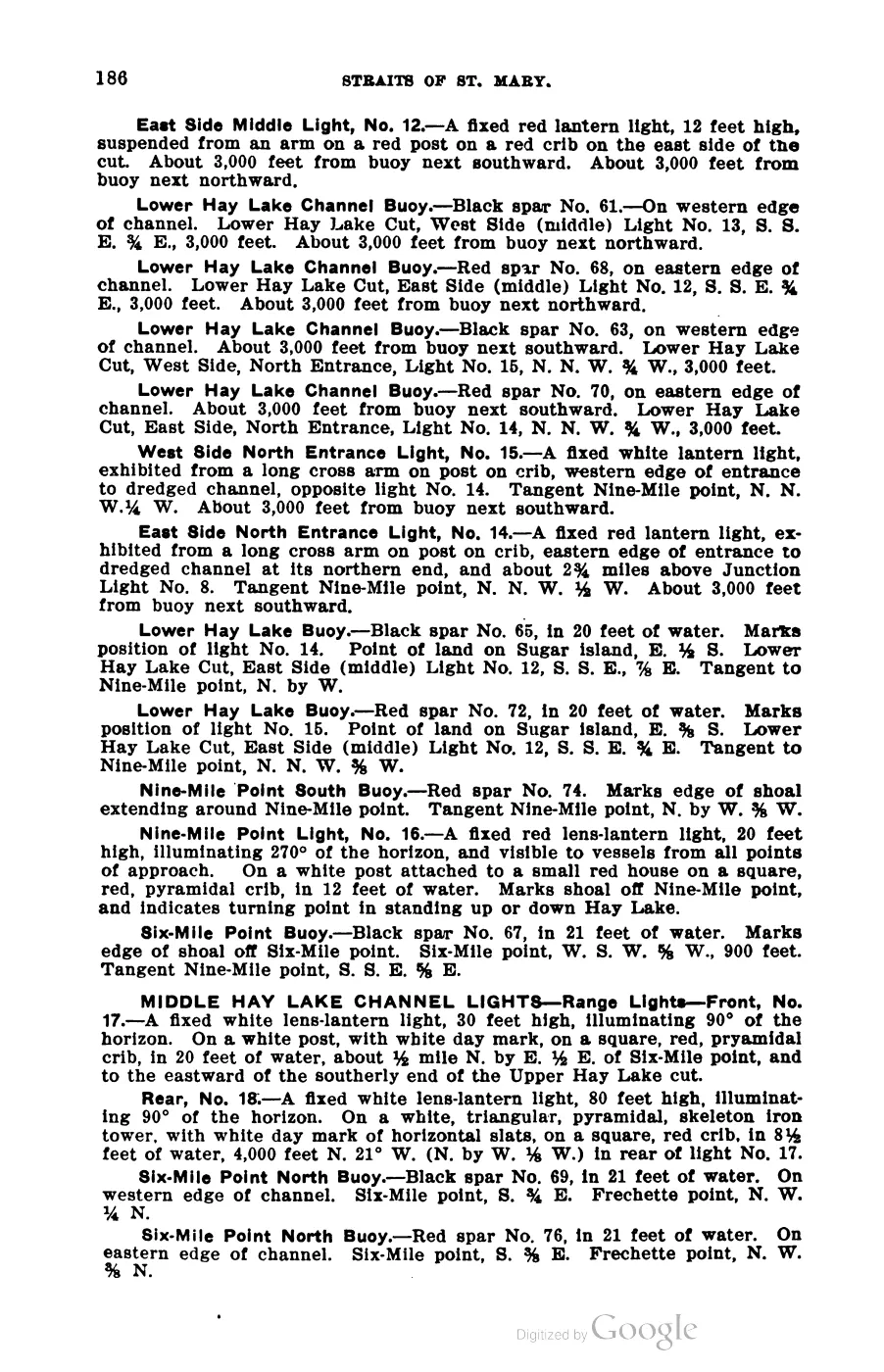
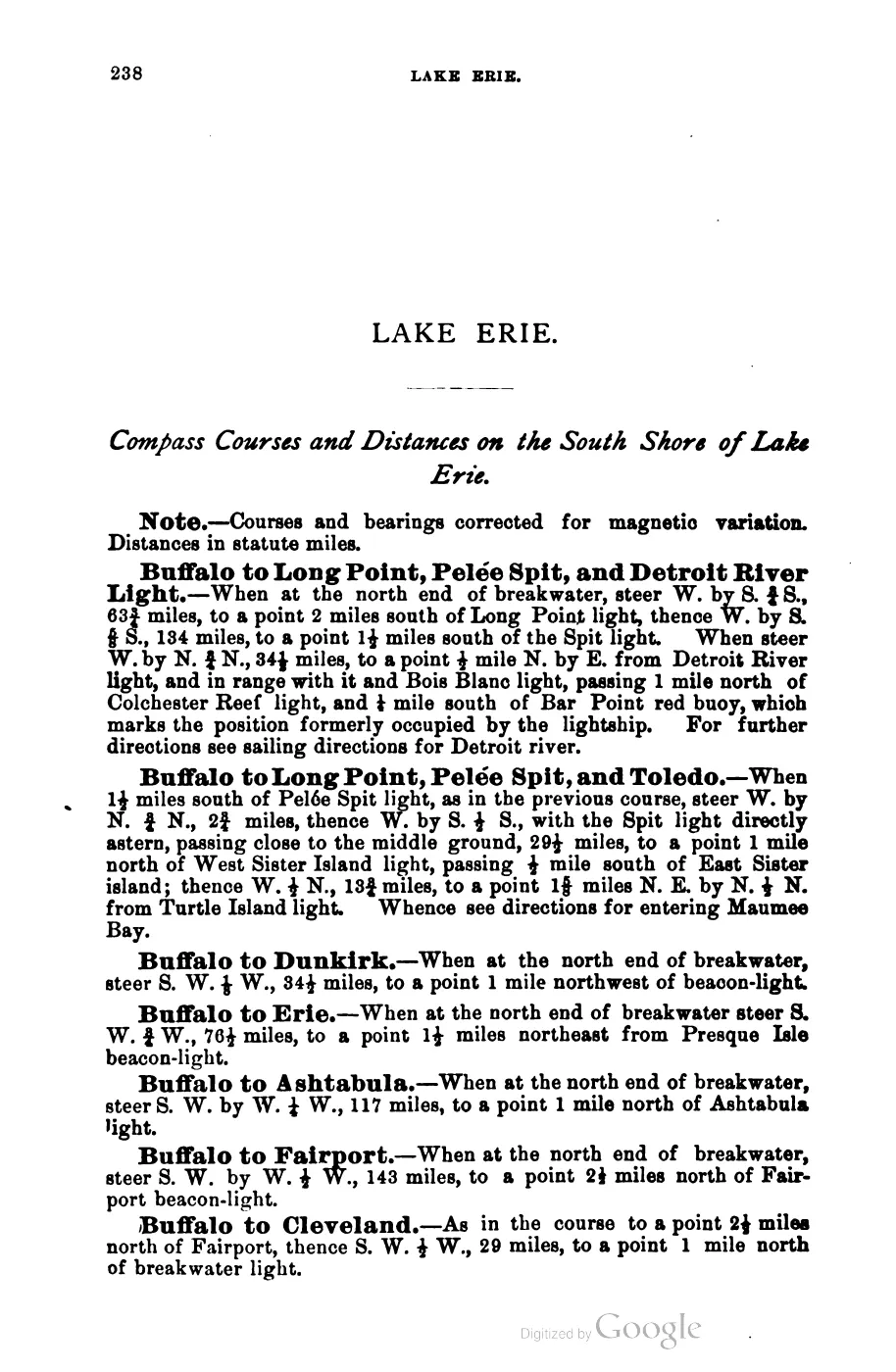
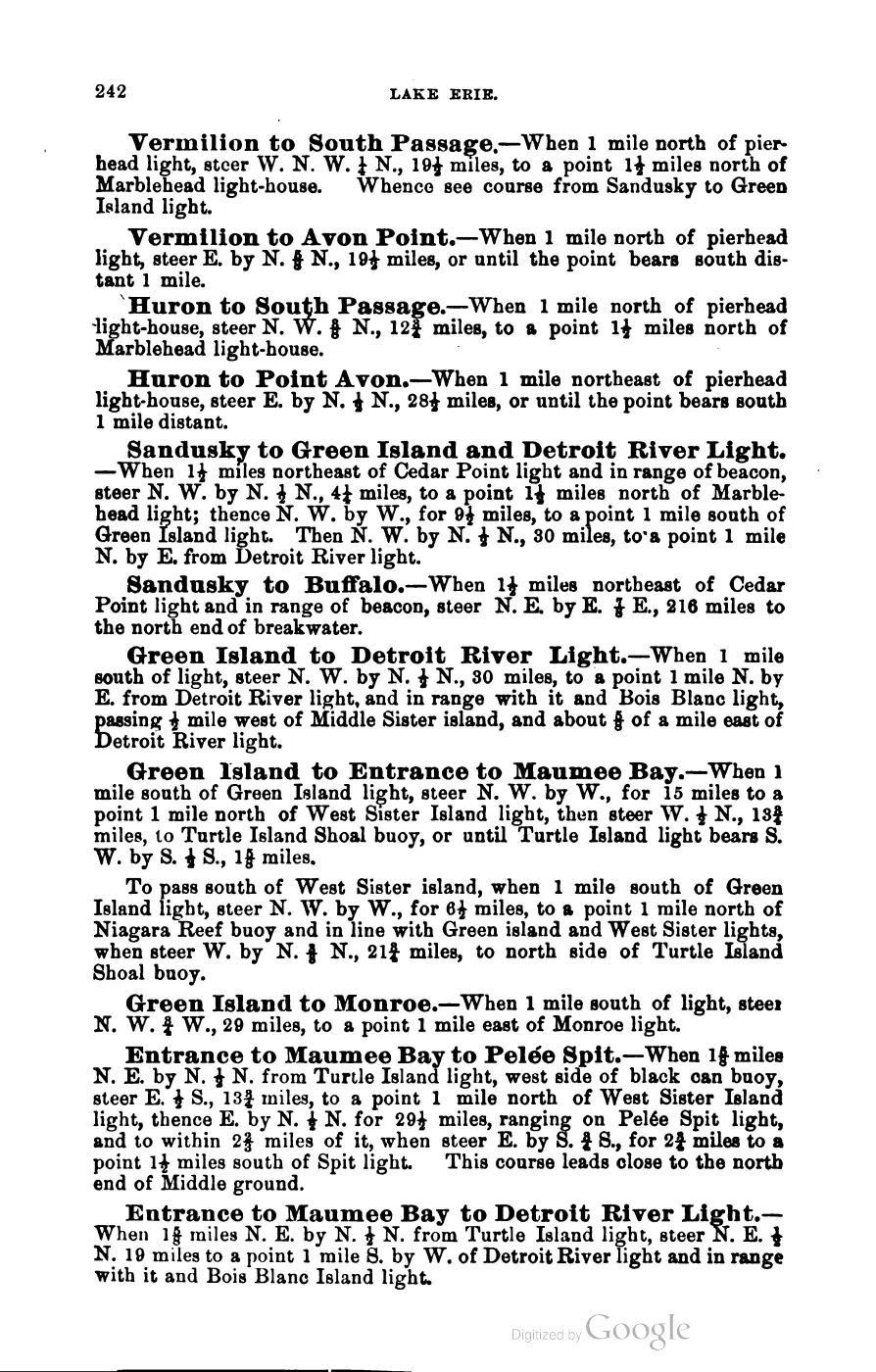
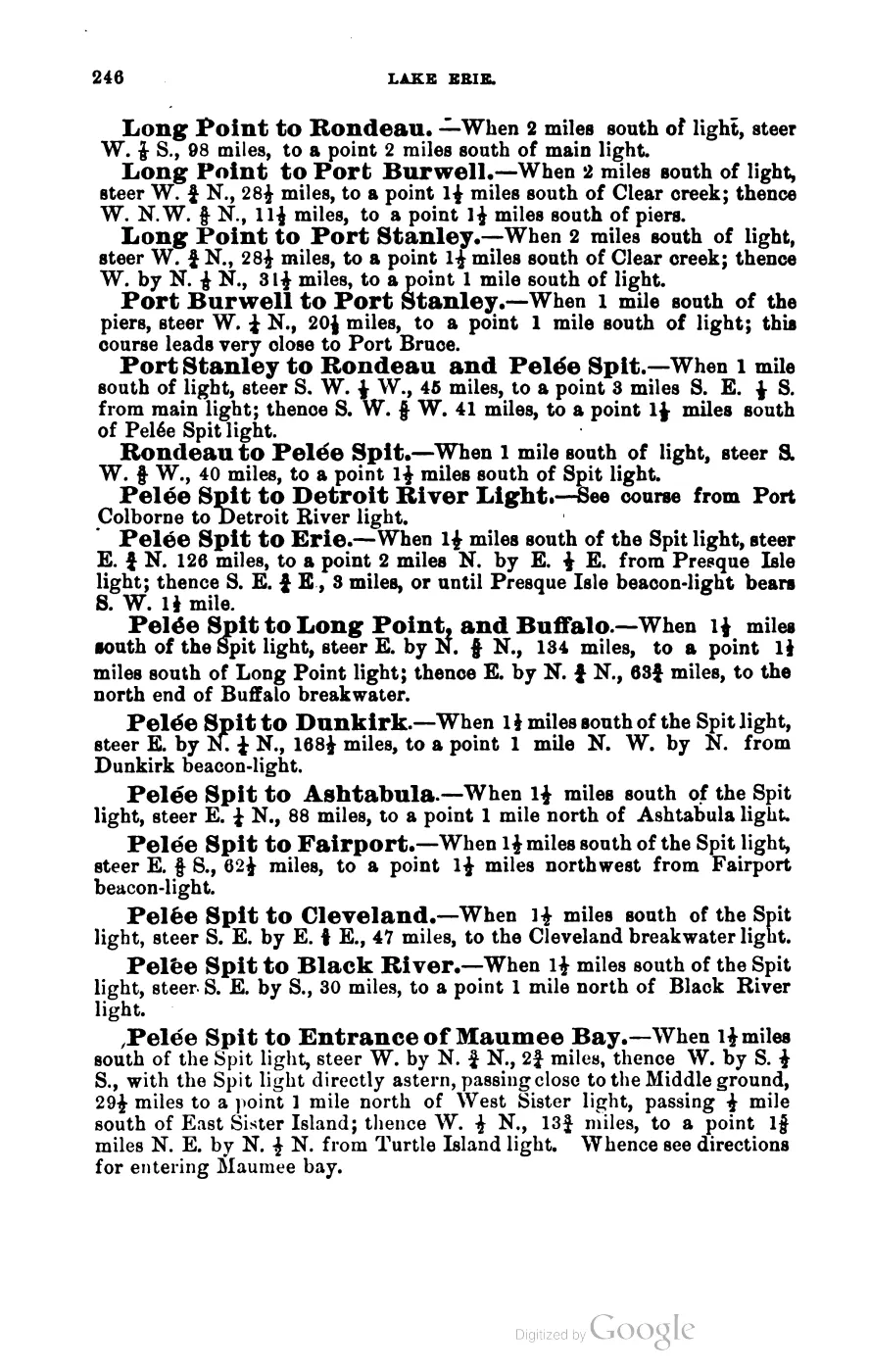
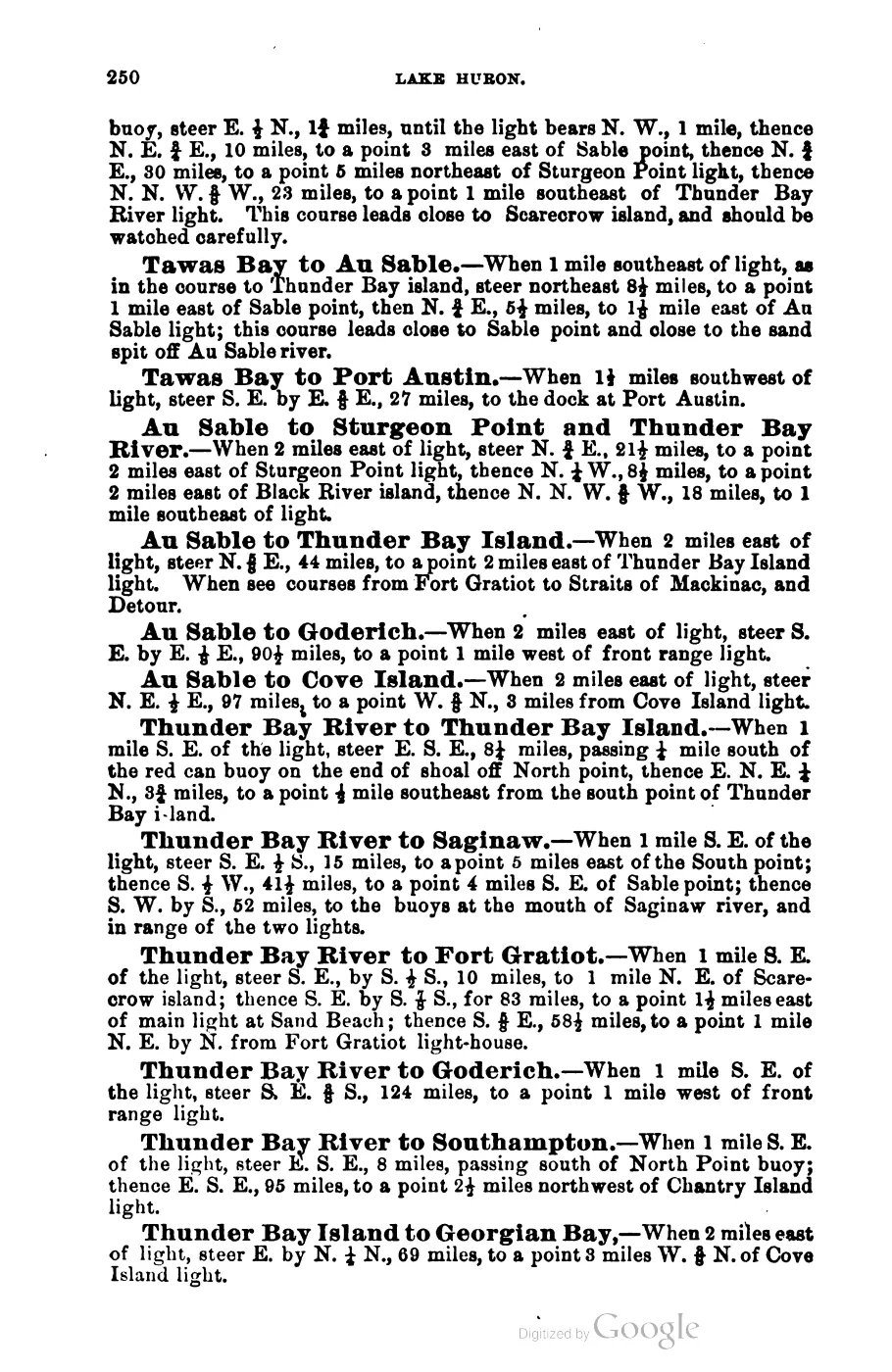
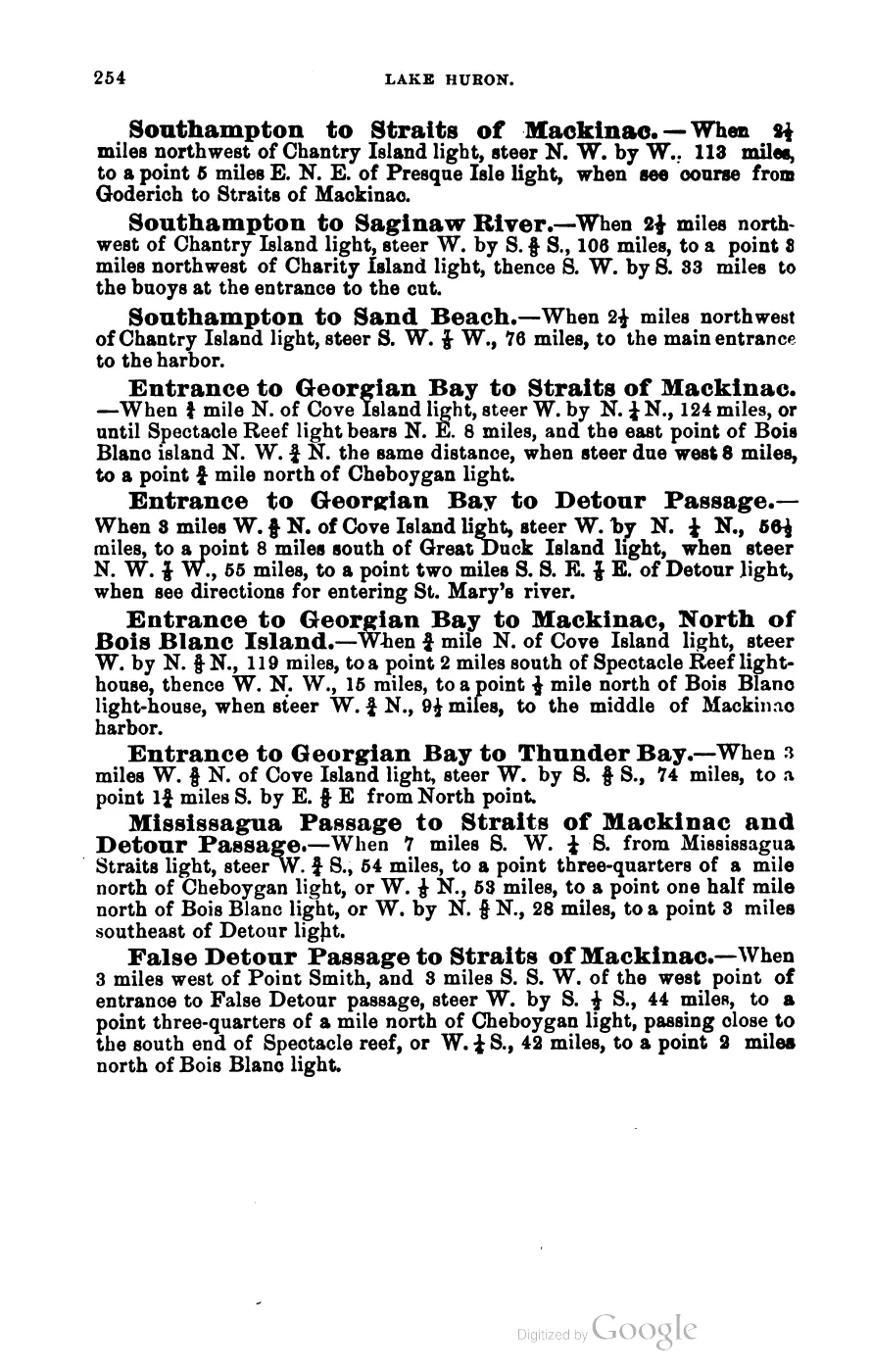
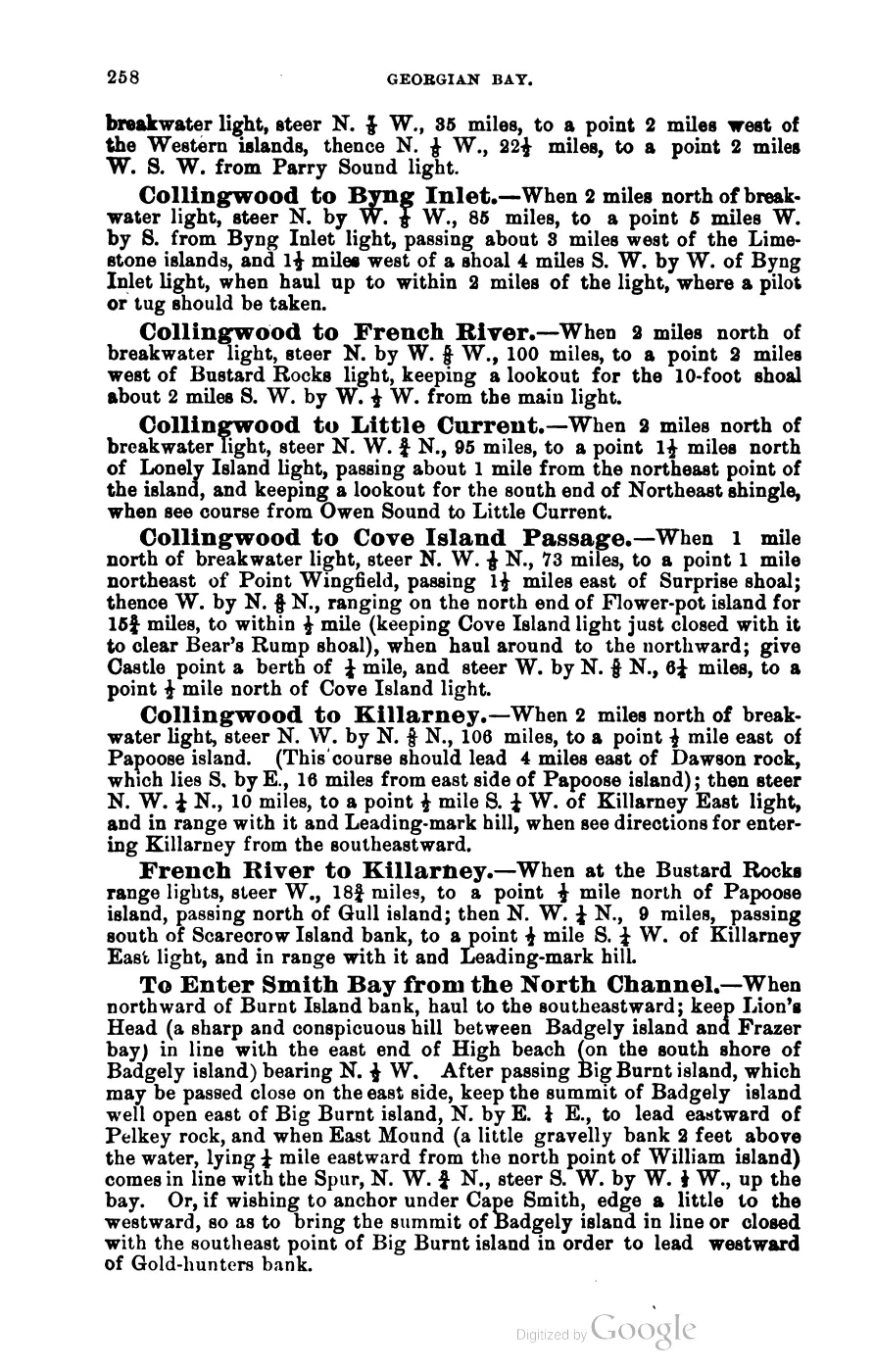
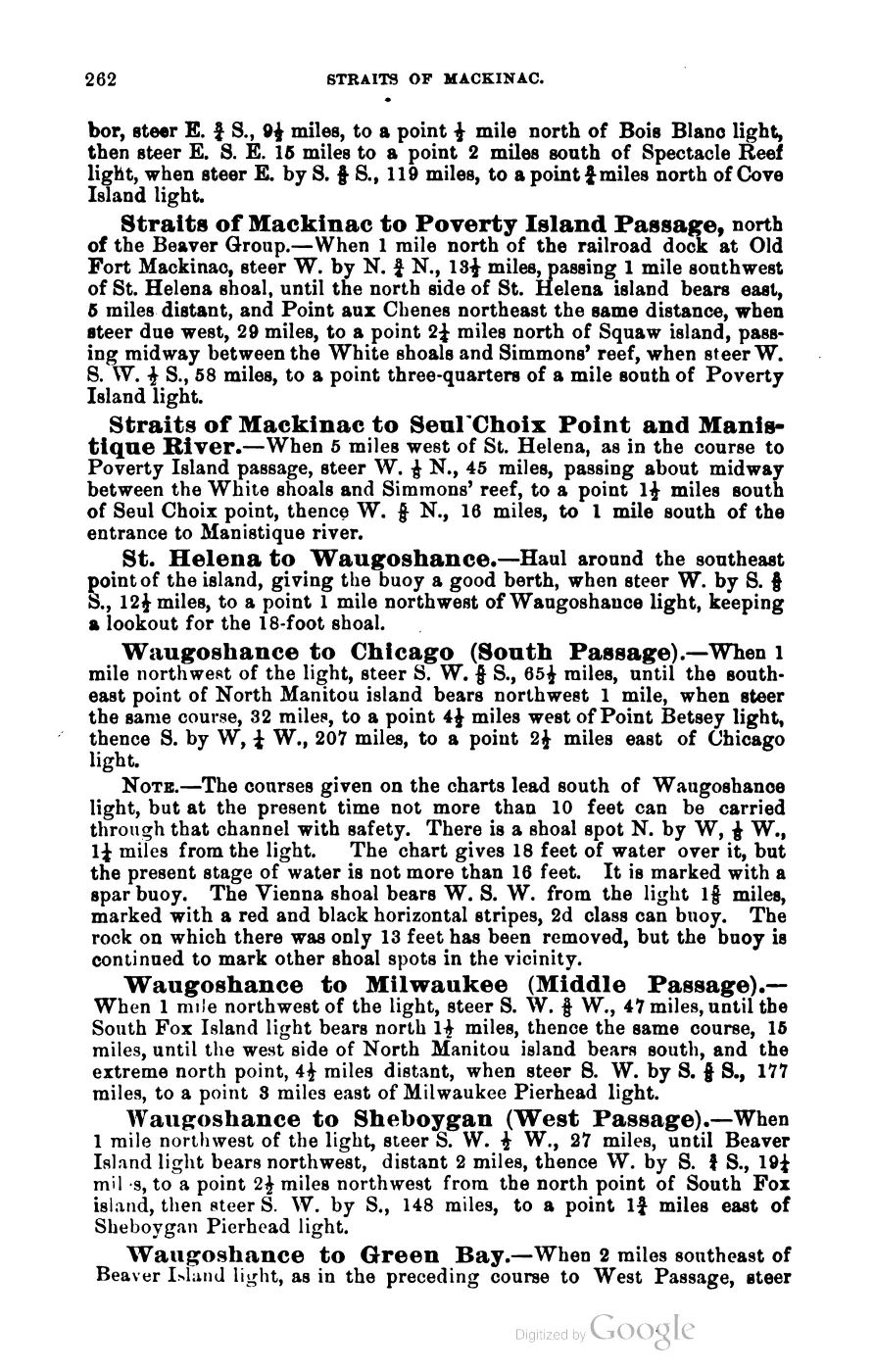
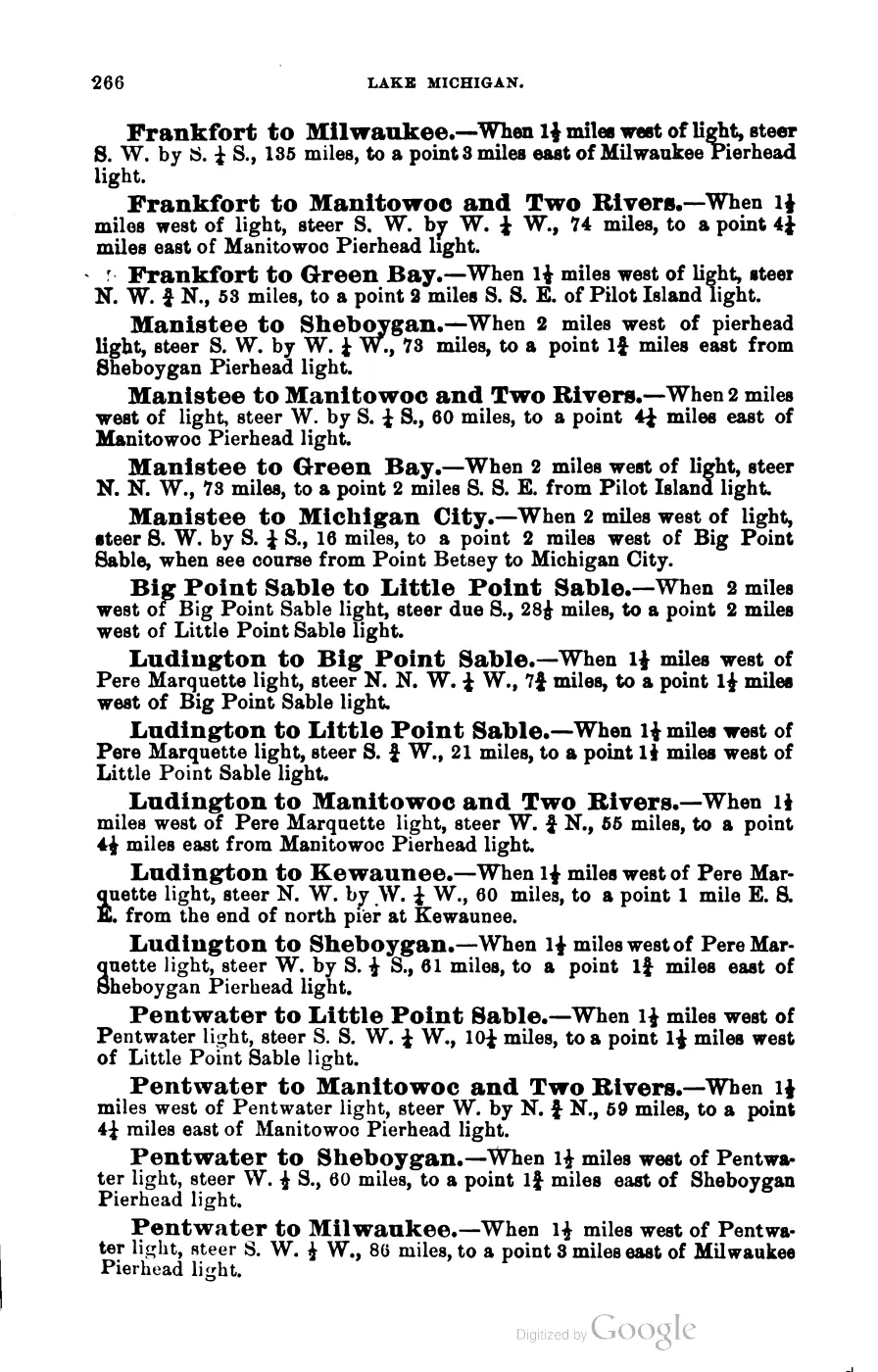
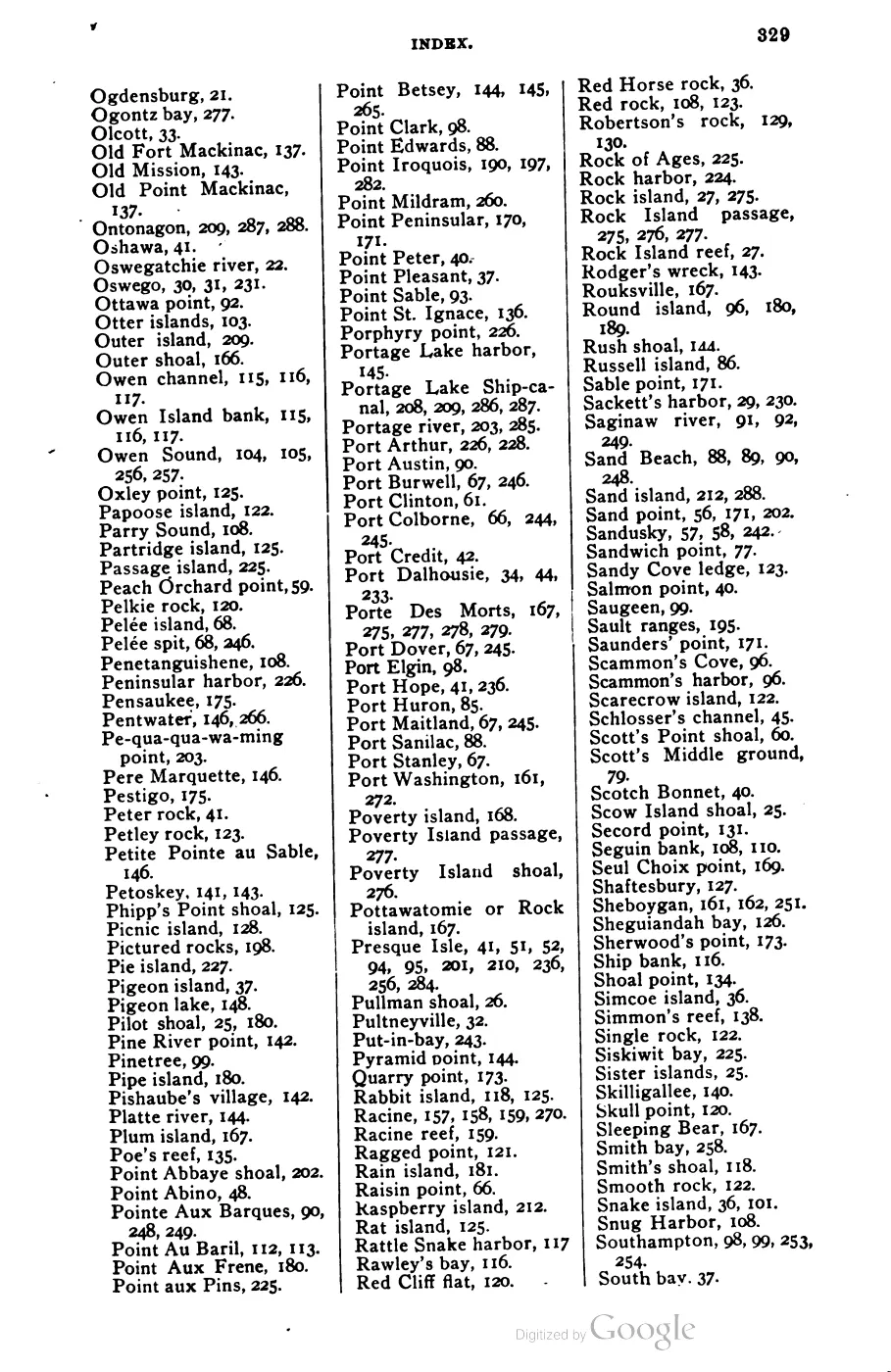
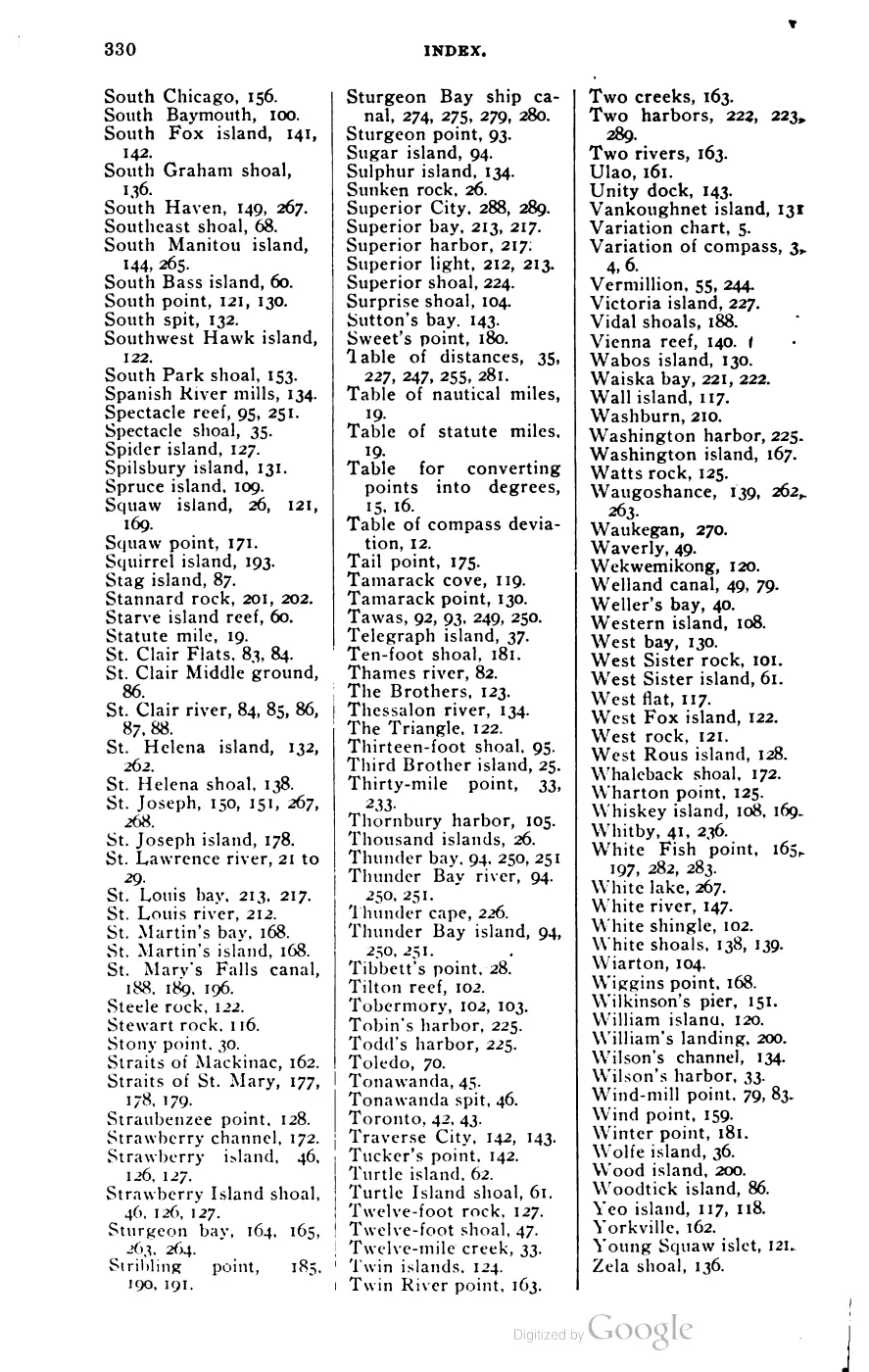
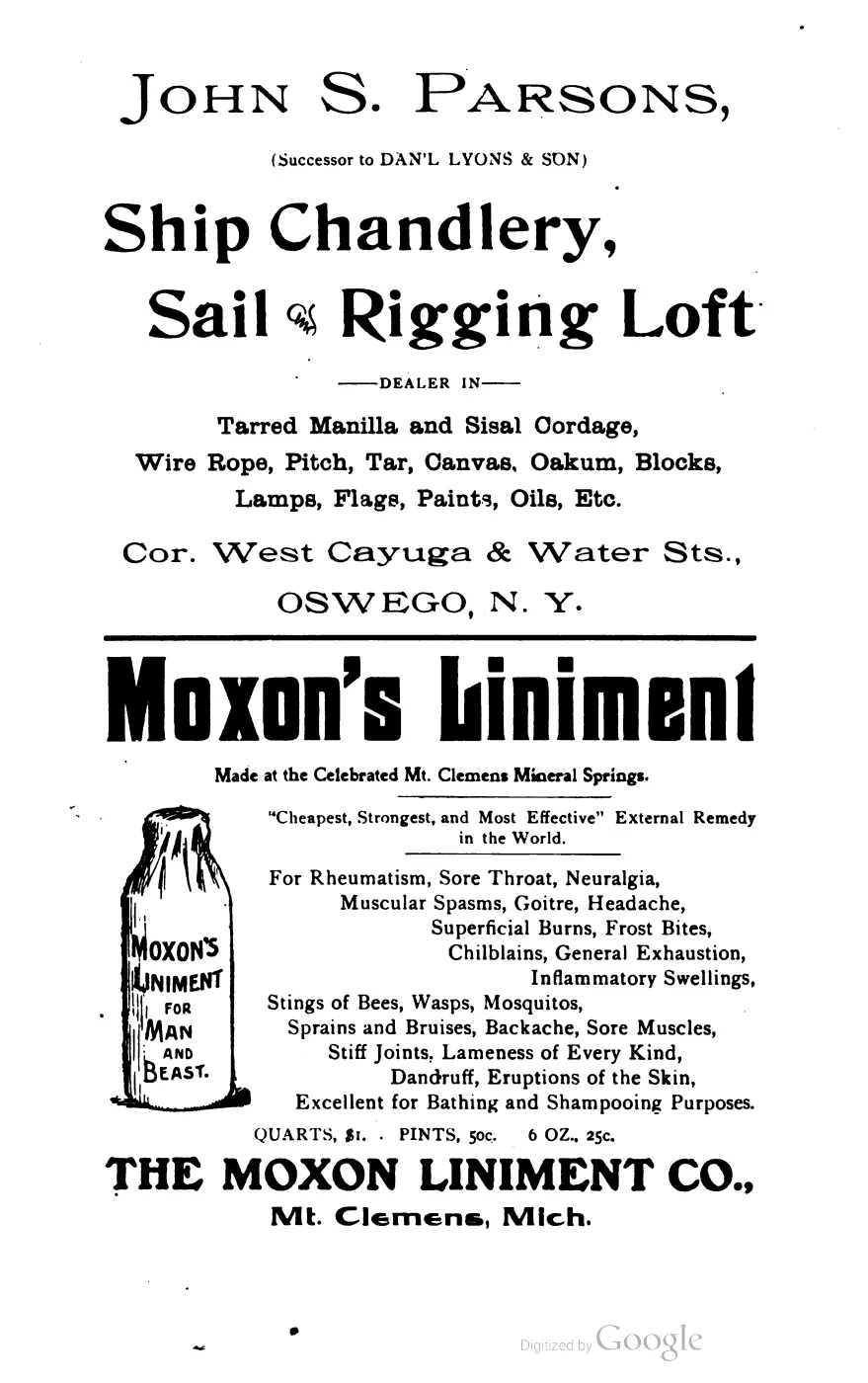





135 of 393 pages linked here — every page to 32, then every 4th, then the last 16. With JavaScript, every page.
Sources
- The forum reproduced a Ninth Coast Guard District *Shipmates* account of the 1958 sinking, including the USCGC *Sundew* rescue and survivor figures, and added a family recollection from a *Sundew* deck officer. The Coast Guard account and the archive's newspaper/maritime records are stronger for casualty facts; the forum preserves local circulation and memory.forum · www.beaverislandforum.com · 00 · t000964
- A participant posted a historical summary of Northwest Airlines Flight 2501’s June 23, 1950 loss over Lake Michigan. The forum is a secondary referral; the summary should be checked against contemporary reporting, official investigation, and later wreck-search records before use as a full accident history.forum · www.beaverislandforum.com · 13 · t013212
- A 1980 Pearson sloop was advertised with detailed equipment and repair notes. This is seller-provided listing information, not a vessel inspection, title, registration, or completed sale.forum · www.beaverislandforum.com · 13 · t013982
- A 2013 fishing boat was advertised with seller-reported hours and condition. This is a private-sale notice, not a vessel inspection, registration, ownership, or fishing record.forum · www.beaverislandforum.com · 14 · t014106
- A 1980 Pearson 26-foot sloop was advertised at a reduced price with detailed equipment specifications. This is seller-provided listing information, not inspection, title, registration, or completed-sale evidence.forum · www.beaverislandforum.com · 14 · t014099
- George Scott, *Scott's New Coast Pilot for the Lakes*, 6th ed. (Detroit: The Free Press Printing Company, 1902), pp. 140, 262-265, 310.Described in this archive: Scott's New Coast Pilot for the Lakes.Describes Gull Island Reef as "this very dangerous shoal, with only 5 feet of water," and buoys Hog Island Reef, Whiskey Island Shoal, and Squaw Island Shoal; also lists the Beaver Island Life-Saving Station keeper as Owen Gallagher. Read directly for this article to frame the reef and shoal geography behind the casualty record rather than restated from the shipping theme. No public copy of this file is known; the archive holds one and can provide it on request.local_documents · 1902_scott-new-coast-pilot-for-the-lakes-6ed
- Tamara L. Thomsen and Caitlin N. Zant, *From Behind Masks: Underwater Archaeological Investigations from the 2020-2022 Field Seasons*, Wisconsin Historical Society Technical Report Series 23-001 (2023), p. 11.Described in this archive: From Behind Masks: underwater archaeological investigations, 2020–2022.States that the A.D. Patchin wrecked 17 September 1850 on Skillagallee Reef near Beaver Island; the only professionally surveyed wreck date in this article's ledger. No public copy of this file is known; the archive holds one and can provide it on request.maritime · wisconsin_shipwrecks · from-behind-masks-2020-2022-field-report
- Michigan Underwater Preserve Council shipwreck inventory, cross-checked statewide, cited in docs/data-quality.md.The statewide inventory records 334 Great Lakes shipwrecks in Michigan waters and none in the Beaver Island archipelago, because the state preserve system does not include Beaver Island. Verified against the statewide count, not merely absent from a filtered query; see this article's Summary and Open questions.
Added 4 August 2026. Recent changes
Cite this article
Beaver Island Archive, “Shipwrecks and marine casualties”, https://beaverislandarchive.org/themes/shipwrecks-and-marine-casualties/, accessed [date], citing Gillespie, westies1942, and South Shore, "Sinking of the Carl D. Bradley 1958", Beaver Island Forum, September 2007, topic 964. (and 7 further sources listed on the page).
Last revised 2026-08-04. Fill in [date] with the date you read it — this page is static and cannot know that.
BibTeX for “Shipwrecks and marine casualties”RIS for “Shipwrecks and marine casualties”